
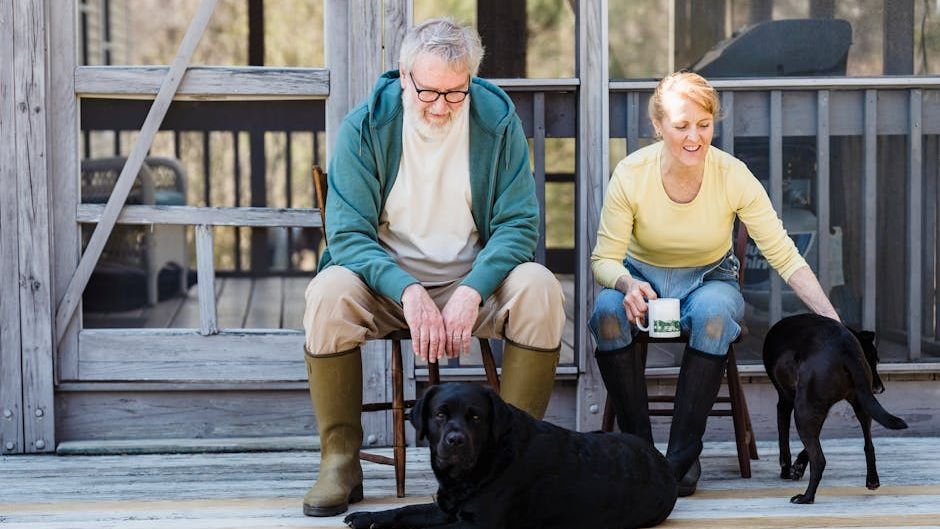
The house is quieter now. The kids are gone, the bedrooms are empty, and that familiar morning chaos – the lunches, the school bags, the noise – has faded into something much stiller. It is a transition that catches many parents completely off guard. You prepared for everything else, but not quite for this.
Here is something that might surprise you: one of the most powerful antidotes to that empty-nest ache might have four legs, a greying muzzle, and a bottomless capacity for love. Older dogs, specifically, offer something so uniquely matched to this chapter of life that once you understand it, the connection feels almost too obvious. Let’s dive in.
They Already Know How to Be a Housemate
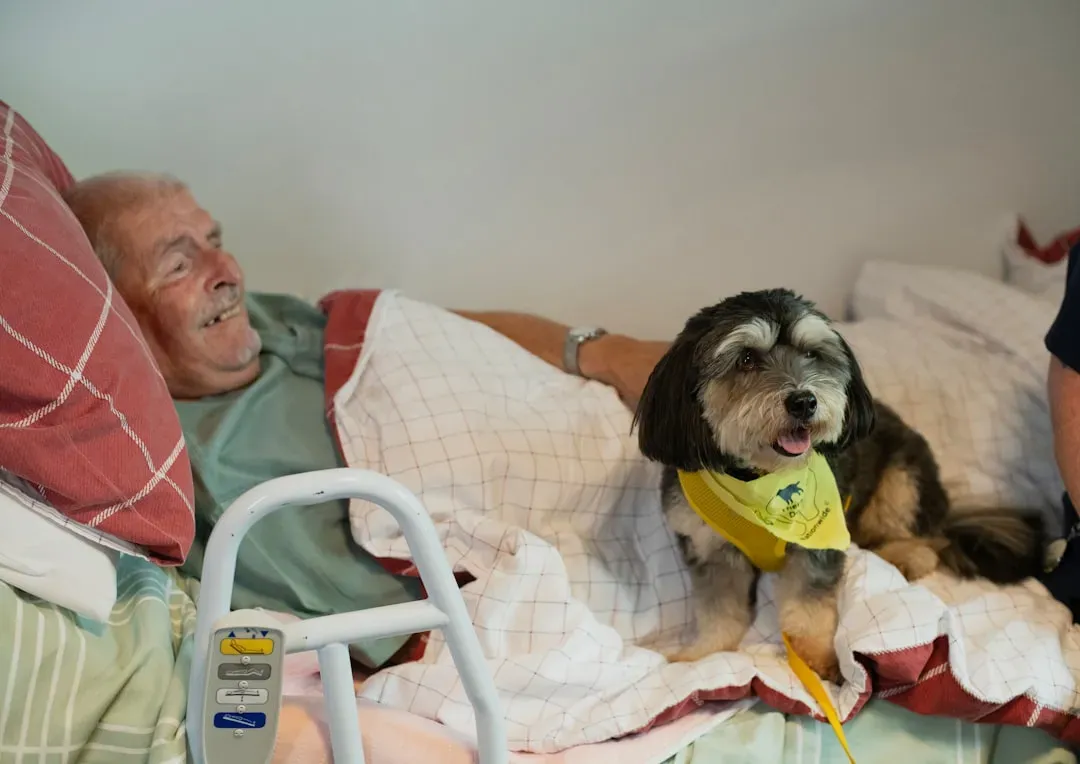
A senior dog has lived in a home before. In most cases, they are already housetrained. They know what a leash is. They understand routines, couch napping, and the general rhythm of living alongside people. You are not starting from scratch – you are welcoming a dog who already speaks the language of home.
Many older dogs already know how to handle potty time like pros and will not turn your furniture into a chew toy. Most older dogs know how to walk on a leash, how to ride in a car, and understand basic commands. That is honestly a gift, especially when you are finally enjoying some hard-earned peace and quiet.
Their Calm Energy Matches Your New Pace
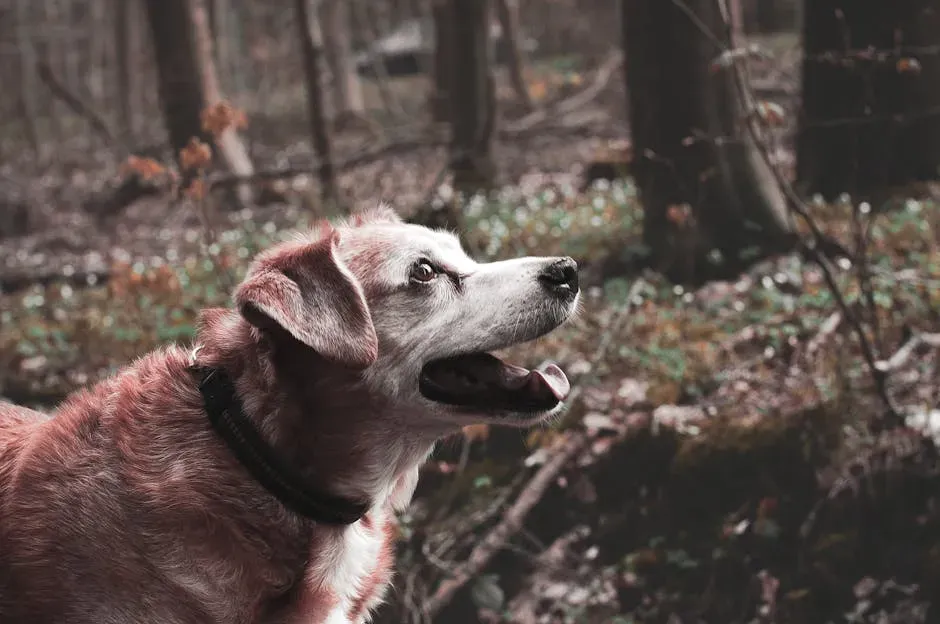
Senior dogs are often more settled and content with gentle walks and cozy evenings at home, making them a perfect fit for those looking for companionship without the high energy demands of a younger dog. Think of it like this: you have earned a slower morning, and so has your dog.
Older animals already have their routines. While they still love to play, they love to relax, cuddle, and nap as well. They are emotionally mature and more mellow than younger pets. They require exercise, but it does not need to be as frequent or vigorous as with a younger animal. As a result, older dogs tend to fit more easily into your daily routines.
They Fill the Emotional Void in a Way Nothing Else Quite Can
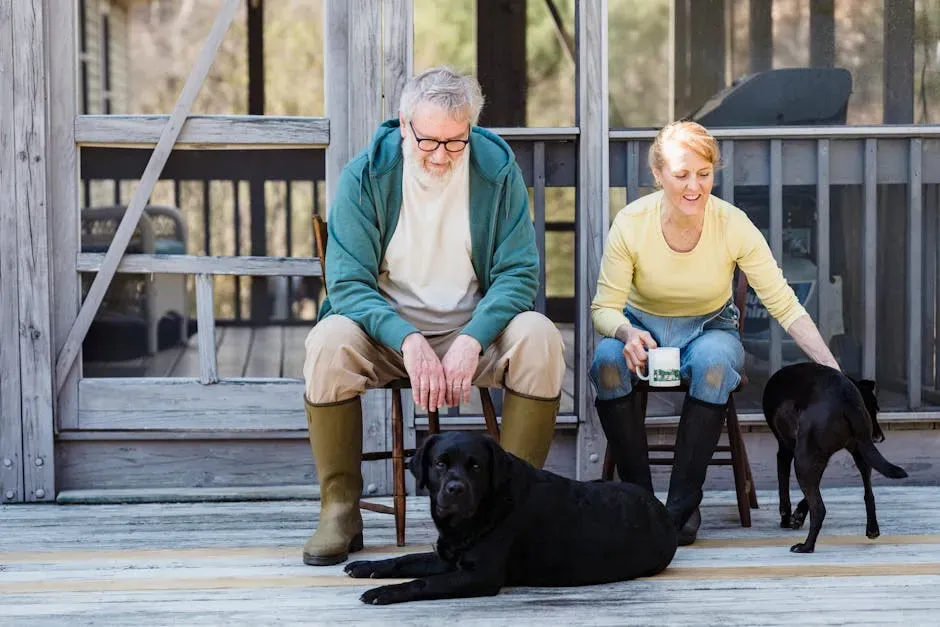
Adopting a dog gives empty nesters a renewed sense of purpose. Pets do not judge your newfound freedom or your sadness about it. They simply exist alongside you, needing walks and meals and belly rubs, creating a rhythm that feels familiar yet refreshingly different.
Research shows that more than half of empty nesters expressed being happier since having a pet. It is genuinely hard to stay stuck in loneliness when a tail-wagging creature greets you at the door every single time you return home. That simple act of being welcomed back – every time – is more powerful than people give it credit for.
They Are Deeply Grateful and Show It
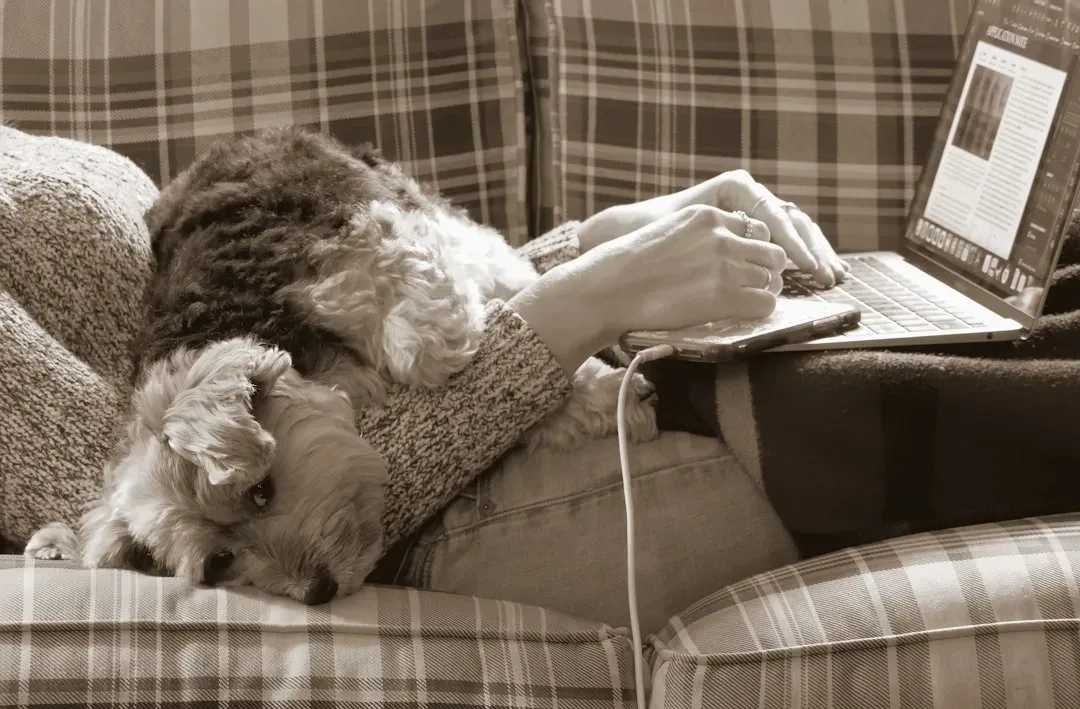
Senior dogs seem to show a quiet, soulful appreciation for being given a second chance. After settling in, they are typically affectionate, intuitive, and content simply being near their people. There is no performance here. No agenda. Just genuine, steady warmth.
One of the biggest benefits of adopting a senior dog is the immediate bond and gratitude they show. They seem to understand they have been given a second chance, and they are incredibly loyal and appreciative. If you have ever looked into the eyes of a rescued older dog who finally feels safe, you will know exactly what this means.
They Are Genuinely Good for Your Health
Let’s be real – this is not just feel-good talk. The research here is seriously compelling. Petting a dog has been found to reduce stress by increasing serotonin and oxytocin levels. Owning a pet has also been linked to lower risks of heart disease, strokes, anxiety, and depression.
A University of Michigan study found that roughly seven in ten older adults said their pet helps them cope with physical or emotional symptoms. Pets give you a clear reason to walk every day, and research in the BMC Public Health Journal found that dog owners walk an average of 22 minutes longer per day than non-owners. That is a meaningful difference over time.
They Help You Stay Socially Connected
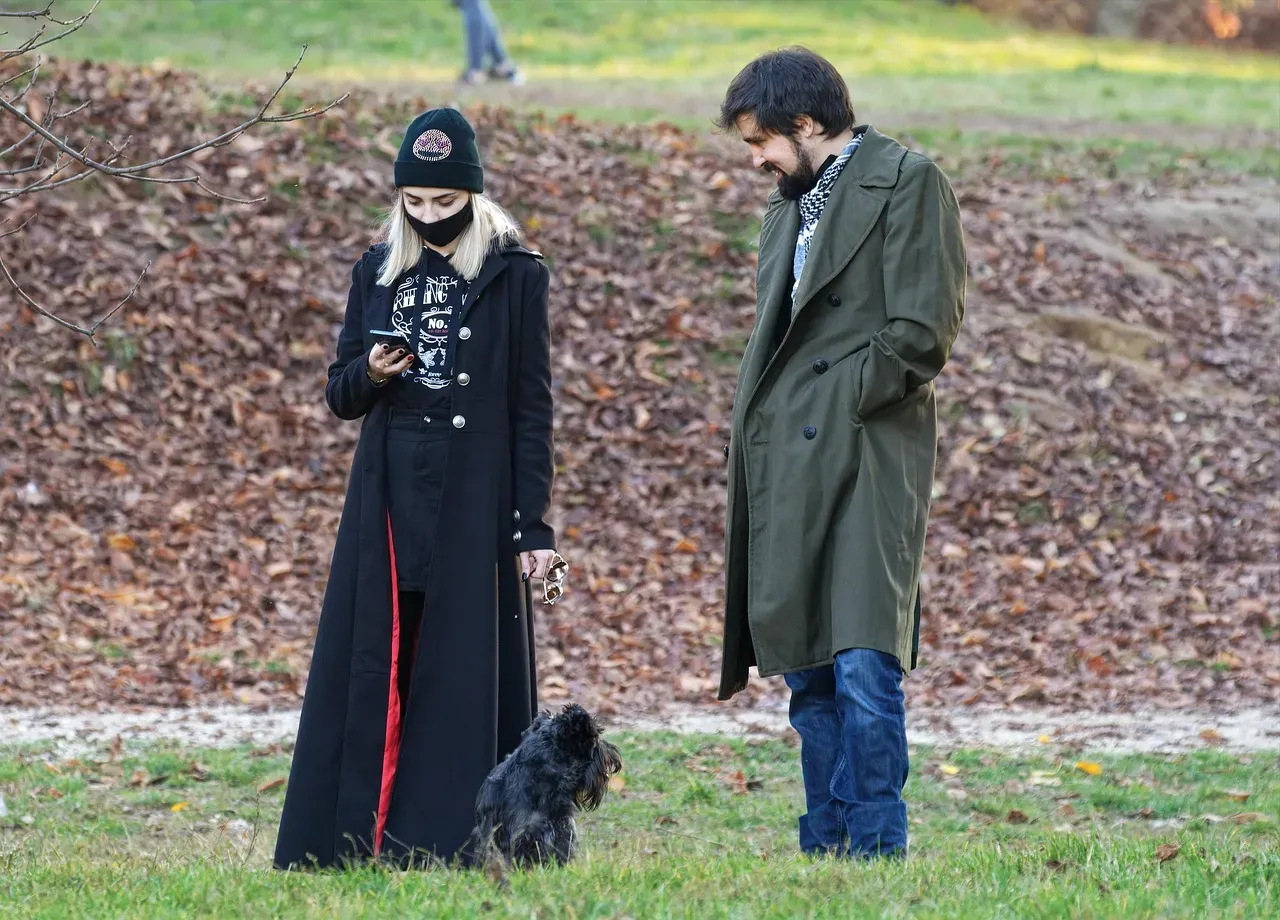
One thing that surprises many empty nesters is how socially isolating this life stage can feel. Your social life was often built around your children, their activities, their friends’ parents. When that disappears, the gap can be startling. Having a dog can help empty nesters be more socially connected and interactive. Walking your dog is a great way to get outside, meet new people, and stay connected to your neighbors and community.
Research has found that pet ownership was the third most common way that people meet others in their neighborhoods. Pet owners were roughly sixty percent more likely than non-pet owners to get to know people in their neighborhoods. Your older dog, ambling calmly beside you through the park, is quietly your best social wingman.
You Know Exactly What You Are Getting

Puppies are wonderful, sure. But they are also complete mysteries wrapped in chaos. With an older dog, there is a beautiful predictability that makes the decision far less of a gamble. With a senior dog, there are fewer surprises. Their size and breed characteristics are already established, making it easier to pick a dog that fits your lifestyle. If you live in a smaller space, you will not have to worry about the dog outgrowing it. Their personalities are fully developed, so you can find a dog that matches your own temperament.
Older dogs often provide a clearer picture of their health needs from the start, allowing the adopter to plan rather than be surprised. That kind of clarity matters when you are making a serious, loving commitment.
They Give You a Daily Routine – and That Matters More Than You Think
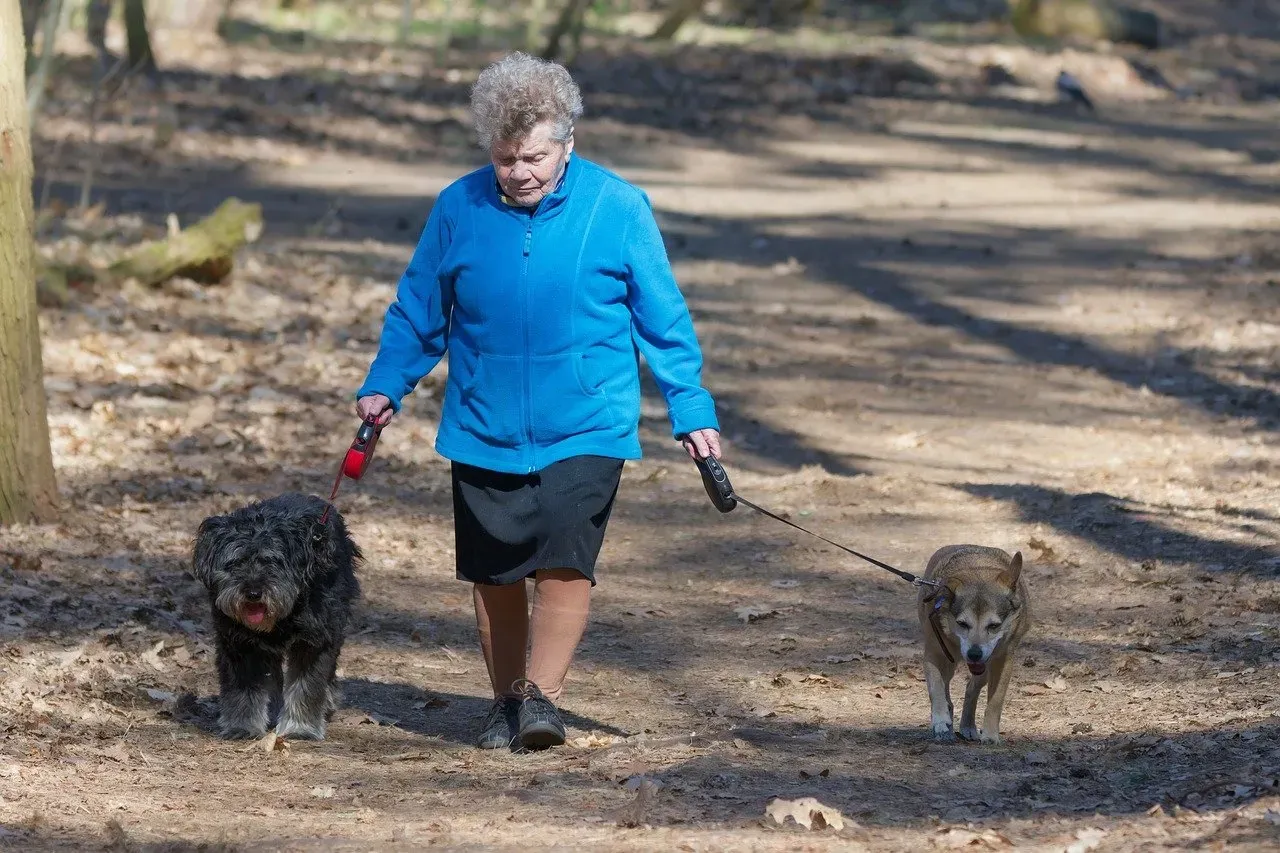
Here is something people do not talk about enough: routine is one of the first casualties of the empty-nest transition. The structure that children gave your days just evaporates. Having a pet creates a sense of responsibility and purpose, as older adults follow a consistent schedule for feeding, grooming, and walking their companions. This routine contributes to lower stress levels, boosted mental well-being, and improved overall quality of life.
Having another living being to care for can help those who are newly retired or adjusting to a quieter home add structure to their day through daily routines of feeding, playing, and walking a dog. Research has shown that having a routine offers improvements in mood and cognitive functioning while also decreasing the chances of developing major depression.
They Can Protect Your Mind as Well as Your Heart
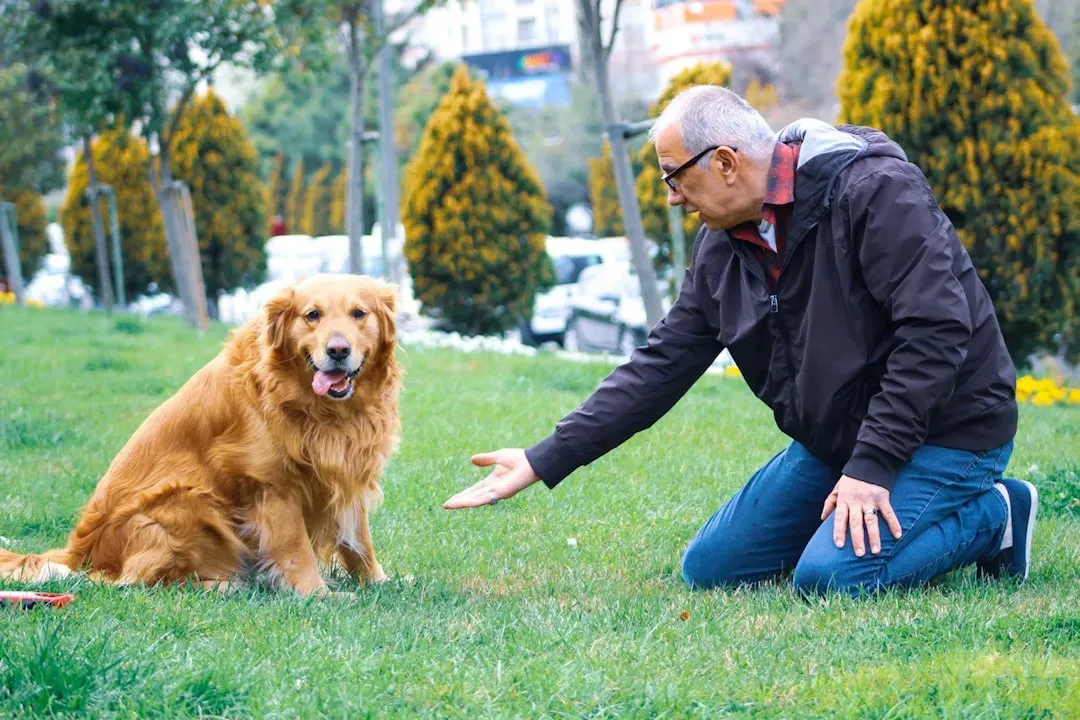
I think this reason genuinely shocks most people when they first hear it. Researchers found that people with dogs showed a slower decline in memory, including both immediate and delayed recall, compared with participants who did not own pets. That is a remarkable finding for anyone entering the years when cognitive health becomes a real priority.
Pet ownership can have significant mental benefits for seniors, including improved cognitive function, reduced stress levels, and enhanced emotional well-being. Interacting with a pet has been shown to lower cortisol levels, which in turn helps reduce feelings of anxiety and promote a sense of calm. A serene older dog resting beside you on the sofa is doing more for your brain than you ever imagined.
You Are Saving a Life – and That Changes You
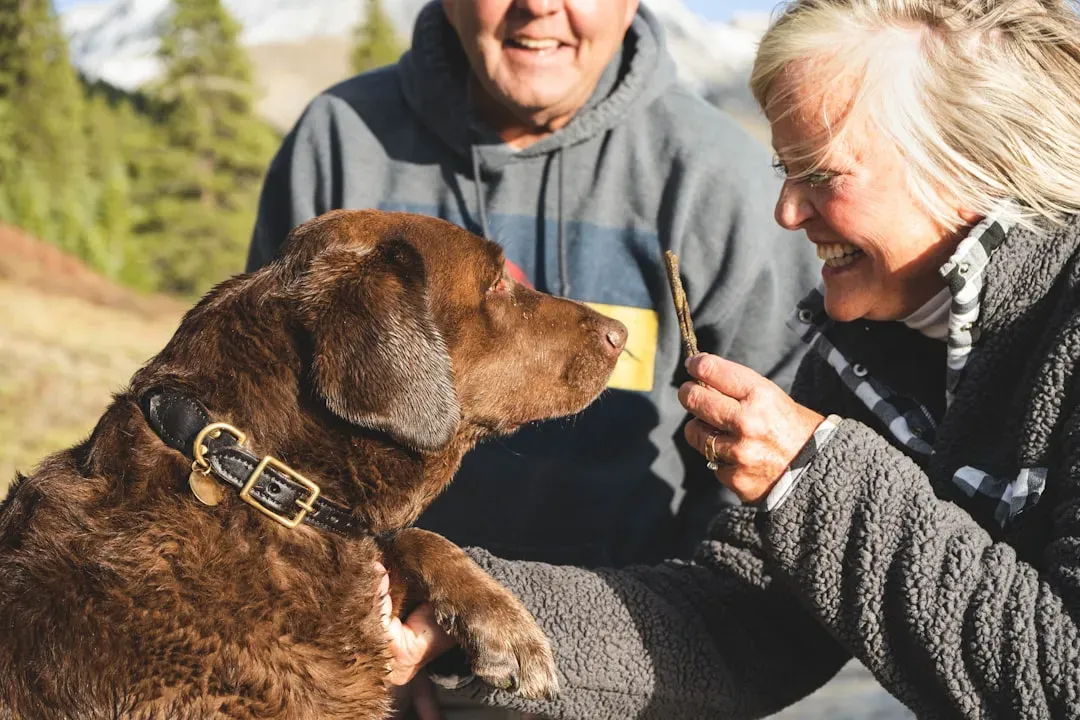
Senior dogs often have a harder time finding homes compared to their younger counterparts, yet they have so much love and wisdom to offer. The sad truth is that older dogs are the most overlooked in shelters, and often face the hardest outcomes. Choosing one is a profound act of kindness.
Senior dogs deserve love and a forever home just as much as puppies do. By adopting an older dog, you are giving them the opportunity for a dignified and comfortable life in their golden years. You are providing them with joy, comfort, and security in their later years. The emotional and psychological benefits for the dog are immense, and the rewards for you as a pet parent are equally fulfilling. There is something quietly transformative about knowing you gave someone a second act.
A Final Thought Worth Sitting With
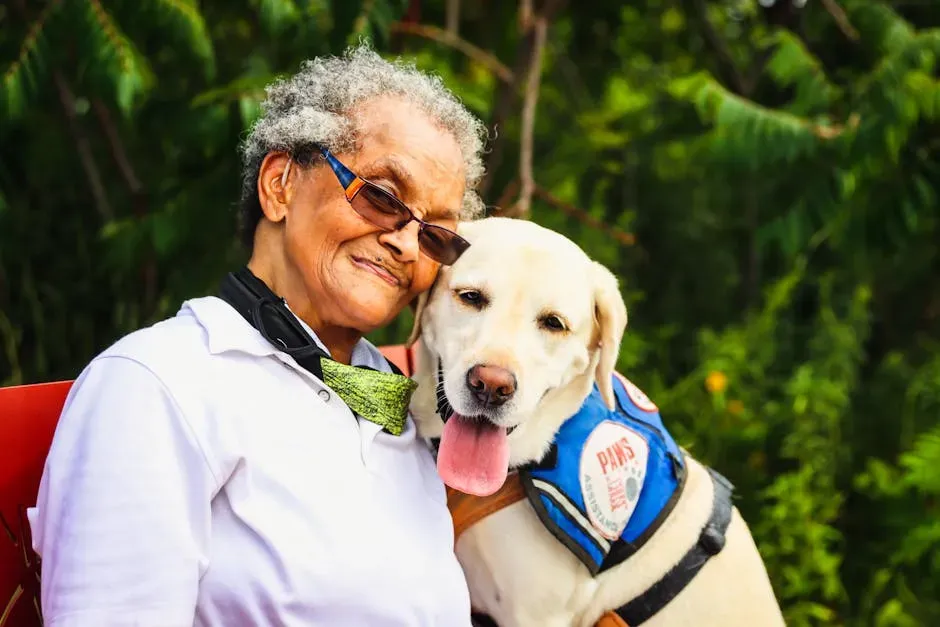
The empty-nest chapter does not have to feel like an ending. In many ways, it is one of the most spacious, open, and personally meaningful seasons of life – if you step into it with intention. For empty nesters, a senior dog adoption can fill the void left by grown children and provide a genuine sense of purpose and companionship.
A “senior” small dog at age 8 or 9 may have six, seven, or eight good years ahead of them – years filled with walks, belly rubs, car rides, and the kind of companionship that makes a house feel like a home. That is not a short chapter. That is a whole second act. For both of you.
You gave years of your life to raising humans who are now out in the world doing wonderful things. Maybe now, it is your turn to be the one who comes home to unconditional love every single day. So, have you ever considered that your perfect companion might already be waiting for you at a shelter nearby?


