
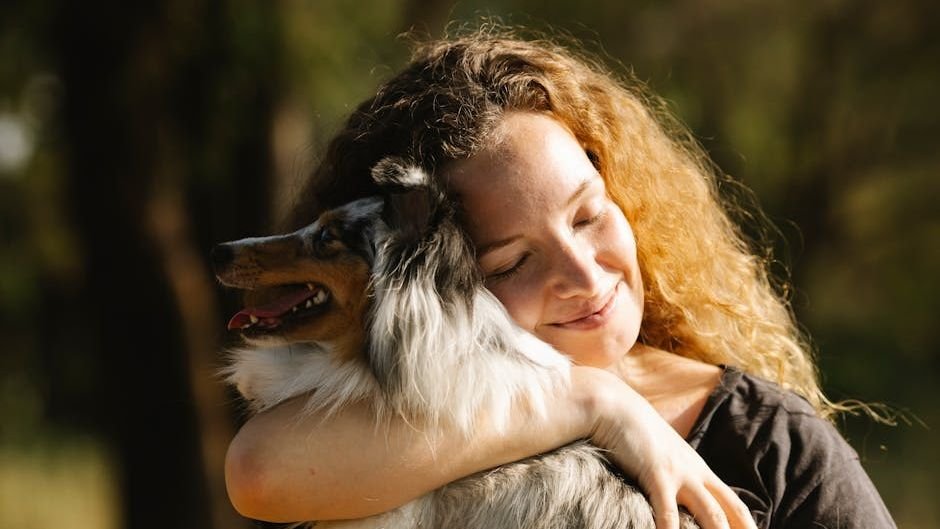
There is something quietly remarkable about coming home to a dog. It does not matter if you were gone for three hours or three days. The reaction is the same: full body wiggle, tail going like a helicopter, and eyes that look at you like you just hung the moon. Honestly, it is enough to make even the most stoic person feel completely melted.
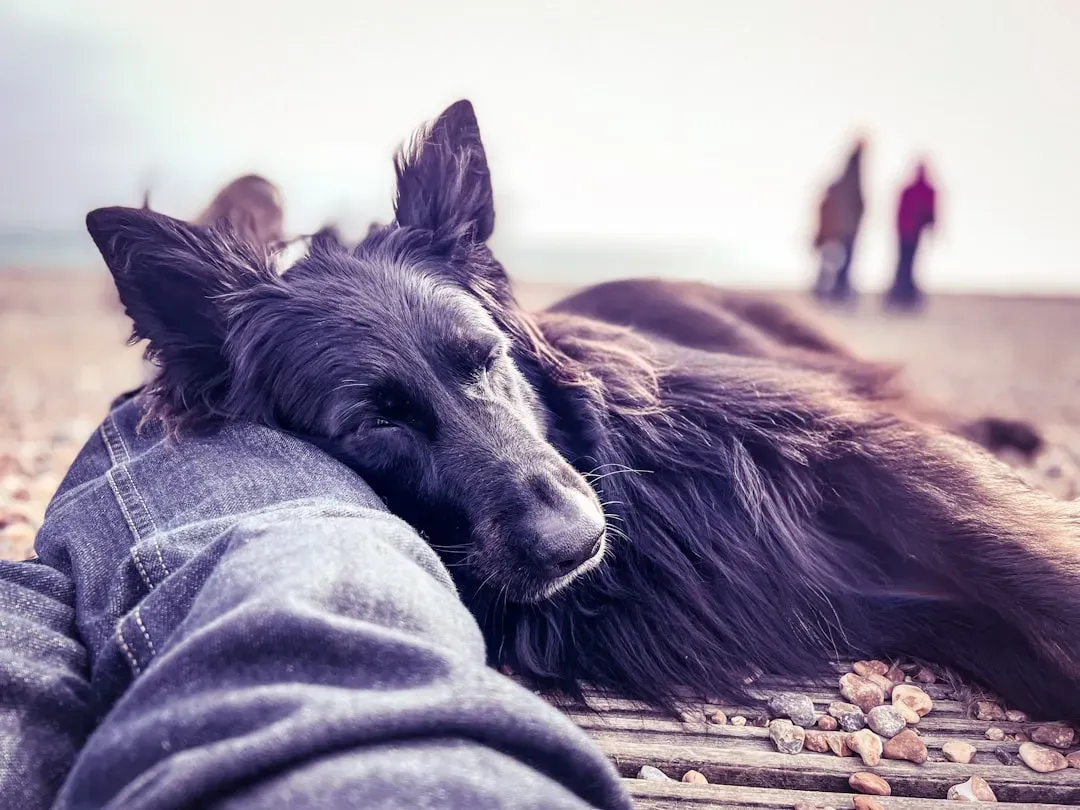
Most of us accept this love without asking too many questions. We assume it is just “what dogs do.” Yet the deeper you look at the science and the history behind that wagging tail, the more astonishing and emotionally rich the picture becomes. There is a story here that spans tens of thousands of years, and it lives in every glance, every nudge, every sleepy sigh your dog lets out while resting against your leg.
What makes a dog’s devotion so constant? Why does it never seem to run out? Let’s dive in.
It Is Written Into Their DNA – Literally
Here is the thing most people do not fully appreciate: your dog’s love for you is not accidental. Dogs are loyal due to their evolutionary history, and the domestication process has further enhanced this loyalty. Over thousands of years, humans selectively bred dogs for traits that include loyalty and companionship. Think about that for a moment. We literally shaped dogs, generation by generation, to bond with us deeply.
While it may have started with a simple exchange of food and shelter for animal-assisted guarding or hunting, humans eventually began to favor dogs that were more docile and sociable. As humans evolved to hunt less and moved on to more secure lifestyles, the domestication process eventually began to encourage companionship. Love, in other words, became a survival trait. The friendlier the dog, the better their chances.
Over generations, wolves adapted to human companionship, eventually evolving into the domestic dogs we cherish today. This long history of coexistence has ingrained a sense of loyalty and companionship in dogs, making them naturally inclined to form strong bonds with their human families. So when your dog gazes up at you from across the room, that look is the product of a relationship nearly as old as civilization itself.
The Love Hormone Is Real – And It Flows Both Ways

You have probably heard of oxytocin. It is the chemical your brain releases when you hug someone you love, when a mother first holds her baby, when two friends share a deep laugh. One key factor in canine loyalty is the role of hormones, specifically oxytocin, commonly called the “love hormone.” Studies have shown that oxytocin levels increase in both species when dogs and humans interact, strengthening their bond. In addition to oxytocin, other hormones like endorphins, dopamine, and serotonin rise during positive interactions between dogs and humans. These hormones contribute to feelings of happiness, pleasure, and attachment, further solidifying dogs’ loyalty toward their human companions.
What makes this even more extraordinary is the feedback loop it creates. Researchers found that mutual gazing increased oxytocin levels, and sniffing oxytocin increased gazing in dogs, an effect that transferred to their owners. Wolves, who rarely engage in eye contact with their human handlers, seem resistant to this effect. So that long, gentle look your dog gives you from across the sofa? That is not just cute. That is chemistry. A biological feedback loop of love, unique to dogs among all animals on earth.
Your Dog Actually Reads Your Feelings – Better Than You Might Think
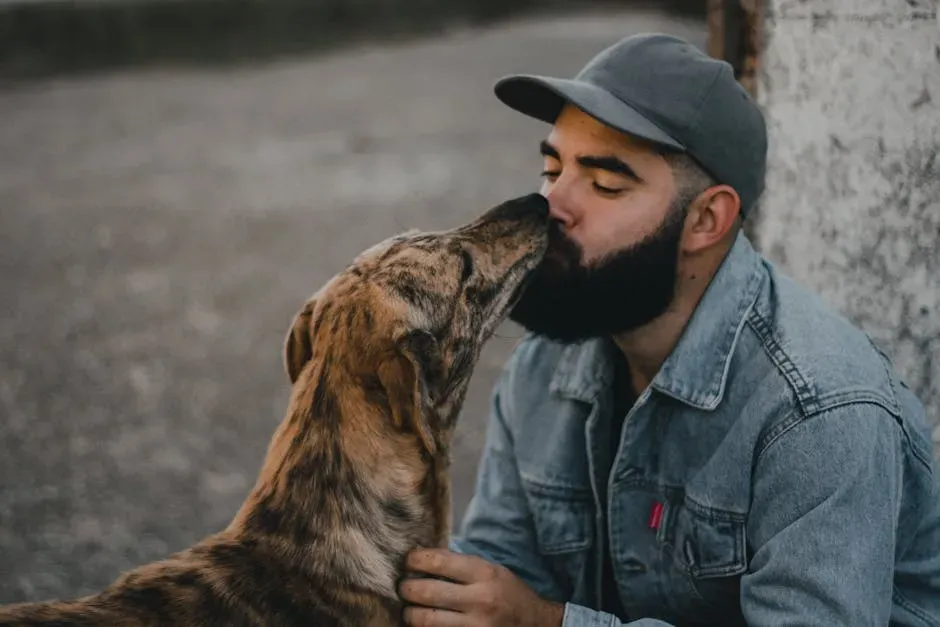
Let’s be real: most of us have had that eerie moment where our dog seemed to just know we were having a terrible day before we said a single word. Turns out, that is not your imagination. Dogs have been empirically shown to be particularly sensitive to human emotions. They discriminate and show differential responses to emotional cues expressed through body postures, facial expressions, vocalisations, and odours. They are reading a book about you that you did not even know you were writing.
Dogs don’t just observe your emotions; they can “catch” them too. Researchers call this emotional contagion, a basic form of empathy where one individual mirrors another’s emotional state. A 2019 study found that some dog-human pairs had synchronised cardiac patterns during stressful times, with their heartbeats mirroring each other. This emotional contagion doesn’t require complex reasoning – it’s more of an automatic empathy arising from close bonding. Imagine that. Your heartbeat and your dog’s heartbeat, moving together in rhythm during your hardest moments. That is not a small thing.
Dogs use their acute sense of smell to detect hormonal changes in us, which helps them understand how we’re feeling. For example, when we’re stressed, we release cortisol, and dogs can sense this. So next time your dog plops their head in your lap out of nowhere, they likely sensed something you had not even consciously acknowledged yet. They often reach you before you reach yourself.
They See You as Family – And Science Backs That Up
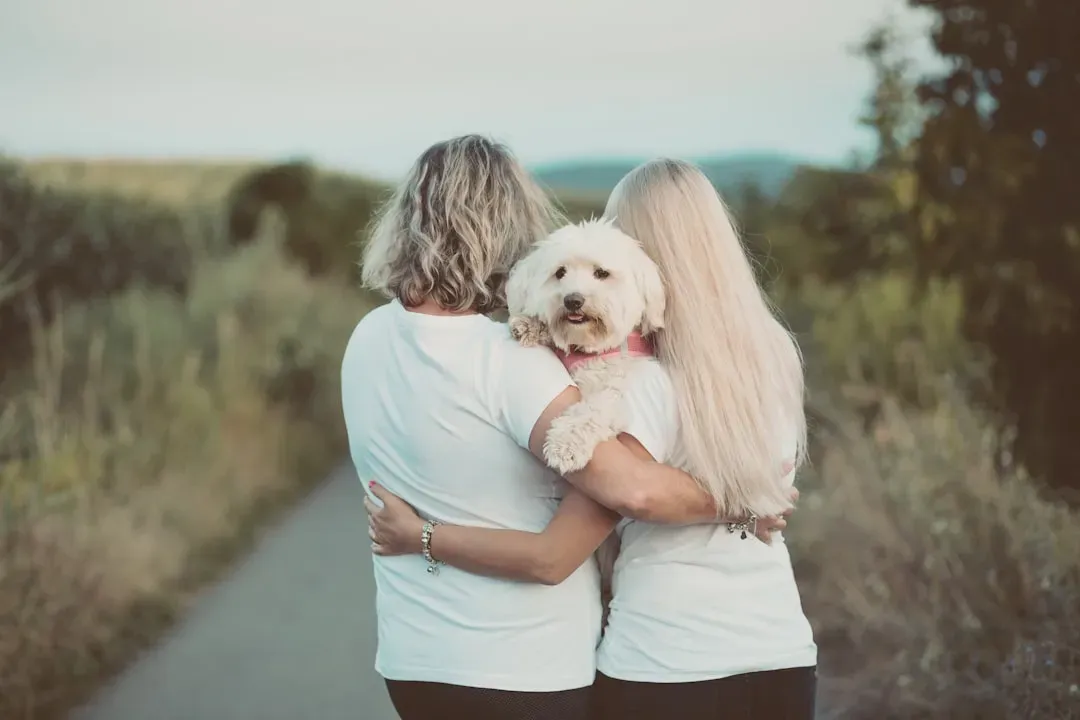
Dogs do not just enjoy your company the way you enjoy a good playlist. The bond runs deeper than comfort or habit. The bond between dogs and humans is similar to the attachment bonds found in caregiver-infant relationships. One example of this behavior is when a dog seeks closeness to their human companions to cope with stress. On the flip side, when their beloved human isn’t around, dogs can display behaviors that show they’re experiencing separation-related distress. That is the language of family, not just fondness.
Researchers have established that dogs know enough about human behavior to take their pet parent’s side during even passive confrontations. In one striking study, when strangers held a treat out for a dog, the dogs were more likely to choose a treat from the kind or neutral stranger and ignored the one who wouldn’t help their guardian. Your dog is paying attention to how people treat you. They take sides. They are loyal in the truest sense of the word.
Not only did dogs react more strongly to the scent of their owners in brain scan experiments, the part of the brain associated with enjoyment and positive emotions lit up when they were given their owner’s scent. Your loyal dog does recognize you. The same patterns in humans would usually be associated with love. That is perhaps the most beautiful scientific sentence I have ever read about a dog.
When Love Becomes Too Much: Understanding Separation Anxiety
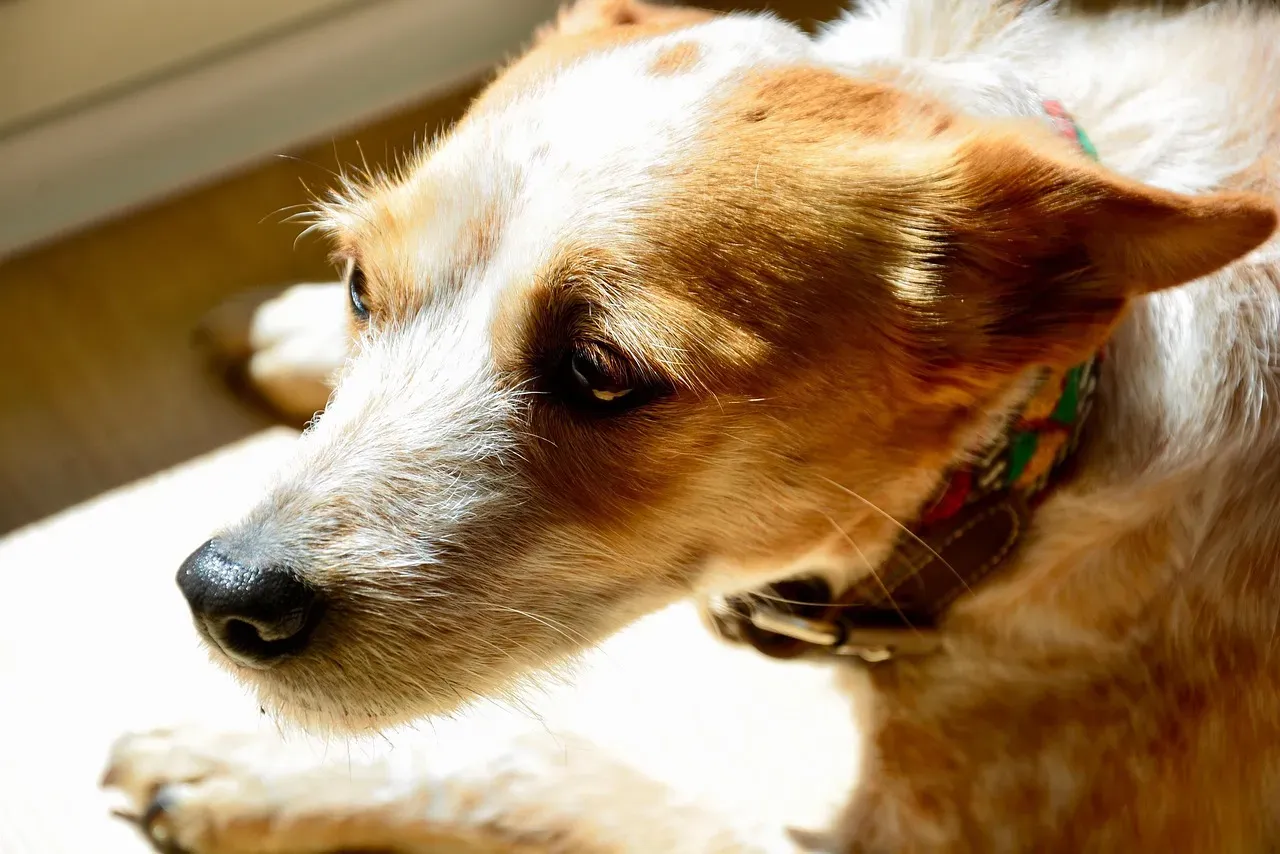
All of this deep bonding comes with a responsibility. Some dogs love so intensely that being apart from their person causes genuine distress. While most dogs are emotionally attached to their owners, anxious dogs exhibit more attachment behaviors than dogs that are less anxious. Separation anxiety has been defined as distress in the absence of an attachment figure. Dogs with separation-related problems will often show signs of excessive attachment to their owners. For example, dogs may follow their owners around when they are home, and begin to whine, pace, pant, or freeze as their owner’s departure becomes imminent.
The signs to watch for go beyond a little whining at the door. These dogs present signs of distress when separated from their owners, such as destructiveness, excessive vocalisation and house soiling. Additionally, they might present physiological signs such as excessive salivation, panting, trembling, repetitive behaviour including pacing, activity level changes and anorexia, which may also happen while the owner is preparing to leave. If you recognize these patterns in your dog, it is not a character flaw. It is a cry for help from a heart that loves you too much to handle your absence.
The good news is that this is very treatable. Teaching your dog to spend time alone can help prevent them from becoming overly attached to you. Be aware of how much time you spend with your dog and how you act before leaving and upon arrival. When you bring home a new puppy, socialize them and teach them how to spend time by themselves. Start early and use positive reinforcement to reward behaviors you want to continue. Small, consistent steps can make a world of difference for an anxious dog.
Conclusion: A Love That Runs Deeper Than Words
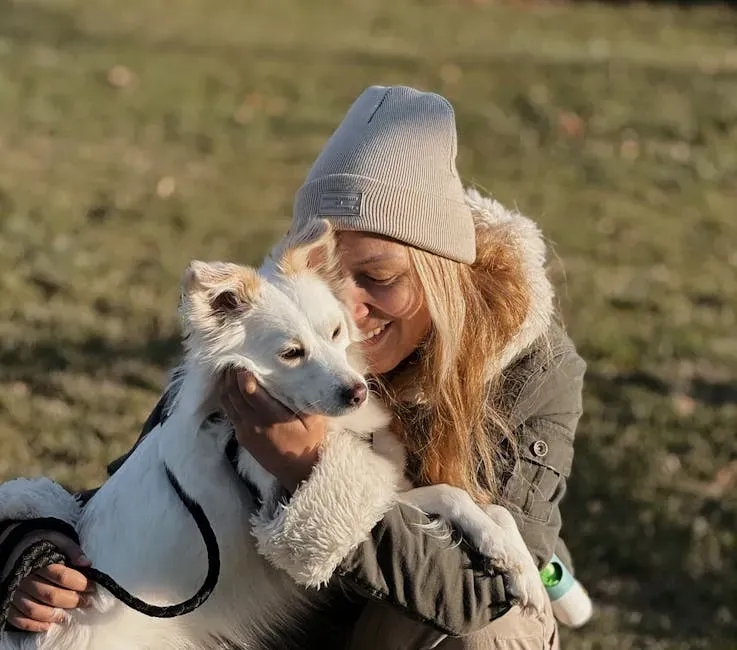
The is not one single thing. It is evolutionary history, brain chemistry, emotional intelligence, and something that honestly defies a clean scientific label. It is the way a dog waits by the door. It is the way they rest their chin on your knee when they sense you are sad. It is the synchronised heartbeats, the oxytocin loops, and ten thousand years of growing together.
Understanding this bond is not just fascinating. It is a call to action. To be present with your dog. To learn their cues. To notice when their love tips into anxiety and respond with patience rather than frustration. The more you understand why they love you, the better you can love them back. And honestly, that feels like exactly the right reason to keep showing up for each other, every single day.
So here is a question worth sitting with: knowing how profoundly your dog’s devotion is wired into their very biology, does it change how you see that wagging tail waiting for you at the door? Tell us in the comments. We would love to hear your story.


