
There’s a moment every dog owner knows. You reach for the leash, and before you’ve even unhooked it from the wall, your dog is already spinning in circles at the door. Or you open the treat jar, and suddenly your perfectly napping dog is somehow right behind you, tail going a hundred miles an hour. It’s funny. It’s endearing. But honestly, it’s so much more than that.
Your dog isn’t just reacting to the moment. They’re responding to a ritual they’ve come to count on – a small, sacred part of their day that tells them the world is safe, predictable, and full of love. When a dog has a ritual they anticipate and look forward to, it’s their way of staying calm and confident in their environment. These little daily acts mean everything to them. So let’s dive into exactly which ones your dog hopes you never, ever stop doing.
The Morning Greeting That Sets the Whole Day

Let’s be real – most of us stumble out of bed half-asleep, but our dogs greet every morning like it’s the greatest day of their lives. That tail wagging, that full-body wiggle, that enthusiastic nose nudging your hand? It’s not just excitement. It’s a deeply important ritual for them. Dogs are creatures of habit, and while their playful, spontaneous behavior may seem unpredictable at times, underneath their wagging tails and enthusiastic greetings lies a deep craving for structure.
That good morning greeting of yours is actually a powerful emotional cue. It signals the start of their day and confirms you’re still their person. Dogs thrive on connection, and it’s important to communicate with your dog to establish trust and mutual respect. Even just thirty seconds of eye contact, a gentle scratch behind the ears, and a warm “good morning” sets a calm, confident tone for everything that follows. Don’t underestimate it.
The Sacred Feeding Time Ceremony
Here’s the thing about feeding time – it’s never just about the food. Dogs adore the predictability of regular feeding times, which provides structure and something wonderful to anticipate. The routine itself brings comfort, not just the food. Watching you prepare their meal becomes a cherished ceremony. The sound of the kibble hitting the bowl. The familiar order of steps. The way you set it down in the same spot. All of it matters deeply.
A regular feeding schedule is more than a convenience – it directly affects your dog’s health. When mealtimes are consistent, digestion improves, bathroom habits become more predictable, and weight management is easier to monitor. If you’ve ever wondered why your dog starts pacing at exactly the same time every evening, now you know. They’re not just hungry. They’re following a ritual they trust completely. Keep it consistent.
The Daily Walk That Smells Like the Whole World
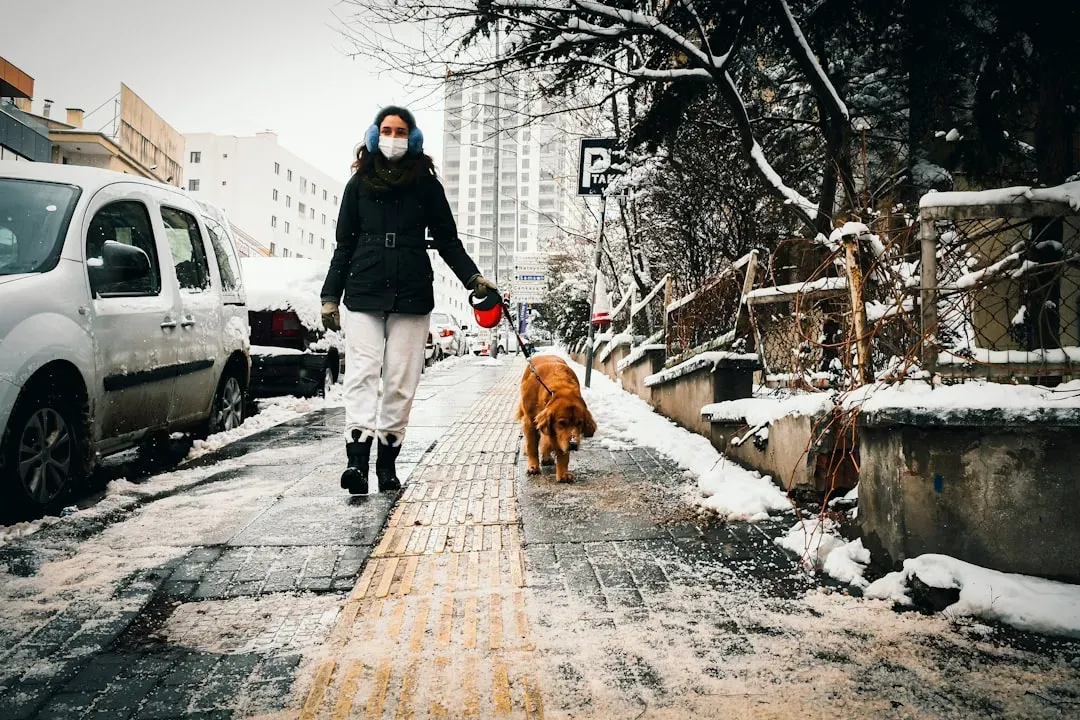
A walk is never just a walk for a dog. It’s a newspaper, a social calendar, and a sensory adventure all rolled into one. Walking your dog at the same time each day becomes more than just a bathroom break – it becomes a bonding experience, a sensory adventure, and a positive energy outlet. The familiar route, the usual spots to sniff, the same tree they always circle – these aren’t boring repetitions to your dog. They’re deeply comforting landmarks.
Dogs that don’t get regular, scheduled activity are more likely to show signs of frustration, restlessness, and destructive behavior. Those who know when their next walk or play session is coming are generally more relaxed and focused the rest of the day. Honestly, a skipped walk communicates more to your dog than you might realize. It disrupts a ritual they count on. Try your best to keep that daily walk sacred, even if it’s a short one.
Playtime – Where Joy Becomes a Language
Play is not optional. It’s not a bonus activity you squeeze in when time allows. For dogs, regular play is genuinely essential to emotional and physical health. Outlets for natural behaviors through enrichment, play, and mental puzzles are as important for an animal’s health as physical exercise, and this mental exercise provides busy dogs with a job. Think of it this way: play is how your dog stays sane and connected.
Whether it’s a game of fetch in the backyard, tug-of-war in the living room, or a good old wrestling match on the rug, keep those sessions consistent. A scheduled approach to training and play makes the experience more enjoyable for both of you. By varying the activities and incorporating play, treats, and affection, you ensure that the routine doesn’t become monotonous for either you or your dog. Mix it up a little, but never drop it altogether. Your dog is keeping score.
The Post-Meal Wind-Down Ritual
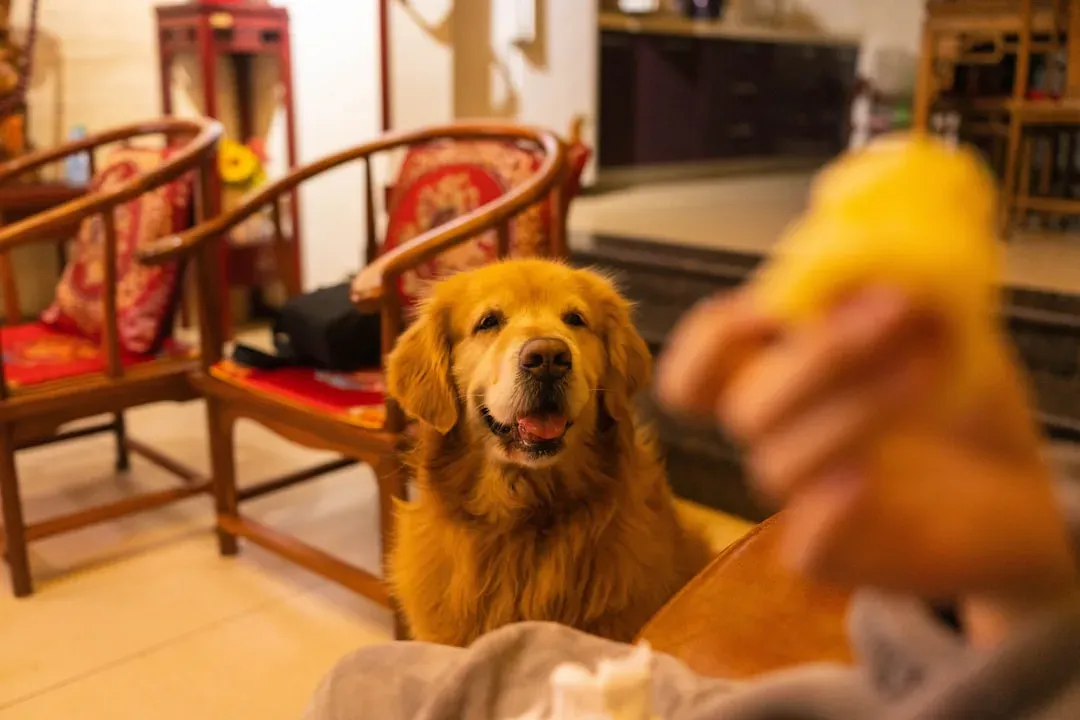
Ever notice how your dog has a very specific routine right after finishing their dinner? Some roll around on the carpet, some do wild victory laps around the house (yes, the famous “zoomies”), and others quietly come and lean against your leg. From an evolutionary perspective, this burst of energy after a meal can be rooted in the instinctual drive to move, explore, and play after securing food – a reward that signals safety and abundance.
These post-meal happiness rituals, whether calm or lively, reveal the emotional world of your dog and their unique way of expressing contentment. The key thing to know is that your dog wants you present for this moment. Neuroscience shows that touch – especially gentle petting and scratching – releases oxytocin in dogs and humans alike, strengthening the emotional bond. So next time they toddle over after dinner with soft eyes and a wagging tail, give them that scratch. It genuinely matters.
Training Time – The Ritual That Builds True Confidence

I know it sounds crazy, but a few minutes of training each day might be one of the most loving things you can give your dog. Canine companions love to learn and thrive on opportunities to practice cues and learn new ones. Regular, short training sessions don’t just teach behaviors – they give your dog a sense of purpose and a chance to earn your praise. That combination is powerful.
Dogs thrive on routine because it creates a sense of security. When training is predictable, your dog knows what to expect and feels more confident in following your cues. Short sessions of five to fifteen minutes work best. Keep them positive, keep them consistent, and watch your dog’s confidence grow in ways that ripple into every other part of their day. It’s one of the most underrated daily rituals you can build together.
Quiet Cuddle Time – Small Moments, Enormous Meaning
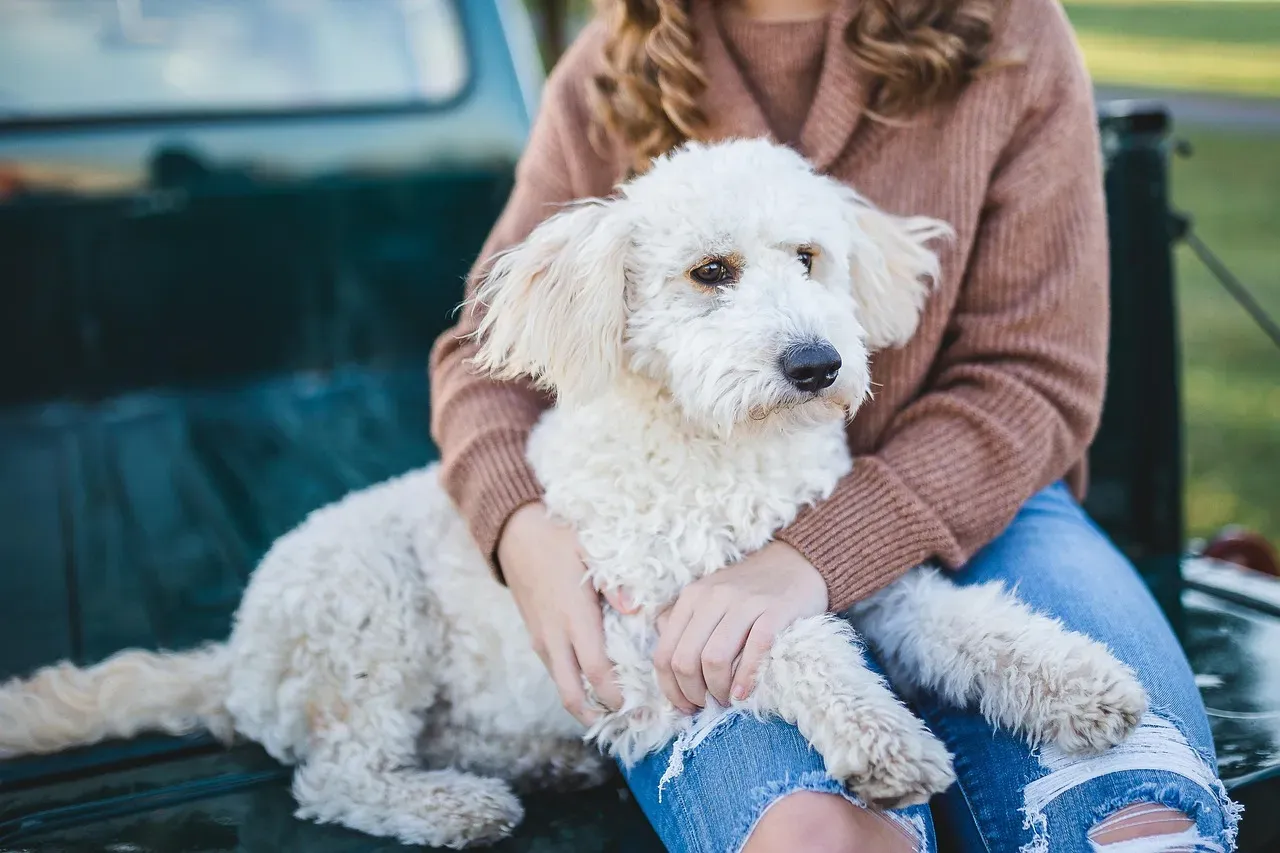
Cuddle time might seem like something that just happens naturally, but for your dog, it’s actually a scheduled emotional need. Maintaining rituals like morning cuddles, evening walks, or bedtime treats gives your dog emotional anchors, even when their surroundings are shifting. That thirty minutes on the couch where you’re both just existing together? Your dog is filing that away as proof that everything is right in the world.
For your furry companion, these repeated interactions carry deep emotional meaning. They represent reliability, care, and attention. Over time, they evolve from habits into bonding rituals. You don’t need grand gestures or special occasions. A hand resting gently on their back while you watch TV communicates volumes. Your dog doesn’t just love the touch. They love the predictability of knowing it will happen again tomorrow.
The Bedtime Routine That Whispers “You’re Safe”
Bedtime is one of the most underestimated rituals in your dog’s day. Establishing a calming bedtime ritual helps your dog wind down and feel secure through the night. Whether it’s a final bathroom break, a small treat, or gentle words, these moments signal safety. Dogs love knowing what comes next, and bedtime routines reduce anxiety. Think of it as their version of being tucked in.
Just like humans, dogs need quality sleep to function at their best. Establishing a consistent bedtime helps regulate your dog’s internal clock, which improves both sleep quality and overall mood. Try to create a bedtime routine that includes a wind-down period with minimal noise and stimulation. The same sequence every night – last potty break, a calm voice, lights down – teaches your dog that the day is done and they are safe. Don’t underestimate how much peace that gives them.
The Consistent Goodbye Ritual Before You Leave
For dogs who struggle with your absence, the goodbye routine is everything. And it’s not about making a big dramatic exit. It’s actually the opposite. When departure cues are followed by the same sequence of actions, such as saying goodbye, picking up keys, or putting on shoes, they lose their emotional impact. Over time, tolerance can be developed through structured alone-time training. Predictability turns a stressful trigger into something manageable.
Another way to establish a departure routine that communicates safety is to give your dog a special treat or toy before you leave and depart quietly. Your dog eventually learns to associate your absence with something dependable and pleasant. Consistently doing the same thing each time you leave teaches your dog that your goodbye is not a loss – it’s just part of the rhythm. That’s a gift worth giving every single day.
The Grooming Ritual That Says “I See You”
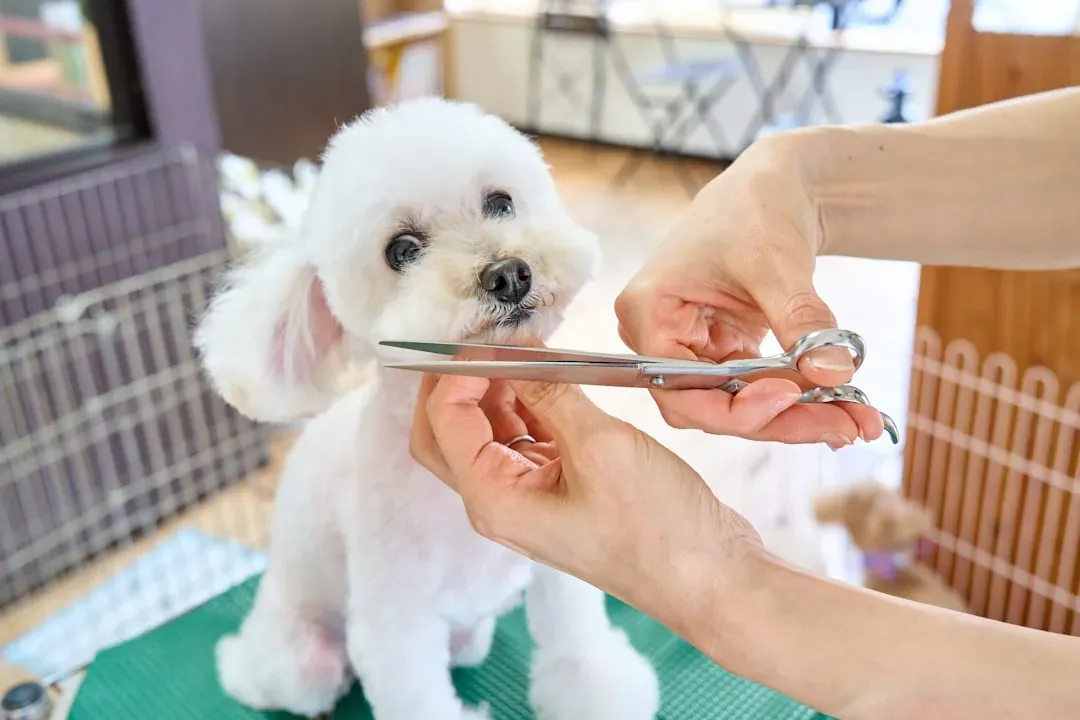
Grooming often gets treated as a chore, something you do when the fur gets unruly or bath time can’t be avoided any longer. But honestly, regular grooming is one of the most intimate rituals you can share with your dog. By making a grooming routine a regular part of your week, you will be aware of your pet’s health and condition; it will also allow your dog to become more comfortable with being handled. It builds trust slowly, touch by touch.
Mindful pet parenting matters more than doing more. When you brush your pet slowly and talk to them gently, you turn a task into shared joy. Intention creates connection. Regular grooming also gives you the chance to notice early signs of health changes – lumps, skin irritation, tender spots – that you might otherwise miss. So that weekly brush session isn’t just about a shiny coat. It’s a check-in, a bonding moment, and a ritual your dog learns to look forward to. Keep it gentle, keep it consistent, and it will become one of the most treasured parts of their week.
Conclusion: Never Stop Showing Up
Here’s the beautiful truth about all of these rituals: they don’t require expensive toys, long vacations, or extraordinary effort. They require presence. Consistency. The willingness to show up in the same loving way, day after day. For your dog, knowing that meals, exercise, and affection will always be provided creates a deep sense of trust and comfort. By giving them this gift of consistency, you shape not only their behavior but also their long-term happiness. Dogs thrive on routine because it reassures them that they are safe, loved, and part of a dependable world.
Your dog doesn’t need you to be perfect. They need you to be predictable. Every walk, every meal, every quiet evening on the couch is a small promise kept. Those patterns – your walks, your feeding times, your little rituals – can quietly train your dog’s stress system to be resilient and grounded. This is where routine stops being a boring word and becomes something much more interesting: a tool for building resilience. So keep the rituals alive. Your dog is counting on them more than you know.
Which of these rituals does your dog absolutely live for? Tell us in the comments – we’d love to hear about the little moments that make your dog’s tail wag the hardest.


