
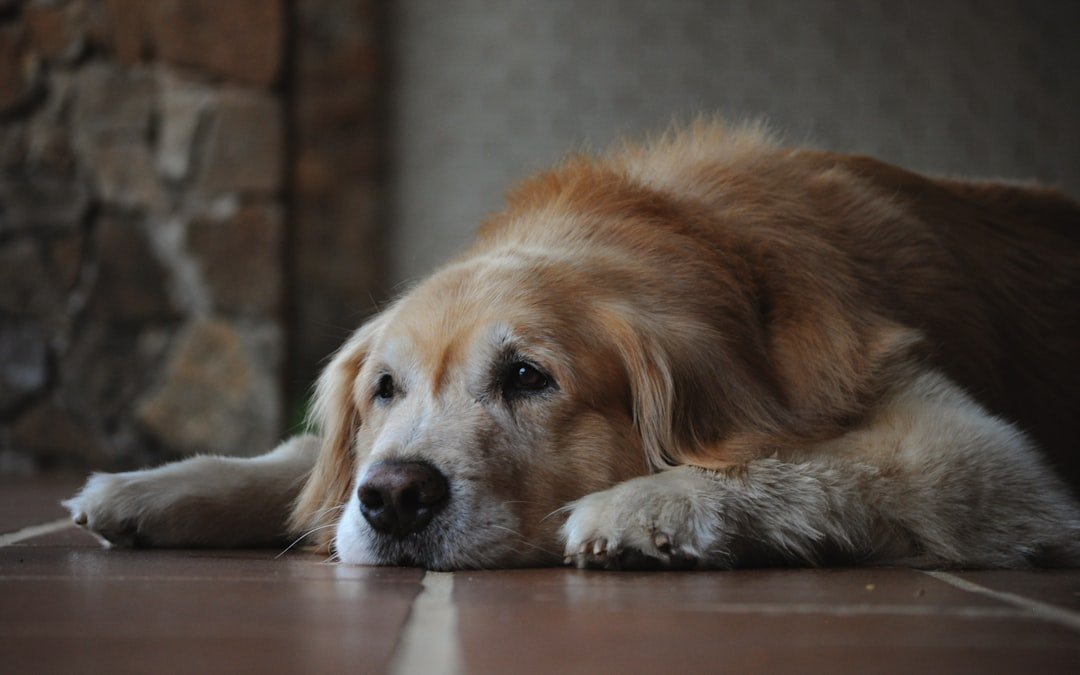
Senior dogs offer unwavering companionship as they age, yet their evolving health needs call for tailored adjustments to maintain vitality and comfort.
Schedule Regular Veterinary Checkups
Owners of older dogs should plan veterinary visits at least twice annually. These appointments allow early detection of issues like kidney function or blood cell changes.[1][2] Veterinarians often recommend blood work to monitor organ health during these exams.
Frequent checkups also address rapid health shifts common in aging pets. Professionals can suggest prescription diets for conditions such as liver disease.[2] Staying proactive prevents minor problems from escalating.
Adjust Diet for Optimal Nutrition
Transition senior dogs to age-appropriate food formulated for slower metabolisms and joint support. High-quality, AAFCO-approved options help manage weight and digestion.[2] Avoid table scraps to prevent added strain on aging systems.
Consult veterinarians for personalized recommendations, especially with chronic conditions. Proper nutrition sustains muscle tone and vital organ function.[3] Keep water bowls full and elevated to encourage hydration without discomfort.[4]
Promote Gentle Exercise Routines
Maintain consistent, low-impact activities to preserve mobility and strength. Short walks, swimming, or stretching suit most senior dogs.[5][6] Aim for 30 to 60 minutes daily, adjusted to the dog’s limits.
Here are suitable exercises:
- Slow neighborhood strolls on soft surfaces
- Swimming sessions for joint relief
- Gentle fetch or hide-and-seek games
- Platform work or basic calisthenics
- Stretching routines guided by a professional
Monitor for overexertion and adapt based on veterinary advice.[7]
Improve Home Accessibility and Comfort
Equip the living space with orthopedic beds, ramps, and raised bowls. These modifications ease joint stress and reduce bending.[8][9] Provide quiet resting areas away from drafts or disturbances.
Grooming attention prevents skin issues, while dental care supports overall health. Soft bedding on hard floors adds extra joint protection.[10]
Stimulate Mind and Watch for Changes
Engage seniors with puzzle toys or training refreshers to sharpen cognition. Consistent routines foster security amid sensory declines like hearing loss.[6][2]
Observe shifts in behavior, appetite, or mobility promptly. Early intervention through veterinary exams improves quality of life.[11]
| Aspect | Junior Dog Needs | Senior Dog Adjustments |
|---|---|---|
| Vet Visits | Annually | Twice yearly[2] |
| Exercise | High energy | Low-impact, moderated[5] |
| Bedding | Standard | Orthopedic, elevated[9] |
- Prioritize biannual vet exams for early detection.
- Switch to senior-specific diets and ensure hydration.
- Blend gentle exercise with home modifications for comfort.
Implementing these strategies extends joyful years for senior dogs. Small changes yield lasting comfort and happiness – what adjustments have you made for your older pup? Share in the comments.


