
10 Reasons Senior Dogs Become the Most Devoted Companions
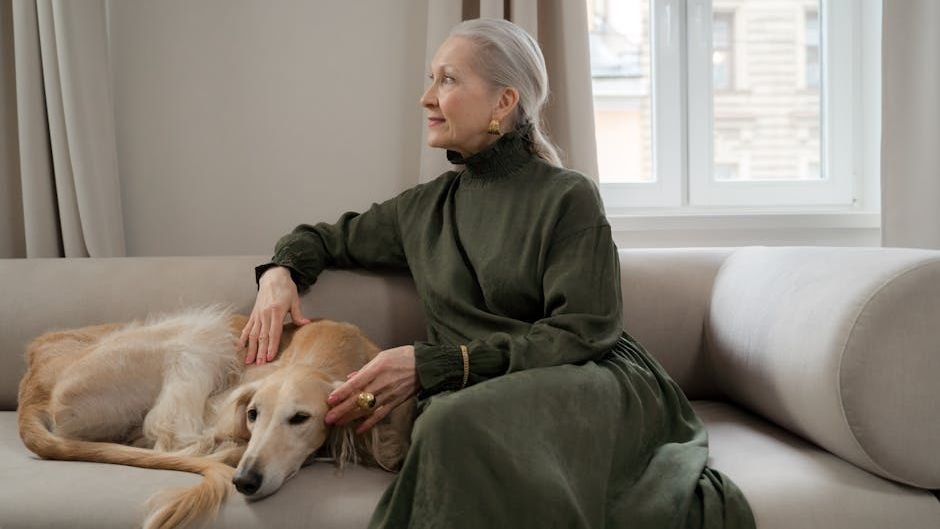
There’s something about a gray-muzzled dog that gets me every single time. Those soft, wise eyes. The unhurried way they move into your space and just… stay. If you’ve ever shared your life with a senior dog, you already know there’s a depth to that bond that’s hard to fully put into words.
People walk past older dogs in shelters every day, drawn to bouncing puppies with their unblemished faces and limitless energy. Honestly, it’s understandable. Yet the dog quietly waiting in the corner, a little slower, a little grayer, often holds a kind of devotion that a puppy simply hasn’t had time to build yet. So why do senior dogs make such extraordinary companions? The answers might genuinely surprise you. Let’s dive in.
They Love You With a Lifetime of Heart
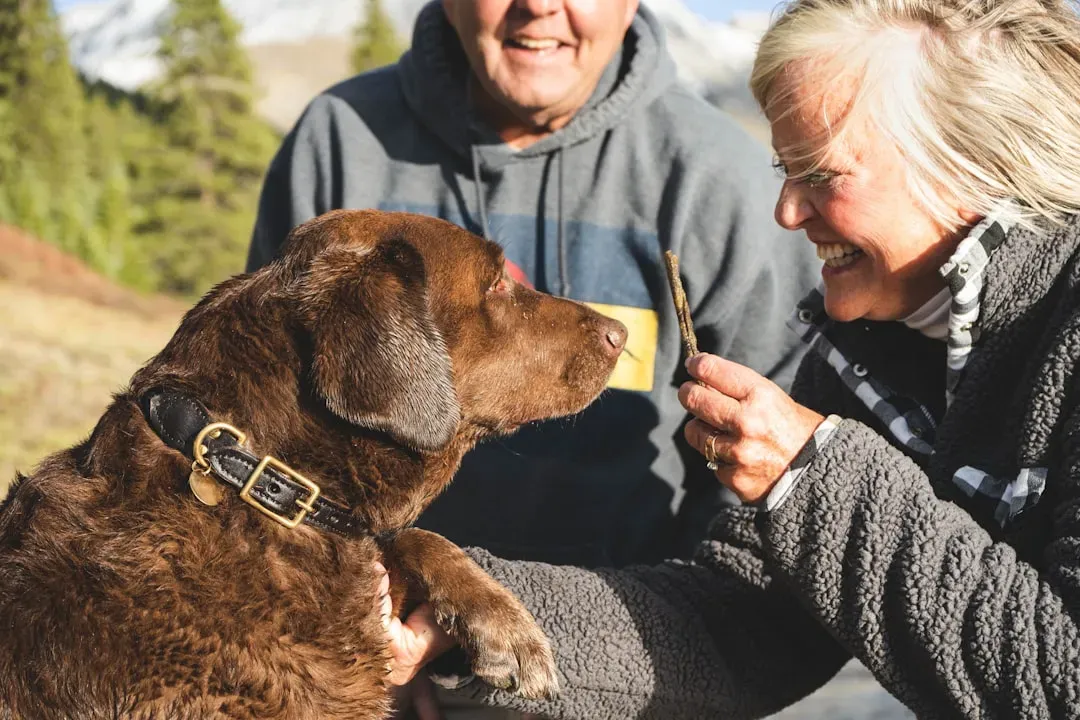
Many senior dogs continue to seek closeness and companionship, reflecting a lifelong commitment. That’s not coincidence. That’s a dog who has learned through years of living what it truly means to be present with someone.
Their devotion isn’t just instinct – it’s a choice they make daily based on the trust, consistency, and love we provide. Think about that. Every single morning, your senior dog wakes up and chooses you. That’s not nothing. That’s everything.
Their Calm Energy Matches Real Life
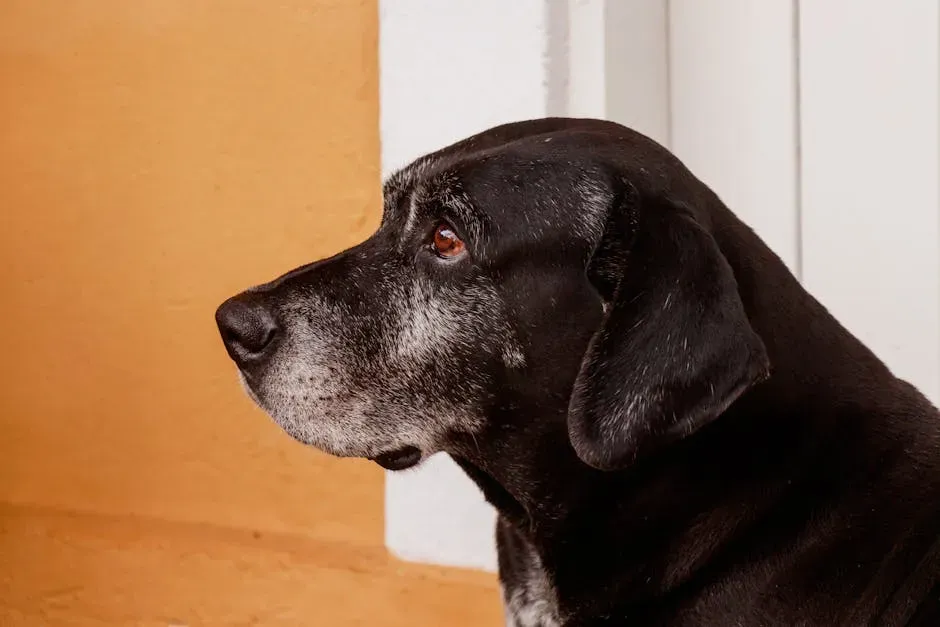
An older dog can get as many as 12 to 14 hours of sleep per day, and may also rest an additional 30% of their day, meaning adult dogs may only be active about 20% of the day. Let’s be real – that’s not a flaw. For many households, it’s a perfect fit.
Senior pets often possess a naturally calmer temperament, and in many cases, their maturity and life experience contribute to a more stable disposition, which is perfect for households with young children or babies. Think of them like a warm, reliable friend who never needs to be the loudest one in the room.
They Already Know the Rules (and Actually Follow Them)

Many older dogs already know how to potty like pros and won’t turn your table into a chew toy. Some of the biggest benefits include their knowledge of how to interact with humans, and most older dogs know how to walk on a leash, how to ride in a car, and understand potty training and basic cues. That’s a serious head start on day one.
The saying “you can’t teach an old dog new tricks” is a myth. In fact, sometimes it can be easier to train an older dog than a puppy because of their longer attention span. Puppies often struggle to focus, while an adult dog is eager to learn and can focus on you longer. More focus, less chaos. That’s a trade most of us would take.
The Science Behind Their Devotion Is Real
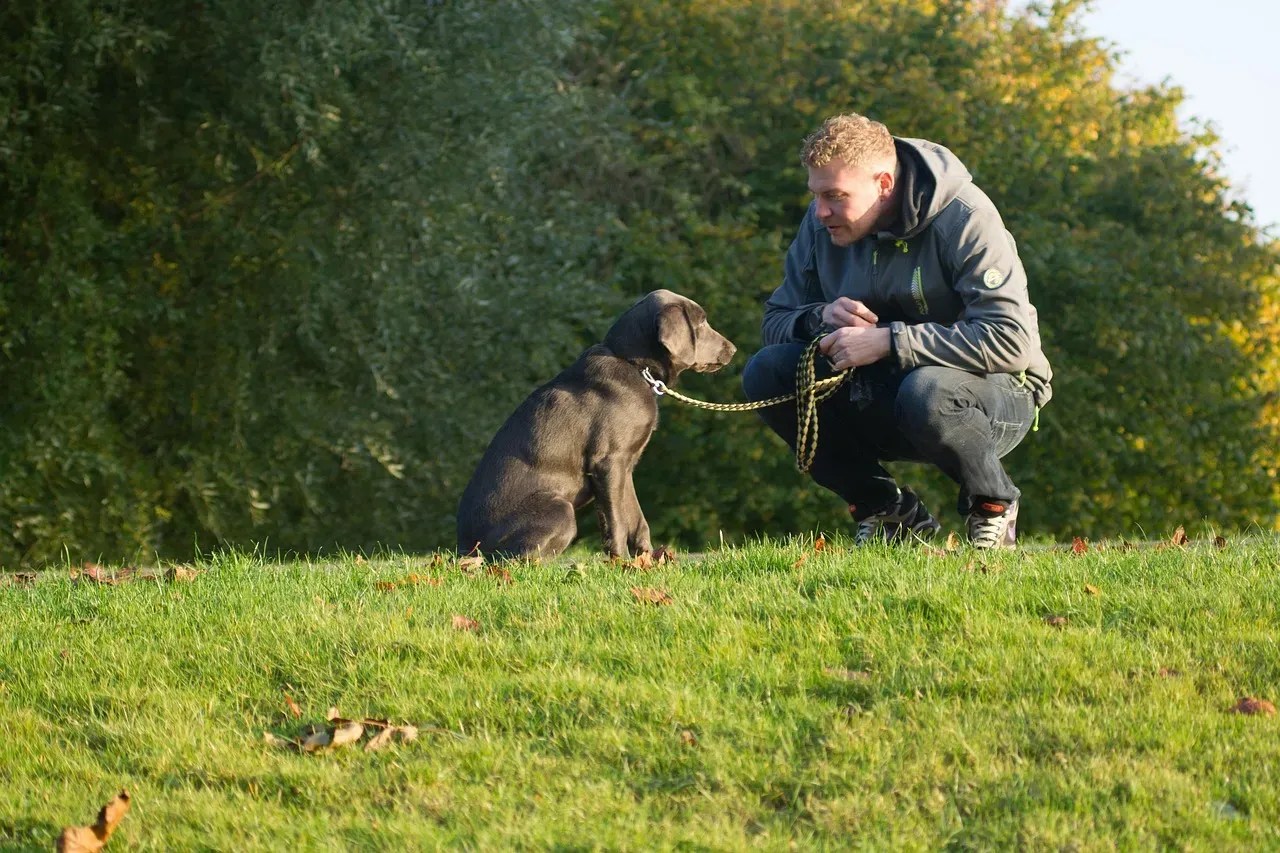
Dogs have evolved alongside humans for thousands of years, developing a unique ability to read our emotions and respond with empathy. Studies show that when dogs interact with their owners, both experience a surge in oxytocin, the “love hormone,” which deepens the bond and trust between us. This mutual connection is why dogs often seem to know exactly when we need comfort or companionship.
Studies show that a dog’s heartbeat, breathing, and even stress levels can sync with their owner’s. This synchrony means that when you’re calm, your dog becomes calmer too – and when your dog is relaxed, your body responds in kind. It’s like two instruments finding the same note. And honestly, that’s beautiful.
They’re Genuinely Good for Your Health
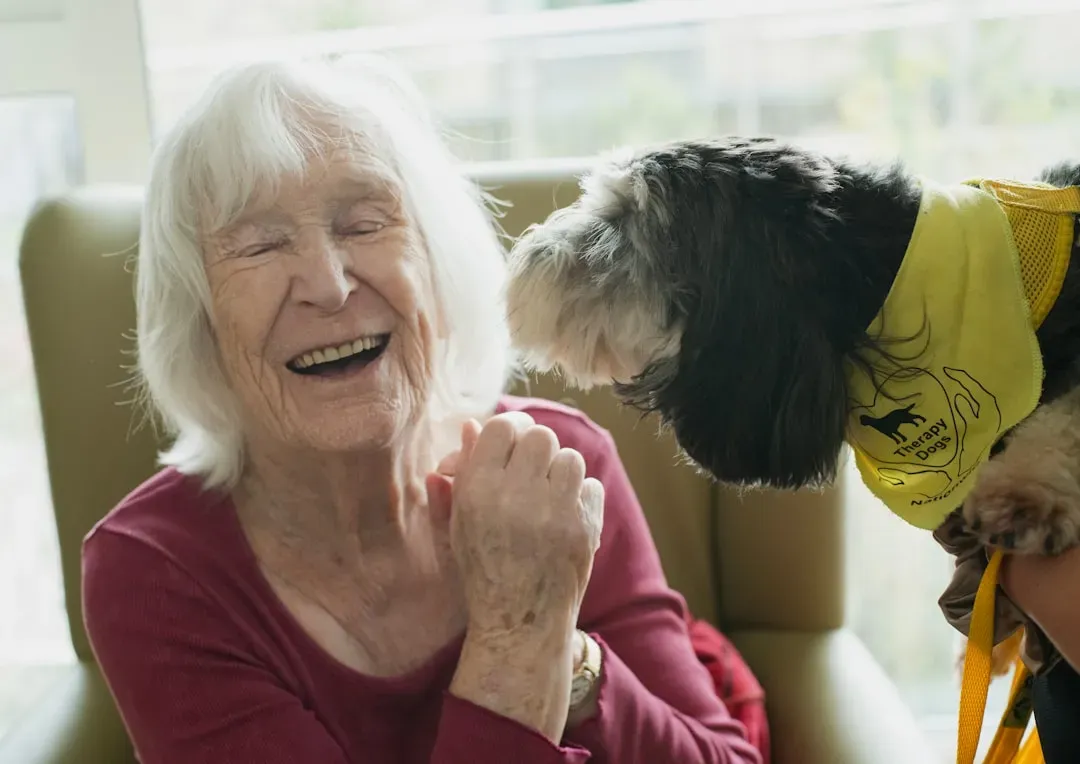
Research now shows that dog ownership can offer real physical, emotional, and cognitive benefits that support graceful aging. Having a dog by your side has been linked to lower cardiovascular risk, increased daily physical activity, and improved mental focus. In a recent review covering over 4 million participants, adults over 65 who owned dogs showed lowered cardiovascular mortality.
Physically, owning a dog has been shown to lower a person’s blood pressure and heart rate. Emotionally, they bring joy. And with a senior dog, those benefits come wrapped in a quieter, steadier package – no knocked-over coffee mugs or chewed shoes required.
They Give You a Powerful Sense of Purpose
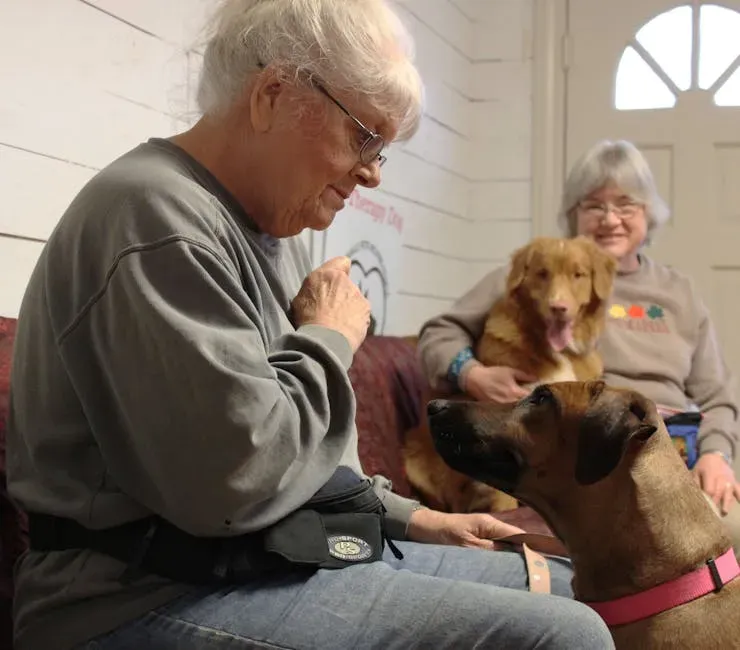
Dogs provide their owners with purpose and a responsibility to love and care for a living creature. The dog responds with devotion and affection, as well as its own unique and sometimes puzzling but delightful reactions. That give-and-take is a powerful thing, especially during lonely seasons of life.
Medical professionals who work with seniors have long noted the benefits a pet can make in the life of an elderly person: a dog offers a sense of well-being and independence, helping to prevent stress, depression and loneliness. Being responsible for another living creature can add new meaning and purpose to a senior’s life. A senior dog needs you. And sometimes, that’s exactly what we need too.
They Know How to Read Your Emotions

The bond between humans and dogs is a key factor in their loyalty. Dogs are highly social animals and have developed the ability to read human emotions and respond to them. Senior dogs have had years to refine this skill. They’re not guessing anymore. They know your moods, your signals, your silences.
Loyal dogs express their devotion through consistent, heartwarming behaviors that go far beyond basic obedience. Following you from room to room isn’t clinginess – it’s your dog choosing your company over solitude. Waiting by the door for your return, even when they could be napping elsewhere, shows they prioritize your presence. Try not to smile at that. I dare you.
Senior Rescue Dogs Know They’ve Been Saved
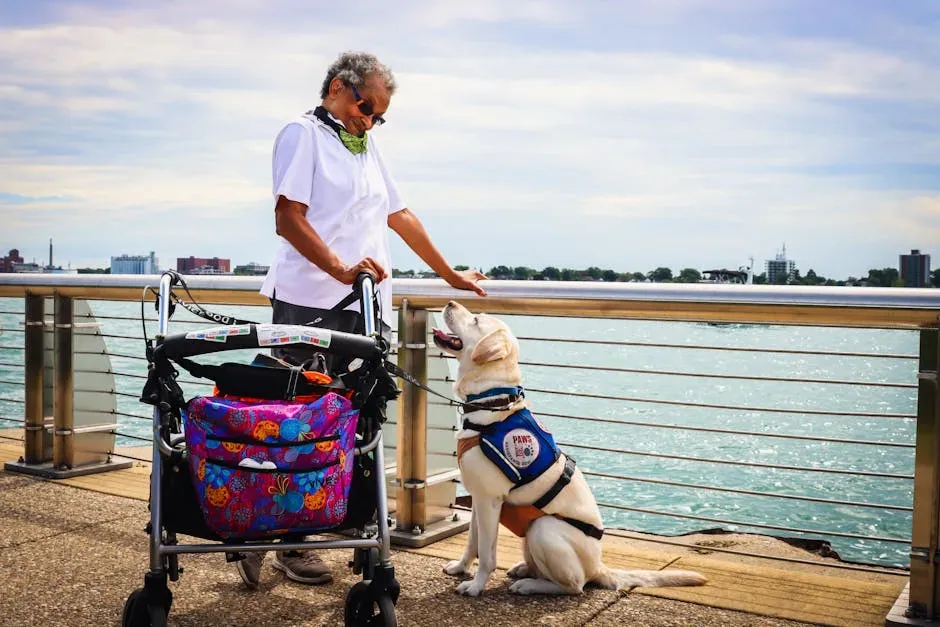
Many adopters strongly believe that senior dogs who they’ve adopted know how fortunate they are and greatly appreciate the second chance at happiness that their new person has given them. From their perspective, life is good, and they are grateful for cuddle time, an extra treat, and – most of all – extra attention.
Ask anyone who has adopted a more mature dog and they will tell you they are convinced their pets know they have been saved. Just one look in their eyes and you can see they are saying, “Thank you for saving my life.” That gratitude? It doesn’t just feel good. It shows up in how tirelessly and tenderly they love you back.
They Bring Out the Best in Their Owners
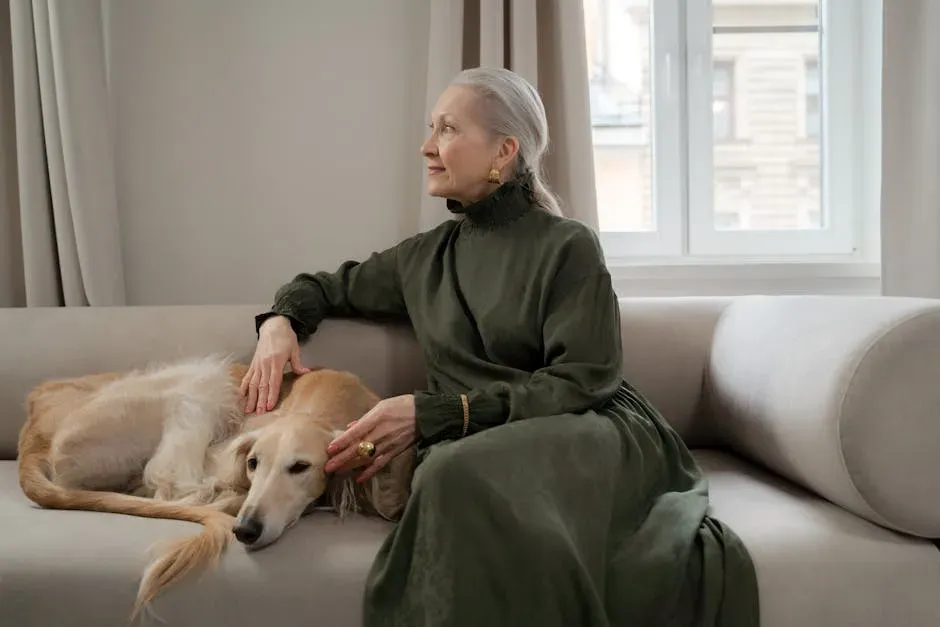
Caring for a pet with activities such as feeding, grooming and walking helps a senior stay active, both mentally and physically, and thus enhances and increases the quality and quantity of life. The same is true for dog owners of any age. Caring for a senior dog teaches patience, attentiveness, and grace. It’s hard to say for sure, but I think they make us better humans.
Dogs bring structure to the day, and routines such as morning walks, mealtimes, and grooming provide a real sense of schedule that many people find deeply satisfying. Structure has a quiet kind of magic. A senior dog who needs you on a reliable schedule will, without meaning to, build a better rhythm into your own life.
Their Personality Is Already Fully Formed – and That’s a Gift

With a senior dog, there are fewer surprises. Their size and breed characteristics are already established, making it easier to pick a dog that fits your lifestyle. If you live in a small apartment, you won’t have to worry about a senior dog outgrowing the space. Their personalities are fully developed, so you can easily find a dog that matches your own temperament.
Senior dogs already have an established behavior pattern and personality. An older dog who is friendly and loves to hang out with people and other pets will probably not change after adoption. You’re not rolling the dice on who this dog will become. What you see is what you get – and what you get is usually spectacular.
Conclusion: Choose the Gray Muzzle
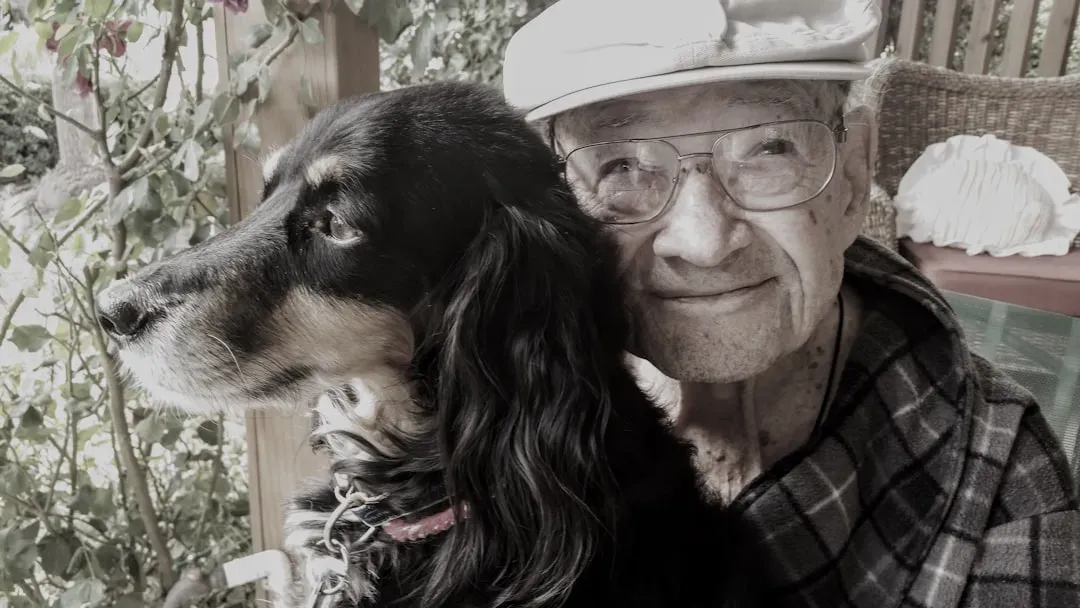
Here’s the thing nobody tells you before you open your home to a senior dog: the love they give is different. It’s not the loud, leaping love of a puppy. It’s quieter. Deeper. It sits beside you without needing anything from you in return, just warmth and presence and a scratch behind the ear.
Choosing to adopt a senior dog can be a life-saving gift – and a life-changing one for you as well. That goes both ways, in the truest sense. By adopting an older dog, you’re giving them the opportunity for a dignified and comfortable life in their golden years, and not only are you providing them with a loving home, but you’re also giving them the chance to experience joy, comfort, and security in their later years.
If you’ve been on the fence about bringing a senior dog into your life, consider this your gentle nudge. The gray muzzle is not a sign of less time. Sometimes, it’s a sign of the most meaningful time of all. Have you ever shared your life with a senior dog? What surprised you most? Tell us in the comments.