
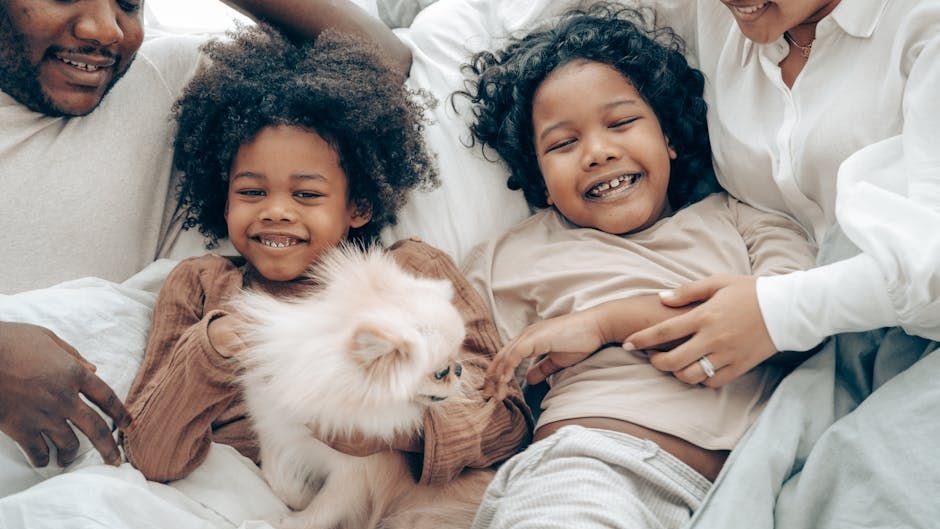
You love your dog. You love your kids. So why does it feel like they’re stuck in an awkward standoff every time they’re in the same room? It’s one of the most heartbreaking things a dog parent can face – watching the family pup slink away, stiffen up, or growl when the kids come running in. You didn’t sign up for that. None of us did.
Here’s the thing though: your dog isn’t being difficult, and your children aren’t doing anything wrong. The truth is far more nuanced, and honestly, once you understand what’s actually going on, everything starts to make a whole lot more sense. This article breaks down the real reasons behind that tension – and what you can actually do about it. Let’s dive in.
The Missed Window: Poor Socialization During Puppyhood
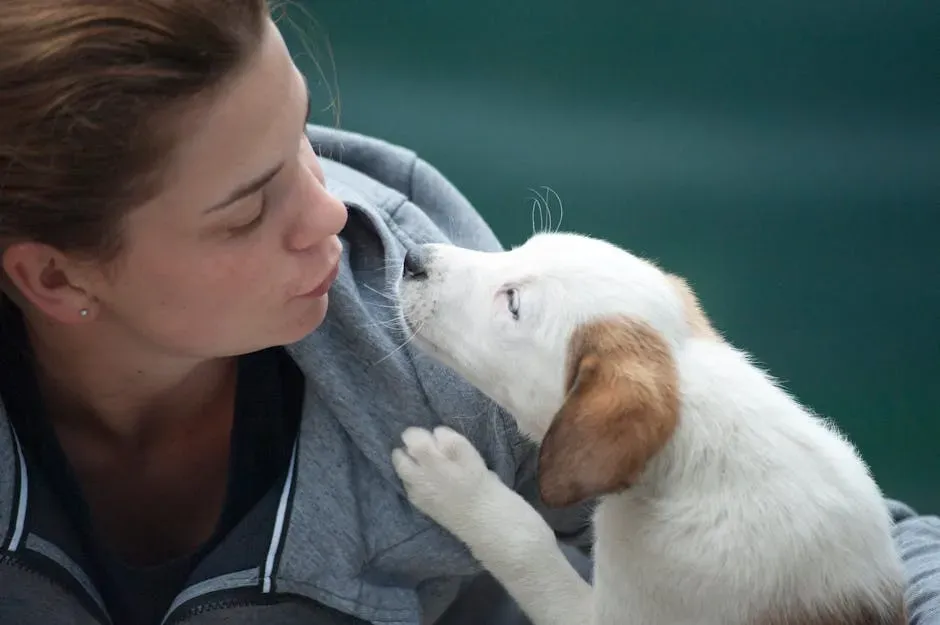
If your dog missed out on positive experiences with children when they were young, kids can feel genuinely foreign to them. Socialization is controlled positive exposure of a puppy to their wider world during their first 16 to 20 weeks of life – a special window in a puppy’s development when their interactions with their world have huge, lasting impacts on future behavior. Miss that window, and the effects can echo for years.
The socialization periods during puppyhood are like biological windows that open and close at certain times, and an animal that does not have necessary experiences during those windows misses the opportunity forever. Think of it like language acquisition in human babies – there’s just a point where the brain is uniquely ready to absorb things. Puppies that miss out on early social exposures during their critical socialization period can develop behavioral problems such as fear, anxiety, and aggression later in life, and a lack of exposure can hinder a dog’s ability to cope with new situations and interactions.
Research has demonstrated how dogs’ contact with children during and after their socialization period influences their future responses toward children. The fix? If your dog is past that window, don’t panic. Counter-conditioning and patience can still help – it just takes more time and effort than it would have at eight weeks old.
Unpredictable Chaos: Kids Simply Move Differently
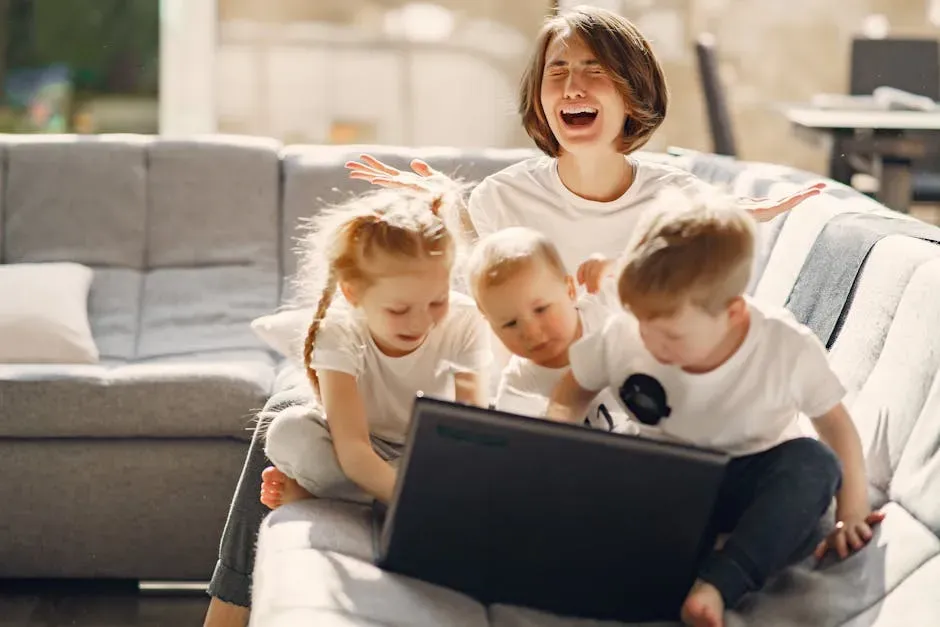
Honestly, from a dog’s perspective, children can look downright strange. Kids move differently from adults – they run, jump, stumble, and fall in ways that can make a dog feel genuinely uneasy. Dogs are creatures of routine and pattern. A calm adult walking through a door is predictable. A six-year-old cartwheeling into the living room? Absolutely not.
Kids can also be loud, which can be frightening to many dogs, especially if they are more sensitive to noise. Kids are also unpredictable, and this can make dogs apprehensive and nervous. Dogs like predictability, and kids are definitely not that. It’s a bit like imagining how you’d feel working in a quiet office when someone suddenly starts doing the drums next to your desk – every single day. Fearful dogs are often uncomfortable with sudden movements and high voices, and even if your dog is physically separated from the children with a gate, continuing to expose them to loud and rapid movements could increase fear.
Rough Handling: Small Hands Can Cause Big Discomfort
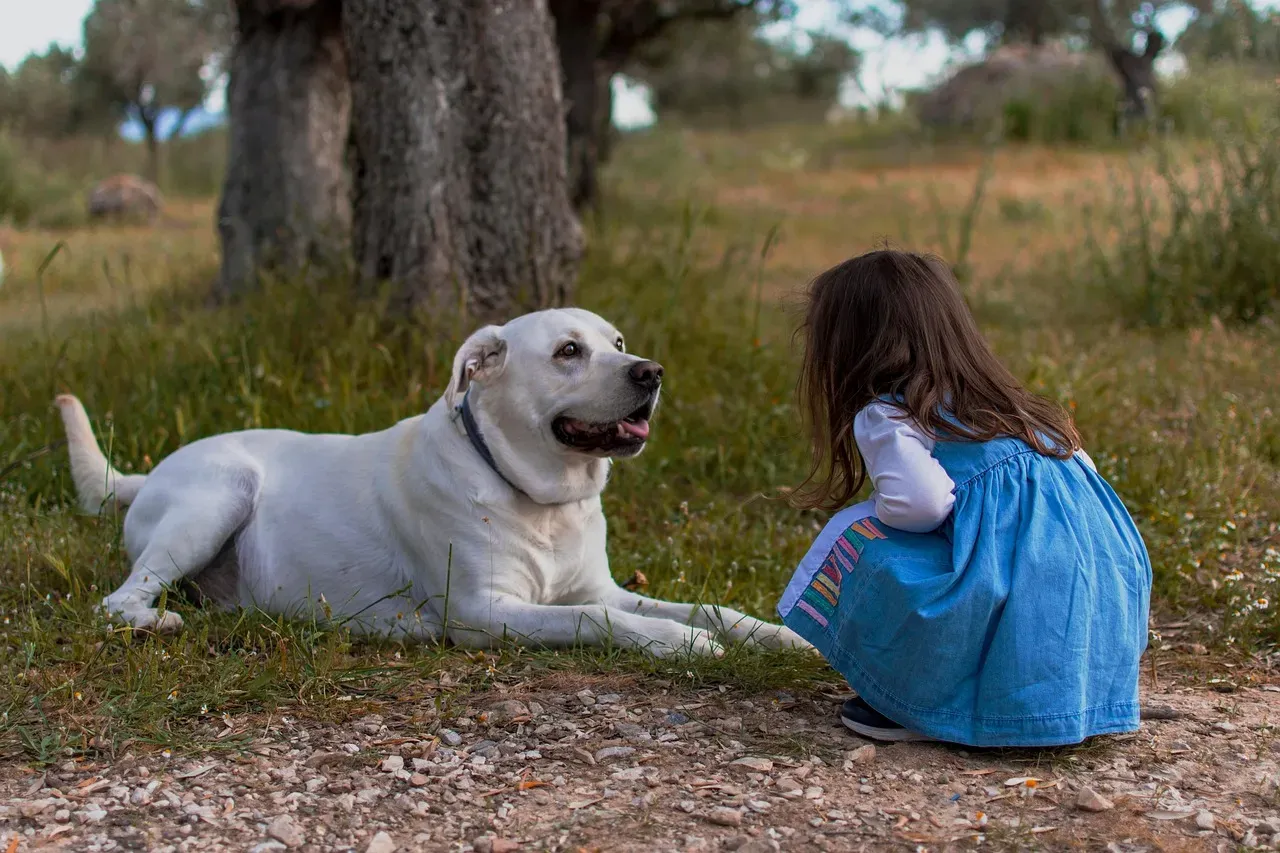
Children aren’t trying to hurt dogs. They’re curious, affectionate, and enthusiastic – but that combination can be a lot. Depending on their age, kids are still working on fine and gross motor skills and can often reach out to, lean on, or fall on dogs. They also don’t have the dexterity with their fingers and can grab and pull on a dog’s hair and skin. Kids can also be fascinated by ears and tails and want to grab and touch them.
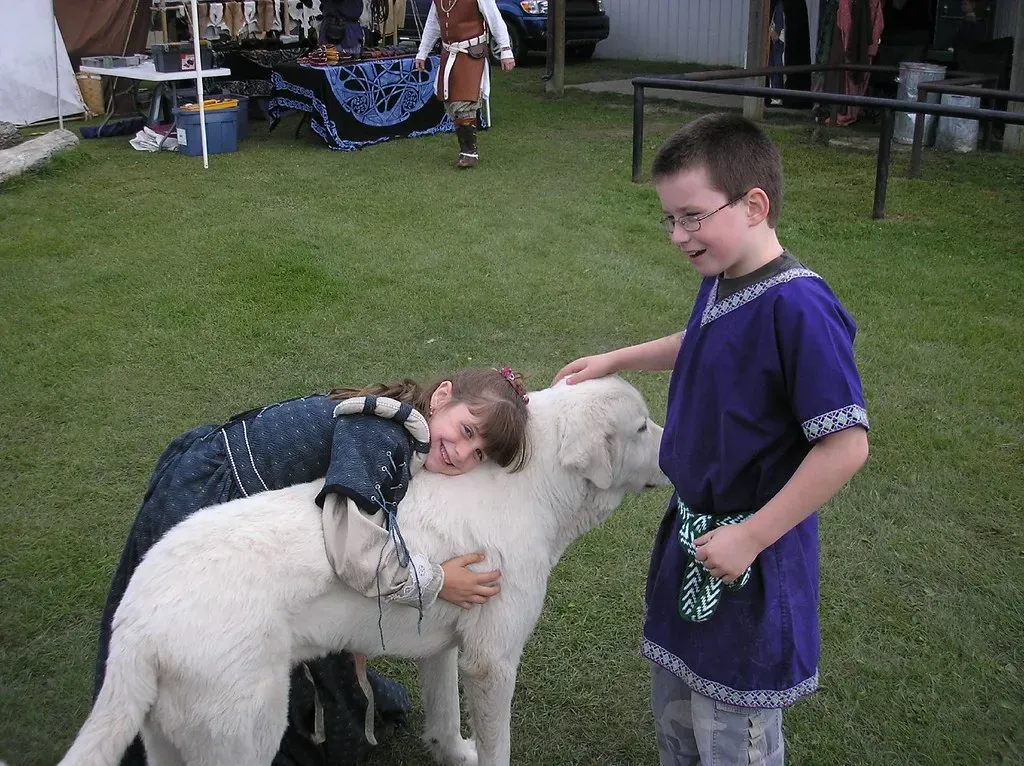
Humans love to show affection by touching and being in close body contact such as hugs or snuggling. While some dogs might be okay with this, many are not. They will either freeze, try to get away, or ask for space to be given in the form of growling, lunging, or snapping. Often times this is mistaken for aggression, when it is just a dog saying they are uncomfortable and would like space. A freeze is not calm tolerance – it’s a dog holding their breath and hoping the discomfort passes.
A Bad Memory: Negative Past Experiences With Children
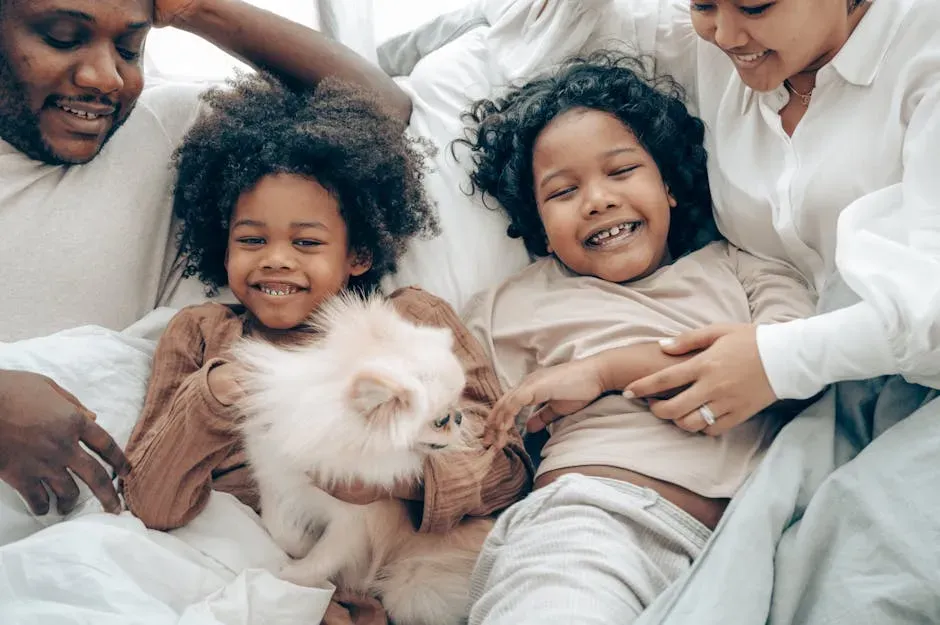
Dogs have remarkable memories, especially when fear is involved. Even one bad experience can create an aversion or fear that becomes hard for the dog to forget, and this causes all kinds of issues, especially when the dog lives in the same home as the child. Maybe a child chased them once. Maybe a toddler fell on them. It doesn’t need to be dramatic to leave a mark.
Dogs are shaped by their experiences. A dog that’s had a bad experience with a child – whether it was pulled too hard by its tail or had toys thrown at it – might understandably be wary of all children moving forward. It’s the dog equivalent of burning your hand on a stove and never wanting to cook again. A dog that was taunted or teased by children in the past is likely to remember this experience and form negative associations with kids, but often a dog’s discomfort around children stems from the lack of exposure to them during puppyhood.
Natural Personality: Some Dogs Are Just Introverts
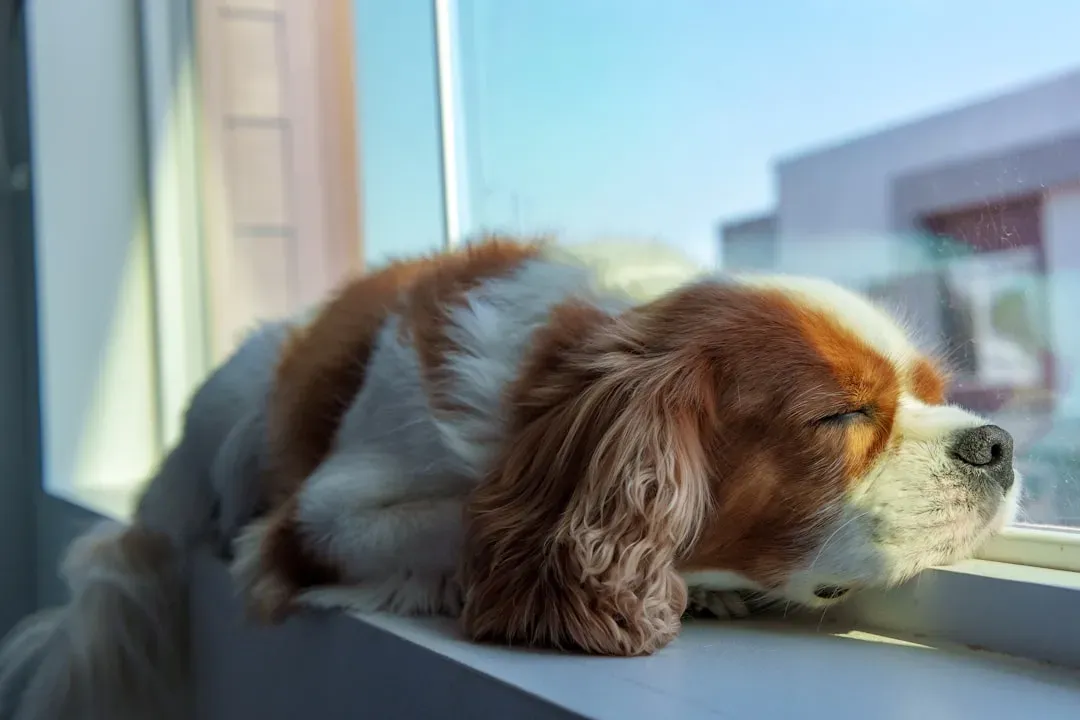
Let’s be real – not every dog is built for the energy of a busy household. Some dogs are just naturally shy, anxious, or reserved. That’s their personality, and it’s perfectly normal. Just like some people are introverts who prefer a quiet evening at home, some dogs would rather relax in a calm environment than deal with the unpredictability of a child’s energy.
A dog that is “fine” with kids is not the same as a dog that is “good” with kids. Merely tolerating interactions with children can easily tip over into reactivity if a dog is pushed beyond their comfort zone. Respecting your dog’s personality isn’t giving up – it’s being a thoughtful, empathetic owner. Just like people, dogs have their own personalities, preferences, and limits. Honoring those limits is one of the kindest things you can do.
Hidden Pain or Illness: The Reason Nobody Thinks to Check First
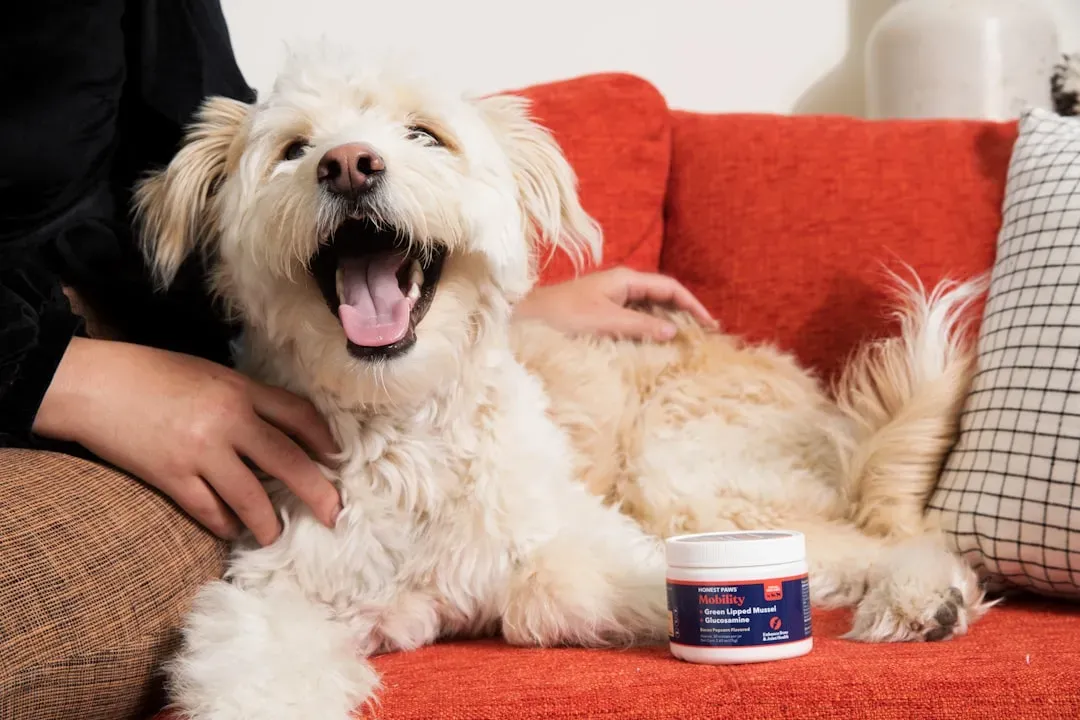
This one genuinely surprises people, and I think it’s one of the most important reasons on this entire list. A dog that suddenly seems to dislike children – especially if they were fine with them before – may actually be hurting. Pain affects mood and social behavior in ways that are easy to attribute to personality changes or aging. These shifts often happen gradually, making them hard to notice. Dogs in pain often become less social, but not in obvious ways, and they might move away when children approach, especially if the pain is in their back or abdomen.
Pain is frequently overlooked as a contributing factor in canine behavioral problems, despite its profound prevalence and impact. Research emphasizes that many behavioral issues in dogs are either directly linked to, or exacerbated by, physical pain, and effective management of this pain often leads to a significant reduction or in many cases complete resolution of associated behavioral problems. If your dog’s behavior toward your kids changed suddenly, please visit your vet before anything else. A pet that is fearful of children may become more reactive, irritable, and aggressive as conditions such as dental problems, arthritis, or an infection make the pet more uncomfortable, painful, or less mobile.
Misread Signals: We’re Often Not Seeing What Dogs Are Telling Us
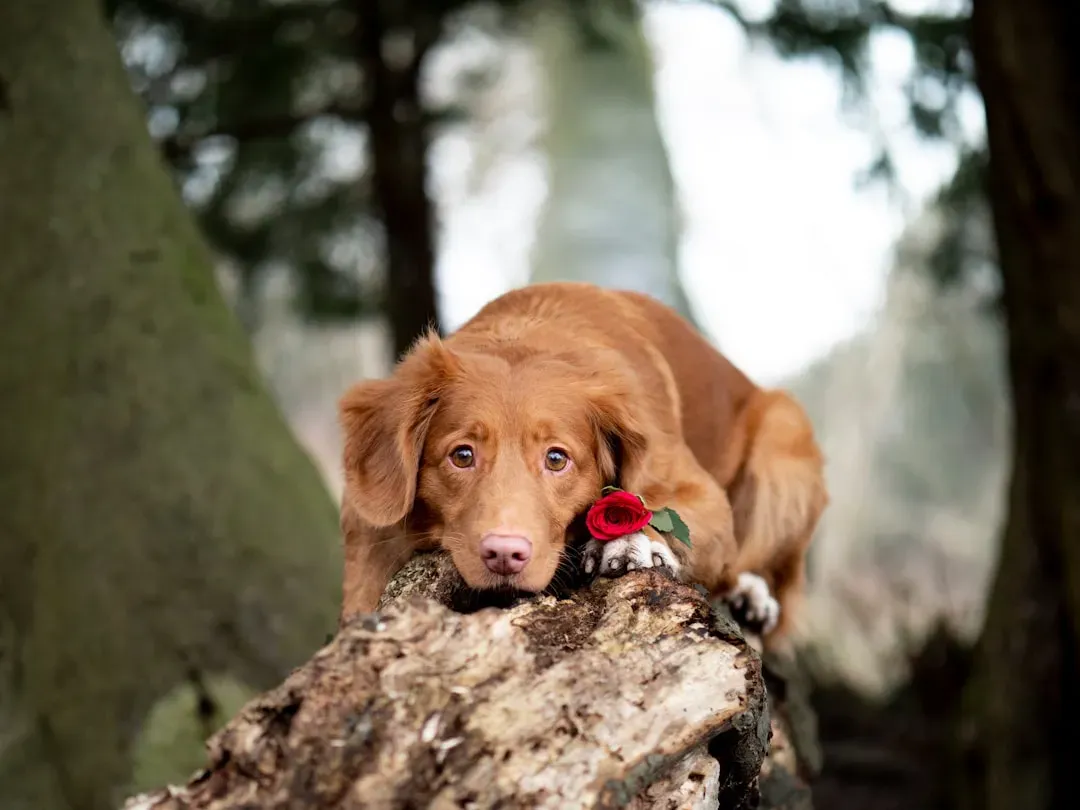
Here’s something that honestly caught me off guard when I first learned it. Dog owners are even worse than non-dog owners at interpreting canine body language in interactions with children, according to research. We assume because our dog isn’t growling, everything must be fine. It’s not always that simple.
A dog’s initial stress and fear reactions can be too subtle to notice, unless you’re actively looking for them, which is why people will often say a dog snapped without warning. The signals are usually there, but pet parents need to be able to pick up on them in order to be their dog’s translator and advocate. Watch for these physical signs of stress: a tail tucked tightly between the legs is a classic stress signal, and a low tail with a stiff, quick wag can also mean worry, not joy. Whale eye – when your dog turns their head but keeps their eyes fixed on something – exposes the whites of their eyes more significantly and is a more overt sign of discomfort. These are not subtle flourishes. These are conversations your dog is desperately trying to have with you.
No Safe Space: When Dogs Have Nowhere to Retreat
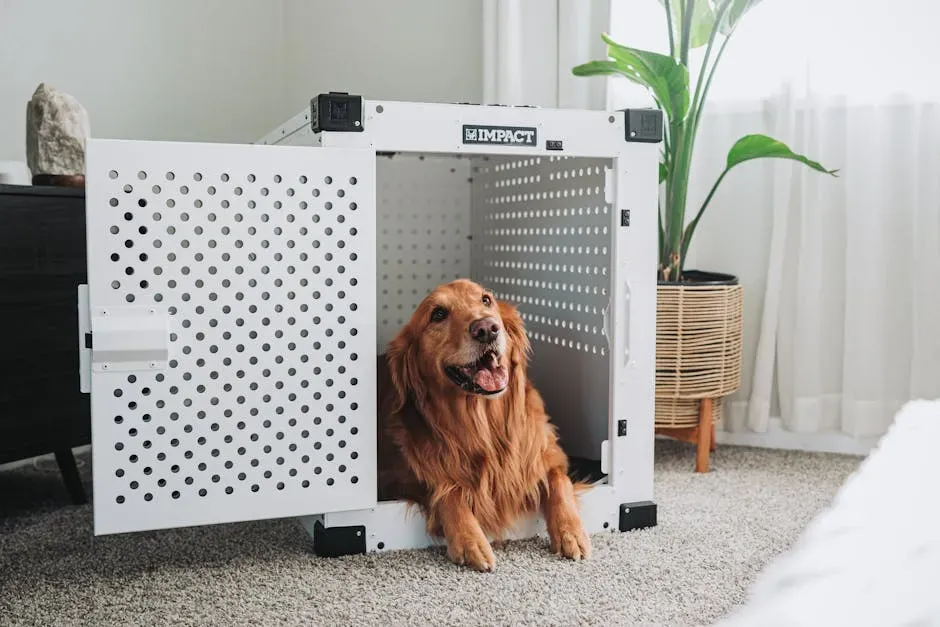
Every dog needs a place that’s entirely theirs. A sanctuary. When children have unlimited access to every inch of your home, your dog has no way to decompress – and that is a real welfare issue. Make sure your dog has a safe, quiet space where they can retreat if they’re feeling overwhelmed, and teach your kids that this space is off-limits and a no-interruption zone for the dog.
When your dog feels uncomfortable around a child, it’s important for them to have a space to retreat. Create a safe zone for your pup, like their own room or an off-limits corner with their bed or crate. Use high-value treats to help your dog form a positive association with the space, and teach your children not to bother the dog when they’re in it. It sounds like a small thing, but it genuinely changes the dynamic. A dog who knows they can escape when they need to is far less likely to feel cornered and react badly. Forcing your dog to cope with children at close range won’t help them enjoy the interaction. It might actually cause them to escalate their warnings if they feel they have no other option.
You Can Fix This – and Your Family Can Thrive
Finding out your dog struggles with your children is scary, heartbreaking, and sometimes even a little embarrassing. But it doesn’t have to mean the end of harmony in your home. The vast majority of these situations are manageable with the right information, the right support, and a whole lot of patience.
Start by observing your dog closely. Learn their language. To determine how your dog feels about a situation, it is imperative to have an understanding of canine body language and learn to recognize stress signals. Many signs of stress are much more subtle than barking or lunging. Rule out pain first with a vet visit. Then work with a positive reinforcement trainer who can create a gradual, safe plan for both your dog and your children.
Helping your dog feel more comfortable around children is a big job. If you’re concerned about the intensity of your dog’s reactions, the safest route is working with a positive-reinforcement dog trainer who can create a step-by-step training protocol that will help your dog learn to see the fun in little ones. Your dog isn’t broken. Your family isn’t failing. You’re just at the beginning of a journey that, with love and understanding, most families navigate beautifully.
Have you noticed any of these signs in your own dog? Which reason surprised you the most? Share your experience in the comments – you might just help another dog lover who’s going through the same thing right now.


