
Prairie Dogs: Keystone Species Under Siege in America’s Grasslands
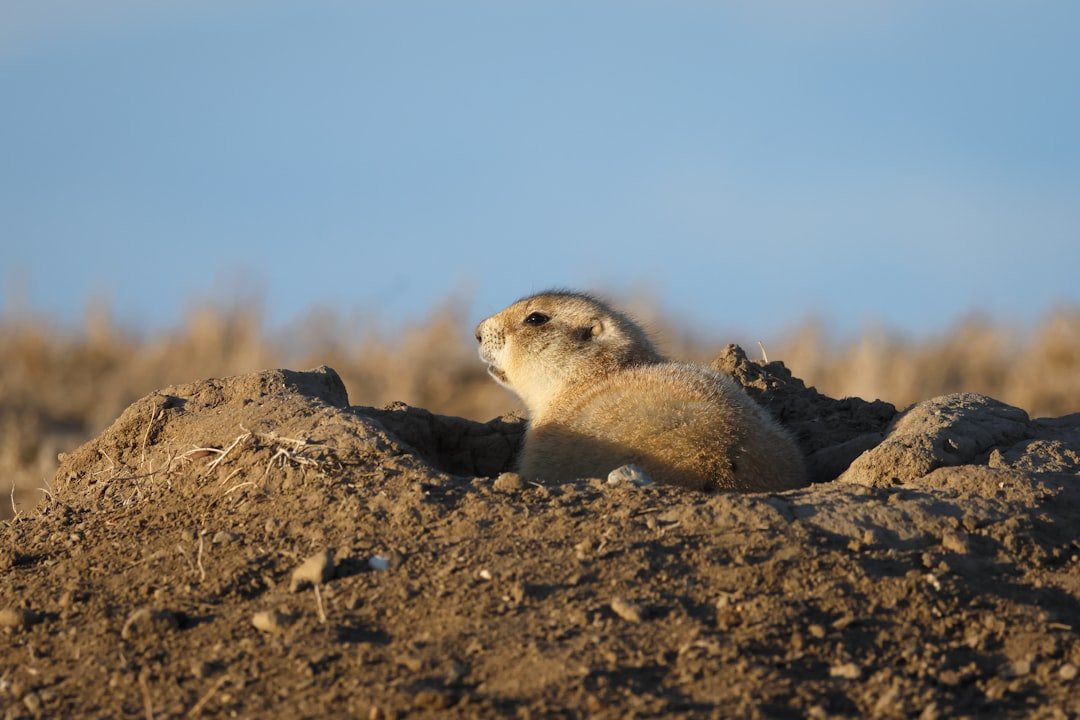
Great Plains – Burrowing rodents known as prairie dogs sustain vast ecosystems while clashing with human interests across the American West.
Nearly Eradicated: A Startling Decline
Populations of black-tailed prairie dogs plummeted by 96 to 98 percent over the past century, leaving less than 1 percent of their historic towns intact.[1][2] These colonies once numbered in the billions, stretching from Canada to Mexico before aggressive control measures took hold. Eradication campaigns by settlers, ranchers, and government agencies reshaped the landscape.
Poisoning, gassing, and shooting reduced their range dramatically, with current occupied habitat spanning just 2.1 million acres in the United States.[1] Local governments issued ultimatums for extermination on private lands, while states like Kansas classified them as pests requiring removal. This historical push reflected fears of competition with livestock and crop damage.
Ecosystem Engineers at Work
Prairie dogs function as keystone species, supporting more than 170 other animals and plants through their burrowing and grazing habits.[2][3] Their extensive tunnel networks offer shelter to burrowing owls, swift foxes, badgers, and endangered black-footed ferrets, which depend on them for nearly 90 percent of their diet. Colonies aerate soil, redistribute nutrients, and improve water infiltration, preventing degradation in arid grasslands.
Grazing patterns create diverse plant communities rich in forbs and short grasses, attracting pollinators, birds like mountain plovers, and larger grazers such as bison and pronghorn.[1][2] These “towns” mimic early successional habitats that boost biodiversity, much like coral reefs in oceans. Predators including coyotes, eagles, and hawks thrive on them as prey, sustaining food webs across the plains.
Clashing Views: Pests or Partners?
Ranchers often label prairie dogs varmints, citing competition for forage, burrow hazards to cattle, and visual blight from dirt mounds.[4] States like Colorado permit unlimited recreational shooting, while counties mandate control programs. Yet studies indicate cattle sometimes prefer colony vegetation for its nutrition, especially in wetter years.
Conservationists counter that these rodents enhance rather than harm rangelands when managed properly. Efforts promote coexistence through non-lethal methods, recognizing dual designations in western states as both pests and species of conservation need.[4] Initiatives like the Prairie Dog Coalition push for protections on public lands, including shooting bans in key areas.
Ongoing Threats Demand Action
Sylvatic plague, introduced in the early 1900s via fleas from Asia, ravages colonies by spreading rapidly in social groups.[3][2] Habitat loss to agriculture, urban development, and drought compounds the issue, squeezing them to under 5 percent of former territory. Poison sales alone suggest capacity to treat far beyond current habitats.
Recent advocacy targets USDA plans for national grasslands and plague mitigation. Reintroductions and relocations have saved thousands, fostering hope for recovery.[4][2]
| Myth | Fact |
|---|---|
| Prairie dogs destroy rangelands for livestock. | They create nutritious forage and improve soil health. |
| Control efforts have no lasting impact. | Populations dropped 98 percent from poisoning and shooting. |
| They offer no broader benefits. | Over 170 species rely on their colonies. |
Key Takeaways
- Prairie dogs anchor grassland biodiversity as keystone engineers.
- Historic persecution reduced them to fragments of former abundance.
- Coexistence strategies could balance ranching and conservation needs.
Prairie dogs embody the tension between human land use and natural balance, urging a shift toward sustainable management. What do you think about their role on the plains? Tell us in the comments.