

Think about the last time your dog pressed their warm body against your legs after a long day, or how their tail began wagging the moment your keys rattled in the door. That wasn’t just a cute moment. That was trust. That was love, expressed in the only language they have.
Here’s the thing though – your dog doesn’t just need food and shelter to thrive. They need emotional security, and they need it every single day. The good news? You don’t have to overhaul your entire life to give them that. A handful of intentional, consistent habits can genuinely transform how safe and loved your dog feels. Let’s dive in.
1. Build a Rock-Solid Daily Routine
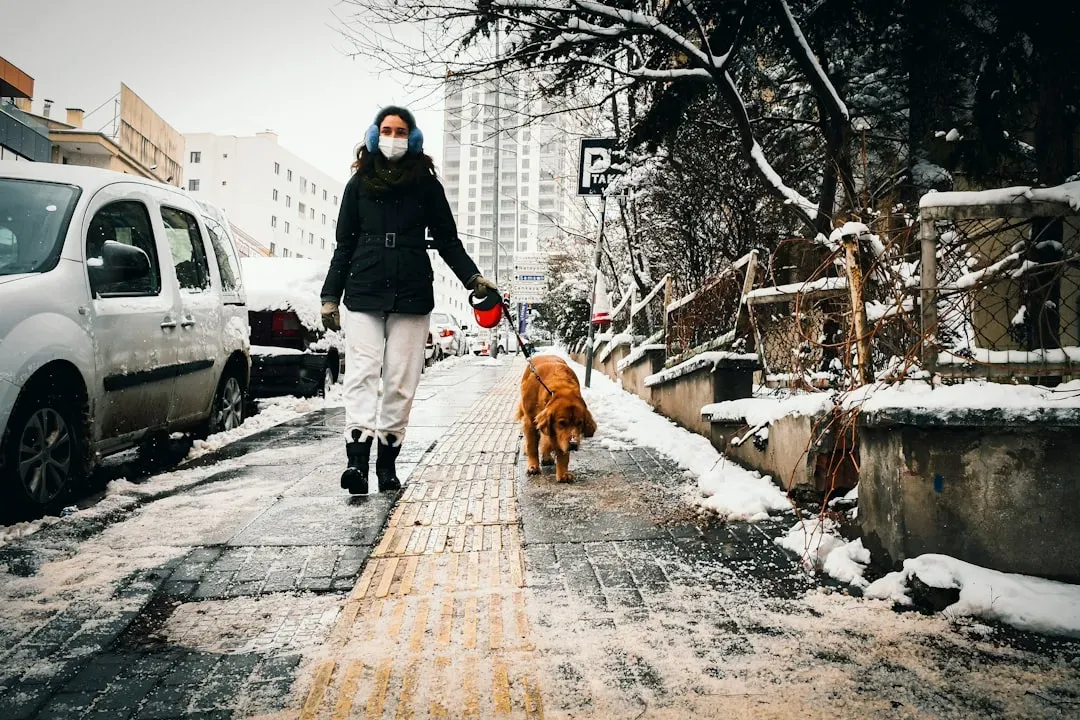
Honestly, this one is the foundation of everything. Dogs feel secure when they know what to expect, and regular feeding times, walks, and bedtime rhythms help your dog relax and trust you. Think of it like this: imagine waking up every morning with zero idea when you’d eat, go outside, or get a moment of calm. Stressful, right? That’s exactly how an unpredictable day feels for your dog.
A consistent daily schedule provides dogs with a sense of predictability and order – feeding them at the same time each day, taking regular walks, and ensuring consistent playtimes help your dog understand what to expect. Even small rituals matter enormously. A morning scratch behind the ears before you brew your coffee, a specific walk route in the evenings – these tiny, repeatable moments build an invisible but powerful framework of safety for your dog.
2. Use Touch as a Love Language
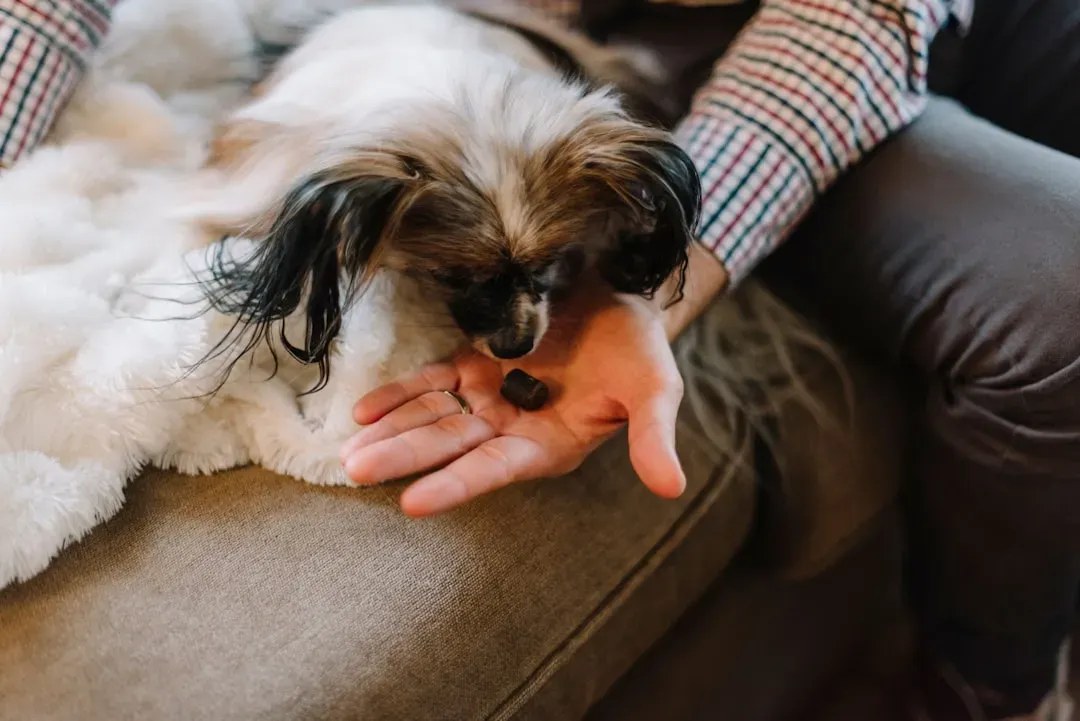
Studies have shown that activities like brushing, petting, or cuddling your dog increase oxytocin levels, the “love hormone,” in both dogs and humans, fostering trust and emotional connection. It works both ways, which I think is one of the most beautiful things about sharing your life with a dog. You’re literally chemically bonding together when you stroke their back on a Tuesday evening.
Regular brushing, gentle petting, or massage not only keeps your dog healthy but also reinforces your bond – touch builds trust and comfort, especially when paired with positive experiences. Pay attention to what kind of touch your individual dog enjoys. Some dogs melt for a long ear rub. Others prefer slow strokes along their back. Let them lean into the contact they love, and gently respect the moments when they step away.
3. Learn to Speak Their Body Language
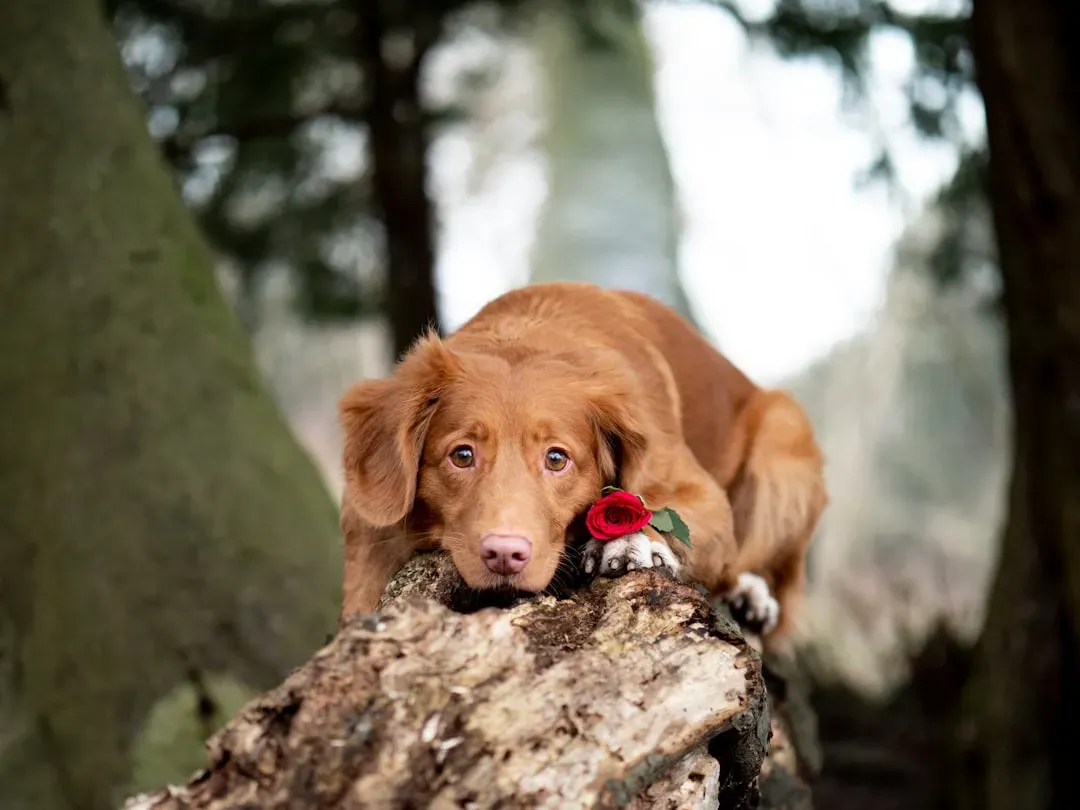
Understanding your dog’s body language is one of the most powerful ways to strengthen your bond – dogs communicate how they feel through their posture, tail movements, ears, eyes, and overall behavior. It sounds basic, but so many owners miss these signals entirely, and that disconnect is more damaging to a dog’s sense of security than most people realize.
Watch for signals like yawning, lip licking, or turning away – these often mean your dog is feeling overwhelmed. When a dog truly feels safe, they relax: ears droop, their body flops, breathing deepens, eyes soften, and some will roll over and sprawl on their back. Learning to recognize the difference between a happy, loose body and a tense, anxious one is genuinely life-changing for your relationship with your dog.
4. Train With Kindness, Not Control
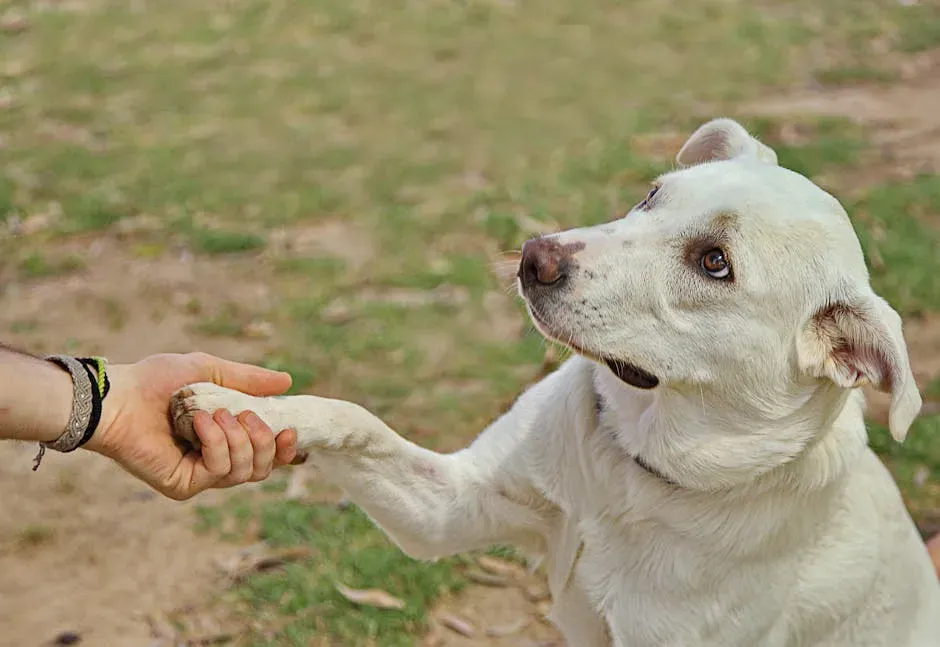
Dogs actually like learning when it means treats, toys, or high-pitched praise – reward-based training boosts confidence, improves communication, builds trust, and lowers anxiety. Here’s the thing: training is not about control. It’s about giving your dog a clear, shared language that makes the world feel less confusing and more navigable.
Punishment by no means makes a dog feel safer – it should really be avoided, because we want our pups to love and trust us, and punishment creates an opposing outlook; in actuality, it just creates more fear. Training is not just about obedience, it’s about communication – regular training sessions can help your dog understand you better, and dogs appreciate clear communication and thrive when they know what’s expected of them. Keep sessions short, fun, and generous with praise. Your dog will absolutely rise to the occasion.
5. Give Their Nose the Freedom It Craves

Letting dogs stop and sniff is their version of reading the news – sniff-heavy walks help dogs relax and feel more in control, and it’s how they gather information, process the world, and decompress. I know it’s tempting to keep moving when your dog stops to investigate every single blade of grass, but that nose-led exploration is genuinely important for their emotional health.
Dogs rely on their noses more than sight or sound, so scent-based games stimulate the brain and boost confidence – they’re also a favorite among anxious dogs and help them focus and feel in control. Try hiding treats around the house and letting your dog sniff them out, or switch up your walking route occasionally. Changing up the route now and then is where the magic happens – new smells and scenery fire up a dog’s curiosity, and the mental stimulation keeps walks exciting.
6. Create a Safe Space That Belongs Only to Them

Just like humans, dogs need a cozy place to rest and recharge – providing a comfortable bed in a quiet corner of your home can make a world of difference, as this space should be free from excessive noise and disturbances, allowing your dog to relax fully; it’s their sanctuary, a place where they can retreat after a long day of play. Think of it as their personal recharge station, a spot where nothing bad ever happens.
Ensuring that their sleeping area is clean and comfortable not only helps them sleep better but also makes them feel cherished and secure. Never use this space as a time-out zone or a place of discipline. The moment a crate or bed becomes associated with punishment, you’ve stripped away the emotional safety net it was meant to provide. Keep it sacred, keep it cozy, and your dog will return to it willingly and often.
7. Show Up as Their Advocate, Every Single Day
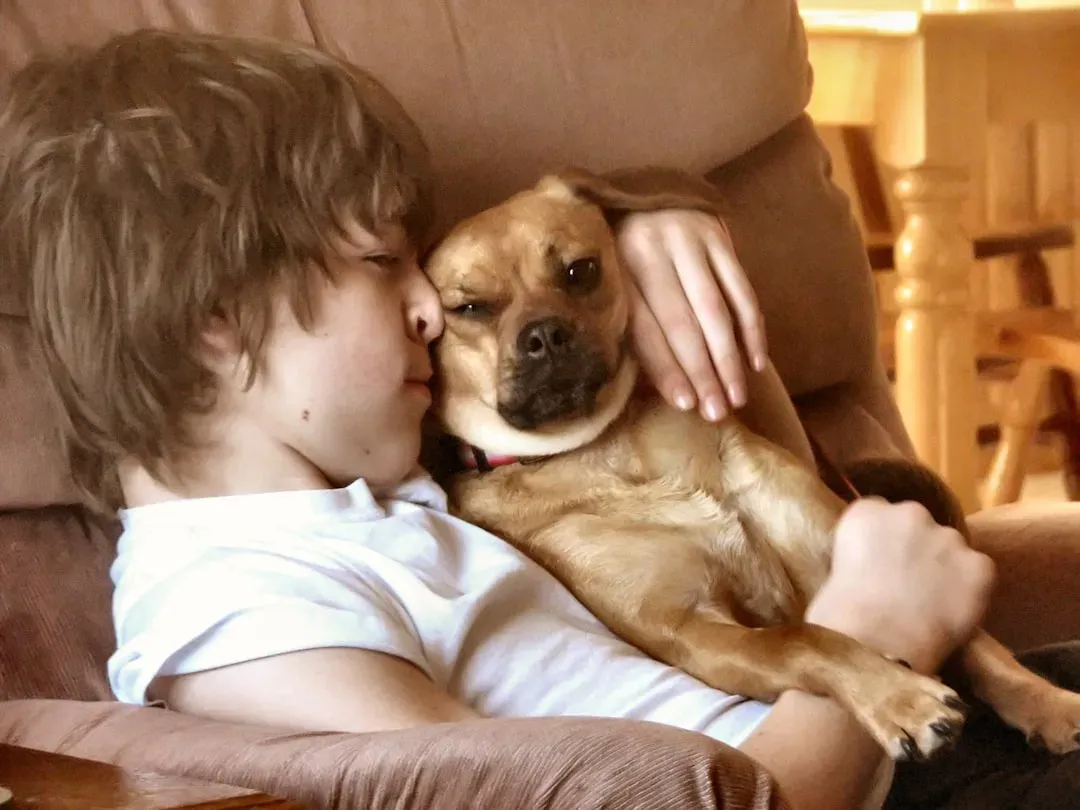
Advocate for your dog in new or stressful situations, and don’t force them into uncomfortable interactions with people or other animals – pay attention to what makes your dog uneasy, and step in to protect their emotional and physical wellbeing. This is one of the most underrated habits of a truly great dog owner, and it builds a level of trust that no amount of treats can replicate.
These bonds are essential not just for providing emotional security to the dog, but also for promoting overall well-being, encouraging exploratory behaviors, and reducing stress levels, especially in unfamiliar or challenging situations. When your dog sees you step between them and something that makes them uncomfortable, they learn something profound: you are their safe person. Daily affection and advocacy strengthen your bond and reassure your dog of their importance – dogs that feel secure are more resilient in stressful situations.
A Final Thought Worth Keeping
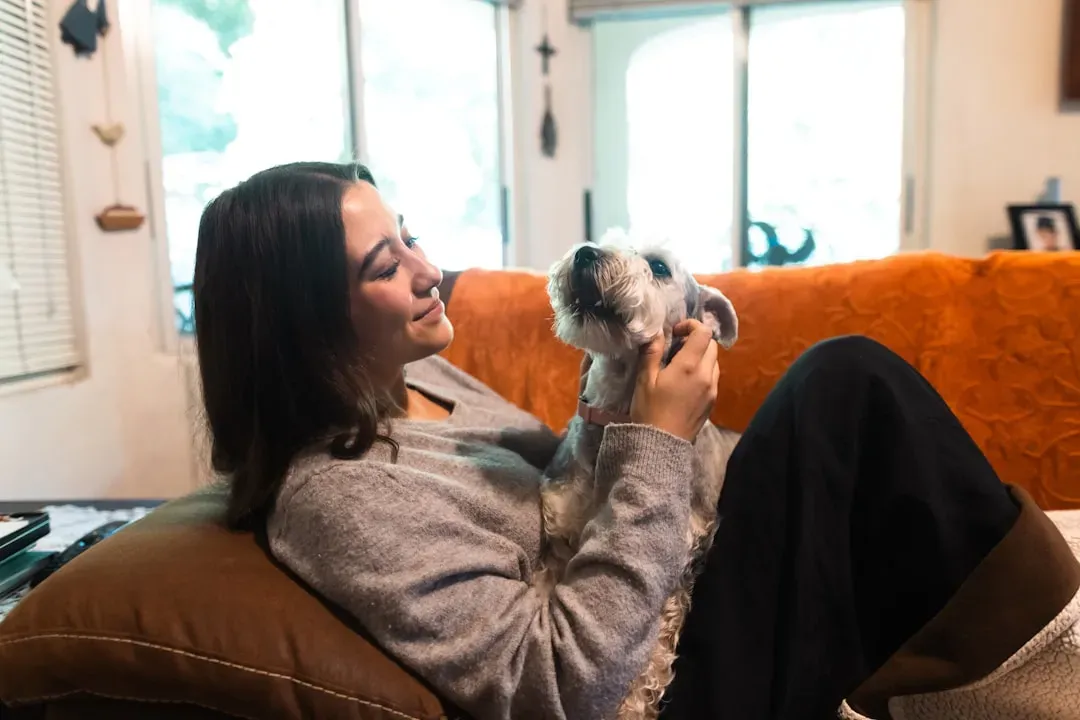
None of these habits require a big budget or a perfectly scheduled life. They require attention, consistency, and a genuine willingness to see the world through your dog’s eyes. Small daily habits make a big difference – a strong bond with your dog doesn’t just make life sweeter, it shapes how your dog experiences the world, and a connected dog is more confident, easier to train, and better able to relax because they trust the person guiding them.
Your dog isn’t asking for perfection. They’re asking for you, showing up, day after day. Start with just one habit from this list and build from there. The transformation in your dog’s sense of security might genuinely surprise you. What would your dog say if they could tell you what makes them feel most loved? Something tells me the answer isn’t complicated at all.


