
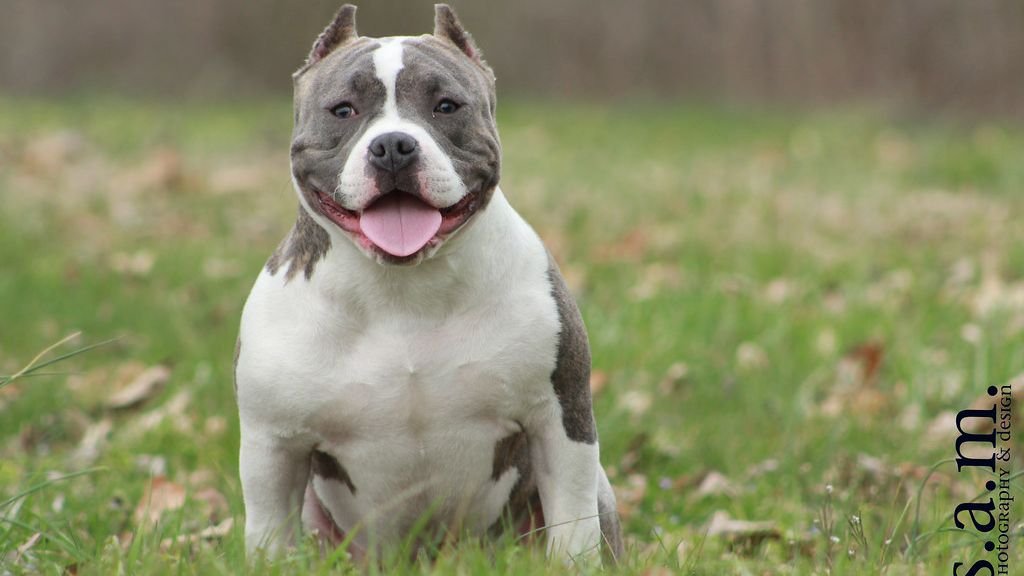
Walk through almost any fenced backyard in a Texas suburb these days – Plano, Round Rock, Katy, League City – and you’ll spot something interesting. Alongside the Labs and Golden Retrievers that have long ruled the neighborhood, there’s a new regular in the mix: a broad-headed, muscular, tail-wagging dog that seems absolutely convinced it belongs on the couch. Sometimes it’s a Staffordshire Bull Terrier with that signature upturned “smile.” Other times it’s a blocky, confident American Bully pressing its head into a child’s lap.
These two breeds are carving out a quiet but real foothold in Texas suburban life, and the reasons why are worth understanding, whether you already own one, are thinking about it, or simply want to know the dog you’ll keep running into at the park.
Two Distinct Breeds, One Growing Appeal
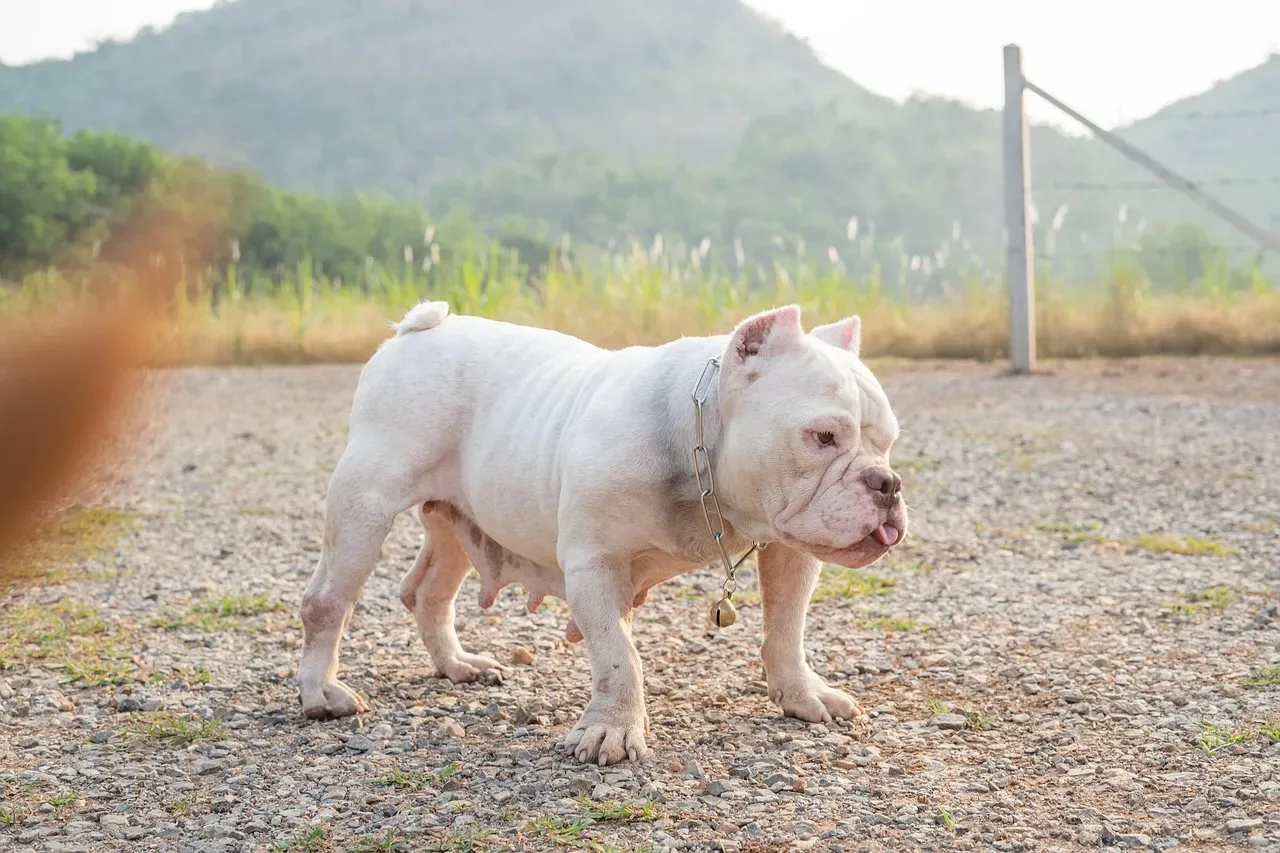
Though easily confused, the Staffordshire Bull Terrier, frequently known as a Staffy, and the American Bully are two distinct breeds of dogs. It matters to know the difference, especially before you bring one home. The Staffordshire Bull Terrier is an old and established breed that dates back to the early 1800s, with early dogs produced by crossing mastiff-like dogs with British terriers to create a large, muscular dog with the agility of terriers.
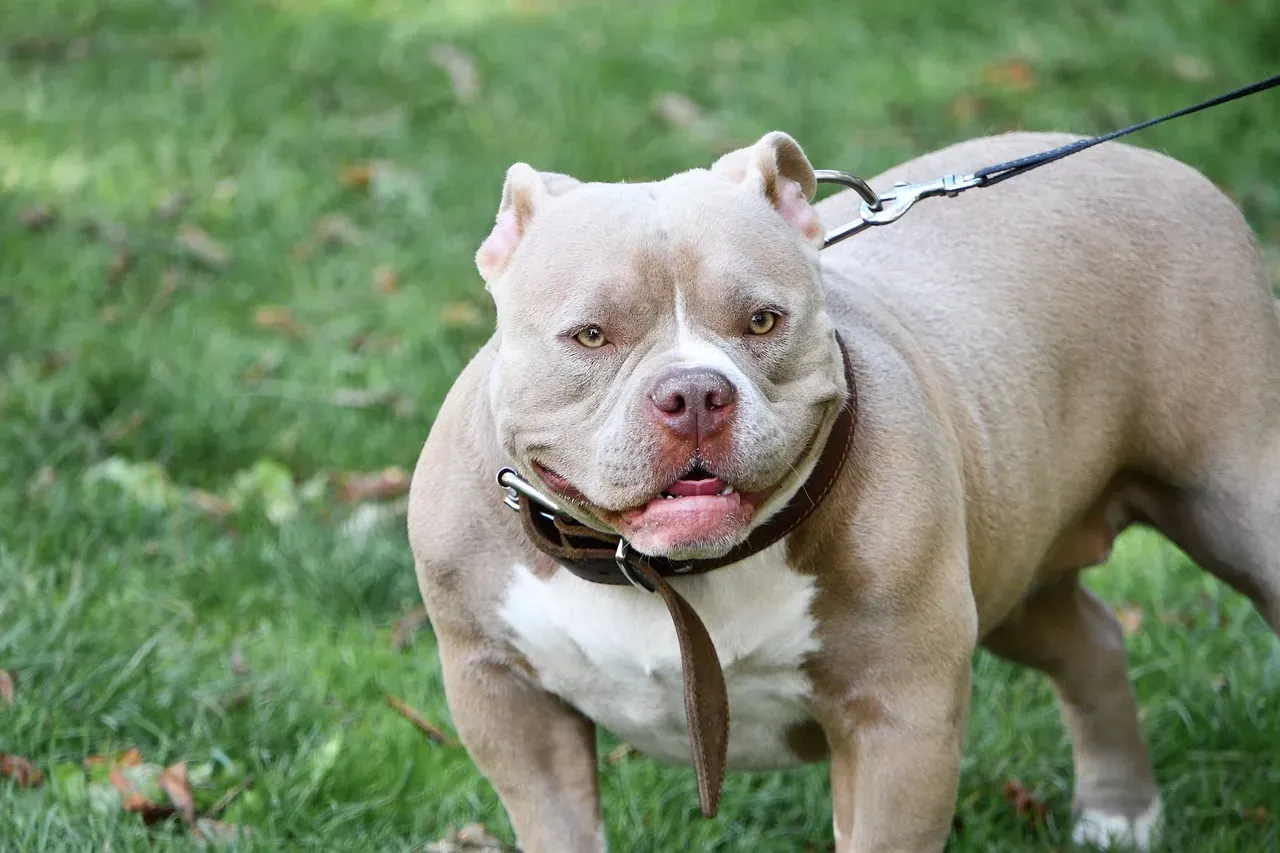
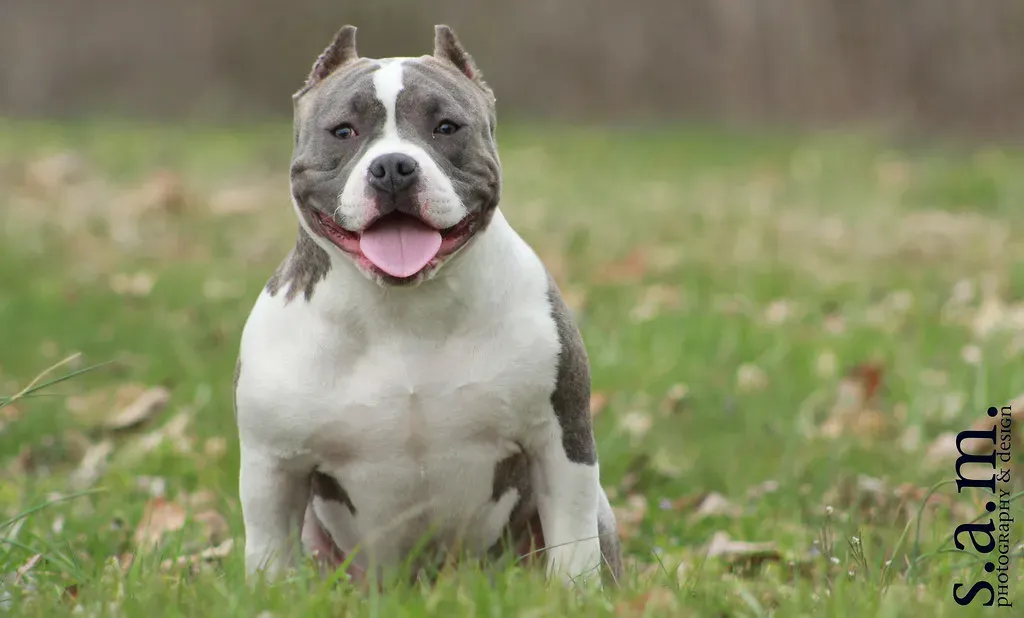
The American Bully has a much more recent story. It’s a modern breed developed in the 1990s, explicitly bred for a companionable temperament and extreme muscular structure. The goal in creating this breed was largely to maintain the physical characteristics of the dogs but to soften the temperament into a dog easier suited to being a companion. The American Bully was first developed as an active and strong companion dog, making a good temperament a key priority for the breed.
Both have short coats, short muzzles and ears, and short to medium-sized tails, but beyond some of their physical similarities, there are also plenty of differences you’ll want to be aware of. That said, what draws Texas families to both breeds often comes down to the same core thing: loyalty, a manageable size, and a temperament that works well in an active household.
Why the Texas Suburbs Are a Natural Fit
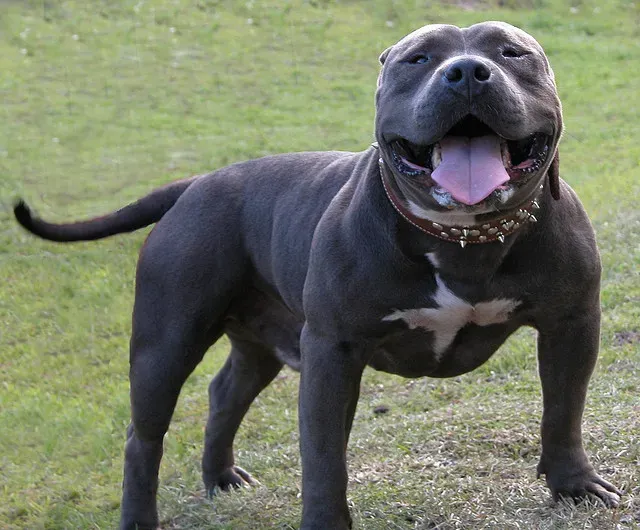
Texas suburbia offers something many urban settings don’t: space. Fenced yards, quiet streets for walks, and a general culture of active outdoor life all align with what these dogs genuinely need. Ideally, American Bullies should be kept in a suburban or rural home, as they are relatively large and enjoy spending time outside, though they can adapt to apartment and urban living as long as their exercise needs are met.
Breeders intentionally selected American Bullies for lower prey drive, stable nerves around children, and the confidence to thrive in suburban settings. That’s not marketing language – it reflects actual breeding goals. Similarly, the Staffordshire Bull Terrier’s compact build and short coat make it well-suited to Texas’s warmer climate compared to heavier-coated breeds. This size range makes the Staffordshire Bull Terrier manageable in both apartments and houses, provided its exercise needs are met.
There’s also a broader cultural shift happening. Bully breeds have evolved over time, often transitioning from working roles to beloved family companions. Bully breeds are among the top percentile of best-tempered dogs, based on the American Temperament Test Society, a characteristic that makes them well-suited for family environments and may explain their growing appeal. Suburban families looking for a dog that’s tough enough to handle kids, calm enough for evenings on the porch, and loyal enough to make you feel safe are finding that these breeds tick all three boxes.
Temperament, Kids, and What You Should Actually Expect
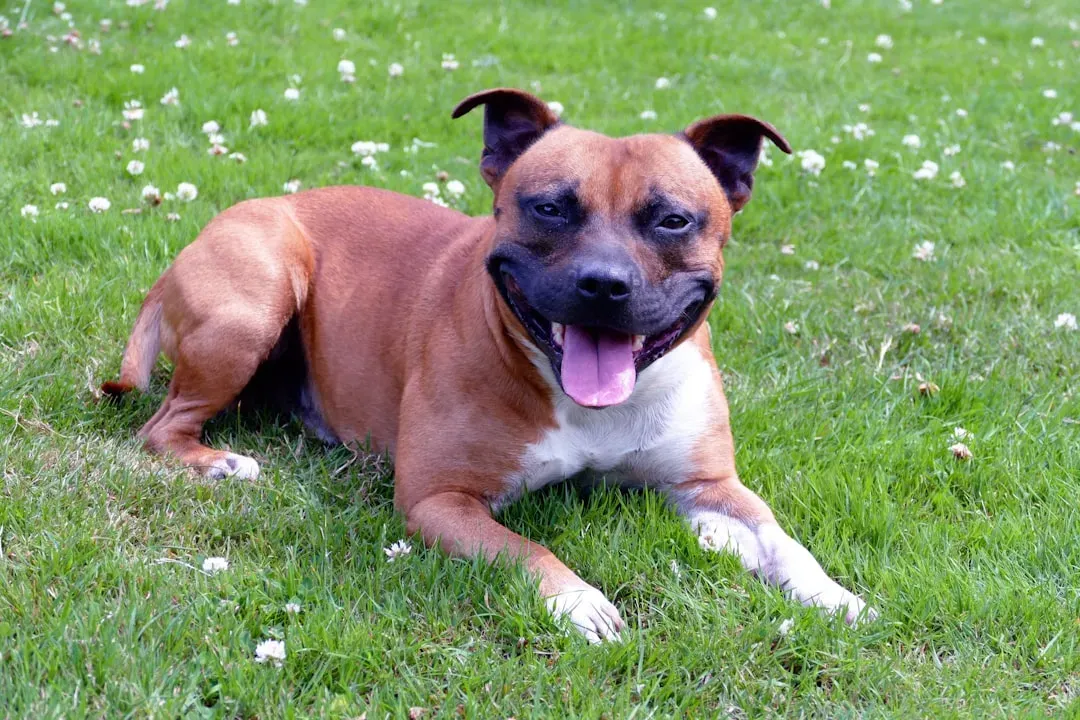
Here’s where a lot of people either fall in love or get caught off guard. Both breeds have incredibly affectionate natures, but they’re not the same when it comes to interacting with children and other animals. Staffordshire Bull Terriers are considered a better fit for families with young children than American Bullies, thanks to their “nanny dog” tendencies and affectionate temperament. That said, with the right training and socialization, both breeds have the potential to be fantastic companions.
The American Bully is noted for displaying extreme tolerance with children and an overwhelming eagerness to please its family. Great with children who can be a little rough at times, a Bully, once socialized, will tolerate their antics and take it in stride. Still, no matter how gentle a breed’s reputation, adult supervision during play between dogs and young children is always the right call. They can live well with children if carefully introduced and taught boundaries, and their play style is robust and physical, so supervision is important especially with young children.
One thing to watch for with both breeds: separation anxiety. American Bullies have a people-oriented nature, thrive on human interaction, and often shadow their families around the house. This attachment can create separation anxiety if not properly managed through gradual alone-time training. Like many companion dogs, Staffies forge strong connections with their families, and leaving them alone for long periods may cause stress and unwanted behaviors. Puzzle toys, short practice absences, and reliable pet sitters all help.
Training, Exercise, and Keeping Them Mentally Sharp
A bored Staffy or an under-exercised American Bully isn’t a happy dog – and that often shows up in chewed furniture, hyperactive behavior, or persistent barking. The good news is that both breeds are genuinely trainable when handled the right way. Staffies are known for their smarts and respond best to a positive, creative training approach, though the breed can be stubborn and exuberant, so persistence and patience when training is also important.
American Bullies are quick to pick up on your mood and respond best to positive reinforcement. Harsh corrections can undermine their confidence, so focus on reward-based training and clear, consistent boundaries. While staying consistent and using positive reinforcement is important with all dogs, it’s particularly vital with these two breeds. For Texas owners with kids at home, the practical tip here is simple: start training early, involve the whole family, and make sessions short and rewarding rather than long and repetitive.
While Staffies might not be built for marathons, they still need a good burst of daily activity. Aim for around 60 minutes of walking, fetch, or fun games, and a tired Staffy is often a well-behaved one, so activities like tug-of-war, interactive puzzle toys, or short agility sessions work wonders. American Bullies are slightly less demanding in the exercise department. They thrive with moderate daily activity rather than the intense exercise needs of working-bred pit bull types. Both breeds genuinely benefit from mental enrichment: scent work, puzzle feeders, and obedience training sessions all count.
Health Realities Every Texas Owner Needs to Know
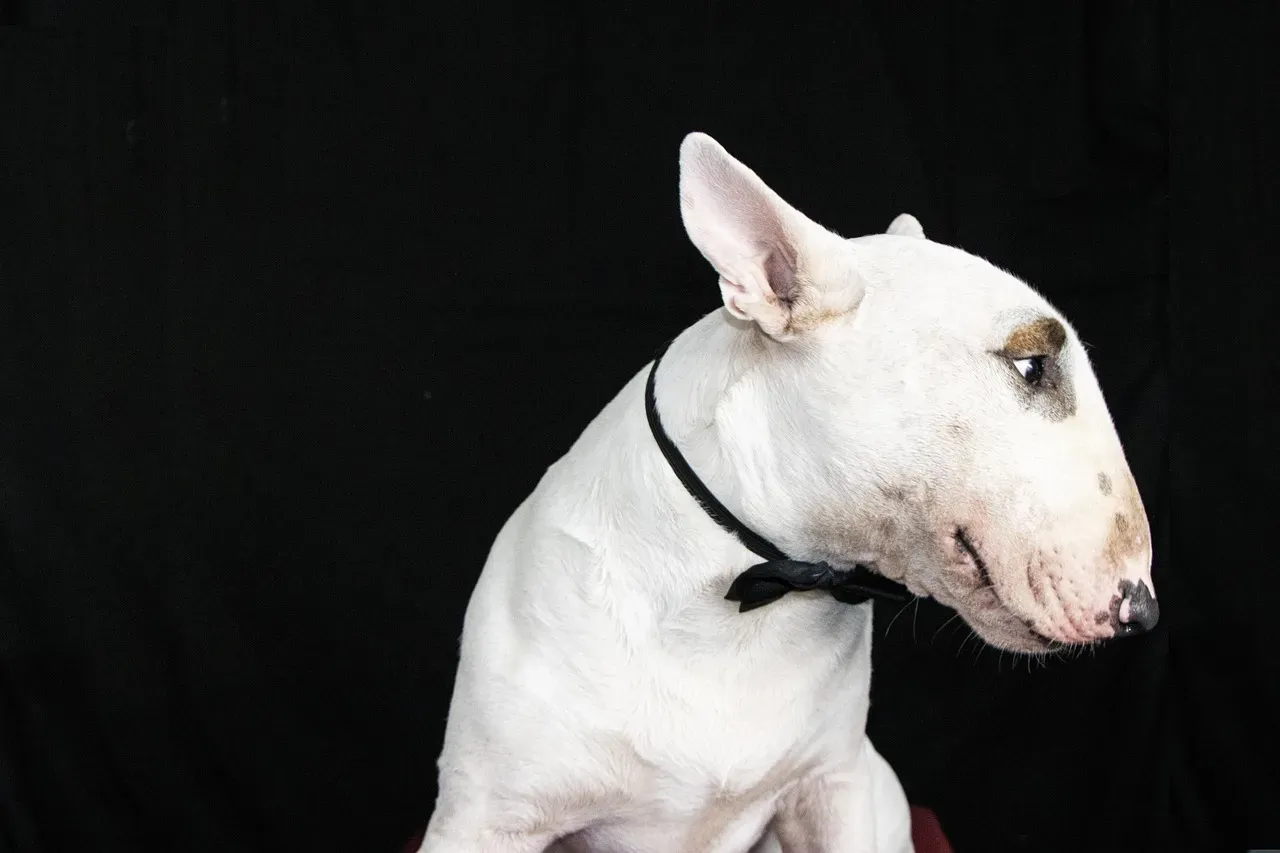
Both breeds come with health considerations that are particularly relevant in the Texas climate and suburban lifestyle. For Staffies, the health watch list includes a few specific concerns. Key issues include hip dysplasia, which can cause discomfort and reduced mobility; patellar luxation, which may cause limping or skipping movement; and hereditary eye conditions like juvenile cataracts, which can affect vision. There’s also a metabolic disorder called L-2-hydroxyglutaric aciduria worth asking a vet about when sourcing a puppy.
Texas heat is a genuine concern for both breeds. The average Staffordshire Bull Terrier lifespan is 12 to 14 years, and the breed is statistically a healthy dog, but it’s important for pet parents to know that Staffies are very averse to heat. Schedule walks for early morning or after sunset during summer months – this is non-negotiable in cities like Houston or San Antonio. Their coat makes Staffies susceptible to fleas and ticks, so ask your vet about flea and tick prevention, and give them a good brushing with a flea comb in the summer months.
American Bullies carry their own set of health risks. The breed is controversial due to its extreme physical structure, including a very short muzzle and heavy build, which can lead to breathing difficulties from brachycephalic syndrome, joint problems, and difficulty with natural birth. Like many purebred and designer breeds, they can be prone to inherited health conditions such as hip and elbow dysplasia, heart disease, hypothyroidism, allergies, cherry eye, and skin issues. Choosing a reputable breeder who health-tests their dogs isn’t just smart – in these breeds, it genuinely matters for the long-term quality of your dog’s life. Routine veterinary check-ups are essential for early detection of health issues, and regular vaccinations, dental care, and parasite prevention can significantly improve your dog’s quality of life.
Navigating Texas Laws and Neighborhood Realities
Here’s the practical reality that no article should leave out. At the state level, Texas continues to move away from breed-specific legislation in favor of behavior-based enforcement, and advocacy groups and animal welfare organizations have consistently pushed for full statewide preemption, with the legislative trend generally favoring individual dog accountability over blanket breed bans. That’s positive news for owners, but it doesn’t mean every suburb is equally welcoming.
A small number of Texas cities still enforce legacy ordinances that may require owners of “pit bull-type” dogs – a classification that can include American Bullies – to comply with enhanced requirements such as mandatory microchipping, muzzling in public, or higher confinement standards. The American Bully is a recognized breed distinct from the American Pit Bull Terrier, but many local ordinances use vague physical descriptors rather than breed registry names, which means your American Bully could be subject to pit bull-type restrictions even though it is technically a different breed. Always check with your city’s animal control office before bringing either dog home.
One of the most common legal challenges American Bully owners face in Texas has nothing to do with state law – it comes from landlords, homeowners associations, and property management companies. For renters, the best approach is to negotiate breed-specific terms before signing a lease, get any approval in writing, and document your dog’s temperament history, training certifications, and vaccination records. Being proactive here saves real heartache down the road. Some HOAs in Texas suburbs may have restrictions that aren’t always obvious until after you’ve already fallen in love with a puppy. Do the paperwork first.
Conclusion: The Right Dog for the Right Family

The rise of Staffies and American Bullies across Texas suburbs isn’t a trend driven by hype. It reflects something more practical: families finding dogs that genuinely fit their lives. These breeds offer loyalty, manageable exercise needs, an easy-care coat, and a warmth toward people that’s hard to overstate once you’ve experienced it firsthand. Staffordshire Bull Terriers are known for their affectionate, playful nature and their love of children, and they are intelligent and trainable, making them excellent family pets. American Bullies are loyal, confident, and affectionate companion dogs celebrated for their muscular build and gentle temperament, and despite their powerful appearance, they are known for being remarkably gentle with children and deeply devoted to their families.
None of that happens automatically. It takes consistent training, early socialization, informed health care, and the kind of daily attention these dogs genuinely need. The Staffordshire Bull Terrier is a breed that combines physical power with emotional warmth, making it an excellent choice for owners who are willing to invest time in training, socialization, and daily interaction. The same is true of the American Bully. They’re not low-effort dogs, but they’re enormously rewarding ones.
If you’re in a Texas suburb considering either breed, you’re in good company. Just go in with eyes open, connect with a reputable breeder or rescue, talk to your vet early, and give your dog the structure and love it needs. The dog you get in return will more than justify the effort.


