
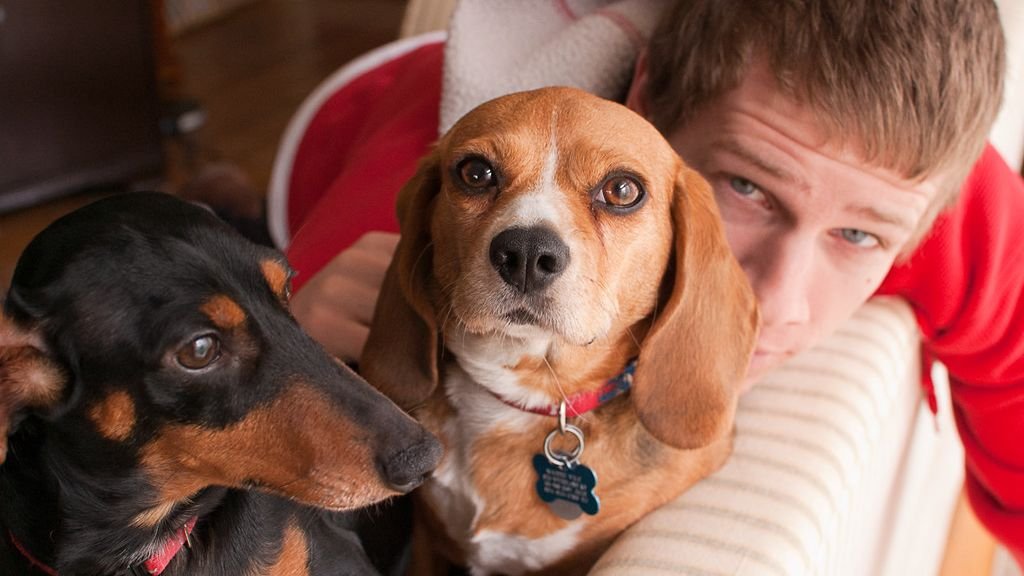
Picture this. You come home after a long day, arms full of groceries, and you find your couch cushions scattered across the floor, your shoes chewed beyond recognition, and your dog sitting there looking at you with those enormous, soulful eyes like absolutely nothing happened. Sound familiar? If you share your home with one particular breed, there’s a very good chance you’re nodding your head right now.
The title of the world’s naughtiest dog breed is one that surprises a lot of people. It’s not a Rottweiler. It’s not a Husky. It’s a breed that looks like it belongs in a children’s storybook, with floppy ears, a wagging tail, and a nose that’s basically a weapon of mass destruction. We’re talking about the Beagle. Adorable, lovable, infuriating, and utterly irresistible. Let’s dive in.
Why the Beagle Earned the “Naughtiest” Crown
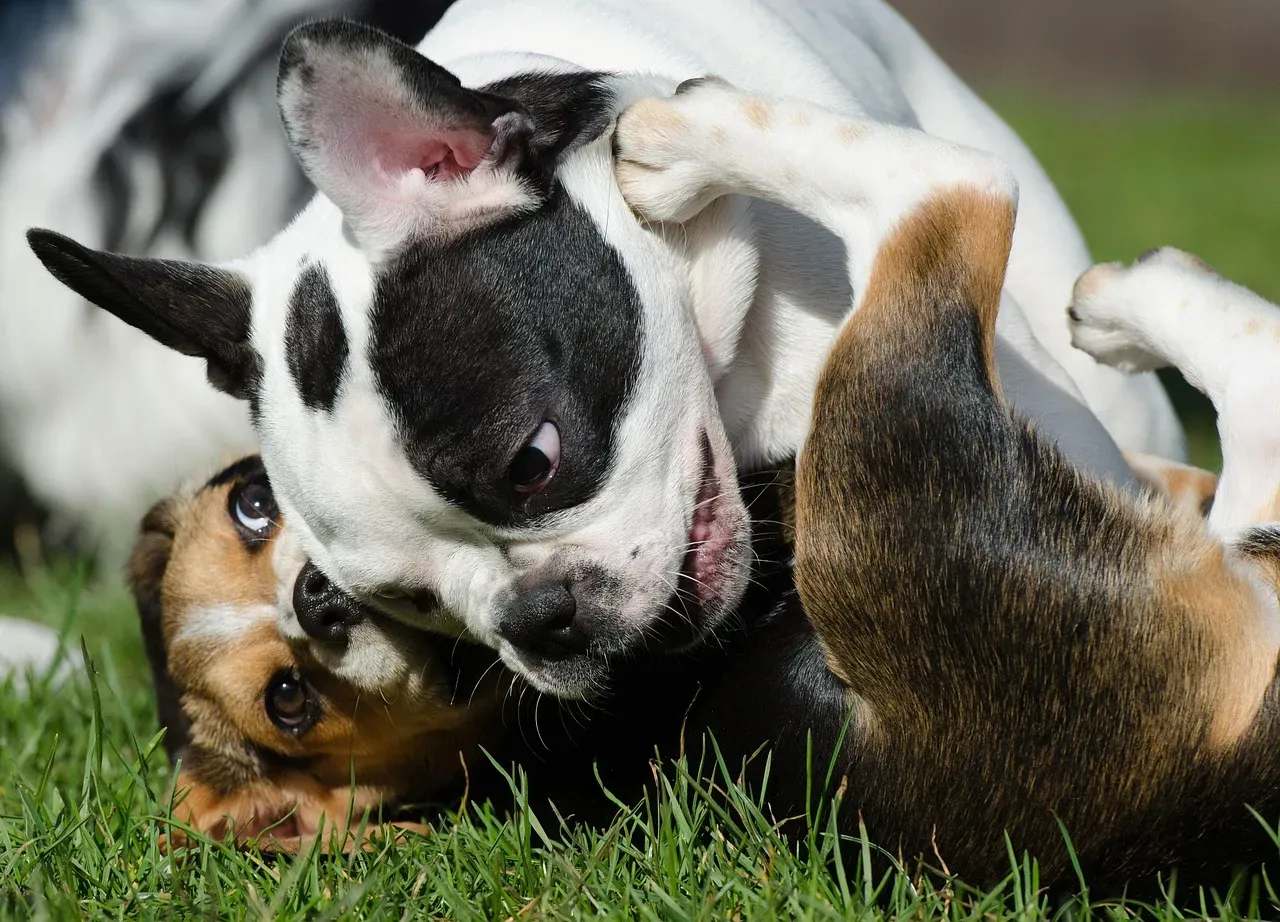
Popular family pets, Beagles have a well-earned reputation for being somewhat naughty. Honestly, calling them “somewhat” naughty is like calling a thunderstorm “a little wet.” The Beagle’s temperament is playful, curious, and stubborn, with a moderate dose of naughtiness, and they are very well known for testing the patience of their owners.
Here’s the thing though – it’s not malice. It’s just pure, unfiltered instinct. Beagles were bred for stamina to allow them to chase prey for hours at a time, and in a domestic environment where they can’t get sufficient exercise, this stamina makes them susceptible to boredom. A bored Beagle is basically a tiny furry hurricane, and the damage they leave behind is just as impressive.
According to one consumer’s guide on dogs, Beagles also top the list for excessive barking and can be difficult to housebreak and obedience train. So yes, it’s not just your imagination. Science agrees with you.
The Nose Knows – and That’s Half the Problem

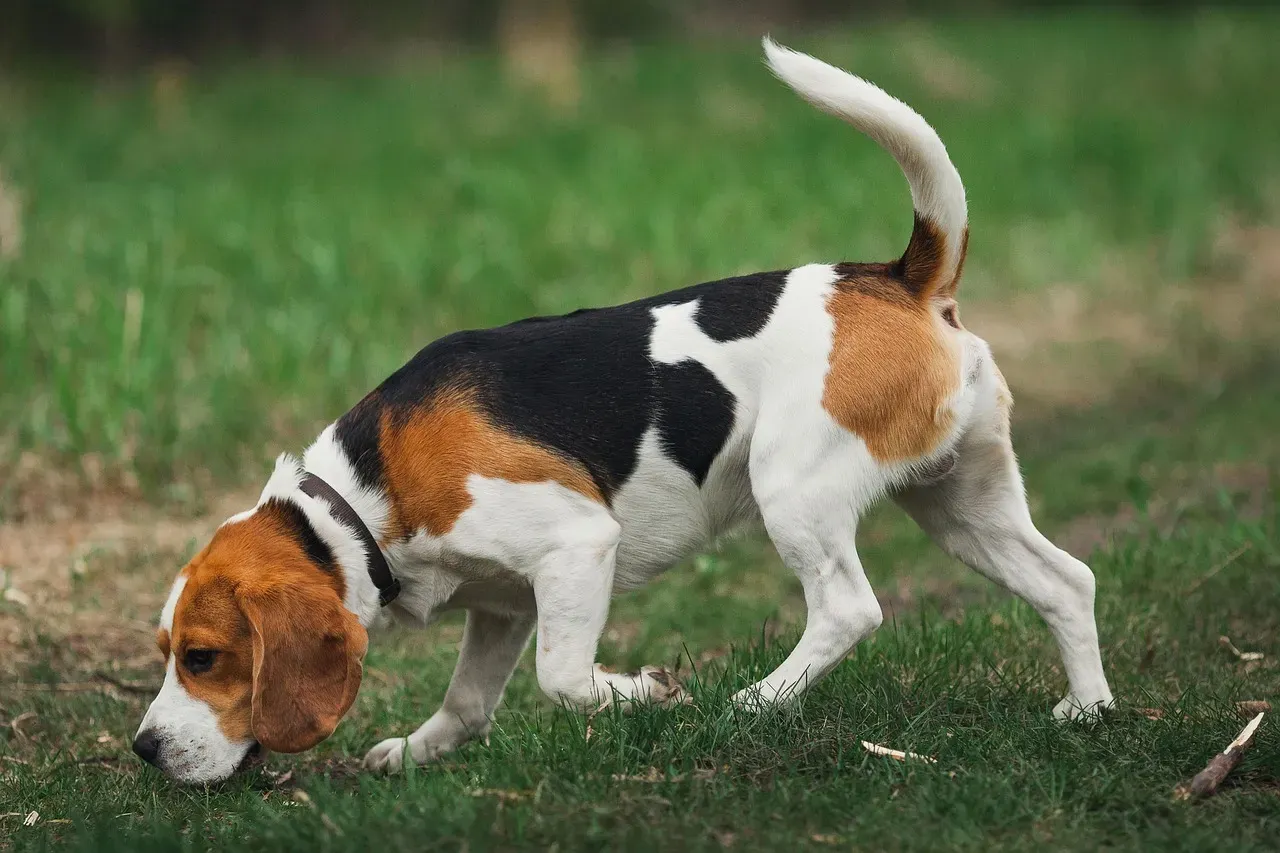
If you want to understand why a Beagle does what it does, you have to understand the nose. It controls everything. Originally a scent hound used for hunting, Beagles have phenomenal noses and an instinct to explore, and that sniffing drive can lead them into mischief – for example, escaping to follow a scent.
Beagles are scent hounds and therefore should not be walked off the lead, because if they get a whiff of an enticing smell they will do what nature intended – and hunt. It is said that when a Beagle’s nose switches on, its ears switch off! I think that last line is probably the most accurate description of a Beagle ever written.
Their keen sense of smell and obsession with food is probably the single most challenging part of owning a Beagle. Think of their nose like a super-powered GPS that only tracks snacks, squirrels, and things they absolutely should not eat. Beagles, with their excellent tracking abilities and hound dog background, can be stubborn and overly focused on following scents. Once on a trail, they are liable to pay little attention to anything else, including their owner’s commands. They also love their food and have no qualms about exploring kitchen countertops and trash bins to find some.
Separation Anxiety: The Hidden Cause of Most Beagle Chaos
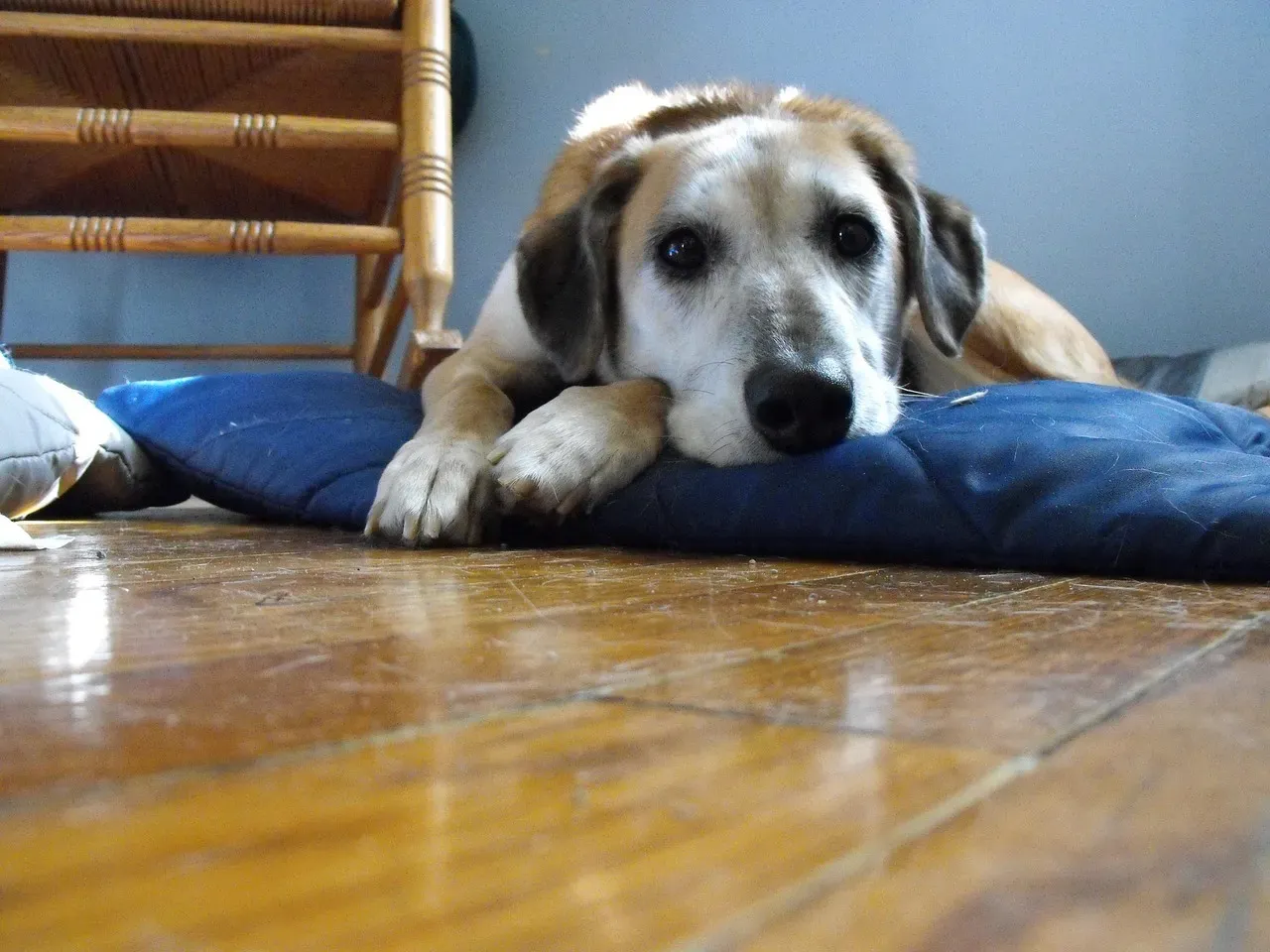
A lot of Beagle owners blame their dogs for being destructive, but honestly? Much of it comes down to one deeply emotional root cause. The Beagle is the quintessential pack dog, truly enjoying the company of others, both human family members and other dogs. Left to their own devices, boredom can quickly set in, and a panicked feeling of being alone may develop, which is commonly referred to as Separation Anxiety. When a dog suffers from this, it is unable to gain control and waiting for their owner to return can be quite emotionally tortuous.
The three most common signs of Beagle separation anxiety are destructive behaviors, excessive barking or whining, or the dog’s refusal to go outside. Watch for these warning signs, especially during the first weeks in a new home. In severe cases, Beagles may try to escape from their home or yard by digging under fences, chewing through doors or window screens, or jumping over fences, which can obviously lead to serious injury if not managed correctly.
True separation anxiety is rare but very distressing for the dog and owner. Symptoms include whining and pacing as you prepare to leave, dilated pupils, panting, and drooling, house soiling, and howling and barking once you’ve left. If any of this sounds like your pup, please don’t ignore it. Your dog isn’t being dramatic – they’re genuinely struggling.
Practical Tips to Handle Your Beagle’s Naughtiest Moments
Let’s be real. You can’t change who your Beagle is, but you can absolutely work with their nature instead of against it. Often, destructive behavior is a manifestation of pent-up energy. Dogs, particularly those of the “naughtier” breeds, need an outlet to release this surplus energy. Regular physical activities such as walks or runs, playing catch, and swimming are recommended, along with mental stimulation through teaching new tricks, providing chew toys, setting up food puzzles, scatter feeding, and organizing doggy playdates.
Beagles are particularly motivated by following scent, so setting up treat trails, playing “hide and seek,” or teaching them to find a toy can be a great activity. Think of it as channeling their inner detective toward something productive. Consistency is crucial for managing separation anxiety in Beagles. A daily routine with set feeding times, walks, and playtime is essential. Such predictability reassures your Beagle, providing a sense of security during your absence.
Experts recommend crate training, but instead of viewing the crate as a punitive measure, make it as comfortable as possible, complete with pillows, blankets, treats, and favorite toys. This can help the dog associate the crate with a safe, comfortable space, reducing anxiety and potentially destructive behaviors.
The Flipside: Why Beagle Owners Would Never Trade Them In

For all the chewed shoes and stolen sandwiches, Beagle owners will tell you something with total conviction – they wouldn’t change a thing. Known for their playfulness, curiosity, and deep loyalty, Beagles build strong bonds with humans and other pets. That bond is something truly special, and it’s hard to put into words until you’ve experienced it yourself.
The Beagle breed makes for an excellent companion to kids. They will adapt and change their behavior around children and are gentle, kind, and affectionate with them. It’s hard to stay frustrated at a dog who is simultaneously destroying your garden and cuddling your toddler. If you can set boundaries and give them your undivided attention, they will provide you with years of laughter and friendship in return.
The jovial Beagle is a great addition to any active home. Sweet natured and full of life, the Beagle sure doesn’t make the best guard dog, but its affable nature is the perfect fit for family life. I think that says it all, honestly. A terrible guard dog. A spectacular best friend.
Conclusion: Naughty by Nature, Loved Beyond Measure
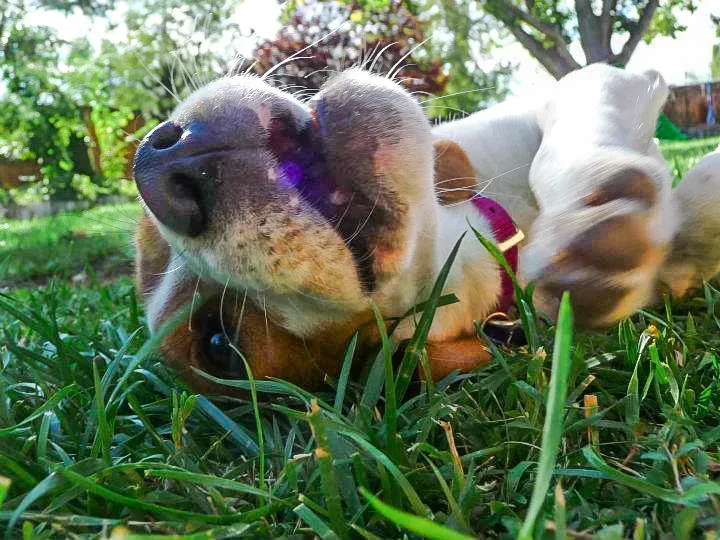
The Beagle’s naughtiness isn’t a flaw to be fixed – it’s a feature deeply wired into centuries of breeding, instinct, and pack mentality. Understanding why they do what they do is more than half the battle. Beagles are a breed with a lot of energy, a propensity to boredom, and a tendency to ignore commands from their owner. All of these factors make an untrained Beagle an absolute nightmare to deal with. Beagles are a breed that demand an owner willing to put lots of time and effort into training and behavior management.
The good news? With patience, consistency, and a good sense of humor, your Beagle can be the most rewarding dog you’ll ever own. The Beagle breed is a high-energy and active dog that will need lots of exercise and mental stimulation. A little preparation goes a long way when getting your first Beagle, in order to understand what drives their behavior and whether you feel equipped to deal with some of their more challenging traits.
They will eat your lunch, ignore your commands, and follow their noses straight into trouble. Still, at the end of the day, they’ll curl up next to you and look at you like you’re the entire world. And honestly? That makes every chewed shoe absolutely worth it.
Did you expect a Beagle to top the naughtiest list? What’s the most hilariously chaotic thing your dog has ever done? Tell us in the comments – we’d love to hear it!


