
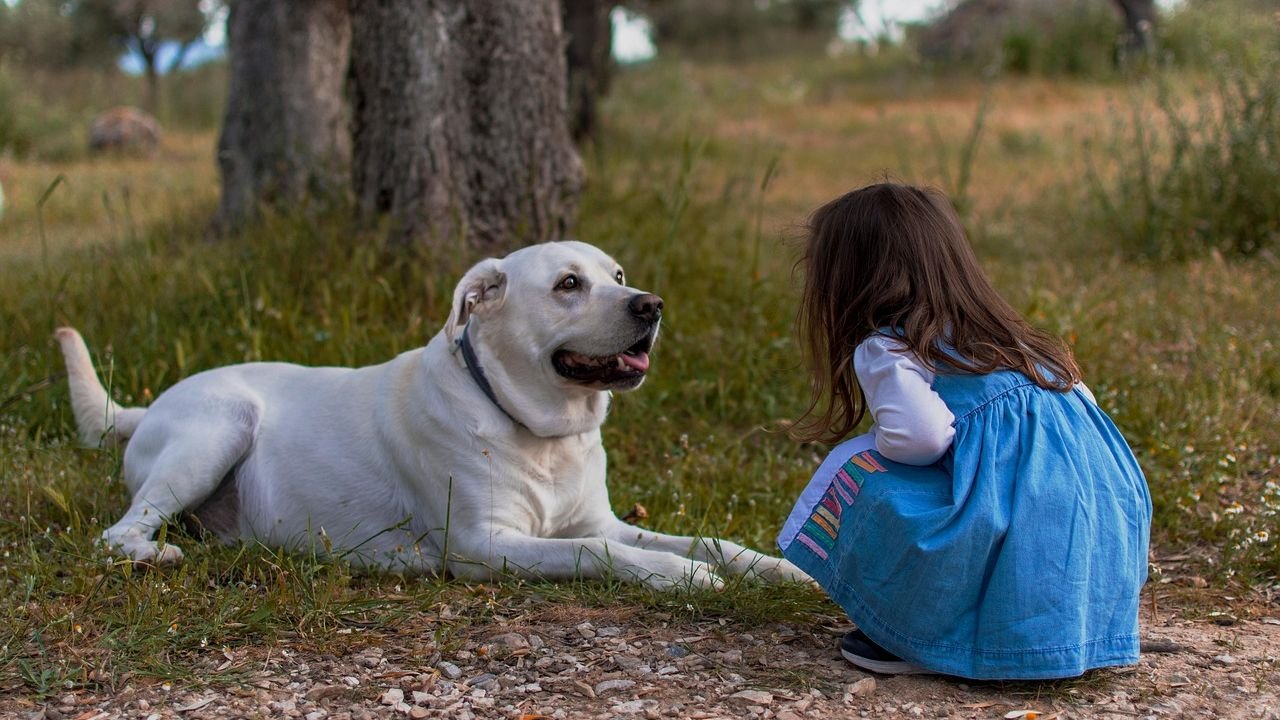
There’s a moment most dog owners know well. You’ve had a rough day, haven’t said a word about it, haven’t even fully admitted it to yourself yet, and your dog is already pressed against your leg or staring up at you with those steady, searching eyes. It’s not coincidence. It’s not just habit. Something is genuinely happening there, and science is starting to explain it in remarkable detail.
Dogs have spent thousands of years co-evolving alongside us, and in that time they’ve developed a form of social awareness that goes far beyond tricks and tail wags. They’re tuned into channels of human experience we barely even register ourselves. The things they notice, the things they respond to before you’ve consciously processed them, might just make you see your closest companion in a completely different light.
They Smell Your Stress Before You Feel It

You might feel calm on the surface, maybe you’ve even convinced yourself you’re fine. Dogs can detect hormonal shifts through sweat and breath, which is one reason your dog may react before you consciously recognize your own stress. This isn’t a vague intuition on their part. It’s chemistry.
Research published in PLOS One showed that dogs can detect stress from sweat and breath samples alone. A dog has about 300 million scent receptors compared with a human’s 6 million, which means the emotional landscape you’re living in is essentially an open book to them. What you hold quietly inside, they’re reading through the air.
Studies have found similar amounts of the stress hormone cortisol in dogs and their owners, suggesting that chronic stress doesn’t stay with you alone. A human’s stress and anxiety are contagious to their dog, and dogs living with people who are chronically stressed are negatively affected in the long-term. If your dog seems restless or anxious without obvious cause, it’s worth asking honestly how you’ve been feeling lately.
The practical takeaway here is grounding. Learning to spot your dog’s stress signals, keeping calm around your dog, and considering doing a relaxing activity before interacting or training can reduce any effect your stress might have. Taking a few slow breaths before you greet your dog isn’t just good for you. It’s genuinely good for them too.
They Read Your Face More Carefully Than You Read Theirs
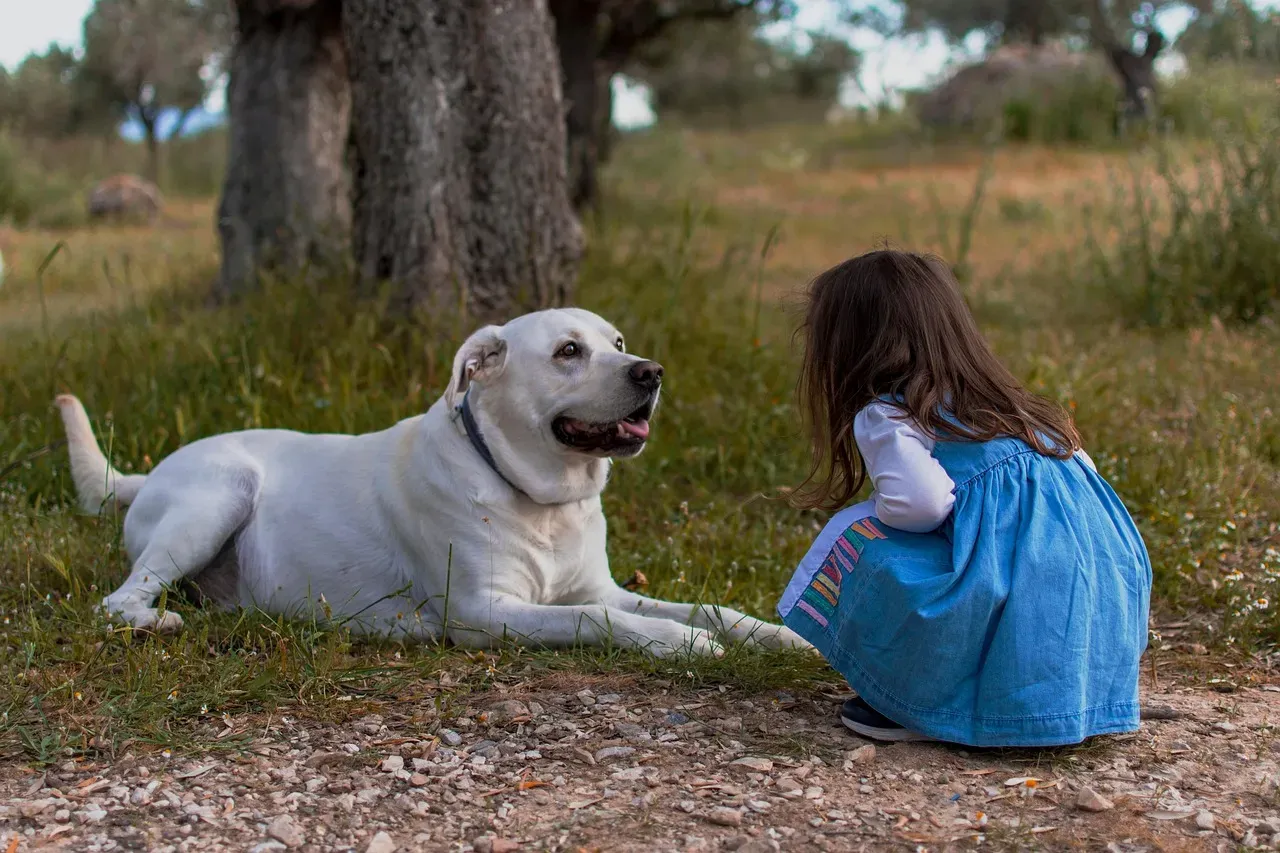
Dogs are watching your face constantly, and they’re doing it with surprising precision. Research from institutions like the University of Lincoln and University of Vienna found that dogs can distinguish between happy and angry human facial expressions even when those faces belong to strangers. Your own face, familiar and loved, is even more transparent to them.
Studies show dogs can visually discriminate between happy versus angry faces, calm versus tense expressions, and familiar versus unfamiliar people. Dogs tend to focus more on the left side of a human face, which is often more emotionally expressive. Think about that the next time you paste on a smile while quietly falling apart inside. Your dog’s gaze may linger just a moment longer than usual.
Dogs can match sound to the corresponding facial expression. Studies have shown that dogs pay more attention to facial expressions which match the emotional state of an accompanying vocalization. This cross-modal ability, reading face and voice together simultaneously, was once thought to exist only in humans. Dogs are masters of nonverbal communication, and in fact may rely on body language more than words.
For dog owners, this means the tone you set in a room matters immediately. Dogs respond best to calm, confident energy. Yelling or frustration can create confusion rather than clarity, and dogs thrive on predictable emotional responses. Consistent, warm facial cues don’t just communicate love. They build a dog’s sense of safety day after day.
They Know When Something Is Physically Wrong With You
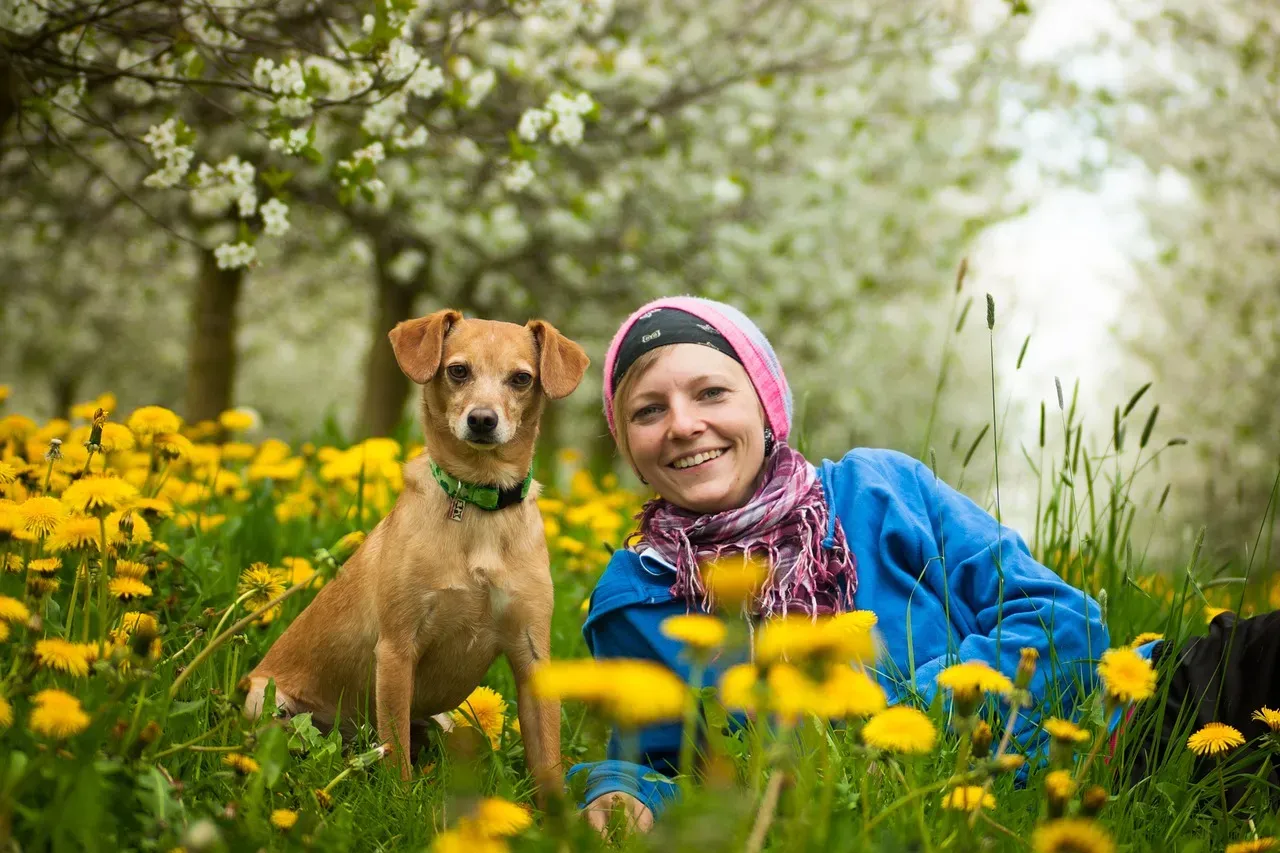
Dogs don’t just notice your mood. Sometimes they notice things happening inside your body that even your doctor hasn’t caught yet. Volatile organic compounds (VOCs) released by tumors or infections create a scent signature that dogs can detect at incredibly low concentrations. A dog’s nose contains up to 300 million olfactory receptors, and their sense of smell is estimated to be up to 100,000 times stronger than ours, allowing them to pick up VOC chemical markers of disease through breath, sweat, or urine.
Dogs are possibly the most well-known example of an animal that can detect a range of diseases, including Parkinson’s disease, bladder cancer, and malaria. Epileptic seizures and low blood sugar in diabetic patients can also be detected by specially trained medical alert dogs. These aren’t just trained working dogs, either. Dogs seem to notice the presence of melanoma in humans, and some untrained dogs have repeatedly sniffed at a spot on the skin of a pet parent later diagnosed with the disease.
It’s important to stay grounded about this. Studies on disease detection show variable results, and factors like fatigue, distraction, and attention span affect outcomes, which is why dogs are seen as a complement to medical testing rather than a replacement. Still, if your dog is persistently and unusually focused on a specific spot on your body, or is nudging and circling you in an unfamiliar way, it’s worth paying attention. Don’t dismiss it out of hand.
There is some evidence that dogs can detect migraines even if they aren’t trained service dogs, with people surveyed reporting that they noticed a change in their dog’s behavior before they got a migraine. Your dog may be your most attentive early-warning system, working quietly in the background of your everyday life.
They Feel Your Grief Even When You’re Hiding It

Grief is one of those emotions we often try to contain, especially around others. We hold it together at work, stay composed for our kids, and tell people we’re fine. Many people notice that their dog behaves differently when they are upset. Dogs may become more affectionate, stay physically closer, or gently nudge their owner when they sense distress, and this sensitivity matters during grief.
A well-known experiment showed that dogs were more likely to approach a crying person than someone humming or speaking normally, even if the crying individual was a stranger. The study showed that the dogs were trying to provide comfort, not seeking it. If they wanted to be comforted themselves, they would have approached the quiet person rather than the crier. Approaching the stranger in distress showed actual empathy. That’s a meaningful distinction.
Dogs also react when they become aware that you are grieving. Humans’ behavior changes when they are visibly upset and a pet may pick up on this or experience confusion. Grief often disrupts daily structure and motivation can drop. Dogs, however, still need to be fed, walked, and cared for, and that responsibility gently encourages routine. In the hardest seasons of life, a dog’s steady presence is quietly therapeutic.
If your dog seems clingier or more subdued during a period of loss in your household, they’re not being needy. When a person or pet with whom a dog has spent a lot of time passes away, their regular routine is likely to change, and dogs can become upset or stressed by this disruption. Maintaining gentle consistency, keeping walks regular, and spending a little extra quiet time together can help you both move forward.
They Track the Small Shifts in Your Daily Life
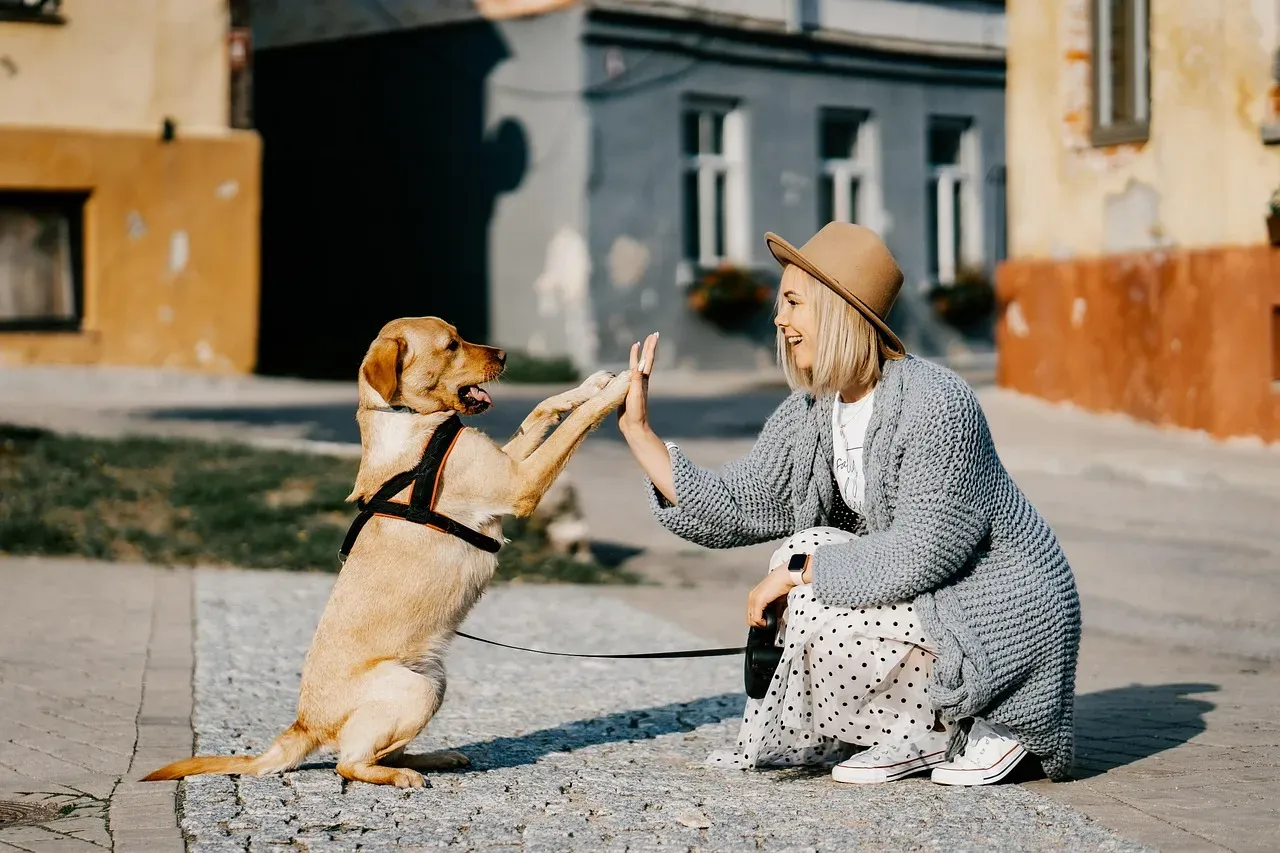
Dogs are meticulous observers of routine. They notice the order in which you get dressed, the exact jingle of your keys before a long trip, and the subtle way your energy changes on a Monday morning versus a Saturday. If you come home smiling and open your arms to your dog, they know you’re happy and may even grab a toy because play typically comes next. Alternatively, if you come home quiet and go straight to your bedroom, your dog will know to steer clear.
Dogs are known to mirror the emotions of their owners, a phenomenon known as emotional contagion. This means that a dog may become anxious if its owner is stressed or excited if its owner is happy. This mirroring effect is a testament to the deep social bond dogs have with humans and their desire to maintain harmony within their pack. When your life feels chaotic, your dog is absorbing that instability too.
Dogs often form strong bonds with multiple members of a household, including children. When children leave for extended periods, such as going away to college, many dog owners report noticeable behavioral changes in their pets. It’s not just the big events that register. Because we can’t explain to our dogs what loss or change means, certain indicators such as a change in routine or the absence of their owner’s sensations of sight, sound, or smell will indicate to them that something is different.
Prevention tip: if your life is going through a significant transition, try to anchor your dog’s day with at least a couple of consistent rituals. A walk at the same time each morning, a short play session before bed. Dogs feel secure when they can predict daily activities, and those small anchors can keep them steady when everything else around them shifts.
What Your Dog’s Awareness Is Really Telling You
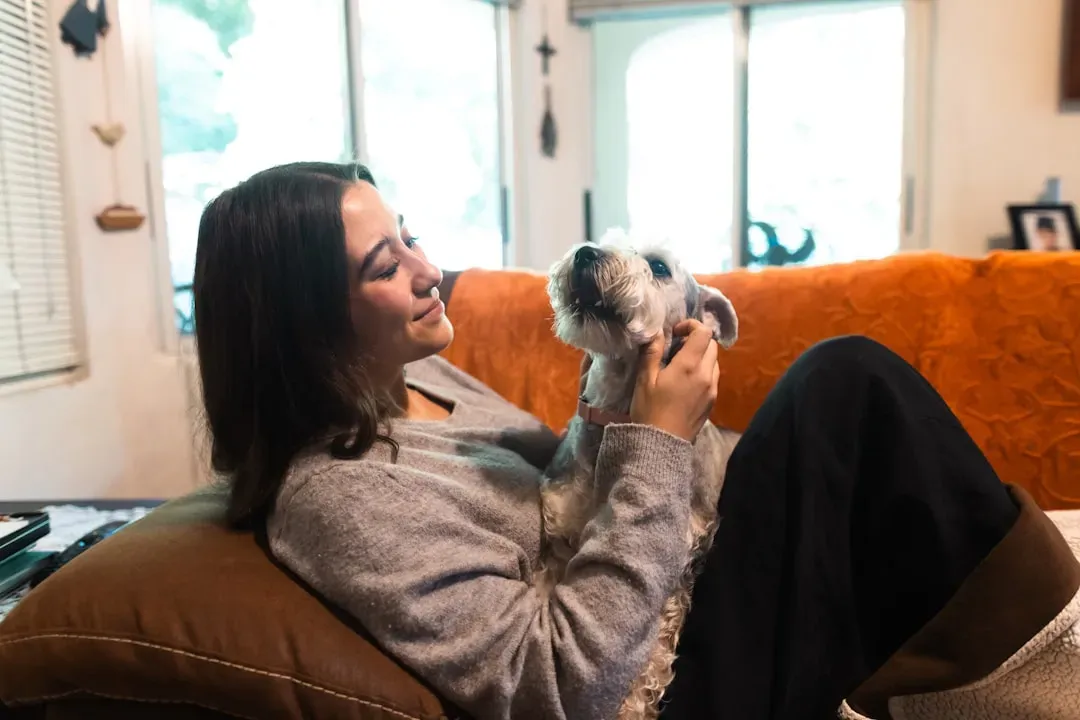
Living with a dog is, in a quiet way, living with a mirror. One that doesn’t judge, doesn’t overanalyze, and doesn’t offer unsolicited advice, but one that registers your truth with startling accuracy. Dogs understand human emotions far better than we once imagined. They read our faces, listen to tone shifts, interpret body language, and even detect chemical changes in our scent.
The emotional bond between a dog and their owner can lead to a reduction in stress and anxiety. Interactions with dogs have been shown to trigger the release of oxytocin, often called the “love hormone,” which fosters a sense of calm and well-being. This hormone not only reduces stress but can also lower blood pressure and heart rate, promoting overall cardiovascular health. The relationship runs both ways, deeper than most of us realize on an ordinary day.
What this all points to is something worth sitting with: caring well for your dog starts with paying attention to yourself. Your stress, your grief, your physical health, your routines, all of it flows into the world your dog inhabits. The more honestly you tend to yourself, the more settled and supported your dog will be. That feels like a fair trade.


