
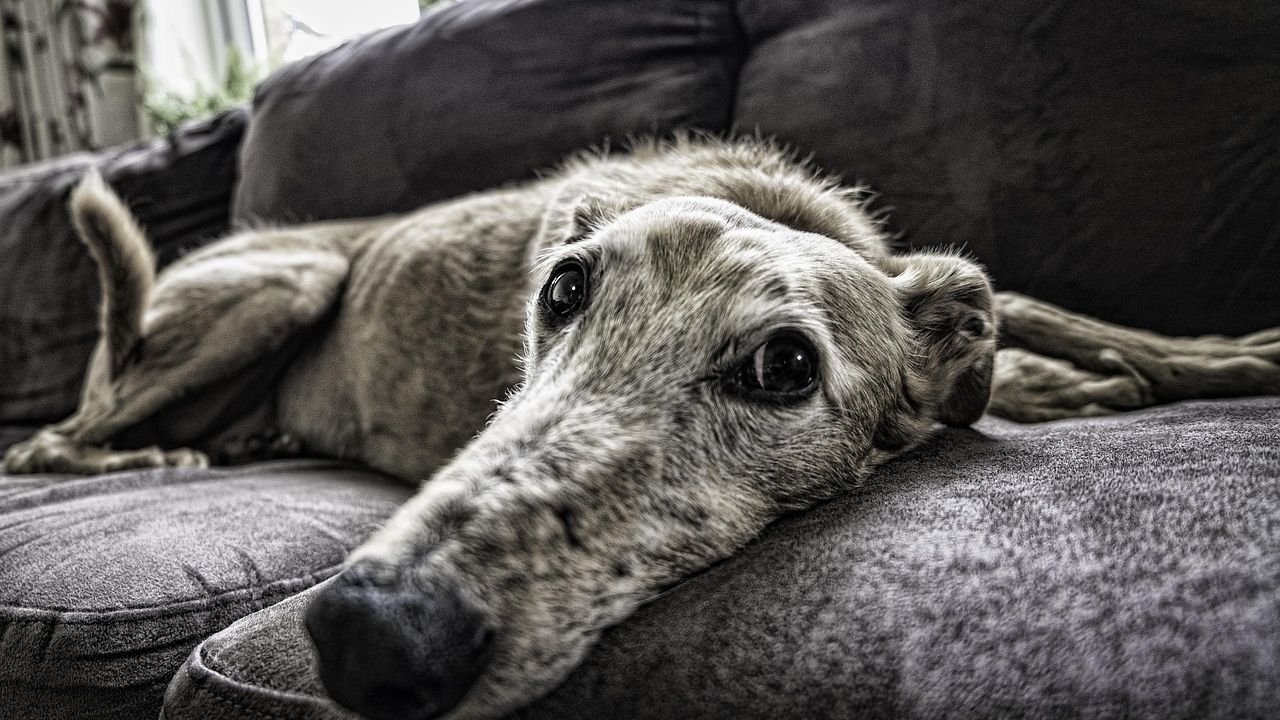
Have you ever had one of those days where everything just goes sideways, and somehow, before you’ve even said a word, your dog is already there – pressed up against your leg, head tilted, eyes wide with something that looks a whole lot like “I see you”? That moment is real. It’s not a coincidence, and it’s not wishful thinking either.
The truth is, some dogs are genuinely wired to feel alongside you. They pick up on a sigh, a slumped shoulder, a change in your voice tone – and they respond. Others, frankly, couldn’t care less. They’re perfectly happy doing their own thing while you cry into a bowl of cereal, and honestly? That’s okay too. There’s a dog for every kind of person.
So whether you’re searching for a furry emotional anchor or a blissfully self-sufficient companion who respects your space, we’ve got you covered. Let’s dive in.
1. Golden Retriever: The Sunshine in Dog Form
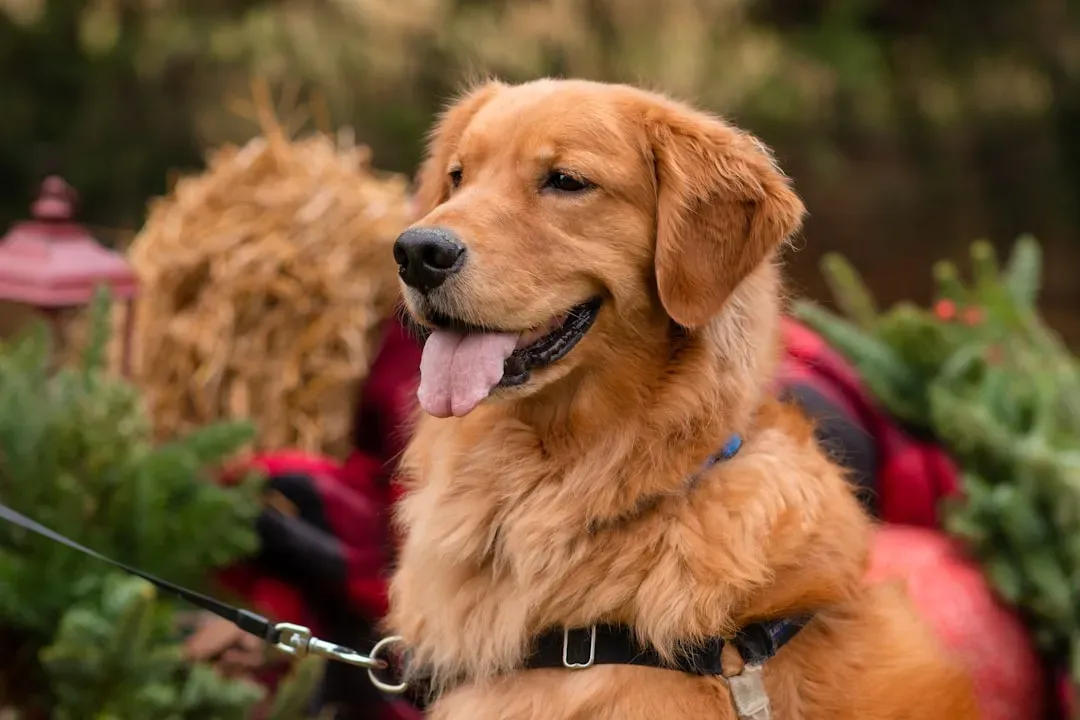
Golden Retrievers are synonymous with a gentle temperament and an emotionally intuitive nature, adept at picking up on human emotions and often responding with a comforting nuzzle or a reassuring presence. Think of them as that friend who always seems to call exactly when you need it most – except they live in your house and have better hair.
What makes Goldens truly special is their emotional intelligence. They pick up on body language and voice changes even when emotions stay hidden. If you’re sad, they’ll lean in close with gentle warmth. If you need a laugh, they bring playful energy to lift the mood. They seem to read the room better than most people do. Honestly, I think that says a lot about them.
Hospitals and therapy centres often use Golden Retrievers as therapy dogs because this breed accounts for thousands of certified “comfort-canine” teams thanks to their emotional sensitivity. If you own one, you already know – bad days are always shorter with a Golden around.
2. Labrador Retriever: The Therapist With Paws
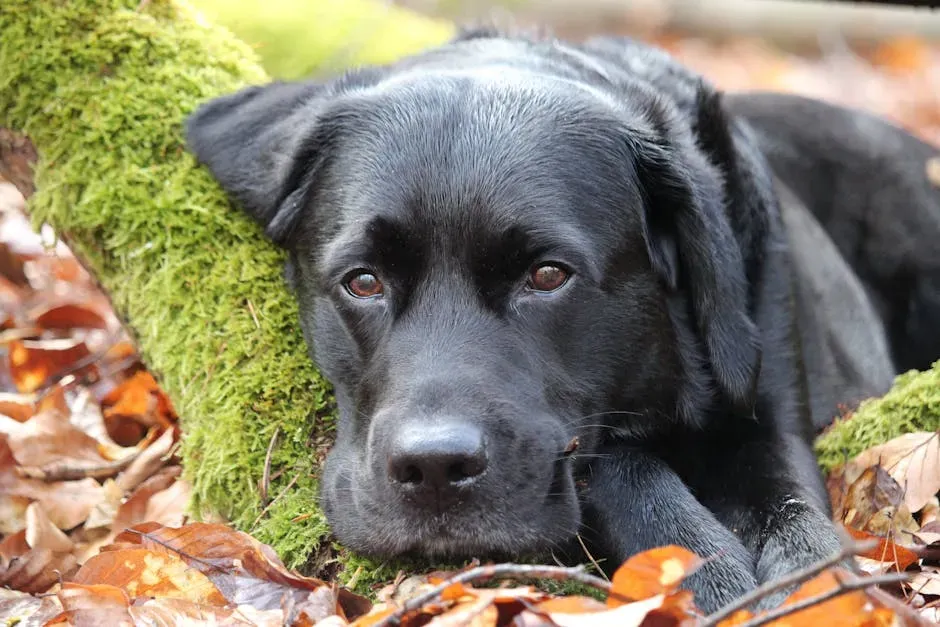
Labrador Retrievers are often called nature’s empath because they sense human moods and respond with tenderness. These dogs are friendly, outgoing, and deeply people-oriented, making them ideal companions in everyday life. They’re the type of dog that somehow manages to make you feel heard without uttering a single word.
Labs pick up on distress signals quickly and answer with calm, steady comfort. They’ll nudge your hand when you’re sad, bring a toy to break the tension, or curl up close like living reassurance. This empathy makes them one of the most popular service and rescue dogs. It’s not a coincidence that they show up in hospitals, crisis centres, and schools – they were practically born for it.
Because they are eager to please, Labradors respond quickly to training that’s gentle and encouraging. Harsh discipline can easily upset them, so consistency and kindness work best. Treat them well, and they’ll give you everything they’ve got.
3. Border Collie: The Emotional Detective
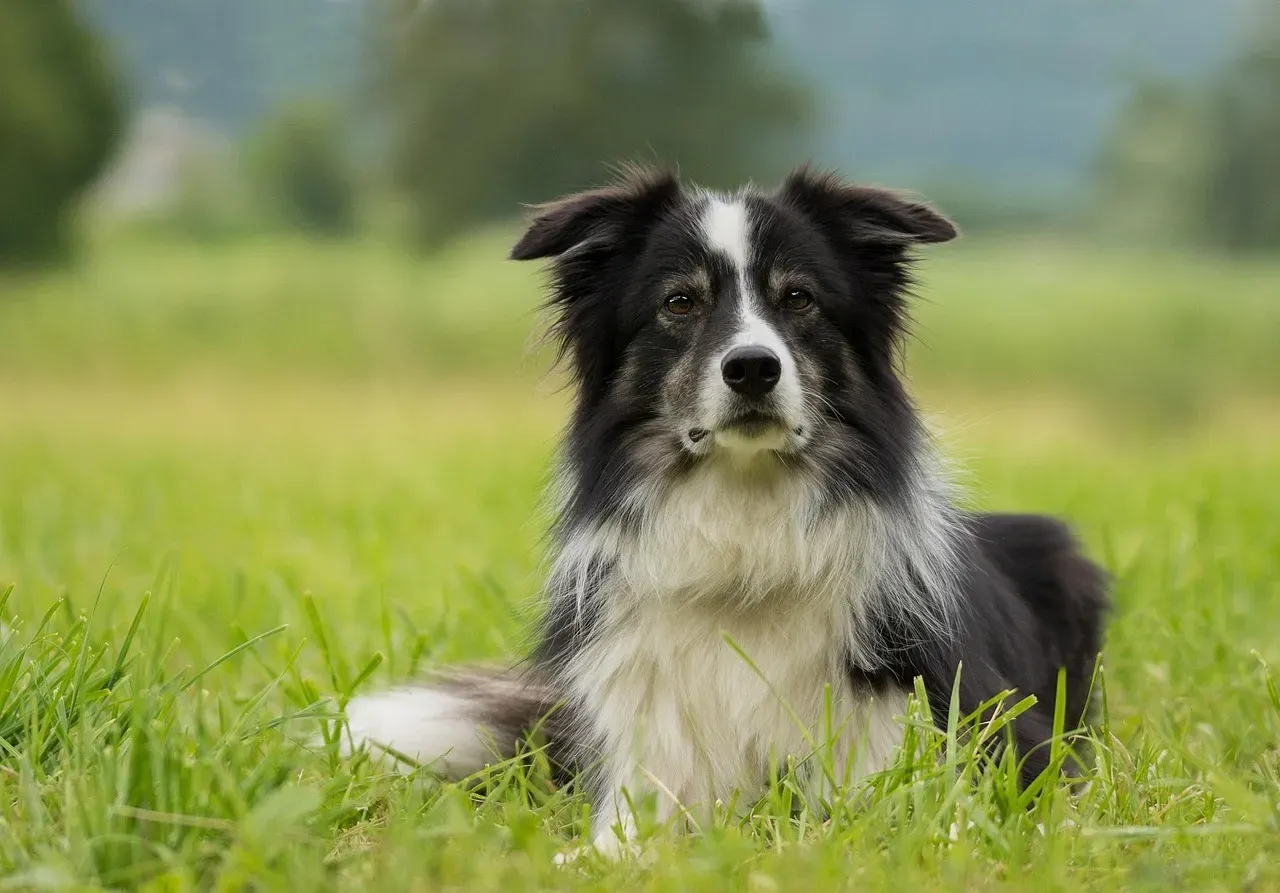
Border Collies are like emotional detectives in a fur coat. They’re ultra sensitive to changes in mood and silently adjust their behavior to match yours. If you’ve ever seen one stare at you with those intense, focused eyes, it’s not creepy – they’re just reading you like a book.
Border Collies are among the most emotionally responsive and intelligent breeds in the world. Originally bred for herding, their strong sensitivity to movement and emotion extends beautifully to human interaction. They read subtle cues – like tone and posture – faster than most dogs. That herding instinct? It translated perfectly into emotional attunement.
This sensitivity, however, means they can become overwhelmed by chaos or tension in their surroundings. So if your home is often loud or unpredictable, a Border Collie might pick up on that stress and carry it themselves. They need calm, engaged environments to truly thrive.
4. Cavalier King Charles Spaniel: Born to Comfort
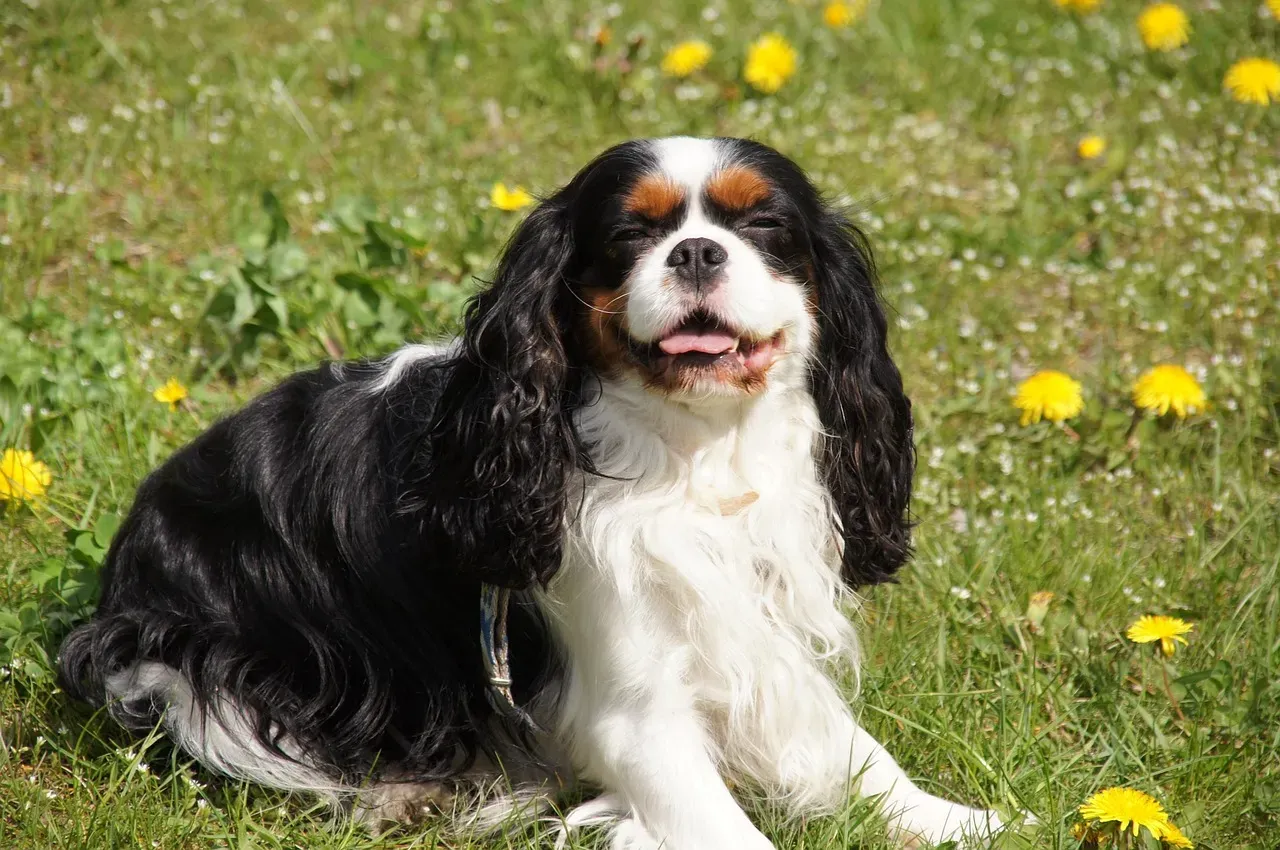
The Cavalier King Charles Spaniel is especially sensitive to human emotions, offering comfort and companionship to their handler whenever needed. They’re natural lap dogs, always by your side, sensing when you’re feeling down and offering their presence as a form of psychological comfort. There’s something almost magical about a dog this small carrying this much emotional weight.
When their owner is feeling sad or anxious, these dogs will often respond with comforting gestures, such as snuggling close, licking, or sitting on their owner’s lap. Their innate ability to sense when someone is in distress and their gentle demeanor make them ideal companions for people who may need emotional support. Cavaliers don’t just sit near you – they move toward you with intention.
Their loving nature means they do not enjoy being left alone for long periods, and they can suffer from separation anxiety. To keep them happy, they require close attention, interactive play, and walks. Let’s be real – this is a breed that gives 100% and needs that energy returned.
5. Poodle: Elegance Meets Deep Empathy
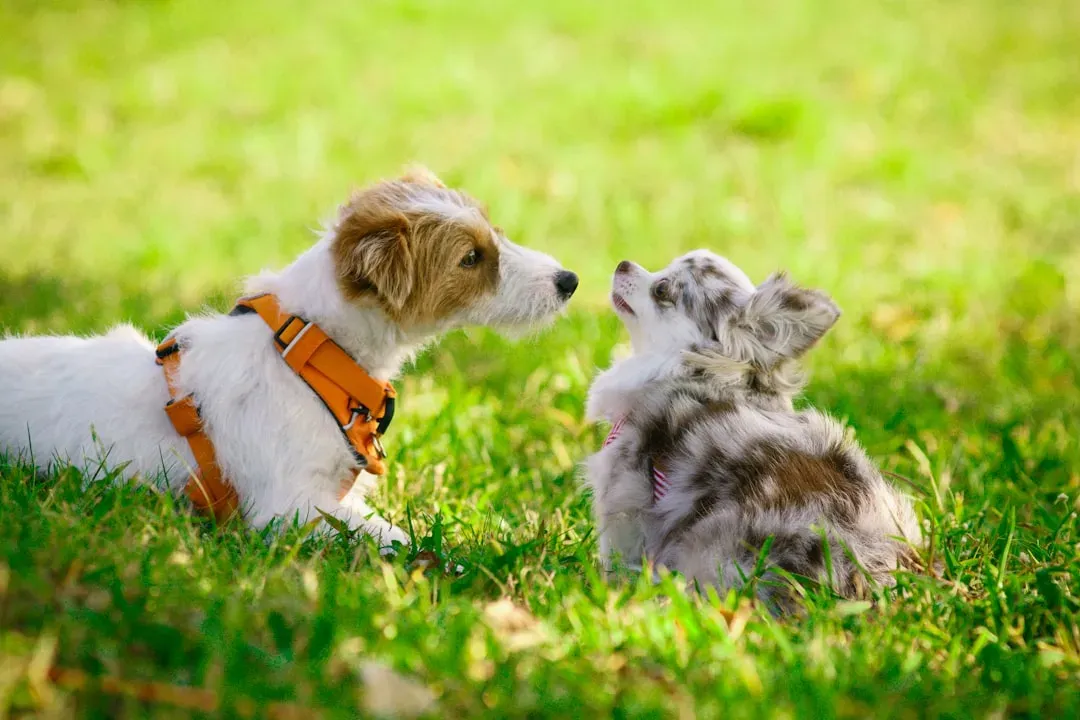
Poodles are known for their exceptional intelligence, which pairs with a deep emotional sensitivity. They pick up on body language, tone of voice, and small mood shifts – and then respond with comfort or enthusiasm. Don’t let the fancy haircut fool you – underneath that stylish exterior is one deeply feeling dog.
Poodles can pick up on subtle signs of anxiety and stress. They are known for “staring” at their owners – not out of demand, but to gauge their master’s current mental state. This makes them excellent partners for those requiring a dog that can anticipate a dip in mood. It’s hard to say for sure, but that steady gaze might just be the most comforting thing in the world on a rough day.
A Poodle might gently lean into you when you’re stressed or jump into play when you’re upbeat. They form strong bonds with their humans, and many owners say their dog feels like a family member more than a pet. That tracks completely.
6. Shiba Inu: Gloriously Unbothered
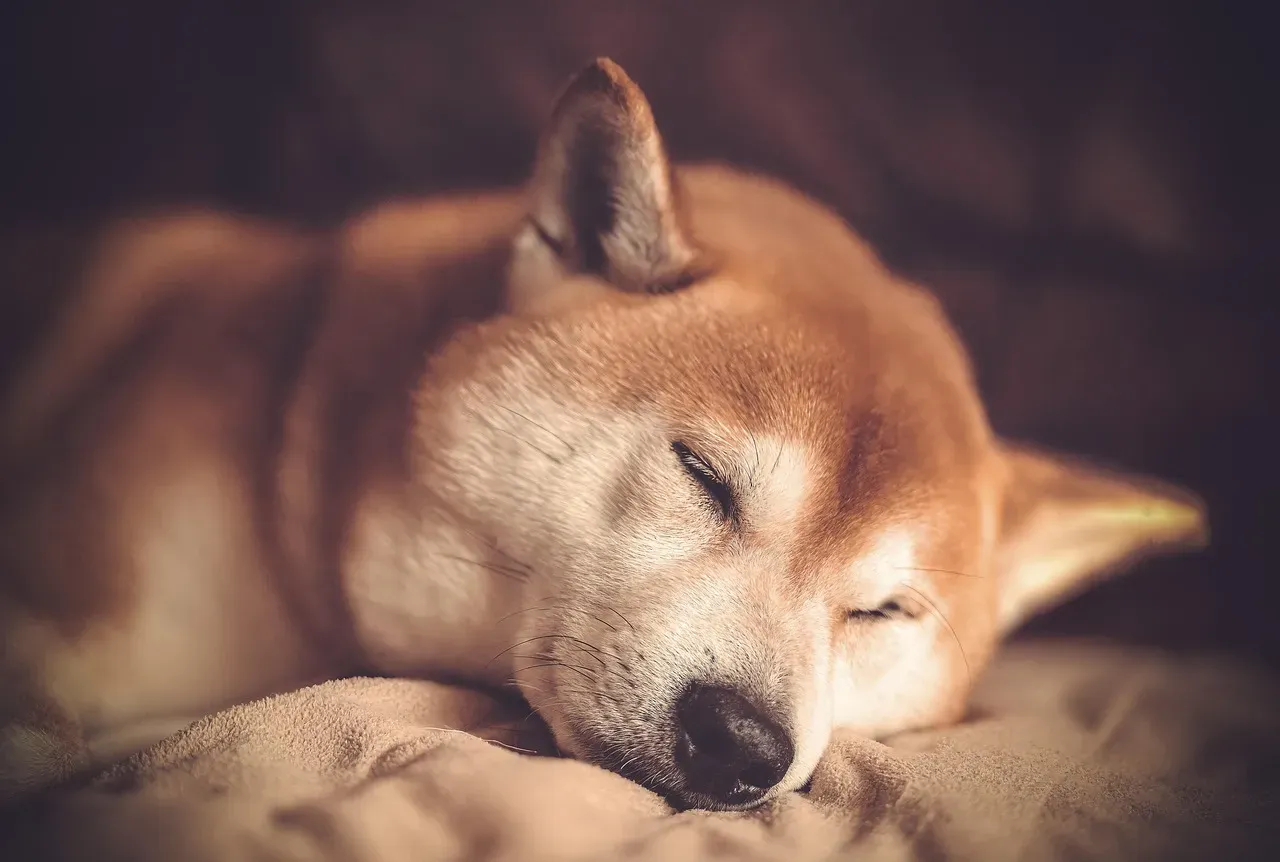
Now, here’s the thing – not every great dog is an emotional mirror. Some are simply doing their own thing, completely at peace with the universe, and the Shiba Inu is the gold standard of that energy. The Shiba Inu is an intelligent and strong-willed dog with an almost cat-like personality. They’re independent dogs who enjoy their own space, but they’re also high-energy and need outlets for their physical and mental energy.
Shiba Inus are strong-willed, independent, and aloof. Put simply, they participate only if they want to and might need some extra encouragement. You could be sobbing on the couch and your Shiba might just walk by, glance at you, and find a sunbeam to sit in. No malice. Pure indifference.
The Shiba Inu has a reputation for being “aloof” and early socialization as a puppy is key for the dog to get along with other people and animals. They’re not broken – they’re just wired differently, and if you appreciate self-sufficient, quirky companions, you’ll love them fiercely.
7. Chow Chow: The Dignified Loner
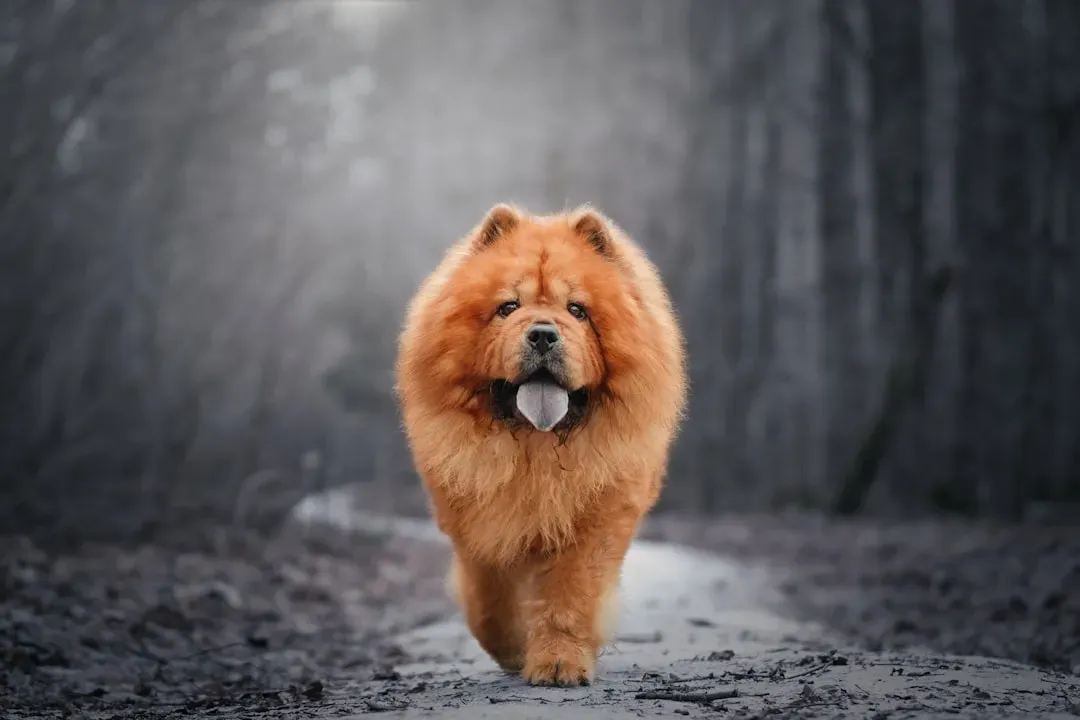
Chow Chows are not an emotional support dog breed. They have the ability to form a firm bond with their pet owners and protect their family members fiercely, but they are not amongst the highly sensitive dogs that will snuggle in your warm bed. Think of them as the brooding intellectual in the corner of the room – present, aware, but not particularly moved by your feelings.
While they are loyal to their families and can form strong bonds, they are not known for being cuddly or expressive. Their temperament can be reserved around strangers, and they may exhibit a strong guarding instinct. Early socialization makes a big difference here – without it, that natural aloofness can tip into suspicion.
As puppies, Chows can be playful and affectionate, but many become more reserved and even suspicious of strangers as they grow older. This shift can make socialization a challenge, so it’s important to expose your Chow to a variety of people and environments early on. Consistent, gentle training helps build trust and prevent unwanted aggression. Patience is everything with this breed.
8. Afghan Hound: Beautiful, Ancient, and Emotionally Elsewhere
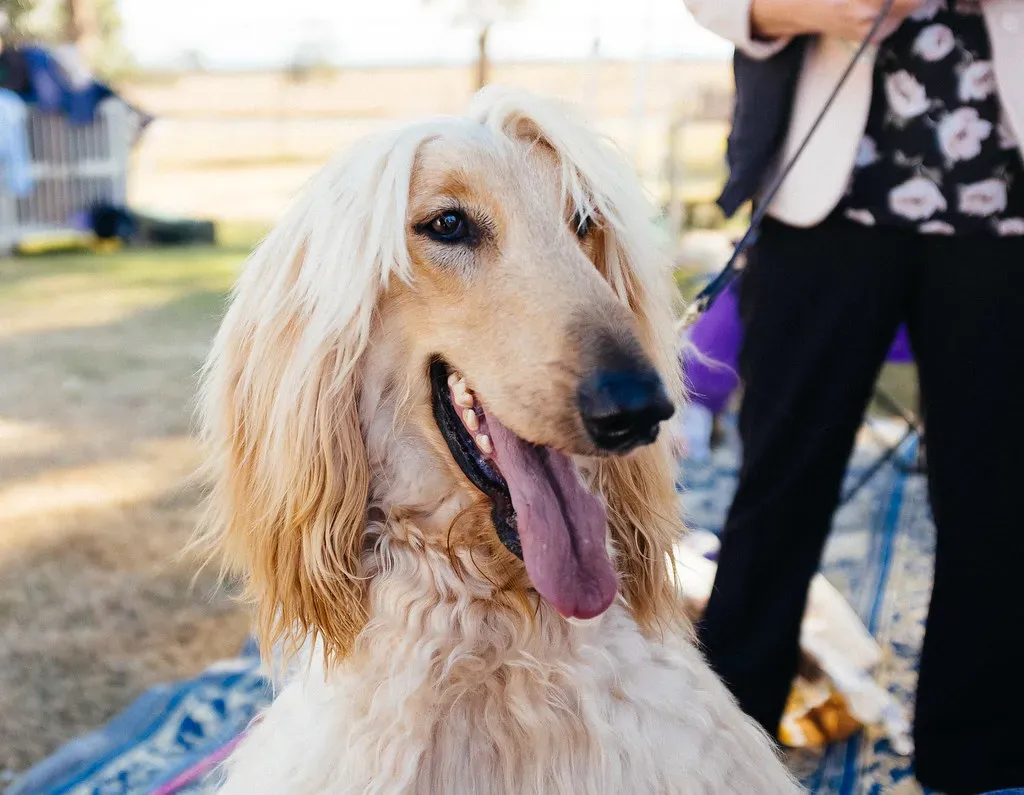
The Afghan Hound is known as an “aristocratic” breed – beautiful and elegant, but often seen as aloof and somewhat distant. I think of them as living art. Gorgeous to behold, completely on their own schedule, and not particularly interested in your emotional state right now – or possibly ever.
The Afghan Hound, often referred to as the “aristocrat” of dog breeds due to its distinguished and noble look, is one of the oldest breeds that has maintained its unique traits throughout the years. Despite their regal appearance, Afghan Hounds are known for their independent and somewhat aloof nature, and as a breed, they are often described as “cat-like” in their demeanor.
Afghan Hounds are generally independent dogs that have a reserved personality, though with their family members, an Afghan Hound does show affection. So it’s not that they don’t love you – they just love you on their own very private, very dignified terms.
9. Greyhound: Speedy Soul, Gentle Introvert
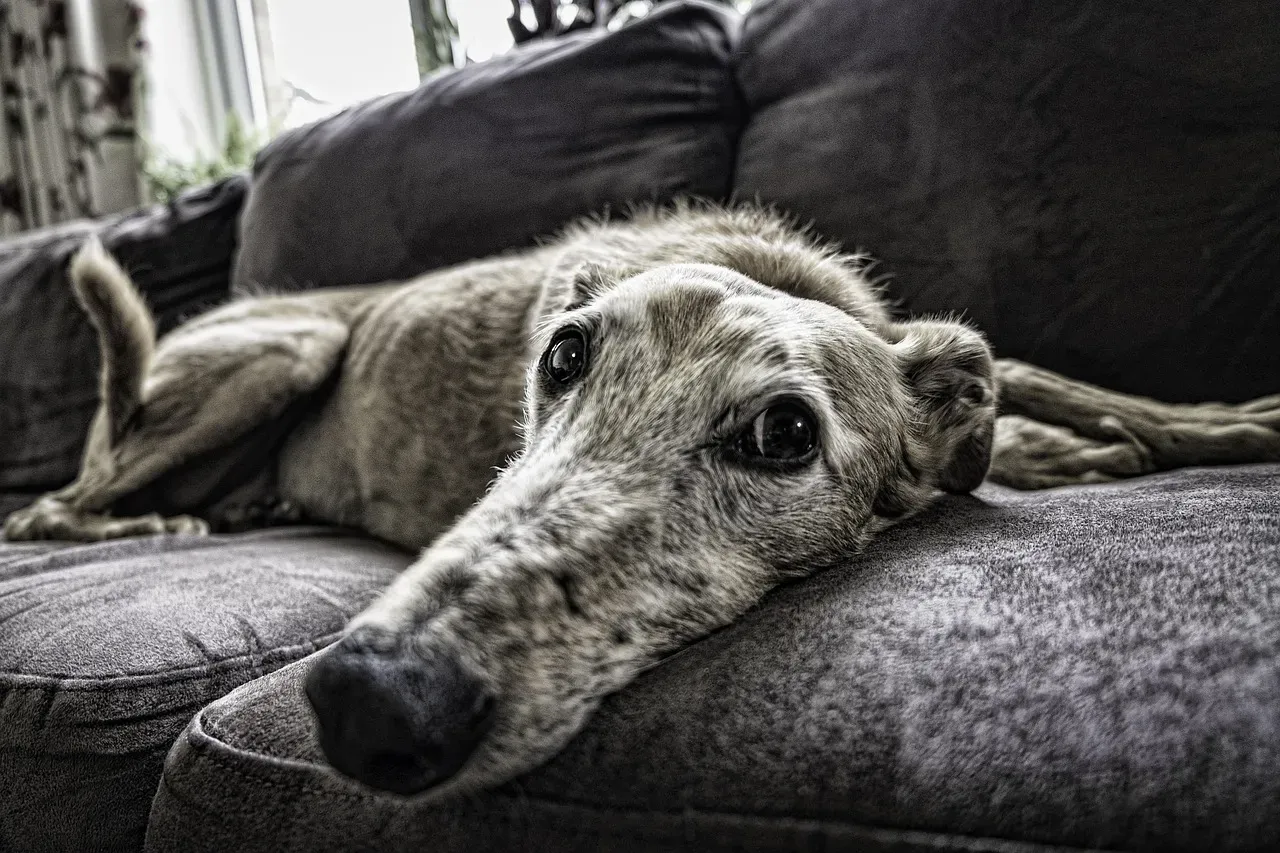
A Greyhound is best known for their running skills – one of the fastest dog breeds, they can reach speeds of more than 40 miles per hour. But they also make calm, quiet, and independent dogs at home. Greyhounds usually prefer to have their own dog bed in a quiet place where they can retreat for some solitude as needed. They’re basically sprinters who moonlight as couch philosophers.
They are big introverts. Neither do they bark out of excitement, nor do they showcase excessive emotions out of love and affection. Greyhounds avoid interaction. They wouldn’t want to spend time with the family members being engaged in some family activities; rather, they would prefer going off to sleep. This isn’t rejection – it’s just who they are.
Some owners believe that with the right training and early socialisation, you can expect them to showcase better behaviour. You can turn a shy and emotionally distant dog into an affectionate one. Socialisation is necessary to ensure this transformation, especially at a young age. Start early, be patient, and they’ll surprise you.
10. Basenji: The Barkless Free Spirit
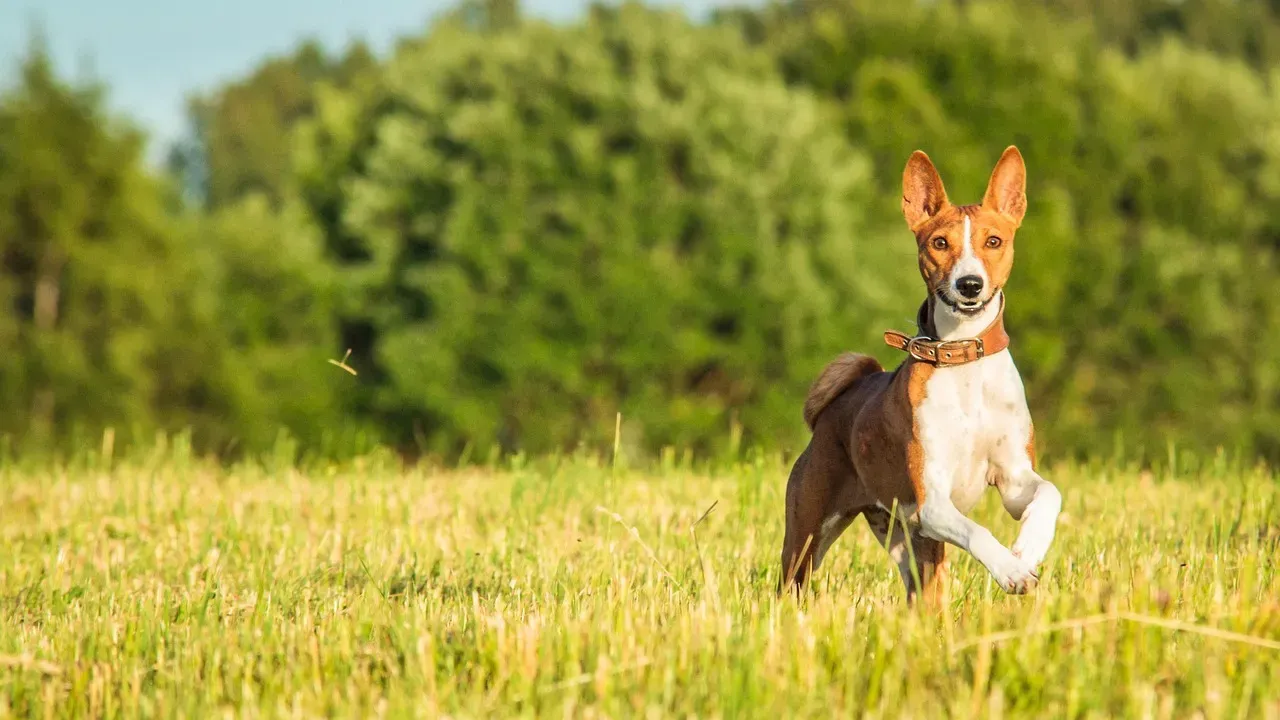
Hailing from Africa, Basenjis often appear aloof and reserved. They might not be the snuggle type, but they certainly are intelligent and unique. They’re also famously barkless – instead producing a curious yodel-like sound – which somehow perfectly matches their overall “I do what I want” personality.
Basenjis are not typically associated with loyalty the same way some other breeds are. This does not mean that they do not form strong bonds with their humans, but their independent nature often takes precedence over their desire for companionship. It’s less “I don’t care about you” and more “I care about you on my terms, thank you very much.”
If you’re considering adding a Basenji to your family, don’t let their reputation as one of the least affectionate dog breeds deter you. With the right training and socialization, a Basenji can make a loving and loyal companion. They’re genuinely fascinating dogs – just don’t expect them to notice when you’re having a rough Monday.
The Bottom Line: Every Dog Has a Gift
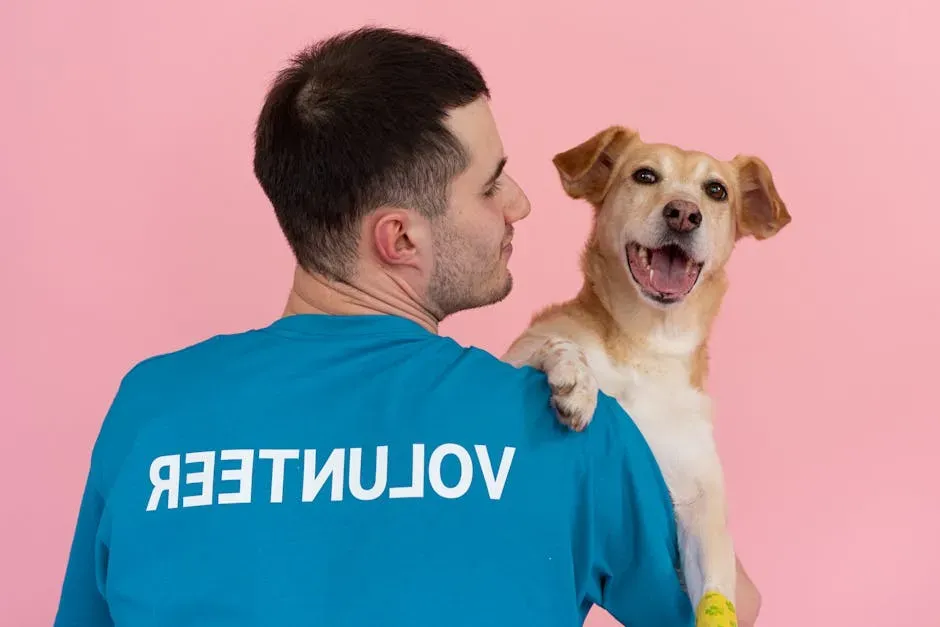
Here’s what I want you to take away from all of this: there is no wrong kind of dog. Whether you need a Golden Retriever to cry into after a hard day, or a Shiba Inu that regards your emotional spiral with serene indifference, there is a breed shaped for your life and your needs. The key is knowing what kind of connection you’re looking for before you fall in love.
Emotional sensitivity in dogs can be both a gift and a responsibility. These breeds not only read situations, but they get affected by prolonged negativity in a way that harms their emotional well-being. If you’re going through a difficult season of life, that’s worth knowing – your empathetic dog may need extra care too.
Dogs can tell the difference between emotions shown through things like body language, facial expressions, tone of voice, and even smell. These emotional signals don’t just register with dogs – they can actually change how dogs behave. That’s not magic. That’s millennia of co-evolution between humans and dogs, and honestly, it’s one of the most beautiful things about sharing your life with one.
So – which type are you drawn to? The empath who shows up for you, or the free spirit who lets you show up for yourself? Tell us in the comments. There’s no wrong answer.


