
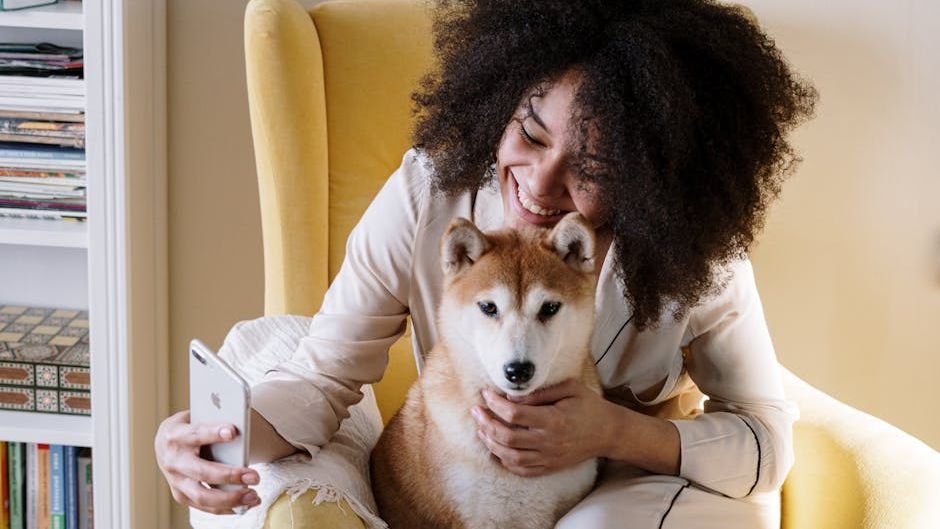
There is something almost unfair about how deeply a dog can love you. They wait by the door. They notice when you are sad before you do. They choose you, every single day, without question or condition. It is honestly one of the most humbling experiences a person can have.
But here is the thing most people do not realize before bringing a dog home: not every breed is wired to be your emotional twin. Some dogs are born to melt into your life like they were always meant to be there. Others are more like a great flatmate – respectful, pleasant, occasionally charming, but definitely not losing sleep over your whereabouts.
So which is which? That is exactly what we are going to sort out together. Let’s dive in.
1. Golden Retriever: The Ultimate Canine Soulmate
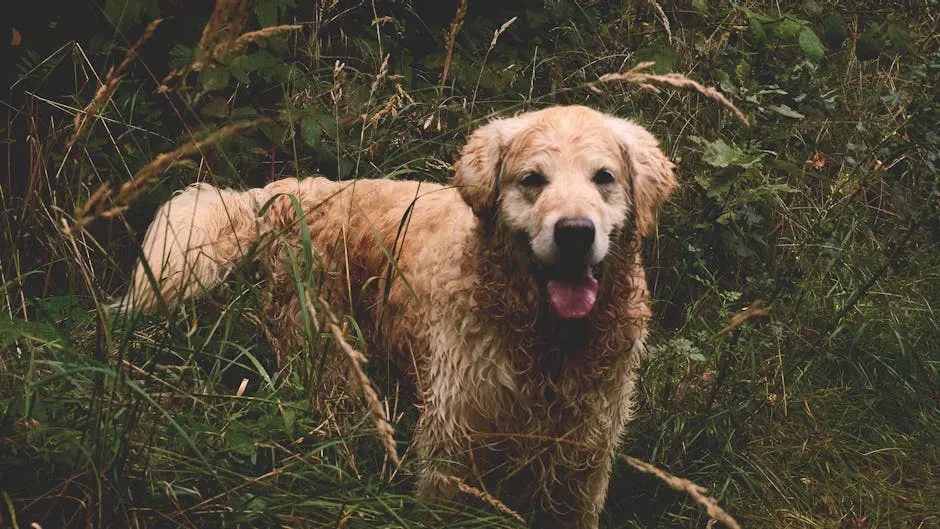
If there was ever a breed designed by the universe to be your best friend, it is the Golden Retriever. Golden Retrievers are loyal and highly affectionate dogs known for their love of people and easygoing demeanor, and their loyalty stems from their desire to please, which is why they make popular service and therapy dogs. Honestly, the way a Golden looks at you with those warm amber eyes feels less like a pet and more like a mirror of unconditional love.
They are loyal to their owners and will follow them from room to room, or if there is more than one owner in the house in different rooms, they will lay down where they can see each owner’s movement. Think about that for a second. They literally position themselves to keep everyone in view. These affectionate dogs are incredibly intuitive, often sensing their owners’ emotions, and their affectionate nature makes them excellent therapy dogs, offering comfort and companionship when needed most.
Practical tip: Golden Retrievers thrive on physical and mental stimulation, needing at least two hours of exercise daily, and they love activities like fetch which engage their retrieving instincts. Consistent play and training keep them happy, healthy, and emotionally balanced. Skip the daily exercise and you might find a chewed cushion where your Golden’s emotional wellbeing used to be.
2. Labrador Retriever: Your Joyful, Never-Wavering Partner
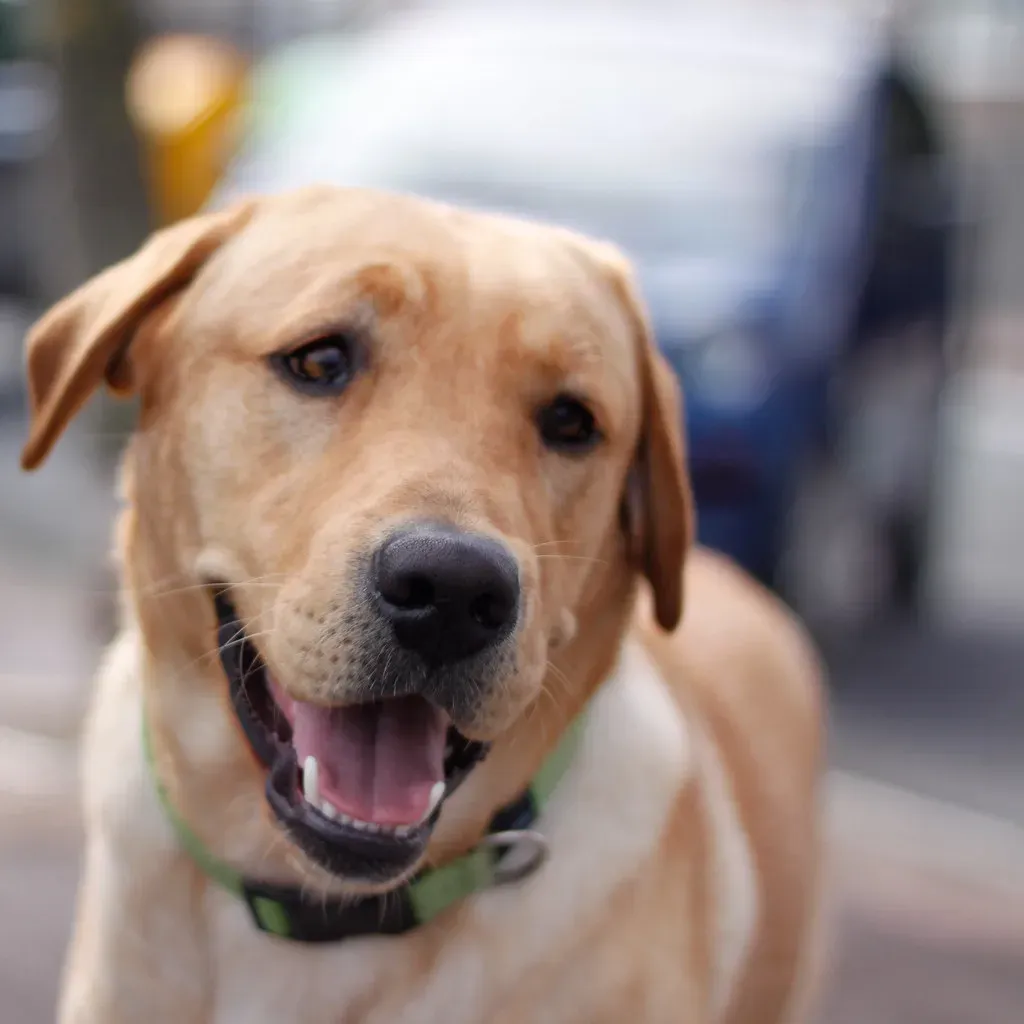
Labrador Retrievers are renowned for their friendly and affectionate nature, and they are often described as the ultimate family dog due to their loving and patient temperament. Labs are essentially the golden rule of dog ownership: give them love, and they will multiply it back to you tenfold. They thrive on human companionship and are often seen as “velcro dogs” because they love to be by your side at all times.
Labs have topped popularity charts for decades because their loyalty is inclusive – they don’t just love one person, they love the whole “pack.” Whether you’re hiking or sitting on the couch, a Lab just wants to be where you are. What makes this breed a true soulmate is that their love is not transactional. They are not waiting for the next treat. They are simply waiting for you.
Labradors excel in roles such as therapy work, assistance tasks, and search missions due to their dependable and people-centered personalities. Watch for signs of boredom, though. A Lab without enough exercise or mental stimulation can channel their energy into, let us say, “creative” interior redecorating. Puzzle toys and daily walks are your best preventive tools.
3. German Shepherd: The Devoted Protector Who Chose You

German Shepherds are known for their loyalty and often form a deep bond with a single person, and originally bred for herding and guarding, these intelligent and versatile dogs are protective of their chosen human. There is something quietly powerful about having a German Shepherd decide you are their person. It feels earned, not given.
It is almost like German Shepherds want to be your partner rather than work independently – but this means, if you’re not sure what you’re doing, they will very quickly step into the driving seat. They are not a breed for passive owners. German Shepherds require significant physical exertion, typically around one and a half to two hours daily for adults, and this isn’t just a leisurely walk – it needs to be vigorous, like long brisk walks, jogging, running, or even swimming.
Watch for separation anxiety. The number one cause of German Shepherd separation anxiety is their fierce loyalty to their humans and their desire to stay close and protect their pack. If your dog is digging holes, barking nonstop, or trying to escape when you leave, that is not bad behavior – that is a dog whose heart is breaking. Early training and gradual alone-time routines can prevent this beautifully.
4. Cavalier King Charles Spaniel: A Lap-Sized Heart With Endless Love
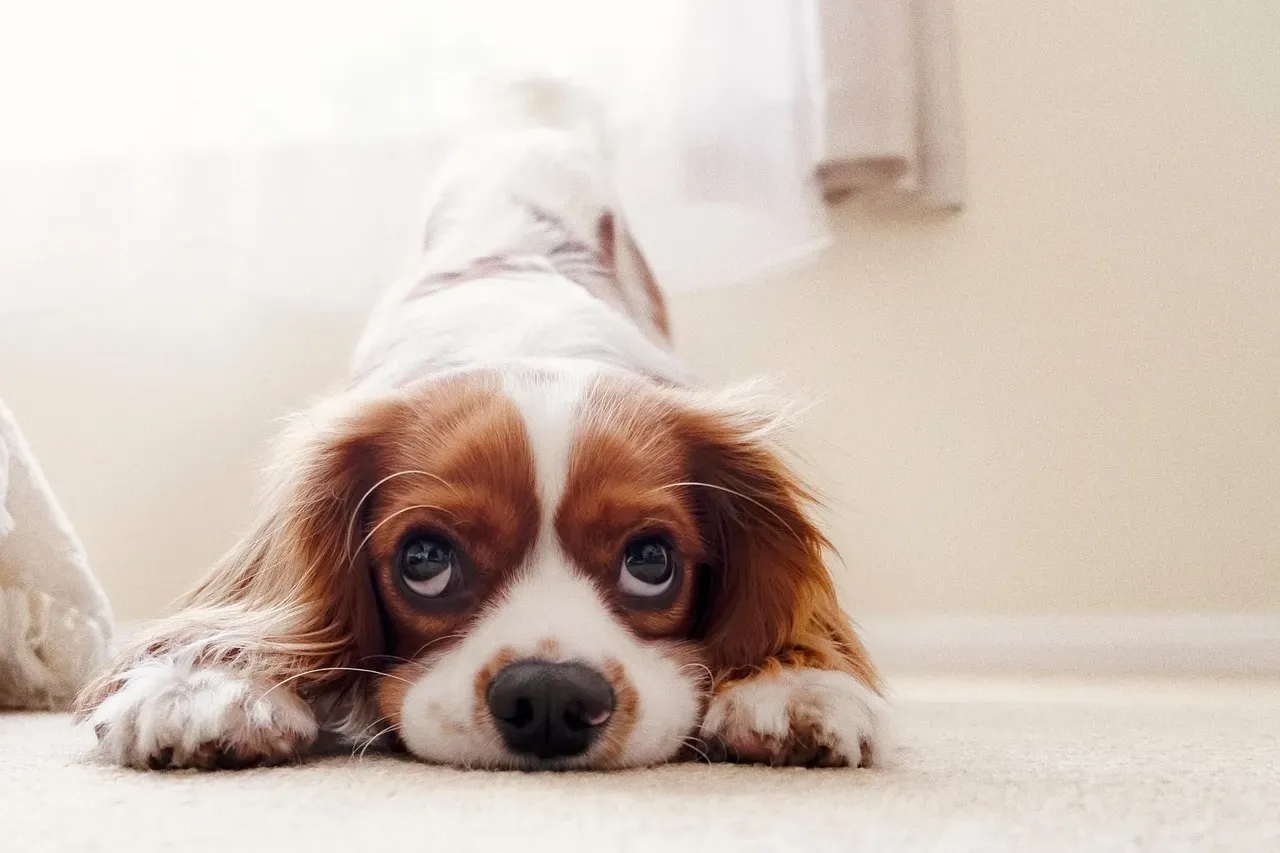
Cavalier King Charles Spaniels are small in size but big in heart, and they are affectionate lap dogs that love nothing more than to cuddle up with their owners, with a gentle and affectionate temperament known for their unwavering loyalty. I think of Cavaliers as emotional support animals who also happen to be dogs. They read a room. They lean into you when the day has been rough.
Named after British royalty, Cavalier King Charles Spaniels were adored by King Charles I and II, who took them everywhere, and their friendly and loving nature made them ideal companions for the royal court, maintaining that affectionate temperament throughout history. That royal legacy is real – these dogs have been purpose-built for closeness. Cavaliers thrive on human attention and are happiest when they are close to their loved ones, and their affectionate nature and gentle demeanor make them perfect therapy dogs and emotional support animals.
One critical health note: Cavalier King Charles Spaniels can be prone to separation anxiety, which may lead to destructive behavior when left alone, and this is common because they are social animals that thrive on interaction and can become anxious if left alone for extended periods without adequate mental and physical stimulation. Short daily training sessions, puzzle feeders, and never leaving them alone for too long are simple but powerful prevention tips every Cavalier owner should know.
5. Boxer: Goofy, Fierce, and Completely Yours
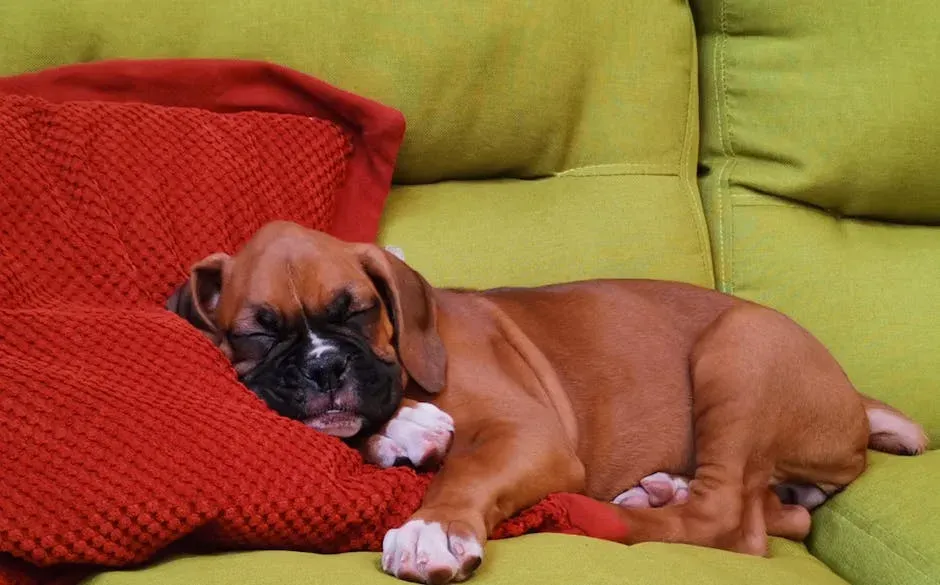
The Boxer remains a favorite for its lively personality, affectionate nature, and unwavering loyalty, known for its playful spirit and strong bond with its family, often acting as both a joyful companion and a reliable protector, thriving on human connection and enjoying being included in daily activities. Boxers are like that friend who makes you laugh until your stomach hurts but would also walk through fire for you. They are both things at once.
Boxers are Velcro dogs who tend to stick to their loved ones, thriving on human companionship and love being part of family activities, and their innate desire for closeness means they form strong and close bonds with their humans and other dogs. Boxers have a natural inclination to cuddle and will often try to be as close to their owners as possible, and despite their large size, they have a knack for snuggling up on the couch or curling up in your lap. Yes, a fully grown Boxer in your lap. Plan accordingly.
Key behavior cue to watch: Their loyalty can sometimes mean they have a strong preference for their families over strangers. Early socialization is not optional with Boxers – it is essential. Introduce them to a wide variety of people, sounds, and environments during puppyhood to build a confident, balanced adult.
6. Pembroke Welsh Corgi: Small Dog, Enormous Soul
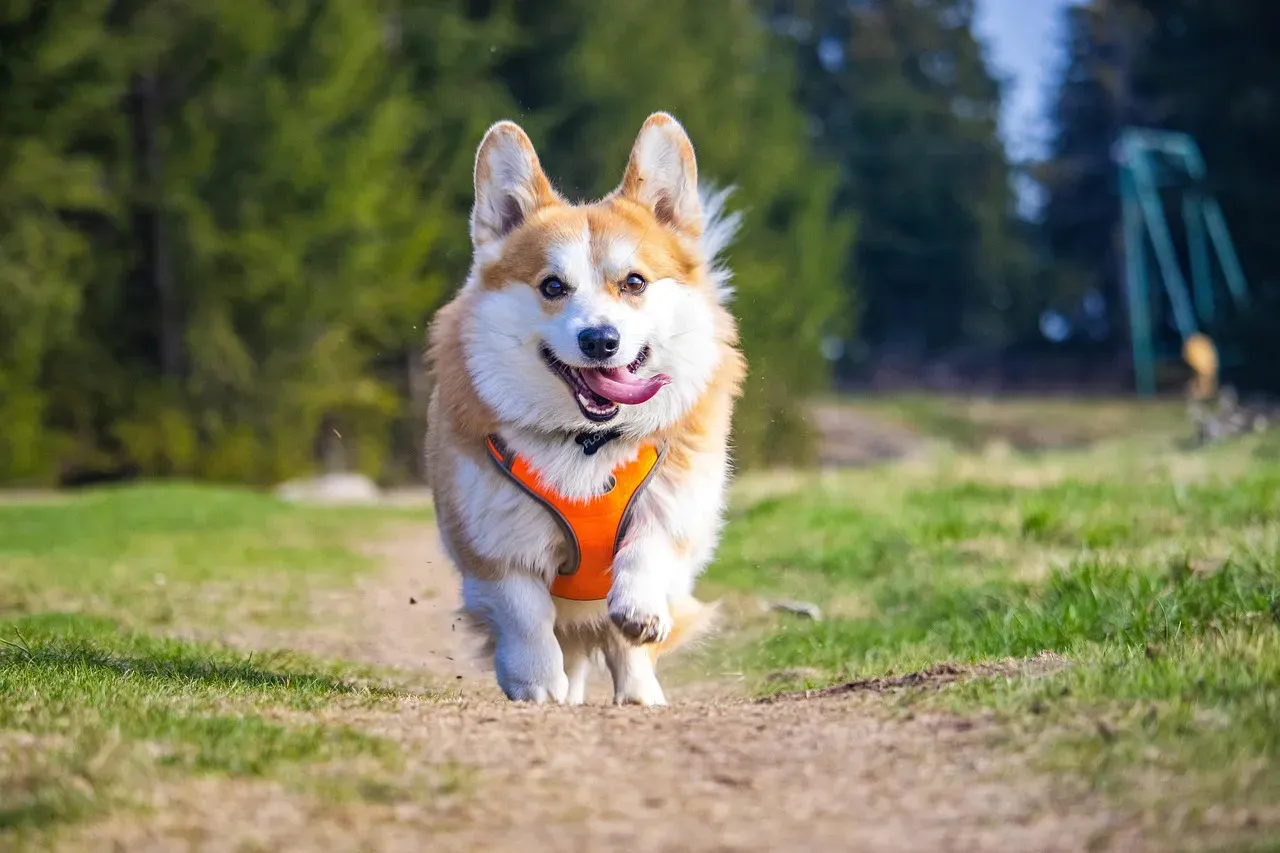
Pembroke Welsh Corgis are a small breed of dog known for being intelligent, active, and loyal, and they are also known for their affectionate and loving nature, which makes them great family pets. Do not let the stumpy legs fool you. A Corgi’s emotional capacity could fill a Great Dane. Corgis are often described as being very social and outgoing, loving to be around people, and often called “big dogs in small bodies” because of their big personalities and loving nature.
Corgis were originally bred as herding dogs, and that heritage shows up in everyday life in the most endearing way. They may nudge you toward the kitchen at dinner time. They might try to “organize” the children in your house. Shetland Sheepdogs, very similar in nature to Corgis, form close bonds with their families and are often responsive and affectionate pets that do well as family dogs, with a reputation for being especially good with children. Corgis share this warm, family-oriented spirit wholeheartedly.
Health-wise, Corgis can be prone to weight gain given their love of food and relatively compact frame. Keep treats purposeful, measure their meals, and offer daily exercise – their herding instincts mean they genuinely enjoy having a “job” to do, even if that job is fetching a ball across the yard.
7. Dachshund: The Fiercely Loyal One-Person Dog
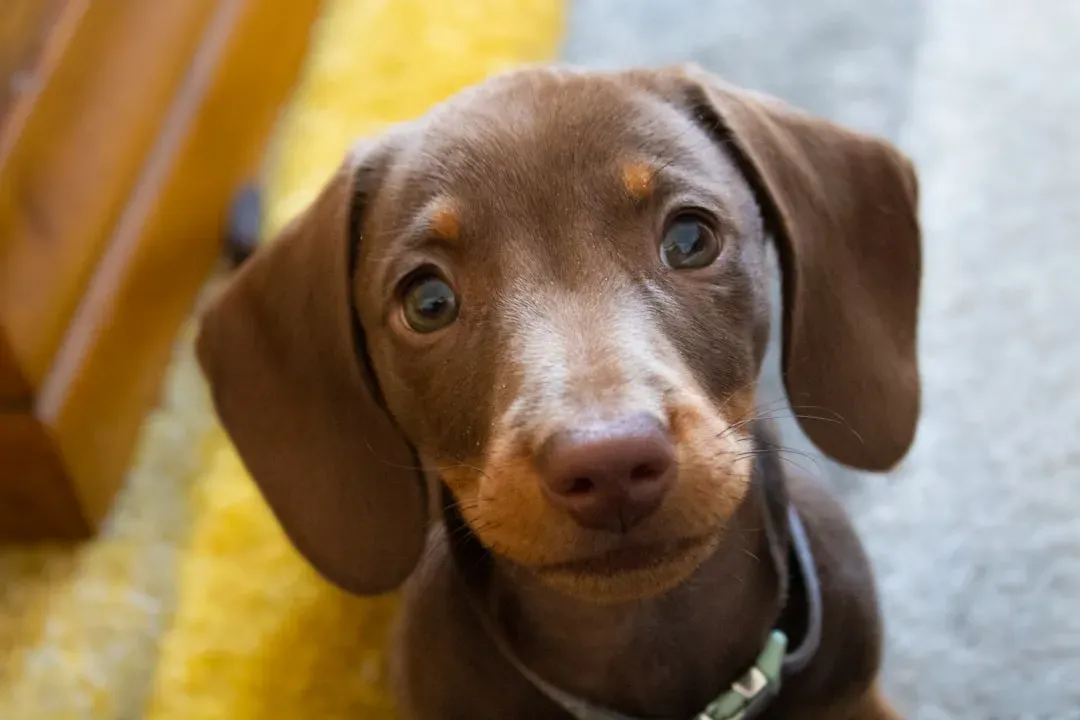
Dachshunds are known for their loyalty and affection, which they often attach to one person in the household. If you have been chosen by a Dachshund, you will know it immediately. They follow you with a dedication that borders on spiritual. It is both touching and slightly hilarious when a 10-pound dog acts like your personal bodyguard.
A small dog breed that is fearless with an independent nature, Dachshunds were originally trained to hunt badgers, but they are brave and vigilant and extremely loyal to their owners. That hunting background explains their stubborn streak – these dogs were bred to make decisions on their own underground. It also explains why recall training is non-negotiable. A Dachshund chasing a scent does not hear you calling. Use a long-lead in open spaces and keep training fun and treat-heavy.
Watch for their back health. Dachshunds are prone to intervertebral disc disease (IVDD) due to their long spines and short legs. Prevent jumping from heights, maintain a healthy weight, and get regular vet check-ups. Catching early signs of stiffness or reluctance to move can make an enormous difference in their quality of life.
8. Bernese Mountain Dog: The Gentle Giant Who Lives for Your Side
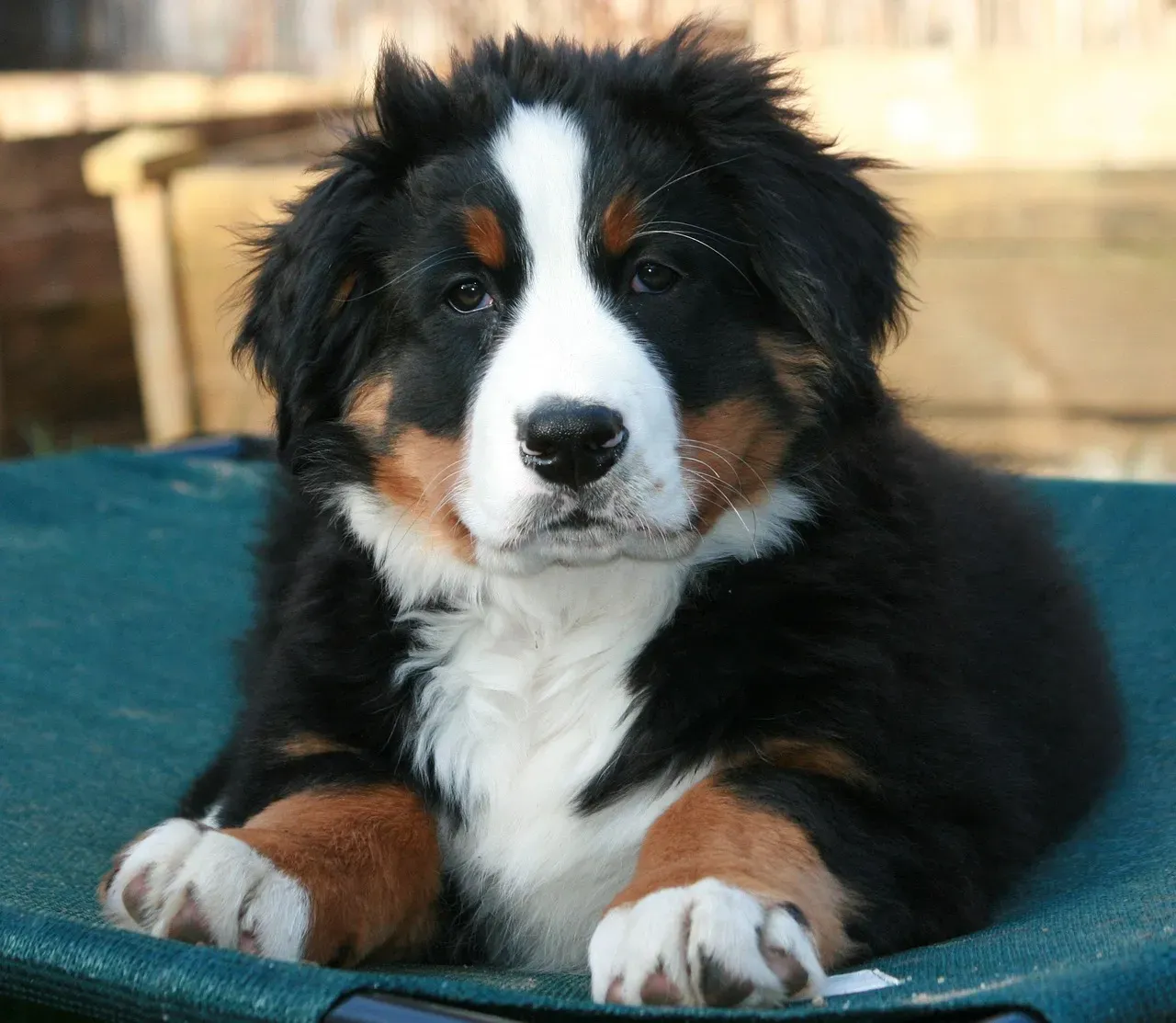
The Bernese Mountain Dog is massive, but it can be a wonderful family pet if you train your puppy properly, and early socialization and positive training are vitally important. Imagine a dog that is the size of a small bear but has the emotional gentleness of a grandmother. That is your Berner. Like St. Bernards, Bernese dogs are loyal, protective, and easygoing, loving to snuggle with their humans and thriving on social interaction, earning the reputation of a gentle companion around children.
One thing every Berner owner knows: they are extremely affectionate with their people and incredibly loyal, but can be a little reserved with strangers. They are not antisocial – they are just selective, which, honestly, is rather respectable. Socialize them young and widely. The more positive experiences they have as puppies with varied people and environments, the more confident and calm they become as adults.
Berners are unfortunately known for shorter lifespans compared to smaller breeds, so every year together feels extra precious. Annual vet checkups, joint supplements as they age, and monitoring for any limping or stiffness are practical ways to protect the time you have together.
—
Now, the “Good Roommates”: 4 Breeds That Love You – On Their Own Terms
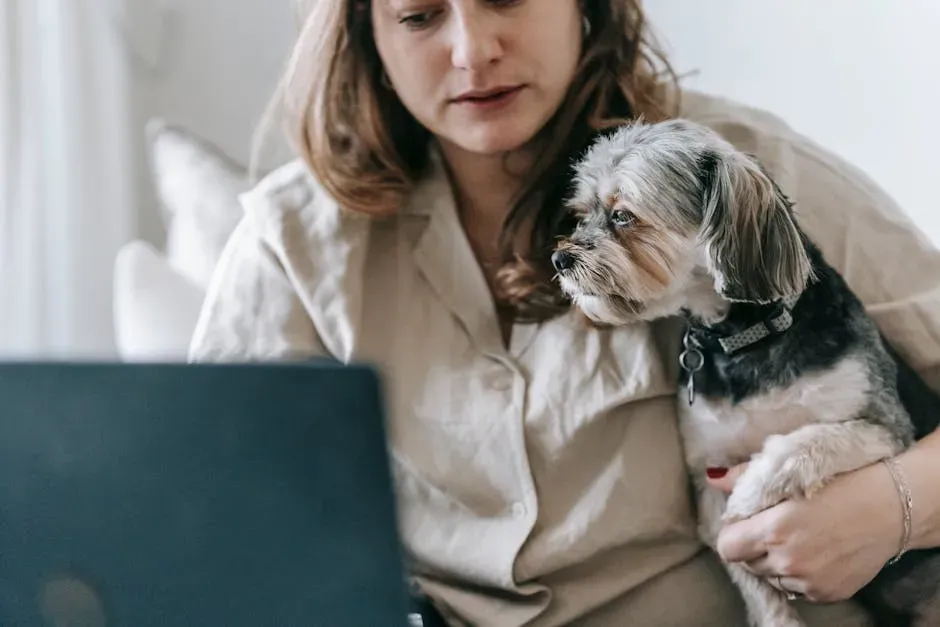
Let’s be real: calling these breeds “just roommates” is not an insult. They still care. They are still loyal. They just express it differently – more like a reserved, thoughtful colleague than a golden retriever in a heart costume. That doesn’t mean they don’t love you. A dog can be extremely loyal and love you deeply without being overly affectionate, just like people can.
An independent dog is comfortable and confident without constant interaction from a human companion, and that said, independent dogs have love and loyalty to give – they just might express it differently, like preferring to lie in the corner while you’re watching TV on the couch instead of cuddling up next to you. Think of it less as emotional distance and more as a different love language.
9. Shiba Inu: Loyal, But Definitely on Their Terms
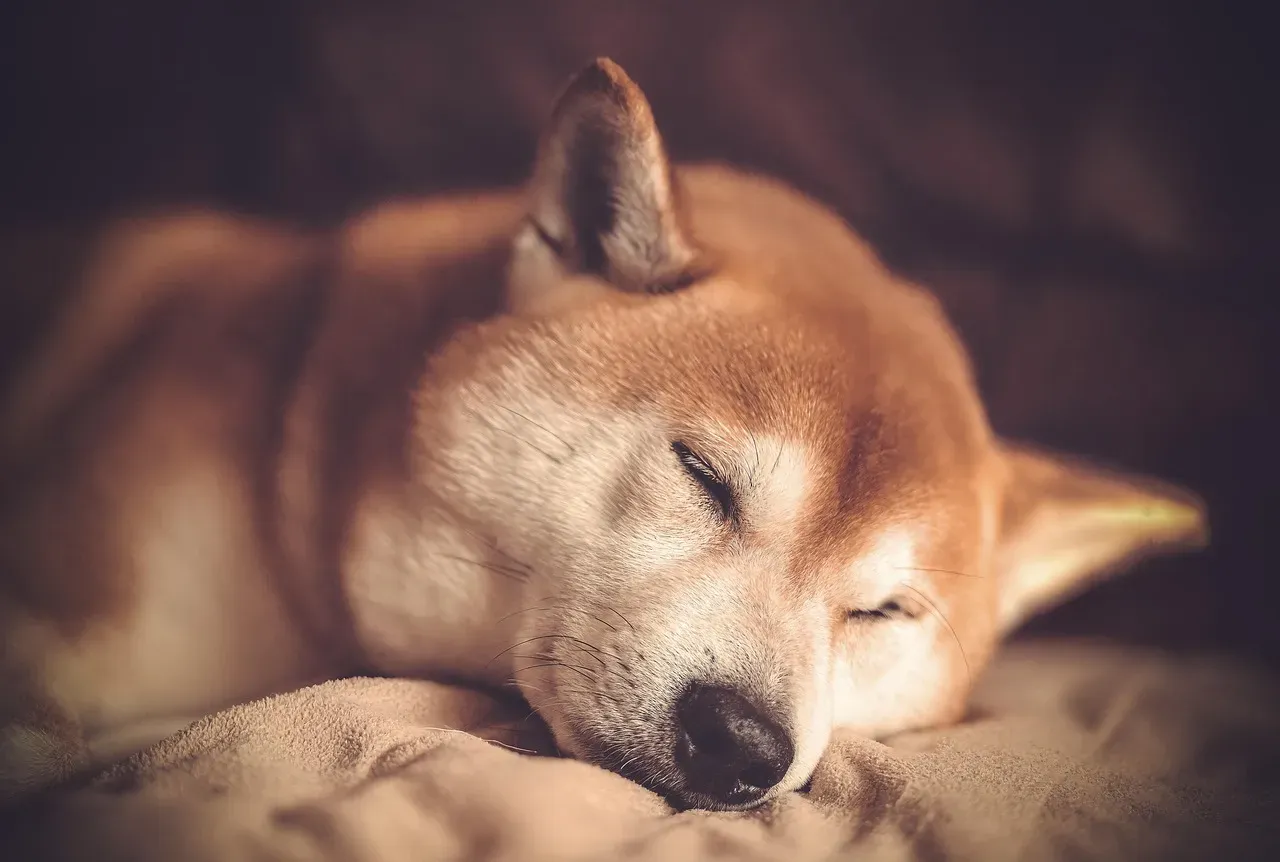
Shiba Inus are famously independent and like doing things on their own terms, often compared to cats in their behavior, and don’t be surprised if your Shiba seems to ignore commands – they’re thinking about it first! Living with a Shiba Inu is a little like sharing space with a very opinionated roommate who respects you but does not take orders. It is oddly charming once you accept it.
While they may appear aloof at first, once a Shiba bonds with you, that loyalty is unshakable, and they are affectionate with their families – just not in an overly clingy way. Shiba Inus are colloquially known to have a similar temperament to cats, as they are generally aloof and independent, and while they like having company around the home, they generally do not need – or want – a lot of affection.
Early and thorough socialization is crucial to help them become more relaxed and friendly in various situations, and Shiba Inus have a strong prey drive and may chase small animals, so proper training and supervision are necessary. Never let them off-leash in an unfenced area. Their hunting instinct means they will be halfway across the park before they even hear your name.
10. Chow Chow: Majestic, Devoted, and Proudly Private
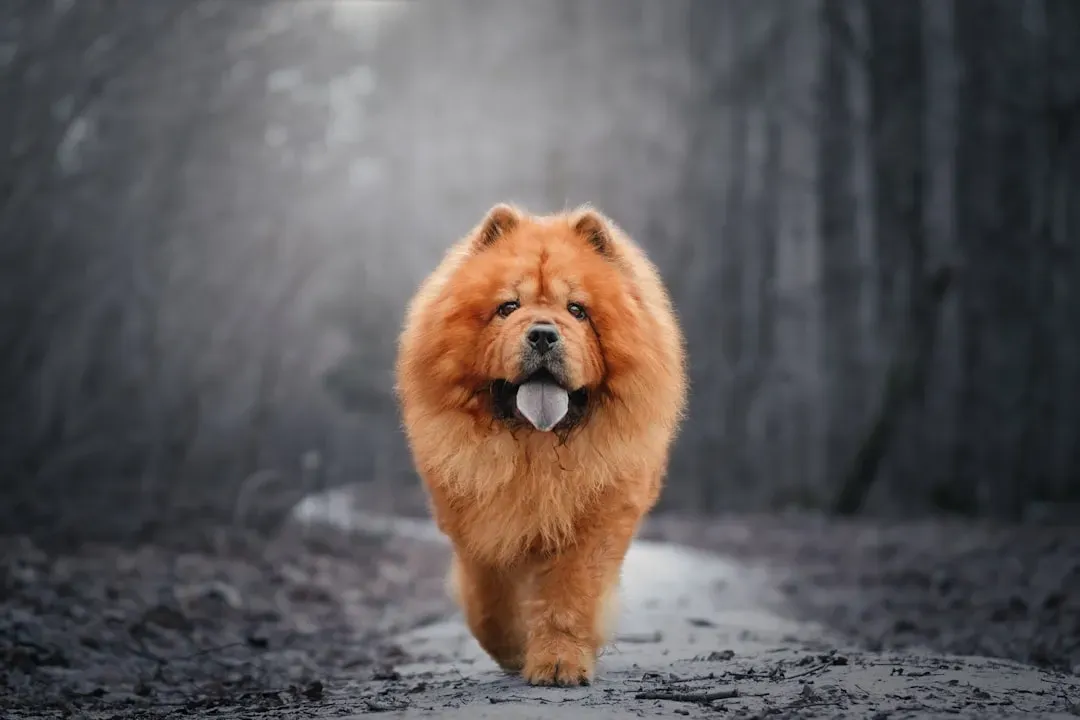
Historically, the Chow Chow worked as a guardian and hunter in ancient China, and this working heritage combined with their calm disposition makes the Chow Chow one of the most independent dog breeds, though they are loyal to their family and typically bond deeply to one person. If a Chow has chosen you, consider it a great honor. These dogs are genuinely selective.
Chow Chows have an adorably fluffy, snuggly appearance, but these dignified dogs will let you know when you’re on their turf, known for their cat-like independence. One of the oldest dog breeds around, Chows served as imperial guards in China and have the regal attitude to match, and during training, make sure they receive plenty of positive reinforcement – punishment or scolding won’t get you very far.
Chow Chows can be prone to aggression toward strangers and other animals without early, consistent socialization. Start young. Keep experiences positive and calm. Think of their thick double coat as a grooming commitment – daily brushing during shedding season is non-negotiable for both hygiene and bonding time.
11. Greyhound: Gentle Soul, Independent Spirit
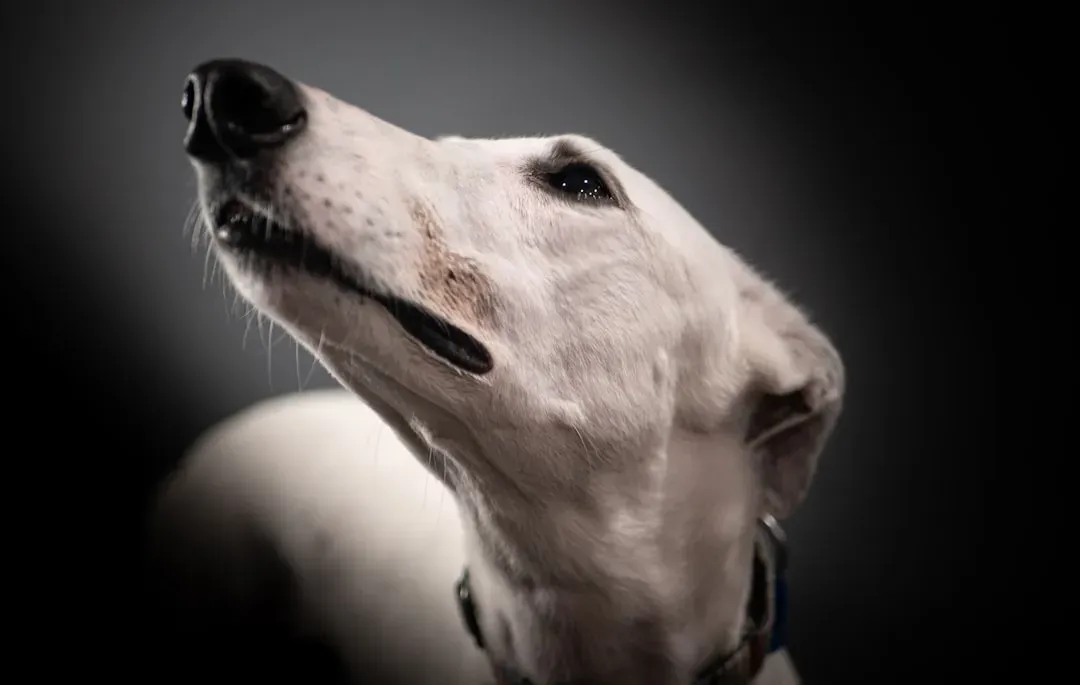
Despite being the cheetah of the dog world, Greyhounds are professional couch loungers at home, enjoying relaxing all day but still needing regular exercise and safe, fenced spaces to run full speed, with off-leash freedom only in secure areas as their instinct to chase is powerful. It is one of the great paradoxes of dog breeds: the fastest dog alive, happiest horizontal on your sofa. I find that somehow deeply relatable.
Greyhounds may seem shy around strangers, but they are incredibly loving with their families, and their independent personality can make them appear a bit aloof, almost like a cat, but they quickly warm up to anyone who offers them a tasty treat. They are not cold – they are just calm and thoughtful. While some retired racers enjoy the company of other Greyhounds, many Greyhounds prefer a quiet life with just their human family.
One important practical note: Greyhounds have very little body fat, which means they feel the cold more acutely than most breeds. A snug coat in winter is not optional vanity – it is genuine welfare. Also watch their sensitive skin, especially if you adopt a retired racer, as they may need a softer environment than they are used to.
12. Basenji: Africa’s Independent Thinker
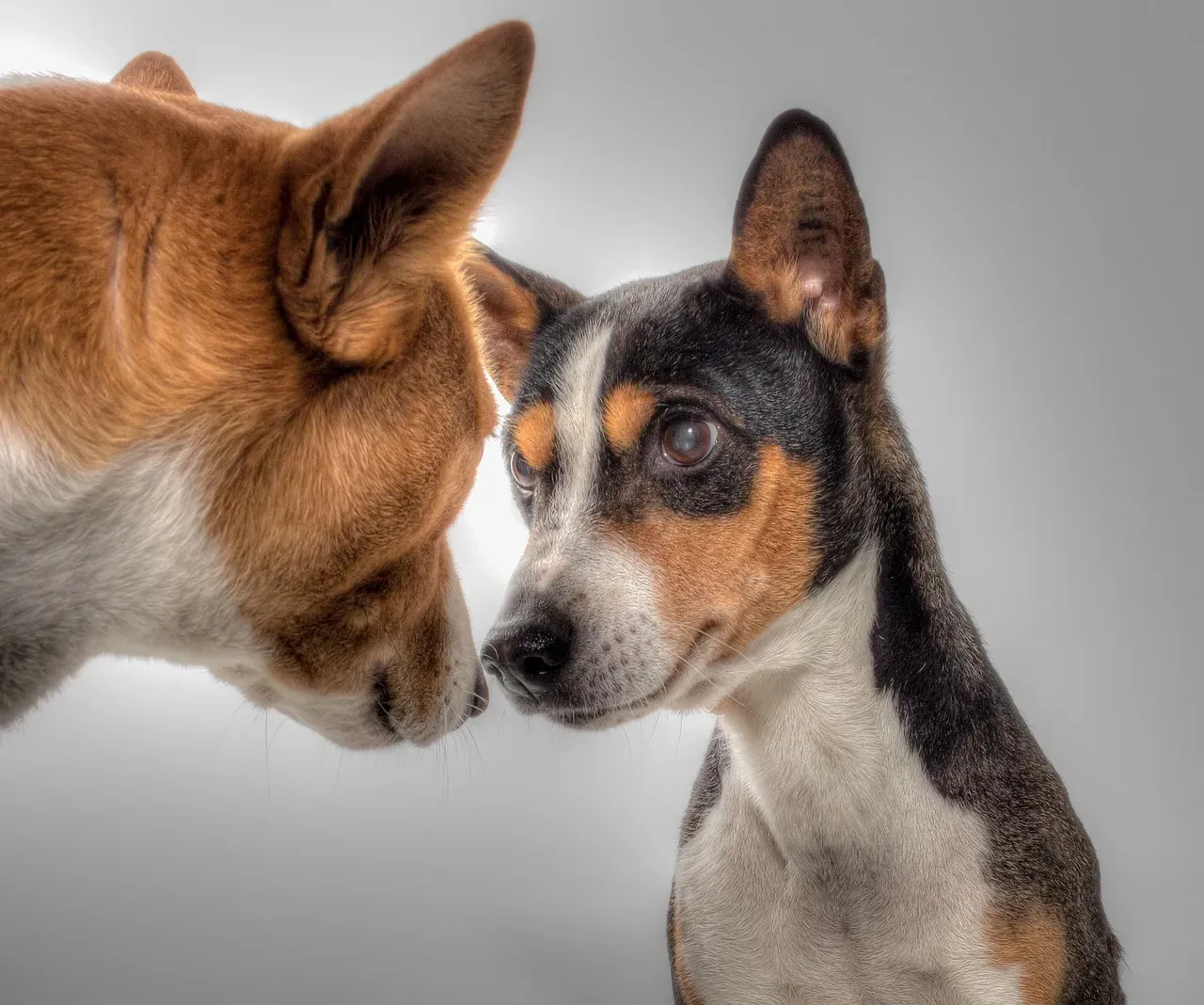
The independent Basenji is notorious for being quiet – they’re often referred to as “the barkless dog,” and these medium-sized pups are frequently described as having a catlike personality because of their aloof temperament, reserved nature, and tendency to groom themselves. They are essentially the yoga practitioner of dog breeds – self-sufficient, a little cryptic, but with a surprising depth beneath the surface.
The Basenji is a hunting dog breed known to be very affectionate with its owner, but not outgoing to strangers, and they tend to love one person and may tolerate the rest of the family, becoming emotionally attached to a single human. So if you are the Basenji’s chosen one? Lucky you. The bond is real, just quieter than most. Basenjis are catlike thinkers who bond closely yet cherish autonomy, noticing everything and making their own calls, responding best to choice-filled training with short, engaging, and upbeat sessions.
Health tip: Basenjis can be prone to a kidney condition called Fanconi Syndrome, a hereditary disease unique to the breed. Responsible breeders test for it, so always ask for health screening paperwork. Annual urine tests at your vet can catch early signs before they progress into something more serious.
—
A Note on Every Dog, Regardless of Breed
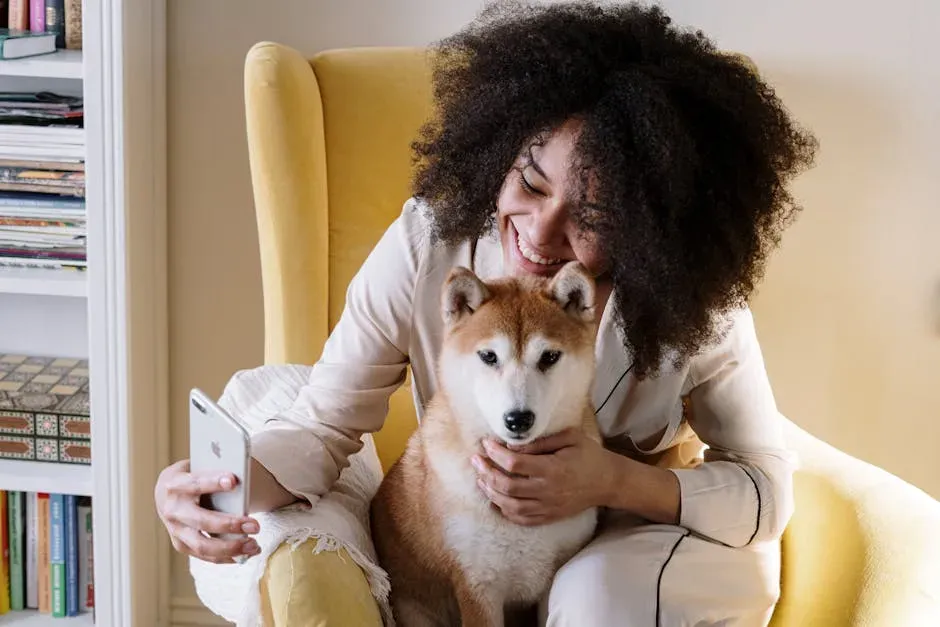
Here is something I truly believe: the soulmate bond is not just given – it is built. Regardless of the breed, providing love, attention, and a nurturing environment is key to fostering a strong bond and encouraging your dog’s affectionate behavior, and dogs thrive on positive human interaction and will reciprocate the love and care they receive. Even the most independent Shiba Inu will warm to you if you earn their trust with patience and respect.
Bonding comes from constant positive training, with positive and rewarding experiences between dog and human, and while bonding is possible with every dog, some breeds may bond most deeply with their people. Your daily routine is the foundation. Even fifteen minutes of focused play, a training session, or a gentle grooming brush strengthens that invisible cord between you. Never underestimate small, consistent moments of connection.
Conclusion: Choose With Your Heart, But Also Your Head
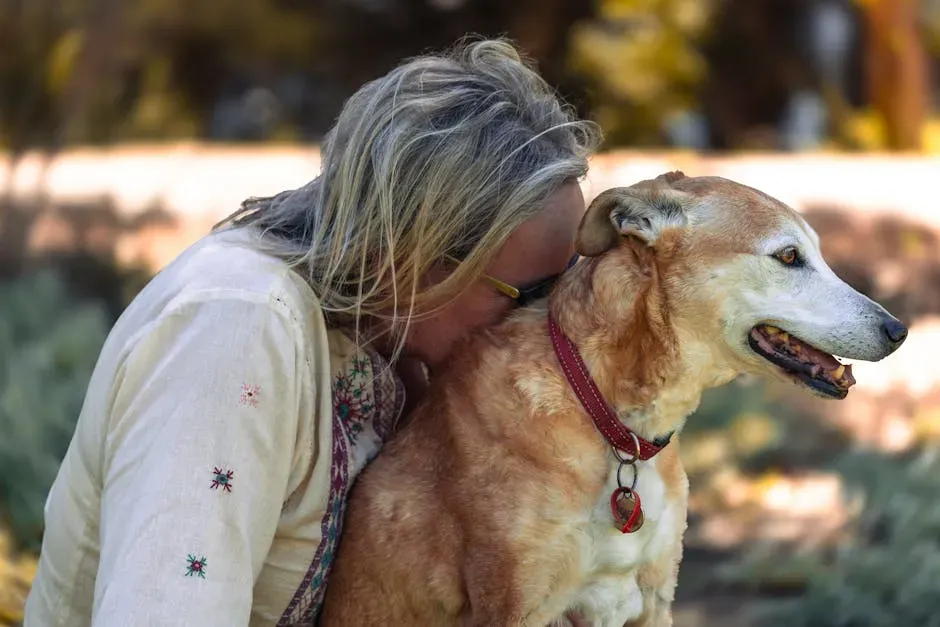
The beautiful truth is that whether your dog is glued to your hip like a Golden Retriever or quietly present like a Basenji, they have found a way to weave themselves into your life. Some breeds will shadow your every move, sensing your moods before you do. Others will offer their loyalty from a comfortable distance, checking in on their own schedule. Both are valid. Both are love.
What matters most is understanding what your dog needs and what you honestly can offer. A Cavalier King Charles Spaniel should not spend ten hours alone every day. A Shiba Inu should not be expected to be a cuddle buddy on demand. Match your lifestyle to their nature, and you will be met with something that no other relationship quite replicates – a bond that is uncomplicated, devoted, and wonderfully, permanently yours.
Which of these twelve breeds sounds like your perfect match – soulmate in fur, or trusted good roommate? We’d love to know your story in the comments.


