
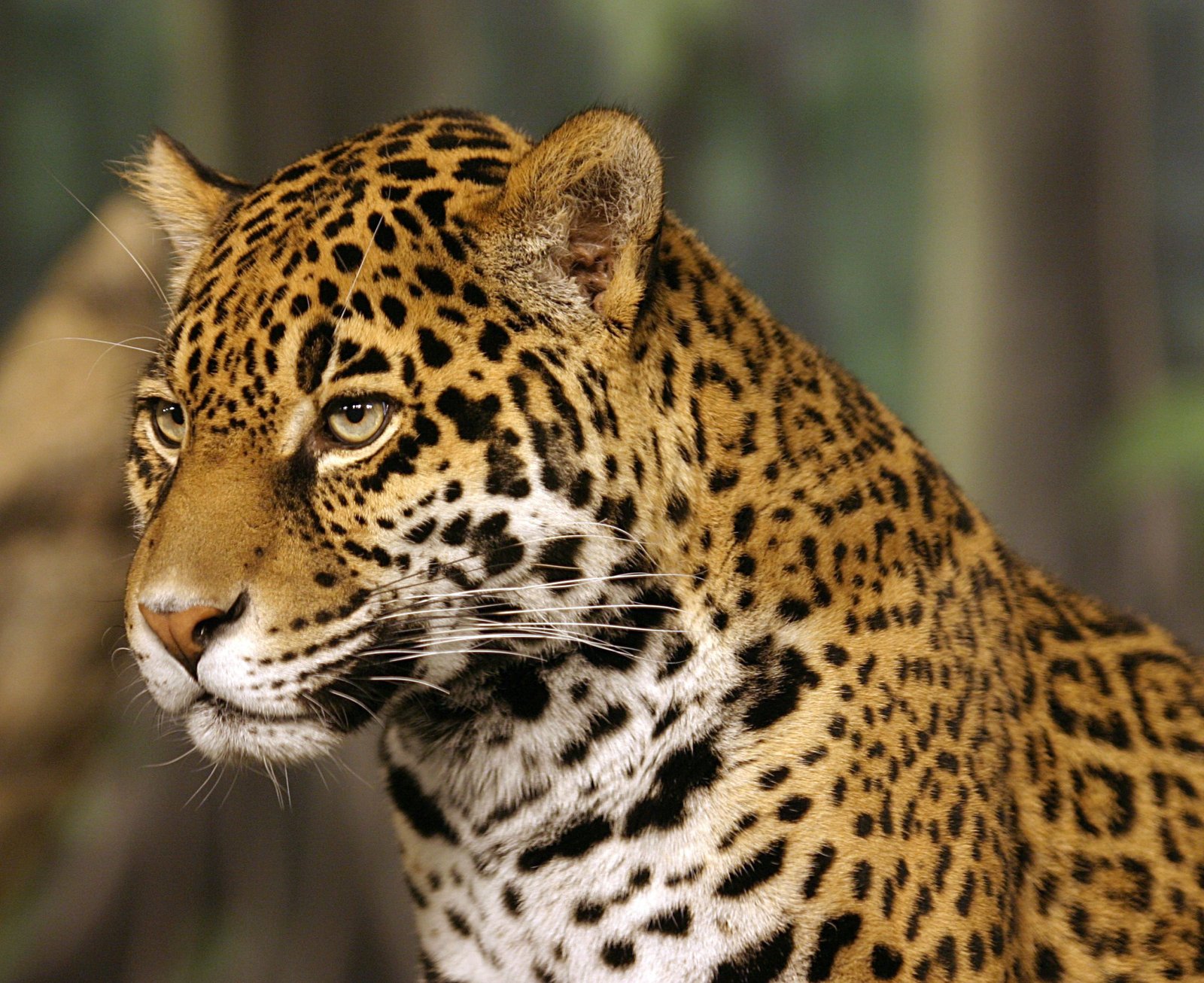
A dramatic wildlife rescue unfolded after an adult jaguar fell into a canal connected to a small hydroelectric plant, leaving the powerful predator trapped and unable to climb out on its own. What could have turned into a fatal incident quickly became a carefully coordinated rescue effort—one that balanced urgency with precision.
The situation was far more dangerous than it appeared, not just for the jaguar, but for the rescue team as well.
A Life-Threatening Fall Into Cold Waters
The jaguar was discovered struggling inside the canal, exhausted and exposed to cold water for an extended period. With steep, artificial walls surrounding the channel, escape was impossible, turning the structure into a deadly trap.
During the initial assessment, a veterinarian from SEMA confirmed the animal was suffering from hypothermia. This critical condition meant that sedation—normally used in wildlife rescues—was not an option, as it could have led to cardiac arrest or death.
A High-Risk Rescue Without Sedation
With no room for error, the rescue team had to think quickly and act with extreme caution. Instead of tranquilizing the jaguar, they used a mechanical platform typically designed for cleaning the plant’s grates.
In a carefully executed maneuver, the team positioned the platform beneath the animal and slowly lifted it out of the canal. Every movement had to be precise to avoid startling the jaguar or causing further stress in its already weakened state.
Back to the Wild Where It Belongs
Once safely out of the canal, the jaguar was allowed to recover briefly before being released back into its natural habitat. Despite the ordeal, the animal showed resilience, regaining its strength after escaping a situation that could have easily turned fatal.
The rescue stands as a powerful reminder of how human infrastructure can unintentionally endanger wildlife—and how swift, thoughtful intervention can make all the difference.


