
12 Moments Your Dog Memorizes About You That You’ll Never Know

You probably think you know your dog pretty well. You know their favorite toy, their most dramatic reaction to the vacuum cleaner, and exactly which belly spot makes their leg go crazy. But here’s the thing – your dog knows you in ways that would genuinely surprise you. Not in a vague, feel-good kind of way. In a deeply scientific, neurologically wired, emotionally precise kind of way.
Dogs have been studying us for tens of thousands of years. They’ve evolved not just to live beside us, but to read us. Every mood shift, every routine twitch, every subtle change in your scent. They’re cataloguing all of it, quietly, without you ever realizing. So what exactly are they memorizing? Let’s find out.
1. The Exact Smell of Your Emotions
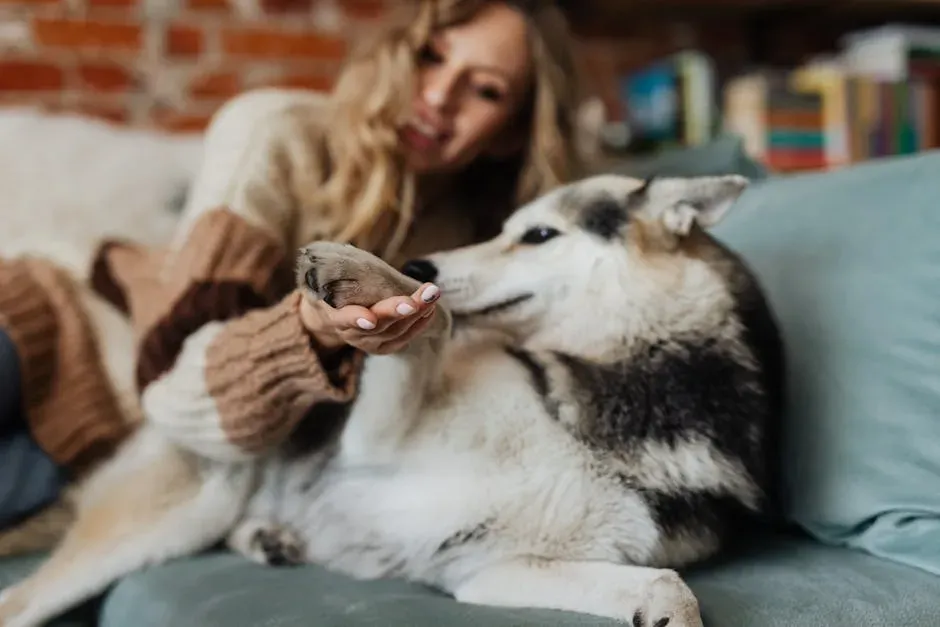
This is probably the most wild one to wrap your head around. Research published in PLOS One showed that dogs can detect stress from sweat and breath samples alone. So when you’re anxious about a work deadline, your dog doesn’t just notice your pacing. They’re literally smelling the stress radiating off your body.
Dogs don’t simply notice your emotions in the moment. A study published in Scientific Reports found that long-term stress levels, measured through cortisol concentrations in hair, are synchronized between dogs and their owners. Over months, dogs’ stress hormones actually tracked with their owners’ stress hormones. Think about that for a second. Your dog isn’t just reacting to you in the now. They’re absorbing your emotional patterns over time.
The practical takeaway? Maintaining a relationship based on positive reinforcement and engaging activities is the best way to keep your dog happy. If you’ve been going through a rough patch, your pup feels it too. Be gentle with yourself, and give them some extra calm, positive time together.
2. Your Unique Personal Scent Signature

Researchers found that the dogs’ caudate nucleus, an area of the brain associated with positive expectations, was most activated by the scent of the familiar person. In other words, your smell alone triggers joy in your dog’s brain. It’s like your personal perfume is hardwired to their happiness center. Honestly, that’s beautiful.
Dogs learn to associate the human’s scent with positive experiences. That association makes for a strong emotional bond, as your smell becomes a pleasant aromatic for them. Every hug, every cuddle session, every lazy Sunday morning on the couch is building that scent memory deeper and deeper into their brain.
Dogs can retain scent memories for years, as seen in cases where those reunited with their guardians after long separations often initially hesitate upon seeing them, but immediately respond with recognition and excitement once they catch their scent. This is why dogs who are reunited with owners after months apart still recognize them so powerfully. The nose never forgets.
3. Every Step of Your Daily Routine

Your behavior and routines clue dogs into the time of day. For example, when you get up in the morning, put on your shoes, and grab your dog’s leash, they know you’re about to take them for a walk. When you get back from your walk, they head to their bowl because they know it’s time to eat. It’s not magic. It’s meticulous observation.
Dogs are all about patterns and habits. When you do the same thing each day, dogs catch on quickly. If you always feed them after the kettle boils, it becomes a clear sign that breakfast is coming. Think of it like this: your dog has memorized your morning like a movie they’ve watched a thousand times. Every scene cues the next one.
When thinking about the ideal day for your dog, the most important thing is to develop a routine you can stick to consistently. Keeping a regular daily schedule for feeding, walking, exercise, and playing will help dogs feel comfortable and less stressed. So if your routine is chaotic lately, your dog likely feels that instability too.
4. The Tone of Your Voice, Even the Subtle Shifts
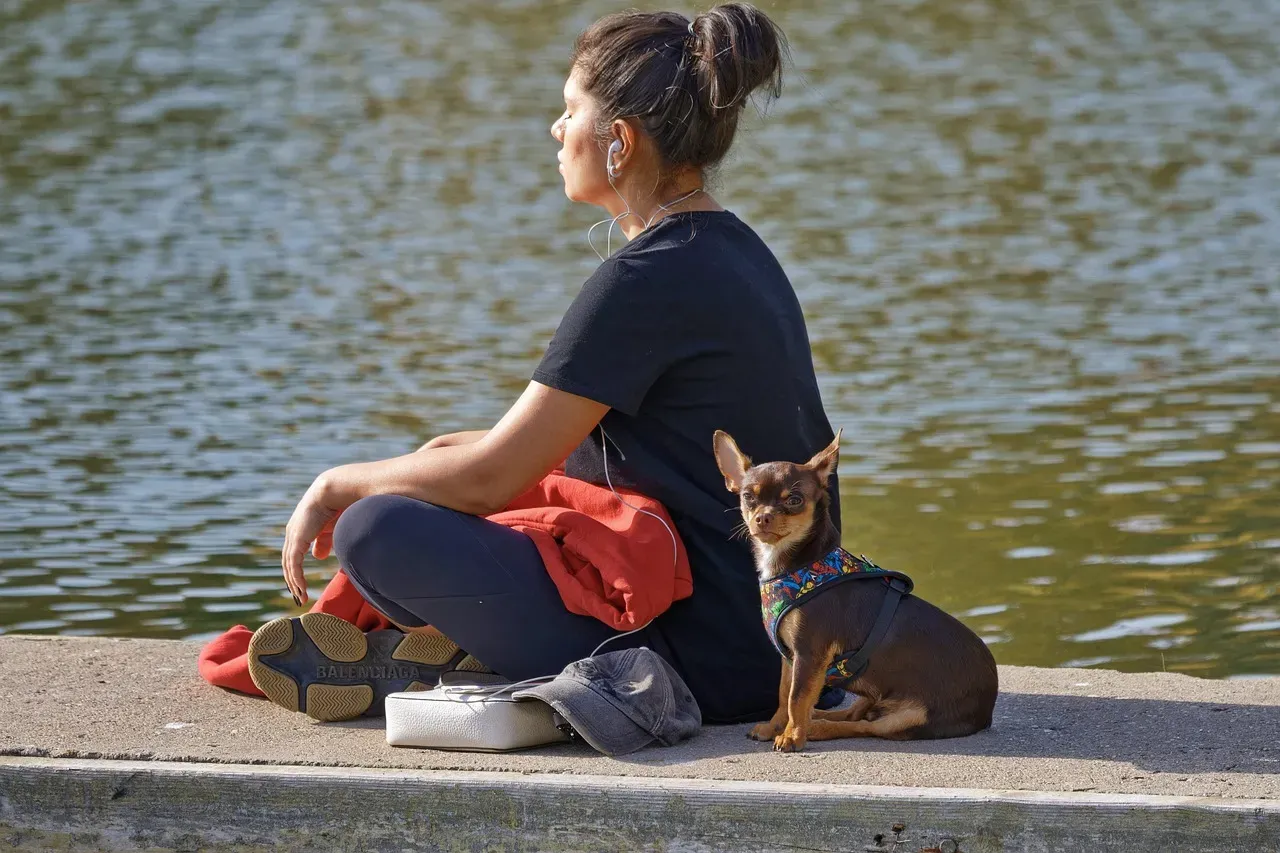
Dogs respond not just to any sound, but to the emotional tone of your voice. Brain scans reveal that emotionally charged sounds like a laugh, a cry, or an angry shout activate dogs’ auditory cortex and the amygdala, a part of the brain involved in processing emotions. Your dog isn’t just hearing words. They’re processing the emotional frequency behind every syllable.
Brain imaging studies using fMRI on awake dogs have shown that dogs process human speech on two levels simultaneously. One system handles words, another handles emotional tone. So when you say “it’s fine” through gritted teeth, your dog knows it’s absolutely not fine. They were never fooled.
A helpful tip: use a warm, calm voice when introducing new situations or asking your dog to do something challenging. The tone you choose teaches them whether to feel safe or unsettled, and they remember which is which.
5. Your Facial Expressions, Especially Your Eyes
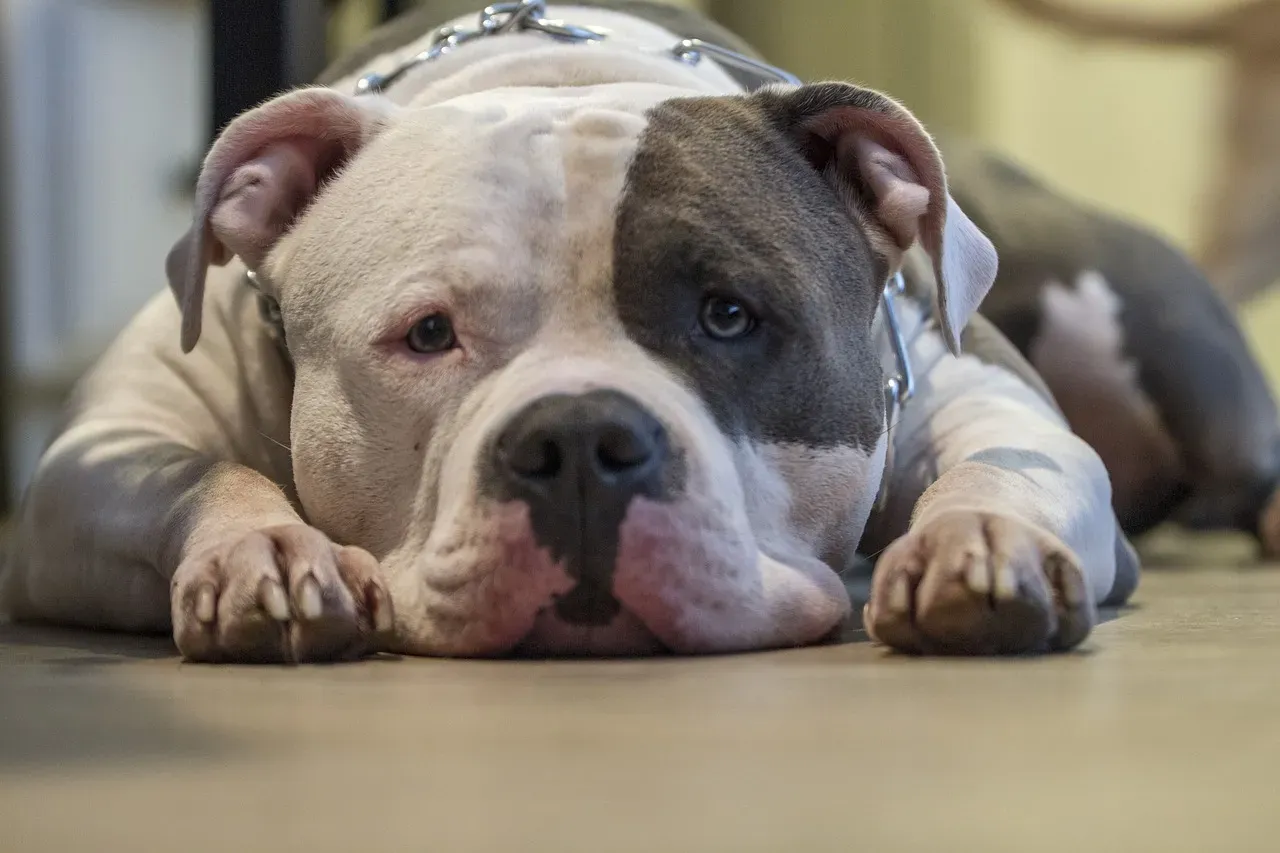
Beyond eye contact, dogs are surprisingly skilled at reading human body language and facial expressions. Experiments demonstrate that pet dogs can distinguish a smiling face from an angry face, even in photos. Let me tell you, when a dog can read emotion from a still photograph, that’s next-level social intelligence.
Dogs look at human faces with a natural bias toward the left side of the face, which is the half that tends to be more emotionally expressive. This left gaze bias appears only for human faces, not for other dogs, monkeys, or objects. They can also learn to tell the difference between happy and neutral expressions, and adjust where they look depending on what they see.
A study found that dogs have a specialized region in their temporal lobe for remembering faces. They’ve literally evolved dedicated brain hardware for recognizing you. That’s not coincidence. That’s thousands of years of adaptation built specifically around human connection.
6. When You’re About to Leave the House
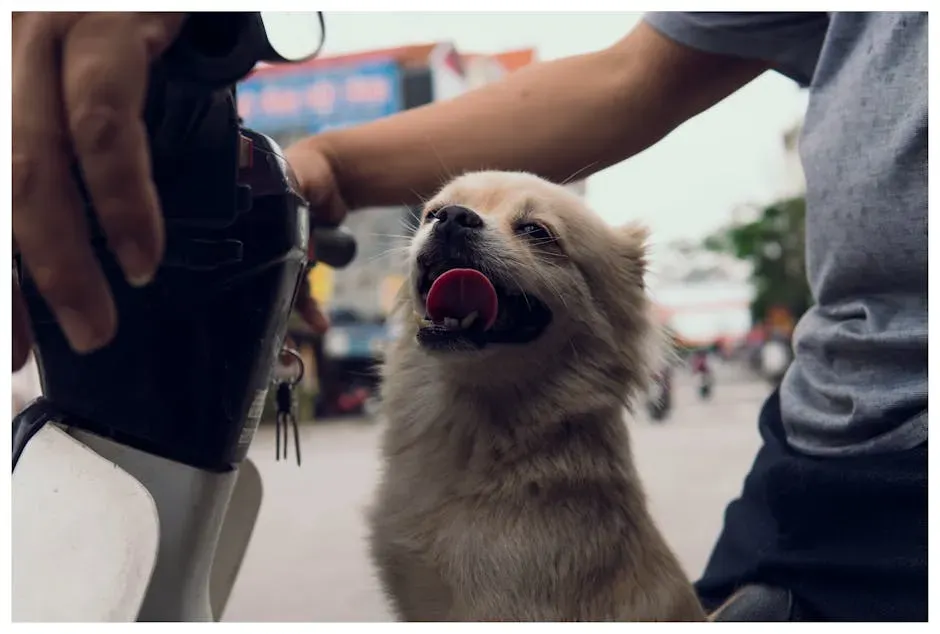
This one hits differently when you understand it. Dogs thrive on routine and are experts at recognizing patterns in their environment. As creatures of habit, they quickly learn to anticipate the start of their morning walk based on the actions of their owners. The same applies when you’re leaving. Your dog has memorized the exact sequence of actions that means you’re about to disappear.
The jingle of your keys, the specific shoes you grab, the way you check your phone before heading out. They’ve mapped it all. Research indicated that stress induced by the owner’s departure could be reduced physiologically by allowing the dog to sniff the owner’s odor or hear the owner’s recorded voice. So leaving an old worn t-shirt or a recording of your voice isn’t silly. It genuinely helps.
If you have a dog that suffers from separation anxiety, try practicing mini-departures so they don’t associate your pre-leaving routine with overwhelming dread. Gradually desensitize those departure cues by picking up your keys and then just sitting back down. It disrupts the pattern and slowly rebuilds their confidence.
7. How Long You’ve Been Gone

Here’s a fun one. The theory of scent distribution and a dog’s ability to remember something based on scent is called olfactory memory. It’s plausible that a dog can track short amounts of time by the strength of an odor, using olfactory memory for long-term time tracking. For example, when you leave for work, dogs will continue to monitor your scent until it reaches a level connected to you coming home.
While dogs do know something’s different in their routine, they don’t have a concrete concept of how long you’ve been gone. However, their sense of smell lets them know you’ve been gone a long time because your home smells a lot less like you. So those dramatic greetings when you return from a long trip? That’s a real, measurable reaction to the scent fading during your absence. They missed you chemically.
This is a great reminder to come home calmly and greet your dog in a relaxed way. Matching their excited energy can sometimes escalate their anxiety around arrivals and departures. A calm hello teaches them that comings and goings are no big deal.
8. Your Body Language Before You Even Speak
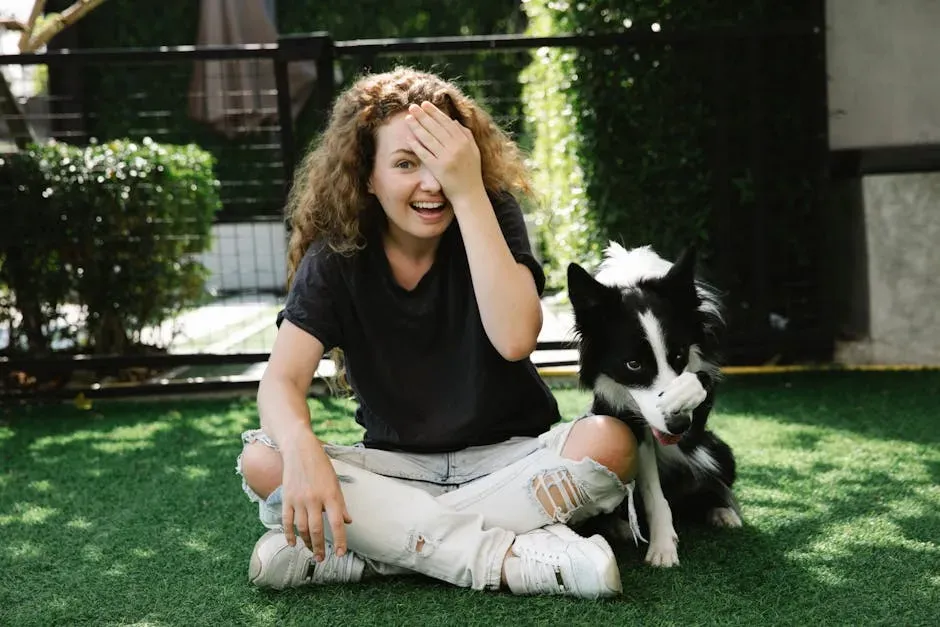
Unlike humans who rely heavily on spoken language and facial expressions, dogs interpret communication through body language, posture, vocal tone, and scent. For example, a person may believe they are being calm while correcting their dog, yet if they are hovering over the dog with an angry tone and emitting stress-related scents, the dog is likely to perceive the interaction as a threat.
They notice when our posture changes from relaxed to tense, which can indicate our stress or unease. This awareness helps them understand our feelings and respond with appropriate actions, such as approaching us gently when we seem upset. Think of your posture as a loudspeaker. Even when you haven’t said a word, your dog is already reading the full broadcast.
I think this is one of the most overlooked aspects of living with a dog. We focus so much on commands and treats, but our physical energy is doing most of the talking. Slouching into the couch signals relaxation. Pacing signals distress. Your dog has memorized what every version of your body language means.
9. The Sound of Your Emotional Distress
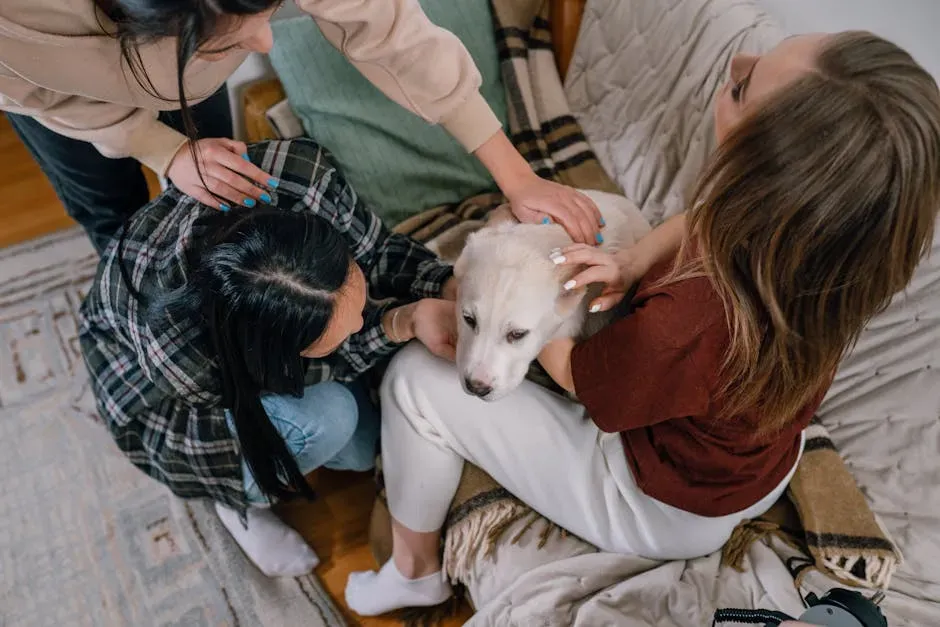
In a 2020 study published in the Canadian Journal of Experimental Psychology, researchers examined how dogs reacted when their owner or a stranger in their home pretended to laugh or cry. The dog bestowed more attention on the person who appeared to be crying, both through visual and physical contact. Dogs don’t just notice your tears. They orient toward them with intention.
Of the dogs in one study, the vast majority approached the owner or investigator when they “cried” as opposed to only a small number when they hummed, indicating that the dogs emotionally connected with the humans. If the dogs were merely curious, they would have approached the humming people with equal frequency. It appears that most dogs recognized that a humming person didn’t need to be comforted, so they left them alone.
Those moments when your dog crawls into your lap during a hard cry aren’t random. They’ve memorized what your distress looks and sounds like, and they’ve built a response pattern around it. Let them comfort you. It’s what they’ve trained themselves to do.
10. How Your Scent Changes With Your Health
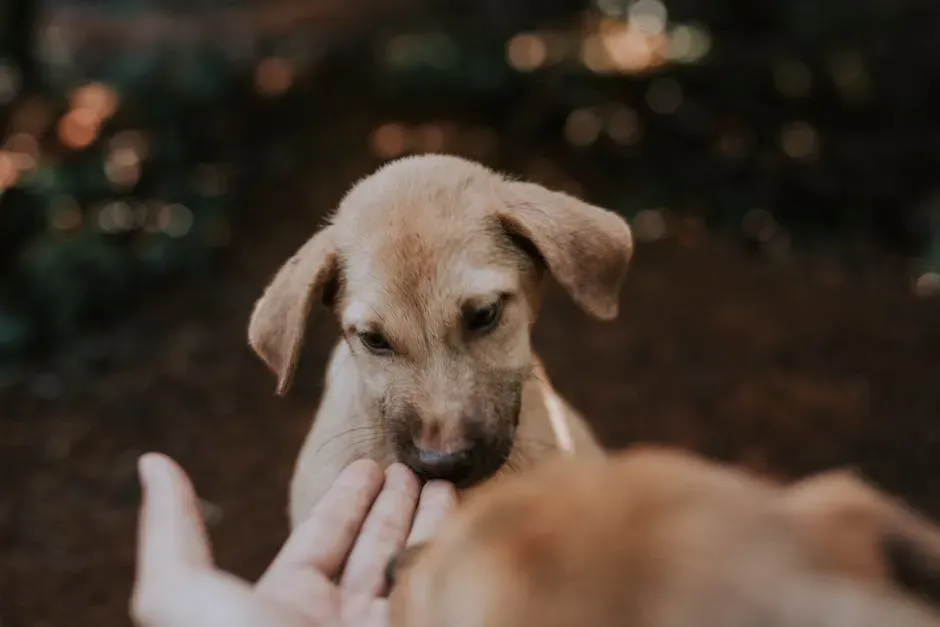
Pregnancy changes a woman’s hormone profile significantly, and those hormonal shifts alter her natural scent. Because a dog is deeply familiar with its owner’s baseline smell, even small changes register. This is why so many dog owners report their pet behaving strangely or becoming unusually clingy before a health diagnosis or hormonal shift.
Many owners report behavioral changes in their dogs, such as increased clinginess or protectiveness, early in pregnancy. The same principle applies to other hormonal shifts: menstrual cycles, illness, or even changes in diet can alter your scent profile enough for a dog to notice. It’s hard to say for sure in every case, but the evidence strongly suggests your dog’s nose is tracking your health in ways your doctor can’t.
Pay attention if your dog suddenly becomes intensely focused on a specific part of your body or dramatically changes their behavior with no obvious reason. While it’s not diagnostic, some changes in canine behavior have preceded medical discoveries in real-world cases. It’s always worth mentioning to your vet if something seems unusual.
11. The Emotional Memory of How You’ve Treated Them
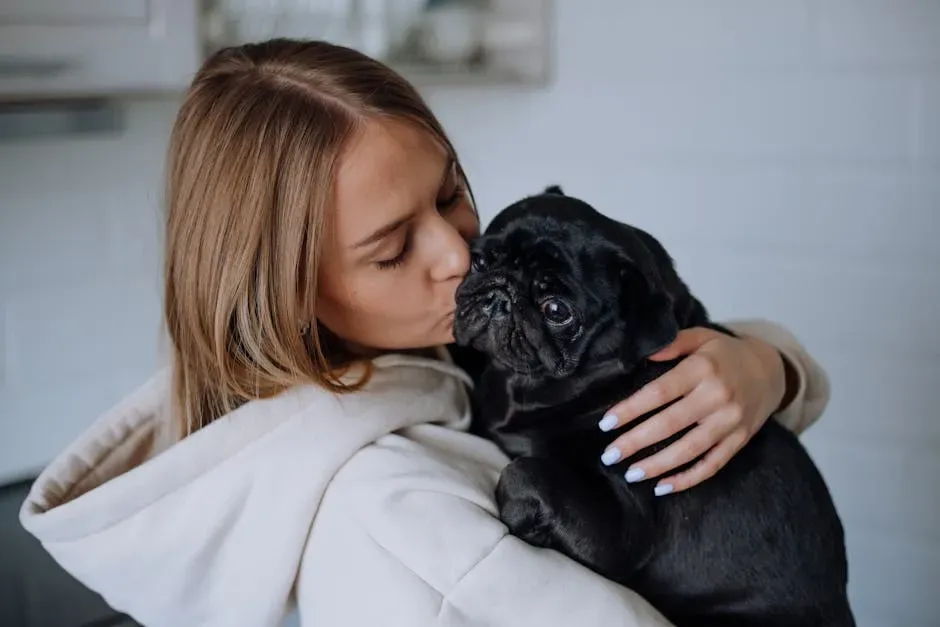
Science has shown that dogs are capable of long-term memory. They can remember people, routines, and training experiences for years, particularly when those experiences are emotionally charged, whether positive or negative. Every patient moment of training, every belly rub, every time you showed up for them is stored somewhere in that brain.
Dogs remember who can be trusted or should be feared, and which behaviors lead to pleasant or unpleasant outcomes. These memory-driven associations form the foundation of effective training, especially when the trainer is consistent and uses positive methods. On the other hand, negative, frightening, or painful experiences can damage the dog’s emotional wellbeing and human-canine trust bond.
Let’s be real: this one carries real weight. Dogs don’t just forget harsh moments. They file them. The good news is that positive memories are just as sticky. Every kind interaction you build is literally building neural pathways of trust inside your dog’s mind. That’s a beautiful responsibility.
12. Your Presence, Even When You’re Not in the Room
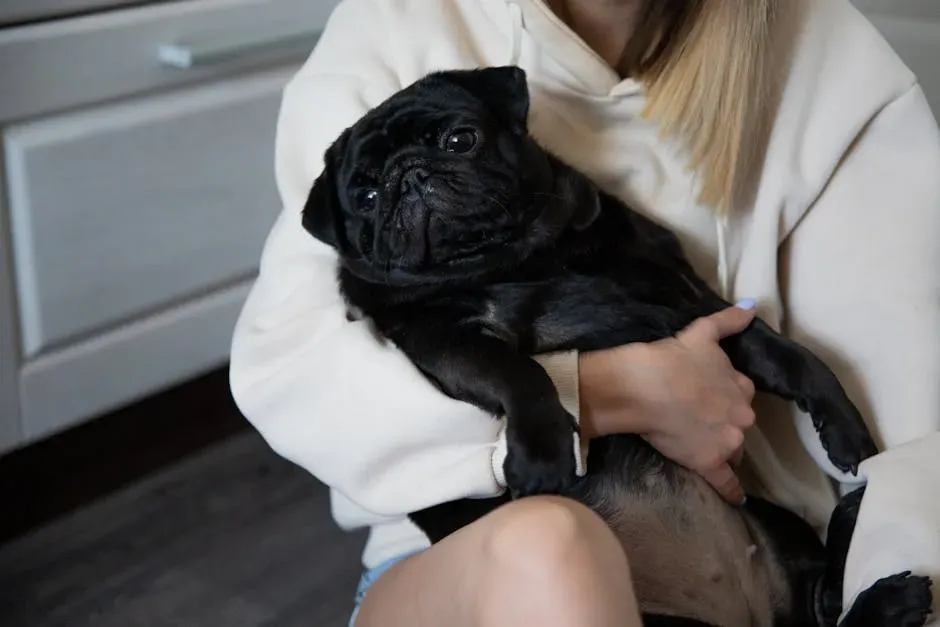
This suggests not only that dogs can discern their familiar humans and have a positive expectation about them, but also that these humans’ smells linger in a dog’s mind. You could be upstairs, at work, or across the country. Your scent is still present in your home, on your belongings, and inside your dog’s memory.
Just as certain smells can trigger vivid memories in humans, familiar scents can evoke emotional responses and memories in dogs as well. A particular person’s scent, a favourite blanket, or even the aroma of a familiar place can instantly transport a dog back to previous experiences, bringing comfort, excitement, or even anxiety depending on the association. Your old hoodie on the couch isn’t just laundry. To your dog, it’s your presence made tangible.
Most researchers believe dogs can remember important people and significant events in their lives for years, perhaps until death. Your dog remembers your scent, your face, especially your eyes, and your voice and associates them with happiness, love or snuggling, or maybe just with food. Either way, you are the center of their world in a way that is permanent and profound.
Conclusion: Your Dog Knows You More Deeply Than You Think
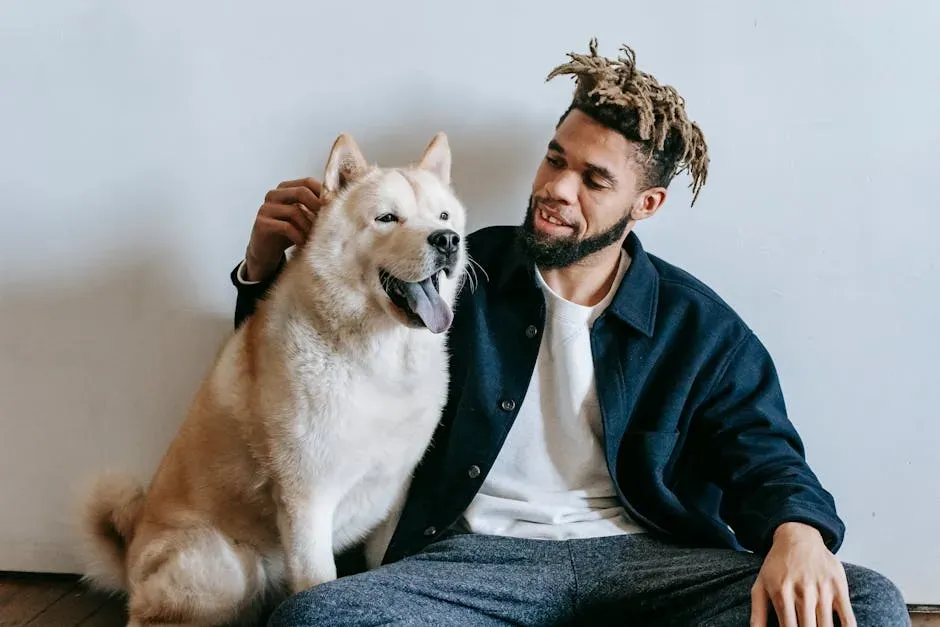
There’s something quietly humbling about all of this. While we’re going about our days, stressed about emails and overthinking conversations, our dogs are memorizing us. Piece by piece. Scent by scent. Moment by moment.
They know our real emotional state, not the one we perform for the world. They know our routines better than we do. They’ve built an entire internal map of who we are, shaped by every interaction we’ve ever had with them. That’s extraordinary. That’s love in its most instinctive, unwavering form.
So the next time your dog curls up beside you after a hard day, or perks up before you’ve even said “walk,” remember: they’ve been paying close attention all along. The real question is, are we paying the same attention back? What would you do differently if you knew your dog was memorizing you this deeply? Tell us in the comments.