

Think about the last time you had a rough day. Maybe you walked through the front door feeling completely drained, and before you could even set your bag down, a warm, wiggling body was already jumping at your feet, tail going a hundred miles an hour. In that single moment, something shifted. Your shoulders dropped. You exhaled. You smiled, maybe without even realizing it.
That moment is not just heartwarming. It is science. Dogs have quietly been doing something extraordinary for us, day after day, without a single certificate or salary. They are reducing our stress, keeping our hearts healthier, pulling us out of isolation, and giving us a reason to get off the couch. Honestly, they deserve a lot more credit than we give them. Let’s dive into the remarkable, research-backed ways your dog is healing you every single day.
Your Dog Is Literally Calming Your Brain Chemistry

Here is the thing most people don’t realize: the comfort you feel when you snuggle with your dog is not imaginary. Positive interactions with pets trigger the release of oxytocin, endorphins, and prolactin in humans, while stress hormones like cortisol actually go down. Think of it like a built-in reset button, and your dog is the one pressing it.
Scientists at Washington State University discovered that petting a dog for just 10 minutes can have a significant impact, with study participants showing a meaningful reduction in cortisol, a major stress hormone. That is ten minutes. The length of a coffee break. The return on investment is almost laughable.
Even just petting a familiar dog lowers blood pressure and heart rate, slows breathing, and relaxes tense muscles. So the next time someone at work asks why you have a photo of your dog as your screensaver, you can tell them it is therapy. You would not be wrong.
The Heart-Healthy Secret Hiding in Your Dog’s Leash

Evidence highlights the physical health benefits of owning pets, including improved cardiovascular health, and a study in the USA found that pet ownership was correlated with reduced blood pressure and a decreased prevalence of systemic hypertension. Your daily walks are doing more for your heart than you may think.
Epidemiological research suggests that dog ownership is linked to greater physical activity levels and reduced risk for cardiovascular disease, stroke, and all-cause mortality. A meta-analysis of ten studies amassing data from over three million participants found that pet dog ownership was associated with a roughly one-third risk reduction for mortality due to cardiovascular disease. Let that sink in for a second.
Over half of all dog owners meet the recommended weekly amount of exercise, meaning they get 150 minutes of moderate exercise or 75 minutes of vigorous exercise each week. Compare that to the general population, and it becomes clear that your dog is not just a companion. Your dog is also your most dedicated personal trainer.
Dogs as a Lifeline for Mental Health and Emotional Recovery
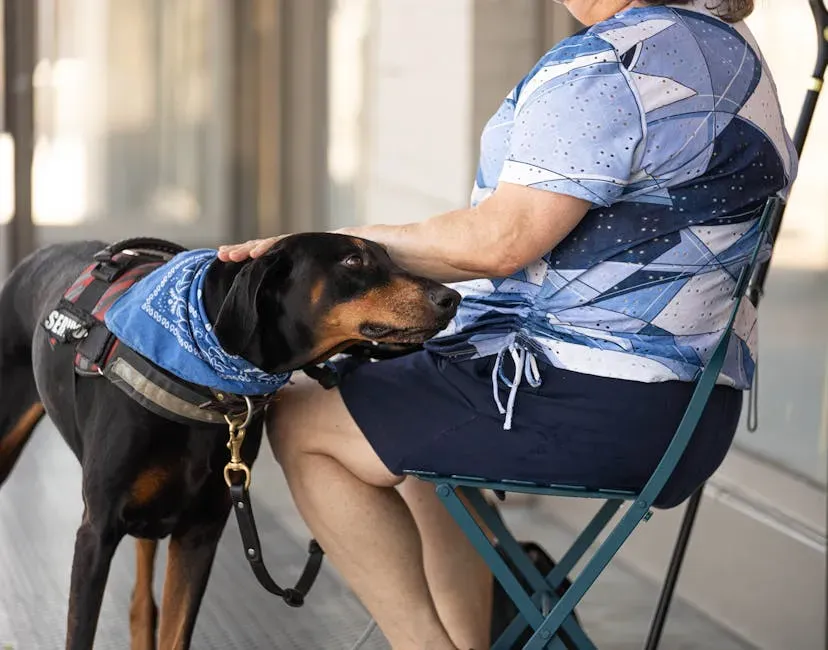
Dogs have been proven to reduce stress, anxiety and depression, ease loneliness, encourage exercise, and improve overall health. That is a lot of heavy lifting for an animal that also eats socks. Still, the evidence here is genuinely moving.
Psychiatric service dogs have been shown to be beneficial for veterans with post-traumatic stress disorder, providing environmental awareness, emotional calming, and intervention during panic attacks or nightmares. Studies show that veterans paired with service dogs experience improved sleep, stronger family connections, smoother reintegration into communities, and even higher employment rates. That is a profound ripple effect from one animal.
For individuals with mental disorders such as PTSD, research has found that having a psychiatric service dog is associated with fewer symptoms, less depression and anxiety, and better quality of life, with benefits due to a combination of trained tasks and aspects inherent to cohabitating with a pet dog, including love, nonjudgmental social support, and companionship. It is hard to say for sure what carries the most weight, but honestly, just being seen and accepted without judgment every single day is powerful medicine.
The Social Superpower You Never Knew Your Dog Had
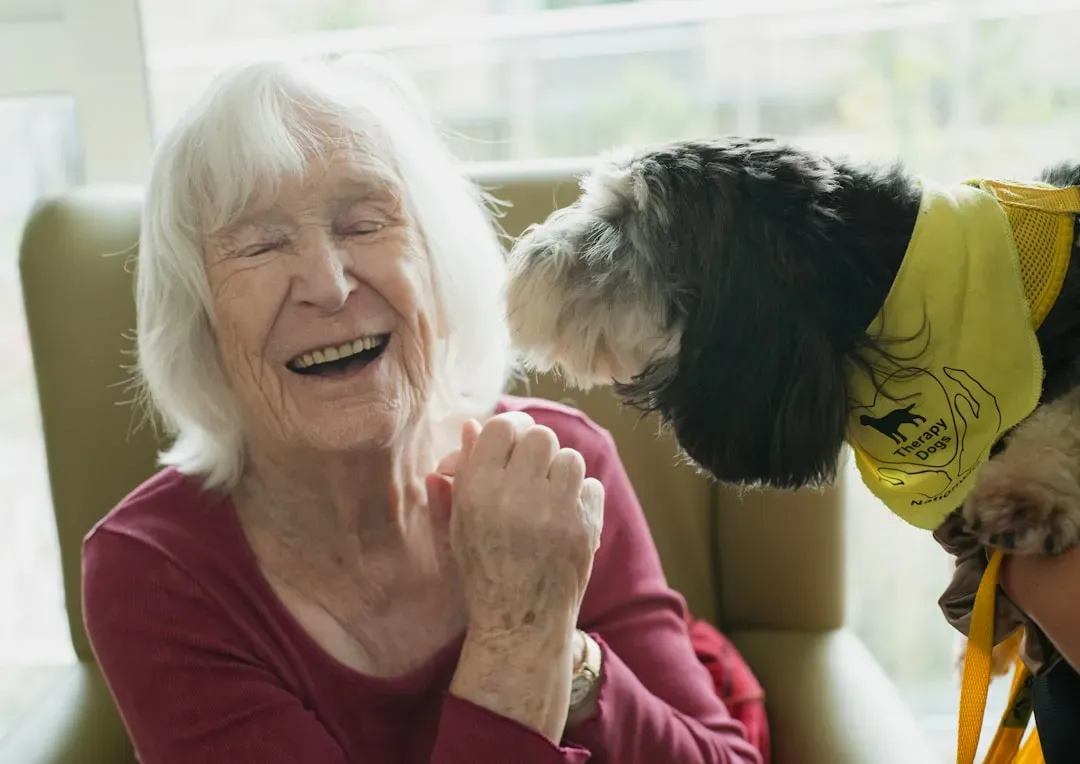
I know it sounds crazy, but your dog might actually be making you more popular. Walking with a dog can make people more approachable and give others a conversation starter. Think about how many times you have talked with neighbors or made new friends at the dog park. Dogs are social bridges we never even ask them to be.
Research revealed that pet owners were significantly more likely to know people in their neighborhoods, while dog owners in particular were more likely to consider a neighbor a friend and to feel socially supported by those around them. In a world where loneliness is increasingly being called a public health crisis, this is no small thing.
Owning a dog has been linked to better mental health and a lower perception of social isolation, which can reduce the risk of heart attacks and cognitive issues, especially since being socially isolated is a strong risk factor for worse health outcomes and premature death. Your dog is not just bringing you joy. Your dog is quite literally keeping you connected to life.
Dogs and the Aging Mind: A Relationship Worth Paying Attention To
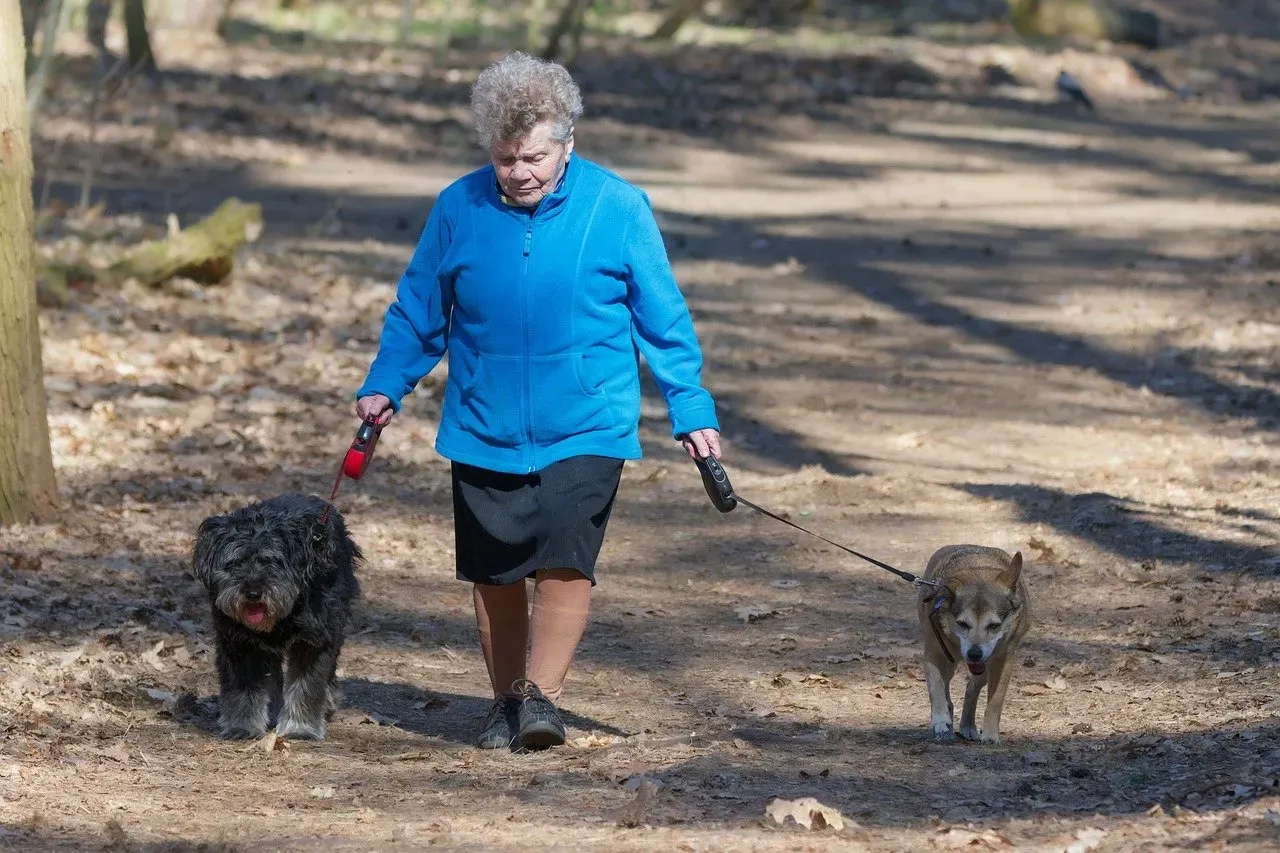
Let’s be real, none of us like to think about cognitive decline. Yet the research in this area is too compelling to ignore. Researchers found that people with dogs showed a slower decline in memory, including both immediate and delayed recall, compared with participants who did not own pets. That is the kind of benefit that does not show up on a leash tag, but it matters enormously.
Studies exploring the effects of dogs on seniors found that pet therapy can improve the cognitive function of residents in long-term care with mental illness, and another study showed significant decreases in agitated behaviors in older people with dementia, as well as improved social interactions. Think of a therapy dog visit as a gentle, joyful form of brain exercise for someone who may have few other outlets.
Pet ownership can provide essential social and emotional support for older adults, who report a reduction in stress and loneliness, an increase in activity and overall quality of life, and lower rates of depression when they have strong connections with their pets. For many seniors, a dog is not just a pet. The dog is purpose. Routine. A reason to get up every single morning.
Conclusion: The Hero Has Been There All Along
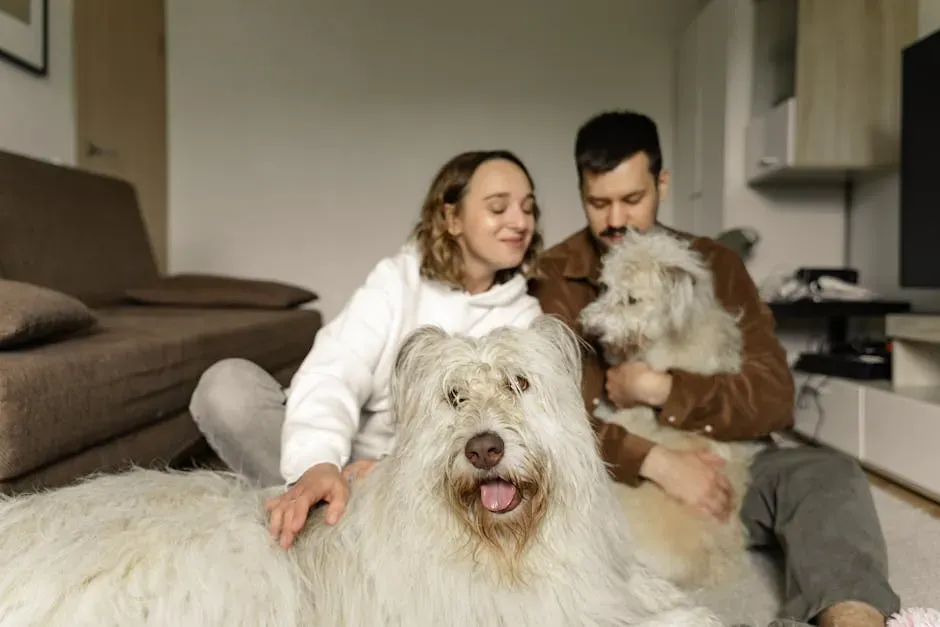
Every wag of the tail, every morning walk, every quiet moment on the couch together is doing something real. Something measurable. Dogs are lowering our blood pressure, untangling our anxiety, strengthening our hearts, rebuilding our social lives, and slowing cognitive aging, often without us even being aware of it happening.
The science is clear, and honestly, it is beautiful. Research and real-life experiences consistently show that dogs play a transformative role in human well-being, affecting everything from mental health and emotional resilience to physical wellness and social connection. They do all of this not because they are trained to, but simply because of who they are.
So the next time you look down at your dog and feel that quiet wave of gratitude, know that it flows both ways. You are caring for them, yes. They, in return, are caring for you in ways science is still working to fully understand. The real question is: have you told your dog thank you lately? Go ahead. They are listening.


