
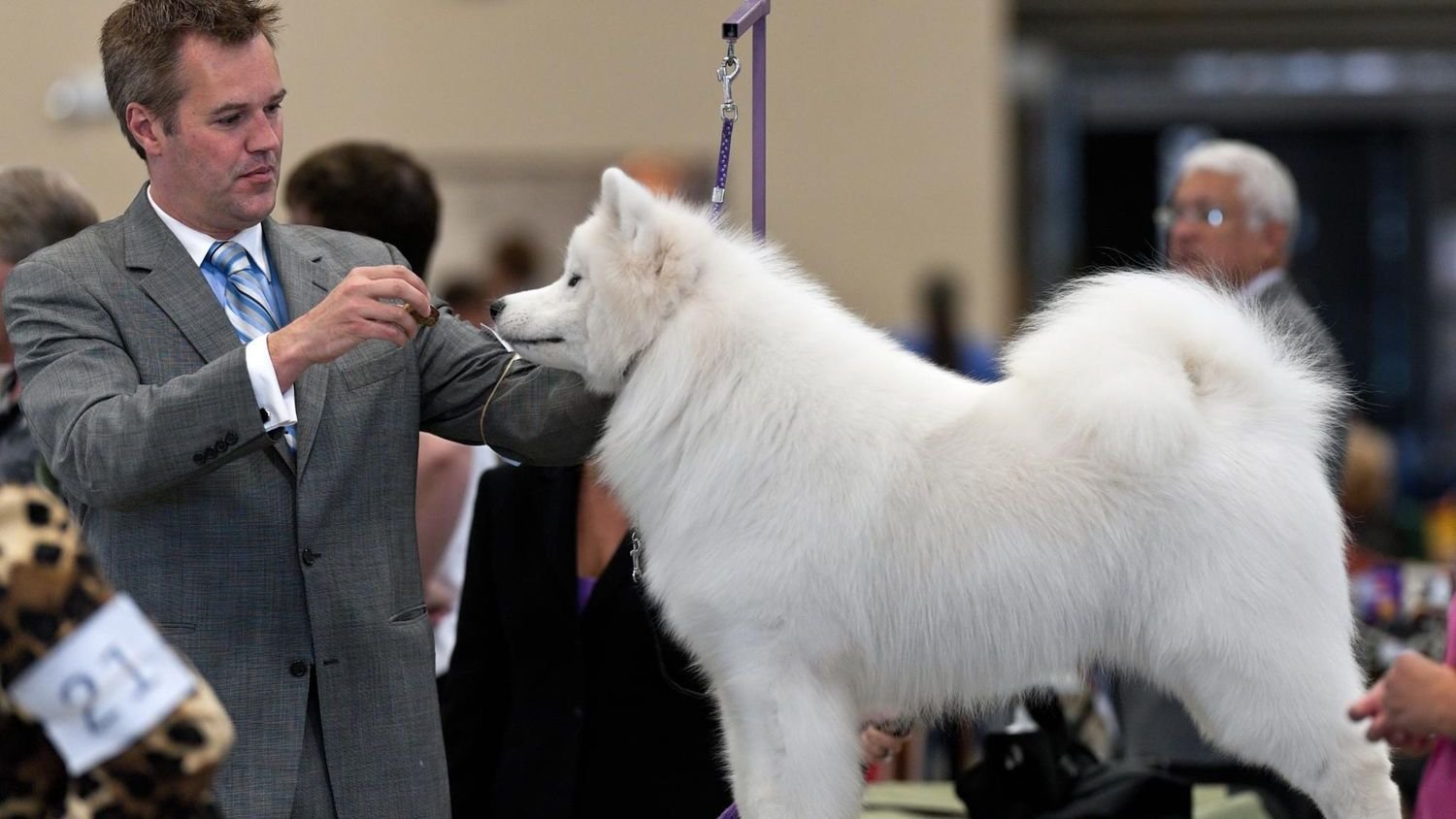
You fell in love at first sight. Maybe it was those wrinkly folds on a French Bulldog’s face, or the magnificent cloud-white coat of a Samoyed strutting down the street. In that moment, your heart said yes before your wallet had any say in the matter. Honestly, we’ve all been there. The problem is that some of the most beautiful, charming, and wildly popular dog breeds come loaded with hidden costs that most new owners simply never see coming.
We’re not just talking about dog food and a yearly vet checkup. We’re talking about grooming sessions every few weeks, specialist surgeries, anxiety training, and monthly insurance bills that rival a gym membership. Certain breeds come with a hefty price tag in terms of both time and money. From grooming needs to medical care, some dogs can leave new owners seriously surprised by all the hidden costs. So before you swipe your card or sign those adoption papers, let’s have an honest, friend-to-friend conversation about what it truly costs to love some of these gorgeous but demanding breeds. Let’s dive in.
1. French Bulldog: The Adorable Money Pit

Let’s be real, French Bulldogs are absolutely irresistible. That squishy little face, those bat ears, that swagger. French Bulldogs may have an adorable and compact appearance, but their cute looks come with significant health and maintenance requirements. Due to their short necks, flat faces, and stocky bodies, they often face a range of health problems, particularly brachycephalic obstructive airway syndrome (BOAS), which affects their breathing.
French Bulldogs are prone to several health issues including brachycephalic airway syndrome, hip dysplasia, allergies, cherry eye, and spinal disorders. Owners should plan for $600 to $1,000 per year in pet insurance, with potential surgeries or treatments costing several thousand dollars over the dog’s lifetime. Prevention tip: get your Frenchie seen by a vet early to assess their airway. Catching breathing issues before they become emergencies can save you thousands down the road.
French Bulldogs have relatively low grooming needs, but their facial folds must be cleaned regularly to prevent infections. They require moderate exercise to avoid weight gain. Think of those skin folds like tiny pockets that trap moisture, dirt, and bacteria every single day. Skip that cleaning routine, even for a week, and you are inviting a painful, smelly skin infection.
2. Samoyed: A Living Cloud That Costs a Fortune to Maintain
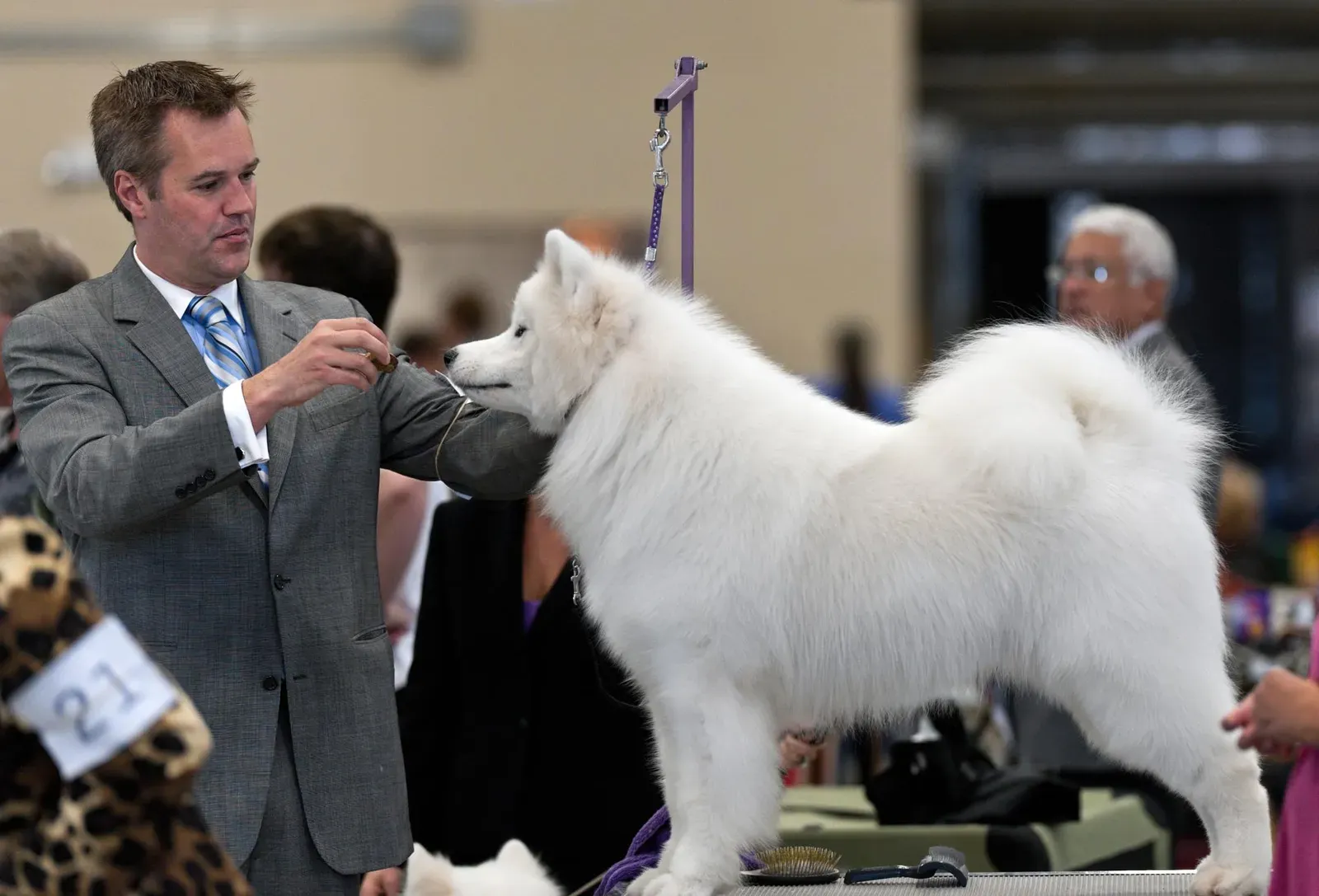
There’s something almost magical about a Samoyed. Pure white, perpetually smiling, and fluffy beyond all reason. But here’s the thing: that cloud-like coat is basically a full-time job wrapped in fur. Those thick, fluffy coats need almost constant attention. Expect to groom a Samoyed every single day, and bear in mind they shed a lot. Their polar bear look requires considerable upkeep, and for a full bath and grooming session, you’ll need to spare a good four to five hours.
Samoyeds require daily grooming to prevent mats, with extra care during heavy seasonal shedding. They also need high-quality food, regular exercise, mental stimulation, and attention to dental and joint health. Overall upkeep is significant, with annual maintenance costs usually ranging from $2,000 to $4,000, making Samoyeds a high-maintenance breed in both time and cost.
While generally healthy, Samoyeds are prone to certain conditions including hip dysplasia, eye disorders, heart problems, and autoimmune issues. Responsible owners should budget for pet insurance, typically $500 to $800 per year, as well as potential treatments or surgeries that could cost several thousand dollars over the dog’s lifetime. If you’re considering a Samoyed, invest in a high-quality slicker brush, a metal comb, and a good vacuum cleaner. You’ll need all three in constant rotation.
3. Chow Chow: Stubbornly Beautiful, Expensively Complicated
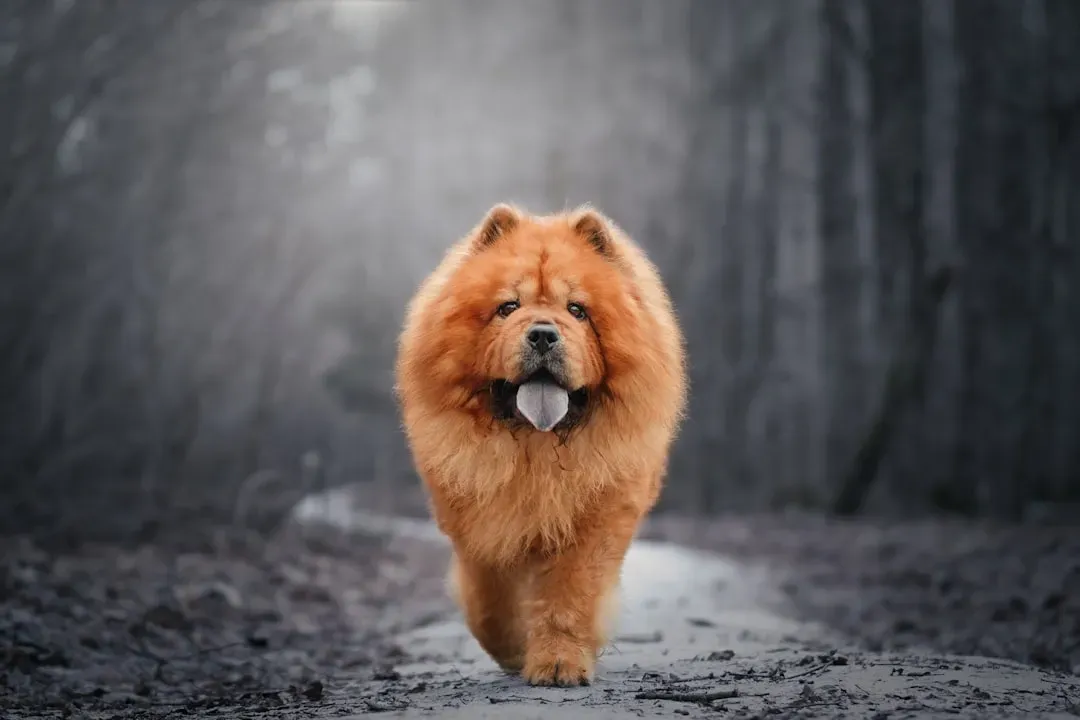
The Chow Chow looks like a lion crossed with a teddy bear, and I honestly understand the appeal completely. The Chow Chow originates from northern China and is one of the oldest and rarest breeds in the world. The dog itself is expensive to buy, but the costs don’t stop there. You’ll rack up the bills for food, treats, vet bills, grooming, and health issues, which can total around $11,000 for their life.
Chow Chows are prone to certain health issues, including hip and elbow dysplasia, entropion, skin problems, and thyroid disorders. Responsible owners should budget for insurance, typically $500 to $900 per year, as well as potential treatments or surgeries that can cost several thousand dollars over the dog’s lifetime. That word “entropion” basically means their eyelids can roll inward, causing painful eye irritation. It’s a surgical fix, not a home remedy.
Chow Chows require frequent grooming to maintain their thick coat and regular cleaning of skin folds to prevent infections. They also need quality food and moderate daily exercise to stay healthy. Overall upkeep usually falls between $1,500 and $5,000 annually, making the Chow Chow a high-maintenance breed in both grooming and healthcare requirements. On top of all that, the breed is naturally stubborn, which can impact trainability and potentially hinder the relationship between you and your pup. Early, consistent, reward-based training isn’t optional with a Chow. It’s survival.
4. Tibetan Mastiff: The Giant Bill in a Giant Dog Suit

Owning a Tibetan Mastiff is a bit like owning a small horse. A very furry, very independent horse that doesn’t take direction easily. Tibetan Mastiffs require a significant amount of care throughout the year. Their thick coat needs frequent grooming to prevent tangles and manage heavy seasonal shedding. They also need high-quality, nutrient-dense food, along with regular exercise and mental stimulation to support their natural guarding instincts. Training and early socialization are essential for managing their independent temperament.
Most owners spend around $3,000 to $4,000 annually on food, grooming, healthcare, and general upkeep, making the Tibetan Mastiff a genuinely high-maintenance breed. That’s annually, every single year. Not a one-time startup cost. And vet bills on top of that? Due to their large size, Tibetan Mastiffs require oversized beds, crates, and strong fencing, adding hundreds of dollars in additional costs. Like many large breeds, they are also prone to hip dysplasia and autoimmune disorders, leading to potential thousands in medical expenses over their lifetime.
Here’s a practical tip: strong fencing is non-negotiable with a Tibetan Mastiff. Tibetan Mastiffs are large dogs with strong-willed personalities that can make training a challenge. They tend to be calm but getting them to consistently listen to commands will take patience and persistence. Think less “obedient family pet” and more “respectful housemate who makes their own decisions.”
5. Afghan Hound: The Supermodel With a Supermodel’s Budget
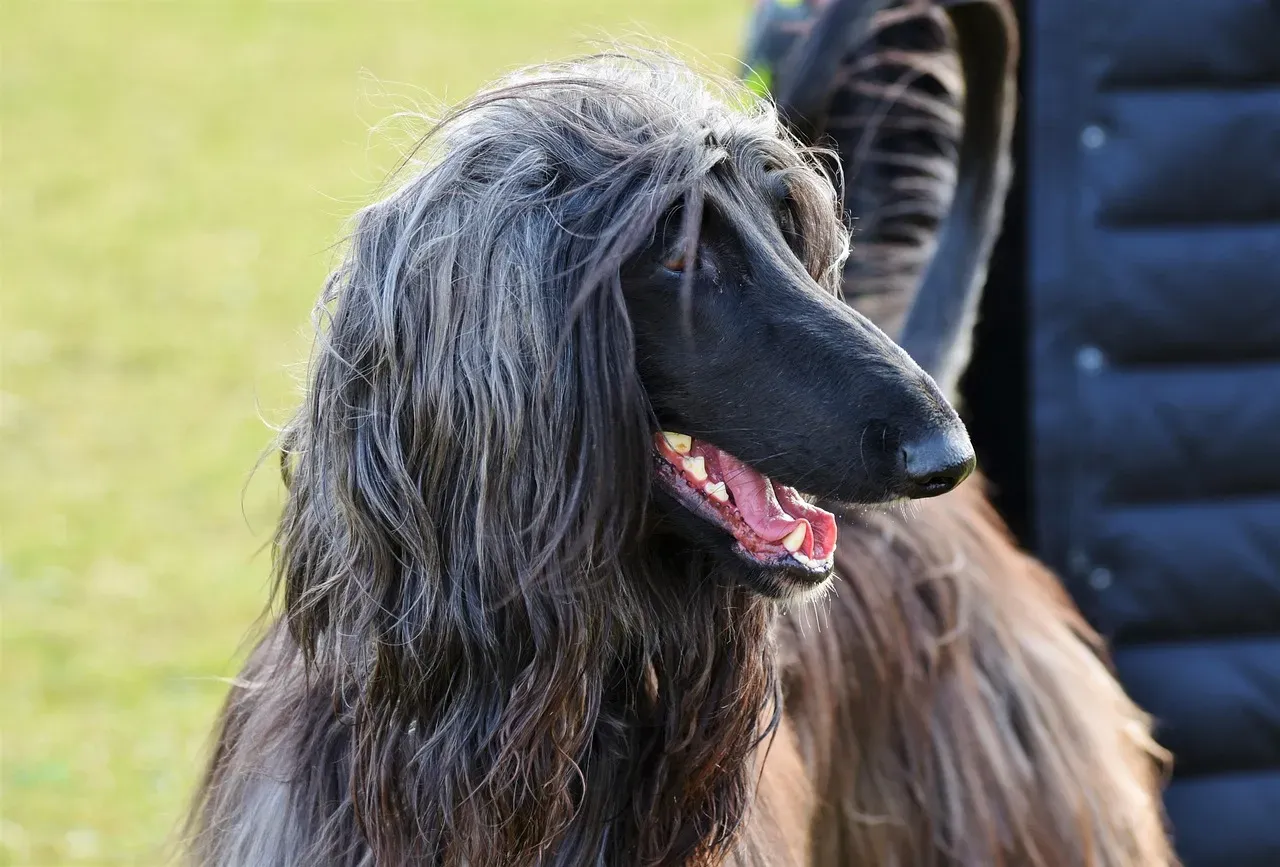
If the Afghan Hound were a person, they’d be the kind who never leaves the house without looking absolutely flawless. That long, silky, flowing coat is genuinely breathtaking. It’s also genuinely expensive to maintain. The Afghan Hound is known for its long, silky coat that flows gracefully as it moves. While breathtakingly beautiful, maintaining that coat is a labor of love. Without regular grooming, an Afghan Hound’s coat can become tangled and dirty, losing its luster and elegance. Regular brushing is essential, as is frequent bathing to keep their coats shiny and healthy.
Afghan Hounds require professional grooming every 4 to 6 weeks, costing $80 to $150 per session due to their long, silky coat. Do the math on that. Even at the low end, you’re looking at professional grooming costs alone that add up fast across a year. The Afghan Hound has a long, silky coat that requires regular brushing and special attention to prevent tangles and mats. Their coat can be sensitive, and they may be more prone to skin issues if not groomed properly.
Expect around $300 in monthly costs, and up to $700 in annual vet costs. While the lowest lifetime estimate of owning an Afghan Hound is around $7,000, it can reach between $22,000 to $24,000. The real hidden cost here isn’t just money, it’s time. Daily brushing sessions are a ritual with this breed, not an occasional nice-to-do. If you travel frequently or have a packed schedule, the Afghan Hound will let you know, loudly and visually, that you’ve been neglecting them.
6. English Bulldog: The Lovable Breed With a Surprisingly Long Medical Chart
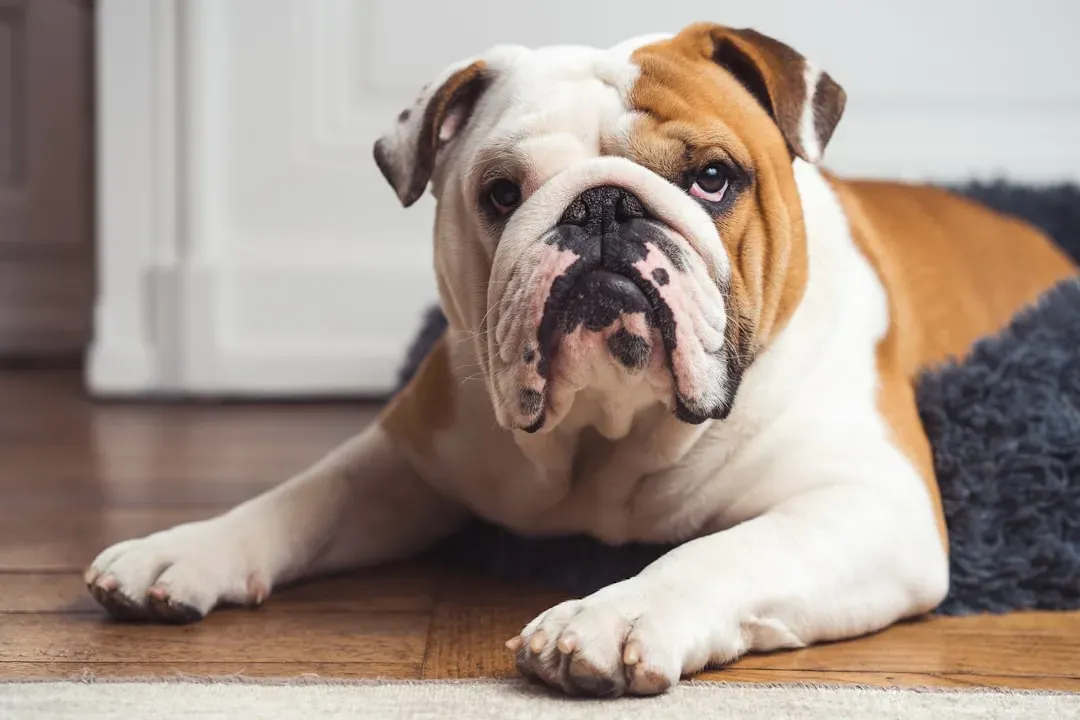
English Bulldogs are the undisputed champions of the couch snuggle. Laid-back, loyal, and endlessly lovable. But beneath all that charm lies a very complicated medical history that few owners anticipate. English Bulldogs are prone to hip dysplasia, brachycephalic breathing difficulties, temperature sensitivity, skin-fold infections, and certain heart conditions. Owners should plan for $600 to $1,000 per year in insurance, with potential surgeries or long-term treatments reaching several thousand dollars.
Bulldogs need light grooming, but their facial and body folds must be cleaned daily to prevent infections. Dental care is also a daily task. They require only moderate food intake and short daily walks. Overall yearly costs typically range from $1,400 to over $4,600, making them high-maintenance primarily due to ongoing health monitoring and care.
Modern Bulldogs are costly largely because many require artificial insemination and C-sections due to their build, significantly increasing breeding and veterinary expenses. That cost often gets passed to you even before you bring your puppy home. Prevention tip: never leave an English Bulldog outside in the heat. This breed features a distinctive wrinkled face and muscular frame but is prone to breathing difficulties, skin problems, and joint issues. Overheating can escalate into a life-threatening emergency faster than you’d ever expect.
The Real Talk: Are You Actually Ready?
Here’s the bottom line. These six breeds aren’t difficult to love. They’re difficult to afford, schedule around, and medically prepare for if you go in blind. Dog owners can expect to spend anywhere from $1,390 to $5,295 annually on their pets, with lifetime costs ranging from $16,440 for small breeds to over $52,075 for large breeds. These figures reflect not just the basics like food and veterinary care, but also the hidden expenses that many first-time dog owners don’t anticipate.
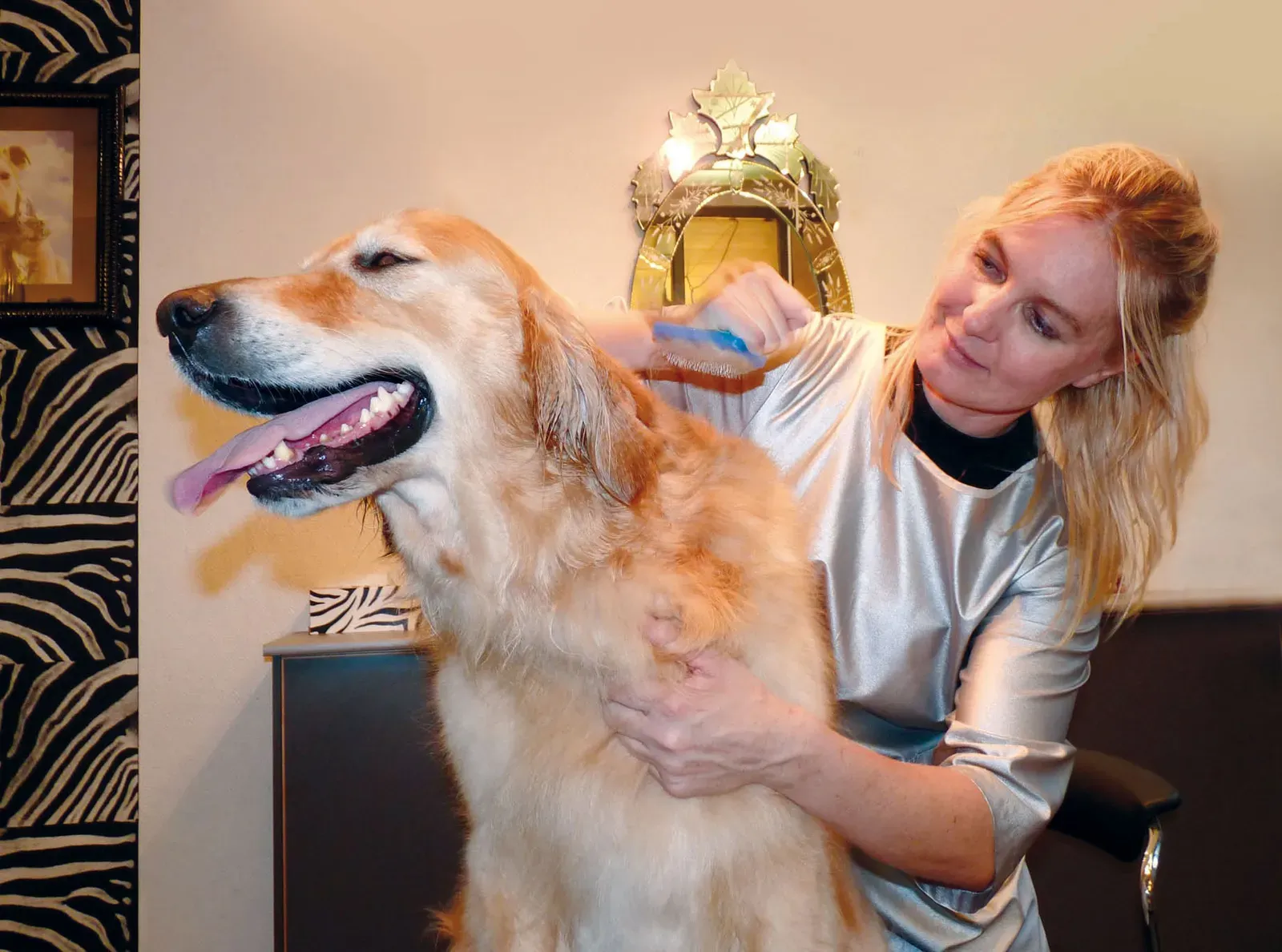
Owning a dog with high grooming needs requires commitment and patience. It’s not just about keeping them looking good, it’s about their comfort and health. Mats and tangles can be painful for dogs, pulling at their skin and causing irritation. Neglected coats can lead to skin infections and other health problems, making regular grooming an essential part of their care.
The good news? While love for pets is priceless, financial stress is avoidable with the right preparation. Understanding breed-specific risks ensures joy outweighs costs. Budget for pet insurance early, build a relationship with a trusted groomer, and commit to the daily care routines that these breeds genuinely need. The rewards, loyalty, companionship, and pure unconditional love, are absolutely worth every dollar and every hour. These breeds don’t ask for much more than your commitment. The question is simply: are you ready to give it?
What surprised you most about the cost of owning your dog? Drop your experience in the comments – we’d love to hear your story.


