
You followed every command perfectly during puppyhood. You researched training methods, bought the good treats, and still found yourself repeating “sit” for the fourteenth time while your dog stared blankly into the distance, completely unbothered. Sound familiar? You are not alone, and honestly, you’re not doing anything wrong either.
Here’s the thing – some dogs are just wired differently. Stubbornness in certain dog breeds stems from increased intelligence, a deep sense of independence, and inherent instinctual behavior. This trait makes training more challenging, but it also reflects a strong personality and higher intelligence not found in other breeds. Think of it less like defiance and more like dealing with a very opinionated coworker who has their own agenda. So before you throw the training manual out the window, let’s look at the ten breeds most likely to test your patience – and what you can actually do about it.
1. Siberian Husky – The Escape Artist with a Selective Attention Span
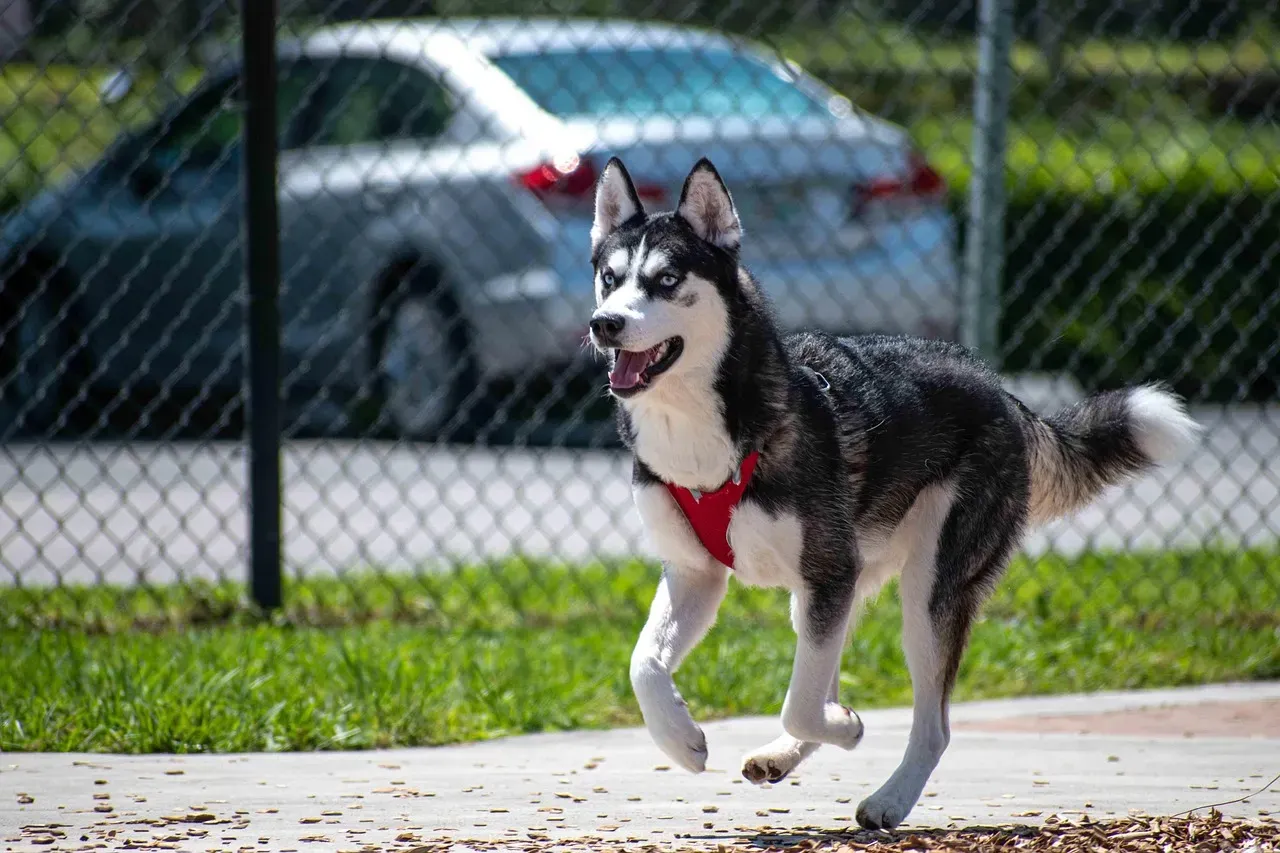
If you’ve ever owned a Husky, you know that look. The one where they hear you call their name, lock eyes with you, and then casually trot in the opposite direction. Siberian Huskies were originally bred for pulling sleds in the snow, which required them to make decisions autonomously. That independence has stayed with them, and they simply don’t like following commands from humans.
Recall must be one of the first things to focus on with a Husky, because they have a heart of an explorer and the agility of a horse. Their opinionated personality makes them a delightfully challenging breed to train. The good news? A well-exercised Husky is far more cooperative. Tire them out first, then train.
2. Shiba Inu – The Dog That Thinks It’s Your Boss
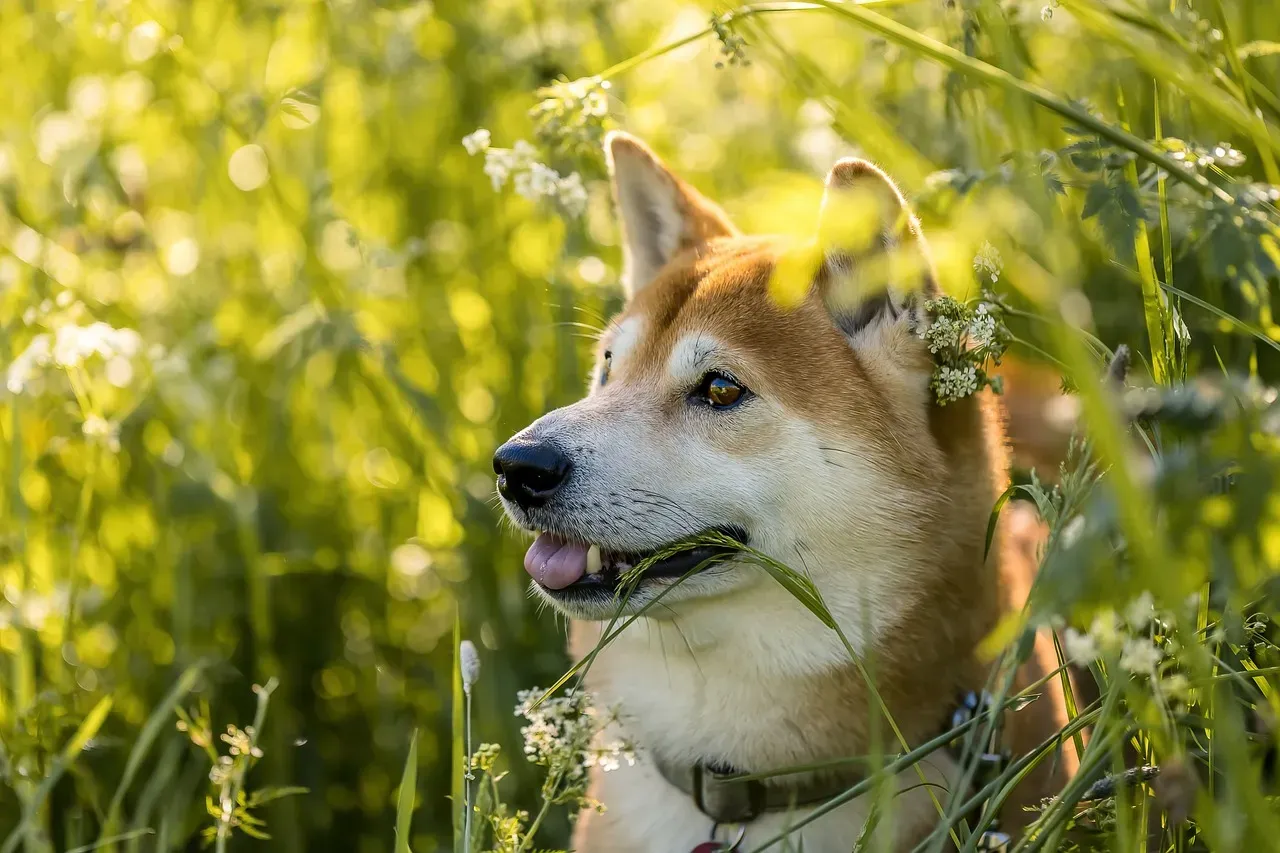
Shiba Inus are known for their bold and fiery personalities, often accompanied by a stubborn streak that can make training a test of wills. They’re fiercely independent and intelligent, qualities that require consistent, patient training techniques. They’re even called the most cat-like of dog breeds for a reason.
They are highly intelligent, alert, and attuned to their surroundings. They are quick to form perceptions about the world, which can be difficult to change. This is where their “stubbornness” is most highlighted. The key with a Shiba is earning their trust first. Once you have their respect, training becomes a completely different experience.
3. Beagle – When the Nose Overrules Everything
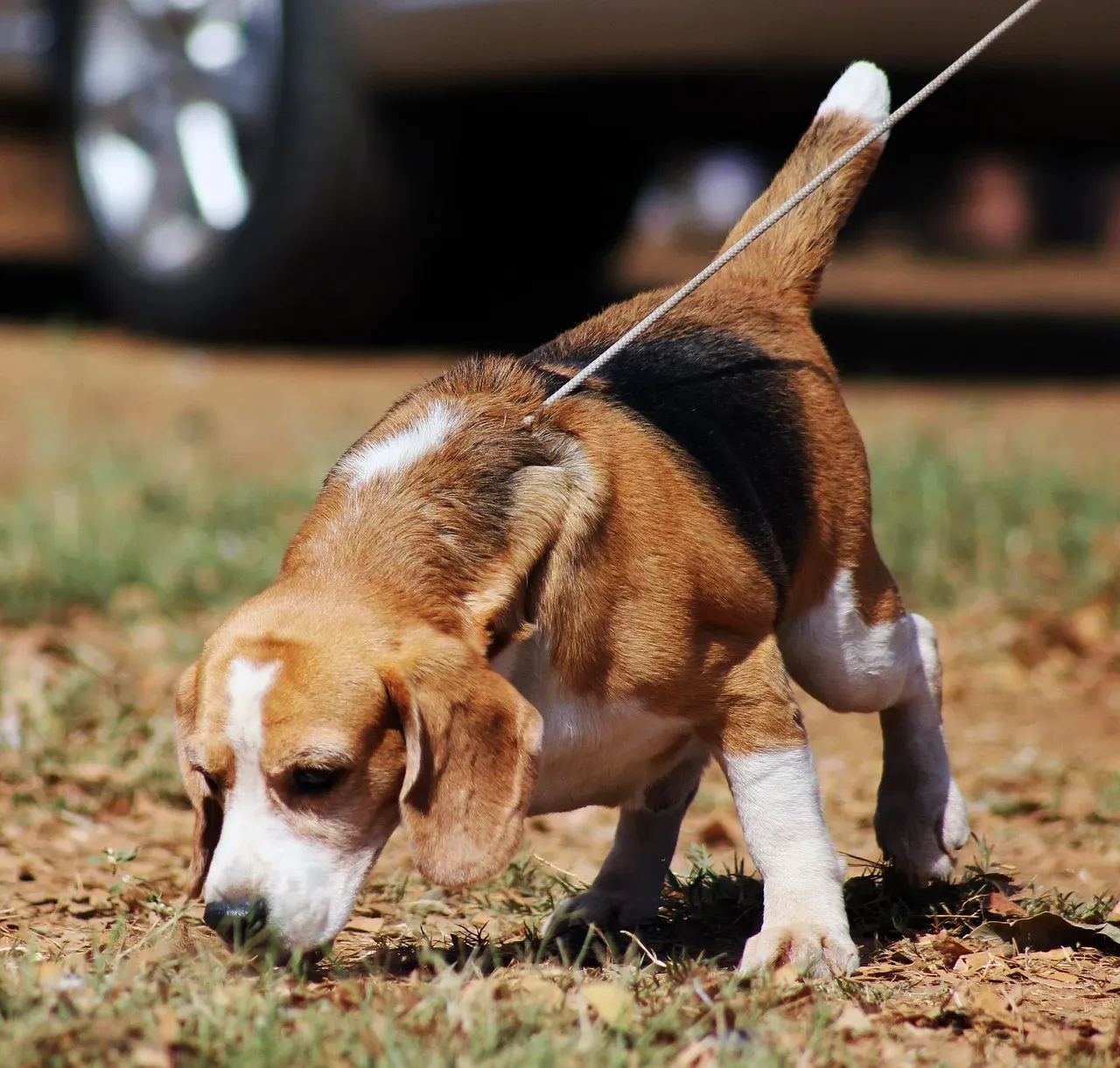
Beagles, with their incredible sense of smell and tracking ability, were bred for hunting and often exhibit a stubborn streak when on a scent trail. Their single-minded focus can make them seem indifferent to commands, especially if they’ve picked up an interesting scent. Beagles are friendly and affectionate but require patience and creative training techniques to manage their selective hearing.
Imagine trying to have a serious conversation with someone who just spotted their favorite dessert across the room. That’s your Beagle during training. Using scent-based games or activities can actually make training more effective and genuinely fun for them. Work with their nose, not against it.
4. Dachshund – Small Dog, Enormous Nerve
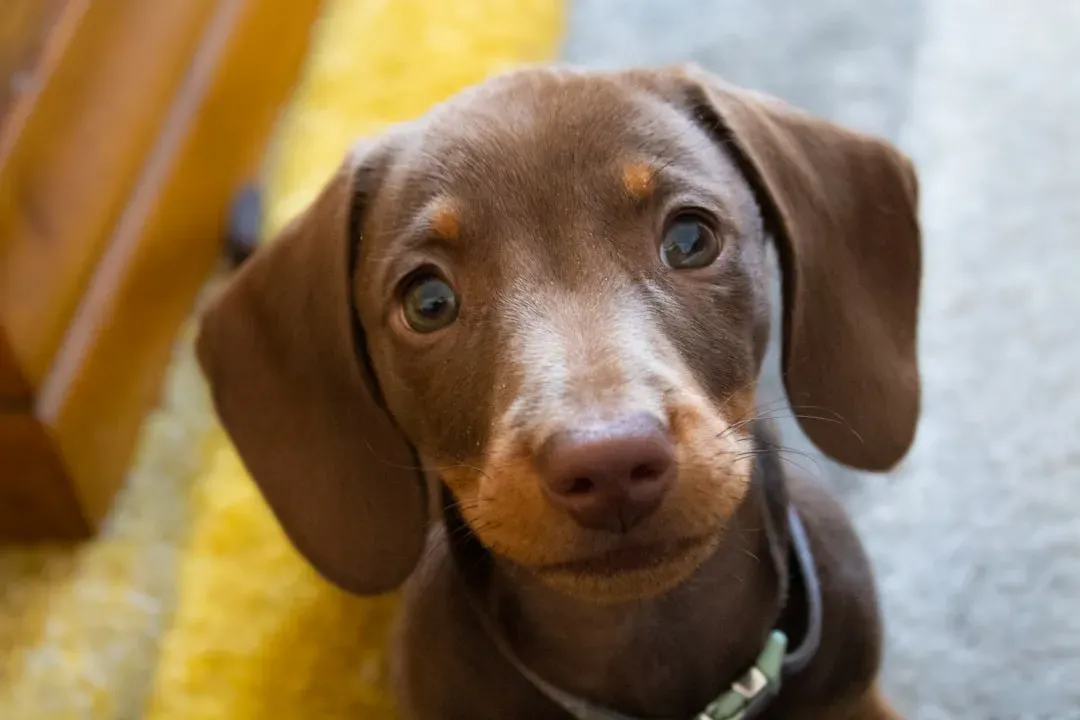
Originally bred to hunt badgers, which required courage and determination, the Dachshund is a fearless and determined breed. That bold personality often shows up as stubbornness in daily life. Dachshunds are loyal and affectionate with their family, but they may test boundaries. Honestly, a dog bred to corner a badger underground isn’t going to be intimidated by your stern voice.
The short wiener dog is well-known for their lively and independent attitude, as well as their intelligence, hunting ability, and stubbornness. Dachshunds like to do things their own way, and you are likely to find your Dachshund digging holes, chewing on shoes, or chasing other pets on a daily basis. Clear rules, consistency, and early training help prevent stubborn behavior from becoming a long-term habit.
5. Chihuahua – The Tiny Dog With a Ferociously Big Ego
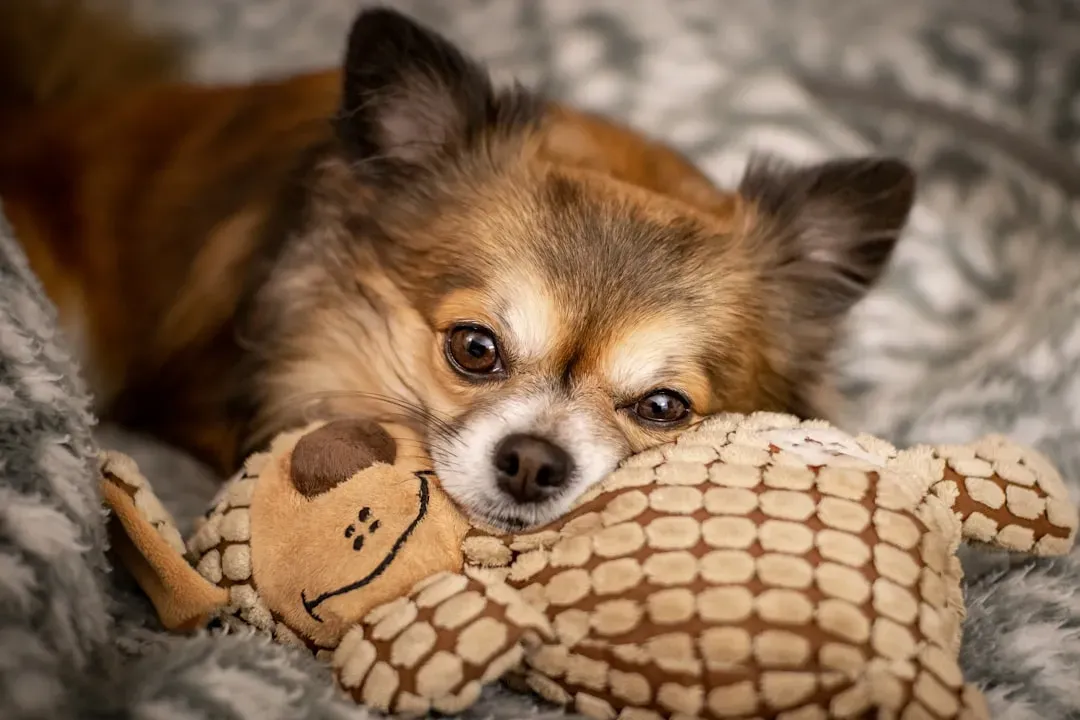
Chihuahuas may be small, but their personalities are gigantic. Known for their loyalty and strong-willed nature, they can be surprisingly stubborn, often believing they’re the alpha in the household. Let’s be real – there is something almost admirable about a two-kilogram dog who is absolutely convinced they run the household.
This breed can be very loyal to their owners but wary of strangers or other dogs. Because of their confidence, Chihuahuas sometimes resist commands if they don’t see the point. Early socialization is genuinely non-negotiable with this breed. The window for shaping their worldview closes faster than you’d expect.
6. Akita – The Dignified Dog Who Answers to No One
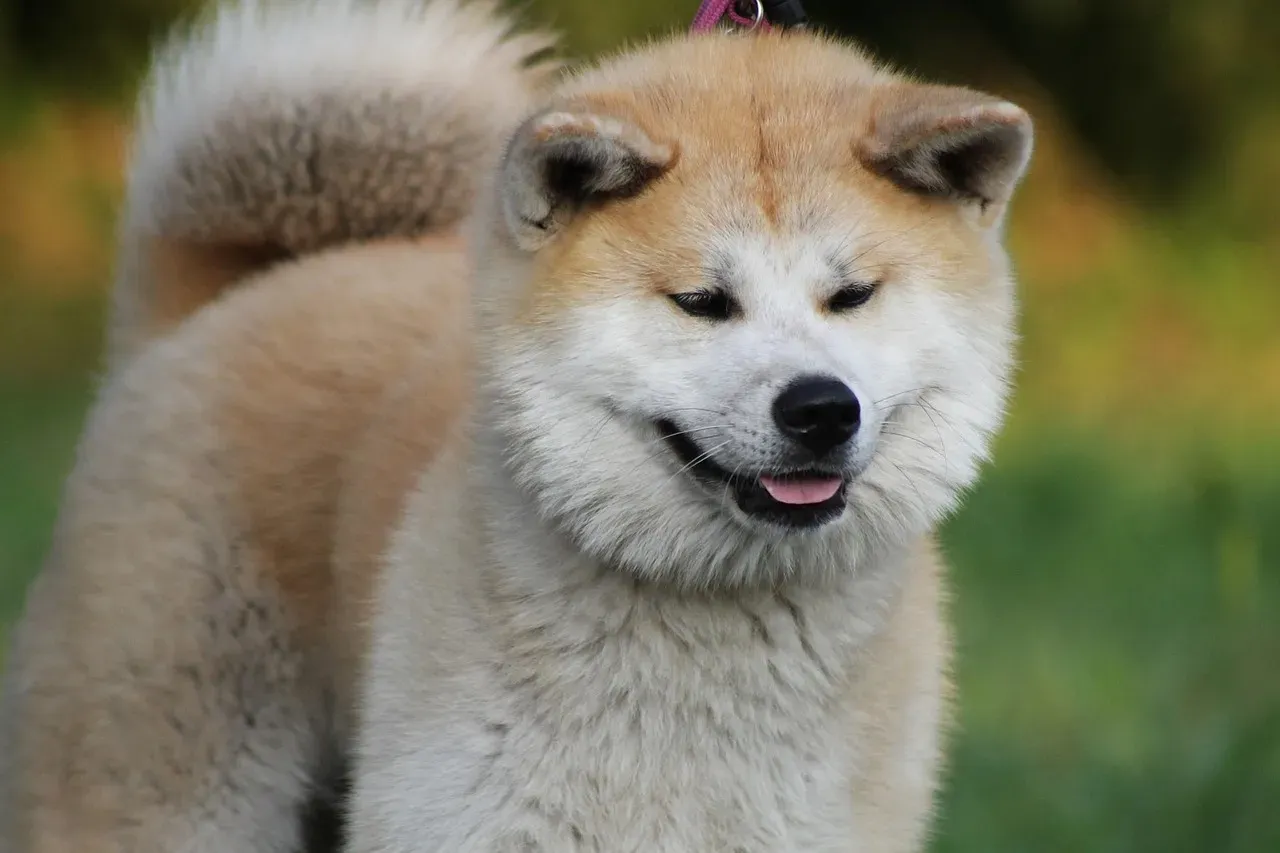
Akitas are known for being protective, deeply loyal, dignified, brave, and affectionate with family. They are one of the stubborn dog breeds, but training with positive reinforcement at a young age should yield great results. The challenge is that Akitas aren’t just stubborn – they’re proud. There’s a real difference, and it changes how you need to approach them.
These fastidious dogs are anything but people-pleasers. They are hardcore working dogs and do well with families that recognize their needs. Several people who adopted an Akita after wanting a loyal companion were in for a rude shock when these dogs exhibited their headstrong and iron-willed personalities. Firm, consistent, and respectful training is the only path that works here.
7. English Bulldog – Too Chill to Comply
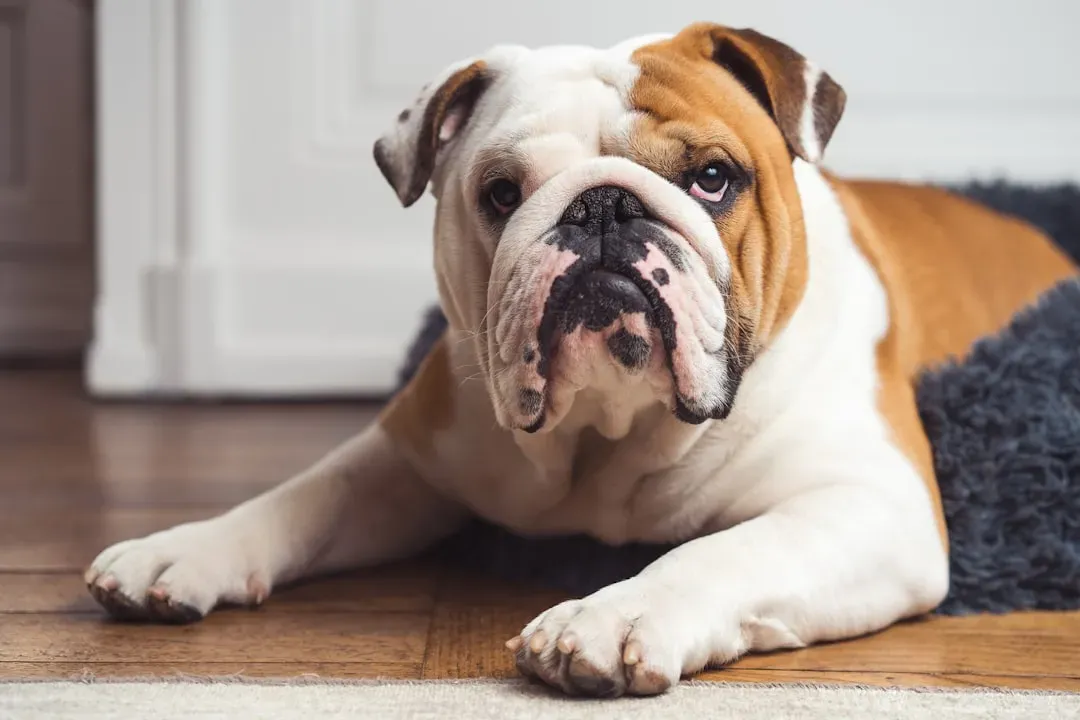
The English Bulldog likes to walk and play but isn’t particularly interested in being trained. These dogs are known for their lazy lifestyle, strong will, and super high intelligence – a triple threat to obedience training. I think this is one of the most misunderstood breeds on this list. People assume the Bulldog is just dumb. They’re not. They’re unbothered.
The Bulldog may seem lazy, but don’t mistake that for obedience. These dogs can be willfully slow to respond, though their stubborn tendencies are softened by their sweet nature. Using treats and short, engaging training sessions tends to work best. Keep sessions brief and reward-heavy. Lengthy drills will simply put them to sleep – literally.
8. Afghan Hound – Gorgeous, Aloof, and Entirely Disinterested
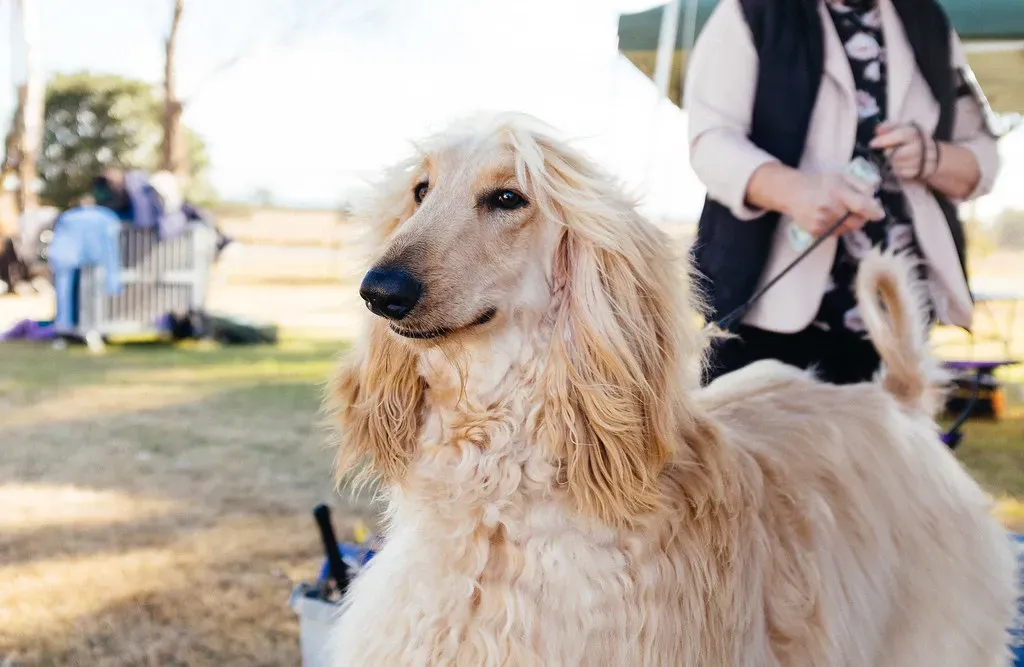
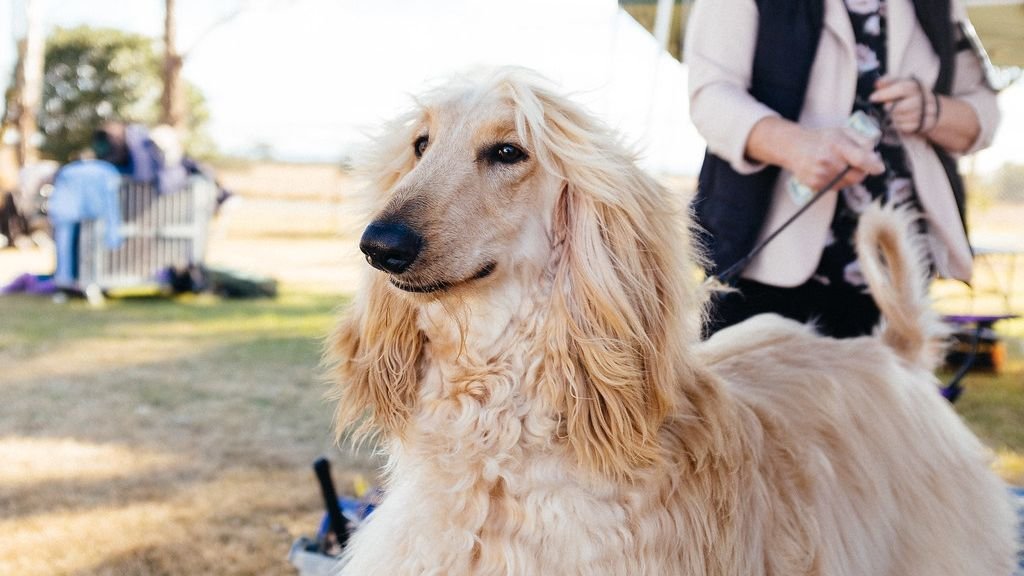
The Afghan Hound is renowned for its elegance and grace, but behind that majestic exterior lies a fiercely independent streak. These dogs are aloof and have a mind of their own, making training sessions a real challenge. Their intelligence is undeniable, but they often prioritize their own interests over following commands.
Think of the Afghan Hound as that brilliant friend who never shows up on time and can’t be persuaded to do anything they don’t feel like doing. To train an Afghan Hound, keep sessions short, engaging, and rewarding. Positive reinforcement, particularly with high-value treats, works wonders. Patience is not optional with this breed – it’s the entire strategy.
9. Jack Russell Terrier – Relentlessly Energetic and Absolutely Willful
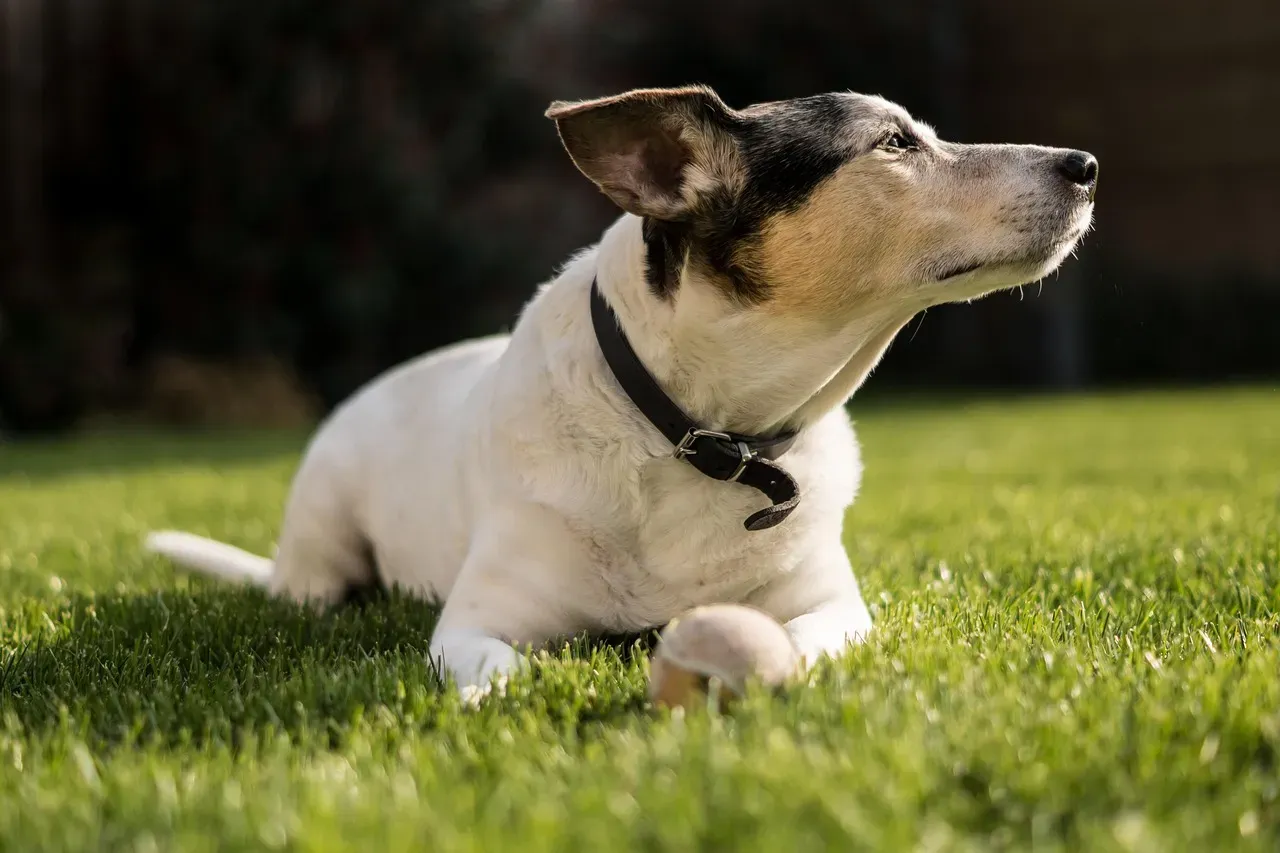
Originally bred to chase and hunt small animals, the Jack Russell Terrier has a strong prey drive and independent streak. They are intelligent and quick learners, but they can become bored easily. If training isn’t engaging or fun, they may simply decide to follow their own rules. It’s less about defiance and more about stimulation – these little dogs need a challenge.
To overcome their stubbornness, focus on short, high-energy training sessions that challenge their quick minds. Mixing play with training can keep them engaged. With the right approach, Jack Russells can become clever and entertaining companions. Consistent exercise and mentally stimulating activities help keep this stubborn breed focused. Boring them is the fastest way to lose the training battle entirely.
10. Chow Chow – The Breed That Needs to Trust You First
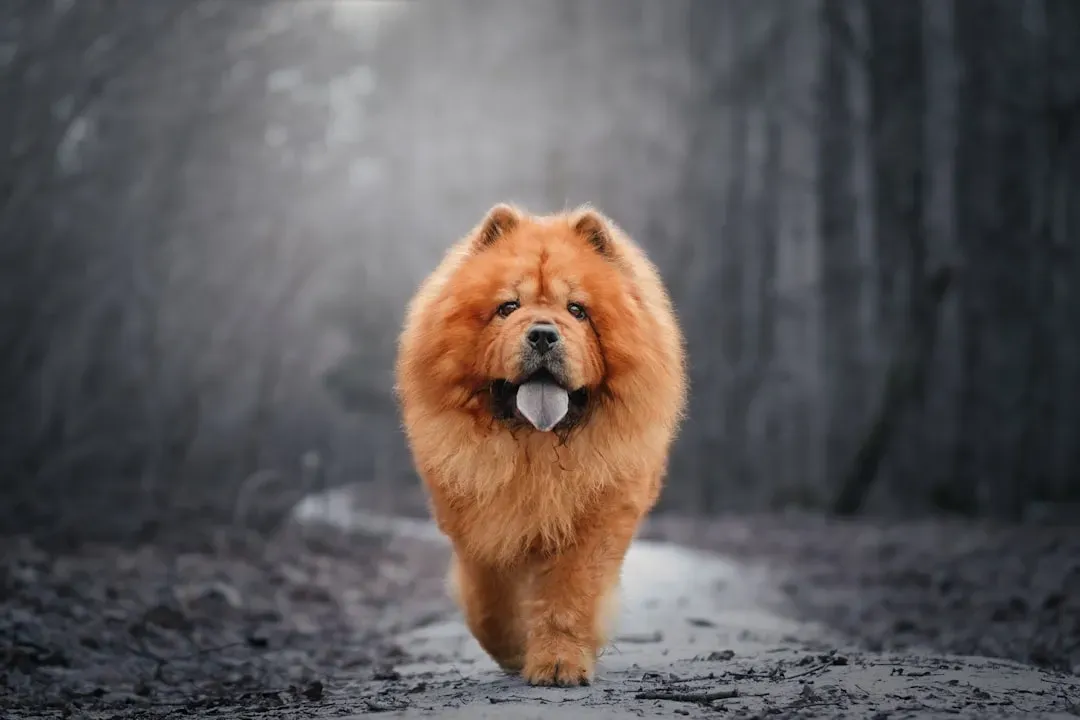
These fluffy, possessive dogs are often compared to cats for their meticulous grooming habits. Similar to Afghan Hounds, Chow Chows need plenty of space. Building trust is absolutely key to successfully teaching commands – as is consistency. The Chow Chow won’t take orders from just anyone. You have to earn that relationship, and it takes real time.
The more intelligent a breed tends to be, the more they like to think for themselves and choose to disobey commands and house rules. Intelligent dogs can have a very stubborn streak. They tend to choose when they want to listen, and who they want to listen to. With a Chow, socialization from puppyhood and a calm, confident owner makes all the difference in the world.
The Bottom Line: Stubborn Doesn’t Mean Broken
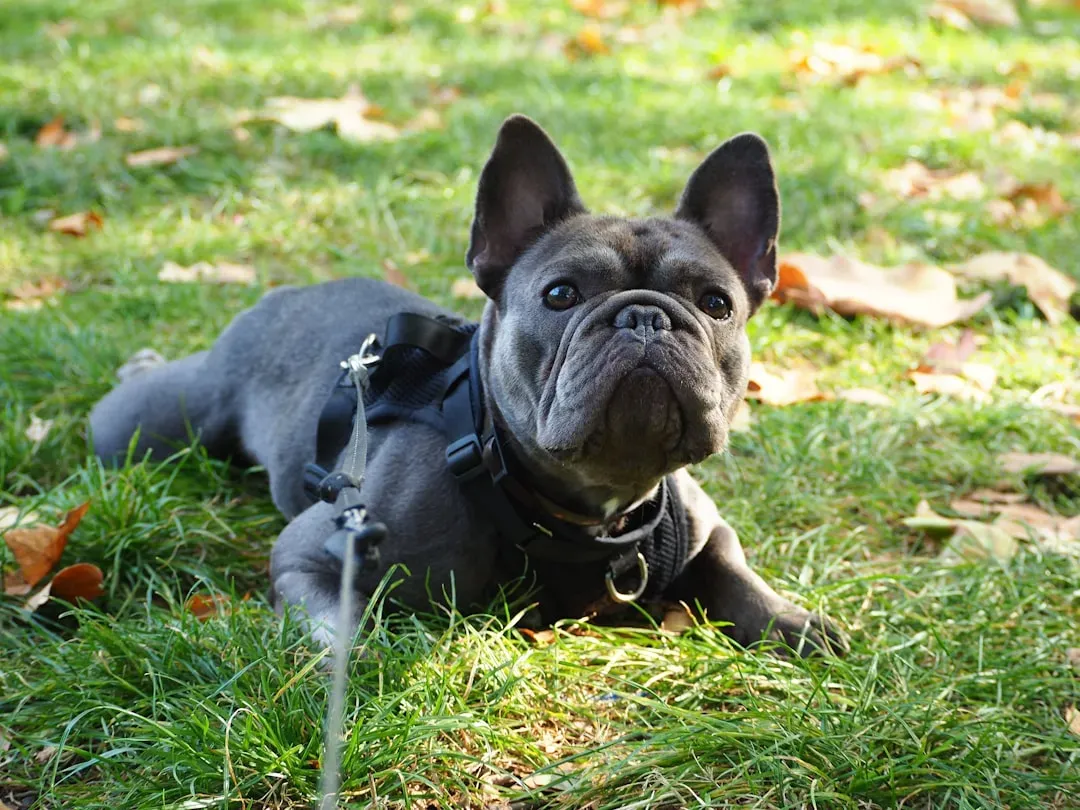
Here’s what I truly believe after everything we’ve covered: a stubborn dog isn’t a bad dog. Many of the most stubborn dog breeds are highly intelligent and were originally bred to work independently. Their stubbornness often reflects independence rather than defiance. That’s not a flaw. That’s history showing up in their personality.
Stubborn dog breeds respond best to clear expectations, positive reinforcement, and steady routines. Harsh methods often backfire. The moment you stop fighting your dog’s nature and start working with it, training transforms from a battle into a conversation. It’s a slower road, yes. Training a stubborn dog is a marathon, not a sprint. Progress might be slow, but celebrate every little victory.
If your dog tests you every single day, take a breath. It means you’ve got a spirited, thinking animal on your hands – and honestly, those are often the ones who steal your heart the most completely. Which breed do you share your home with? Tell us in the comments – we’d love to hear your most relatable stubborn dog moment!


