

Retirement is one of life’s most exciting chapters. You’ve earned your time, your pace, and your peace. So imagine sharing all of that with a warm, waggy companion who greets you every single morning like you’re the most wonderful person on the planet. Honestly, is there anything better?
Here’s the thing though – not every dog is going to fit seamlessly into retirement life. The wrong match can feel more like a second job than a joy. The right one? It can genuinely transform your golden years in ways you never expected. So let’s figure out how to find your perfect four-legged match. Let’s dive in.
Why Dogs and Retirement Are Such a Perfect Pair
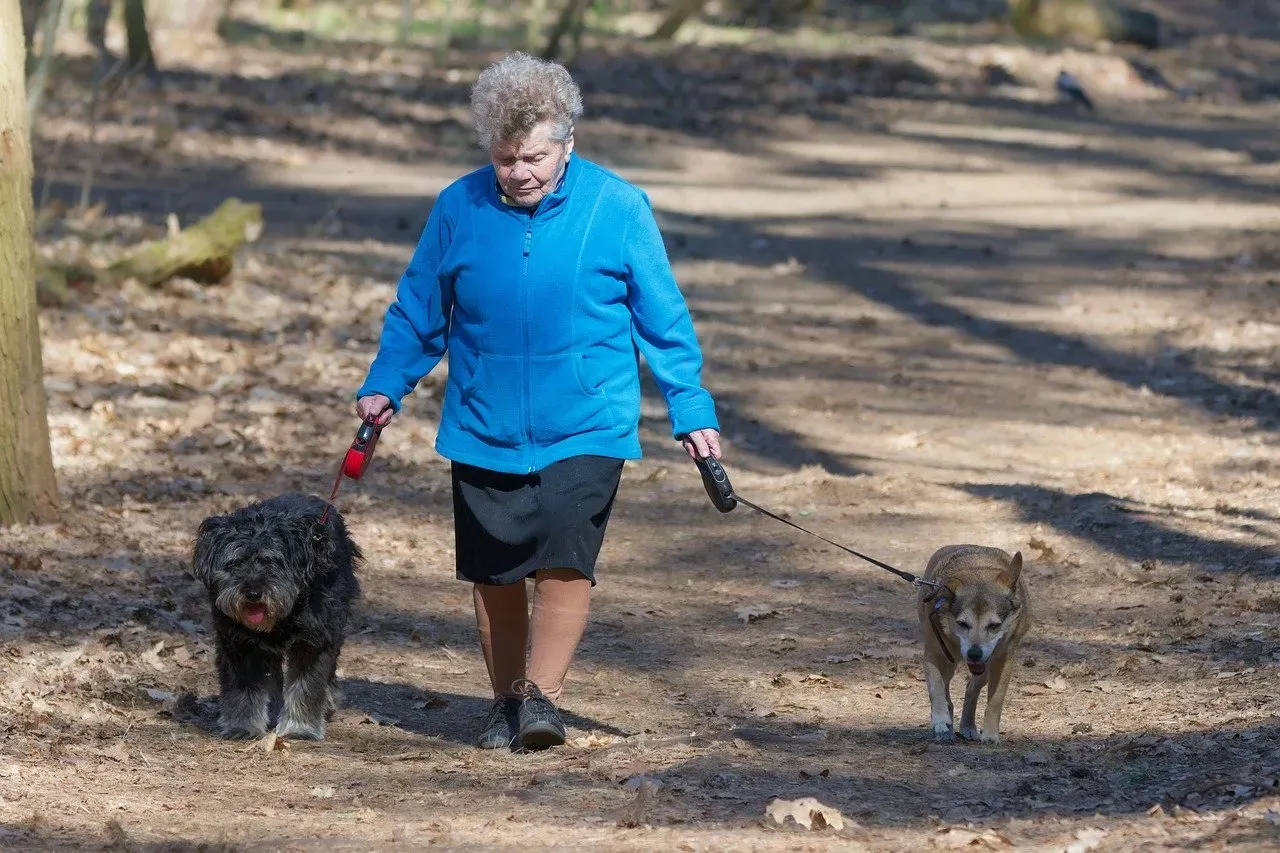
There’s actually solid science behind that warm feeling your dog gives you. In a study of adults 60 years or older, pet owners were significantly less likely to consider themselves lonely than non-pet owners. That’s not a small thing. Loneliness in retirement is a real challenge, and a dog quietly but powerfully chips away at it every single day.
Dog ownership can also reduce stress levels and blood pressure, and lower your risk of death due to heart disease. Think about that. Your dog isn’t just adorable – they might literally be adding years to your life. Senior dog owners walk an average of 22 more minutes per day, or about 2,760 more steps, compared to seniors who do not own dogs. Those extra steps really do add up.
Being a pet parent in retirement also provides plenty of perks for the dog, since you have a more flexible schedule and the ability to be at home most of the day. It’s a beautiful two-way street. You give the dog a loving home, and they give you purpose, routine, and companionship. It really doesn’t get more win-win than that.
What to Actually Look for Before Choosing a Breed

The most important consideration when deciding whether to add a dog to your life isn’t age as much as lifestyle and physical ability to take care of a dog. This is something so many people overlook. Your energy level, your home size, your health, your budget – all of it matters before you fall in love with a face on a rescue website.
Some important points to think about are energy levels, the size of your home, the size of the dog, the breed’s socialness, and a dog’s age and temperament. Let’s be real – a high-energy Border Collie in a small apartment is a recipe for chaos, for you and for the dog. The financial commitment including food, vet visits, and grooming, along with the time commitment for walks, playtime, and vet visits, are all important factors to keep in mind.
The ideal dog breed will match your personal activity level, and grooming needs vary widely – some dogs require professional grooming every few weeks, while others need only basic brushing and occasional baths. Consider your physical capabilities and budget honestly. There’s no shame in choosing simplicity over high maintenance.
Small and Mighty: Compact Breeds That Are Big on Love
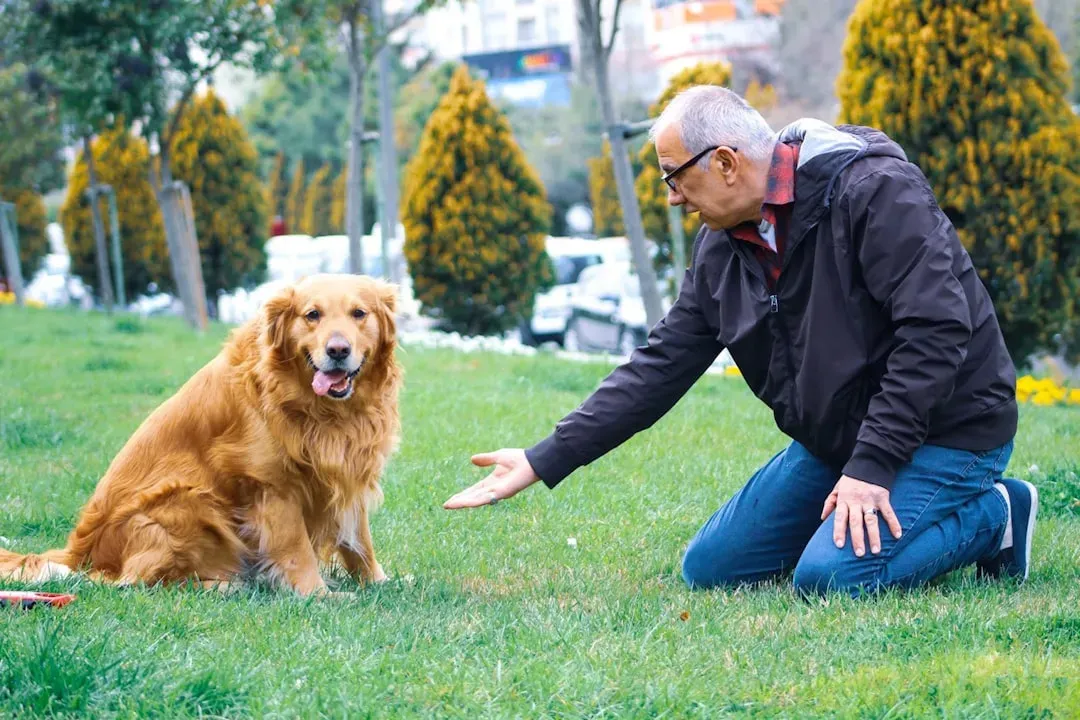
Small dogs often get a bad reputation, but honestly, for retirement living they can be absolutely ideal. Breeds like the French Bulldog, Pug, and Shih Tzu require less exercise and are generally less active indoors, and their affectionate nature and ability to form strong bonds makes them perfect companions. Their smaller size also makes them easier to handle, reducing the risk of falls or injuries while walking.
Take the Cavalier King Charles Spaniel, for example. The Cavalier was bred to be a comforting, non-aggressive, and gentle pet. Many of these happy dogs consider everyone to be a friend, and their even temper and loving expression make them very appealing. They’re trainable and adapt well to their owner’s preferences, whether it’s an active lifestyle or a laid-back snuggle in a big leather chair. That kind of flexibility is a gift.
The Bichon Frise is another gem worth knowing. The Bichon Frise is a friendly, playful breed that thrives on companionship. These dogs are small and easy to manage, and while they enjoy light activity, they can adjust to the energy level of their owners. The Bichon Frise is also hypoallergenic, which makes them an excellent choice for seniors with allergies. Sneezing is never fun, especially when you’re trying to enjoy a quiet afternoon with your pup.
The Surprising Case for Adopting a Senior Dog

I know it sounds a little counterintuitive, but adopting an older dog might be one of the smartest decisions a retiree can make. Older adults should consider adopting an adult dog rather than a puppy. Puppies require a lot of energy, training, and patience, which may not be ideal for older adults. Adult dogs are often calmer and already trained, making them easier to manage. Think of it like adopting someone who already knows the house rules.
Senior dogs, many of which are surrendered to shelters for the wrong reasons, are typically already house-trained, spayed or neutered, and have many of the vaccines that are necessary as a puppy. That means less work for you from day one. Senior dogs are often overlooked in animal shelters, but they make wonderful companions. They’re already house-trained and know how to behave around people. Plus, they’re usually more mellow and relaxed than young puppies. That mellow energy can match retirement life beautifully.
Breeds for the Active Retiree Who Still Loves to Move
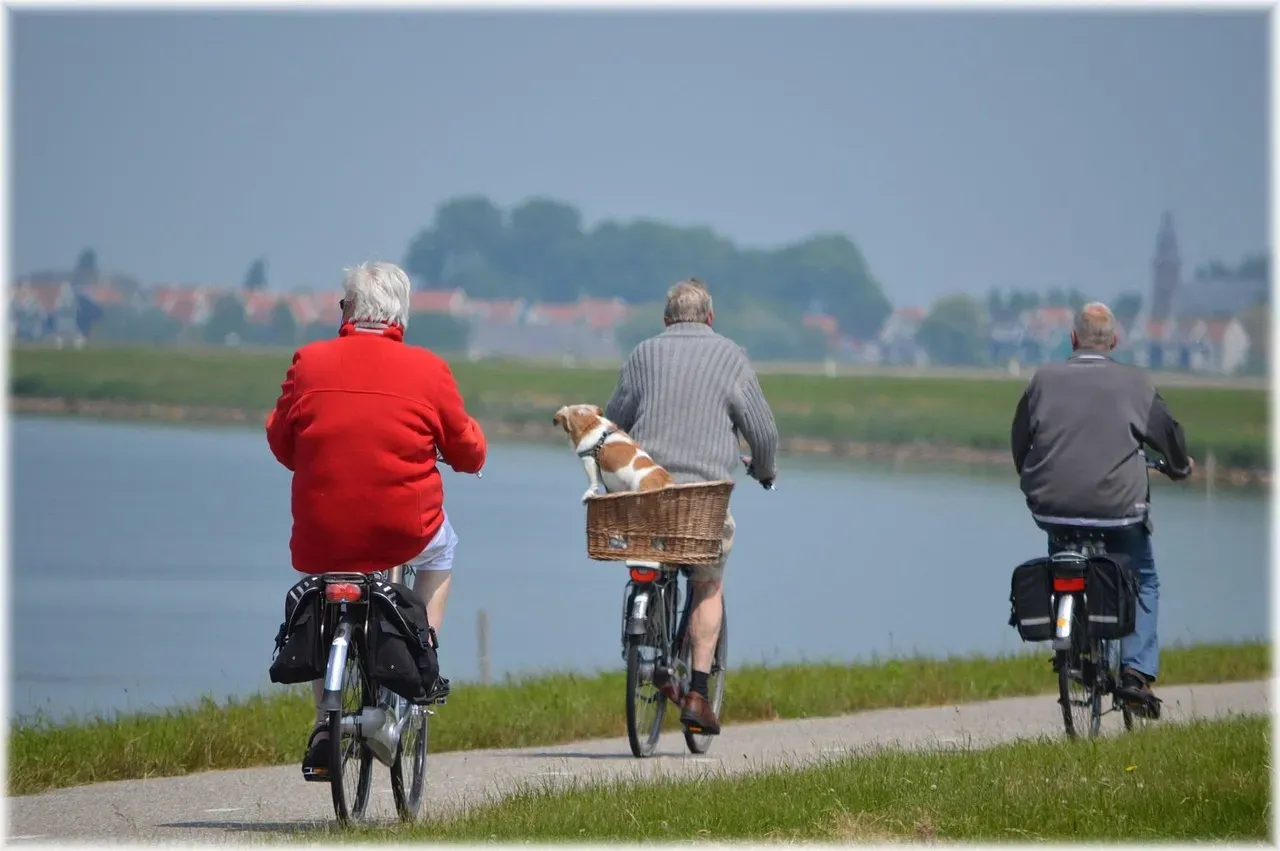
Not everyone wants to spend retirement on the sofa, and that’s wonderful. Some retirees are out hiking, walking the neighborhood twice a day, and genuinely thriving with an active routine. If that’s you, your breed options open up considerably. For retirees who want a reason to stay active, Labradors are a great match. Their loving and loyal personalities encourage daily walks and outdoor play, and although larger, they are gentle and family-oriented.
Here’s one that surprises almost everybody. Greyhounds’ gentle and sensitive temperament and minimal grooming needs make them one of the best dogs for seniors, and older, retired racing greyhounds are often the best choice. Yes, the fastest dog breed. Greyhounds are among the most low-maintenance large breeds. Known as “couch potatoes,” they enjoy lounging indoors but appreciate a daily walk, and their calm nature makes them wonderful for retirees seeking a peaceful companion. Turns out speed and laziness can coexist in one elegant package.
The Miniature Schnauzer is another great pick for the more active retiree. With a strong, outgoing, and energetic personality, Miniature Schnauzers are great for a senior who is more active and enjoys frequent walks or trips to the park. This breed is also low-shedding and hypoallergenic. That combination of energy and allergy-friendliness is honestly hard to beat.
Health Signs, Prevention Tips, and Being a Responsible Retirement Dog Parent

Owning a dog in retirement is one thing. Owning one responsibly is a whole other level of commitment, and it’s one you absolutely can rise to. Watch for early behavior cues that something might be off with your dog, such as reduced appetite, lethargy, excessive scratching, or unusual drinking habits. These can be early signals that a vet visit is needed, and catching things early almost always leads to better outcomes.
It’s worthwhile to consider health and grooming needs. While some may be capable of managing grooming tasks, others benefit from breeds that require minimal maintenance. Some dog breeds may be prone to health issues, which can be stressful. For example, flat-faced breeds like Pugs and French Bulldogs can be prone to breathing issues, especially in heat. It’s important to note that breeds with short legs aren’t naturally swimmers, and hotter climates might be difficult on their breathing if they’re outside for too long. Knowing these nuances helps you plan ahead, not panic later.
Family or caregiver support is another important factor to consider. Some older adults may require assistance for tasks such as grooming, vet visits, or long walks. Before getting a dog, make sure you have the support you need for any tasks you can’t do alone. There’s no need to be a superhero about it. Asking for help is smart pet ownership, not weakness.
Your Perfect Match Is Out There – Trust the Process
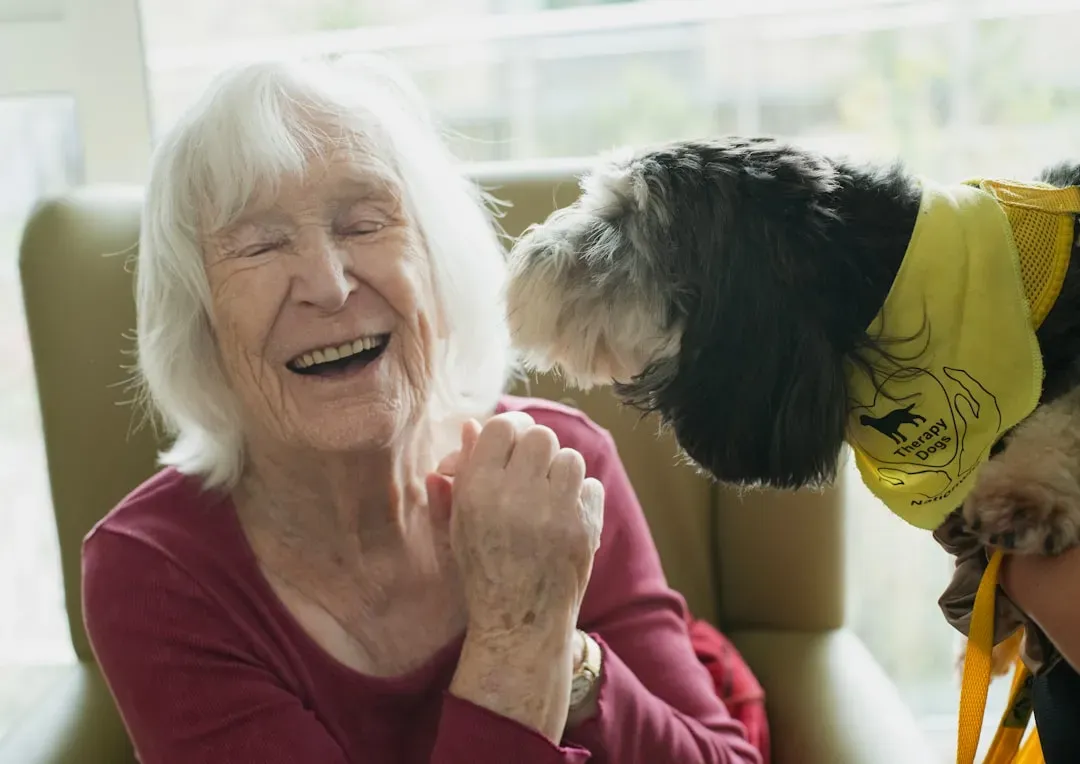
Choosing a dog for retirement isn’t about finding the most popular breed or the cutest face in the litter. It’s about honest self-reflection. Choosing the right dog breed goes beyond looks and popularity. Seniors need a pet that is affectionate, easy to train, and relatively low-maintenance, and factors such as exercise needs, grooming requirements, and temperament all play an important role. When those pieces align, the match feels effortless.
Finding the best dogs for seniors requires thoughtful consideration of lifestyle, energy levels, and care capabilities. The right breed can enhance your daily routine, encourage gentle exercise, and provide the perfect balance of companionship without overwhelming responsibility. That balance is the sweet spot. It’s what makes the difference between a dog that enriches your life and one that exhausts it.
Visit local shelters, talk to reputable breeders, speak to your vet, and really sit with the decision. If you’ve decided you’re ready to bring a dog into your life, talk to responsible breeders, ask them questions, and meet some of their dogs. You might want a puppy, or you could prefer an adult dog that’s already housebroken and leash trained. Either way, your perfect companion is out there waiting. The joy they’ll bring you – that steady, uncomplicated, tail-wagging joy – is absolutely worth taking the time to get right. What kind of retirement dog do you think would suit you best? Share your thoughts in the comments – we’d love to hear!


