
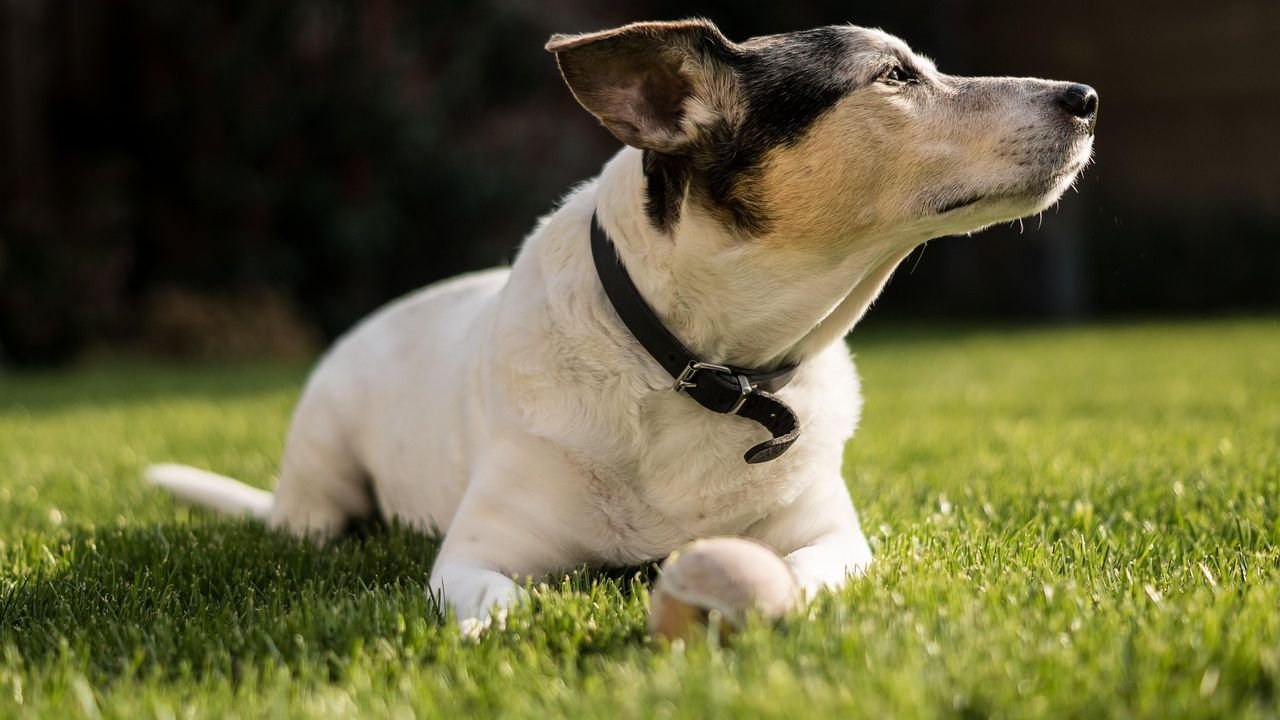
There’s a moment every dog owner knows. You’re standing in the backyard at 6am, in your pajamas, calling your dog’s name like a broken record while they completely ignore you and gleefully dig another hole in your flower bed. Sound familiar? If you’ve ever shared your life with a particularly stubborn or high-energy pup, you already know that dog ownership isn’t always the warm, fluffy Instagram reel people make it out to be.
Here’s the thing though. Challenging doesn’t mean bad. In fact, if you can embrace their challenges, you’ll often find these “difficult” dogs bring the most joy, personality, and love into your life. The key is going in with eyes wide open. So let’s talk about the breeds that truly push your limits, and then reward you with three surprisingly chill alternatives you may never have considered. Let’s dive in.
The Siberian Husky: Beautiful, Brilliant, and Completely Uncontrollable
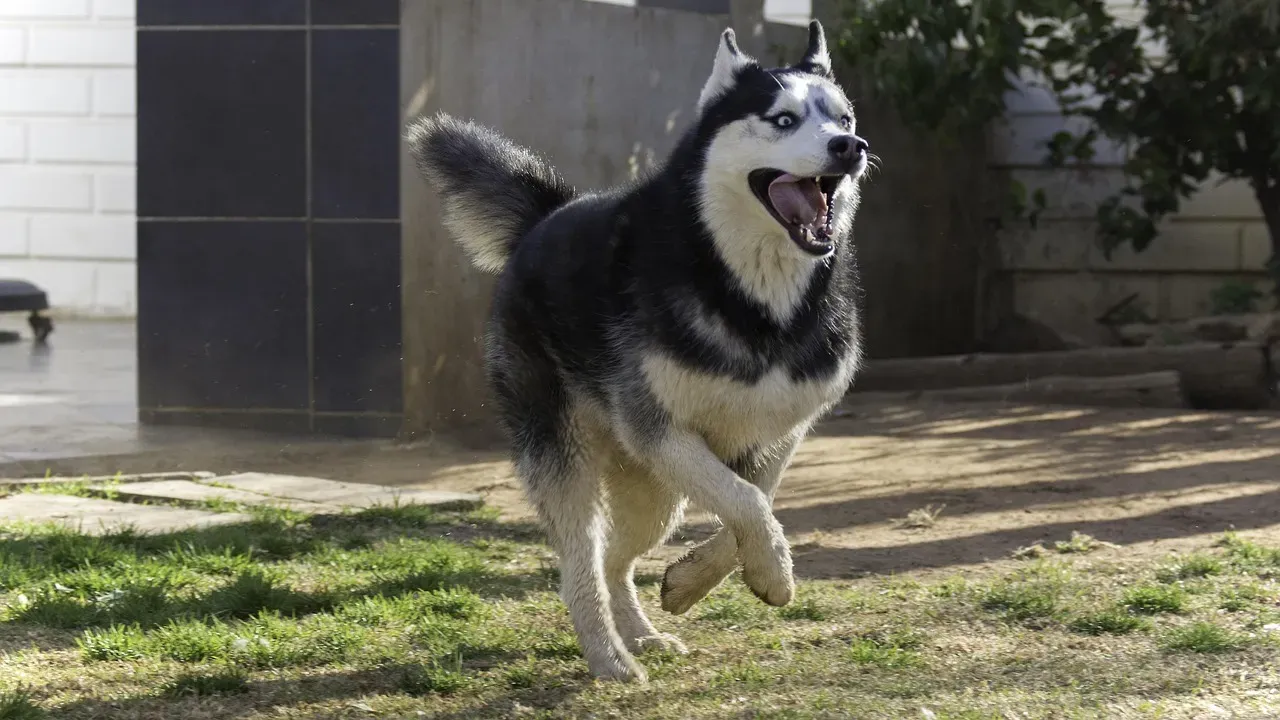
Let’s be real. The Siberian Husky is one of the most gorgeous dogs on the planet, and they know it. Siberian Huskies are known for their stunning appearance and friendly disposition, but they are also one of the more challenging breeds due to their high energy levels and independent nature. Bred for pulling sleds over long distances, Huskies require significant physical exercise to stay content. This isn’t just a “walk around the block” kind of breed. Think long runs, endless games, and a yard that looks like Fort Knox.
These dogs are notoriously vocal, using howls and “talking” sounds to express themselves. Their stubborn streak often challenges first-time owners who expect easy obedience. Managing their strong will requires patience and consistency. Imagine asking your toddler to clean their room and they just stare at you, tilt their head, and howl back at you. That’s life with a Husky, and honestly, it’s both exhausting and hilarious.
Being highly athletic and capable of impressive jumps, a fence of at least 6 feet is recommended to prevent escapes. Prevention tip: never trust a Husky in an unfenced area, no matter how trained you think they are. Their explorer instinct is simply too strong.
The Beagle: An Adorable Nose with a Dog Attached
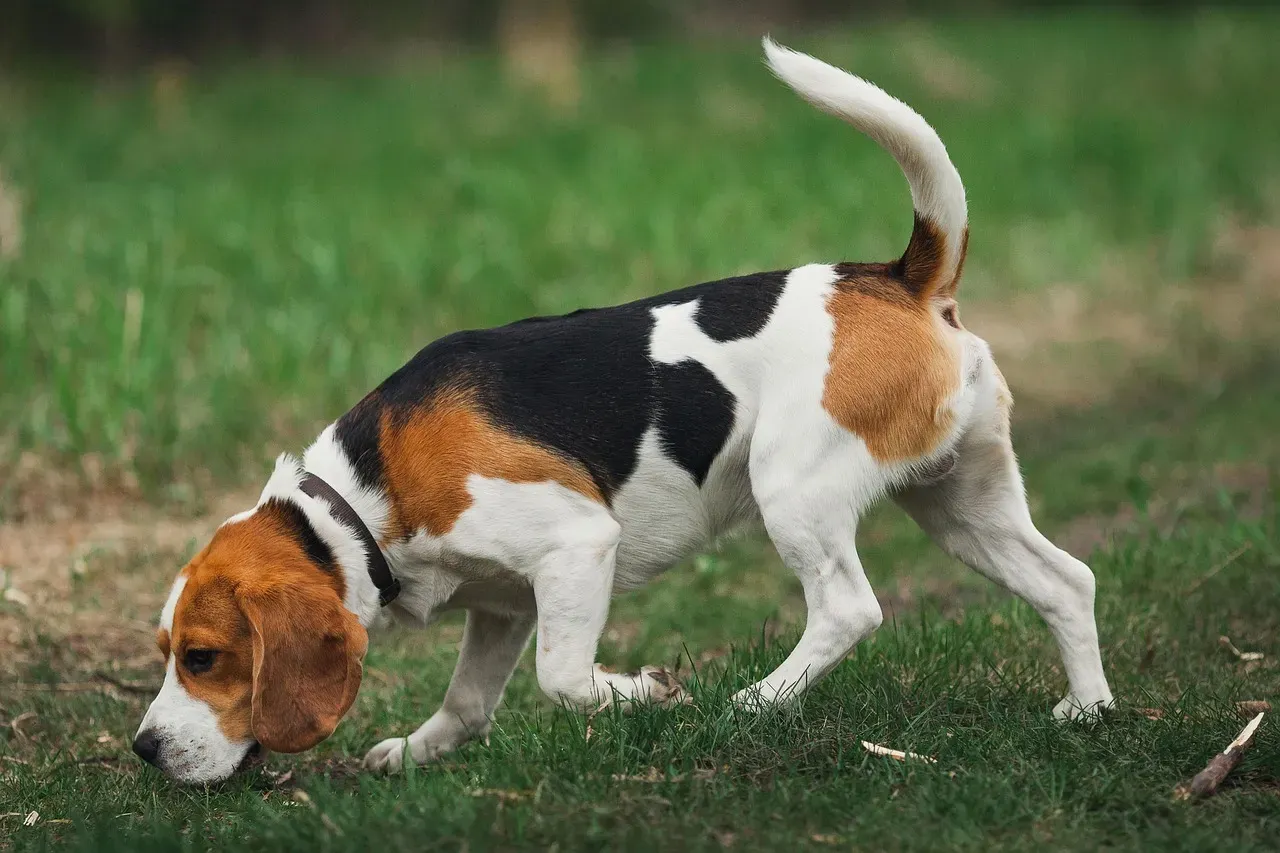
If you’ve ever tried to call a Beagle away from a scent trail, you know exactly what selective hearing looks like. Beagle has a nose for everything, literally. This breed’s exceptional sense of smell often leads them to be easily distracted by scents, making training a challenge. It’s not that they don’t love you. It’s just that whatever is under that bush smells infinitely more important than anything you have to say.
Beagles are friendly, curious, and full of energy, which makes them charming companions but also a challenge for first-time dog owners. Though not excessively noisy, Beagles have three distinct vocalizations: a bark/growl, a baying howl, and a half-baying howl, often used when spotting prey or announcing the start of the day. So if your neighbors already know your dog by name, you probably own a Beagle.
They are independent and take longer to get used to commands, but with consistent training and a lot of patience, training a Beagle is certainly achievable. Leash training and mental enrichment, like sniff-based puzzle games, are your best tools. Work with the nose, not against it.
The Chow Chow: The Cat of the Dog World
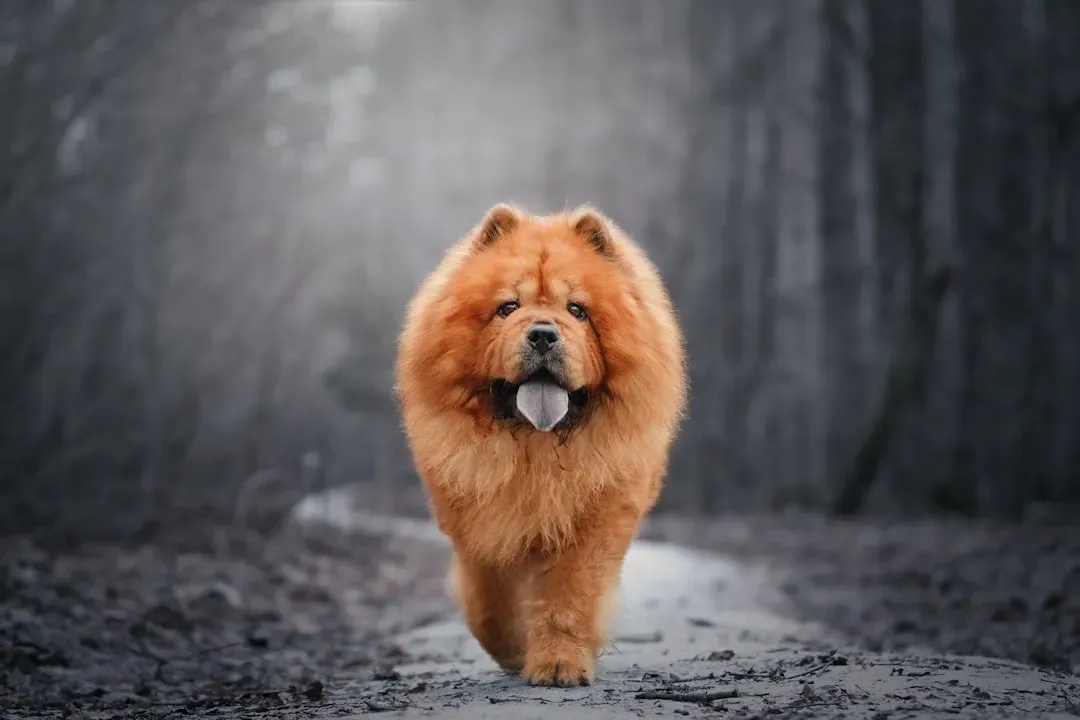
The Chow Chow is one of those breeds that looks cuddly from a distance but has the energy of a retired emperor who resents being told what to do. These dogs are better known for their aloof personality traits and cat-like independence. They are not naturally eager to please, which makes them one of the most difficult dog breeds for training. If you’re looking for a dog that fetches your slippers and wags at every stranger, this is not your breed.
Chow Chows have a strong natural desire for dominance, making them difficult to handle if not properly trained. Chow Chows are not your happy-go-lucky party dog! They require loads of socialization since they are naturally discerning towards strangers and quite aloof. Early socialization is non-negotiable here, as is firm but gentle leadership from day one.
Chow Chows need early socialization from a young age to prevent aggression toward other animals and strangers. They also need extensive grooming to manage their thick coat. So yes, you’re signing up for a dog that demands respect, not affection, and a grooming bill to match. Worth it? For the right person, absolutely.
The Jack Russell Terrier: Tiny Package, Maximum Chaos
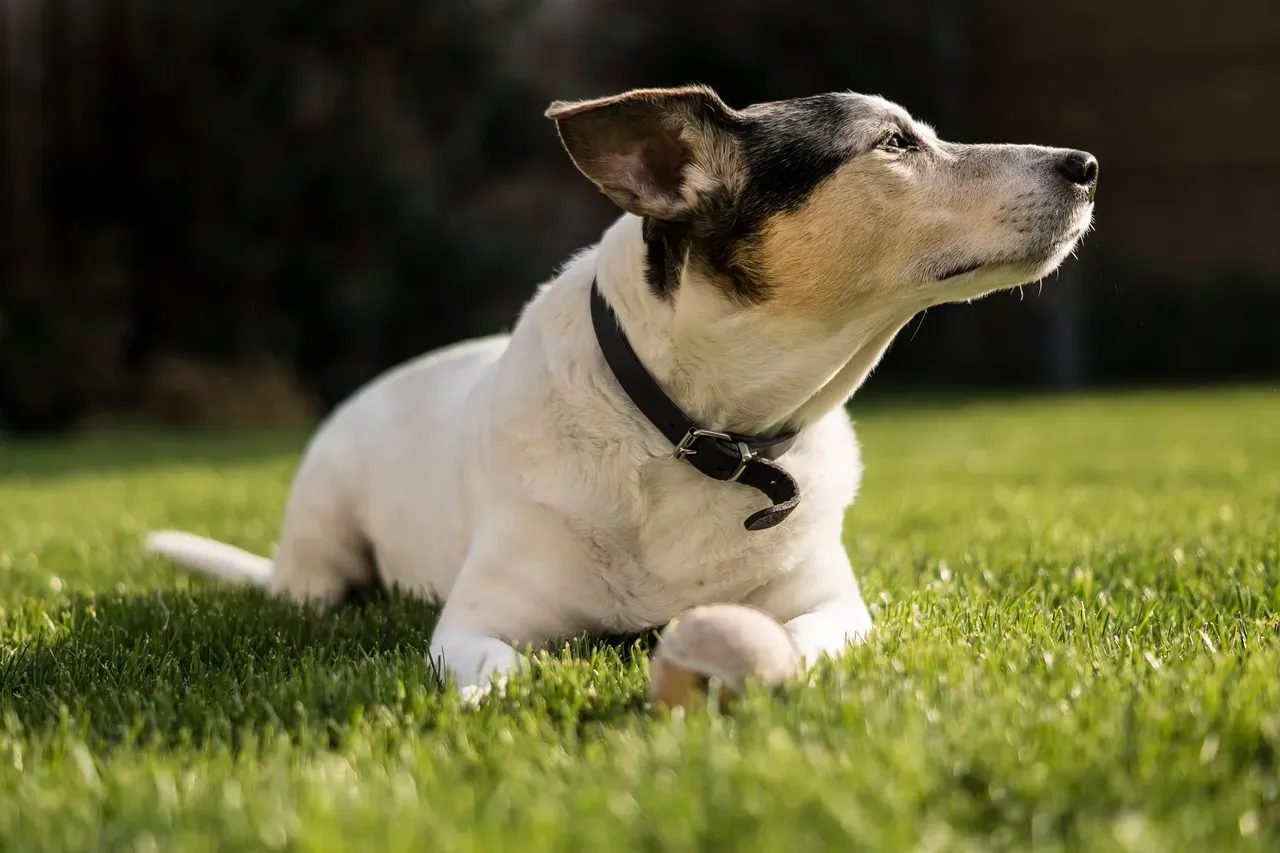
Do not let the size fool you. The Jack Russell Terrier is essentially a small dog who has never once been told they are small. Jack Russell Terriers are small in size but possess boundless energy and a bold, fearless personality. They are incredibly intelligent and require constant mental stimulation to prevent boredom. Originally bred for fox hunting, their strong prey drive can lead them to chase after small animals, and their boundless energy can be overwhelming without proper outlets.
Jack Russell Terriers are well known for their tireless energy, often outlasting their owners during playtime. I think this might be the one dog breed that could genuinely outlast a triathlete. They are quick, clever, and relentlessly curious, which makes them endearing but also kind of maddening when they’ve decided your couch cushions deserve to be reorganized.
The Jack Russell Terrier was bred to hunt small prey like foxes, so it’s no surprise they often act like they’re on their own mission. Stubborn pups like these do best with structured routines and plenty of exercise. Keep training sessions short, sharp, and reward-based. Boredom is your real enemy with this breed.
The Afghan Hound: Majestic, Aloof, and Fashionably Uninterested
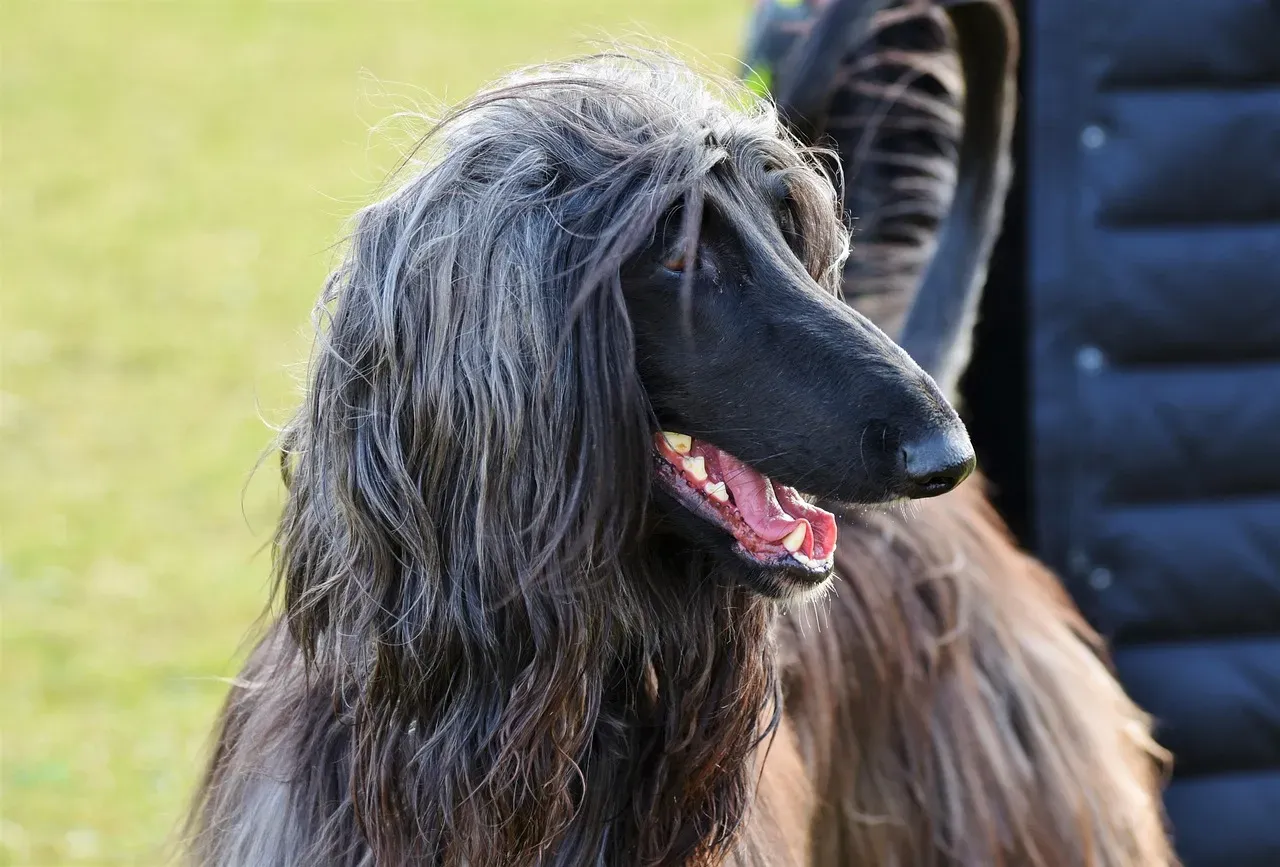
There is something deeply humbling about owning a dog that looks at you like you’re mildly inconveniencing them. The Afghan Hound is stunning, noble, and operates entirely on its own agenda. Afghan Hounds are known for their beauty and intelligence, but they are also one of the most independent dog breeds. They can be aloof and often choose to listen to commands on their own terms. Training them is less like teaching and more like negotiating.
With its elegant appearance and aloof demeanor, the Afghan Hound is a classic stubborn breed. Originally bred for hunting, it has a strong independent streak and can be aloof during training sessions. It’s hard to say for sure, but I genuinely believe Afghan Hounds invented the art of looking through you rather than at you. Patience here isn’t just a virtue, it’s a survival skill.
The good news is that with consistent positive reinforcement and sessions kept short and interesting, with consistent effort and a positive attitude, progress is inevitable. Even small victories are steps toward a well-behaved companion. Celebrate every win, no matter how small.
Now Breathe: 3 Surprisingly Calm Breeds That Will Restore Your Faith
Honestly, after reading through that list, you might be wondering if peaceful dog ownership is even possible. It absolutely is. There are breeds out there that seem almost engineered for harmony, and they deserve far more attention than they get. The calmest dog breeds have an adaptable, gentle temperament and don’t get riled up easily. These pups love to lounge and aren’t known to be big barkers unless they’re alerting you to danger. What a concept.
Research shows that having a calm dog around can actually help reduce stress and lower blood pressure, making them wonderful emotional support companions. So choosing the right breed isn’t just about convenience. It genuinely affects your wellbeing. Here are three breeds that are low-drama, high-love, and wildly underrated.
The Cavalier King Charles Spaniel: Royalty That Actually Listens
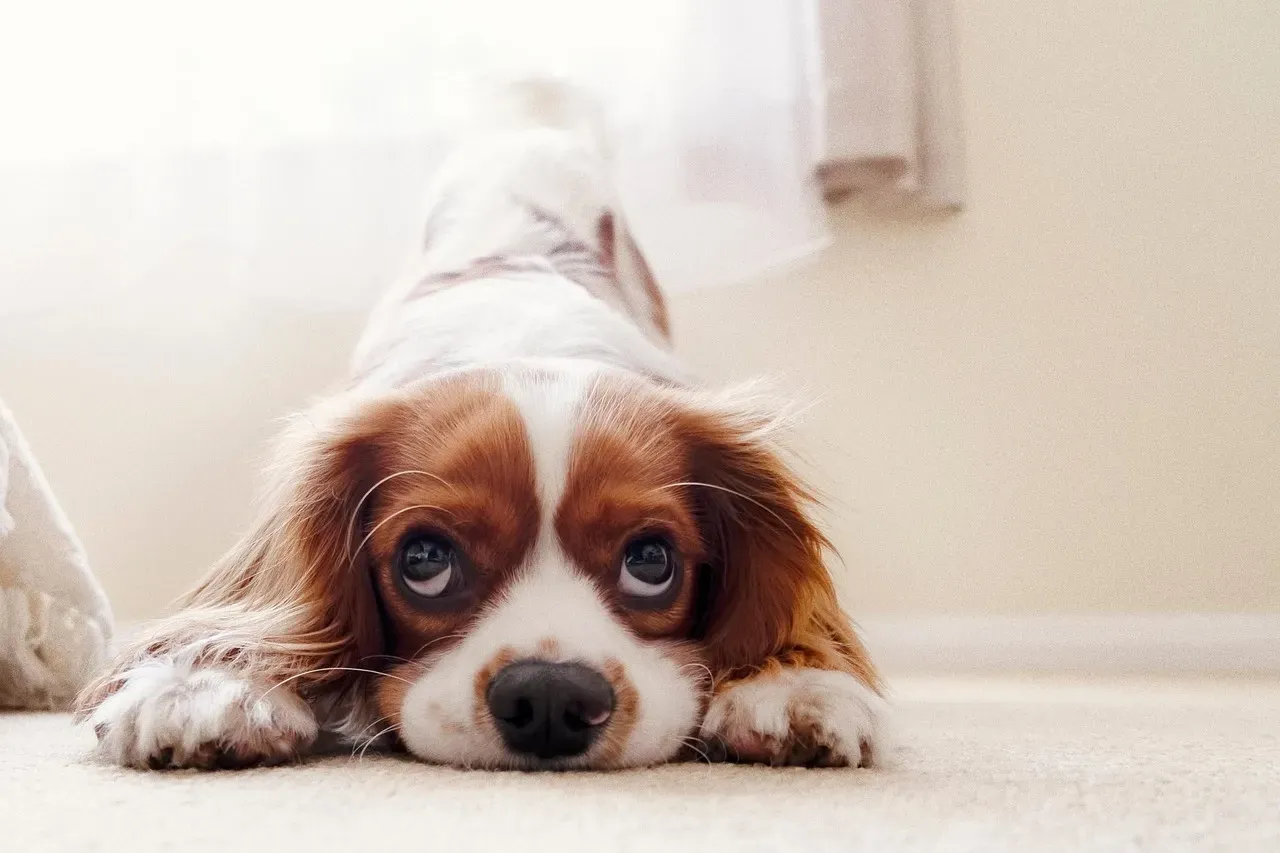
Few dogs in the world combine gentle temperament, trainability, and pure affection the way the Cavalier King Charles Spaniel does. The Cavalier King Charles Spaniel has been a favorite lap dog of British royalty for generations, and the breed’s affinity for laps remains true today. Their sweet, gentle temperament makes these calm, small dogs great for families with kids and other pets, and they are easy to train. Easy to train. Two glorious words after everything we just discussed.
They are generally quiet, chill and very affectionate. They love to spend time with their families and are typically easy to train because they want nothing more than to please their people. This is the kind of dog that makes you look like a brilliant trainer, even if you’ve never trained a dog in your life. Their eagerness to please is genuinely that powerful.
They enjoy short walks and indoor play but are equally happy to curl up on the couch with their owners. These dogs are perfect for families, singles, or retirees looking for a gentle, low-maintenance companion. Their small size and adaptable temperament make them great for both apartments and houses. A total package, really.
The Newfoundland: A Giant Heart in a Gentle Giant Body
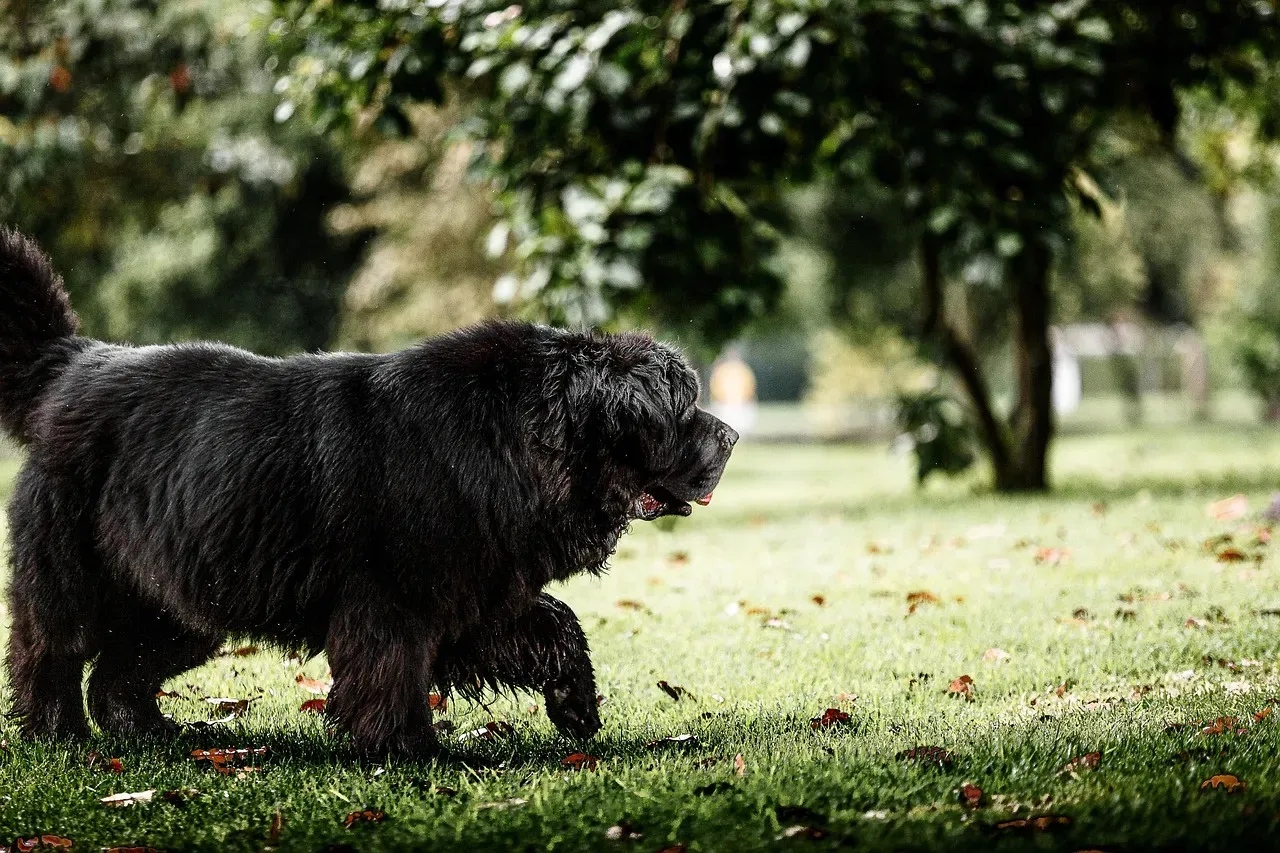
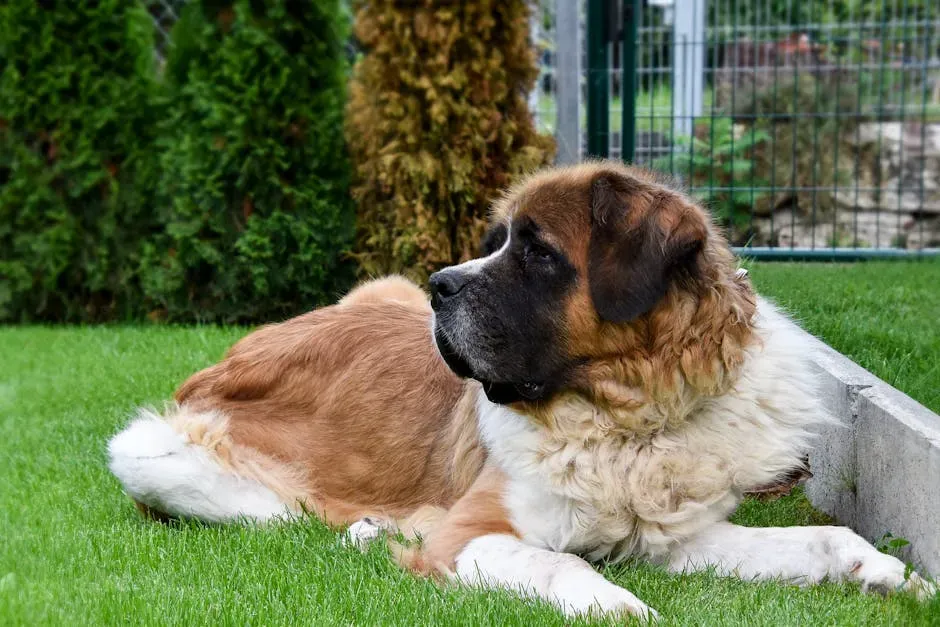
Here’s something that might surprise you. One of the calmest, most emotionally steady dogs you can own weighs over a hundred pounds. Often called the “Newfie,” the Newfoundland is a bear-like, fluffy-coated giant best known for a calm, patient temperament. Behind that soft, soulful expression is a powerful working dog that still carries itself with quiet confidence. For owners seeking the right energy match, Newfs are famously gentle at home, big on cuddles, low on drama.
They love kids and are easy to train. You might think their larger-than-life size equates to being a watchdog, but they lean more toward the “guard and protect” side and keeping a vigilant eye on the kids. Think of a Newfoundland as the calm, wise friend in your social group who never raises their voice but somehow always makes everyone feel safe. That’s exactly what they are in dog form.
The tradeoff is space and grooming. Keep training kind and consistent, reinforce polite leash manners, and set clear house rules early. Their trainable nature responds best to gentle guidance, not harsh corrections. Treat them with respect and they’ll repay you with lifelong devotion.
The Whippet: Calm Couch Companion in a Racer’s Body
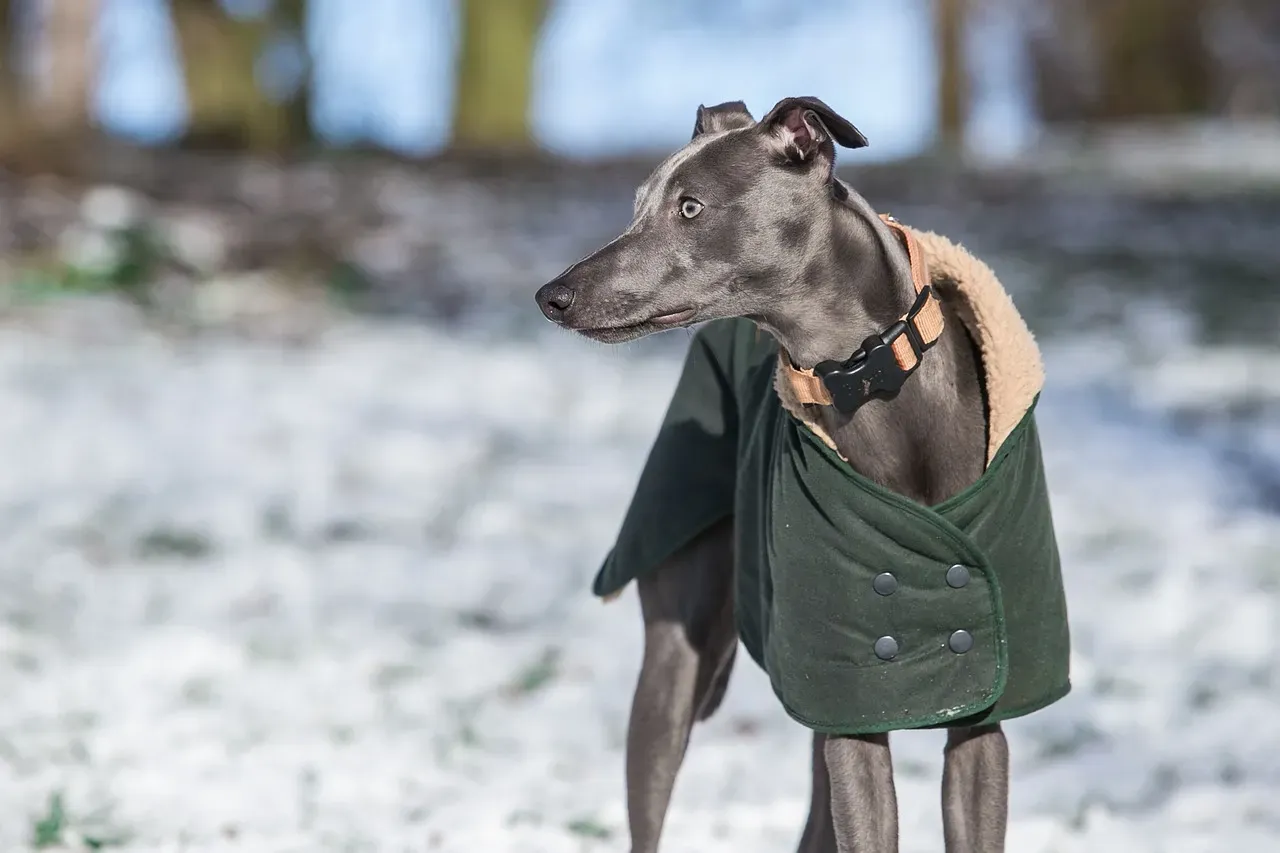
People always look surprised when I mention the Whippet as a calm breed. They’re built like athletes, sleek and muscular, and yet. Whippets are fast, but that energy doesn’t last long. If you give them space to expend short bursts of energy exercising, they’re content to lounge around the rest of the time. These sensitive pups love a calm, quiet home as much as you do, so they’re the perfect match for a low-key family. Think of them as the sprinter who is perfectly happy napping the rest of the day.
The Whippet is a graceful, athletic breed that balances speed with serenity. Despite being built for running, it’s known for being one of the quietest and most relaxed dogs once indoors. Whippets rarely bark and spend most of their day lounging peacefully around the home. For anyone who lives in an apartment or values a quiet home environment, this is an almost perfect breed choice.
Their short, sleek coat requires minimal maintenance, making grooming quick and easy. With their elegant appearance and calm demeanor, Whippets are both beautiful and easy to care for. A short daily sprint plus a cozy sofa spot is genuinely all a Whippet needs to thrive. Simple, beautiful, and wonderfully drama-free.
Conclusion: The Right Dog Changes Everything
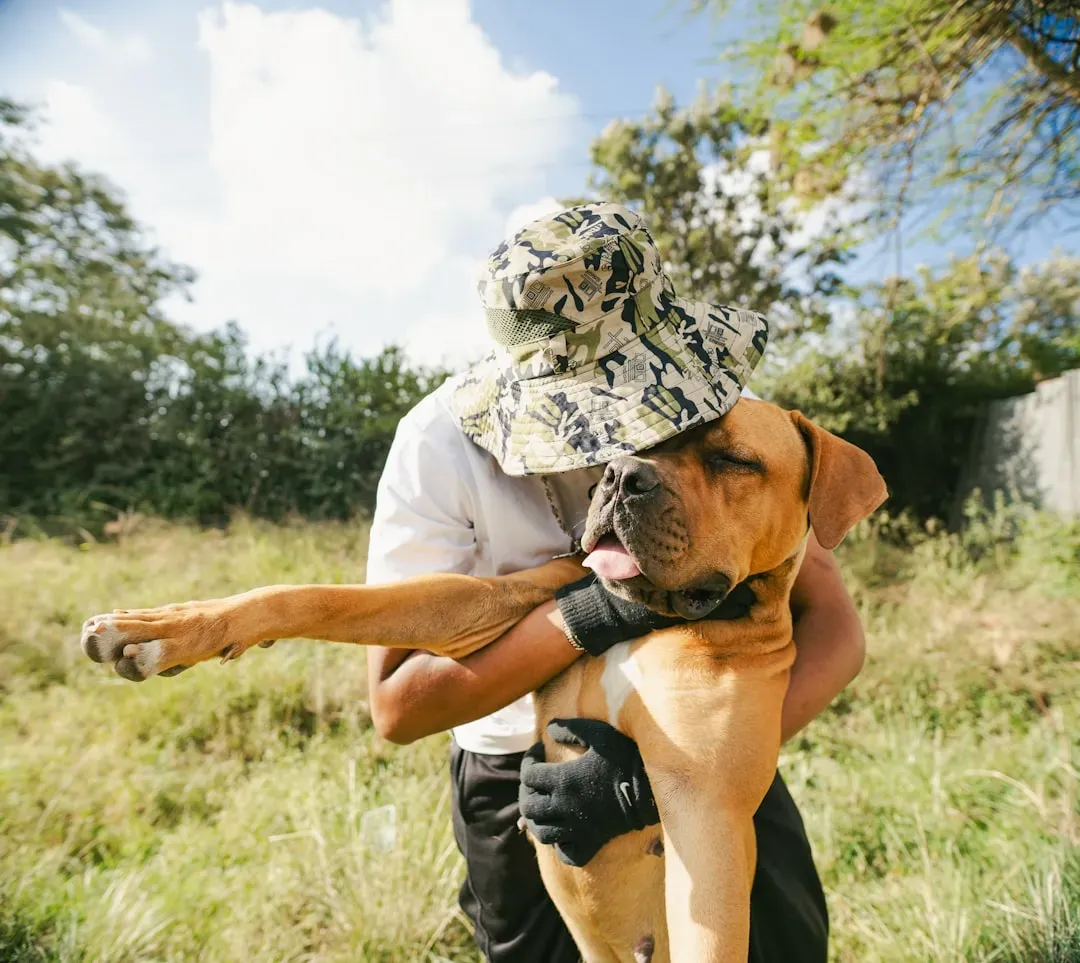
The truth is, no dog breed is wrong. No breed is untrainable. By working with their natural instincts rather than against them, you can foster a well-behaved companion. Whether you’re ready to take on the magnificent chaos of a Husky or prefer the serene lap-sitting elegance of a Cavalier, there’s a dog out there perfectly suited to your energy, your lifestyle, and your patience levels.
The most important thing any dog lover can do before bringing a pup home is research. Honest, unglamorous research. Potential dog owners need to be aware of these breeds and understand the commitment required to ensure a happy and healthy life for these dogs. The breeds listed can be among the most challenging to own, not because they lack in love or companionship, but because they demand more time, patience, and understanding from their owners.
Understanding what a breed truly needs isn’t a warning to stay away. It’s an invitation to show up fully. The dogs that test your patience the most often love you the hardest. So choose wisely, train consistently, and never underestimate what a good human-dog match can look like.
Which of these breeds surprised you most? Drop a comment below and tell us about your own experience with a challenging or wonderfully calm pup. We’d genuinely love to hear it.


