
What’s The Best Way To Prevent Your Dog From Being Lost Forever?

Picture this: you open your front door for just a second to grab a package off your porch, and your dog is gone. Just like that. No warning, no goodbye. If you’ve ever experienced that awful sinking feeling, or lived in fear of it, you already know there is very little in life that compares to the terror of a missing dog. It’s not dramatic to say it can feel like losing a family member.
Studies show that one in three pets will become lost or stolen in their lifetime. That’s not a small risk. That’s practically a coin flip over the course of your dog’s life. More than three million dogs go missing every year in the US alone. The numbers are sobering, honestly. The good news? Most of this is entirely preventable. Let’s dive in.
Understanding Why Dogs Bolt in the First Place
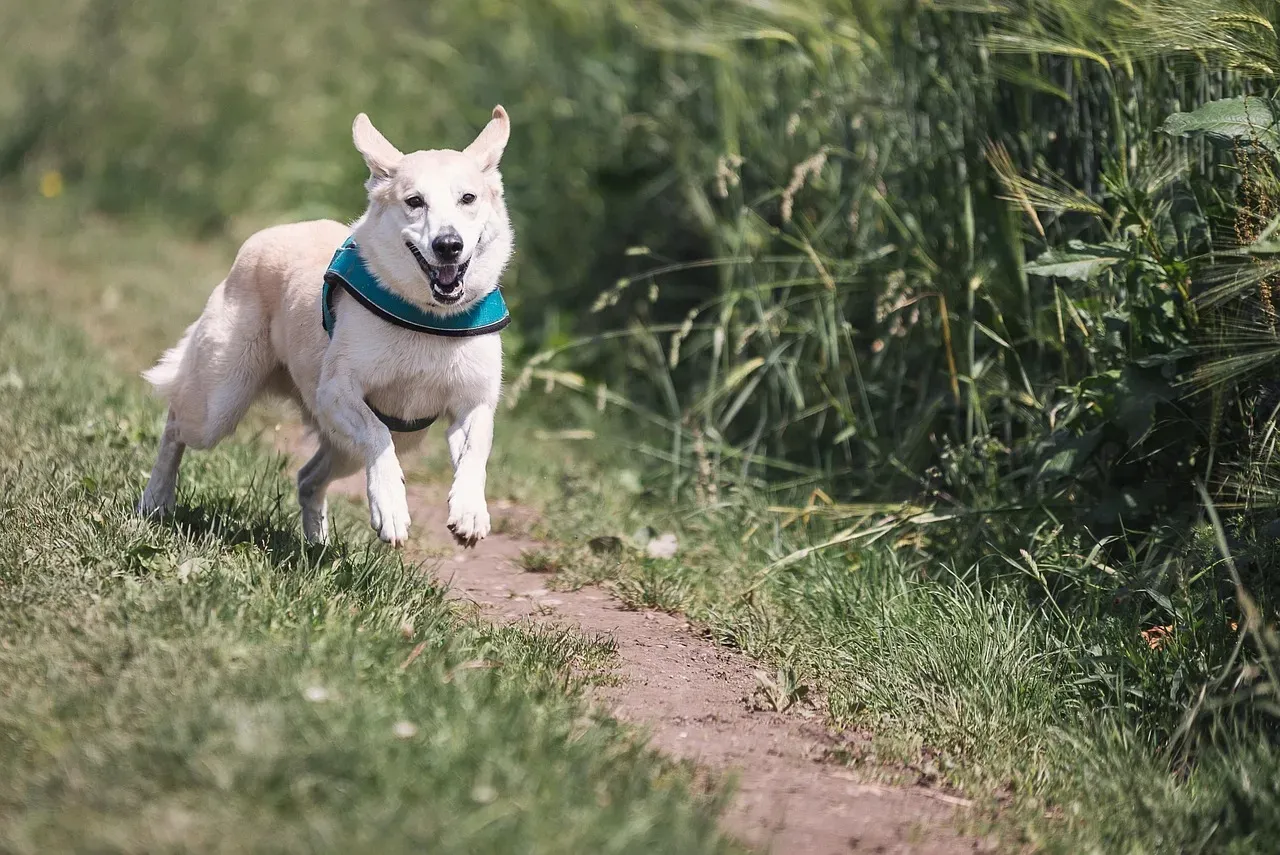
Before you can stop your dog from running, you need to understand what’s driving them. Common reasons for dogs escaping include fear, anxiety, boredom, a high prey drive, or a strong mating instinct. Think of it this way: your dog isn’t trying to leave you, they’re trying to answer a call louder than your voice in that moment.
Some dogs escape because of fear, whether it’s thunderstorms, fireworks, or unfamiliar people. Others may act out of boredom, especially if they’re left alone for long periods with no mental or physical stimulation. Hunting instincts can also kick in, as some dogs are driven by the urge to chase after small animals or birds. Recognizing your dog’s specific trigger is step one in building your prevention plan.
A disrupted routine can lead to stress, causing your pet to run away. For American pet owners, the 4th of July can cause a lot of stress for their furry friends, with the festivities leading to more pets running away and becoming lost than ever. Knowing when your dog is most vulnerable gives you a real edge.
Microchipping: The Tiny Device That Could Save Everything
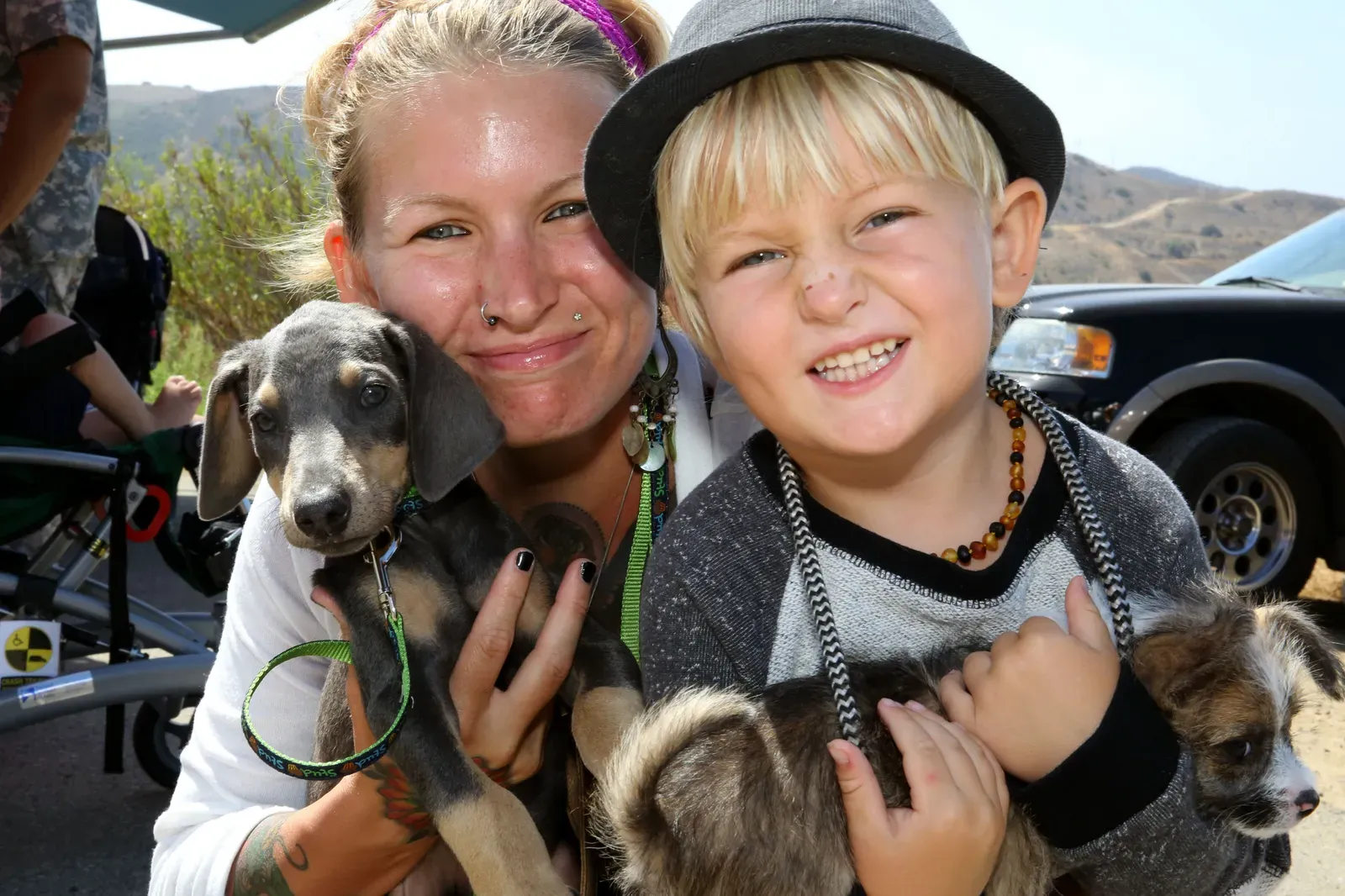
Here’s the thing about microchips. They are so small, roughly the size of a grain of rice, yet they carry enough power to reunite a family after years apart. The story of Buttercup, a 15-year-old dog who disappeared with her sister a decade ago, showed the world just how powerful this technology is. Miami-Dade Animal Services reported that Buttercup was brought to their facility in January 2026 after being found limping. When shelter workers scanned her for a microchip, they discovered registration information linking her to owners who had lost hope years ago. The reunion serves as a powerful reminder that microchipping remains one of the most effective tools for reuniting lost pets with their families.
A study from the Journal of the American Veterinary Medical Association highlights the effectiveness of microchips: roughly half of dogs with microchips make it back home, compared to only about two percent of those without. That gap is staggering. However, the chip is only as useful as the registration linked to it.
Research consistently shows that many lost pets with microchips still face challenges returning home because of outdated or incorrect contact details in registry databases. Animal control officers report that approximately half of microchipped pets they encounter have registration issues. The most common problems include owners failing to register the microchip after adoption, not transferring registration when rehoming a pet, and neglecting to update contact information after moving. So please, register and update.
ID Tags and Collars: Your Dog’s First Line of Defense

I know microchips get all the glamour, but honestly, a well-fitted collar with a clear ID tag might be the fastest route to a reunion. Animals that go missing with their tags on are more likely to go home without ever needing to enter a shelter. It’s the simplest, lowest-tech solution, and it works.
Your lost pet has a much higher chance of being reunited with you if it wears a collar with an ID tag. The tag should include your pet’s name, and your name, address, and telephone number. Keep it current. If you move, update it immediately. Think of that tag like a mini resume for your dog’s safe return home.
Regularly check the condition of your pet’s collar and ID tags to ensure they are intact and legible. Faded tags are about as useful as no tag at all. A quick monthly check takes thirty seconds and could mean the difference between a happy reunion and a heartbreaking outcome.
Training That Actually Keeps Dogs Home
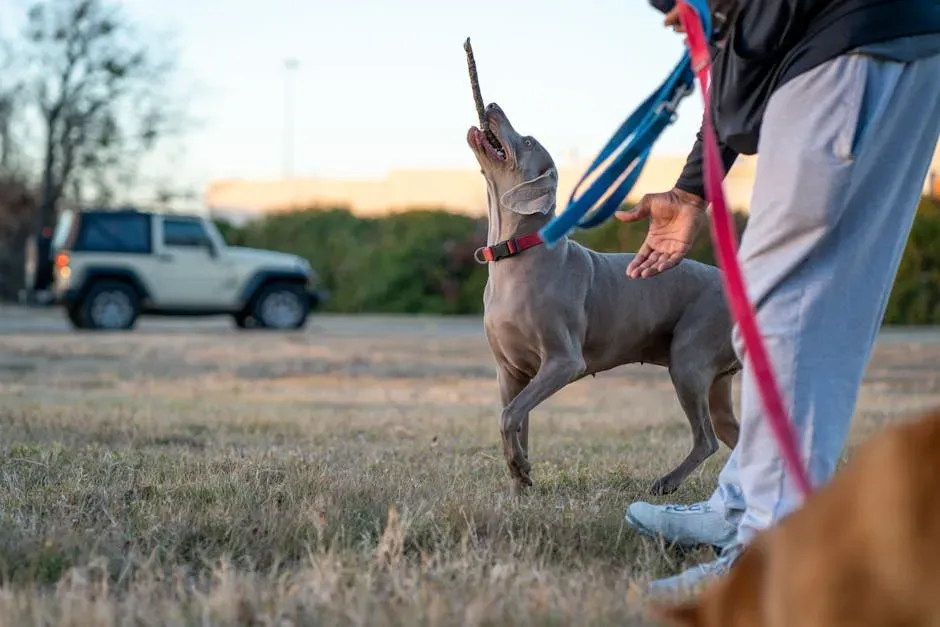
Recall training is, in my opinion, one of the most underrated gifts you can give your dog and yourself. For unpredictable situations, a strong recall command, such as “come!”, can prevent a sprinting pup from becoming a missing pup. The trick is to make returning to you more interesting than running away, so use plenty of praise and treats when teaching the command. Once your dog has mastered the cue, practice daily to keep the skill fresh.
Never punish a dog who ran away when they return or when you catch them. Even if you’re frustrated or angry, your dog will associate punishment with returning to you, making future recalls even harder. This is a trap so many well-meaning owners fall into. Your dog comes back and gets scolded. From their perspective, coming back was the wrong move.
Training your pet provides important mental stimulation and engaging entertainment to quell boredom, which can often lead to exploring the world beyond the fence in the first place. A mentally tired dog is a dog who wants to come home and nap, not escape. That’s the goal.
Securing Your Yard and Home Like You Mean It
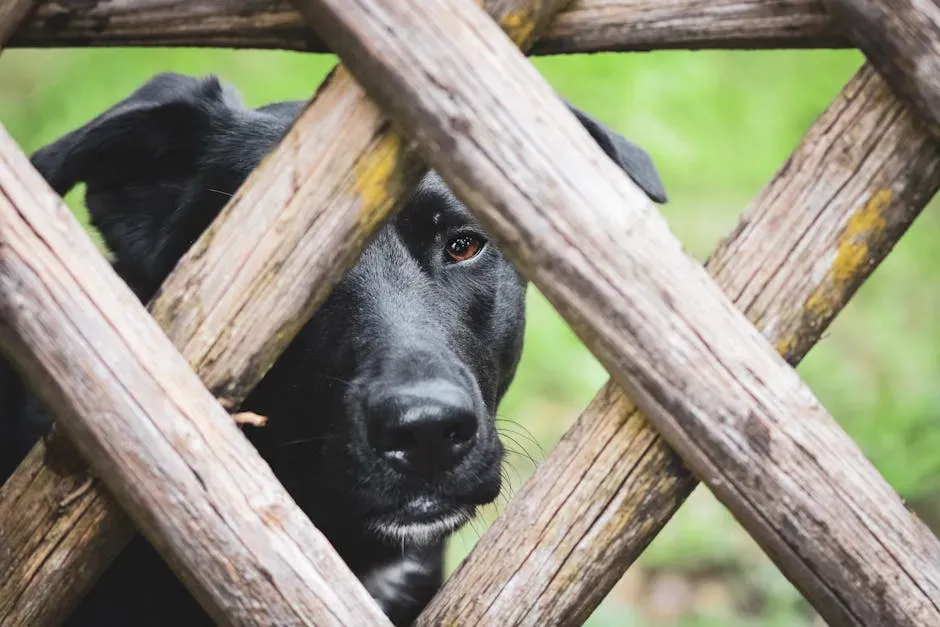
Let’s be real: your backyard fence might not be as escape-proof as you think it is. While a fenced yard is an excellent step to ensuring that your dog stays safe, a surprise hole or an open gate can give your dog a chance to go exploring by themselves. Dogs are surprisingly creative when they’re motivated.
Most successful jumps are prevented with fencing that dogs cannot easily scale or clear. For diggers, burying a footer of hardware cloth or adding concrete curbing can block tunneling. Gate latches should be dog-proofed and checked daily, as sliding or ill-fitted gates create predictable escape points. Walk your fence line right now. You might be surprised what you find.
Establish door and window protocols by always leashing dogs when doors are opened, and set household rules for visitors and delivery personnel so that people unfamiliar with the dog do not inadvertently let a dog out. Supervision, especially during high-risk times like parties or moves, reduces hurried errors that lead to escapes. The accidental escape is, frustratingly, the most common kind.
GPS Trackers: The Modern Safety Net Every Dog Owner Needs
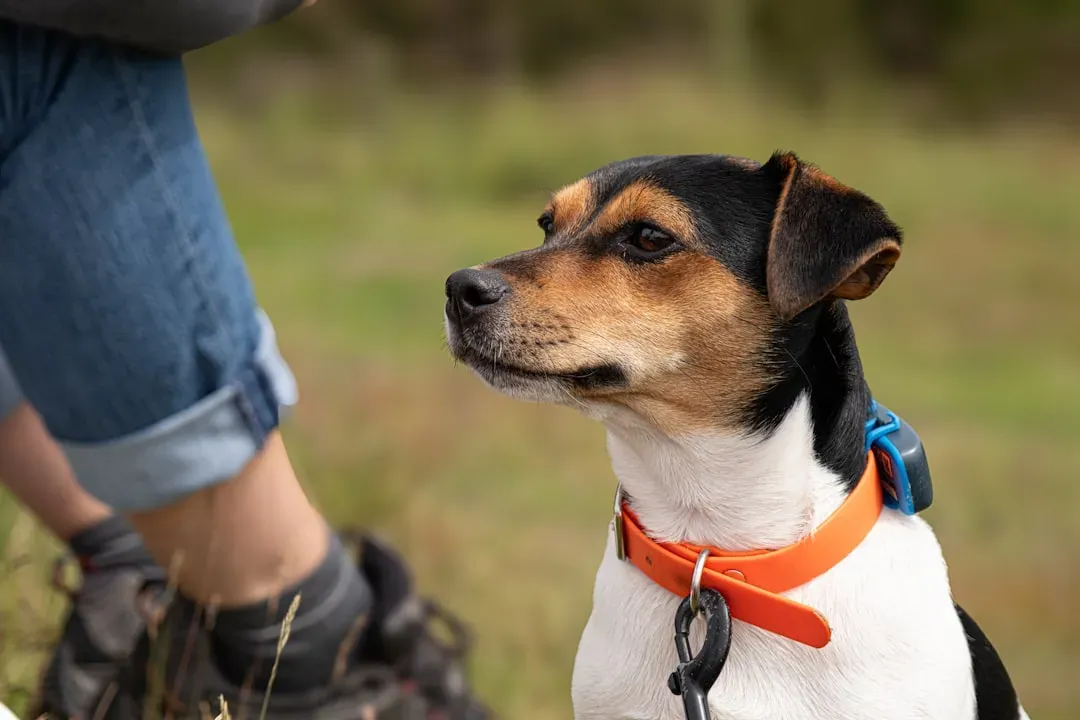
Technology has truly changed the game for dog owners in 2026. GPS pet trackers have markedly improved the recovery rates of lost pets, enabling the vast majority of dogs and nearly three quarters of cats to be reunited with their owners. These trackers offer real-time location updates and geofencing, enhancing pet safety and owners’ peace of mind. Think of it like having a live map of your dog at all times.
Many GPS pet trackers go beyond simply showing you where your pet is. They actively alert you if your pet has ventured outside a pre-defined safe zone. This feature, often called “geofencing,” allows you to create virtual boundaries around your property. If your pet crosses one of these virtual boundaries, you’ll receive an immediate notification on your smartphone. That alert could give you a three-minute head start. That’s everything.
Unlike traditional microchipping, which only works when the dog is found by someone and taken to a vet to be scanned, GPS devices provide real-time location updates. The two technologies complement each other perfectly. Use both. It’s not overkill; it’s love.
Conclusion: Prevention Is the Greatest Act of Love
When you strip it all back, preventing your dog from getting lost is really about understanding them deeply: their fears, their drives, their curiosity, and their need for you. No single measure is foolproof on its own. A microchip without registration is a missed opportunity. A GPS tracker with a dead battery is just extra weight on a collar. A well-trained dog can still bolt in the wrong moment.
The strongest safety net is a layered one. Identification, training, secure fencing, smart technology, and your own consistent awareness all working together. These aren’t burdens; they’re the building blocks of a life where your dog always finds their way back to you.
It’s hard to say for sure what moment will be “the one” that tests your preparation. It might be a thunderstorm. It might be a delivery driver leaving a gate ajar. It might be a squirrel. But when that moment comes, wouldn’t you rather already have everything in place?
What prevention tip are you going to put into action first? Share it in the comments below. Your story might just save another dog’s life.