
Why Does My Dog Suddenly Hate Walks? Uncovering the Mystery Behind Leash Refusal
Picture this: you grab the leash, call your dog’s name with that same cheerful voice you always use, and instead of the usual tail-wagging sprint to the door… nothing. Your dog sits down, looks up at you, and plants their paws like a furry little statue. You’re confused. Maybe even a little hurt. Wasn’t this supposed to be the highlight of their day?
Here’s the thing – a dog that refuses to walk isn’t being dramatic or difficult. They’re actually trying to tell you something. Leash refusal isn’t just stubbornness or bad behavior. It’s often a sign of an underlying issue, and understanding what’s causing your dog’s hesitation is the key to helping them overcome it. So before you chalk it up to a bad mood, let’s dig deeper. You might be surprised by what you find.
Fear and Anxiety Are More Common Than You Think
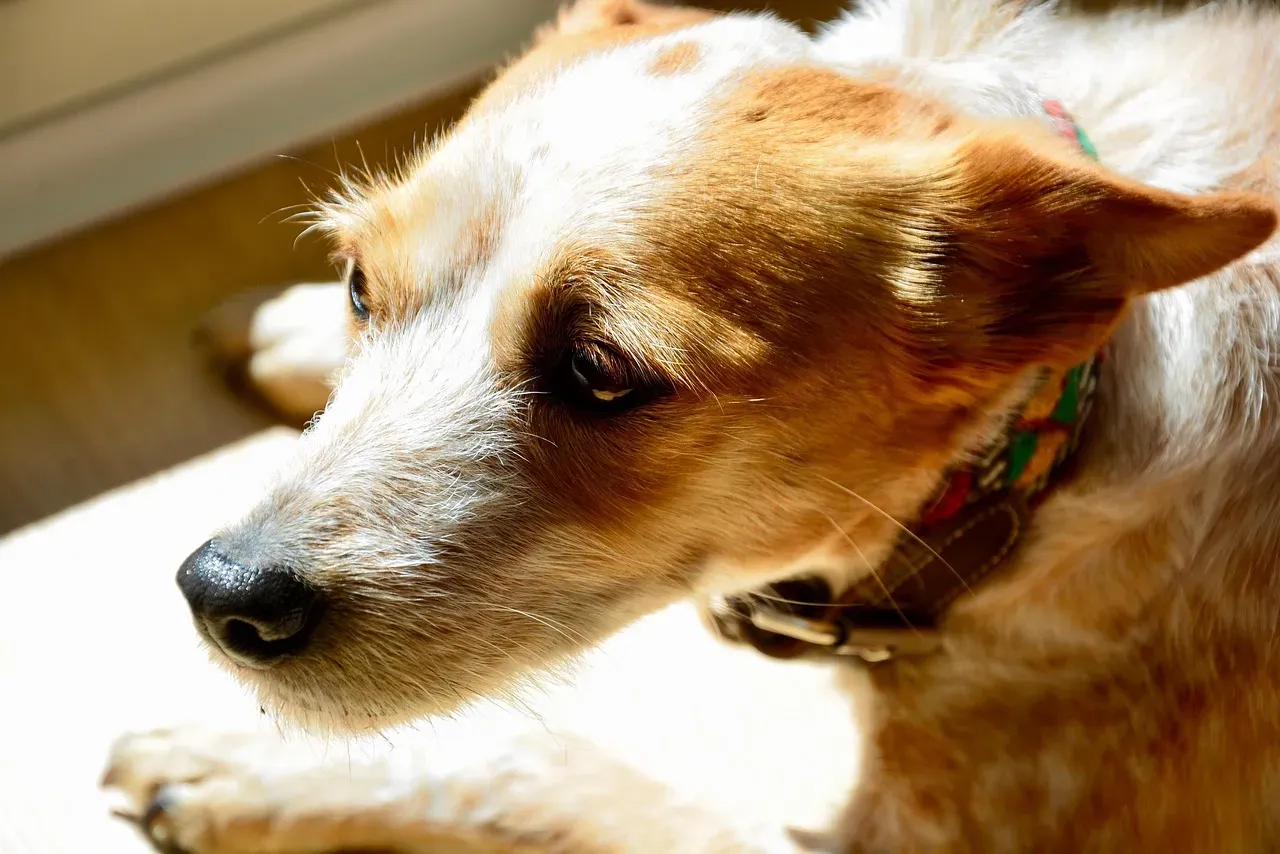
Many dogs will refuse to walk or move if they are afraid of something in their environment. This is most common in young puppies experiencing their fear period, and adult dogs walking in an unfamiliar environment, especially if they are anxious or have a history of trauma. Think about it like this: imagine someone suddenly strapping a rope to you and walking you into a crowded, noisy street. That’s essentially what an unprepared dog experiences.
Perhaps your dog had a scary experience on a walk, like encountering an aggressive dog or hearing a loud noise, and now associates the leash with those negative feelings. The memory is vivid for them, even if you’ve totally forgotten about it.
Signs of fear in dogs include held-back ears, a tucked tail, crouched body posture, and abnormal or heavy breathing. Watch for these cues on your next walk. They are your dog’s way of waving a white flag and saying “I’m not okay with this right now.”
Pain and Hidden Health Issues Could Be Driving the Refusal
This one is really important, and honestly, it’s the first thing you should rule out. Many dogs refuse to walk or even get up from their bed when they’re in pain. What may look like obstinate hesitation may be your dog asking for help. Dogs are incredibly stoic creatures; they rarely yelp or whine until the pain becomes unbearable.
Dogs may stop walking if they are experiencing chronic joint pain. Arthritis and hip dysplasia are two common causes. These conditions can be extremely painful, so it’s critical to recognize signs of joint pain, such as favoring one leg over the other or letting out a yelp or whimper before coming to a halt.
Some possible causes of a dog not wanting to walk could be an infection, an illness, a metabolic disease, undiagnosed diabetes, organ failure, or Lyme’s disease. So if your previously walk-loving dog suddenly pumps the brakes, please take them to the vet first. Don’t assume it’s behavioral. If you notice a marked change in behavior that doesn’t resolve itself quickly, book an appointment with your veterinarian.
The Leash Itself Might Be the Problem
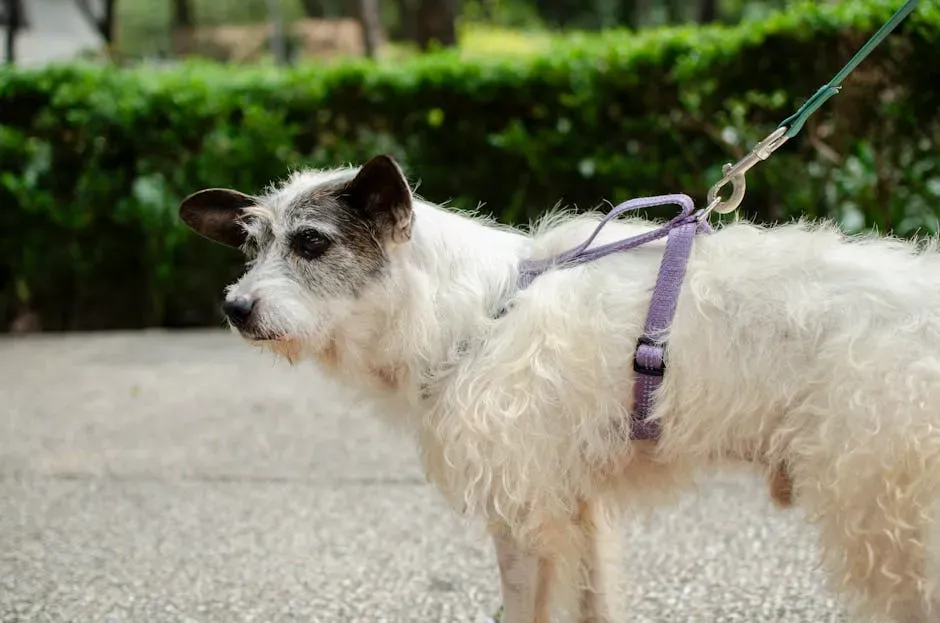
I know it sounds crazy, but the leash and harness your dog wears could literally be the source of the problem. Simply clipping on a leash can be enough to shut some dogs down. That’s because a leash is a form of restraint. When your dog is leashed, they can’t go where they want or escape from anything that frightens them. That feeling can be intimidating.
Discomfort from an ill-fitting harness or collar can also cause your dog to resist walking. Think of it like wearing shoes that are half a size too small. You’d dig your heels in, too. A harness should be secure, but you should be able to put two fingers comfortably underneath it, otherwise it’s too tight and may be rubbing against your dog’s skin.
When selecting a harness or leash, look for materials that are soft yet durable. Adjustable options are ideal because they allow you to customize the fit for your dog’s unique body shape. Sometimes, a simple change in equipment can turn a reluctant walker into a happy one.
Overstimulation and Environmental Triggers
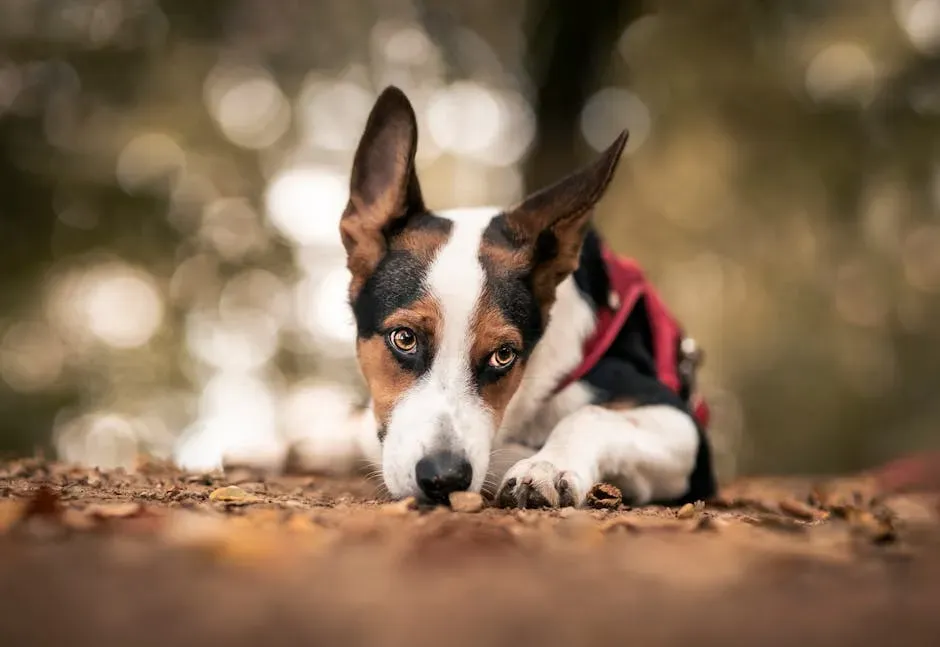
The big wide world can feel genuinely overwhelming to some dogs, particularly rescues and puppies who haven’t seen much of it yet. For some dogs, overstimulation can be a real problem, since a dog on hyper-alert is not in a good frame of mind for learning. Hyper-arousal can be a real issue for rescue dogs that have not seen much of the world and suddenly find themselves surrounded by new smells and sights, with cars whizzing past and other dogs checking them out.
An adult dog may refuse to walk because they’re scared of something up ahead or around them and are trying to avoid it. This could be another dog, cars, something scary-looking blowing in the wind, a loud noise like thunder, or a strange smell.
If your dog is experiencing overstimulation, your best bet is to try a distraction technique to break their hyper-arousal. You could scatter kibble on the ground to help them move their focus away from the source of stimulation, or work with a trainer to learn techniques to help them focus more on you. A little scattered kibble is honestly one of the most underrated tricks in a dog parent’s toolbox.
Breed, Age, and Exercise Needs You Might Be Getting Wrong
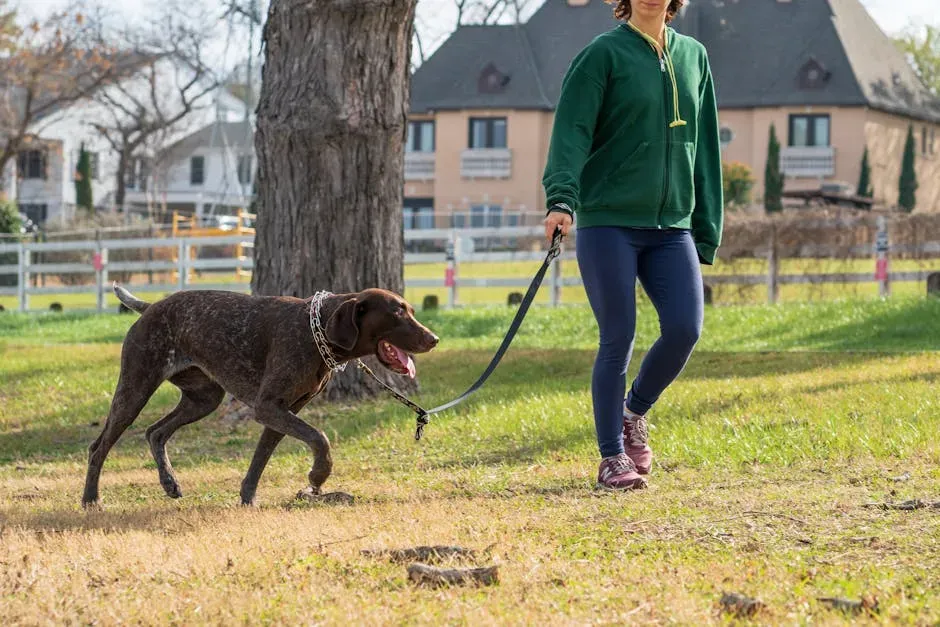
Let’s be real – we sometimes project our own energy onto our dogs. Not all dogs make ideal running partners or hiking companions. Dogs of different breeds have different exercise requirements. Surprisingly, some small dogs need loads of exercise and stimulation, whereas some large and giant breed dogs need very little.
Age is another factor when it comes to judging the amount of exercise your dog needs. Very young and very senior dogs typically need less exercise than healthy middle-aged dogs. Pushing a senior dog or an arthritic pup on a longer walk than they can handle isn’t love, even if it feels like it. It’s worth checking in with your vet about what’s actually appropriate for your dog’s life stage.
It’s easy to accidentally give puppies too much exercise. Most puppies are not ready for a typical neighborhood walk until they’re six to twelve months old. Too much activity, too soon, sets your pup up for injury later in life. Less can genuinely be more, especially with young dogs.
How to Rebuild a Positive Walk Experience Step by Step
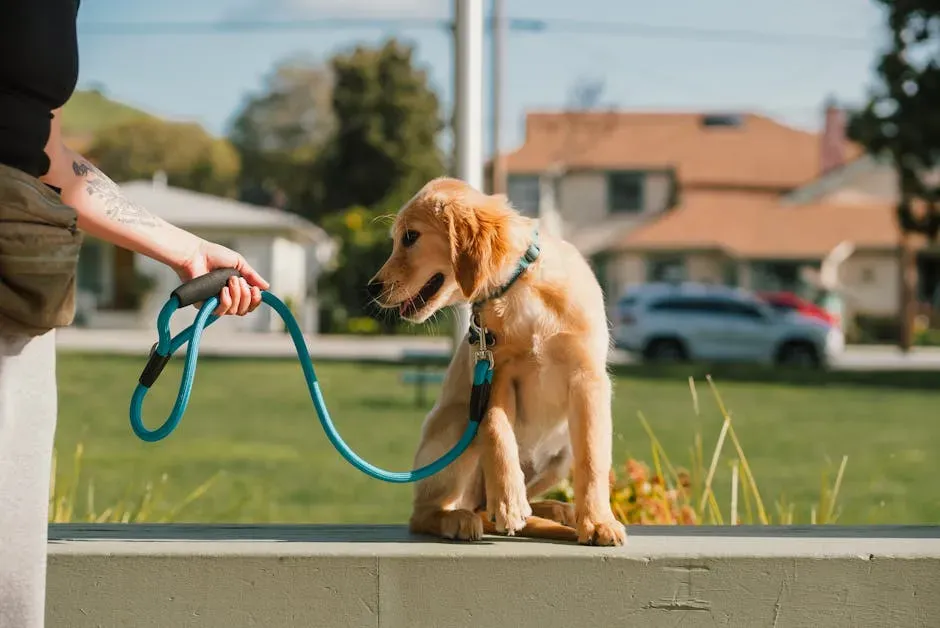
The good news? This is absolutely fixable. The goal isn’t just to get the leash on. It’s to create a positive, trusting mindset around the leash itself. When your dog sees the leash as the start of something good, not something to dread, everything changes: walks become easier, exploring becomes possible, and your bond with your dog gets stronger.
Constantly reward your dog to help them replace negative associations with positive ones. Treat or praise them at each step, including getting equipment on, clipping on the leash, stepping outside, and every few steps along the walk. Desensitize them by giving repeated exposure with plenty of rewards.
Success hinges on three things: treats, timing, and tone. Use high-value treats your dog loves, something special they don’t get every day. Timing matters just as much: reward immediately when they show the behavior you want, even if it’s small. Your tone should stay upbeat and calm, never frustrated or rushed.
If your dog continues to refuse to walk on a leash despite your best efforts, it may be time to seek professional help. A certified dog trainer or behaviorist can assess your dog’s specific needs and develop a tailored training plan. Professional guidance can be especially helpful if your dog’s behavior is rooted in deep-seated fear or anxiety.
Conclusion: Your Dog Is Talking. Are You Listening?
Leash refusal rarely comes out of nowhere, even when it feels that way. There’s almost always a story behind it, whether it’s a painful joint, a frightening memory, an ill-fitting harness, or simply a world that feels too big and too loud for one sensitive soul. The fact that you’re here, trying to understand your dog’s “no,” says everything about the kind of dog parent you are.
Take a breath, observe the clues your dog is giving you, and approach the problem with patience rather than frustration. Dogs thrive on routine, so it can help to have a daily schedule for walks to help them know what to expect. Small, consistent steps almost always win over forceful ones.
Honestly, I think the best walks happen when both ends of the leash are genuinely happy to be there. Once you get to the bottom of what’s bothering your dog and start rebuilding that trust, you might just find yourselves back to those joyful, tail-wagging strolls sooner than you expect. Has your dog ever suddenly refused to walk and you discovered a surprising reason why? Share it in the comments. You might help another dog parent more than you know.