
Is Your Dog Truly Happy? 7 Subtle Signs They Might Be Feeling Down
You know your dog better than anyone. You know the way their ears perk up when you grab the leash, how they do that goofy little spin before dinner, and how they push their nose into your hand when you’ve had a rough day. That connection is real, and it runs deep. So when something feels just slightly “off” about your pup, that gut feeling deserves attention.
The tricky thing is, dogs can’t text you to say “hey, I’m not okay.” We have to rely on the subtle body language and behavioral cues dogs give us. Some of these signs are so quiet, so easy to brush off as a “bad day,” that many owners miss them entirely. Let’s dive in, because your dog might be trying to tell you something important right now.
They’ve Lost Interest in the Things They Used to Love

Think about your dog’s greatest hits: the squeaky toy, the afternoon walk around the block, greeting you at the door like you’ve been gone for a decade. These are their joys. When those joys start to fade, it’s worth paying attention.
If your dog suddenly ignores toys they usually love, stops digging, exploring, sniffing, or chewing, or otherwise shows less engagement in species-typical behaviors, it may indicate dog depression or emotional distress. Honestly, this is one of the earliest and most telling signs something is wrong.
One clear sign of depression in dogs is losing interest in activities they once enjoyed. Imagine your dog’s joy and excitement when going for walks, playing fetch, or meeting other dogs at the park. However, when a dog is depressed, their enthusiasm wanes, and they might no longer show interest in these cherished pastimes. Think of it like a light slowly dimming. Not off all at once, just quieter. That matters.
They’re Sleeping Way More Than Usual
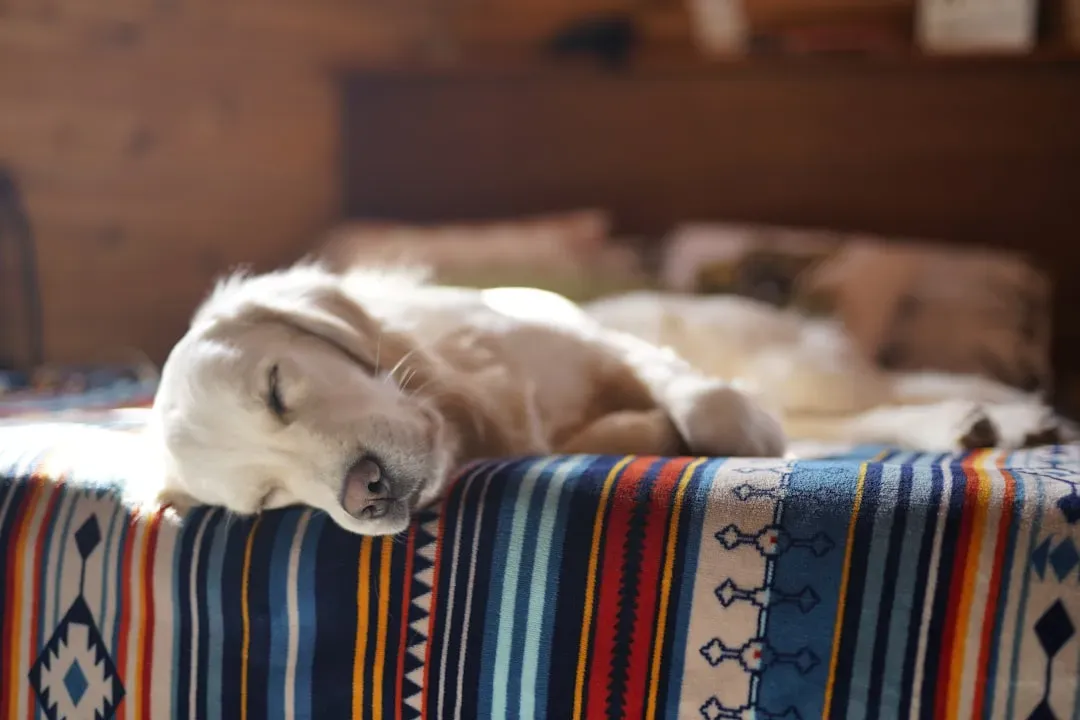
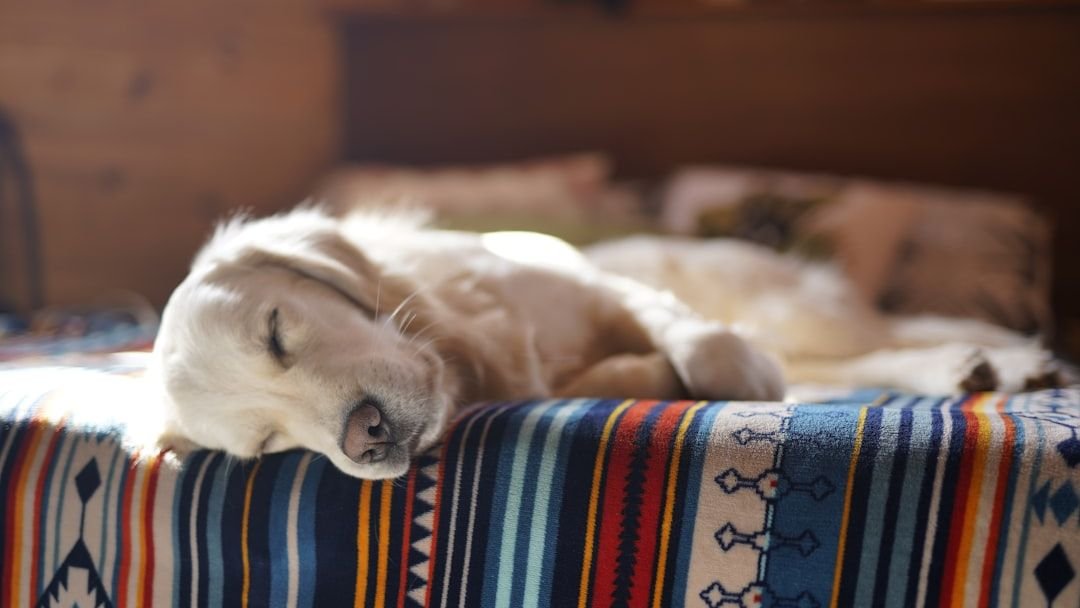
Yes, dogs sleep a lot. We all know this. A lazy afternoon nap is practically a canine life philosophy. The difference here is quality and quantity combined shifting noticeably from their normal pattern.
A sad dog often sleeps more, but the quality of their rest may be poor. Chronic stress can disrupt cortisol rhythms, fragmenting sleep cycles and causing your dog to doze more during the day. So they’re snoozing more, but waking up looking just as tired.
This behavior is sometimes called emotional hibernation and can be a subtle sign your dog is sad or experiencing emotional distress. Paying attention to changes in dog sleep patterns, as well as if they do or don’t want to cuddle, are also ways to monitor your pup’s emotional health and overall wellbeing. If your dog is essentially sleeping their days away and pulling away from contact, that combo is a red flag worth noting.
They’re Withdrawing From You and the Family
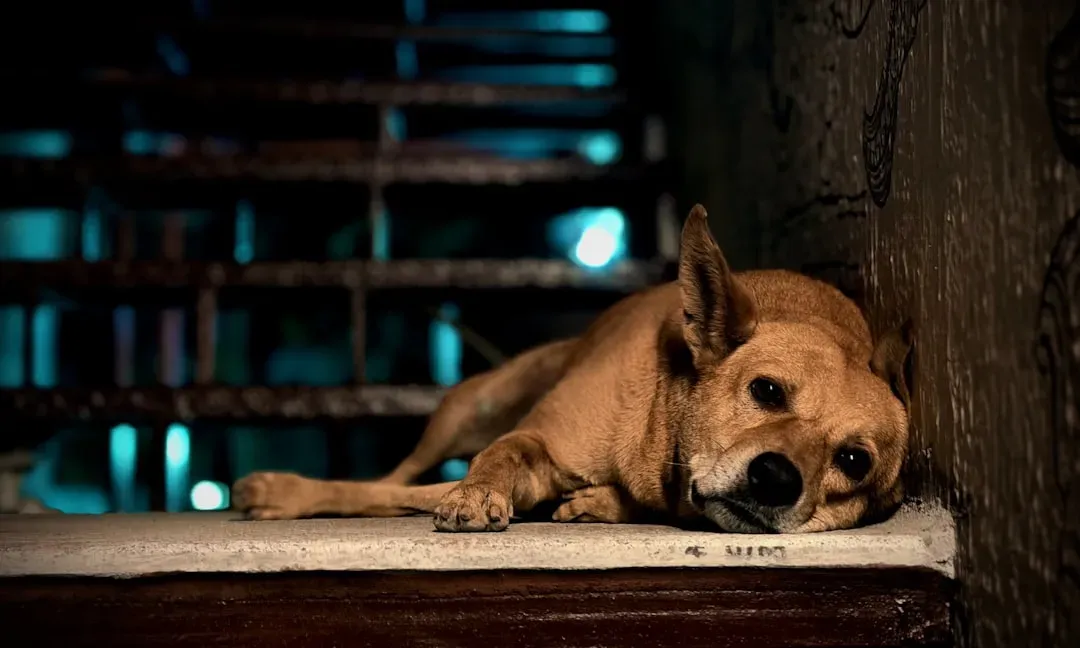
This one can feel personal, and let’s be honest, it kind of stings. Your dog who used to shadow you from room to room is now choosing to be alone, tucked in a corner or under the bed. It’s hard not to wonder what you did wrong.
Normally, dogs are social creatures; even shy pups will check in visually or physically with their people. But if your previously affectionate dog starts avoiding touch, hiding in another room, or no longer greeting you at the door, these behaviors may indicate social withdrawal, a common sign your dog is sad.
Being “withdrawn” means your dog is hiding away, maybe under a bed or in a corner, instead of playing or wanting to be with the family. They seem lost in their own world, indifferent to what usually brings them joy. Nothing has gone wrong between you two. Your dog is simply struggling, and they need compassion more than anything else right now.
Their Appetite Has Changed Noticeably
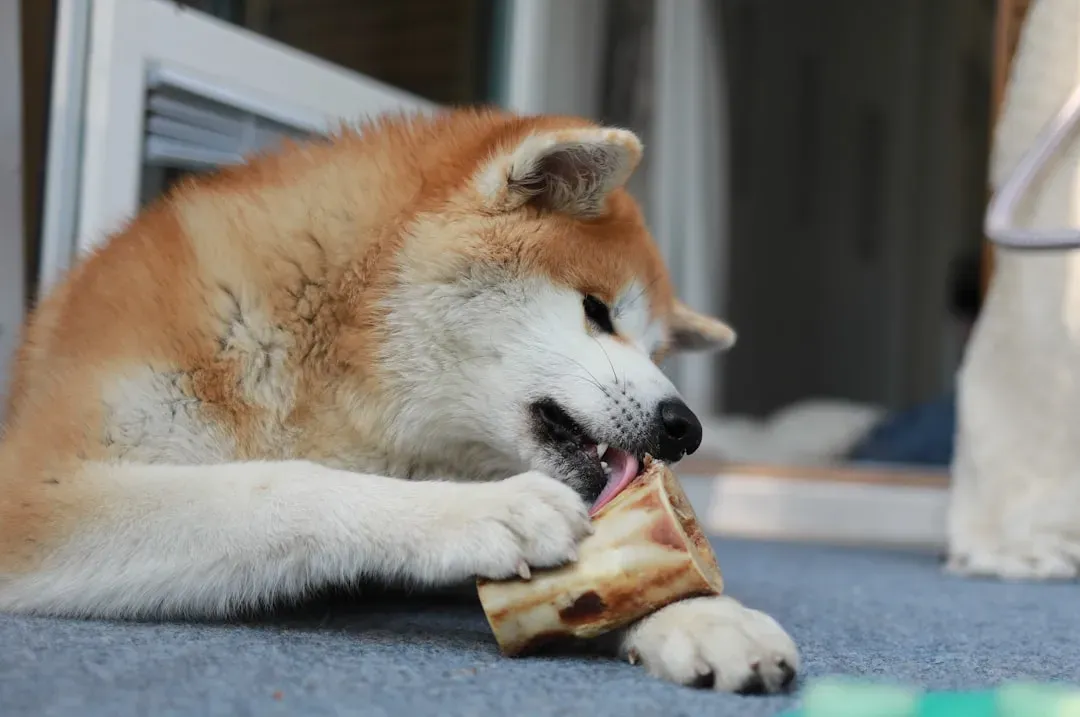
A dog who turns their nose up at food is sending a message. Dogs, as a species, are not known for being picky about meals. When a dog who normally inhales their bowl in seconds suddenly has zero interest in eating, something has shifted emotionally or physically.
A dog’s appetite may become decreased or even absent when they experience feelings of sadness or depression. Your dog may also experience a change of appetite when stressed. In general, sadness and depression present differently from stress and anxiety, so it’s important to interpret these signs in context. A change in appetite should always be taken seriously, as it can be a sign of an underlying medical condition.
If your dog becomes severely depressed, they may lose interest in eating their food. Sometimes dogs don’t eat because they can be picky or bored of their food, but if it’s bad enough that it starts to affect their weight, it might be time to see their veterinarian. A loss of appetite that lasts longer than a meal can be a sign they’re unhappy. When in doubt, a quick vet check is always the right call.
They’re Acting Clingy or Unusually Needy
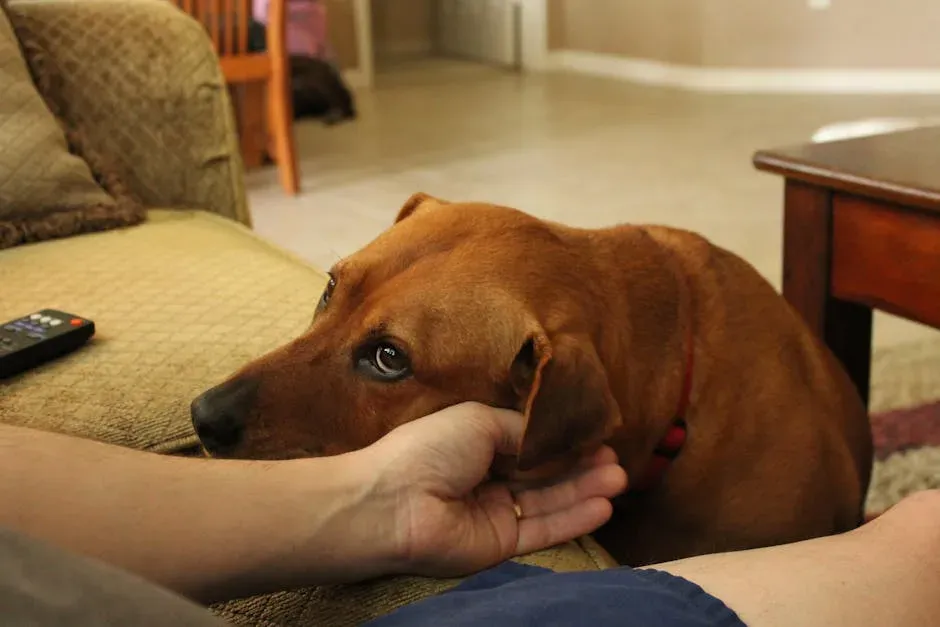
Here’s the thing: not all signs of a dog feeling down look like sadness. Sometimes they look like velcro. A dog that suddenly can’t stand to be two feet away from you, who whines when you step into the other room, might actually be struggling emotionally.
Depressed dogs often feel vulnerable, which is why being close to their favorite human provides a sense of safety and reassurance. They might whine, nudge, or paw at you to gain your attention. They might even try to sit on your lap or stay right by your side, not wanting to be separated. This behavior is especially noticeable if your dog used to be more independent. If your once self-reliant pup suddenly can’t stand to be apart from you, it’s a sign that they’re struggling emotionally.
It’s a bit like a child who clings to a parent when something feels scary or wrong. The dog isn’t being “spoiled.” They’re reaching out the only way they know how. Lean in, give them your time, and take it seriously.
Big Life Changes Are Affecting Their Mood
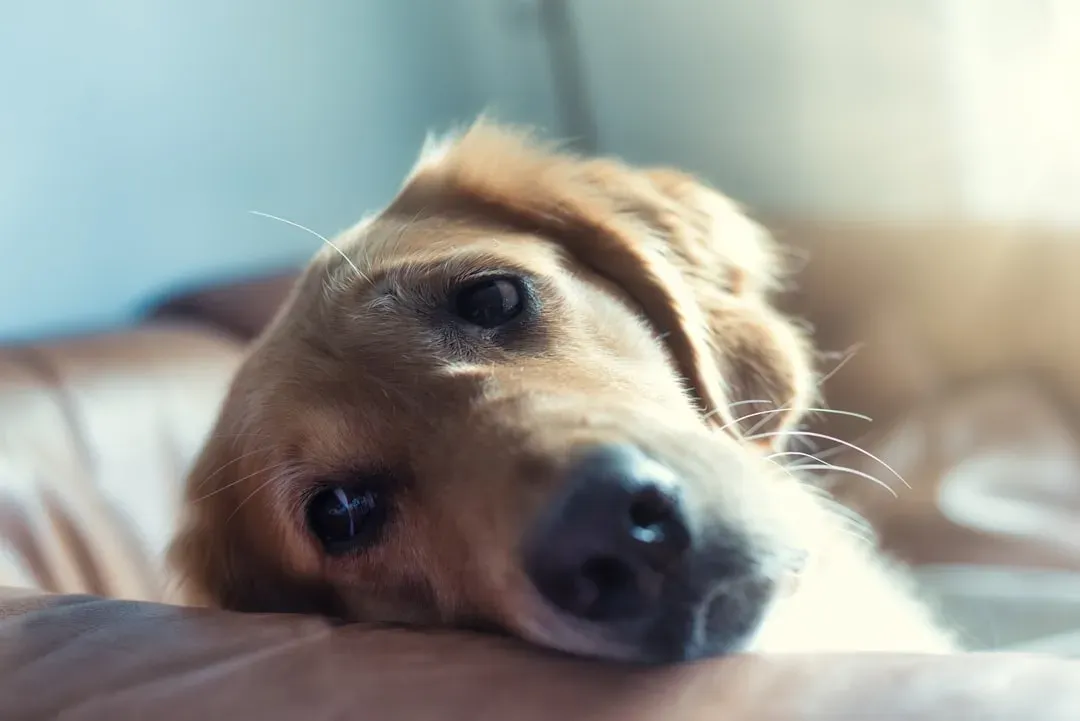
Dogs are routine-driven creatures. They find comfort in predictability, the same walk time, the same dinner bowl, the same faces at home. When the world around them shifts, their emotional world can shift too. And sometimes, even the changes we celebrate as humans are confusing or upsetting for our dogs.
Depression in dogs tends to be associated with a specific event. It could be the loss of an owner, the loss of a buddy that they have grown up with, or a huge lifestyle change such as a big move, or the addition or subtraction of key members of their social group. It tends to be context-specific.
Even positive life changes, such as a new baby, a new pet, or a move to a new house, can have a negative impact on a dog’s emotions. Simply put, any significant changes to a dog’s life or daily routine can bring on symptoms of depression or anxiety. If you’ve recently gone through a major life event, keep a closer eye on your pup’s behavior. They noticed, and they might be processing more than you realize.
They’re Showing Unexplained Irritability or Destructive Behavior
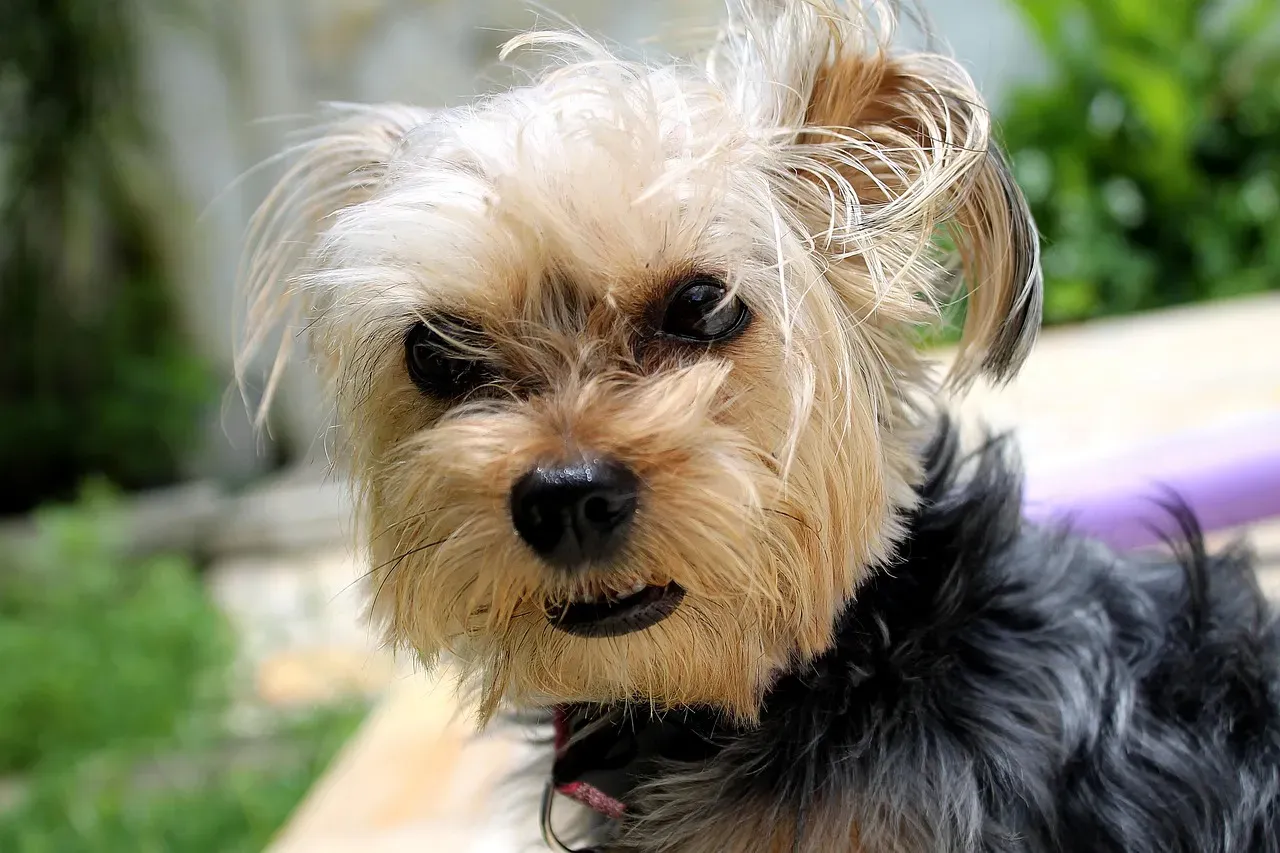
Not every sad dog retreats quietly. Some act out. It’s surprising, I know, but a dog snapping more than usual, chewing things they’ve never touched before, or pacing restlessly might actually be communicating inner distress rather than just misbehaving.
When a dog is depressed, things that didn’t bother them before might suddenly become sources of irritation. For example, they might become more impatient with other pets or family members, snapping or growling in response to what used to be minor annoyances. They might even become more reactive to sounds or changes in their environment, barking excessively or exhibiting signs of stress.
Sometimes, if a dog feels down or out of sorts, they might act out with disruptive behavior. It’s their way of showing they’re upset or trying to cope with those feelings they can’t express. Rather than reaching for punishment in these moments, reach for curiosity instead. Ask yourself what changed in their world recently. The answer is usually there.
What to Do When You Notice These Signs
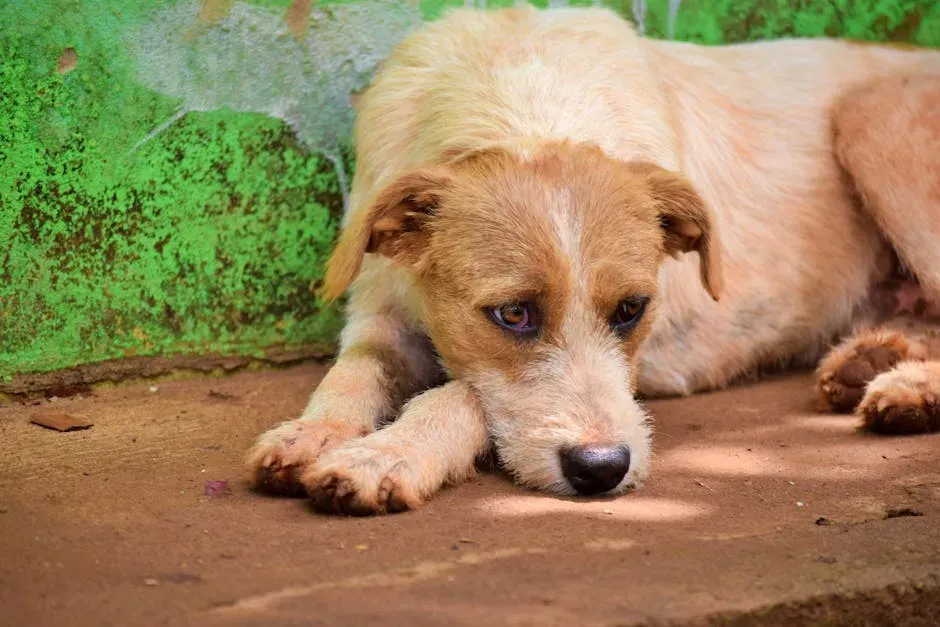
First, take a breath. Noticing these signs is already an act of love. The very fact that you’re reading this tells me you’re the kind of dog parent who pays attention, and that matters more than you know. Most cases of canine sadness are manageable, especially when caught early.
Depressed or anxious dogs often benefit from predictable environments, well-regulated social interaction and a consistent routine with lots of physical activity. Depending on the dog and the circumstances, the recovery process can take anywhere from days to months. Small adjustments can make a surprisingly big difference.
Underlying medical issues are a major cause and must be ruled out first by a vet. So before anything else, schedule that appointment. Once physical causes are cleared, try increasing daily walks, adding puzzle toys for mental stimulation, leaning into quality time, and restoring a predictable routine. Often some simple environmental and social changes can make a huge difference, such as spending extra time with them, taking them on fun walks, playing a little tug, or having a grooming session. You’ve got this, and so does your dog.
Your dog has given you their whole heart without asking a single thing in return. The least we can do is learn to listen when they’re hurting. You probably already sensed something was off before you even read this article. Trust that instinct. It could be the most important thing you do for your best friend today. So tell me, did any of these signs sound familiar? Share your experience in the comments. Your story might help another dog lover notice the signs before it’s too late.