
Beyond the Wag: 7 Subtle Ways Your Dog Says ‘I Love You’ Every Day
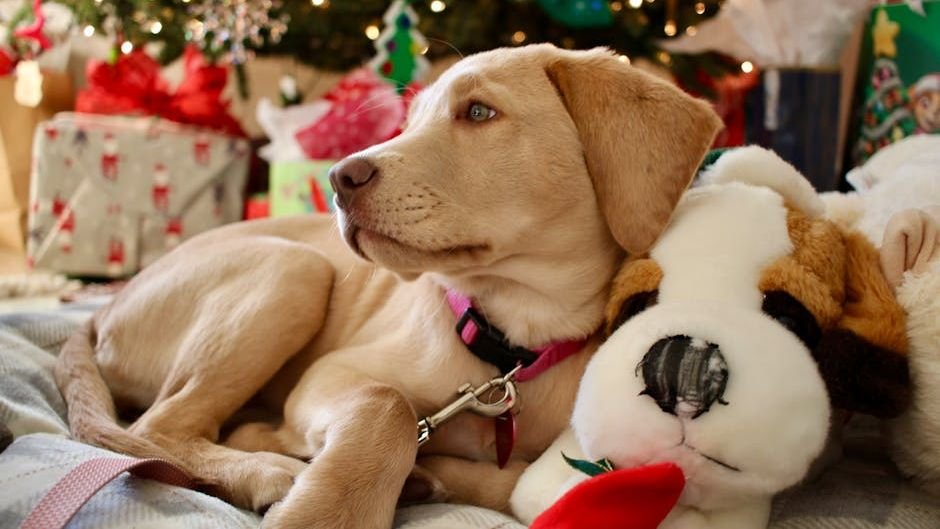
You already know the big, obvious stuff. The tail-wagging, the zoomies when you walk through the door, the sloppy kisses on your face. Those are hard to miss. But here’s the thing – your dog is actually saying “I love you” in quieter, more extraordinary ways throughout the entire day, and most of us walk right past those moments without even noticing.
Dogs have been our closest companions for thousands of years. Over that time, they have developed a remarkably rich emotional language, one built on glances, sighs, gentle leans, and tiny gestures that speak volumes. Learning to read those signals isn’t just heartwarming. It genuinely deepens your bond and helps you show up better for the dog who would do absolutely anything for you. Let’s dive in.
That Long, Soft Gaze Means More Than You Think
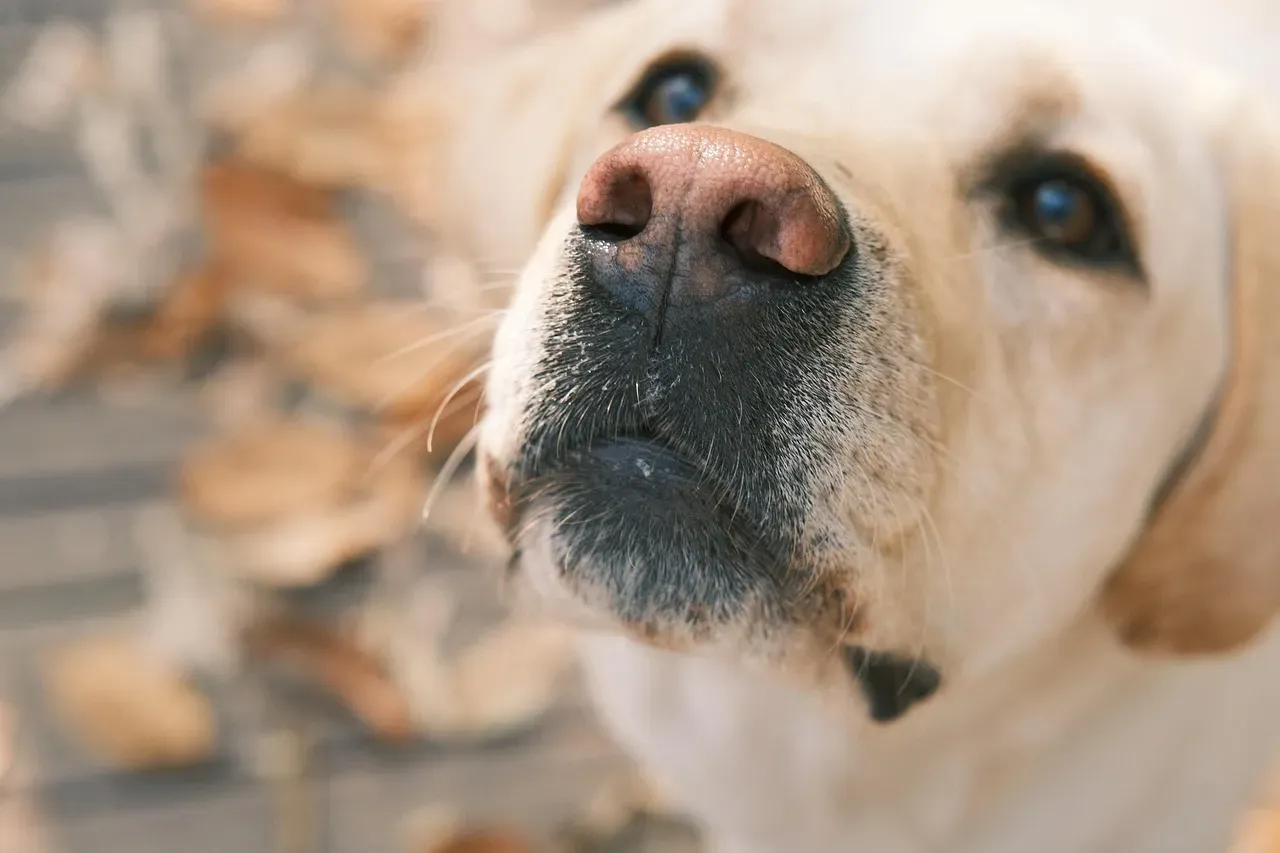
We often look away when our dogs stare at us, assuming they just want food or a walk. Honestly, that’s fair most of the time. But a soft, relaxed, sustained gaze from your dog is something else entirely.
Studies indicate that when dogs make direct eye contact with their owners, it triggers the release of oxytocin in both the dog and the human. This “love hormone” is the same one that bonds mothers to their infants, further affirming the special relationship between humans and their canine companions.
If your dog is making eye contact with you, blinking, and maintaining a calm and relaxed demeanor, they are trying to express their love. Research shows that when dogs and their owners lock eyes, both experience a spike in oxytocin. It’s important to recognize their body language alongside this signal – if the gaze is tense or unblinking, something else might be going on.
Think of it like a slow, silent “I trust you” delivered across the room. Next time your dog looks up at you from across the couch, don’t just scroll past it. Meet that gaze. Hold it. You’re both getting a hit of the good stuff.
The Full-Body Lean: A Hug in Dog Language
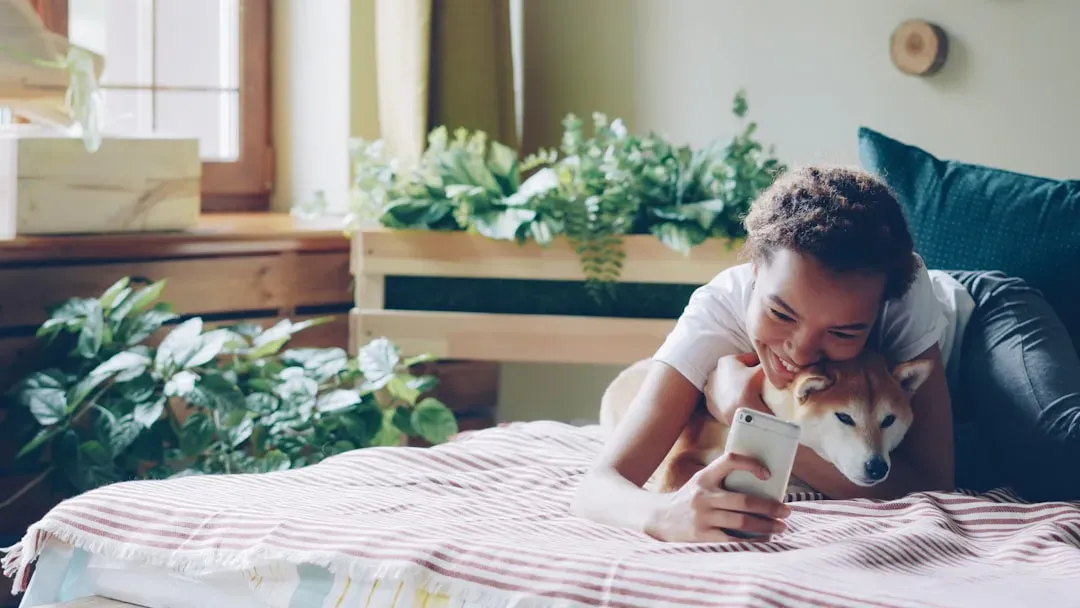
Picture this: you’re standing in the kitchen making coffee and your dog shuffles over and just… leans all of their weight into your leg. Not asking for anything. Just there. That right there is a declaration of love.
When your dog leans their weight into you, it is not accidental. Dogs only do this with people they feel safe with. It is a quiet way of saying, “I trust you,” and when dogs feel safe and bonded with someone, they tend to stick close because being near their person makes them feel calm and secure.
When dogs lean their full weight against you, it signifies complete trust. This means your dog sees you as a protector. It is the equivalent of a full-body hug. No words needed. No performance required. Just the warmth of a dog who feels completely safe in your presence.
If your dog does this regularly, resist the urge to step away or redirect them. Lean back a little. Let them know you feel it too. Small moments like these are what the bond is actually made of.
Following You Everywhere (Yes, Even to the Bathroom)
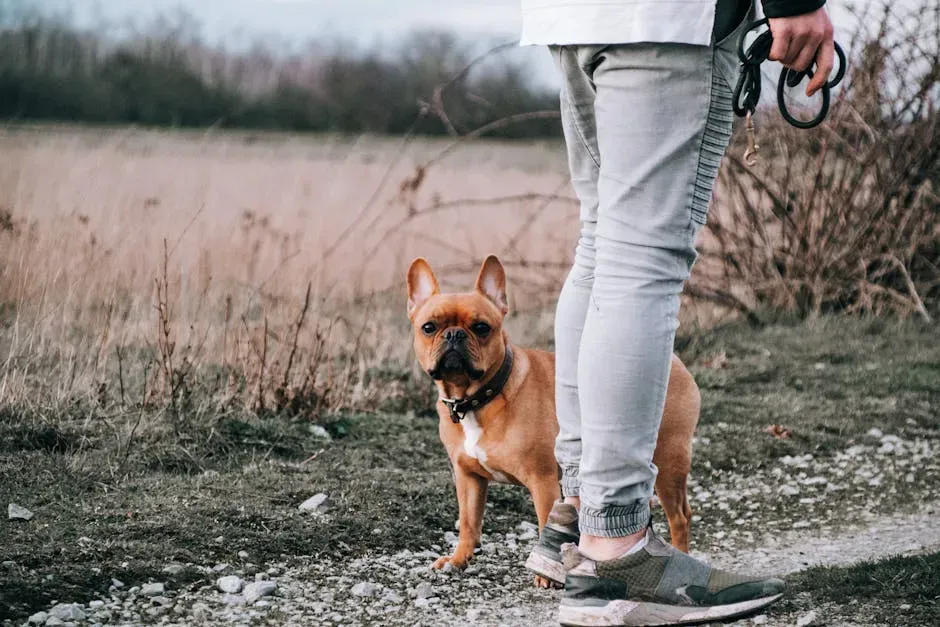
We’ve all experienced it. You get up from the sofa, and suddenly you have a four-legged shadow. You go to the bathroom and there’s a snout poking under the door. It can feel a little much. It’s actually incredibly sweet.
If your dog follows you everywhere, kitchen, bathroom, hallway, you name it, they’re saying “you’re my safe place.” Shadowing is a sign of trust and attachment, not clinginess. Many dogs simply feel happiest being wherever their person is.
If your dog follows you from room to room or lies nearby while you’re doing something boring, that’s a big deal. Studies have found that dogs stick closer to their owners than to other people, which is a strong sign that they feel safe, bonded, and emotionally connected to you.
Think about it this way: your dog has no agenda, no schedule to keep. They choose to spend every available second near you. That’s not just habit. That’s devotion, plain and simple.
Bringing You Gifts: The Soggy Toy Is a Love Offering
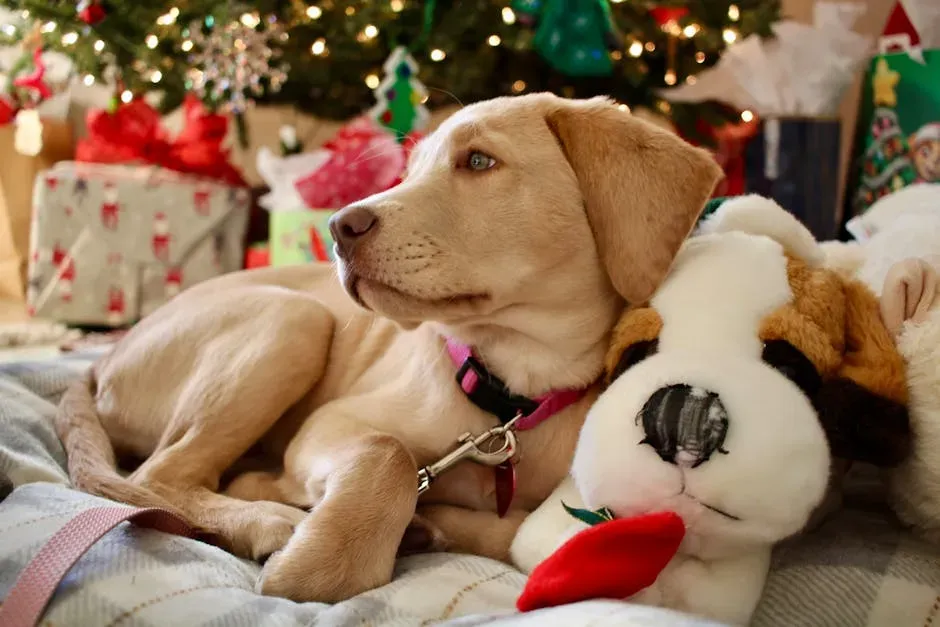
Your dog drops a slobbery, half-chewed tennis ball into your lap while you’re trying to watch TV. Gross? Maybe a little. A massive compliment? Absolutely yes.
This behavior of dogs bringing you random gifts can be a sign of “affiliative sharing.” Dogs aren’t always willing to share their perceived possessions, and when they do, it’s a deep sign of trust. By offering you their prized possessions, your dog is effectively saying “You’re the best! I trust you with what matters to me.”
You know your dog loves you if they bring you their favorite toy. This behavior is an invitation to play and a sign of affection. It shows they trust you with their prized possessions and they enjoy spending time with you.
Next time a soggy toy lands in your lap, take a second before tossing it aside. Give it a moment of acknowledgment. Even a quick “thank you, buddy” goes a long way in communicating back to your dog that you received their gesture with warmth.
Sleeping Close to You: The Ultimate Vote of Confidence
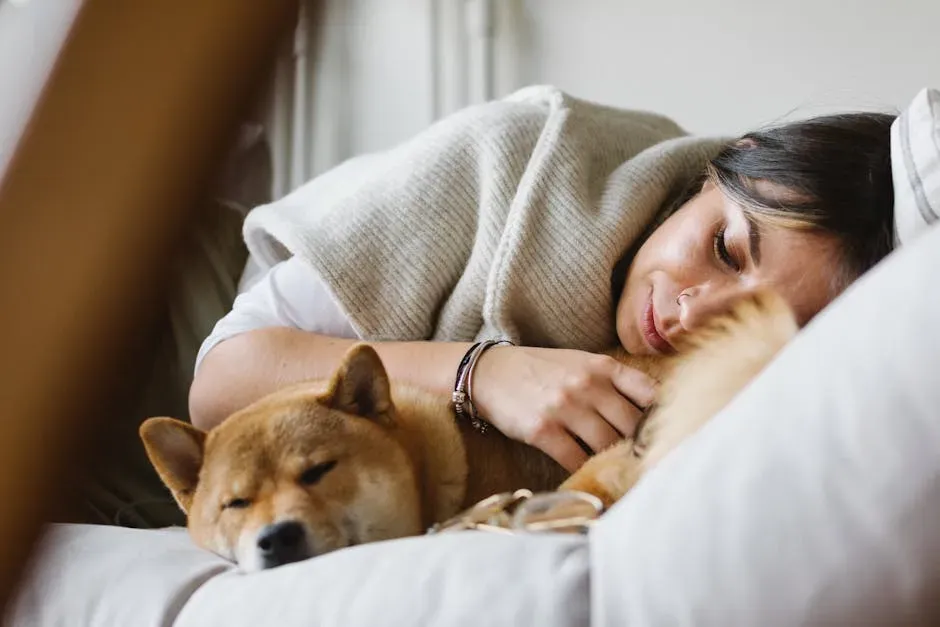
Whether your dog sleeps pressed against your legs, curled at the foot of the bed, or sprawled dramatically across your pillow, their chosen sleep spot is telling you something important.
Where your dog chooses to sleep says a lot about how they feel. Dogs that curl up facing you, sleep pressed against your body, or even just rest a paw on you during nap time are expressing affection and trust. In the wild, pack members sleep close together for protection and warmth. By choosing you as their sleep buddy, your dog is signaling you’re part of their inner circle.
Even if your dog isn’t much of a snuggler, their solo sleeping position can still indicate the love they feel for you. For example, if your dog sleeps on their back, they are taking on their most vulnerable position while also letting their guard down entirely. If your dog does this in your presence, you can rest assured they trust and love you wholeheartedly.
It’s hard to say for sure whether dogs dream about us specifically, but the science of where they choose to rest their heads? That part is crystal clear. Your bed is their safe zone because you are in it.
Catching Your Yawn: Empathy in Action
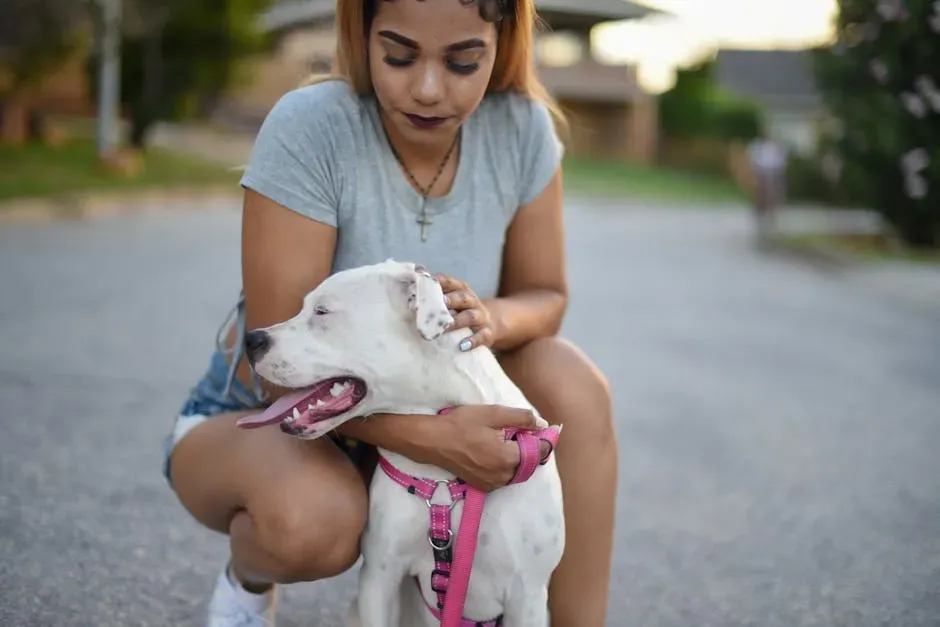
Here’s one that surprises almost everyone. You yawn, and a few seconds later, your dog yawns too. It seems like nothing. It’s actually one of the most remarkable signs of emotional connection between your two species.
A curious aspect of canine behavior is contagious yawning. Research suggests that dogs may yawn in response to their owners’ yawns, indicating a form of social bonding. This mirroring behavior is thought to reflect empathy and the ability to share emotional states. While the exact reasons behind contagious yawning in dogs are not fully understood, it serves as a fascinating example of the intricate ways dogs connect with their human counterparts.
Scientists believe that dogs who yawn in response to their owners’ yawns are showing empathy. It is a subtle way of mirroring your behavior, indicating they are tuned into your emotions. Not all dogs will yawn when their owners do, but those that do likely share a deep bond with them.
I know it sounds crazy, but the next time you’re tired and yawn near your dog, watch their reaction. If they yawn back, you’re witnessing something genuinely rare and tender. Most animals simply do not do this with another species. Your dog does it because they are emotionally in sync with you.
Checking In on You When You’re Sad: Love in Its Purest Form
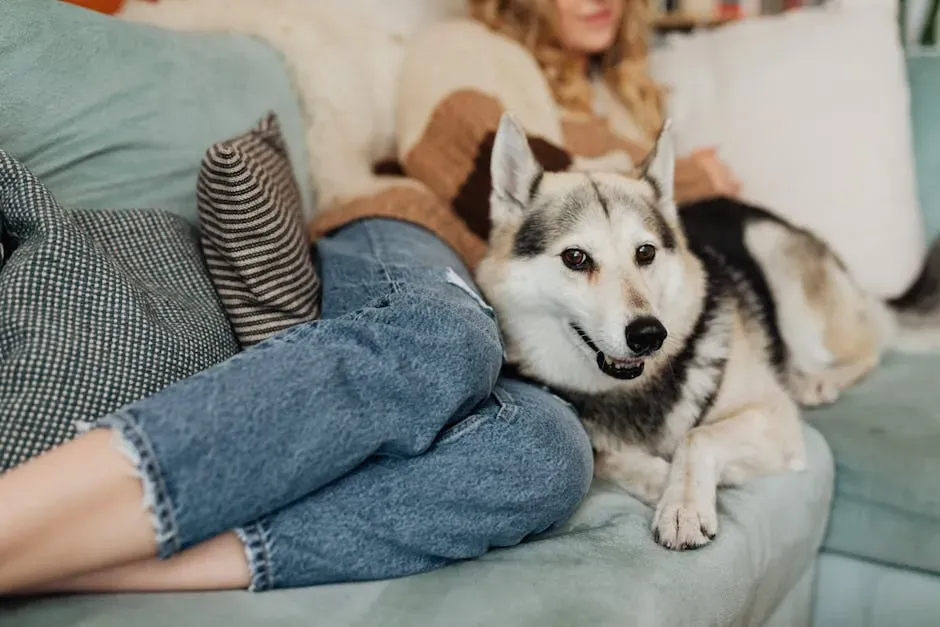
Have you ever had a rough day, slumped onto the sofa with a heavy heart, and felt your dog quietly come over and rest their head on your knee? They didn’t bark, didn’t bring a toy, didn’t ask for anything. They just showed up. That is not coincidence.
Dogs can understand human emotions to a certain extent and even show empathy. This is why your loyal companion may lie next to you, touch you, lick you all over, and try to comfort you when you are feeling sad, depressed, or anxious. Scientists don’t yet understand all the nuances of canine emotions, but studies show that dogs do indeed exhibit empathetic behaviors when humans show sadness.
Many dogs become calmer, quieter, or more attentive when their pup parent isn’t feeling well. They may rest their head on you or stick close. Dogs can detect subtle changes in human scent, posture, and energy, and they respond to protect and comfort you.
Think of your dog as an emotional barometer with fur. They are not just reacting to your tone of voice. They are reading your whole body, your scent, your posture, the energy in the room. When they choose to move toward you in that moment, not away, that is love being expressed in the most genuine, uncomplicated way imaginable.
A Final Thought Worth Carrying With You
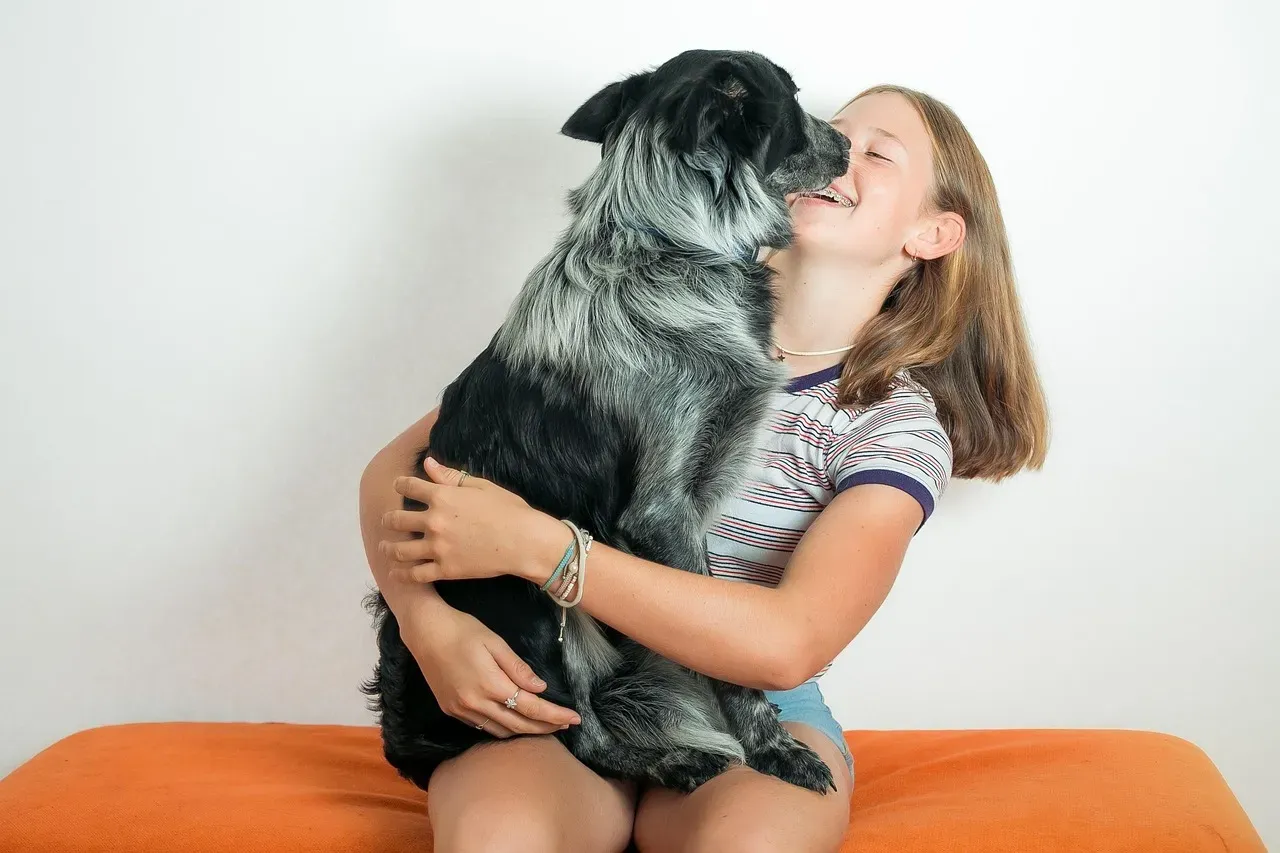
Here’s what I want you to take away from all of this. Your dog is not waiting for the big moments to love you. They are loving you in the small, quiet spaces of every ordinary day. The soft look from across the room. The heavy lean into your leg. The little sigh before they close their eyes next to you.
Each dog is unique, and their ways of expressing love can vary. Paying attention to your dog’s individual behavior and cues can deepen your bond and your understanding of their affectionate nature. The more you tune in, the more you realize just how much your dog has been saying all along.
You do not need to change anything dramatic. Just slow down a little. Notice the lean, hold the gaze, accept the soggy gift with grace. Your dog is fluent in love. All you have to do is learn to listen. So here is the question worth sitting with tonight: how many of these moments did your dog offer you today that you almost missed?
What do you think? Did any of these surprise you? Share your dog’s favorite way of saying “I love you” in the comments – we’d love to hear it!