
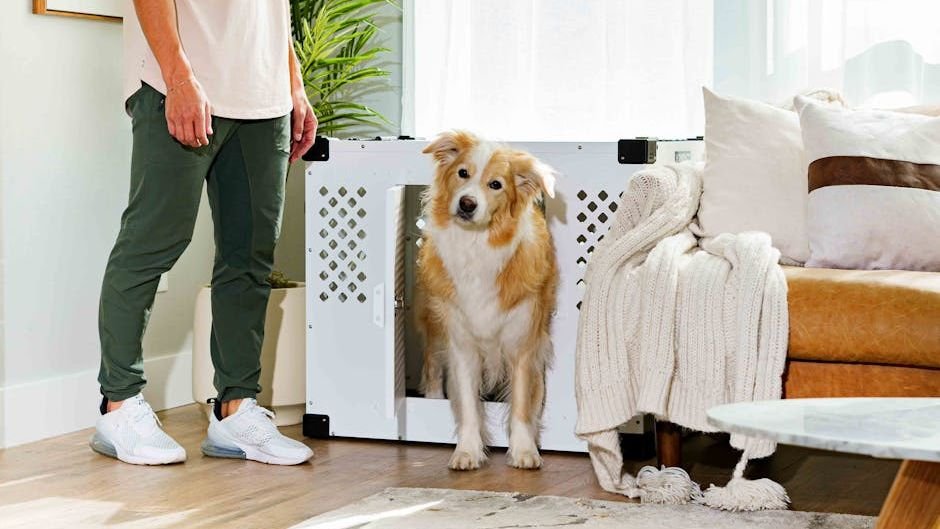
Picture this: it’s 11 PM, you’re exhausted, and your dog is in the crate making sounds like a tiny, dramatic opera singer. Sound familiar? You’re not alone. Countless dog parents wrestle with this exact scene every single night, feeling guilty, frustrated, and honestly a little helpless. The good news? Your dog doesn’t hate their crate. They just haven’t learned to love it yet.
There’s a big difference between those two things. And once you understand what’s really going on inside that furry little head of theirs, everything changes. These five simple tricks aren’t about forcing compliance. They’re about building trust, creating comfort, and honestly making the crate feel like the best spot in the whole house. Stick with me because what follows might completely change how you and your dog experience crate time.
Trick 1: Build a Positive First Impression (Because First Impressions Really Do Matter)
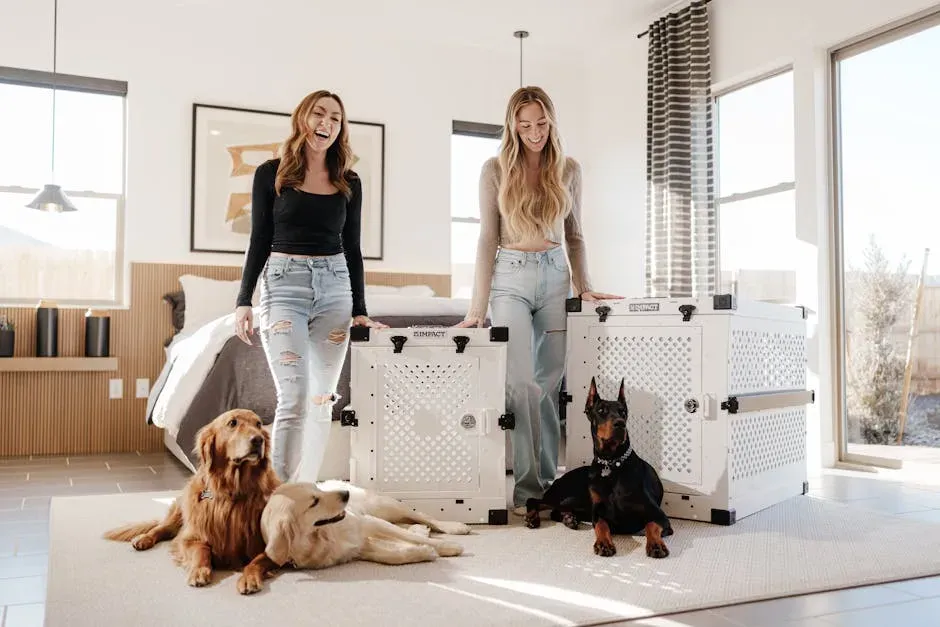
Here’s the thing, dogs are incredibly quick to form associations. If the first experience with a crate involves being shoved inside and left alone, that crate becomes a symbol of abandonment. When you first expose your dog to a crate, they might be anxious and not want to go inside. Forcing your dog into the crate can create a negative association, and if your dog is afraid of going inside an enclosed space, pushing them will only make them more nervous, potentially creating fears that are harder to unlearn.
Think of it like introducing someone to a new room in your house. You wouldn’t push them through the door. You’d open it wide and invite them to explore. Instead, encourage your dog to enter and explore on their own. A perfect way to do that is to lay a trail of treats leading to the crate, hold the door open so it doesn’t accidentally close on them, because these early associations will greatly impact how your dog sees the crate. First impressions truly stick.
Trick 2: Turn the Crate Into a Treat Treasure Chest
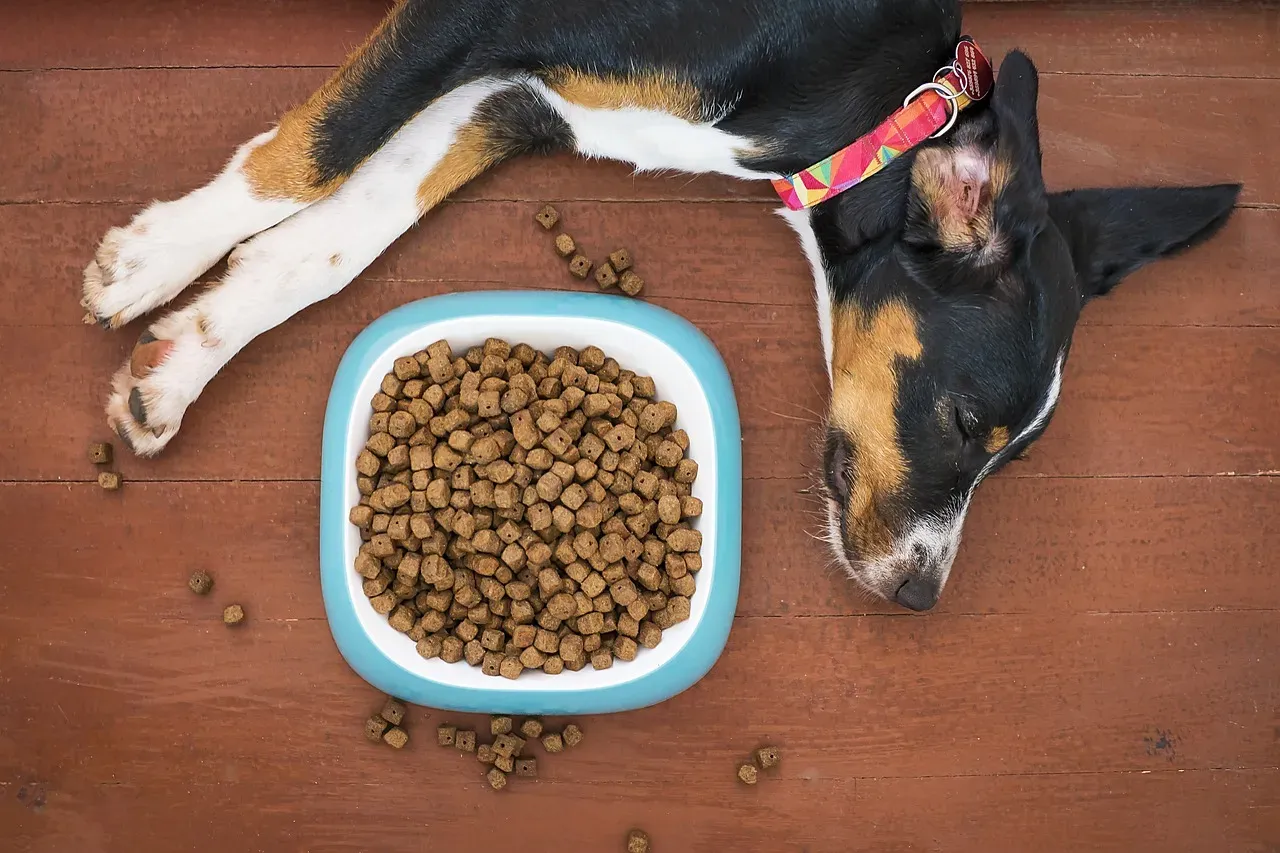
Let’s be real, nothing motivates a dog faster than food. And that’s exactly the energy you want to harness when building crate love. Introduce the crate with treats, food, and chewies to create a positive association, and you’ll be amazed at how quickly your dog’s attitude shifts. It’s almost funny how fast a skeptical pup warms up to a space once it starts raining chicken treats inside it.
Reserve special treats for crate time only. For example, use a Kong toy filled with cream cheese, peanut butter, or canned food, and freeze it for longer lasting fun. This is pure genius, honestly. It gets the dog used to being in the crate for a longer period of time, while also associating it with an enjoyable activity. That frozen Kong becomes something your dog actually looks forward to, not dreads.
Trick 3: Pick the Right Location and Make It Cozy
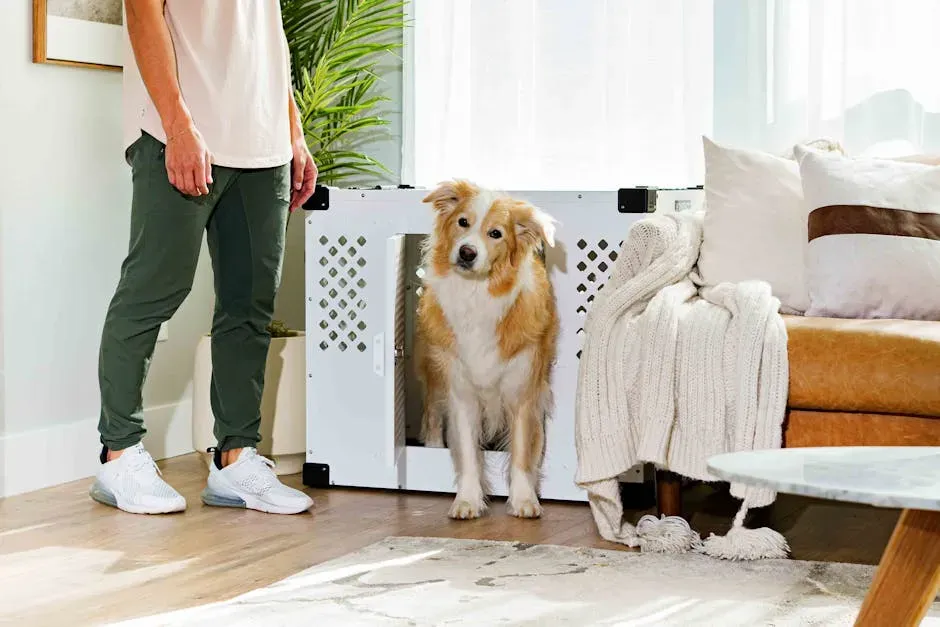
While many people view crates through the human lens of being “caged up,” dogs are naturally den animals and most enjoy being in small, enclosed places. So the crate itself isn’t the problem. The problem is usually where it’s placed and how it feels inside. A lonely crate tucked in a cold corner of the garage? That’s a recipe for whining every single time.
Think of your dog’s crate as his cozy recliner, a place where he can relax. Dogs are social beings, so ideally the crate should be in the main living area. Dogs love being in crates when the crate is comfortable, covered with a sheet, and feels like a den. Try draping a light blanket over it to block visual distractions. A thin blanket or sheet works, but refrain from using something so heavy that it might restrict airflow and cause overheating. It’s a small detail that makes a surprisingly big difference.
Trick 4: Go Slow with Door Time (Patience Is Not Optional)
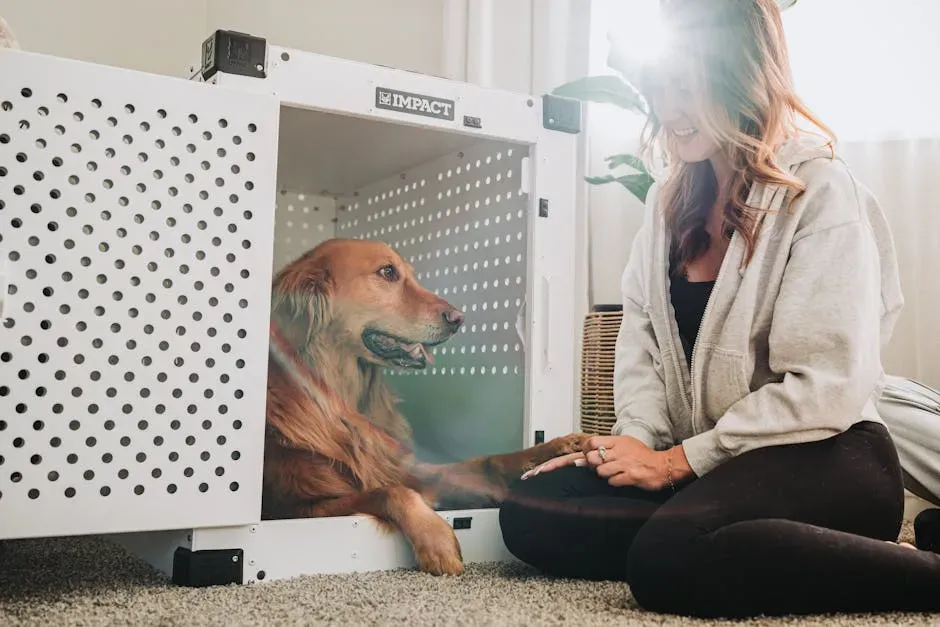
This is where most dog parents get tripped up. They’re in a hurry, life is busy, and the temptation to just close that door and get on with the day is real. But rushing this step is the single fastest way to undo all your progress. Crate training takes time. If you try to rush it, your pup may develop a negative association with its crate. In fact, it can take weeks to get them used to it, and getting them to stay in for at least two minutes may seem like a major victory.
The door should be shut only momentarily at first, so your dog knows they won’t be in there forever. You can do this many times a day, leaving the door shut for seconds, then minutes, growing longer each time. Here’s a critical behavior note: if your dog does start to whine, it’s very important that you don’t let them out until they have settled for at least five to ten seconds, otherwise you teach them the way out is to whine and you will very much regret creating that association. It sounds tough, but it is genuinely kind in the long run.
Trick 5: Tire Them Out Before Crate Time (A Tired Dog Is a Happy Crate Dog)
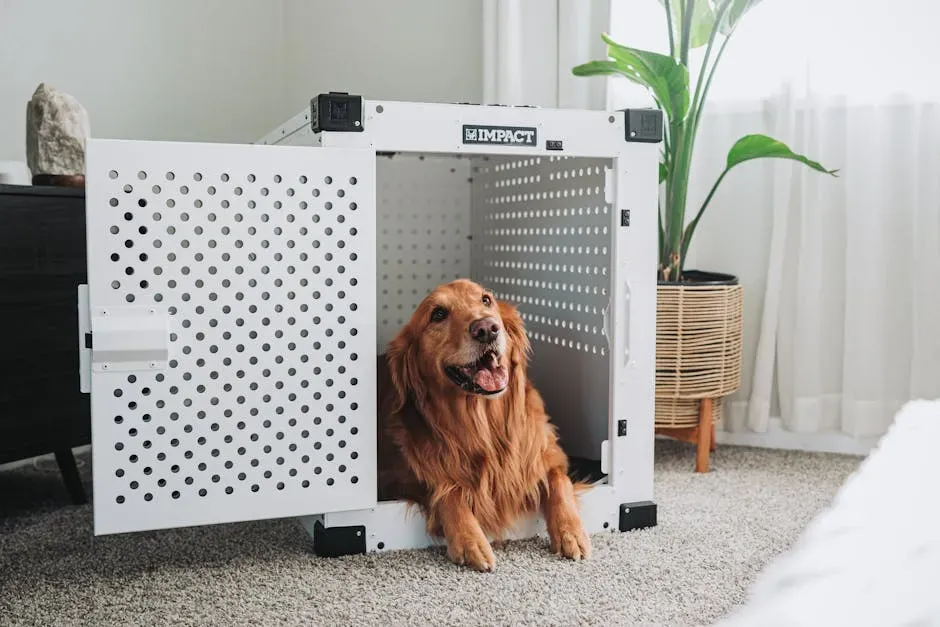
An important factor in crate training success is how tired your dog is. Honestly, this one tip alone can transform your crate sessions almost overnight. Imagine asking a hyper five-year-old child to sit quietly in a small room after eating candy all afternoon. That’s exactly what you’re doing when you crate an under-exercised dog. When a dog is under-stimulated throughout the day, then told to settle in their crate, they’ll often express those feelings of boredom or discontent through barking or whining.
A solid walk, a play session in the yard, or even a short game of tug before crate time does wonders. For boredom, providing puzzle toys filled with treats or engaging in playtime before crating can help keep the dog stimulated. Also, pay attention to timing. Crating your dog fifteen to twenty minutes before leaving gives them time to settle, and you time to address any early stress signals. The goal is for your dog to associate crate time with neutral, calm moments rather than emotional transitions. That emotional runway makes a world of difference.
A Quick Note on When Whining Means Something More
Sometimes, despite doing everything right, your dog still really struggles with the crate. It’s worth knowing the difference between normal adjustment whining and genuine distress. Crate anxiety is usually triggered when dogs are separated from their pet parents, and it may cause your dog to whine, howl, or engage in destruction like digging. Signs of true separation anxiety include extreme distress behaviors such as drooling, panting, and escape attempts.
Medical issues, such as arthritis or other health problems, can also cause a dog to whine in its crate due to discomfort or pain. So if your older dog suddenly starts resisting the crate they used to love, a vet check is a smart move. It is important to determine whether whining is due to distress, because if a dog is distressed in the crate, they may try and force the crate open, which can be dangerous and even lead to injury, so if you think it may be distress, let your dog out immediately. Always listen to your dog first.
Conclusion: Your Dog’s Happy Place Is Closer Than You Think
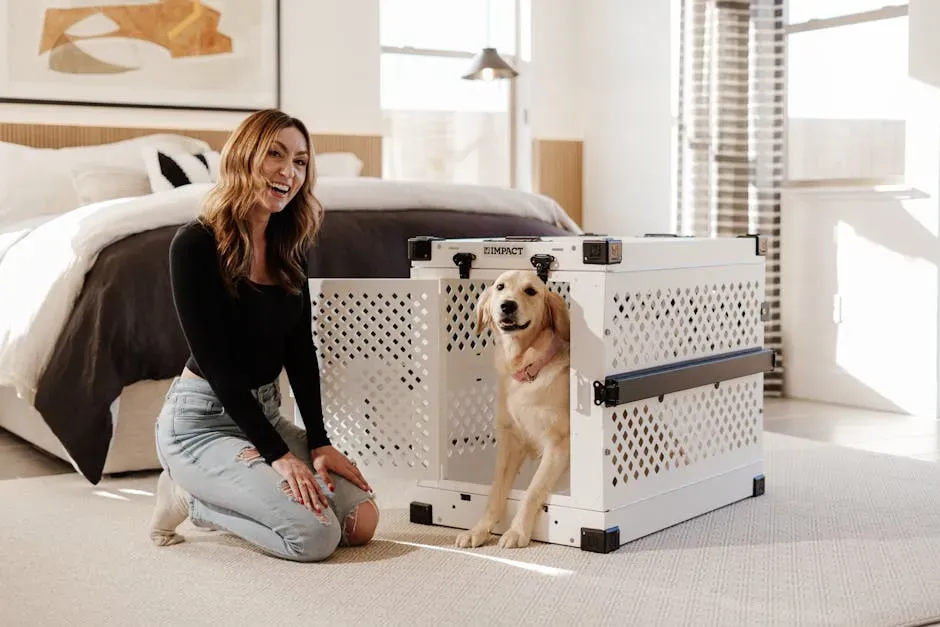
Crate training isn’t about confinement. It’s about creating a sanctuary. A crate creates a safe environment for your dog and a space that belongs to them, and when done right, most dogs genuinely come to love it. The whining, the drama, the puppy-dog eyes, those are all temporary. The calm, contented dog who walks into their crate on their own? That’s the reward waiting on the other side of your consistency.
I think the most important thing to remember is that patience and empathy win every single time. All dogs will learn and progress through their crate training at a different pace, and the keys to success are consistency and patience, with lots of positive reinforcement. Your dog is not being difficult. They’re just waiting for you to show them it’s safe. Show them, gently and repeatedly, and they will get there.
Have you tried any of these tricks with your pup? Tell us in the comments how your crate training journey is going. We’d love to cheer you on.


