
12 Dog Breeds That Resort To Destructive Behavior When Left Home Alone
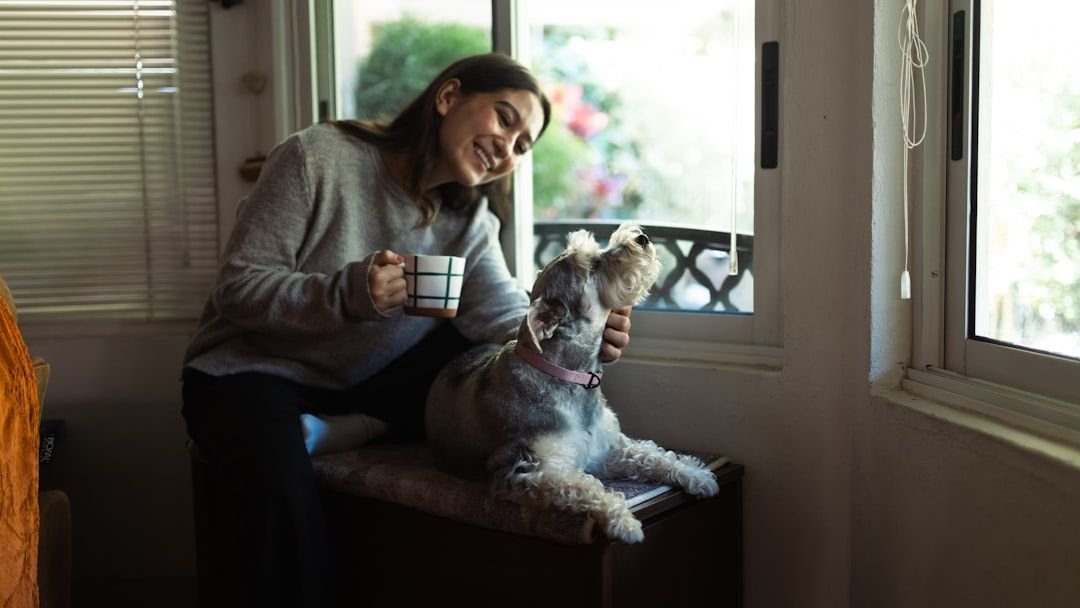
You walk through the front door after a long day, and instead of being greeted with just a wagging tail, you’re met with a chewed-up couch cushion, shredded shoes, and what used to be your favorite throw pillow. Sound familiar? You’re not alone, and honestly, neither is your dog – at least emotionally.
Separation anxiety is a common behavior concern in dogs, referring to distress some dogs experience when they’re left alone. It can show up as excessive barking, destructive chewing, pacing, or other signs of stress. Here’s the thing though – it’s not bad behavior. It’s a cry for help. Any dog can develop separation anxiety, but some breeds may be more likely to struggle with being alone due to inherited temperament traits, original breeding roles, and natural instincts. Knowing which breeds are wired this way can make all the difference. Let’s dive in.
1. Labrador Retriever: The Friendly Dog That Falls Apart Without You

Labs are everyone’s favorite family dog, and for good reason. Labrador Retrievers are among the most popular dog breeds worldwide, known for their friendly, outgoing nature. However, their strong desire for human interaction can also make them prone to separation anxiety. Labradors form close bonds with their owners and enjoy being involved in family activities.
They may become anxious when left alone, leading to behaviors like chewing, digging, or excessive barking. Labradors are happiest when they have plenty of companionship, attention, and mental stimulation, making them less suited to households where they are frequently left alone. Prevention tip: a 30-minute vigorous walk before you leave the house can do wonders for keeping that Lab mischief at bay.
2. Border Collie: The Brainiac Who Turns Chaos Into a Hobby
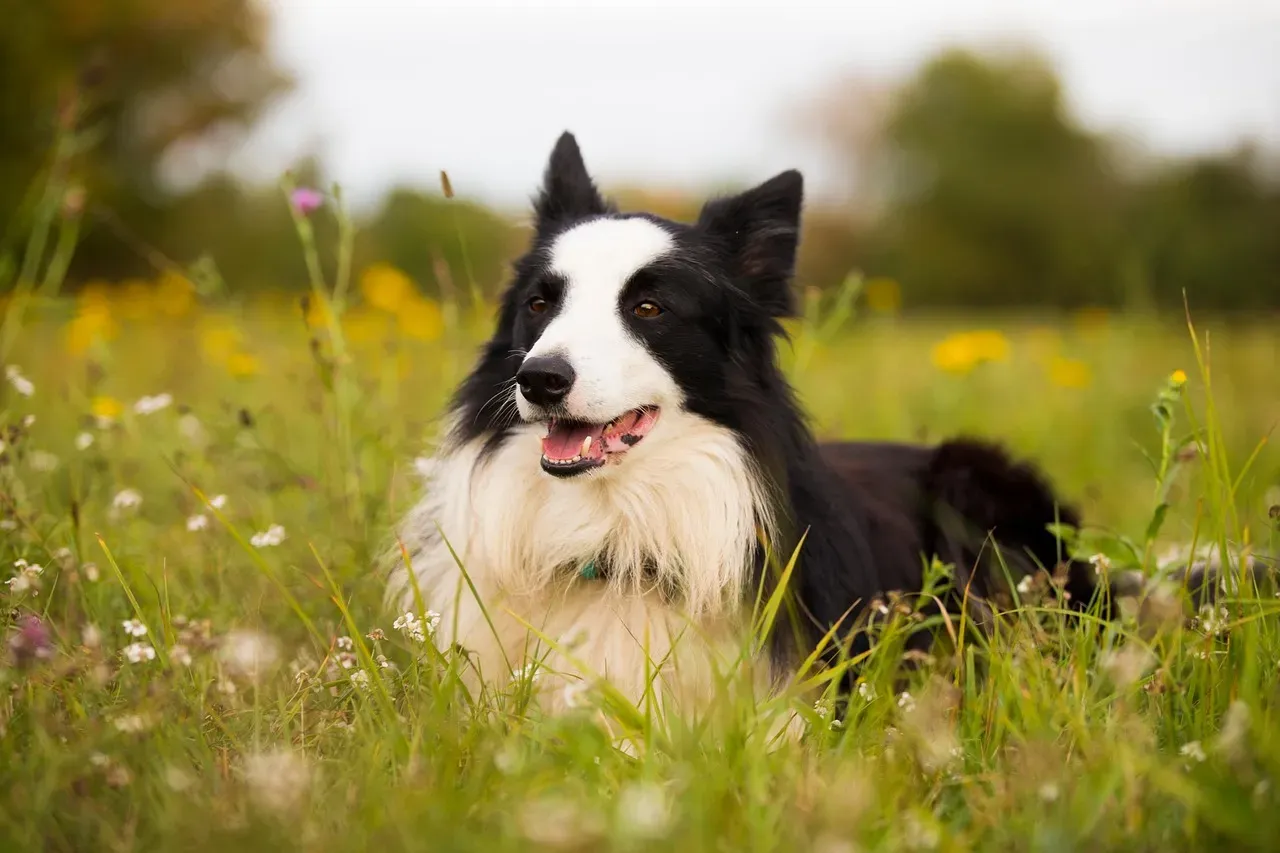
The Border Collie consistently ranks as the most intelligent dog, but this means they are more likely than other breeds to become bored when they have no stimulation. So leaving them alone can lead to separation anxiety and destructive behavior as they look for ways to amuse themselves.
Border Collies can become bored and anxious when left alone for too long, leading to destructive behaviors such as chewing, digging, or even attempting to escape. Their high energy levels and need for interaction make them particularly prone to separation anxiety, especially if they don’t have enough mental or physical challenges to keep them engaged. Think of a Border Collie’s brain like a high-performance engine – leave it idling too long, and something is going to overheat.
3. German Shepherd: Loyal to a Fault, Anxious in Solitude

The German Shepherd needs a physically and mentally stimulating environment, and as a brilliantly trainable and intelligent working dog, they form strong bonds with their owners. However, this means they can be prone to distress if they are left alone, or not adequately exercised and stimulated.
German Shepherds are loyal and protective, but are generally not prone to separation anxiety unless they are puppies or they suffer from boredom. However, in some cases, they can become very attached to their owners and may exhibit destructive behavior if left alone without adequate stimulation and training. German Shepherds need plenty of consistent training, adequate exercise, and a good routine to avoid behavior problems. Behavior cue to watch: excessive pacing right before you leave is usually the first red flag.
4. Vizsla: The Original “Velcro Dog”
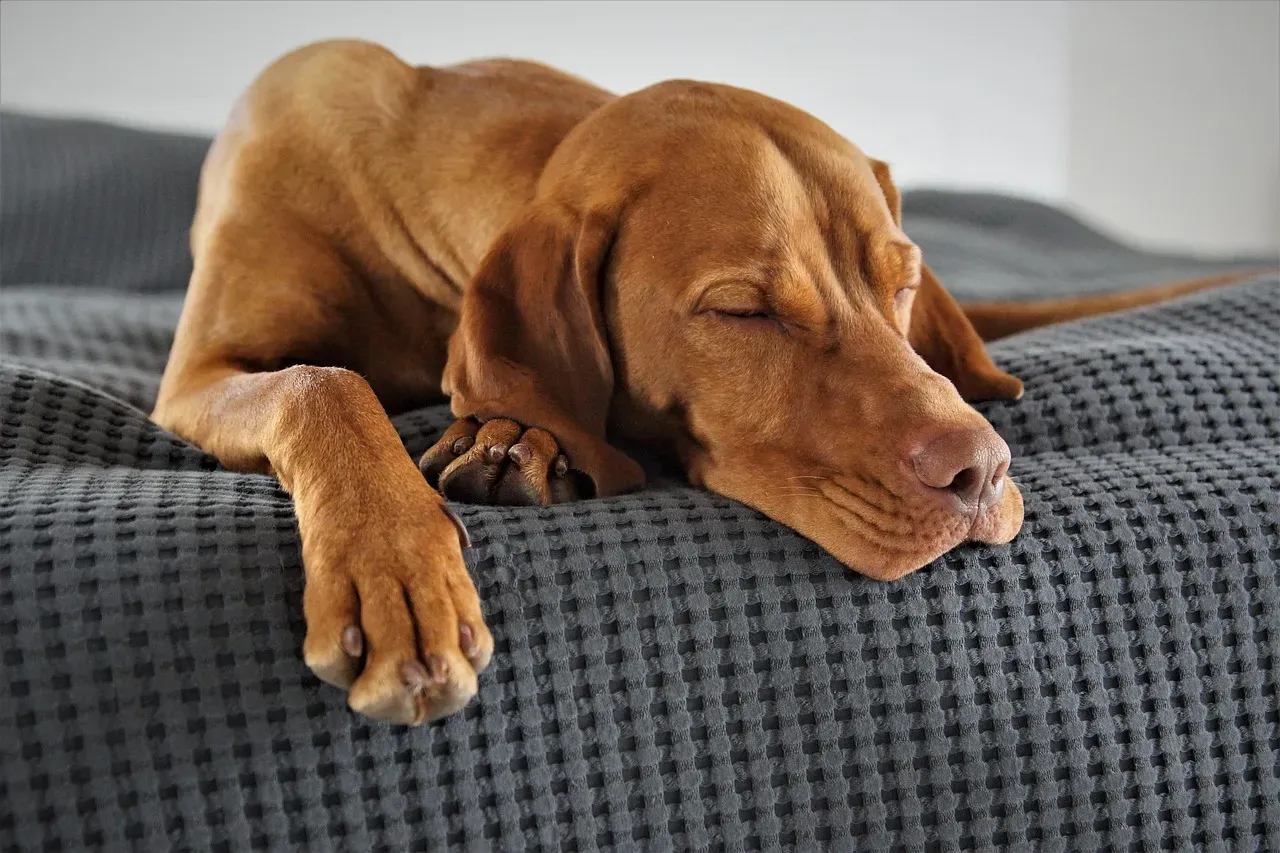
Vizslas are often referred to as the ultimate “Velcro dog.” They were developed in Hungary as hunting companions and were bred to work closely with humans. This resulted in an instinctual need to be at their owner’s side at all times.
Cheerful and energetic Vizslas love spending time with loved ones. They’re often called “Velcro dogs” because of how closely attached they are to the people they love. Because of this, separation anxiety is a common problem for Vizslas. With plenty of attention, exercise, and enrichment, they can thrive. If you own a Vizsla and work long hours, seriously consider doggy daycare or a mid-day dog walker – it could save your furniture.
5. Australian Shepherd: The Workaholic Who Won’t Rest

Herding breeds tend to have a propensity toward separation anxiety, and the Australian Shepherd is no exception. They were made to be working dogs, and they do not like being stagnant and alone.
This can cause them to become very anxious and destructive when they are left alone, or find themselves bored at home for too long. They will bark excessively, chew on furniture, break out of crates, and destroy things in the house if given half an opportunity because their physical energy levels are high. Think of leaving an Aussie home alone without enough stimulation like leaving a marathon runner locked in a broom closet. It’s simply not going to end well.
6. Cavalier King Charles Spaniel: The Lap Dog That Needs a Lap, Always

The Cavalier King Charles breed has a reputation for suffering from extreme separation anxiety. They will provide your family with unconditional love and loyalty, and they are lap dogs. They do not like to be left on their own.
Cavalier King Charles Spaniels may become anxious and distressed when left alone, leading to excessive barking or destructive behavior. Their need for constant companionship makes them ideal for owners who can spend much time with them, but they struggle when left alone for extended periods. If you work from home even a few days a week, this breed will absolutely thrive. They just need to feel your presence.
7. Bichon Frise: Small Dog, Big Separation Struggles
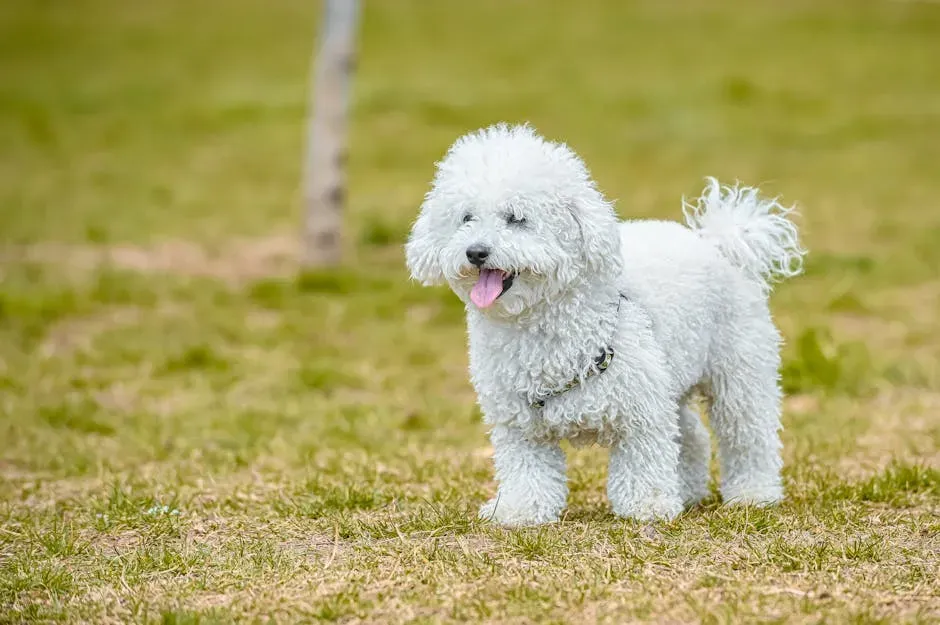
The Bichon Frise is known to have separation anxiety. They are companions and lapdogs who do not like to be away from their families. Bichon Frises are the type of dog that will follow you around all day.
The Bichon Frise is a small, affectionate dog that craves companionship and attention. Bred as lapdogs, Bichons are happiest when they are with their human family members, and they can struggle when left alone. Their cheerful disposition can quickly become anxiety when separated from their loved ones, leading to barking, whining, or destructive chewing. Prevention tip: crate training from puppyhood, paired with short practice departures, is your best tool with this breed.
8. Siberian Husky: Pack Animal, Terrible Solo Artist
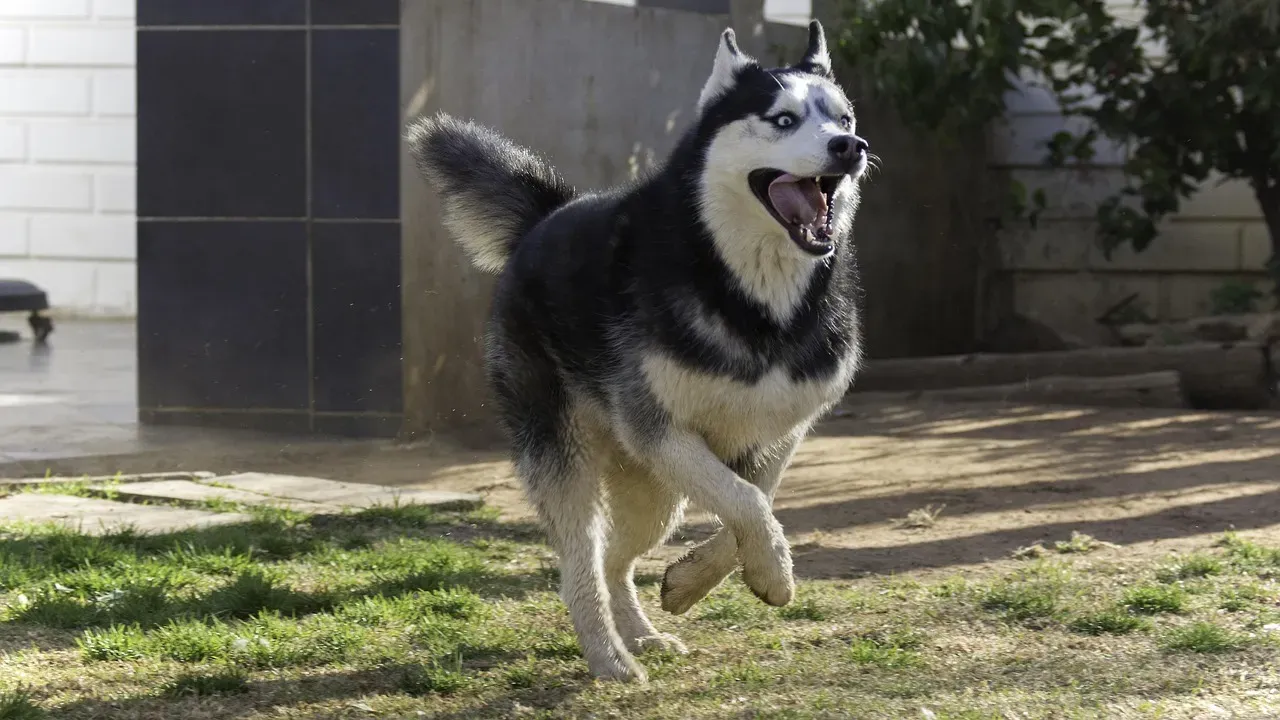
Huskies are known for their high energy and for being extremely social dogs that love being in packs. These dogs are very independent and are not prone to separation anxiety per se. However, because of their strong need to be in a pack and high energy levels, they are prone to being destructive if left alone for long periods.
Siberian Huskies are also prone to anxiety, which can manifest as barking, destructive chewing, digging, escape attempts, or fixation on movement. I think this is one of the most misunderstood breeds when it comes to alone time. People assume Huskies are independent because they seem bold – they are, until they’re lonely. If your Husky is being destructive when left alone, it’s time to up the amount of physical activity and exercise they get, as well as their social interaction or playtime with other dogs.
9. Jack Russell Terrier: Tiny Body, Enormous Capacity for Chaos
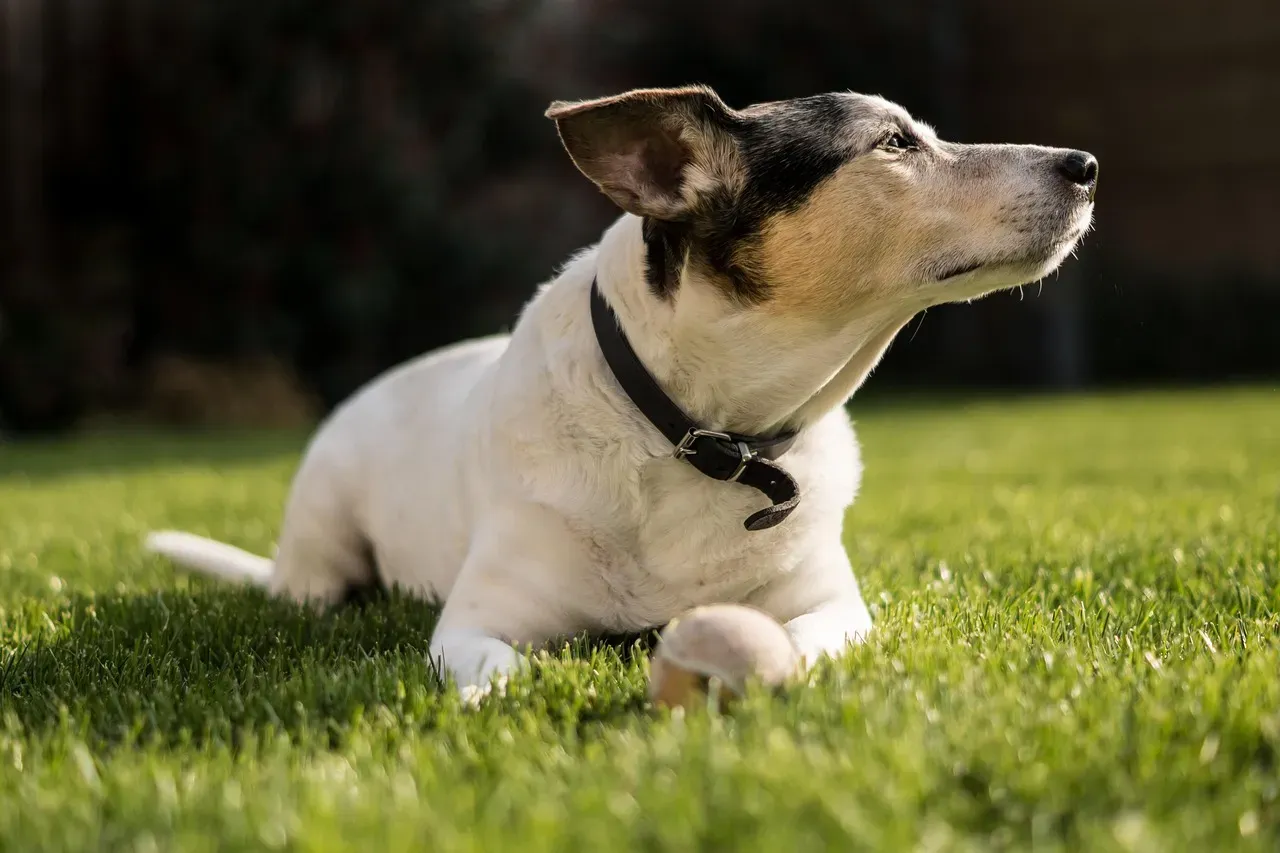
The Jack Russell Terrier is one of the dog breeds that suffer from separation anxiety. This breed is known for its high energy and intelligence, making it difficult for them to be left alone. They may become destructive or even aggressive when left alone, making them difficult dogs to live with.
Jack Russell Terriers are high energy and easily bored. Digging, barking, and escape attempts are common behaviors when left to their own devices. Honestly, a bored Jack Russell is basically a tiny tornado with paws. Puzzle feeders and Kong toys stuffed with treats before you leave are absolute lifesavers for this breed.
10. Cocker Spaniel: Sweet, Sensitive, and Seriously Clingy

The Cocker Spaniel likes to spend a lot of quality time with their families. They may become anxious or stressed when their humans leave them alone in the house. Cocker Spaniels tend to be loyal and loving. Their overall temperament makes them prone to separation anxiety.
Cocker Spaniels can often get anxiety when separated from their owner. This can manifest as destructive behavior, excessive vocalization, and other forms of distress. The best way to prevent separation anxiety is to ensure that your Cocker Spaniel has plenty of socialization and human interaction throughout the day. Behavior cue to note: if your Cocker Spaniel starts shadowing your every step before you head out, that’s their way of saying “please don’t go.”
11. Toy Poodle: Sensitive Soul in a Small Package

Toy Poodles may develop separation anxiety when left alone for long periods. If they’re bored, they’re likely to bark, jump, and be destructive. Toy Poodles are also very sensitive to new environments and changes in their routine, which may contribute to stress-related gastrointestinal upset.
Because they’re highly intelligent dogs, keeping them entertained with interactive toys and puzzles is a great way to help them manage stress. It’s hard to say for sure whether Toy Poodles are more vocal or more destructive when anxious – but in my experience, it tends to be a loud, shoe-shredding combination of both. Structured training and a predictable daily routine are your best friends with this breed.
12. Shetland Sheepdog (Sheltie): Alert, Sensitive, and Built for Company
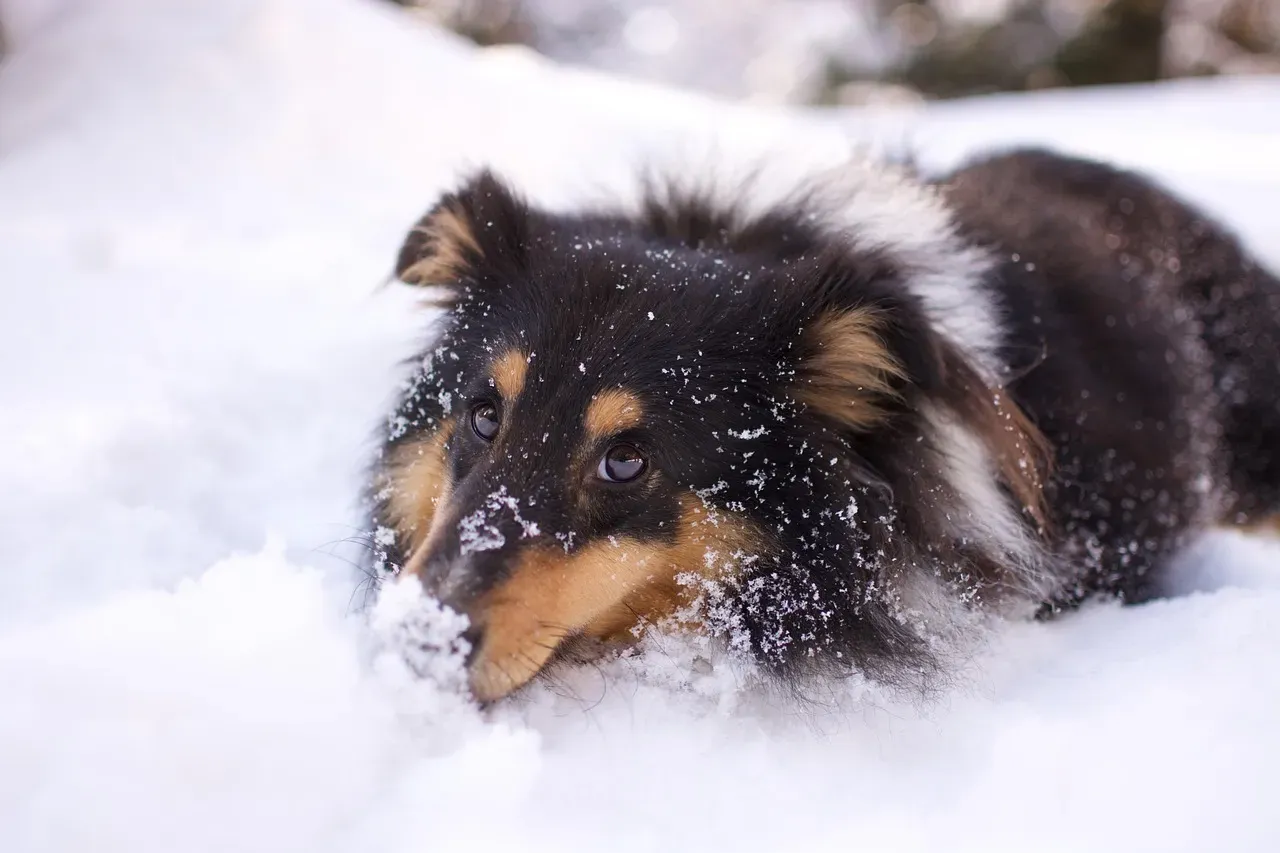
Shetland Sheepdogs are highly social creatures and do not enjoy being left alone. They require plenty of daily physical activity, so if they are frustrated and bored, this may trigger stress at being left to fend for themselves. Shelties tend to form strong bonds with their owners, so strangers may also make them feel anxious.
Shelties can be a bit neurotic, especially when left alone. They have a tendency to develop strange behaviors, such as chasing their tail or roaming around their home on a very particular path. They’re also prone to digging, barking, chewing, and practically any other problem behavior you can think up. Prevention tip: start alone-time training early, even with short 10-minute departures, and always reward calm behavior when you return.
What You Can Do: Your Action Plan as a Caring Dog Parent
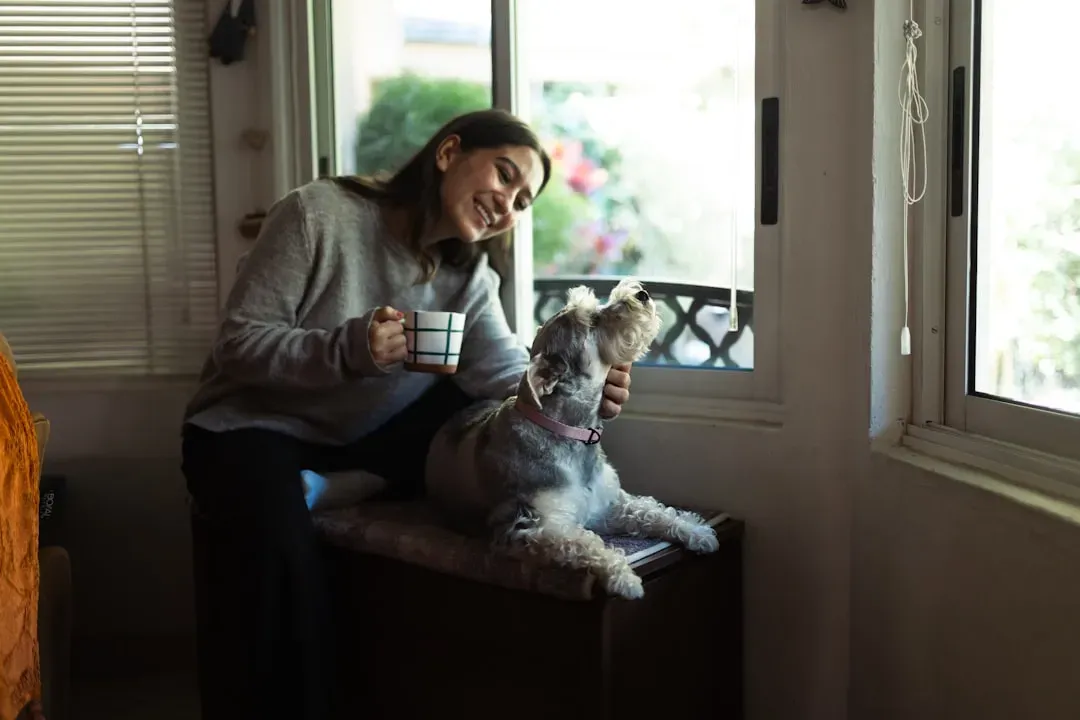
Let’s be real – knowing your dog’s breed tendencies is only half the battle. The other half is actually doing something about it. Managing separation anxiety involves establishing a routine that provides security, creating a safe space at home where the dog can feel comfortable, and considering professional advice from a veterinarian or an animal behaviorist if the anxiety is severe. Training techniques like desensitization and counter-conditioning can help alleviate anxiety.
If you notice your dog exhibiting anxious behaviors, talk to your vet about potential aids like Thundershirts, pheromone diffusers, calming supplements, anti-anxiety medications, or behavioral modification training. Small daily changes can lead to dramatic improvements over time. Exercise before you leave, interactive toys while you’re gone, and a calm goodbye routine are three simple shifts that truly move the needle.
Physical and mental exercise play a crucial role in managing separation anxiety in dogs. Regular physical activity helps to release excess energy and promotes overall well-being. Incorporating activities such as daily walks, interactive play sessions, and engaging games like fetch or puzzle toys can help reduce anxiety levels. You don’t need a miracle, just consistency.
Conclusion: Your Dog Isn’t Misbehaving – They’re Missing You

Here’s the most important thing to walk away with: none of these 12 breeds are “bad dogs.” Not even close. These behaviors often mean a dog is struggling with alone time and may benefit from patience, routine, and gradual independence-building. The chewed chair leg isn’t defiance – it’s distress.
Every shredded cushion is your dog’s version of a text message that says “I miss you and I don’t know how to handle it.” Understanding your dog’s breed-specific needs is genuinely one of the most loving things you can do for them. Because when they feel safe and secure, even when you’re gone, that’s when the real magic of the human-dog bond shines brightest.
So the next time you come home to a little chaos, take a breath, skip the scolding, and ask yourself: what does my dog need more of? Chances are, the answer is simpler than you think. What small change will you make for your dog starting tomorrow?