
#1. The Nose Knows: Why a Dog’s Sense of Smell Is a Different Category Entirely

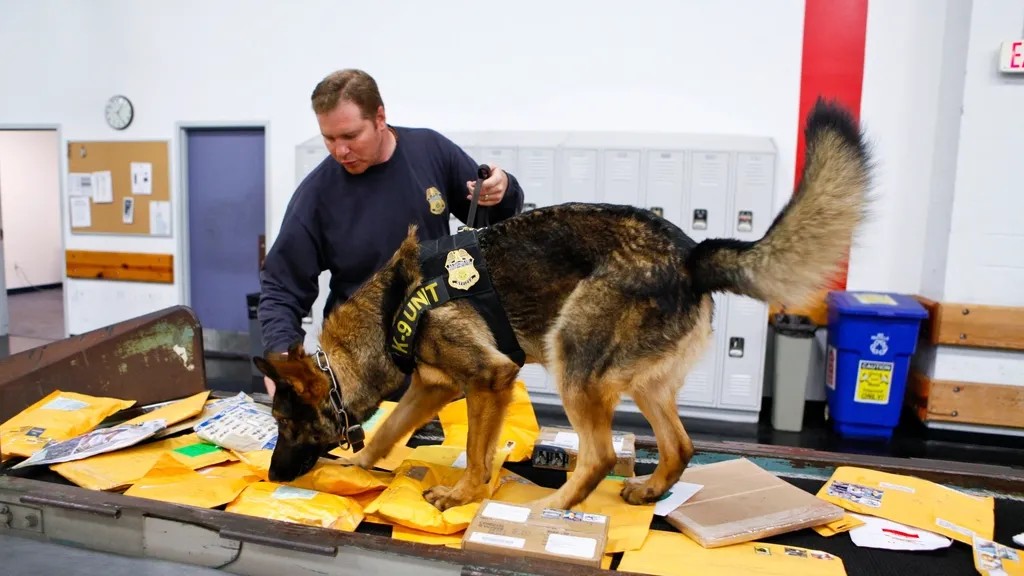
A human nose has about 5 million scent receptors. A dog’s? Over 300 million. That’s not just a quantitative difference. It represents a fundamentally different relationship with the world, one built almost entirely around scent rather than sight. Dogs have smell receptors accurate enough to detect substances at concentrations of one part per trillion, the equivalent of a single drop of liquid in 20 Olympic-size swimming pools.
Dogs have huge numbers of olfactory receptors and a high proportion of active genes encoding these receptors, increasing the diversity of compounds they can detect. The shape of the canine snout is also optimized to increase airflow in the nasal cavity. In practical terms, this means their nose is not just more powerful, it’s structurally engineered for precision. Dogs also inhale up to 300 times per minute in short breaths, meaning their olfactory cells are constantly supplied with fresh odor particles.
Scientific studies have shown that dogs can tell identical twins apart even if those twins live in the same house and eat the same food. So dogs know a person’s individual smell, and when illness changes that smell, dogs can notice that, too. Think about that for a moment. Your dog has already memorized your baseline scent down to the molecular level, which means any deviation stands out immediately, like a wrong note in a familiar song.
#2. Volatile Organic Compounds: The Chemical Language of Illness

Our bodies constantly release microscopic scent molecules called volatile organic compounds, or VOCs. When we’re healthy, those VOCs follow a fairly consistent pattern. When something in our body changes, such as inflammation, infection, changes in metabolism, or abnormal cell growth, those scent patterns can shift. This is the core of how dogs detect illness before we do. The body essentially broadcasts its internal state through chemistry, and dogs are extraordinarily sensitive receivers.
When someone becomes ill, their body chemistry changes, producing different VOCs in breath, sweat, and urine. Their body temperature fluctuates and their movements shift subtly. While these changes might be imperceptible to human companions, they can create a dramatic sensory signature that animals with heightened senses can detect. It’s worth sitting with that. What feels like a mild headache or a vague sense of fatigue to you is, chemically speaking, a loud signal your dog has already registered.
Illnesses including infections and cancers can cause the body to emit unique scents. Dogs can also sense fluctuations in hormones caused by stress, disease, or pregnancy. They can identify certain diseases by smelling human breath or sweat, including in the detection of diabetes and COVID-19. The breadth of what these compounds reveal is remarkable, and researchers are still working to fully map which specific VOCs correspond to which conditions.
#3. Cancer, Diabetes, and Seizures: Where the Evidence Is Strongest
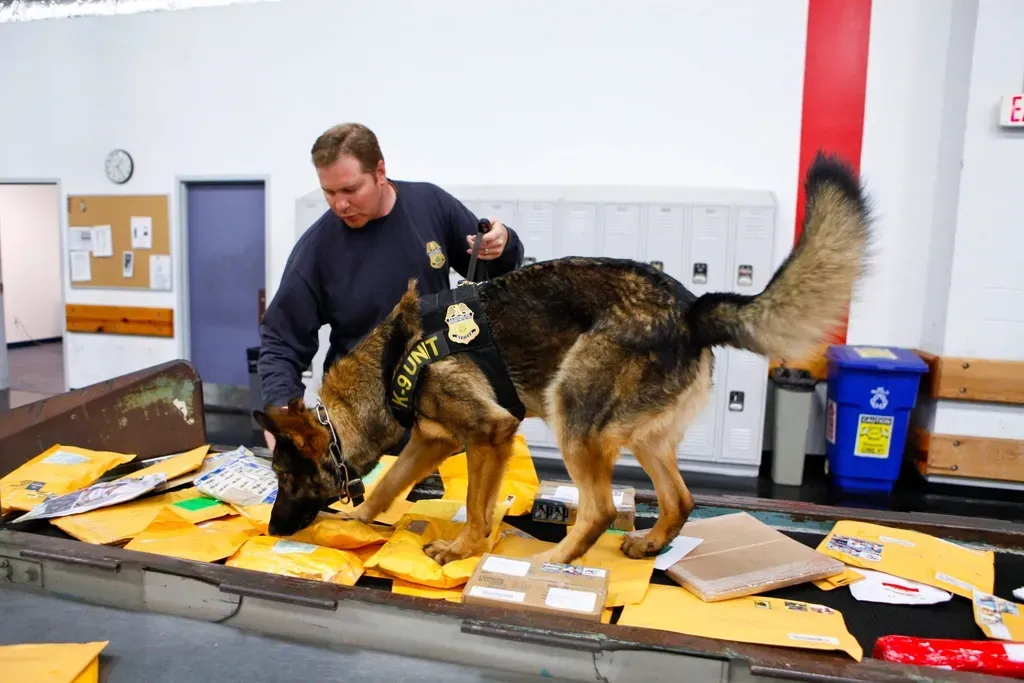
Research published in journals including BMJ, The Lancet, and PLOS ONE has shown trained dogs can detect lung cancer with around 97% accuracy, prostate cancer with 99% specificity, and colorectal cancer with 95% accuracy by sniffing breath or urine samples. These are not anecdotal numbers. They come from peer-reviewed, controlled studies that deliberately ruled out handler bias. With a sense of smell estimated to be between 10,000 and 100,000 times superior to ours, dogs can detect the smell of cancer far earlier in the disease’s progress, even while the cancer is still in situ and has not spread from where it first formed.
Researchers at the Medical Detection Dogs charity in the UK have trained dogs to alert diabetic owners to dangerous blood sugar fluctuations, sometimes up to 15 minutes before conventional monitors. For people living with Type 1 diabetes, that window of advance warning can be the difference between a manageable dip and a medical emergency. Medical alert service dogs have also been trained to detect oncoming seizures, sometimes before the person experiences any conscious symptoms.
Evidence suggests that trained scent dogs can detect a variety of diseases in both humans and animals accurately and often earlier than many existing screening tools. It’s a striking conclusion, and one with real implications for how early detection medicine might eventually work. Trained dogs can detect some substances in very low concentrations, as low as parts per trillion, which makes their noses sensitive enough to detect cancer markers in a person’s breath, urine, and blood.
#4. Stress, COVID-19, and the Frontier of Parkinson’s Detection
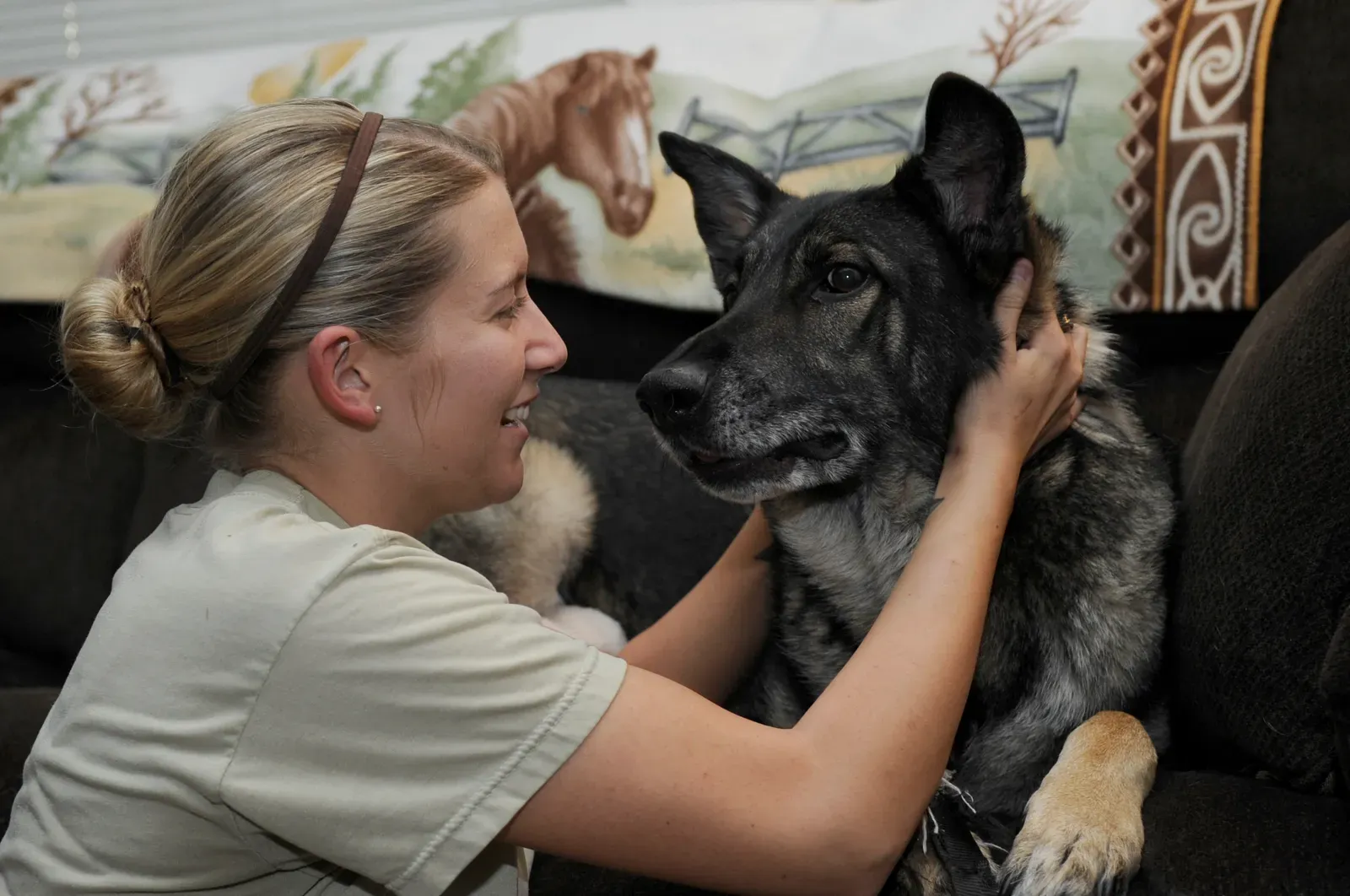
A 2022 study demonstrated that physiological changes induced by psychological stress could be detected by dogs in sweat and breath samples. Dogs were able to distinguish the stressed state from the calm state with roughly 94% accuracy. This extends the conversation well beyond physical illness. A dog responding to your stress isn’t simply empathizing in a vague emotional sense. It is responding to a measurable biochemical shift in your body. This has important implications for post-traumatic stress disorder service dogs, which are vital for detecting and aiding people having stress episodes.
In research where two dogs were trained to identify COVID-19 scent in live individuals, they tested out at 94% to 96% positive and negative agreement compared to PCR testing. That kind of accuracy, achieved through scent alone, caught the attention of public health researchers who began exploring dogs as a rapid, low-cost screening tool. In some cases, these dogs were able to tell someone had COVID-19 before they tested positive using conventional tests.
People with Parkinson’s disease have an odor that can be reliably detected from skin swabs by trained dogs, a new study has shown, published in The Journal of Parkinson’s Disease in collaboration with Medical Detection Dogs and the Universities of Bristol and Manchester. When presented skin swabs, the dogs were up to 80% effective in accurately detecting people with confirmed Parkinson’s. Given that Parkinson’s currently has no single reliable early test, the potential here is significant. Early detection could offer a meaningful head start on treatment planning, years before symptoms become disabling.
#5. Reading You Beyond Smell: Behavior, Body Language, and Emotional Attunement

Aside from their exceptional sense of smell, dogs are also keen observers of their owners’ behavior and body language. When a person is sick, they often exhibit physical and emotional changes such as lethargy, pain, or sadness. Dogs are highly attuned to these changes and can pick up on subtle cues that indicate something is not right. Your dog is, in a sense, running a continuous background assessment of your condition, cross-referencing scent data with behavioral observation simultaneously.
Dogs are highly attuned to their owners’ behaviors and routines. When you’re sick, your behavior may change, perhaps you’re less active, quieter, or exhibit different movements. Dogs notice these deviations and may respond accordingly. If you’re typically energetic and suddenly become lethargic, your dog may recognize this shift and offer more companionship or become more protective. That clinginess many owners notice when they’re unwell isn’t neediness. It is, in all likelihood, a purposeful response to detected change.
Some studies have shown that dogs can recognize human emotions by reading facial expressions, hearing voice tones, and detecting changes in scent. Sickness can also affect your voice, making it softer or altering its tone, and dogs can pick up on these vocal cues and respond with increased attentiveness. It’s a layered, multi-sensory picture they’re building of your state, not a single data point. Few animals on earth are as finely tuned to a specific individual human as a dog that lives with you every day.
Conclusion: Your Dog May Know Before You Do
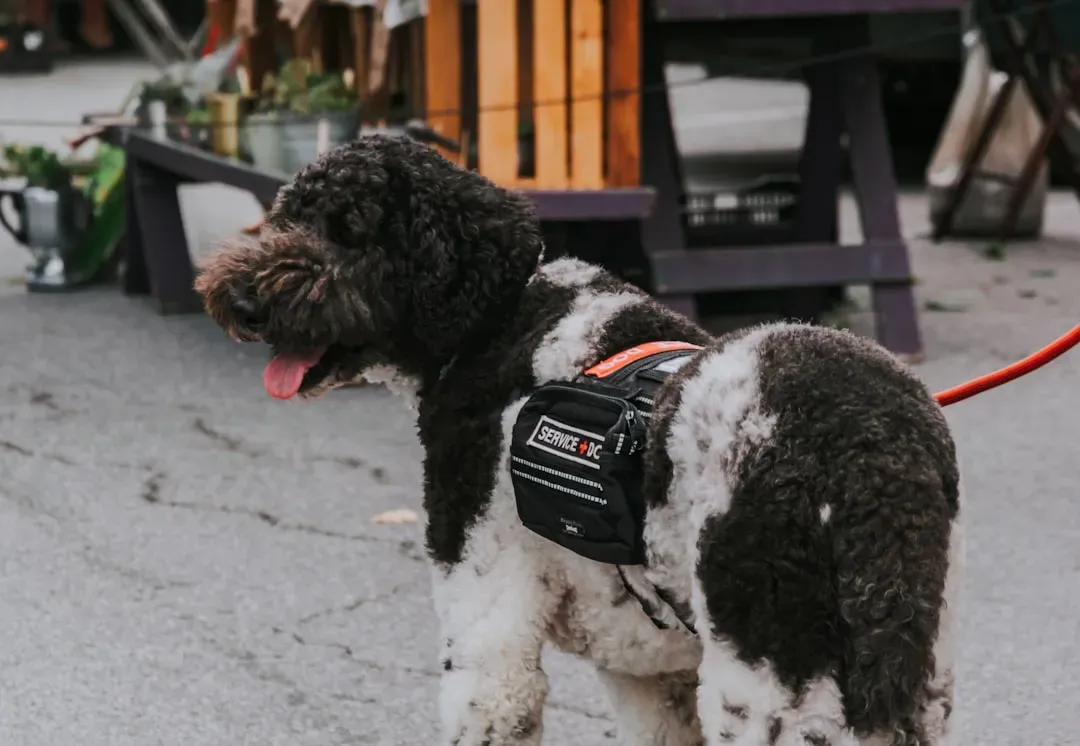
The science is clear enough to take seriously, even if it still has gaps. Dogs can detect genuine chemical signals produced by illness in the human body, often before those illnesses announce themselves through symptoms. This isn’t a trick, and it isn’t intuition in any mystical sense. It is a product of biology refined over thousands of years of close proximity to humans.
What’s worth acknowledging is how this changes the way we might think about our dogs’ behavior. That moment when your dog refuses to leave your side, sniffs you more than usual, or seems unusually watchful deserves more than a shrug. Through their remarkable noses and emotional attunement, dogs can perceive health changes in their owners, often before the owners perceive those changes themselves.
Trained medical detection dogs represent a genuine frontier in diagnostics, but the dog already living in your home may be doing something quieter and equally remarkable every single day. The relationship between dogs and humans has never been just about companionship. It appears it has also, all along, been about care. We just needed science to catch up to what dogs already understood.


