
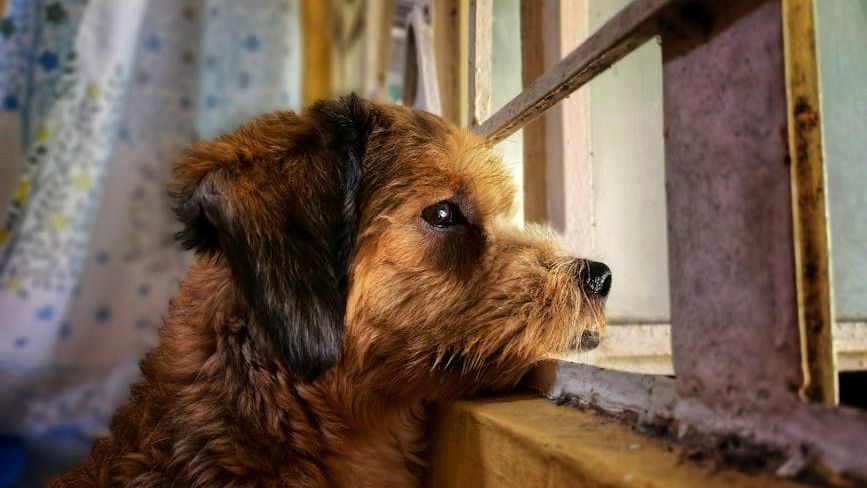
#1. What Clinginess in Dogs Actually Signals
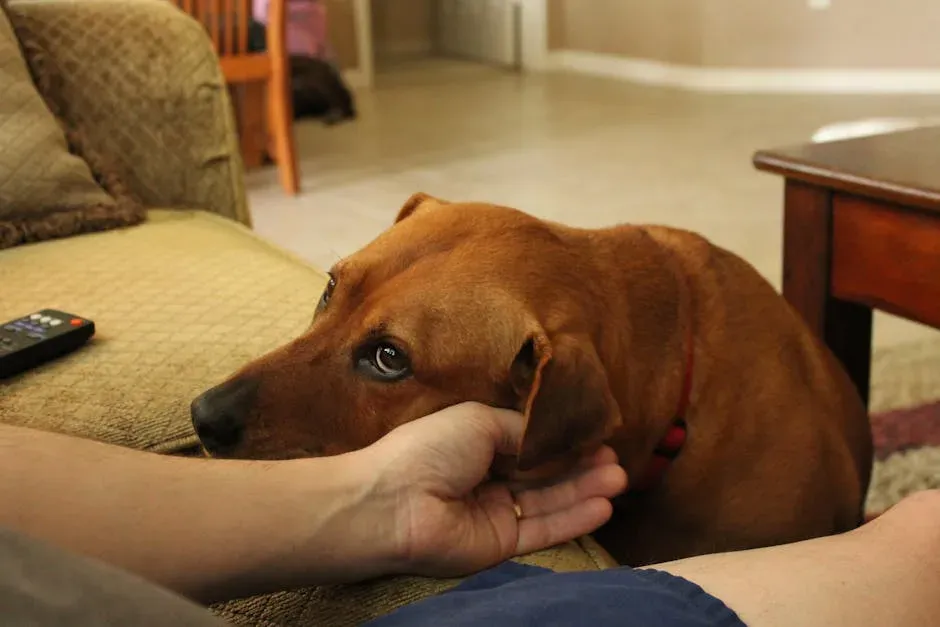
Separation anxiety in dogs is a behavioral disorder characterized by anxiety and distress when a dog is away from their owner. The condition typically occurs when a pet parent leaves, and it often includes excessive excitement, clingy behavior, and restlessness upon the owner’s return. Far from being endearing quirks, these behaviors are distress signals in disguise.
Increased clinginess describes a behavior in which the dog wants to spend an excessive amount of time near its owner and seems highly dependent on their presence. This behavior can be normal if the dog simply likes its owner, but it can also indicate underlying problems when it occurs excessively or suddenly. The key word is “excessively.” A dog pressing close to you on the couch is companionship. A dog that cannot function the moment you step away is something else entirely.
Many dogs with separation anxiety are very attached to a person, sometimes called a “Velcro dog” because of how clingy they are, though not all Velcro dogs have separation anxiety. These dogs are often overjoyed when you come home and appear “sad” or “depressed” when you leave. Separation anxiety, in effect, is like a panic attack in a person and can damage the quality of life for both the dog and the human.
#2. The Psychology of Fear Behind the Behavior
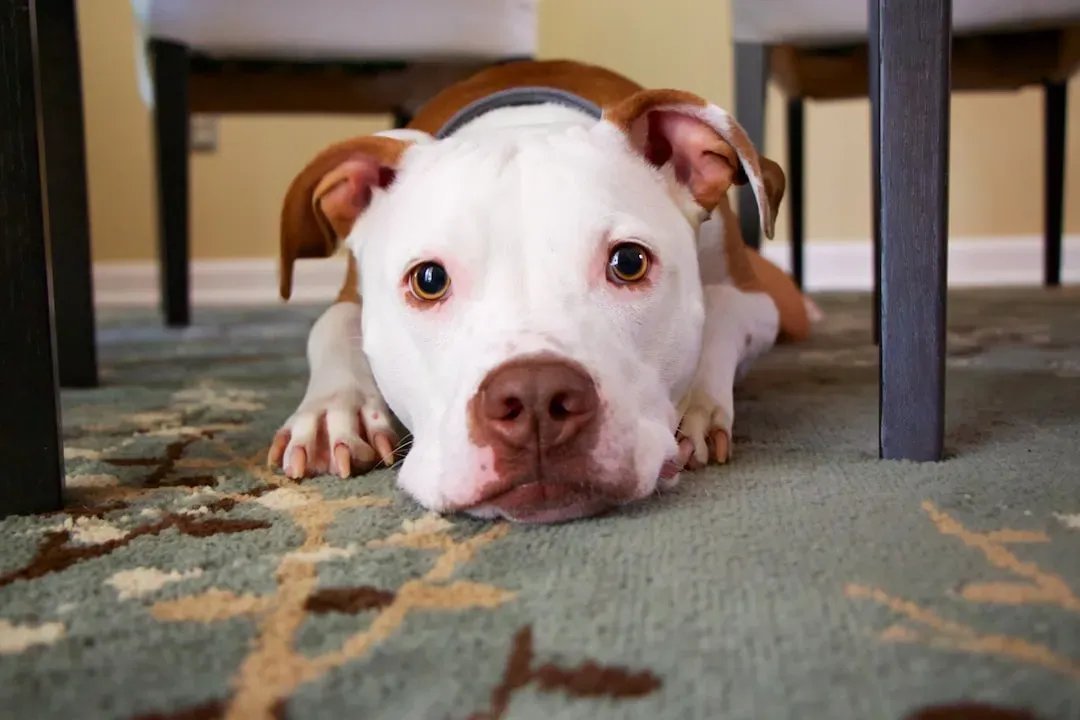
Separation anxiety occurs when a dog develops a disproportionate fear or agitation in response to being separated from their owners or housemates. Researchers have spent considerable time trying to understand exactly what kind of internal emotional state drives this, and the picture that emerges is nuanced.
There are several indications that fearfulness, as a personality trait, has a strong connection with separation-related problems. Based on questionnaire studies, generally fearful dogs had a higher risk of developing these issues, and noise phobia and thunderstorm phobia have also been linked to them. This means a dog that trembles during a storm isn’t just noise-sensitive. That same underlying temperament may be quietly fueling the clingy behavior you see every single morning.
Stress-related behaviors during separation can vary in appearance and intensity, with fear, anxiety, panic, and frustration all potentially appearing. One hypothesis is that separation stress can be associated with several inner states in the dog, and the relative intensity of these inner states can modify the actual behavioral response seen during separation. In short, “clingy dog” is rarely one thing. It’s often a cocktail of emotions.
#3. The Roots: What Creates a Fearfully Attached Dog

Research highlights how different emotional states combine to produce problem behaviors in dogs. Although unwanted behavior is first triggered by the owner’s departure, it arises because of a combination of risk factors that may include elements of the dog’s temperament, the type of relationship it has with the owner, and how the two of them interact. No single cause tells the whole story.
Possible reasons a dog may be prone to separation anxiety include never previously being left alone and traumatic separation, such as seen in some abandoned shelter dogs. Even a single traumatic event in the owner’s absence, like a break-in, can lead to separation anxiety. Personality may also play a role, with clingy dogs perhaps being more at risk than independent ones.
Dogs that have experienced neglect or abuse may become overly attached as a coping mechanism. Insufficient exposure to other people or animals can also result in a dog becoming overly reliant on their owner. Early life experiences cast long shadows, and a dog’s nervous system keeps score in ways we don’t always see until the behavior is well established.
#4. The Science of Attachment Styles in Dogs
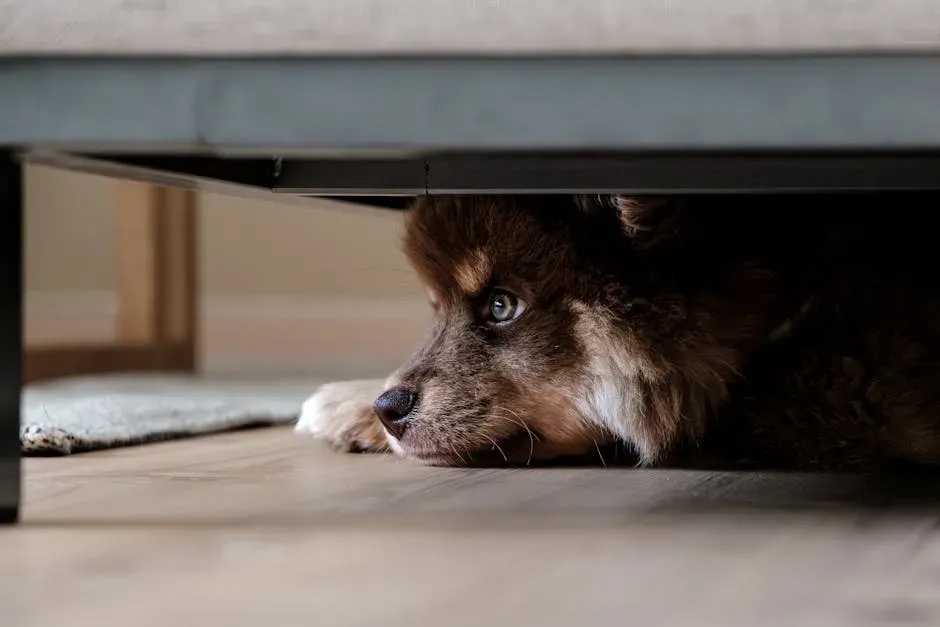
Psychology has long studied attachment theory in humans, but researchers have increasingly applied a version of this framework to dogs. The findings are striking. It has become a popular approach to consider dogs with separation-related disorders to be “hyperattached” or “overattached” to the owner, assuming that “too much” attachment causes the high level of separation stress.
Dogs with separation-related disorders often cannot use the owner as a secure base, and they cannot easily be calmed by the return of the owner after separation. Based on these results, researchers have suggested that these dogs have an attachment style analogous to the insecure-anxious attachment style observed in human infants. This parallel to human developmental psychology is more than just an interesting comparison. It suggests the emotional dynamics at play are genuinely deep.
Links between an owner’s attachment style and a dog’s behavior imply that dogs may develop different strategies for handling challenging situations, based on the type of support they receive from their owner. The relationship itself, in other words, shapes the dog’s internal emotional landscape over time. It’s a two-way street, whether owners realize it or not.
#5. What Actually Helps: Treatment and Building True Security
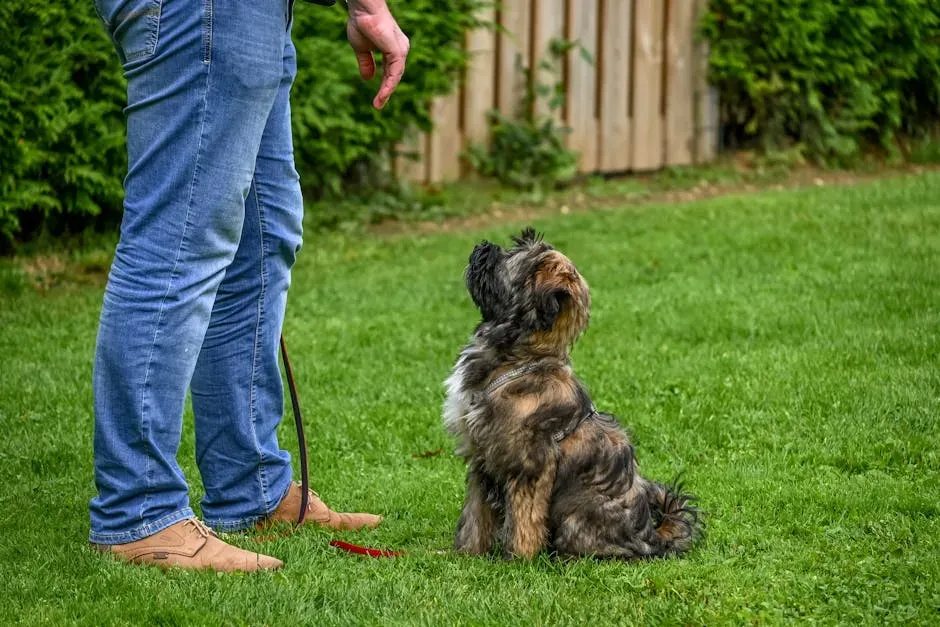
Behavior modification is the foundation of separation anxiety treatment and requires time, effort, and patience from both the owner and the dog. There is no overnight fix, and anyone who tells you otherwise is selling something. Real progress is slow, deliberate, and requires consistency above everything else.
The most successful treatment for canine separation-related problems may be behavior modification that focuses on systematic desensitization and counterconditioning, which can be supplemented with medication in the initial stages. Desensitization involves gradually exposing the dog to departure cues without actually leaving, slowly rewiring the association between those cues and fear. Desensitization is often most successful when paired with counter-conditioning, in which each triggering action is paired with a treat or toy to associate that action with something positive. Well-executed behavior modification and desensitization plans are often effective in increasing the amount of time a dog can be left alone before symptoms start to recur.
Exercise can’t cure separation anxiety, but it certainly can help treat and prevent it. A tired, contented dog who’s had a brisk walk and playtime is more likely to settle down when you leave. Meanwhile, punishment should never be used, as it will only increase anxiety and worsen unwanted behaviors. A consistent daily routine can help a dog establish expectations for when they will receive attention and when they will be alone.
Conclusion: Clinginess Is a Cry, Not a Compliment
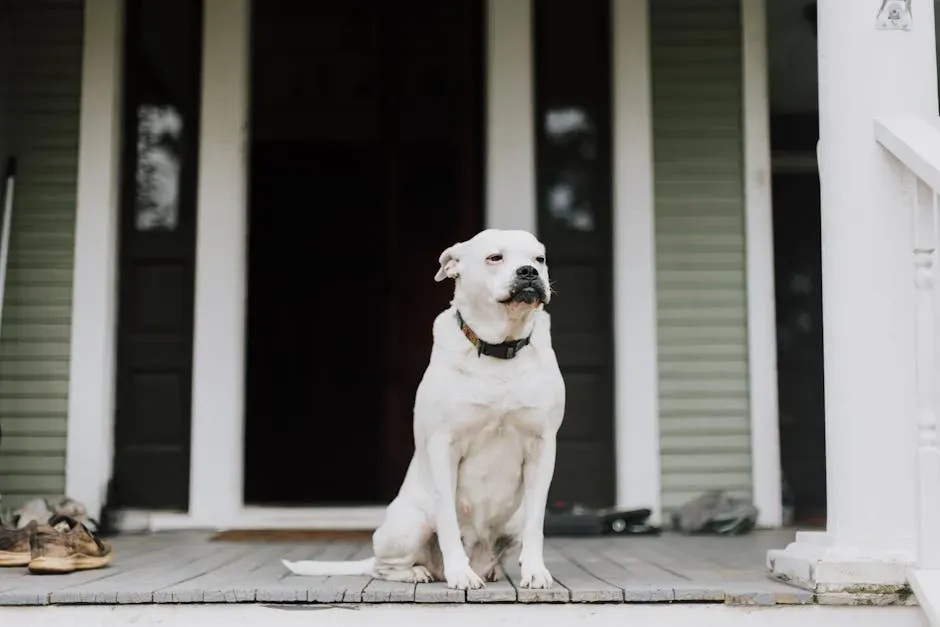
It’s tempting to feel flattered when your dog can’t bear to be without you. There’s a warmth in that kind of devotion. But when clinginess tips into anxiety, when it’s built on fear rather than affection, accepting it as normal does the dog a serious disservice.
It’s important to recognize that separation anxiety is a medical condition and needs to be treated appropriately. By encouraging a dog’s independence and working with a veterinarian when necessary, owners can help instill behaviors that allow their companions to truly thrive on their own. A dog that feels safe alone is a far happier dog than one that clings out of terror.
The most compassionate thing an owner can do isn’t to always be there. It’s to slowly, patiently teach their dog that absence is survivable. That the world doesn’t end when you walk out the door. Security, real security, isn’t built by never leaving. It’s built by always coming back, and by gradually teaching your dog to trust that fact down to its bones.


