
#1. It’s Called Ground-Scratching, and It’s Completely Normal
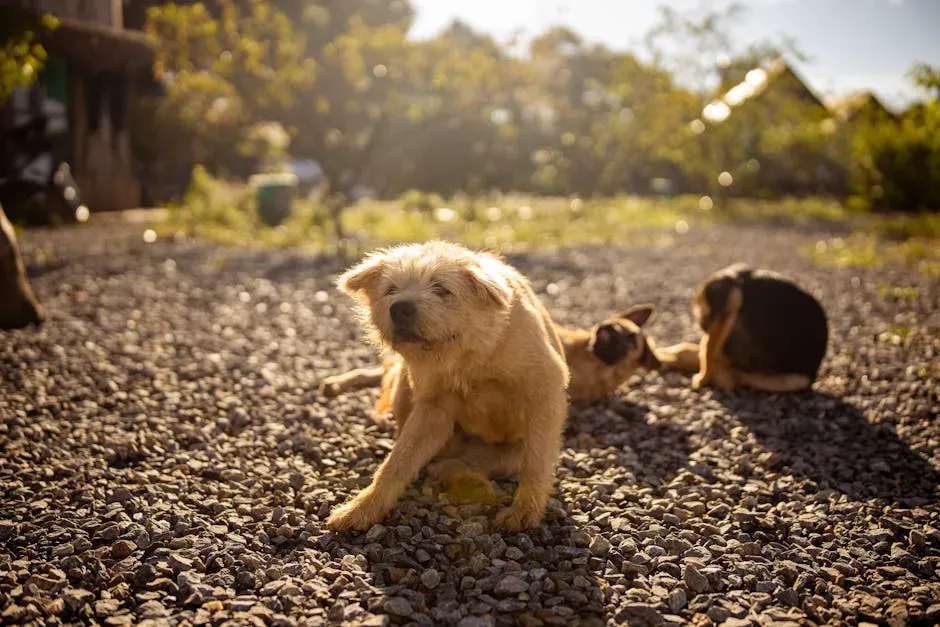
Kicking the hind legs after elimination is known as ground-scratching, and it is a normal dog behavior. This behavior has been seen in dogs and wild canids, such as wolves and coyotes. So the next time your dog goes full soccer player on someone’s lawn, know that they’re doing something deeply embedded in their species.
If your dog scratches or kicks the ground after they poop, rest assured this is normal animal behavior. In fact, dogs do this for a few reasons, ranging from scent marking to something as simple as cleaning their paws. The behavior can look wildly different from dog to dog. Not all dogs exhibit this behavior, and it can range in intensity. Some dogs may just kick each paw once and walk away, whereas other dogs kick and alternate legs multiple times.
Ground scratching could be yet another form of social communication, and taken together, peeing, pooping, and ground scratching are a good example of how dogs may use what ethologists call composite signals to enhance their messages to other dogs, by using both olfactory and visual components. When you start looking at it that way, the whole ritual makes a lot more sense.
#2. The Real Reason: Scent Marking, Not Cleaning Up
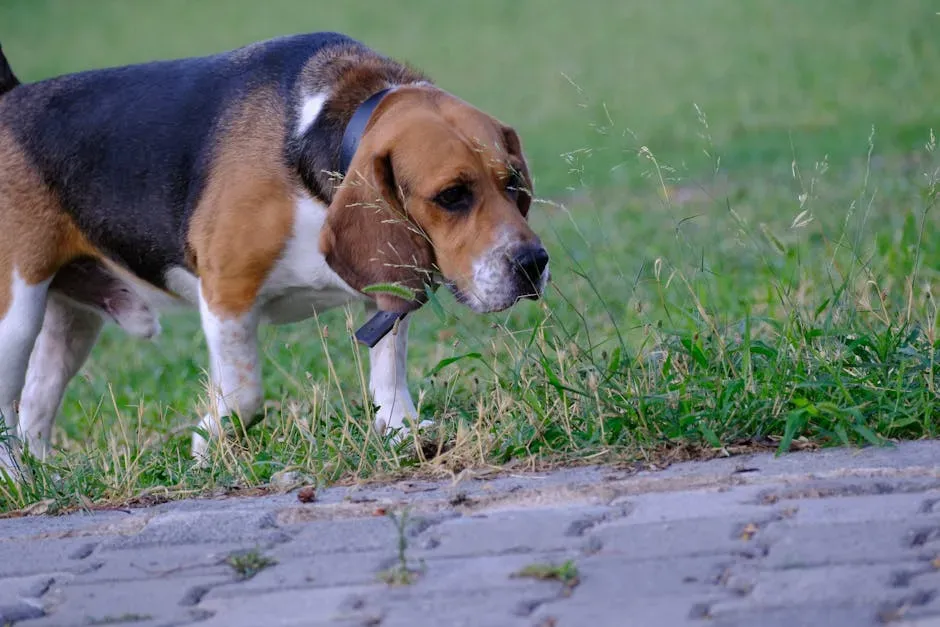
Instead of hiding evidence, dogs are amplifying it. They’re not ashamed of their poop – they’re using it as a billboard. The kicking adds an extra layer of scent from their paw pads and visually disturbs the ground to draw even more attention to the area. That’s a pretty bold communication strategy, but it’s exactly what dogs are designed to do.
Dogs have glands in their paws that release pheromones that trigger social interaction with other dogs. These pheromones from dogs’ feet last longer than the scent of urine or feces, making them a more effective communication tool. So the kicking isn’t just redundant effort on top of what the poop already does. It’s actually a more durable signal.
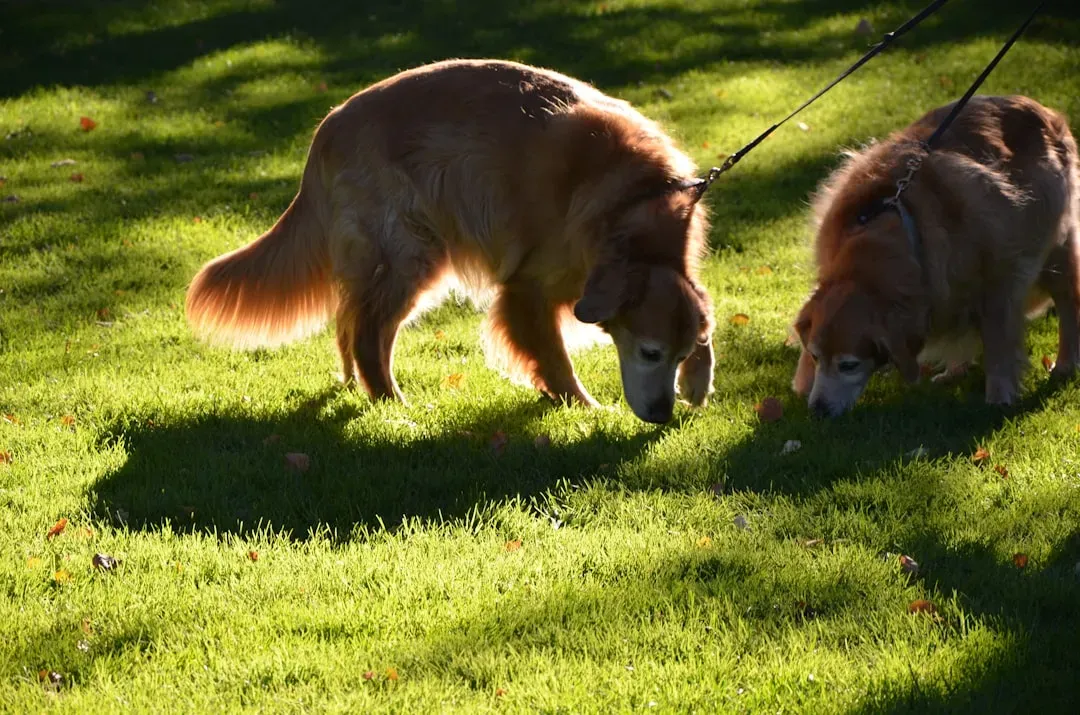
Dogs gather quite a bit of information about each other from smelling where other dogs have gone to the bathroom or kicked their feet, including the age, gender, stress level, how healthy the marking dog is, and whether they are open to any “special attention.” It’s essentially a personal profile, left on the ground for the next dog that comes sniffing through.
#3. Ancient Instincts That Never Went Away
This behavior goes back thousands of years and can still be observed in wild canids like wolves, foxes, and coyotes. In the wild, scent marking helps establish territory, prevent conflicts, and provide information about age, sex, and status to other members of the pack or rival animals. Your couch-loving, treat-obsessed dog is still running some very old software.
Before dogs became domesticated, it was useful to mark their territory using the scent from their glands. Wild dogs, and their wolf ancestors, use this method of marking to protect territories that were too large to patrol each day. Essentially, ground-scratching was a way to have a presence in a place even when you weren’t physically there. A passive alarm system made of pheromones.
Even though your dog may sleep on a plush bed and eat out of a personalized bowl, those deep ancestral instincts still influence their everyday behavior – including the poop-kick. Domestication changed a lot about dogs. This particular habit? It stuck around.
#4. What the Kicking Actually Communicates to Other Dogs
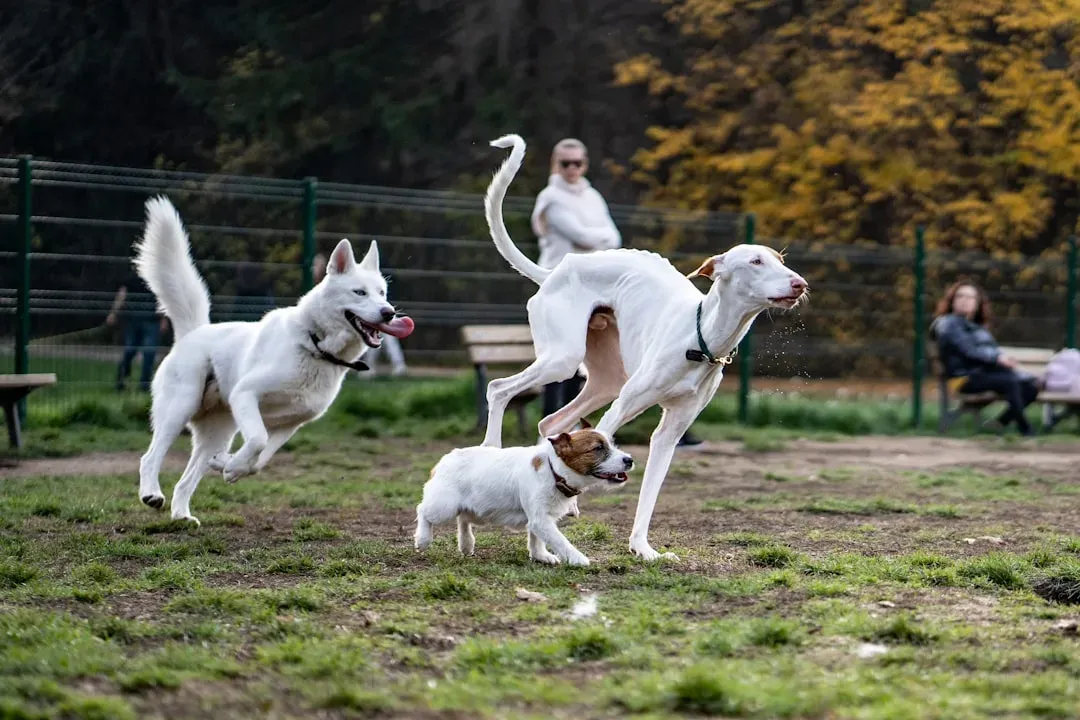
For free-ranging dogs, the ground-scratching behavior was more likely to occur during encounters with unfamiliar dogs. Within a free-ranging dog pack, higher-ranking dogs were more likely to ground-scratch. That detail says a lot. It means kicking isn’t random – it tends to scale up in social situations where a dog feels the need to assert its presence.
This form of communication also allows your dog to alert other dogs that there isn’t a present threat in the area. If another dog comes near, they’ll immediately know that another animal of the same species is close by. The message isn’t always aggressive. Sometimes it’s just a check-in, almost neighborly by canine standards.
The kicking behavior helps spread their scent farther, making it easier for other dogs to pick up on who passed through the area. This can communicate confidence, territory, or even general information like age and mood. The visible slash marks left in the dirt serve as an added visual marker for dogs approaching from a distance, giving the whole communication effort a much wider reach.
#5. When to Worry and When to Simply Let It Go
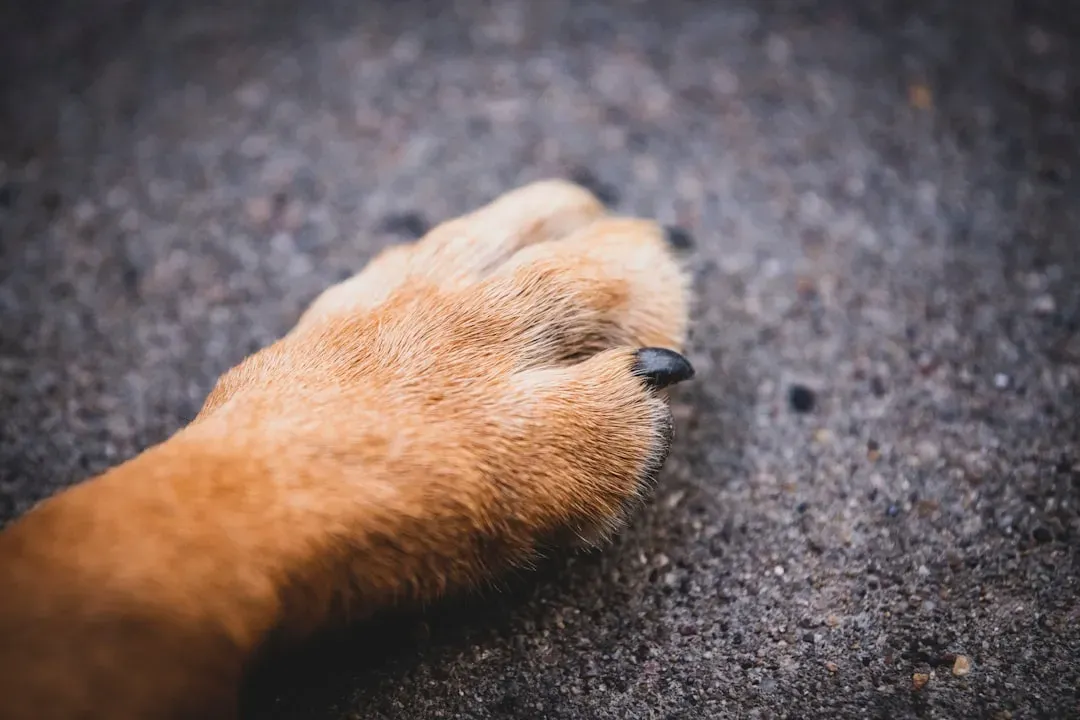
There is no need to stop your dog from kicking their feet after pooping or peeing unless they kick up a lot of dirt or grass or do it with such vigor that they are hurting their nails or paw pads. For the vast majority of dogs, this is a non-issue that simply requires you to pick up the mess and move on. Trying to suppress it entirely tends to create more problems than it solves.
Trying to stop them may lead to frustration or anxiety. However, there are circumstances that would warrant concern and require you to step in: if your dog is excessively scratching, scraping or seems to be in discomfort. That would require a talk with your vet. A veterinarian can rule out any underlying issues such as anal gland problems or skin irritation. Context always matters. Occasionally kicking after a poop is natural. Frantic, repetitive, or pained-looking kicking is worth a closer look.
After your dog kicks up grass, be sure to check for things like rocks, burrs, or foxtails that might have gotten in between their toes. You don’t want their harmless kicking to turn into a medical emergency. If your dog does kick enthusiastically on rough terrain like concrete or gravel, keep an occasional eye on their paw pads to make sure the skin stays intact. If your dog regularly wrecks the grass in one area, try a different route for a few weeks. Create a designated bathroom area and train your dog to go to the bathroom in one specific spot.
Conclusion: Your Dog Is Not Being Weird. They’re Being a Dog.
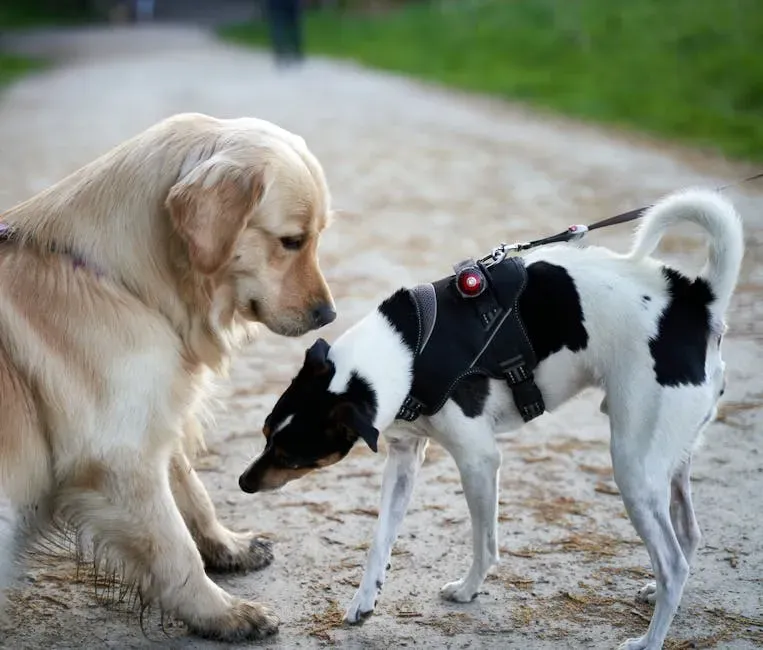
There’s something genuinely fascinating about realizing that a behavior you’ve seen hundreds of times actually carries this much meaning. Your dog isn’t embarrassed, isn’t cleaning up, and isn’t acting out. They’re participating in a communication system that predates domestication by thousands of years, leaving messages that only other dogs can fully read.
The honest takeaway here is this: we tend to project human logic onto dog behavior, and it leads us astray. A cat buries its waste. A dog advertises it. Neither is wrong. They’re just operating on entirely different social frameworks. Once you understand what the kicking actually means, it shifts from an annoying quirk into a small window into how your dog genuinely experiences the world around them.
So next time your dog finishes their business and launches into that enthusiastic backward shuffle, let them have their moment. They’re not making a mess for the sake of it. They’re signing their name. And in the language of dogs, that signature carries more weight than we ever gave it credit for.


