
#1. Following You From Room to Room
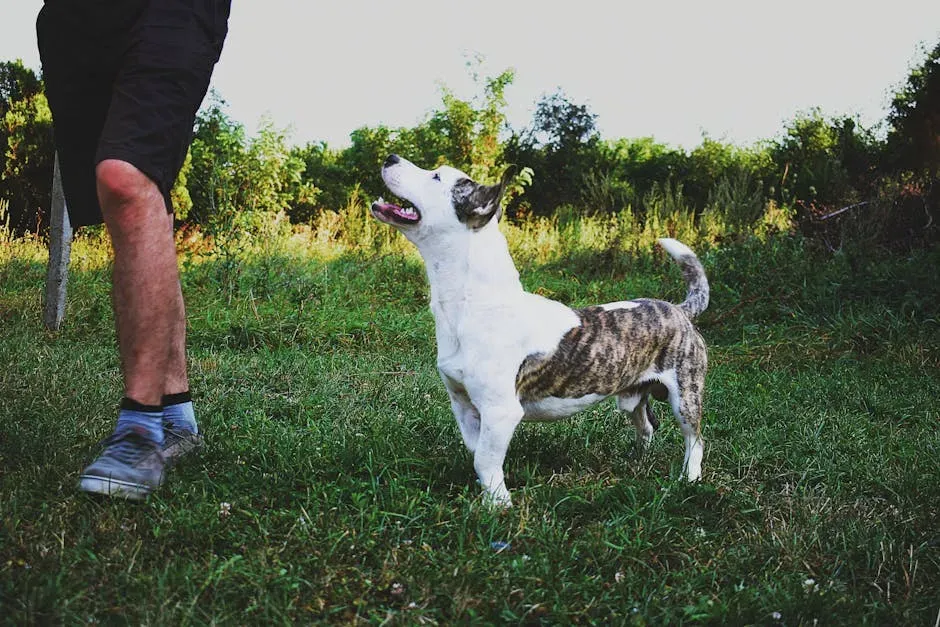
Most dogs with separation anxiety try to remain close to their owners, follow them from room to room, and rarely spend time outdoors alone. It looks sweet on the surface, and sometimes it genuinely is just love. The tricky part is figuring out whether your dog is following you because your presence makes them happy, or because your absence, even briefly, fills them with dread.
There’s a big difference between a dog who enjoys your company and one suffering from separation anxiety. A dog with healthy attachment might follow you around the house but settles down when you leave. They might greet you happily when you return but don’t show signs of distress. Watch whether your dog can actually relax once they’ve confirmed your location. If they can, that shadow is mostly love. If they can’t, that’s fear doing the driving.
#2. Refusing to Stay in Another Room
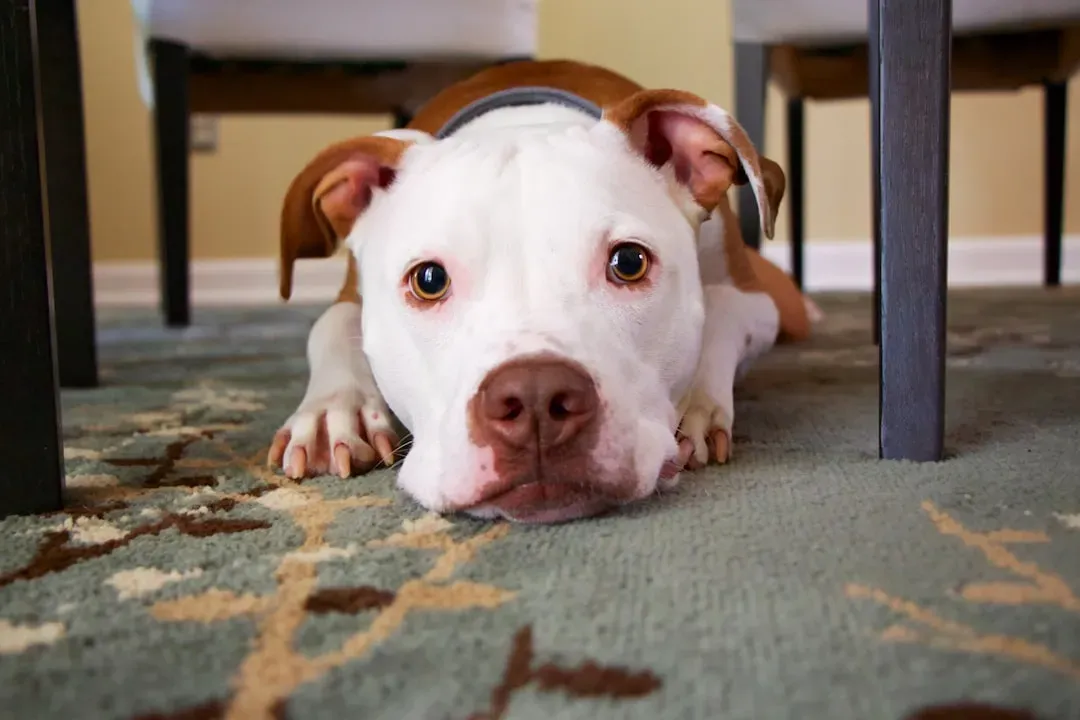
Attachment nervousness in dogs is a condition characterized by excessive clinginess, separation distress, and fear of abandonment. It can manifest as incessant barking, destructive chewing, soiling the house, or even self-injury. A dog that panics when a door closes between you isn’t being stubborn. They’re genuinely frightened, and the physical barrier feels catastrophic to them.
The dog goes through immense anxiety due to the prospect of the owner leaving again, so it fears losing visual contact with them even for a brief moment. It nervously follows the owner all around, checking whether they are about to go somewhere. The dog cannot relax and calm down, which exhausts it. Think about how draining it would be to spend your entire day on high alert, waiting for the worst. That’s the reality for a dog stuck in this pattern.
#3. Whining or Crying When You Leave the House
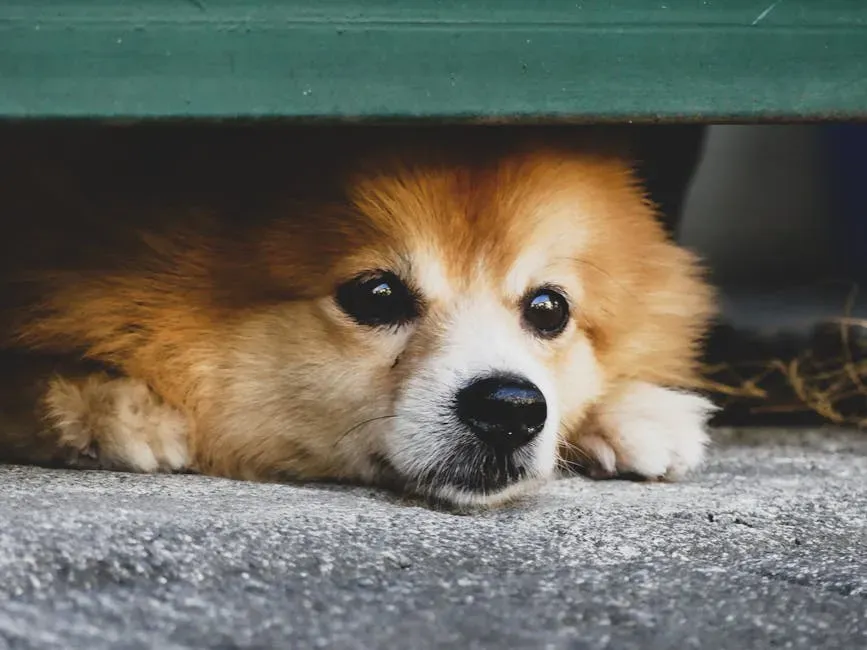
Whining can be your dog’s way of saying that they’re feeling scared or anxious. If your dog is also pacing, trembling, or panting while whining, they are likely fearful or anxious about something. It’s one of the most misunderstood vocalizations in dogs. Owners often assume their dog is being manipulative or attention-seeking, when in reality the whining is a distress signal, not a performance.
If your dog is whining anxiously right before you leave the house, this could indicate separation anxiety. Dogs with separation anxiety often engage in destructive behaviors while you’re gone. The whining at the door is just the opening note of a much louder emotional response that continues long after you’ve driven away. Addressing it early, through consistent training and veterinary guidance, tends to produce better results than simply hoping the dog will grow out of it.
#4. Trembling or Shaking When Stressed
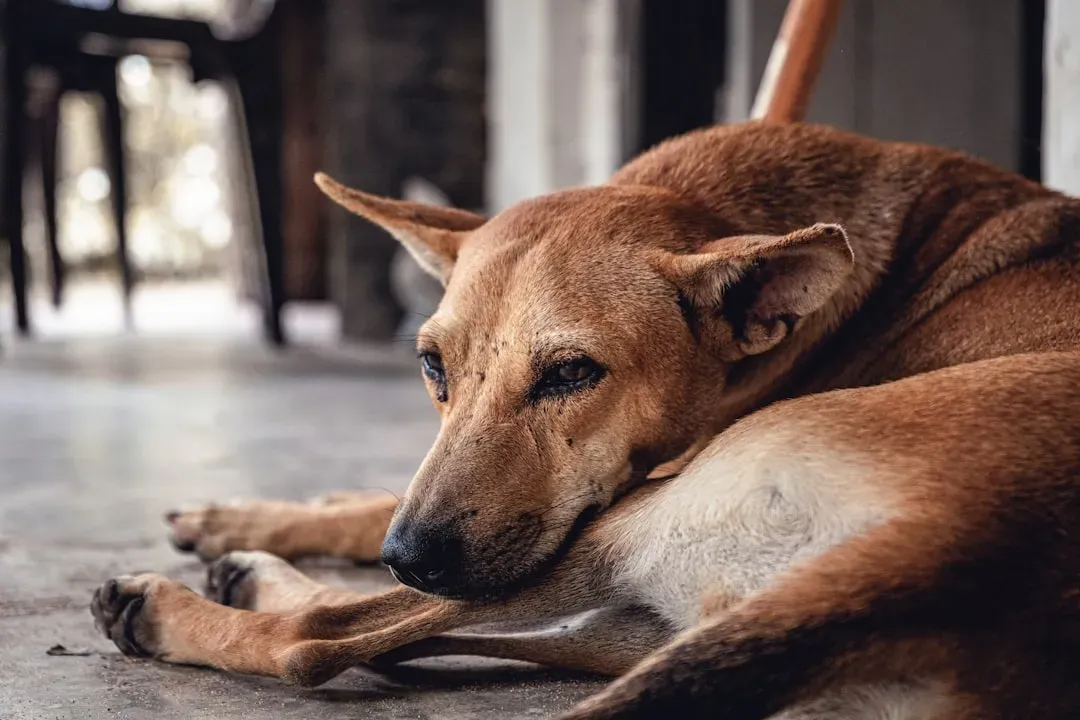
Anxiety, fear, or stress is a very common reason for shaking, often accompanied by panting, whining, hiding, or flattened ears. Loud noises, new environments, separation anxiety, or unfamiliar people can all trigger a fear response. Their body releases adrenaline, preparing them to fight or flight, which can manifest as trembling. Shaking that happens specifically around your departures or during thunderstorms carries a distinct emotional signature, and it’s worth paying attention to.
If panting and pacing are caused by anxiety, dogs may also have other symptoms, including trembling, whining, barking, increased drooling and, in extreme cases, loss of bladder control. This is a dog whose nervous system has gone into genuine crisis mode. Anxious dogs can also be clingy, looking to their owners for extra comfort and attention. The trembling and the clinginess are two sides of the same coin, both rooted in fear and both resolved most effectively through patient, professional support.
#5. Leaning Against You With Full Body Weight
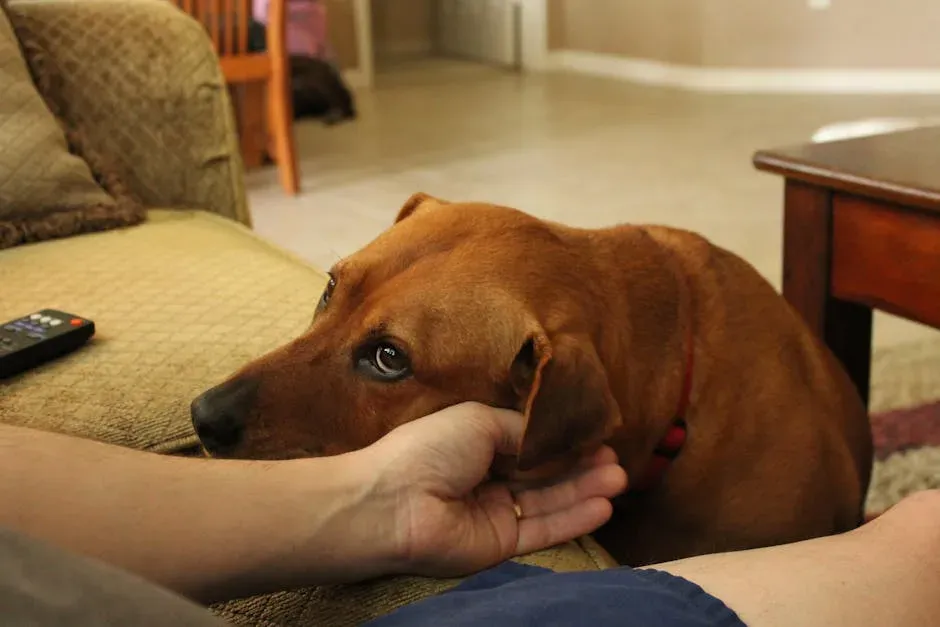
Dr. Denenberg believes the other major reason dogs lean on people is because they’re anxious. If an anxious dog can keep tabs on its human, it feels reassured, and what better way to do that than with physical contact? The body-lean is one of the more nuanced clingy behaviors because it sits right at the intersection of love and need. A relaxed dog leaning into you is expressing warmth. An anxious dog doing the same thing is using your body as an anchor.
If the leaning is paired with some combination of drooling, fast breathing, trembling, lowered posture, tucked tail, or ears back, the dog’s emotional state needs to be addressed. Anxious dogs require support, so they often lean against their owners, especially in the case of separation anxiety, where the dog is afraid to be alone. A dog with separation distress often cannot sleep, as it worries the owner may sneak out. The best way to sleep is to lean against the owner. It’s a vigilance strategy disguised as a cuddle.
#6. Sleeping Pressed Against You or On Top of You
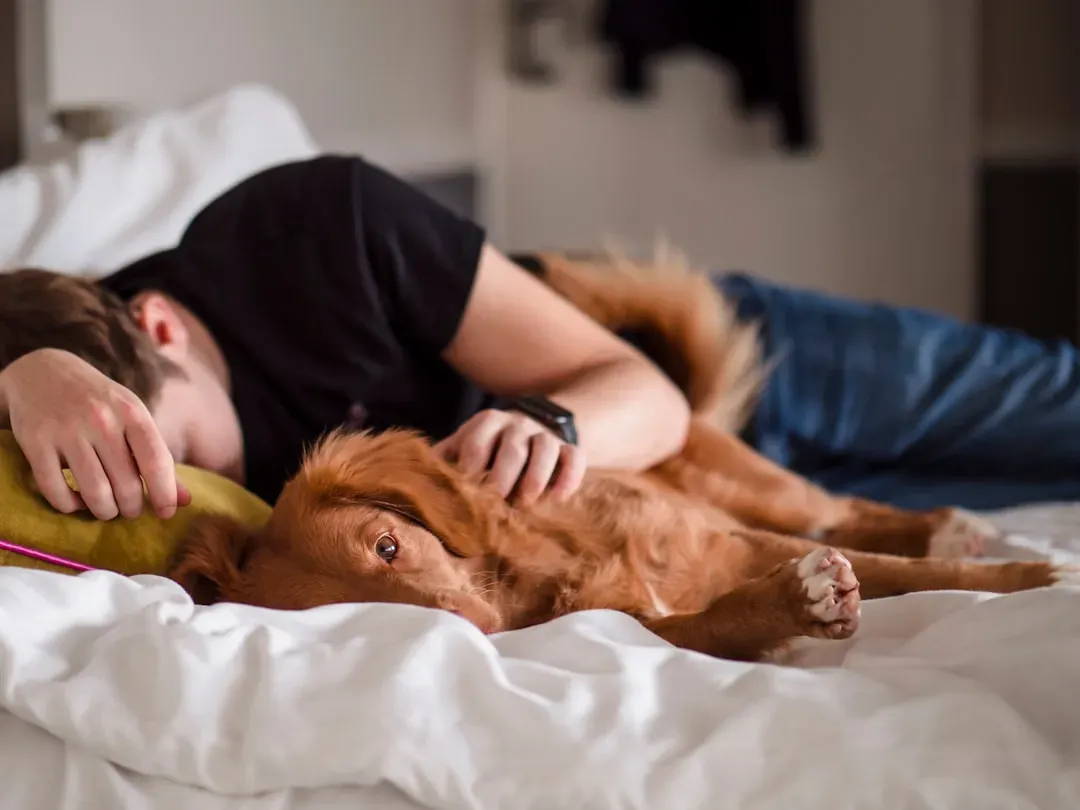
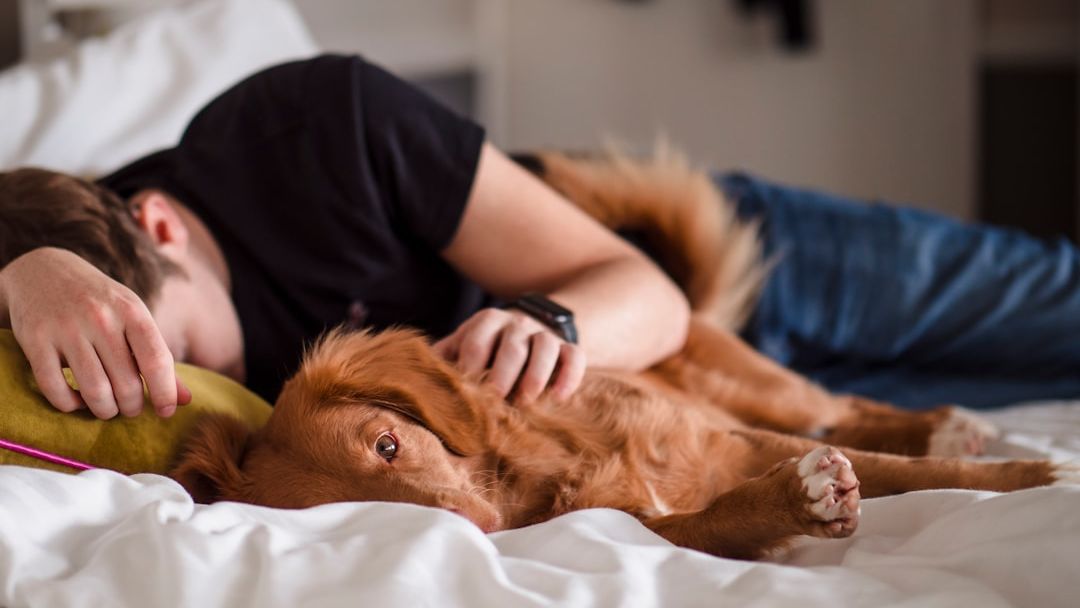
Leaning heavily, pressing closely, or curling tightly against you may indicate they’re seeking reassurance or warmth. Following you from room to room or becoming restless when you move can suggest strong attachment, and in some cases, mild separation-related behaviors. Panting, pacing, whining, trembling, or clinginess during stressful events may mean your dog is seeking security due to anxiety. Sleep is when dogs are most vulnerable, and choosing to sleep on or against you is a profound declaration of trust.
Some dogs are frantically attempting to alleviate their anxiety by physically grounding themselves to a trusted human. The behavior of sleeping on top of people may be reminiscent of a dog’s early puppyhood, when puppies lived with their littermates and mom and were used to sleeping in a pile. Touch releases oxytocin, promoting feelings of love and attachment. Physical contact reinforces the positive association between you and your dog. Whether it’s fear or love driving the behavior, the biological reward of closeness is real for both species.
#7. Sitting on Your Feet or Physically Blocking You
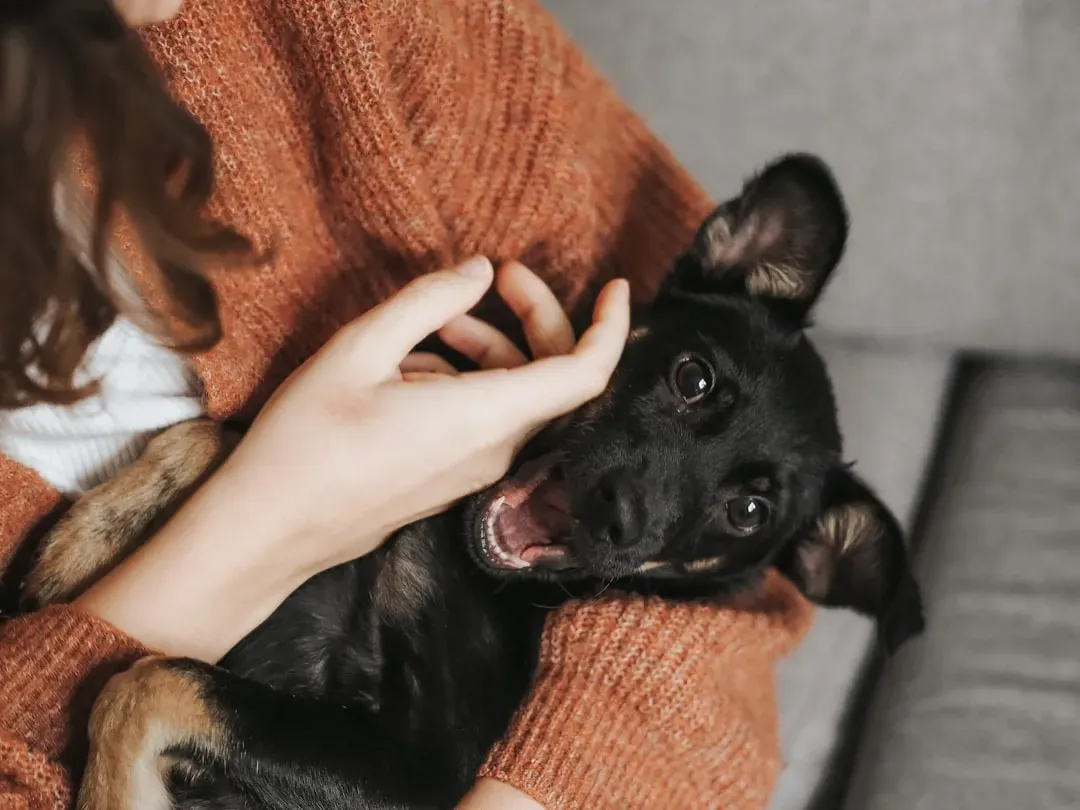
Dogs may stay close to protect resources they value, including their owner, creating an attachment driven by possessiveness and guarding instincts. If there is another dog or person in the house, the dog may even sit on you to assertively guard what they perceive as a valuable resource. Sitting on your feet is another behavior that looks oddly charming but can carry a complicated emotional weight beneath the surface.
Dogs often begin to display anxiety as soon as owners prepare to leave. Physically blocking the exit, planting themselves on your feet, or weaving in front of you as you walk are all ways a dog tries to interrupt the departure they fear. Dogs with separation anxiety don’t just want to be with you; they feel they must be with you to feel safe. This can lead to destructive behavior if they are eventually left alone. The foot-sitting isn’t dominance. It’s desperation wearing an adorable disguise.
#8. Excessive Greeting When You Return Home
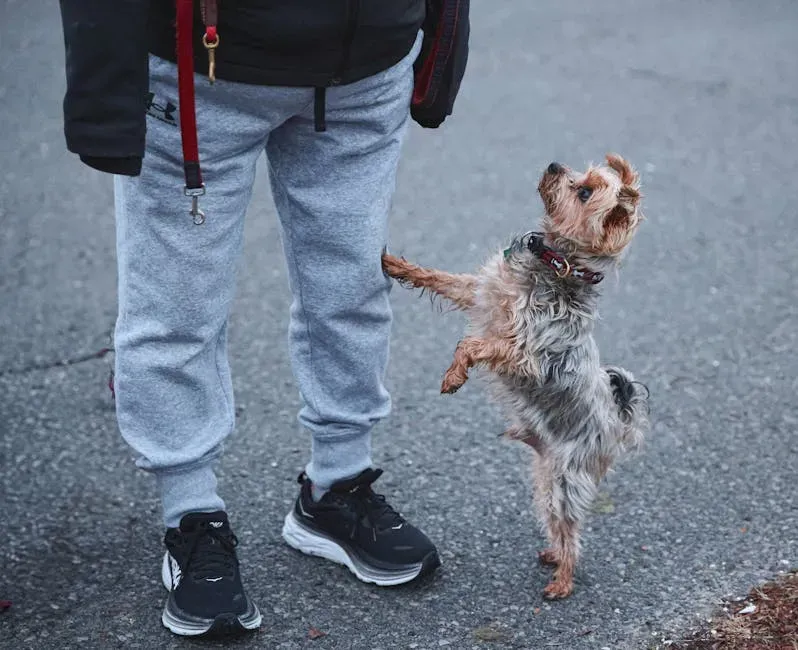
Dogs expected to show more distress behavior during separation will express an intense greeting behavior. Such dogs are not expected to calm down quickly when the owner returns. Most owners love being greeted enthusiastically at the door, and a happy reunion is perfectly healthy. The problem begins when the greeting spirals into something the dog genuinely cannot pull themselves out of, even after several minutes.
A dog that gets very agitated when you leave, demands a lot of attention, or even jumps to express fear, and when you come back after separation, greets you excessively and has difficulties calming down, may be showing behaviors very typical of separation anxiety. The over-the-top homecoming isn’t celebration so much as relief after sustained panic. It’s the emotional equivalent of a person bursting into tears the moment a loved one walks safely through the door after a long worry.
#9. Monitoring Your Movements and Pre-Departure Rituals
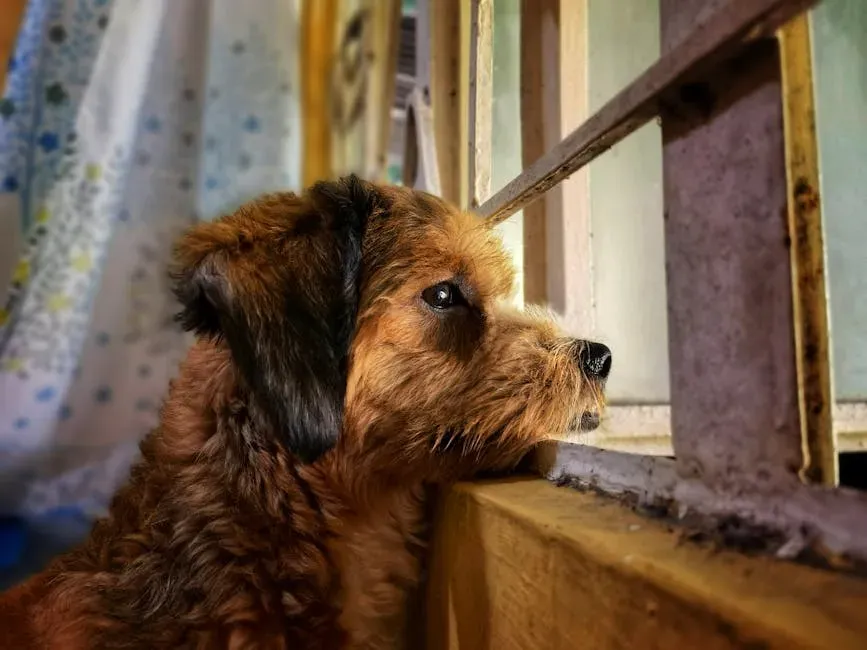
There are a number of activities we do consistently prior to each departure. The dog soon learns to identify that these cues or signals mean imminent departure. The moment you reach for your keys, put on your shoes, or pick up your bag, some dogs undergo a visible transformation. The pacing starts. The whining begins. Their whole body language shifts from calm to braced.
The dog goes through immense anxiety due to the prospect of the owner leaving, so it fears losing visual contact with them even for a brief moment, and nervously follows the owner all around, checking whether they are about to go somewhere. Cardinal indicators of separation anxiety include predeparture anxiety: pacing, panting, salivating, hiding, trembling, or depression as you prepare to leave. Dogs who clock your every routine with this level of intensity are living in a low-grade state of alarm for much of the day.
#10. Refusing to Eat When Left Alone

Refusal to eat when left alone, even if you leave your dog food, treats, or a food-stuffed toy, with the dog not eating at all when you’re gone but doing so after you return, is one of the cardinal indicators of separation anxiety. This one tends to surprise owners. Food is typically one of the most powerful motivators for dogs, so a dog that ignores a full bowl or an untouched puzzle toy when alone is signaling something significant about their emotional state.
The inability to eat in your absence reflects how deeply the dog’s stress response has hijacked their normal functioning. During departures or separations, in addition to vocalization, destruction, and elimination, dogs may be restless, shake, shiver, salivate, refuse to eat, or become quiet and withdrawn. When fear overrides the appetite drive, it’s a reliable sign that the anxiety has reached a level worth taking seriously with a veterinarian or certified behaviorist.
#11. Destructive Behavior Directed at Exit Points
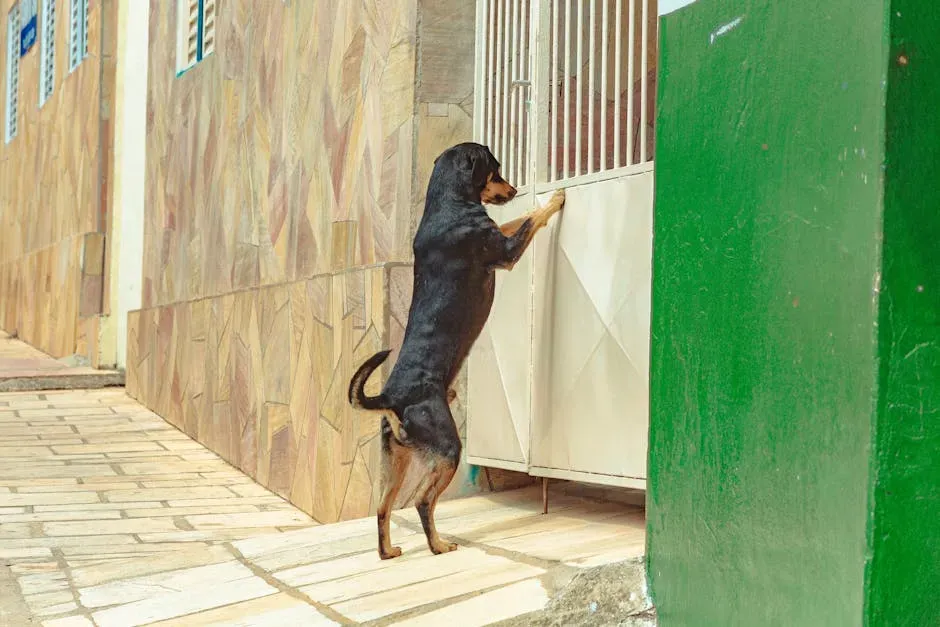
Dogs most commonly destroy things that are connected to the person they are close to, such as beds, couches, books, bags, shoes, clothes, or kitchen items. They often destroy walls and floors around windows and doors by intense pawing and scratching. The dog is relentlessly trying to escape, so it keeps scratching and biting the door and window frames. Owners frequently interpret this as misbehavior or spite, but that reading misses the point entirely.
Dogs with separation anxiety become extremely anxious and show distress behaviors such as vocalization, destruction, or house soiling when separated from owners. It is vital for the owner to ensure that the dog suffering from separation anxiety never does anything harmful on purpose or avenges, even though this is what most owners think. The destruction at doors and windows is the physical expression of a dog trying to reach safety. It’s panic, not petulance, and it deserves compassion rather than punishment.
#12. Sudden Clinginess in Senior Dogs

Senior dogs with vision or hearing loss, or those experiencing cognitive decline, can suddenly become clingy because their world is becoming unfamiliar to them. An older dog who was independent for years and then starts velcroing themselves to you isn’t reverting to puppy behavior out of nowhere. Their internal world is changing in ways they can’t articulate or understand, and you’re the one constant they can find.
Old dogs with medical problems such as loss of hearing or sight, painful conditions, and cognitive dysfunction may become more anxious in general, and seek out the owner’s attention for security and relief. An older dog may be losing their sight or hearing. As a result, they may become more fearful of the environment and dependent on having you near. The clinginess of a senior dog is often equal parts love and fear. It’s love accumulated over years of shared life, and fear of a world that’s growing harder to navigate. Meeting it with patience rather than frustration might be one of the kindest things an owner can do.
What All of This Actually Means for You and Your Dog
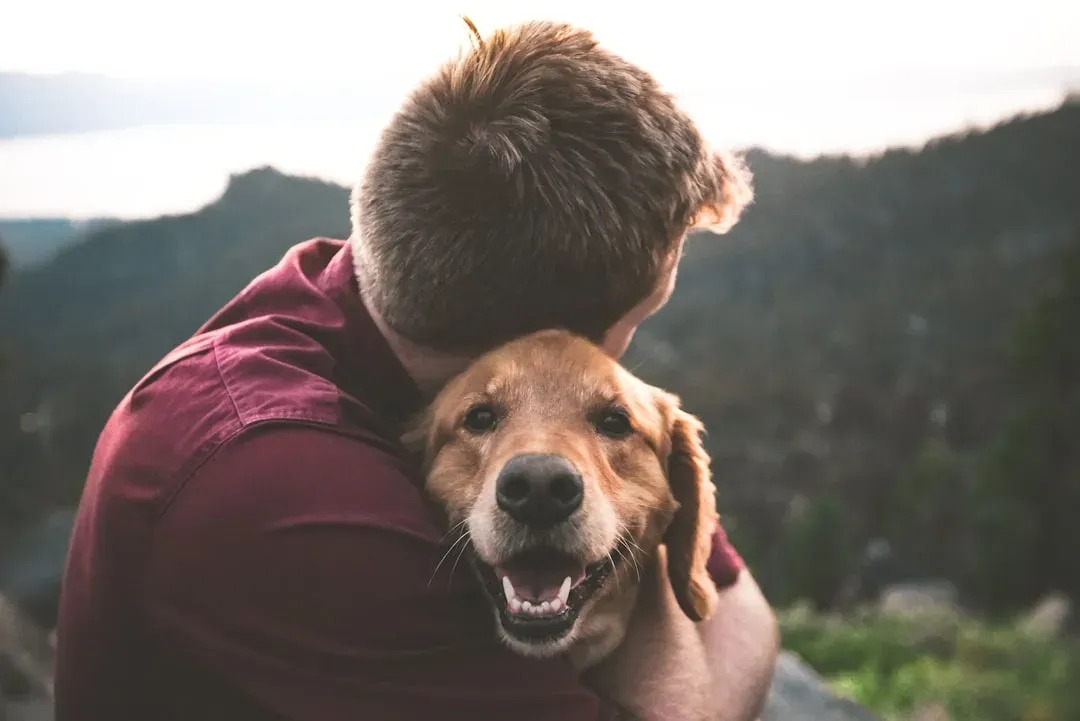
Here’s the honest take: clingy behavior is rarely simple. Some clinginess is normal and even endearing, but excessive dependence can signal deeper anxiety issues that need attention. The behaviors covered here exist on a spectrum, and most dogs will show some of them at some point without it meaning anything alarming.
The key is context and pattern. Knowing the signs of a clingy dog can help you recognize the behavior and start addressing the issue. When you recognize your dog’s clingy behavior, you can get a clearer understanding of their needs and figure out how to help them. A dog that follows you but settles easily is expressing love. A dog that cannot settle, eat, relax, or exist without physical confirmation of your presence is carrying real fear.
Like any behavioral issue, addressing clinginess requires understanding, patience, and consistent positive reinforcement. Whether your dog’s attachment stems from breed tendencies, lack of socialization, past trauma, or separation anxiety, you can help them develop independence while maintaining a strong bond. The most effective approach combines gradual desensitization, confidence-building training, and creating positive associations with alone time.
The dogs who cling the hardest are often the ones who love the deepest and fear the most. Those two things aren’t contradictions in dogs. They’re the same thing, worn differently on different days. Understanding which force is at work in any given moment is what separates a worried owner from a truly informed one, and it’s what gives your dog the best possible chance at feeling genuinely safe rather than just temporarily close.


