
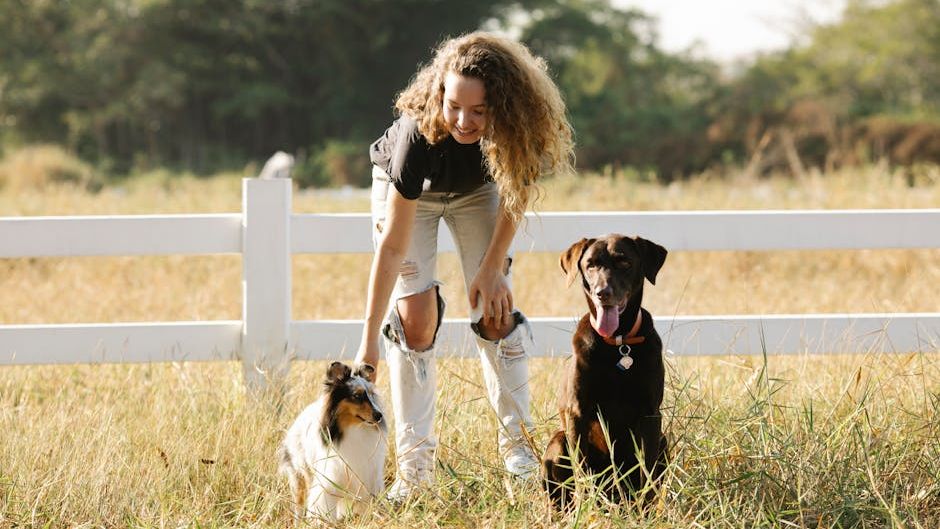
There’s a moment many rescue dog owners know well. You’re sitting quietly on the floor, and your new dog is pressed against the far wall, watching you with wide, uncertain eyes. You haven’t done anything wrong. You’re just new. You’re unknown. For a dog who has lived through neglect, instability, or outright harm, “unknown” can feel like the most dangerous thing in the world.
Rescue dogs often carry emotional baggage from their past, which can show up as fear, anxiety, or behavioral challenges like excessive barking, destructive chewing, or leash reactivity. Unlike dogs raised in stable environments from the start, rescue dogs may need considerably more time to feel safe and secure. What most people don’t realize is that the process of building trust isn’t about training a dog into confidence. It’s about creating the right conditions for confidence to grow on its own. Here’s how to do it well.
#1: Create a Safe Space That Belongs Only to Them
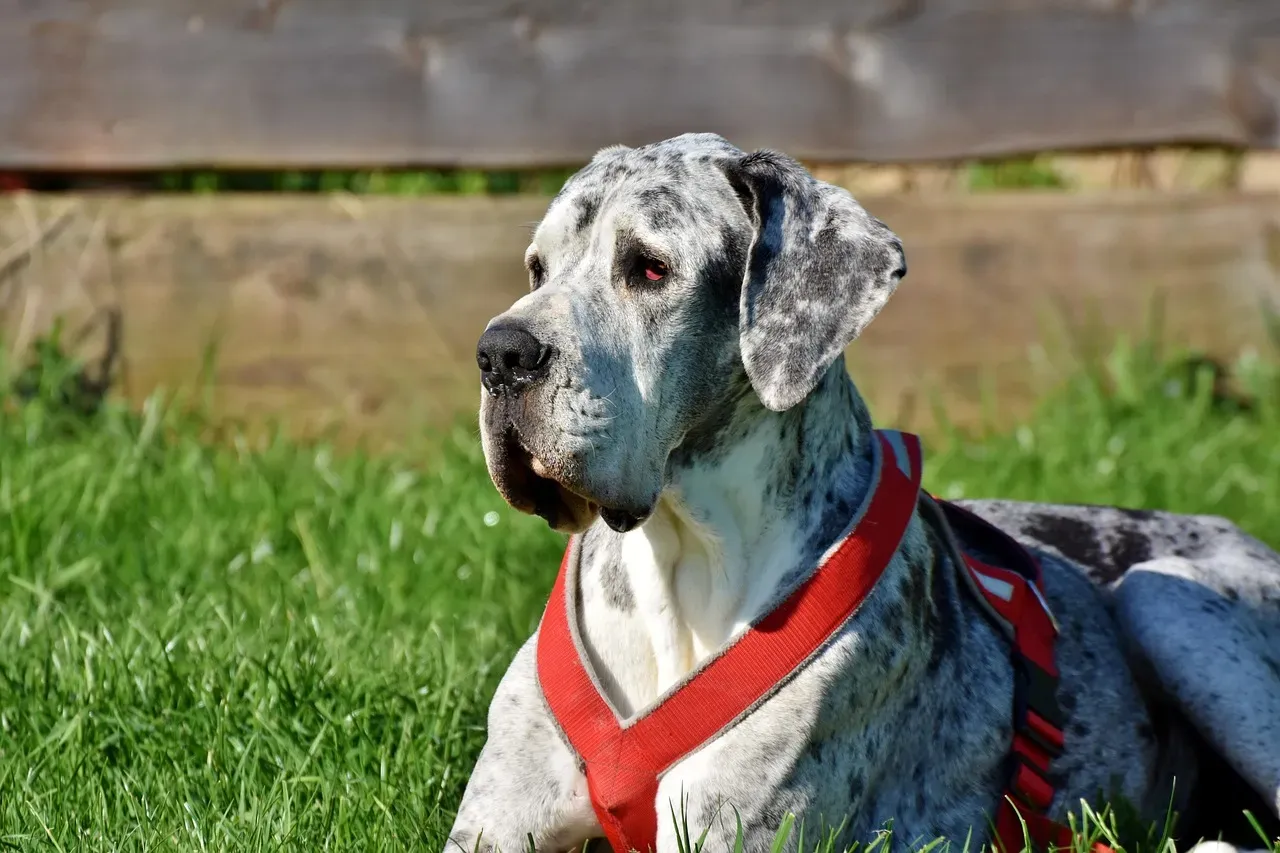
Every dog should have a place where they can retreat, and one that is entirely theirs. When things feel scary, they can go there to calm down and relax. That space should be comfortable and quiet, positioned away from heavy human foot traffic. Somewhere no one can bother them. This isn’t about giving a dog the run of the house or spoiling them with luxury. It’s about providing a reliable emotional anchor in an environment that is, from their perspective, completely overwhelming and brand new.
When a dog enters a new home, it’s crucial to provide a quiet, safe space where they can retreat and relax. This space should be free from loud noises or overwhelming stimuli. Creating that sanctuary helps a rescue dog feel secure as they adjust to their new surroundings. Consider setting up a cozy crate or a specific room with their bed, toys, and water. Some rescue dogs will actively seek seclusion even without a designated area. If you frequently find them under the bed or behind the sofa, consider that their personal quiet space and respect it as such.
#2: Build Predictability Through Daily Routine

Dogs are comforted by the predictability of their environment and feel more secure when they have an idea of what comes next. Setting up a clear schedule for mealtimes, walks, and play sessions will help a rescue dog feel more comfortable in their new home and with their new family. If a dog has a fixed daily routine and knows when things are going to happen, it becomes much easier for them to relax and feel secure. Predictability isn’t boring to a frightened animal. It’s relief.
Maintaining predictable daily rhythms, including consistent meal times, regular but short walks, and calm play periods at roughly the same hours each day, reduces anxiety and allows the dog’s brain to shift from survival mode to learning mode. Consistency creates the predictability that rescue dogs desperately need. Establishing clear routines for feeding, walking, training sessions, and rest periods gives them a framework they can begin to count on. A dog that knows what’s coming can finally start to breathe.
#3: Use Positive Reinforcement to Rebuild Confidence
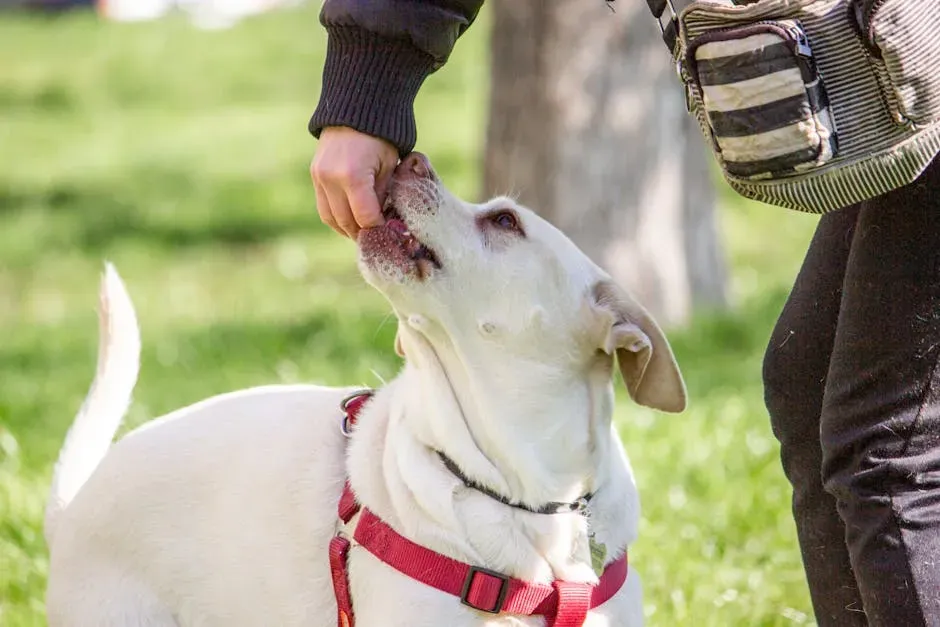
Rescue dogs respond exceptionally well to positive reinforcement. Rewarding desired behavior with treats, praise, or toys helps them understand what’s expected of them in a genuinely positive way. For example, if your dog sits calmly when meeting someone new, immediately reward them with a treat and praise. This not only reinforces good behavior but also encourages confidence by showing your dog that they are doing the right thing. Over time, that feedback loop does something remarkable: it teaches a dog that their own choices can lead to good things.
Never use punishment-based training methods with a rescue dog. Nothing can destroy a timid dog’s confidence faster than verbal or physical punishment. Positive reinforcement training shows a dog that good things happen when they behave in a specific way. Instead of breaking them down when they do something wrong, build them up when they do something right. It shows them they can be in control to bring about positive outcomes. The technique works by marking and rewarding the desired behavior. It’s a form of positive reinforcement that focuses on encouraging good behaviors rather than punishing or scolding your dog for making mistakes.
#4: Let the Dog Lead the Pace of Connection

If you force your attention and affection upon a fearful dog, they may very well learn to trust you less, rather than more. That’s one of the harder truths of working with a traumatized animal. Your instinct is to love them, to reassure them, to let them know they’re safe now. Let the dog be the one who approaches you, who looks for affection, and who initiates play time. It takes time to build trust with a new dog, so don’t bother them needlessly.
Sit down on the floor and angle yourself away to give your dog the opportunity to approach if they want, and don’t be disappointed if this doesn’t happen immediately. Letting them make their own choices and decisions is a meaningful way to build confidence and show that you won’t force them into anything they’re not comfortable with. Celebrate small victories, like when they take a treat from your hand or wag their tail for the first time. These moments are not trivial. They’re the entire foundation of the relationship you’re trying to build.
#5: Tackle Fear Gradually with Patience and Desensitization
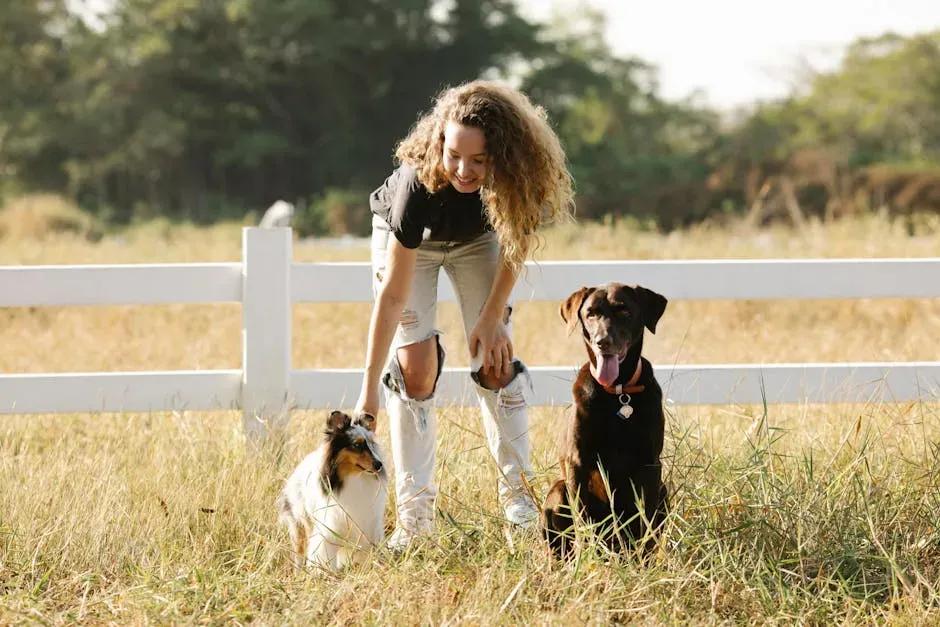
If your rescue dog displays fear or anxiety such as cowering, growling, or hiding, it’s essential to approach the situation with patience and empathy. Fearful behavior can stem from past trauma, and scolding or punishing your dog for these reactions can seriously undermine trust. Instead, try to desensitize your dog to their fears slowly. Use treats and positive reinforcement to create a calm environment when they encounter fearful situations. Over time, these experiences will help your dog work through their anxiety.
The goal of gradual desensitization training is to help the dog develop a positive association with a stimulus and to build their confidence in challenging situations. If you see increased signs of reluctance when closing the distance to something scary, you’ve moved too quickly. Go as slowly as necessary to keep your dog comfortable and moving toward the challenging object or person voluntarily. With consistent and patient training, your rescue dog can become more comfortable and less fearful around stimuli that once caused significant anxiety. For dogs struggling with being left alone, manage separation anxiety by leaving the dog alone for short periods and increasing the time gradually, providing engaging activities like treat-filled toys to ease the fear.
A Final Thought Worth Sitting With
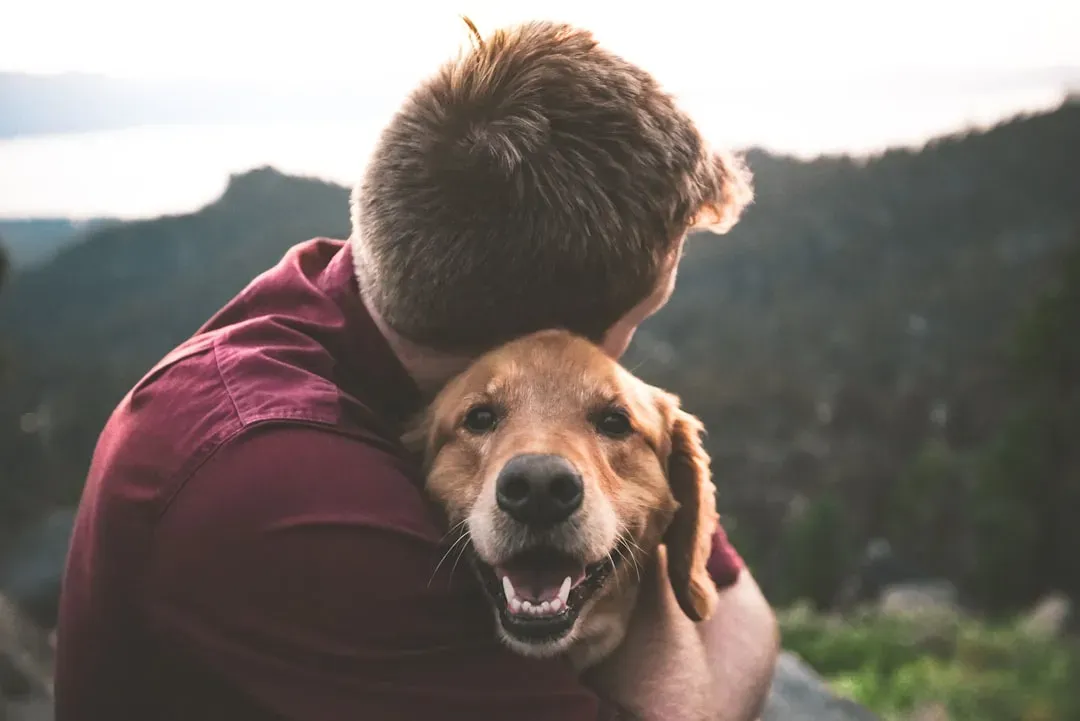
Confidence rarely announces itself with dramatic gestures. Instead it appears in subtle shifts: a softer facial expression during a greeting, choosing to lie closer to family members, initiating play, or simply resting with a deep, contented sigh. Most new rescue owners expect a turning point they’ll recognize clearly. In reality, it tends to look like a Tuesday afternoon when your dog just quietly chooses the couch next to you.
Truthfully, the dogs who arrive most broken often end up being the most bonded. Trust, once thoughtfully rebuilt, becomes one of the strongest bonds possible between human and dog. The work isn’t glamorous. There are setbacks, moments of confusion, and days where progress feels invisible. If your dog regresses or displays challenging behaviors, stay calm and continue to provide consistent guidance. Building trust with a rescue dog is a journey that takes time, patience, and love.
In the end, what a rescue dog needs most isn’t a perfect owner. They need a consistent one. Show up the same way every day, keep their world predictable and safe, and let the relationship develop at their speed. That dog pressed against the far wall? Given enough time and the right conditions, they’ll eventually be the one who follows you from room to room, just to make sure you’re still there.


