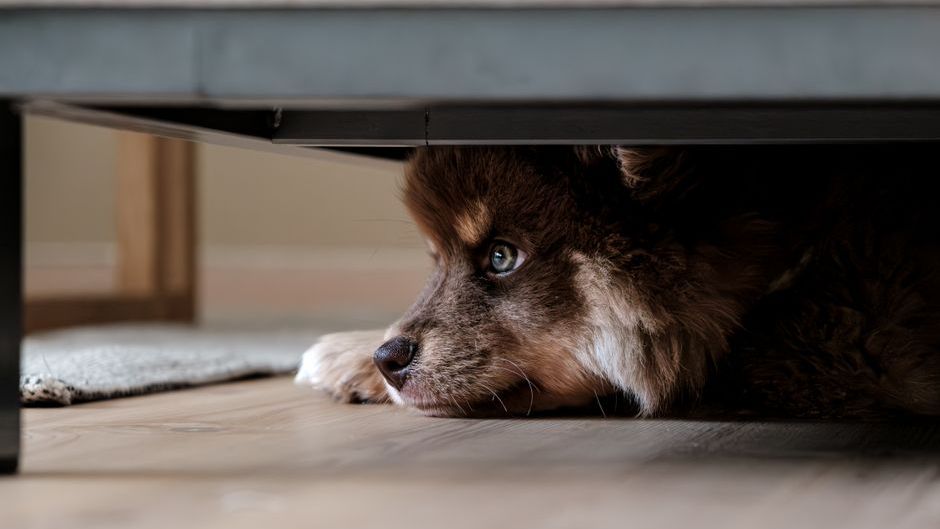
#1. What Clingy Behavior in Dogs Actually Looks Like
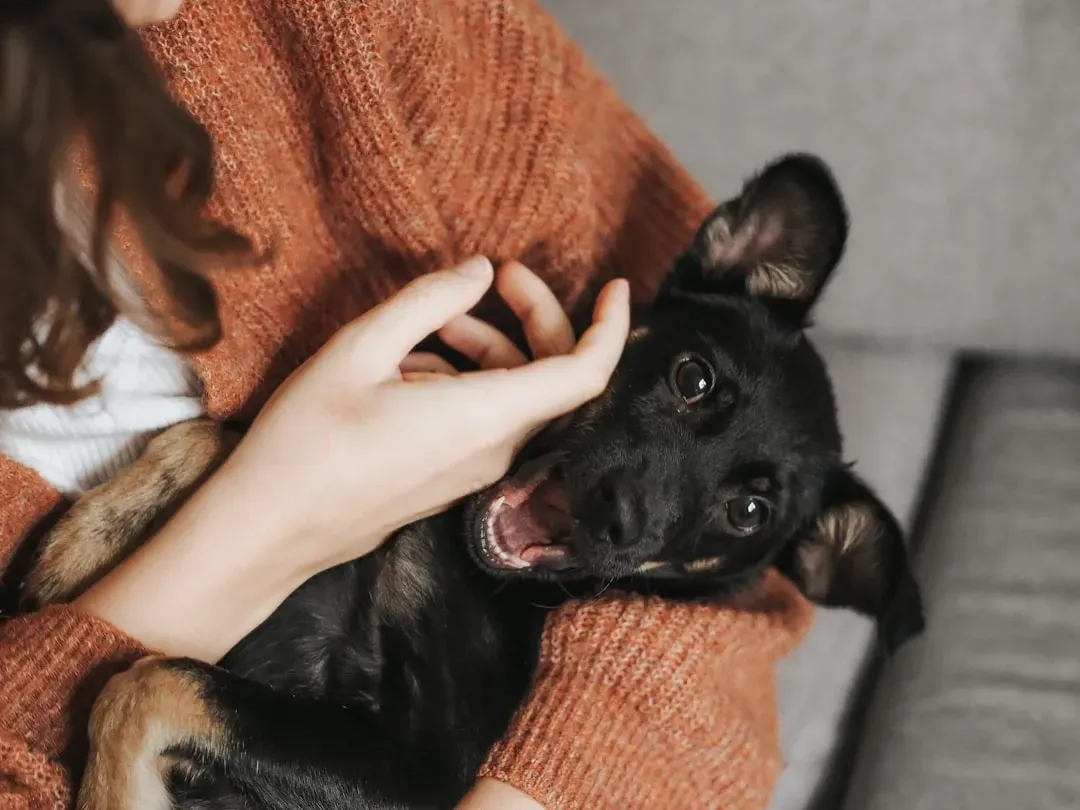
So-called “velcro dogs” are those who demonstrate a greater-than-normal tendency to follow their owners from place to place. Whether you’re cooking, working, or just going to the bathroom, your dog is always a step behind. They also keep a close eye on you even when they’re relaxing, their gaze following you as though they’re always looking to you for direction.
Dogs with velcro behavior often exhibit a range of clingy and possessive tendencies, with excessive attachment to their owners being one common sign. They may become overly dependent on their owner’s presence and struggle to cope when left alone, leading to separation anxiety. Dogs with this kind of attachment tend to follow their owners everywhere, seeking constant attention and affection, and can become agitated or destructive when they don’t get it. They may also become anxious or distressed when left alone and exhibit destructive behavior or vocalization in response.
#2. The Psychology Behind the Clinginess: Fear, Not Just Love
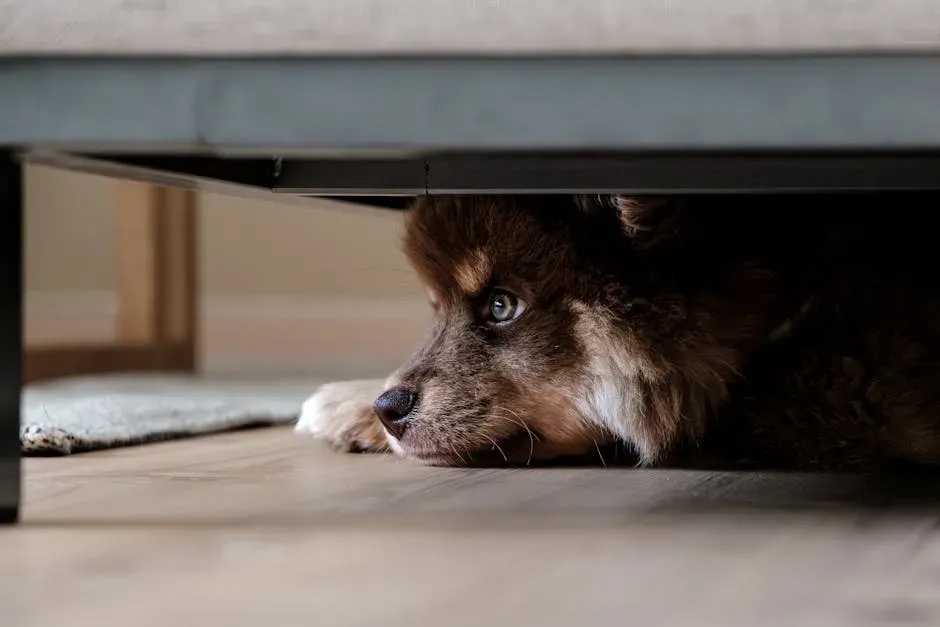
Separation-related disorder in dogs is a multi-faceted phenomenon. Dogs can react to the absence of their owner due to different inner states such as fear, panic, or frustration. While these terms are often used interchangeably in the literature, the underlying neural mechanisms and their behavioral manifestations may differ, with anxiety being a reaction to an upcoming threat or uncertainty that causes behavioral and physiological signs of stress.
There are several indications that fearfulness, as a personality trait, has a connection with separation-related problems. Based on questionnaire studies, generally fearful dogs had a higher risk of developing such problems, and noise-phobia and thunderstorm-phobia are also thought to be connected. Research by animal behavior specialists suggests that separation anxiety in dogs should be seen as a symptom of underlying frustrations rather than a diagnosis, and understanding these root causes could be key to effective treatment.
#3. What Causes a Dog to Develop Fear-Based Attachment

It’s unclear why some puppies are more prone to separation anxiety than others, but researchers theorize there may be several contributing reasons, including never previously being left alone and traumatic separation, such as would be seen in some abandoned shelter dogs. Some dogs’ clinginess might also stem from rough pasts, with dogs who experienced neglect, abandonment, or inconsistent care becoming clingy as they learn to trust and feel secure.
Genetic and environmental factors or early negative experiences in a pup’s life may contribute to the development of separation anxiety. A dog who hasn’t been properly socialized as a puppy may not have the confidence to be on their own. This can also occur with dogs who have been exposed to traumatic situations. Dogs thrive on consistency and predictability, so any changes to their routine, including new schedules, pets, or people, can shake their confidence.
#4. When Clinginess Crosses Into Panic: Recognizing the Line
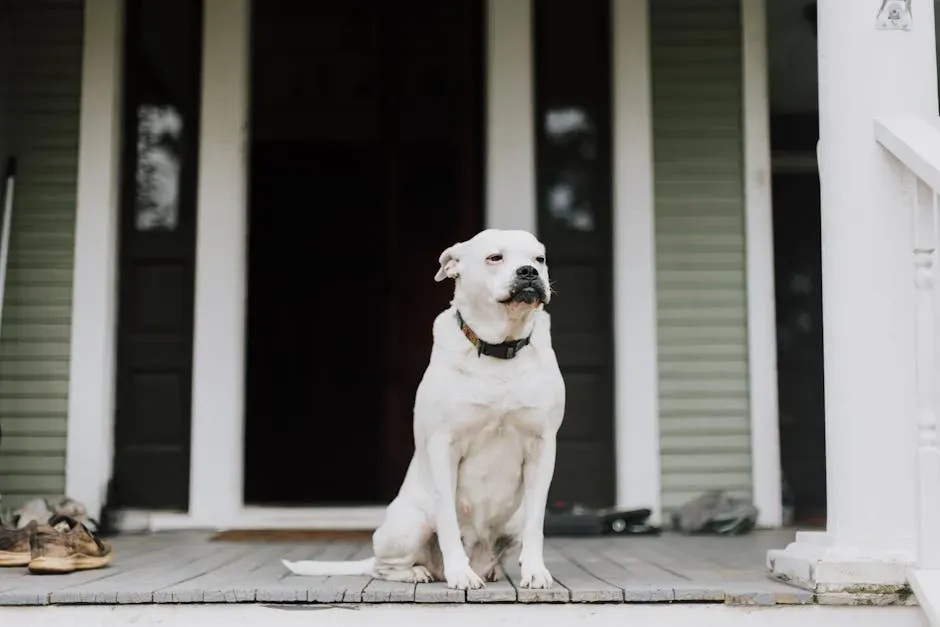
Clinginess and separation anxiety are similar but not exactly the same. Generally, what separates them is how a dog reacts to being away from their person. Clingy dogs want to be around you when you’re at home, but they don’t panic when you’re not there. A dog with separation anxiety panics when you’re not around. A dog with separation anxiety experiences genuine panic when separated from you. They might drool excessively, pace frantically, bark nonstop, or even hurt themselves trying to escape. This goes beyond wanting to be near you and becomes a serious behavioral issue.
The condition affects not only the dog but also the pet parent, and can put a strain on the human-animal bond. Separation anxiety can cause severe stress and emotional trauma for the dog, and often results in environmental and household damage and costly repairs for their pet parents. Research published in the Journal of Applied Animal Welfare Science found that several of these symptoms are also some of the most common reasons owners surrender their dogs. This is especially unfortunate because it’s an issue that can be treated by implementing a few simple but important tactics.
#5. What Owners Can Actually Do About It
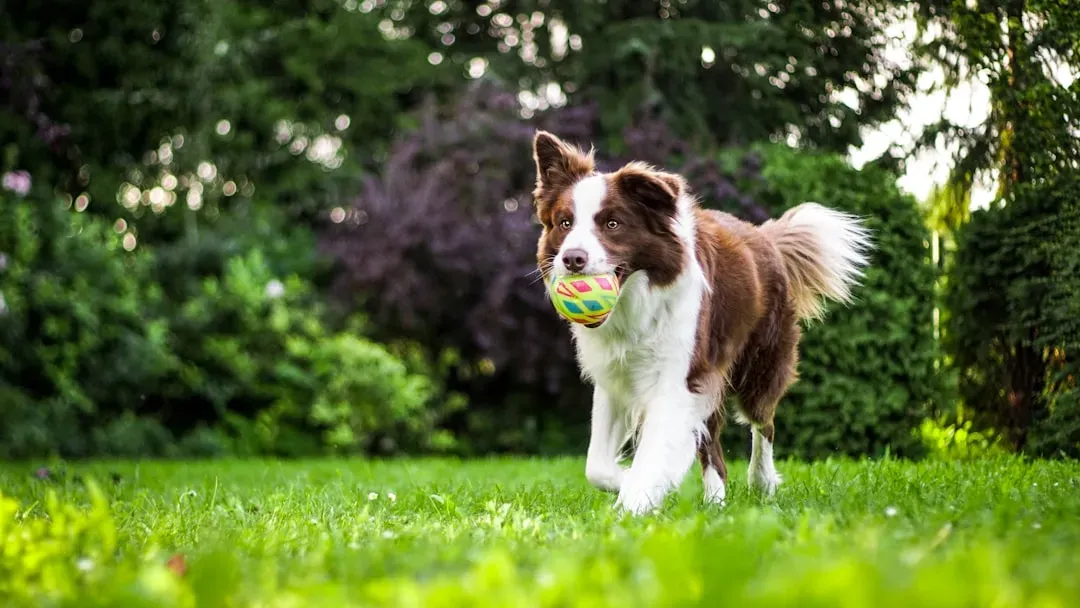
The most successful treatment for canine separation-related problems may be behavior modification that focuses on systematic desensitization and counterconditioning, which can be supplemented with medication in the initial stages. In this approach, the dog is conditioned to associate fearful stimuli with a positive outcome, such as being given a toy or food during the owner’s departure. Studies have shown that when systematic desensitization and counterconditioning are paired, treatment has a significantly greater success rate.
Gradual practice helps immensely. Starting with extremely short separations, leaving the room for just five seconds and returning before your dog becomes anxious, allows the dog to build tolerance slowly. In practice, giving a dog a treat or special toy every time the front door closes can help them learn to associate the sound with something positive rather than fear. Increasing stress-coping resources for dogs is another helpful approach, and might include items that soothe, such as a heated stuffed animal, or items that distract, such as a treat puzzle. Protective factors include ensuring a wide range of experiences outside the home and with other people between the ages of five and ten months, stable household routines, and the avoidance of punishment.
Conclusion: It’s Not Neediness. It’s a Need.