
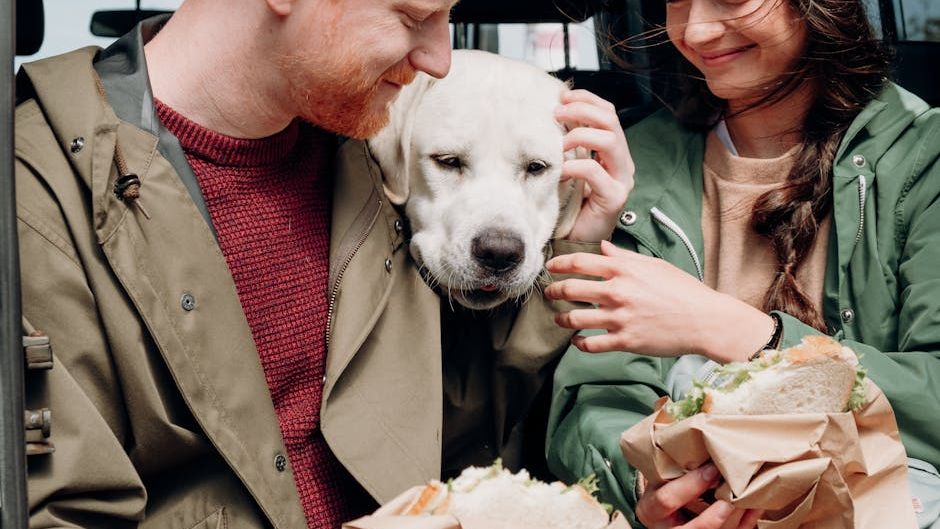
#1. They Follow You From Room to Room
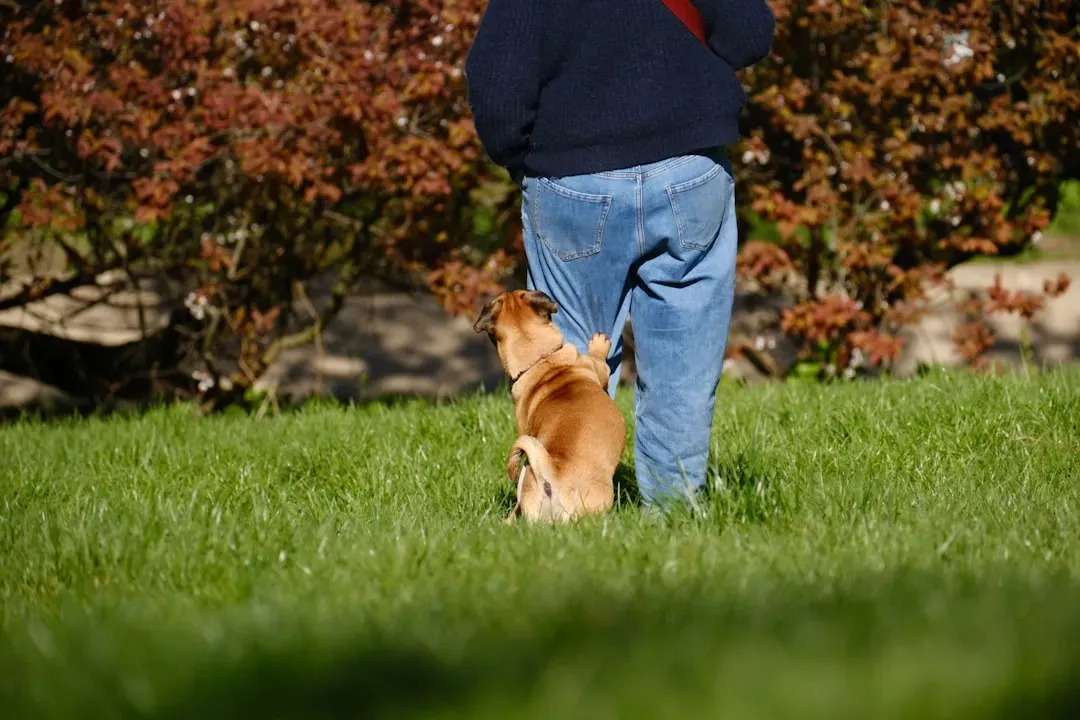
Dogs often follow their owners from room to room, even if it means leaving a comfortable spot. This behavior isn’t just a sign of curiosity – it’s a demonstration of loyalty and a desire to be in their owner’s company as much as possible. It’s not an accident that this happens almost every time you get up.
This shadowing behavior is rooted in loyalty. Dogs want to be where their trusted person is, not out of neediness, but out of a quiet devotion. The fact that they’d rather trail you to the laundry room than stay stretched out on a warm couch says more about their attachment than any trick ever could.
#2. They Check in on You Without Reason
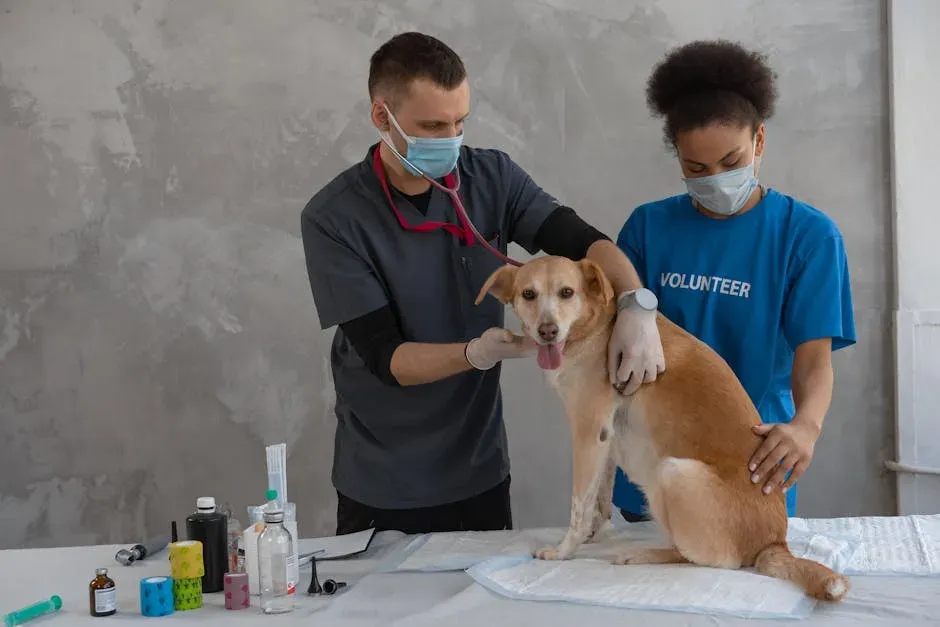
Have you noticed how your dog periodically comes to find you, even if you’re in another room? These small check-ins are their way of making sure you’re okay. It’s part loyalty, part caregiving instinct, and all heart. They don’t need anything – they just need to know you’re still there.
A loyal dog frequently checks in on their owner, even without reason. This behavior can be seen when they peek into different rooms or give a gentle nudge or lick. It’s their way of ensuring everything is alright. This constant vigilance speaks volumes about their commitment to their owner’s well-being. It’s a small act, but when you start paying attention to it, it’s genuinely moving.
#3. They Wait for You – Even When They Could Move On

Loyal dogs will wait by the door or be at the window waiting for their pet parents to return home. If they get separated on a walk, dogs will wait for the pet parent to return before they will continue their walk. If both pet parents are present and one walks into a store or cafe, they won’t leave until both are present.
That lingering glance at the door or the long wait by the window isn’t just sadness – it’s loyalty in action. Dogs don’t understand schedules, but they understand presence and absence. They wait because in their mind, the story isn’t finished until you’re home. There’s something humbling about that.
#4. They Sense When You’re Struggling and Stay Close
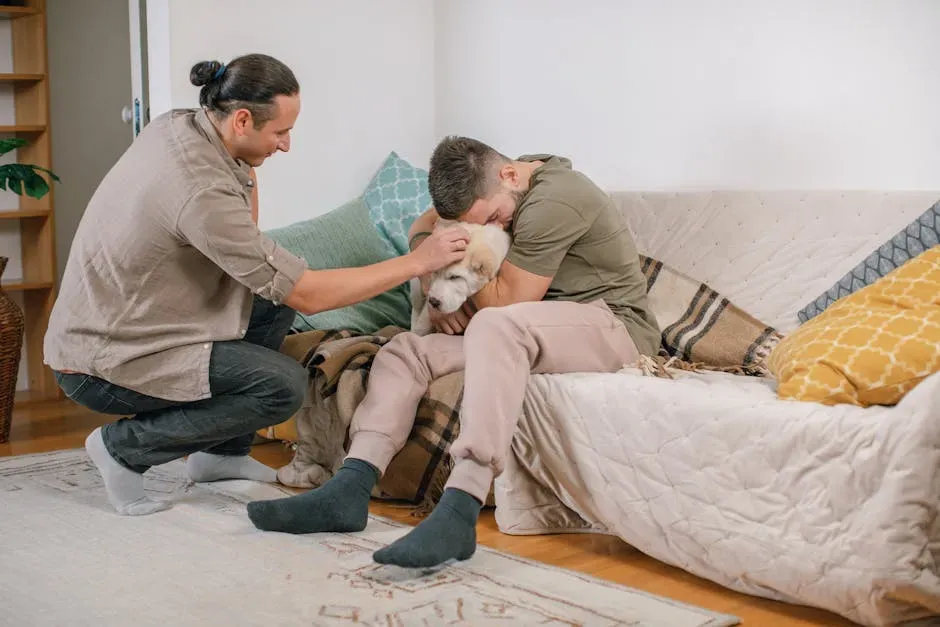
Dogs can sense changes in your scent, energy, and behavior, and many will instinctively stay close when they detect something is off. Some will lie next to you, gently rest their head on your lap, or simply stay within reach. This is their way of offering silent support, ensuring you’re not alone during a tough time.
Dogs are incredibly perceptive. They can sense your mood and respond to your emotions. If you’re feeling down, your dog will often come to comfort you. This emotional sensitivity is a result of their ability to read human body language and facial expressions. They won’t offer advice or a pep talk. They’ll simply be there, which is often exactly what’s needed.
#5. They Share Their Most Prized Possessions With You
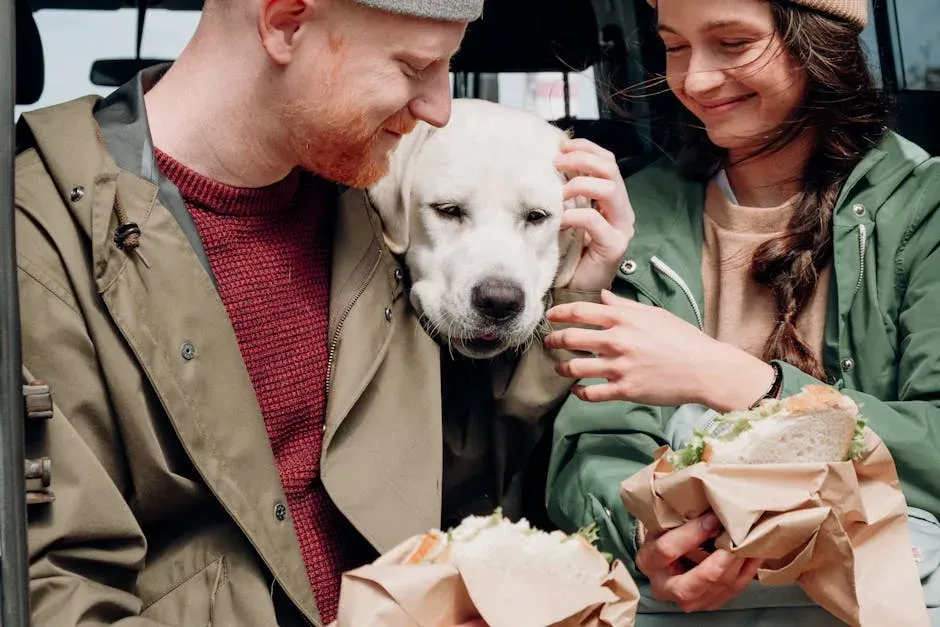
Dogs don’t just drop their favorite toy in your lap for fun – this is their way of offering something valuable to someone they trust. In a pack, dogs share prized possessions as a sign of respect and affection. The next time your dog drops a slobbery tennis ball in your lap mid-Netflix, recognize the gesture for what it actually is.
Dogs show affection by sharing, even if it means parting with their favorite squeaky duck. Offering you a toy isn’t just an invitation to play – it’s a sign of deep trust. They’re sharing their joy with you because they want you to be part of it. It’s a small, generous act that deserves more appreciation than it usually gets.
#6. They Position Their Body to Protect You
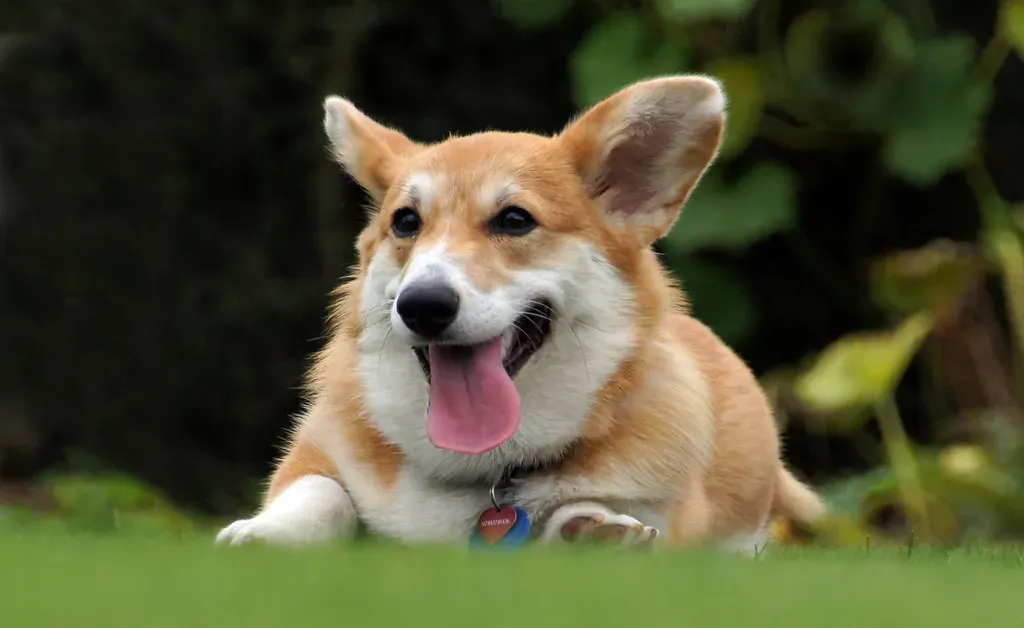
If your dog instinctively steps in front of you or subtly places their body between you and an unfamiliar person, it’s a clear sign of protective loyalty. They aren’t necessarily being aggressive – they’re making sure you’re safe and signaling to others that they’re watching over you.
Even the most friendly and pleasant dogs are instinctive to protect their owners. This protective behavior can manifest as alert barking at perceived threats or positioning themselves between their owner and strangers. It indicates their loyalty, as they place themselves at risk to ensure their owner’s safety. Most owners interpret this as excitability. It’s actually something much deeper.
#7. They Prefer Playing With You Over Anyone Else
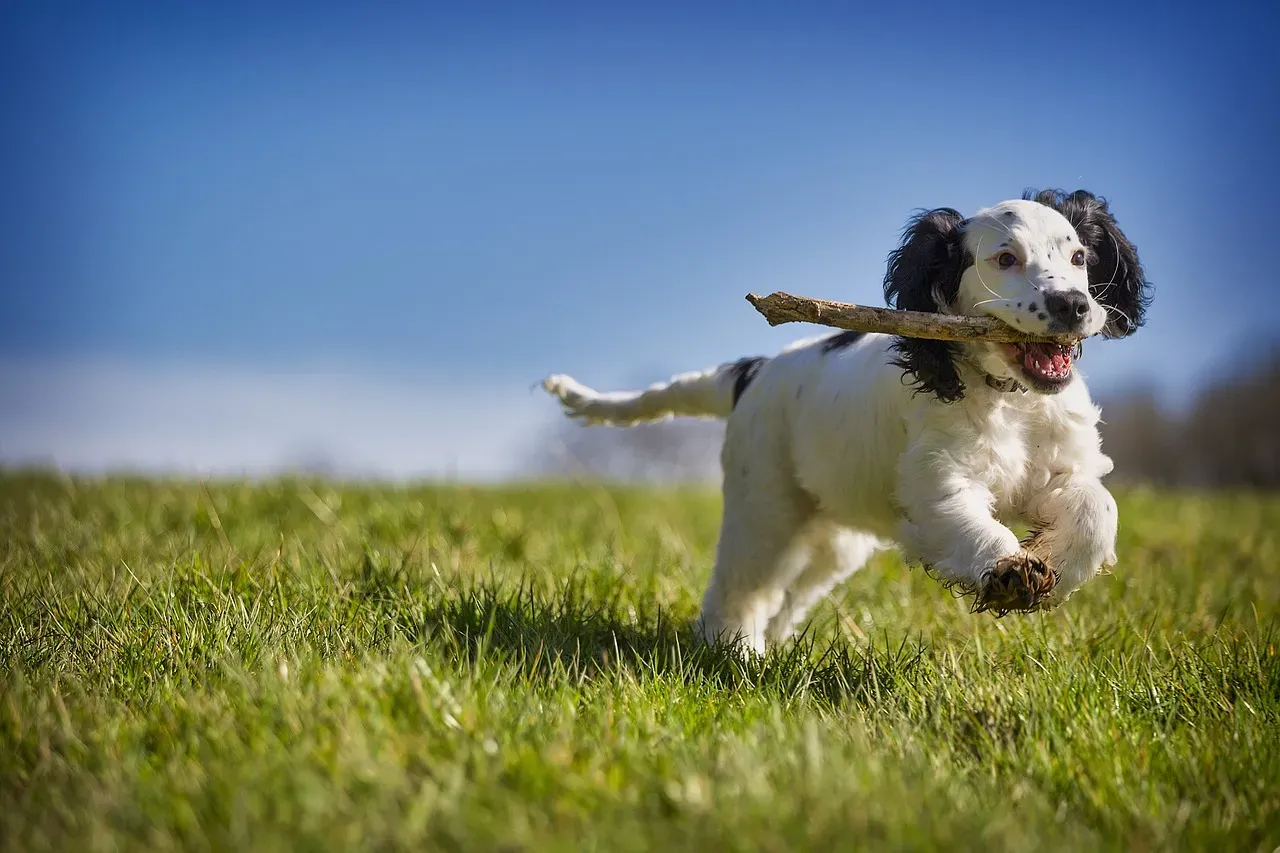
Did you know that when your dog plays with you, they are also showing you that they are committed to you? It’s true. If a dog is playing fetch with a toy, they will bring the toy back to you each time instead of bringing the toy to someone else. The dog prefers to give the toy to you and prefers that you throw the toy instead of anyone else.
This is easy to miss at a busy dog park, but look for it. It’s important to pay attention to your dog’s behaviors and body language. Whether you have a devoted Golden Retriever, a fiercely loyal German Shepherd, or a tiny but fearless Chihuahua, the signs are often there – you just have to know what to look for. When your dog consistently returns to you instead of the nearest enthusiastic stranger, that preference is a deliberate one.
#8. They Make Sustained Eye Contact With You
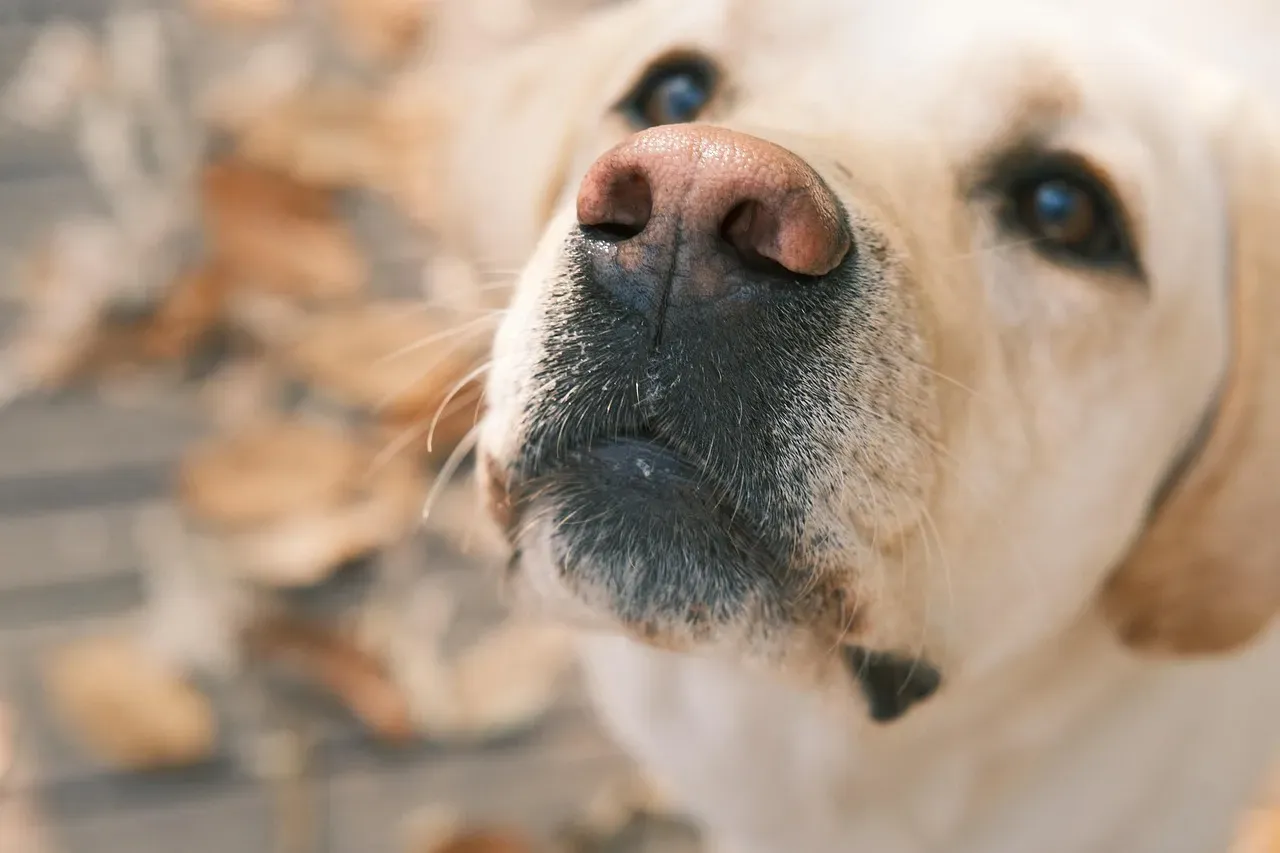
Studies indicate that when dogs make direct eye contact with their owners, it triggers the release of oxytocin in both the dog and human. This “love hormone” is the same one that bonds mothers to their infants, further affirming the special relationship between humans and their canine companions.
When a dog gazes into your eyes, it’s similar to a human hug. Research shows that eye contact between dogs and their owners releases oxytocin, the “love hormone.” This is the same hormone that helps mothers bond with their babies. A long, soft gaze from your dog isn’t a request for food. It’s a biological expression of attachment that took thousands of years of co-evolution to develop.
#9. They Take Sides – Even During Passive Disagreements
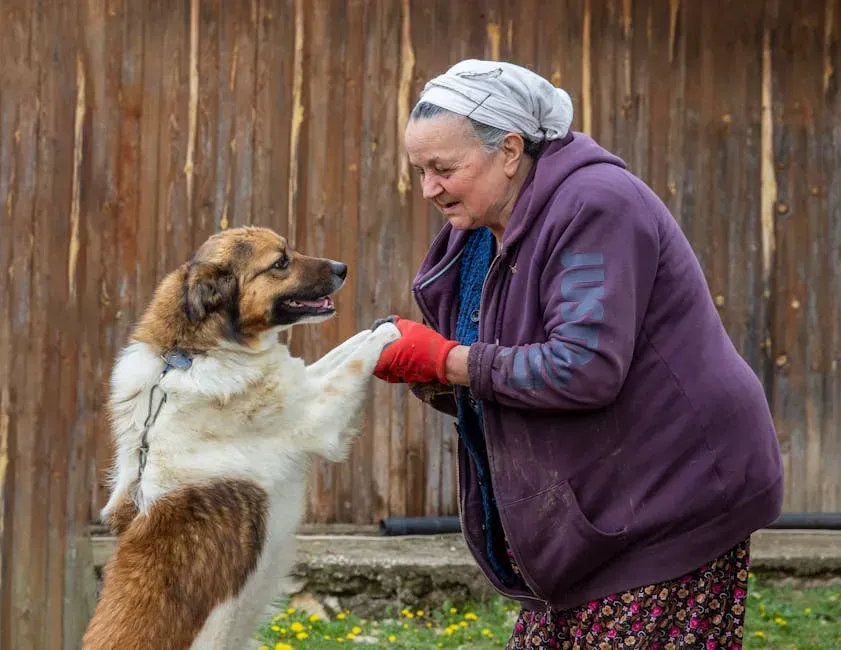
Researchers have established that dogs know enough about human behavior to take their pet parent’s side during even passive confrontations. The researchers looked at three groups of dogs and their guardians. Each dog was shown a little skit which included two strangers and the dog’s guardian, who was having trouble opening a box. In the first group, when the guardian asked for help, the stranger refused.
When the show was over, the strangers held a treat out for the dog. Holding true to loyalty, the dogs were more likely to choose a treat from the kind or neutral stranger and ignored the one who wouldn’t help their guardian. Think about that for a second. Your dog is tracking how people treat you, even in situations that have nothing to do with them. That’s social loyalty operating at a genuinely sophisticated level.
#10. They Mirror Your Emotional State
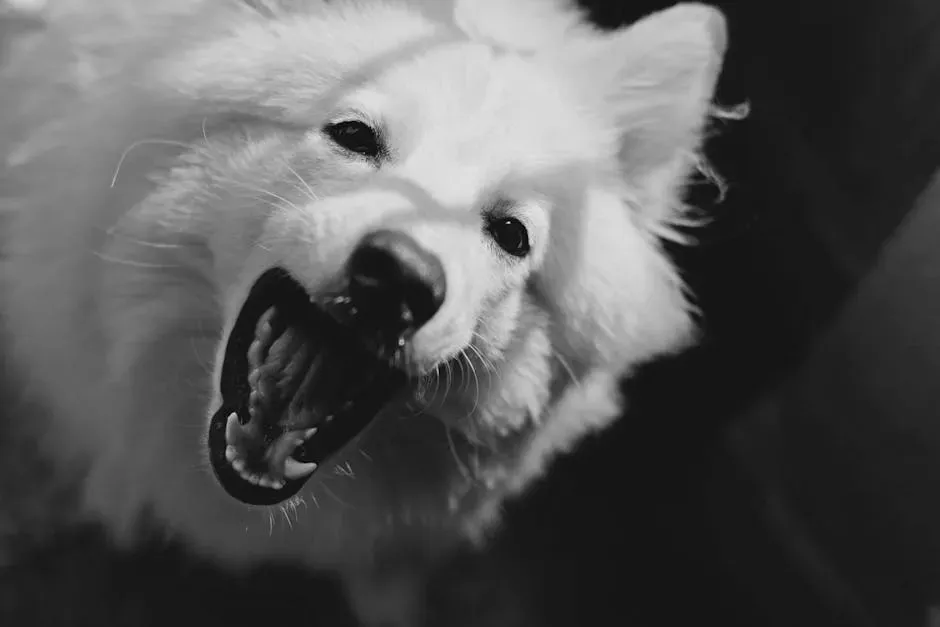
Research has shown that dogs often mimic our emotions, a phenomenon known as emotional contagion, which is another way they show love. This is called emotional mirroring, and it’s a sign that your dog is deeply bonded with you. They’re instinctively tuning into your emotions and responding to your energy, a behavior seen in tight-knit social animals.
Dogs are remarkably attuned to human emotions. They can sense when you’re happy, sad, stressed, or relaxed, and often adjust their behavior accordingly. When your dog gets restless while you’re anxious, or settles down when you finally relax, that’s not coincidence. It’s a deeply bonded animal syncing itself to the person it loves most.
#11. They Use You as a Secure Base When Exploring
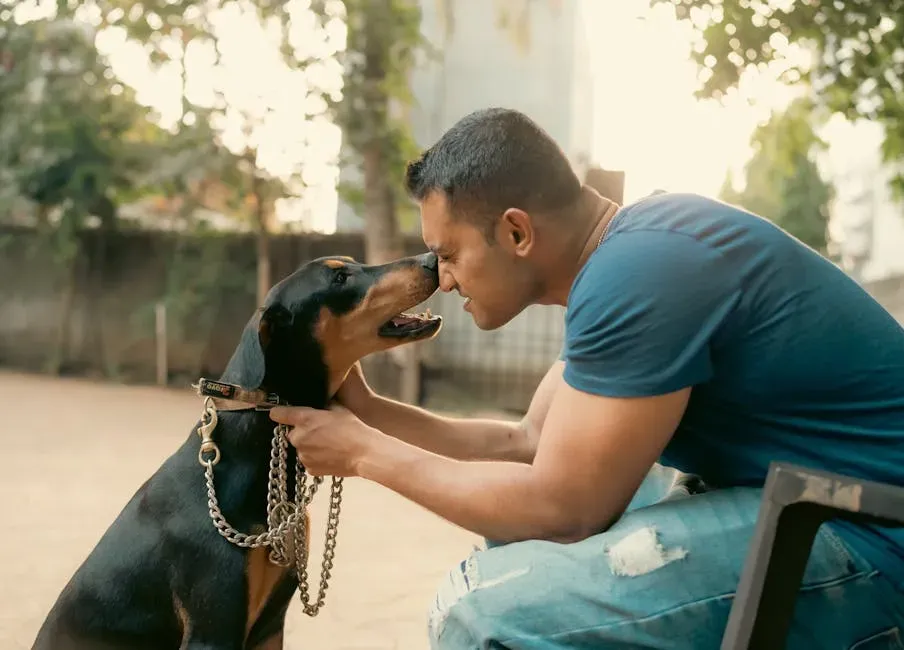
Dogs that are securely attached will confidently explore their environment, including interacting with strangers and novel objects, using their owner as a “secure base.” This is a well-documented behavior in animal attachment science, and it mirrors the exact same pattern seen in young children who periodically check back with a trusted parent before venturing further into unfamiliar territory.
If your dog hesitates before entering a new environment and looks at you for cues, they see you as their leader. This deference means they trust your judgment and are looking for guidance on how to react. A confident dog that trusts its owner will check in with them before making decisions in uncertain situations. That glance back toward you isn’t nervousness – it’s trust being expressed in real time.
#12. They Sleep Near You When They Have Options
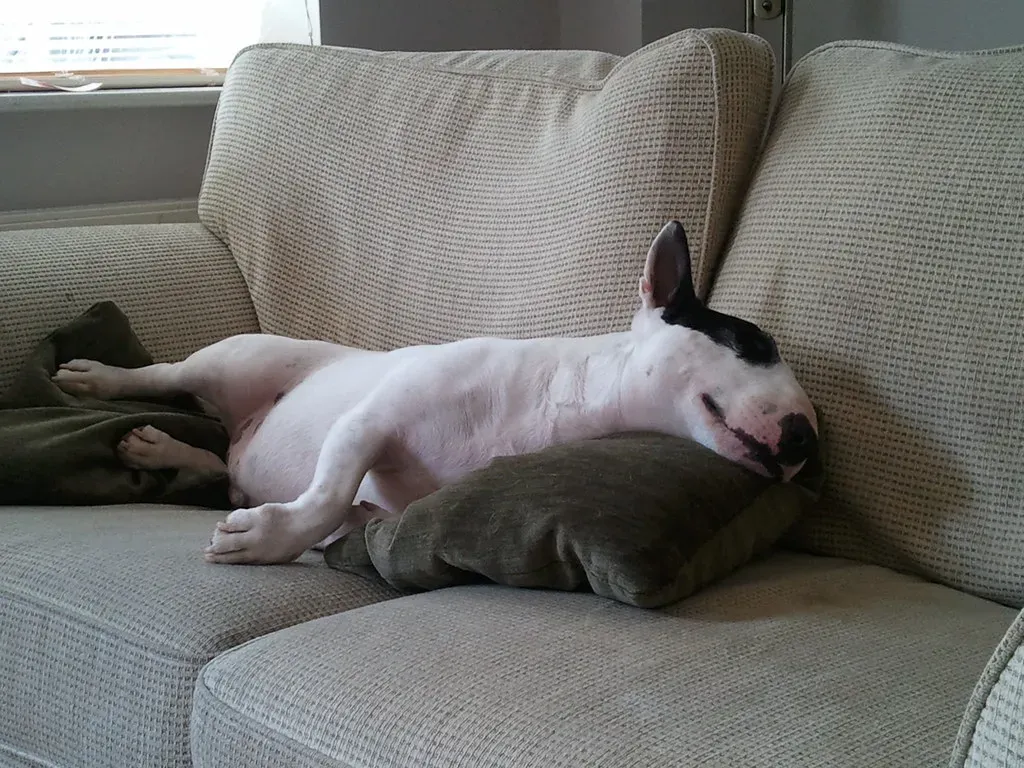
Waiting by the door for your return, even when they could be napping elsewhere, shows they prioritize your presence. Other genuine loyalty signs include joyful greetings after even brief absences, gentle protectiveness without aggression, and choosing to sleep near you when they have other comfortable options.
Some dogs quietly position themselves at your bedroom door or at the foot of your bed. They could sleep anywhere. The fact that they choose to sleep where they can still see you, or at least sense your presence, is one of the most understated loyalty signals a dog can send. It’s proximity chosen freely, every single night.
#13. They Remain Loyal Even Without Consistent Reward
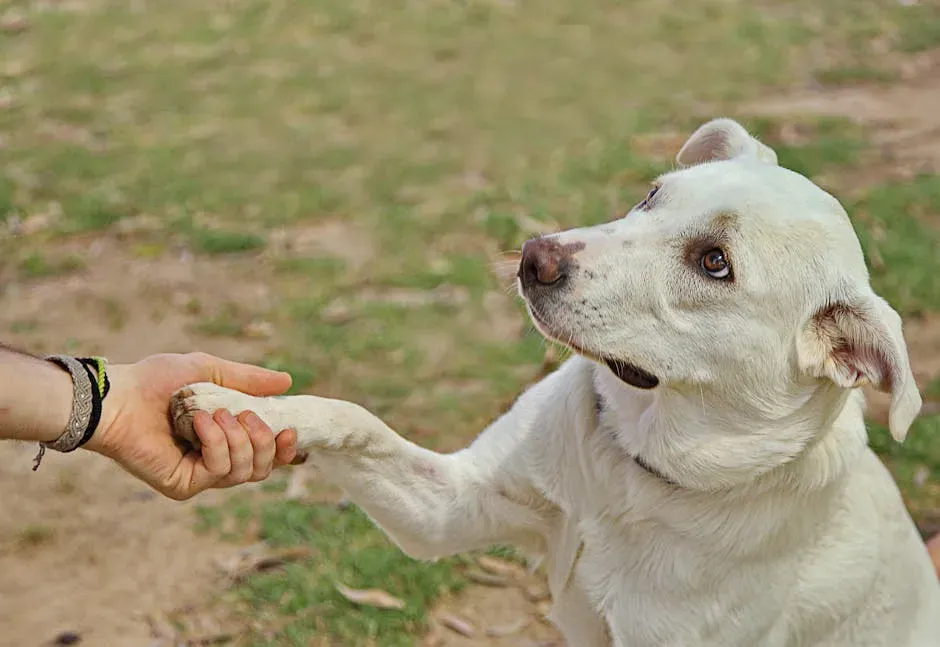
Dogs don’t hold grudges or alter their affection based on their owner’s mood, appearance, or changes in financial status. Their unwavering affection and acceptance, regardless of the circumstances, underscore a form of loyalty that’s both pure and unconditional. That’s a kind of steadiness most humans struggle to maintain even in their best relationships.
In the wild, wolves rely on a structured pack hierarchy for survival. Domestic dogs have retained this pack mentality, viewing their human families as their pack. They look to their owners for guidance, protection, and leadership. This intrinsic need to be part of a social group drives dogs to be loyal and attentive to their human companions. Thousands of years of co-evolution have essentially hardwired this consistency into them. It’s not trained behavior – it’s identity.
#14. They Stay Devoted Beyond Your Absence – and Even Beyond Loss
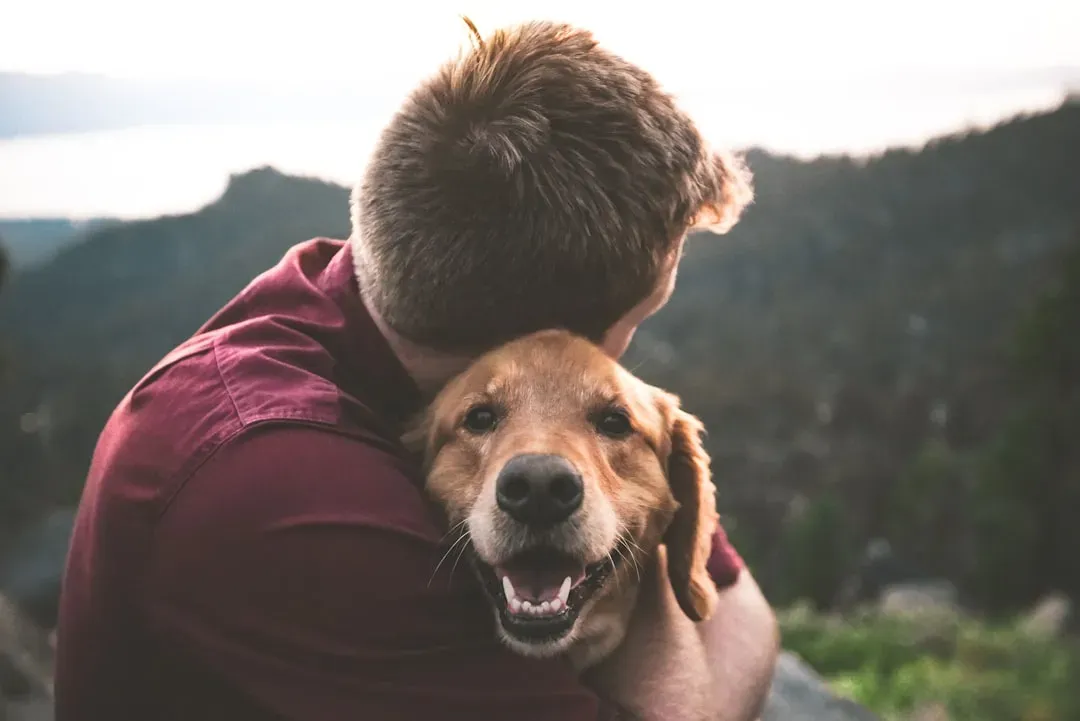
What seems more amazing is the way dogs appear to not only remember us, but actively miss us during a long absence. There are myriad videos of dogs being reunited with their military humans after a long tour of duty, capturing the joy each dog feels at the reunion. There’s also story after story of lost dogs finding their ways home to their beloved families, sometimes trekking across several states to get there.
A dog’s devotion doesn’t end with their owner’s passing, either. More than one story has gone viral involving dogs standing vigil at their deceased owners’ caskets or refusing to leave their grave sites. There’s no rational explanation for that kind of fidelity. It exists in a space beyond reward or habit. It’s simply love, expressed in the only way a dog knows how.
A Final Thought
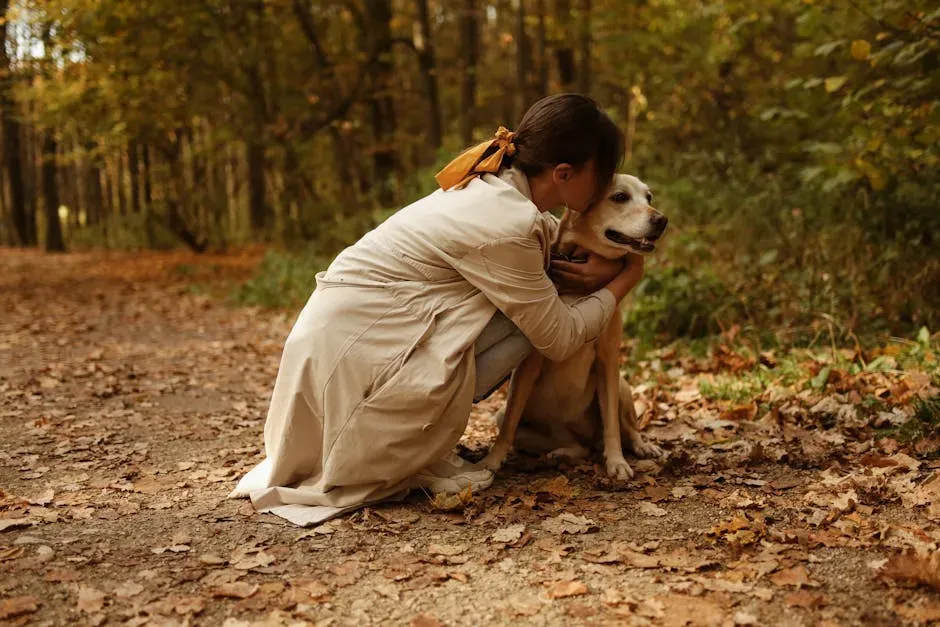
Here’s the honest opinion: we consistently underestimate dogs. We train them, feed them, walk them on schedules, and occasionally scroll past them while they stare at us with open, uncomplicated devotion. Studies examining the dog-human relationship have found that over such a long time of living so closely with people, dogs have developed the ability to empathize with human beings, read our body language and facial expressions, and develop their own ways of communicating with us.
The loyalty of a dog doesn’t announce itself loudly. It shows up in doorways, in quiet vigils, in slow blinks from across the room, and in the soft weight of a head resting on your knee at the end of a hard day. Genetic factors play a significant role in the deep-seated loyalty of dogs towards their human companions. Over thousands of years, selective breeding has amplified traits like sociability, affection, and loyalty in dogs. We didn’t just domesticate them – we built something together, and they’ve been holding up their end of the deal ever since.
The least we can do is start noticing.


