
STOP Believing These Common Myths About Older Dogs and Their Needs
There’s something quietly heartbreaking about watching a devoted dog owner unknowingly shortchange their senior companion – not out of neglect, but out of misinformation. The myths surrounding older dogs are stubborn. They’ve been passed down through generations of well-meaning pet owners, shared at dog parks, and repeated so many times that they’ve started to feel like gospel truth.
Here’s the thing though: what you believe about your aging dog’s needs directly shapes how you care for them. Some of these myths are harmless misunderstandings. Others? They can genuinely impact a dog’s health, happiness, and quality of life. If your best four-legged friend has a few gray hairs around the muzzle these days, this article is for you. Let’s set the record straight, one myth at a time.
Myth 1: “You Can’t Teach an Old Dog New Tricks”
Honestly, this has to be one of the most persistent myths in all of dogdom. And it’s flat-out wrong. The old adage “you can’t teach an old dog new tricks” couldn’t be further from the truth. Senior dogs are not only capable of learning new commands and behaviors but often excel at training.
In fact, many older dogs are easier to train because they’re calmer and less distracted than puppies. Think about it like teaching a teenager versus a seasoned adult. The adult tends to actually sit still and pay attention. Dogs of all ages can benefit from positive reinforcement training, which focuses on rewarding desirable behaviors. Patience, consistency, and the right motivation can help senior dogs thrive in learning new tricks and adapting to changes in their environment.
The practical takeaway here is simple. Keep training sessions short, around 5 to 10 minutes, and keep them positive for senior dogs. Use high-value treats and be patient with any physical limitations they might have. Your older dog is still eager to learn. They just need you to show up for them.
Myth 2: Senior Dogs Don’t Need Much Exercise Anymore
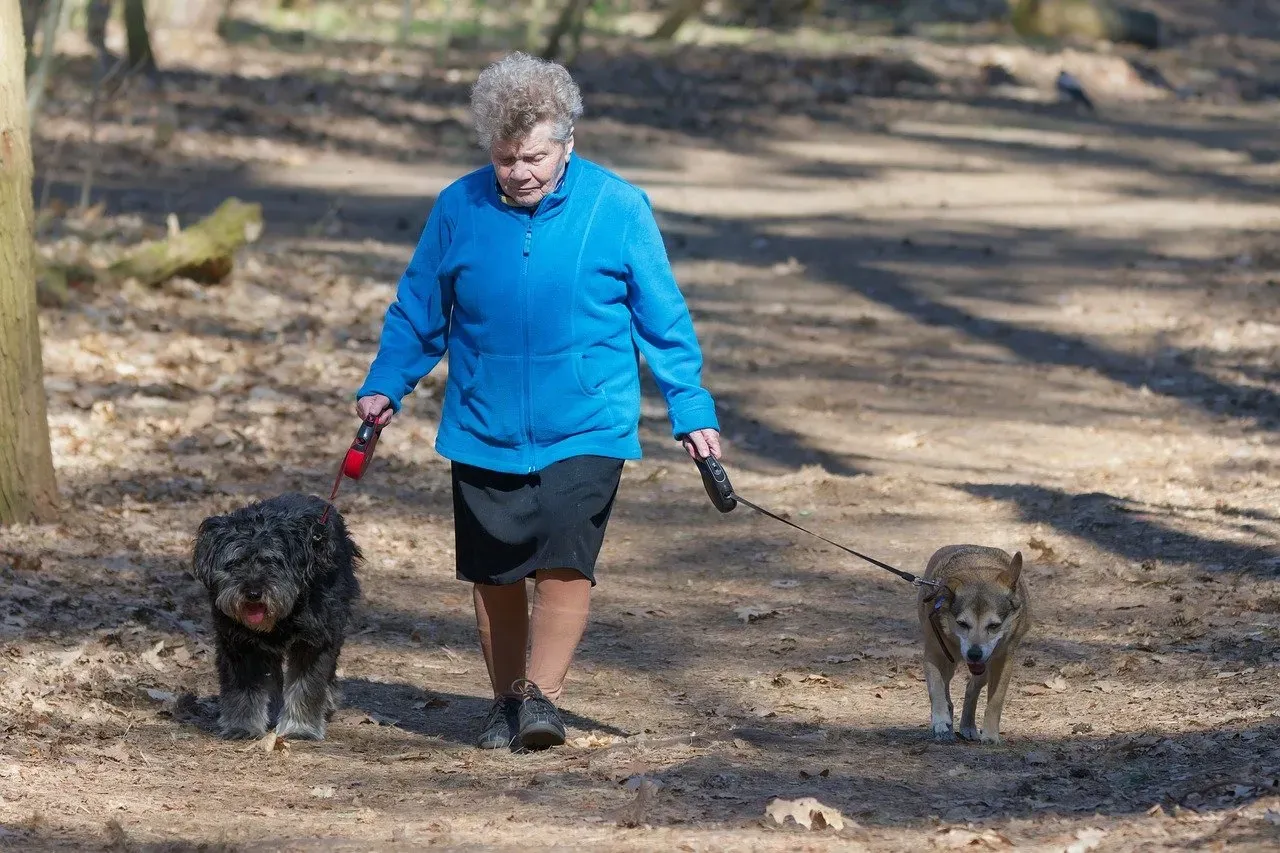
A lot of owners see their older dog sleeping more and quietly retire the leash to the back of the closet. I get it, it feels kind. But this instinct, while loving, is actually one of the more damaging myths out there. While senior dogs may have lower energy levels than puppies, they still need regular physical activity to maintain health, mobility, and mental stimulation. People often confuse a natural decrease in hyperactivity with a need for less exercise overall.
You may notice stiffness in the morning, reluctance to play, or difficulty climbing stairs. These are classic signs of joint discomfort. Regular, low-impact exercise can actually help preserve mobility. Think short daily walks, gentle fetch in the yard, or even a slow swim. Short, leisurely walks on flat terrain help maintain cardiovascular health, muscle tone, and joint flexibility. Swimming is an excellent low-impact exercise that reduces joint stress while providing a full-body workout.
The goal isn’t a marathon. The goal is movement. Consistent, gentle activity keeps joints from stiffening up and helps maintain a healthy weight, which matters enormously as dogs age.
Myth 3: Older Dogs Need Less Protein in Their Diet

This one surprises even seasoned dog owners. For years, the conventional wisdom said “cut the protein for senior dogs” to protect their kidneys. Turns out, that logic was backwards. There is no reason to feed a lower protein diet to senior dogs. We now know that a protein-rich diet is especially important for older dogs, due to the fact that their systems are less efficient at metabolizing protein. Recent studies show that healthy older dogs may need as much as 50 percent more protein than their younger adult counterparts.
Reducing dietary protein isn’t beneficial or necessary for apparently healthy older dogs. Adequate protein is needed to help maintain lean body mass, make important proteins like enzymes and hormones, and support immune function. In fact, lower protein diets for senior dogs can have a negative effect by contributing to muscle loss. Muscle loss in an aging dog leads to weakness, reduced mobility, and a cascade of other problems. Dogs with specific health issues, such as arthritis or kidney disease, will also require tailored diets to manage their conditions effectively. Always consult your veterinarian to determine the specific dietary needs of your senior dog.
Myth 4: Behavior Changes in Older Dogs Are Just “Normal Aging”
This myth might be the most dangerous one on this list. When a senior dog starts acting differently – getting confused, forgetting routines, sleeping at odd hours, or becoming irritable – it’s tempting to shrug and say “well, they’re just getting old.” Sometimes, though, something more specific and treatable is happening. Disorientation, changes in sleep patterns, and decreased interaction all point to Canine Cognitive Dysfunction Syndrome, otherwise known as CCDS or CDS.
Cognitive dysfunction syndrome is a common age-related disease in dogs that affects the brain, causing deterioration similar to Alzheimer’s disease in humans. Dogs may start to develop CDS around nine years of age or older. The condition may be underdiagnosed since the behavioral changes progress slowly, and owners may assume that some changes are a normal part of aging. That assumption costs valuable time. Some changes may signal medical issues like arthritis, dental pain, or cognitive decline. Any sudden shifts in mood, appetite, or mobility should be checked by a vet.
CDS can’t be cured or reversed, but various management methods can be used to try to slow progression and improve quality of life. Veterinarians often recommend a combination of environmental enrichment, therapeutic diet, medication, and other therapies to help manage CDS in dogs. Early action is everything with this condition. Don’t wait.
Myth 5: Senior Dogs Are Too Set in Their Ways to Adapt to New Homes

This myth keeps countless wonderful older dogs stuck in shelters far longer than they deserve. People assume that an older dog, having lived somewhere else for years, simply can’t adjust to a new family or environment. Not true. Many senior dogs adapt remarkably well to new environments, often more quickly than younger dogs. There’s a misconception that older dogs are set in their ways and cannot form new bonds.
Senior dogs often make wonderful companions. They are typically calmer, already house-trained, and eager for love. With proper care, many can live happily for years. The adjustment period is real, of course. Creating a consistent routine when bringing a senior dog home, and providing a quiet space where they can retreat if feeling overwhelmed, makes a tremendous difference. Give them time, routine, and gentleness, and you may be shocked by how quickly they bloom.
Myth 6: Vet Visits Can Be Less Frequent Because There’s Less to Worry About
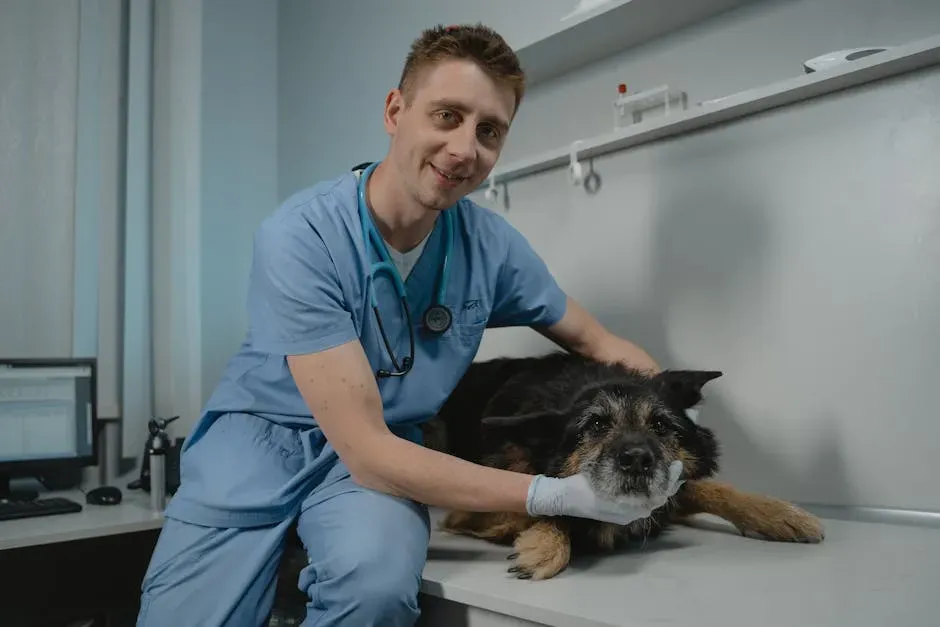
Here’s a line of thinking I’ve actually heard at dog parks: “He’s old, so I don’t take him as much anymore. There’s not much they can do at this point.” Let’s be real, this is one of those myths where the logic feels plausible but the reality is completely backward. Older dogs need more veterinary attention, not less. Veterinarians recommend checkups at least twice a year for senior dogs. This allows early detection of age-related conditions and ensures timely treatment.
According to the American Animal Hospital Association, approximately 20 percent of dogs over age seven show signs of cognitive decline, making proper nutrition and monitoring even more critical for maintaining brain health. That’s a striking number. Think about that. Nearly one in five dogs over seven is already showing early signs of cognitive changes. Frequent veterinary visits are crucial for early detection and management of age-related health issues. Regular blood work, dental check-ups, and physical exams can help identify potential problems before they become severe.
Veterinary professionals emphasize that proactive senior care, including regular health screenings and age-appropriate wellness plans, significantly extends quality of life for older dogs. Your older dog can’t tell you when something hurts. That’s what those vet visits are for.
Conclusion: Your Senior Dog Deserves Better Than These Myths
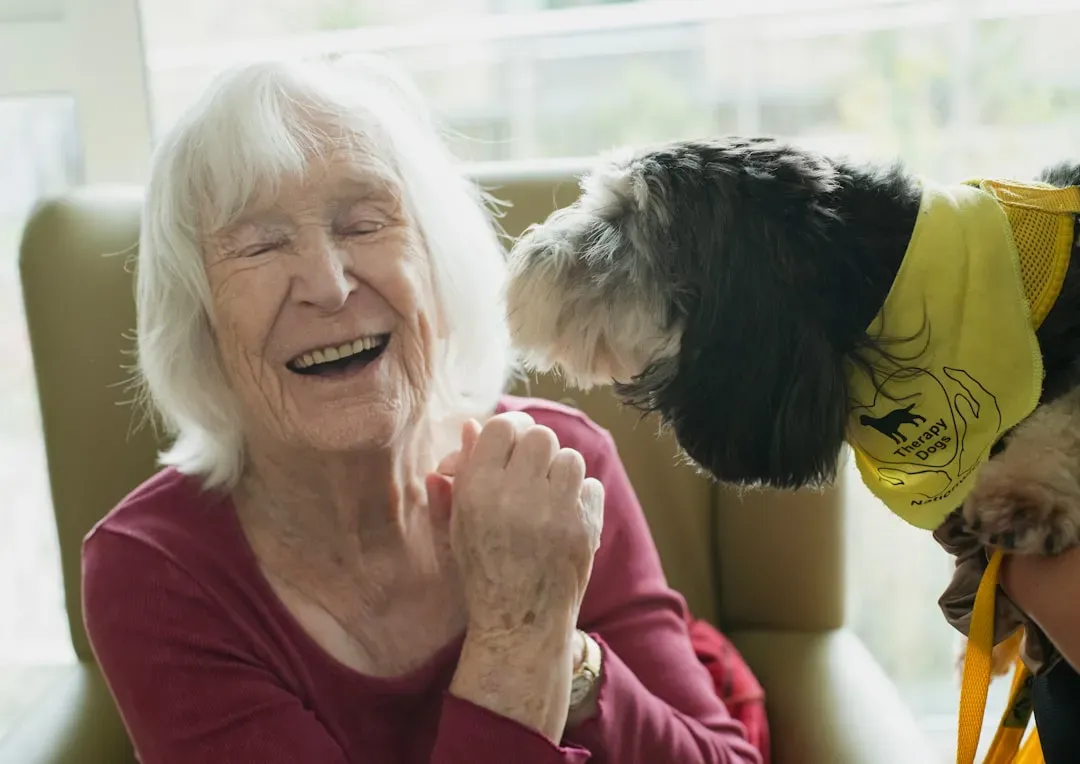
Caring well for an aging dog isn’t about doing less. It’s about doing smarter. It’s about swapping old assumptions for real, current, compassionate knowledge. Every myth we’ve covered here has a real cost, whether it’s a dog who stopped getting walked, a diet that’s quietly depleting their muscle mass, or a behavior change that went unaddressed for too long.
Senior dogs give us so much. They’ve been there through moves, breakups, late nights, and lazy Sundays. The least we can do is meet their golden years with the same loyalty they’ve shown us. Every senior dog deserves the chance to live out their golden years in comfort and happiness. You have the power to give them that.
So take a moment to look at your older dog today, really look. Are they getting enough gentle movement? Enough quality protein? Regular vet visits? Are you watching for the subtle signs that something might need attention? The myths stop here. Your dog’s best years, with your best care, may still be ahead. What’s one thing you’ll do differently for your senior dog starting today?