
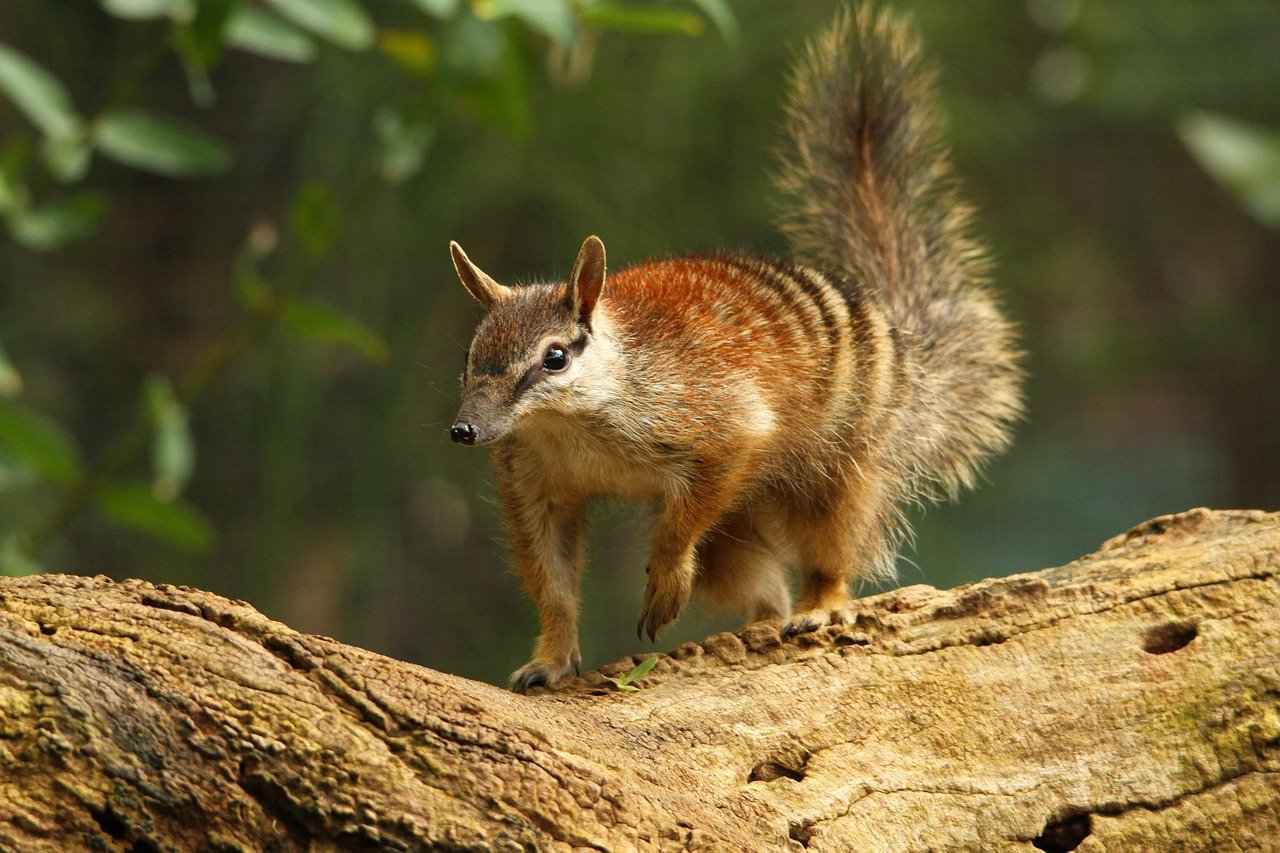
New Guinea – Researchers have confirmed the survival of two marsupial species long presumed extinct, offering a rare victory for biodiversity amid accelerating species loss worldwide. The pygmy long-fingered possum and the ring-tailed glider, both thought to have vanished over 6,000 years ago during the last Ice Age, now join the ranks of so-called Lazarus taxa. These rediscoveries in the island’s remote rainforests highlight the untapped secrets of isolated ecosystems and the value of blending modern science with local knowledge.[1]
A Misidentified Specimen Solves a 30-Year Mystery
One specimen sat unnoticed for decades in the Australian Museum, labeled incorrectly as it served as a teaching tool since 1992. Scientists initially believed the pygmy long-fingered possum, or Dactylonax kambuayai, had disappeared with the thawing of ancient glaciers. Recent comparisons of that preserved animal against fossil fragments and fresh photographs from the wild finally unveiled its true identity.[1]
This diminutive marsupial boasts a specialized long finger, perfectly adapted for extracting insect larvae from rotting logs. Such traits underscore its unique niche in New Guinea’s dense forests. The breakthrough came through meticulous analysis, reminding experts that extinction declarations require caution in understudied regions. Conservationists now prioritize surveys to assess population viability.[1]
Ring-Tailed Glider Emerges from Fossil Records
Fossils first introduced the ring-tailed glider, or Tous ayamaruensis, to science in the 20th century, courtesy of an Australian paleontologist. Indigenous communities on the island revered the creature as sacred, preserving oral histories that hinted at its persistence. Cameras recently captured live individuals gliding through the canopy on the Vogelkop Peninsula in Indonesian New Guinea, validating those traditions.[1]
These agile marsupials navigate rainforests with prehensile tails, leaping between trees in nocturnal hunts. Their return challenges assumptions about Ice Age survivors. Detailed studies published in the Records of the Australian Museum document the findings, urging expanded habitat protection. Local collaborators played a pivotal role in guiding fieldwork to remote sites.[1]
Indigenous Wisdom Fuels Scientific Breakthroughs
Rika Korain, a Maybrat woman and coauthor on the study, emphasized the essential partnership with Indigenous groups. Their insights directed researchers to prime habitats and affirmed long-held beliefs in the animals’ existence. This collaboration bridged cultural knowledge with genetic and morphological analysis, accelerating the rediscoveries.
Such alliances prove vital in biodiverse hotspots like New Guinea, where rugged terrain limits access. Elders shared stories of sightings, preventing missteps in surveys. The effort exemplifies how respecting traditional ecological knowledge enhances global conservation strategies. Future expeditions will lean further on these partnerships.[1]
Lessons for Global Conservation Efforts
While new species descriptions surge, Lazarus events remain exceptional, signaling potential refugia in isolated forests. New Guinea’s rainforests harbor countless undiscovered or underestimated populations. Threats like logging and climate shifts loom large, demanding immediate action to safeguard these revivals.
Experts call for bolstered monitoring and protected areas. The discoveries inspire renewed funding for surveys in similar remote zones. Here’s a quick overview of the species’ key traits:
- Pygmy long-fingered possum: Specialized finger for foraging larvae; nocturnal; tied to log habitats.
- Ring-tailed glider: Gliding ability with tail; culturally significant; canopy dweller.
- Both: Survived Ice Age; now vulnerable to human pressures.
- Rediscovery method: Museum specimens, fossils, camera traps.
- Timeline: Extinct presumption over 6,000 years; confirmed alive in 2026.
| Species | Notable Adaptation | Rediscovery Clue |
|---|---|---|
| Pygmy long-fingered possum | Long finger for insects | 1992 museum specimen |
| Ring-tailed glider | Prehensile tail for gliding | Recent photos, Indigenous lore |
These cases underscore that presumed extinctions often reflect knowledge gaps rather than true loss.[1]
Key Takeaways
- Two marsupials eluded extinction declarations through hidden rainforest populations.
- Indigenous partnerships unlocked locations inaccessible to outsiders.
- Urgent habitat safeguards now protect these fragile survivors.
These rediscoveries affirm nature’s resilience but warn against complacency. As surveys expand, more Lazarus stories may emerge, fueling hope for endangered wildlife. What do you think about these remarkable comebacks? Tell us in the comments.


