
Do Dogs Forgive You for Yelling at Them?

You lost your cool. Maybe your dog chewed up your favorite shoe, or had an accident on the freshly cleaned rug right before company arrived. In a flash of frustration, you raised your voice. And now, looking into those big, soft eyes, you feel absolutely terrible.
You’re not alone. Honestly, most dog owners have been there at least once. The real question burning in your chest right now is this: did I just break something between us? The answer is more nuanced, more forgiving, and more fascinating than you might expect. Let’s dive in.
Your Dog Actually Feels the Shift in Your Energy
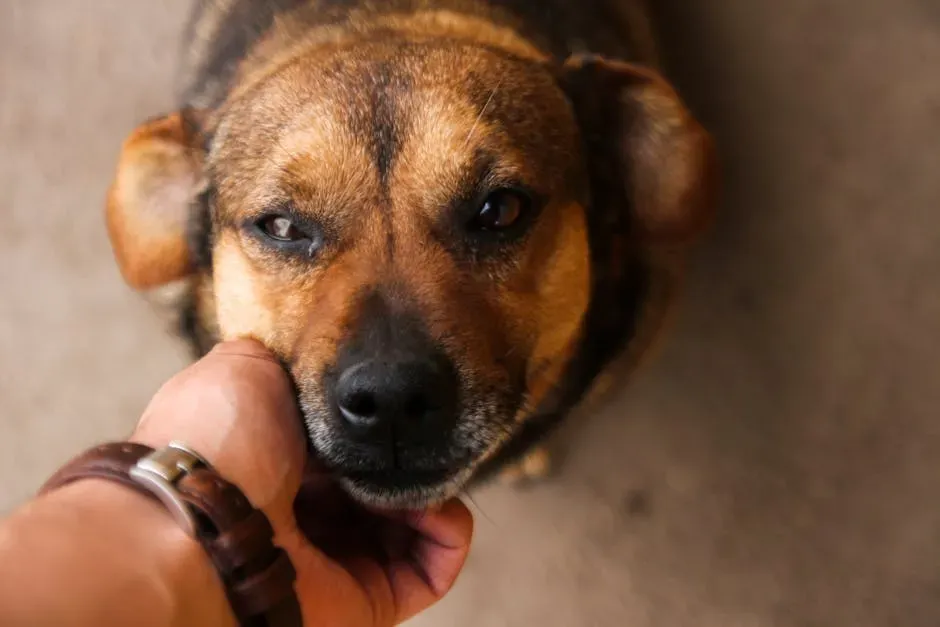
Dogs are incredibly intuitive animals with a refined sense of human emotion. They may not understand exactly why you’re yelling, but they absolutely feel the shift in your tone and energy. Think of it like this: imagine being in a room where someone starts shouting in a language you don’t speak. You don’t know the words, but your whole body tenses up.
Dogs are incredibly perceptive, sensitive beings capable of sensing emotions and reading human facial expressions. Research has shown that dogs combine hearing and sight to correspond happy and angry human faces with happy and angry vocalizations. So when you yell, they’re not just hearing volume. They’re reading your entire emotional state, all at once.
Emotionally, dogs function similarly to a two to three year old child. They respond more to body language, voice inflection, and actions than to specific words. That means even a sharp tone during an otherwise quiet moment can register as alarming. Your dog doesn’t need to understand the context. The feeling is enough.
What Happens Inside Your Dog When You Yell

When a dog gets yelled at, it triggers the release of stress hormones, which enables them to be even more reactive to scary and stressful situations. That’s not a small thing. A dog in a heightened stress state isn’t learning or connecting. They’re simply surviving the moment.
Researchers videotaped dogs during training and tested their saliva before and after for the stress hormone cortisol. Dogs in negative reinforcement programs showed more stress related behaviors during training, such as lip licking and yawning, and they had higher levels of cortisol in their saliva than when at home. That’s real, measurable biological distress.
Yelling at dogs is counterproductive. If you yell at your dog, you are likely to create defiance in the more resilient dogs and an overall inhibited or shut down demeanor in the more sensitive ones. In the worst case scenario, a dog may get so stressed that they may respond defensively by growling and snarling. Let’s be real: that’s the exact opposite of what any loving dog parent wants.
So, Do Dogs Actually Forgive You? Here’s the Science
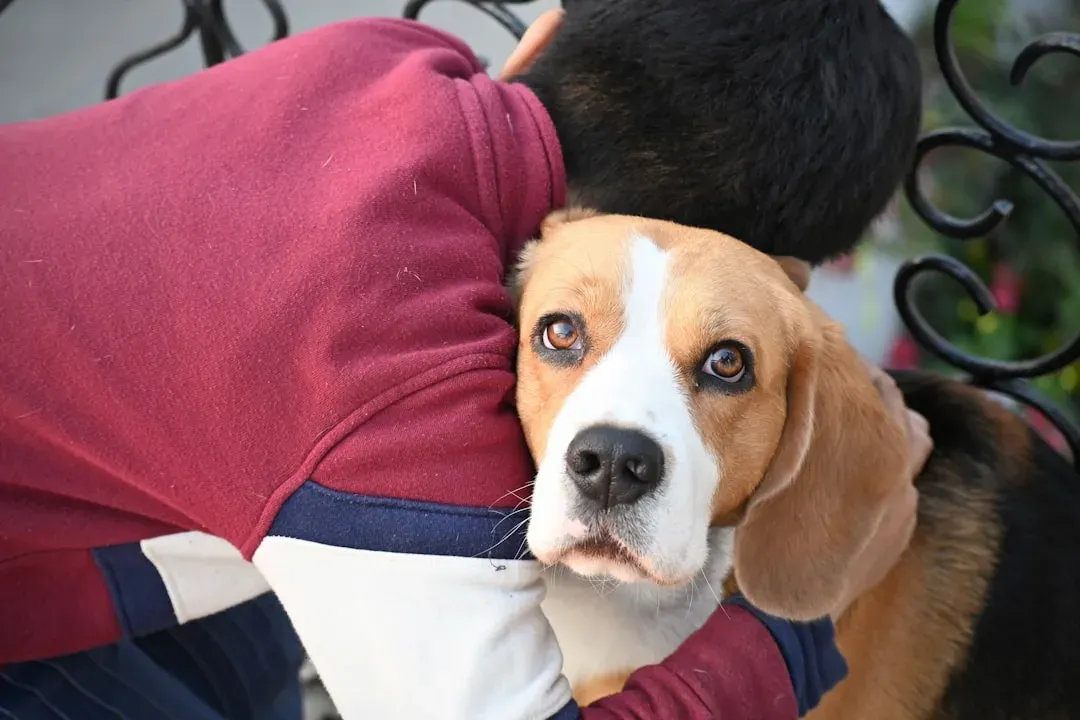
Dogs possess an associative memory, meaning they remember people, places, and events based on the emotions those experiences evoked. Unlike humans, dogs do not recall events in a detailed, episodic manner. Instead, they remember how a situation made them feel. Think of it as emotional fingerprinting rather than a mental replay of events.
If yelling is a rare event in an otherwise affectionate relationship, most dogs will not hold on to the fear or anger for long. There’s little scientific evidence that suggests dogs hold grudges in the human sense. That is genuinely good news, and I think it says something beautiful about the nature of dogs.
A strong emotional bond between a dog and its human is key to forgiveness. Yelling, while momentarily distressing, is often outweighed by long term loving care. Dogs crave consistency, affection, and attention. If they consistently experience these things, occasional yelling rarely leaves a lasting scar. Your relationship is the bigger picture, not the single bad moment.
The Warning Signs You Should Never Ignore

A dog’s heightened sensitivity lets them react quickly, often showing submissive behavior to calm the situation. For example, a dog might tuck its tail between its legs or avoid eye contact when it senses anger or frustration. These are important signals your dog is communicating stress, not guilt.
While dogs may forgive occasional yelling, repeated negative interactions can lead to anxious or defensive behaviors. Dogs exposed to recurring harsh treatment may develop fear responses that are hard to reverse. Trust takes time to rebuild and requires consistent, kind behavior moving forward. This is the part that really matters. One outburst? Likely recoverable. A pattern? Much more damaging.
Dogs that get yelled at frequently can lose attachment to their owner, stop trying to succeed, and lose confidence in themselves. This means you’ll have to work twice as hard in all future training sessions for the same results. A loss of attachment can also be linked to an increase in separation anxiety. If you’ve noticed your dog becoming withdrawn or anxious, it’s worth taking an honest look at how often frustration spills into your interactions.
How to Rebuild Trust and Do Better Going Forward
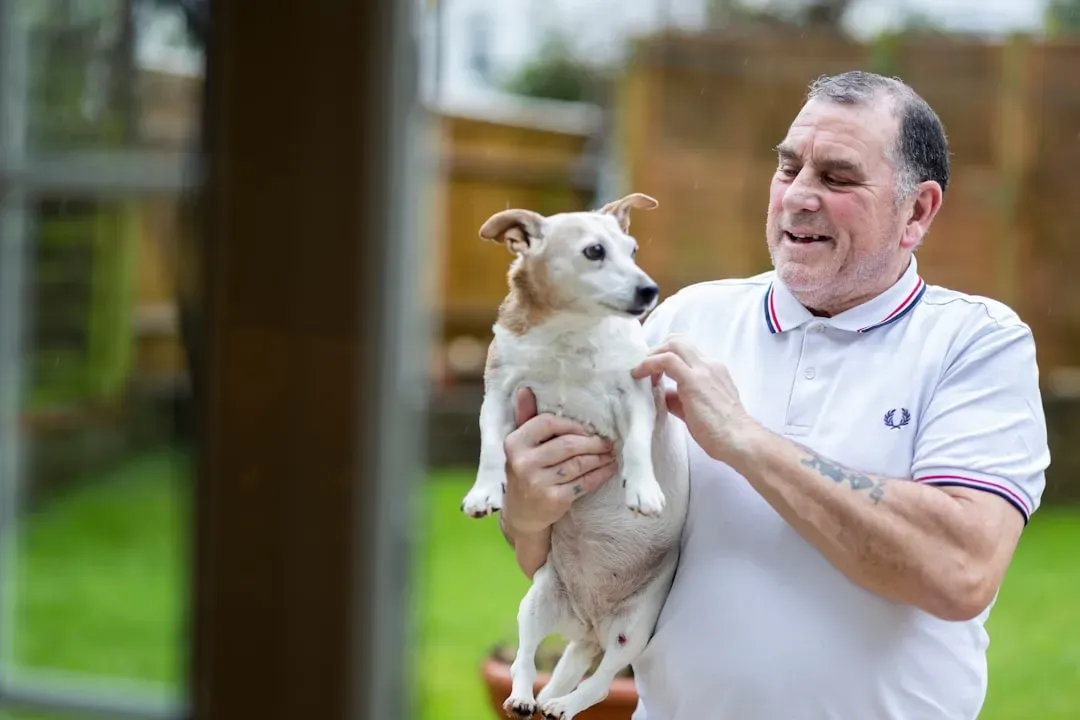
If you’ve had a moment of frustration, it’s not too late to restore trust. Offer immediate reassurance by staying calm, offering gentle pets, and speaking softly to comfort your dog. Reward calm, friendly behavior with treats, praise, or play. Honestly, the way you show up after a difficult moment matters more than the moment itself.
If you’ve yelled at your dog, it’s important to rebuild their trust. Dogs are forgiving, but their trust must be reinforced through consistent, positive interactions. Consistency is like currency in your dog’s world. Every calm, loving interaction you make is a deposit into that trust account.
Dogs from reward based training groups actually learned tasks faster than dogs from aversive training groups. This suggests that reward based training may actually be more effective. So switching to a gentler approach isn’t just kinder. It genuinely works better. That’s a win for everyone, including your dog.
Conclusion: Your Dog Loves You More Than You Might Deserve Right Now
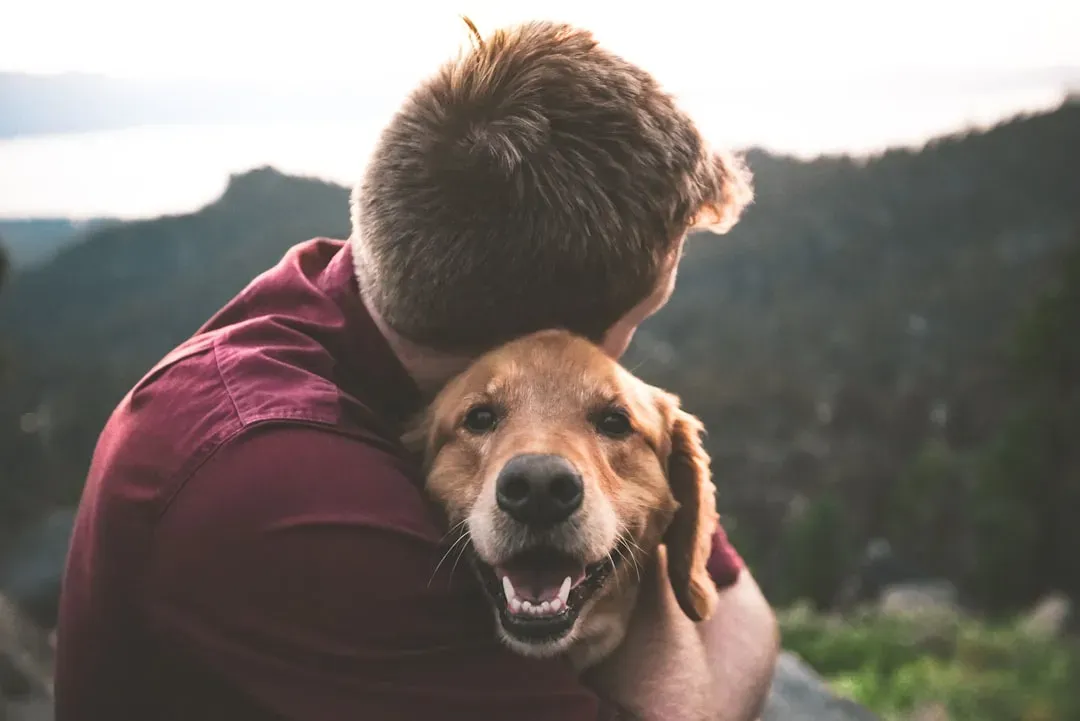
Here’s the thing about dogs: they are, without question, more forgiving than most humans will ever manage to be. Yes, dogs are capable of forgiving you for yelling at them. Their emotional intelligence and desire for connection allow them to overcome negative moments if love and trust prevail. While isolated incidents of yelling may cause temporary stress, the foundation of your relationship determines your dog’s ability to move past them.
The guilt you feel after yelling? Use it well. Let it motivate you to pause, breathe, and reach for patience instead of frustration the next time things get messy. Your dog is already halfway to forgiving you. The real question is: are you ready to hold up your end of that relationship?
What changes will you make today to be the owner your dog already believes you are? Share your thoughts in the comments, we’d love to hear your story.