
You’d think a smart dog would be easy to train. Makes sense, right? The smarter the dog, the faster it learns. Clean, logical, simple. Except dogs didn’t get that memo.
Some of the most intelligent breeds on the planet are also the most exhausting to train. Not because they can’t understand what you’re asking. They understand perfectly. They just look you in the eye, weigh their options, and decide your “sit” command isn’t worth their time today. Honestly? It’s both maddening and kind of impressive.
If you’ve ever felt like you’re in a battle of wills with your dog, you’re in very good company. Let’s dive into the ten breeds that will challenge you, surprise you, and ultimately win your heart anyway.
1. Afghan Hound: The Aristocrat Who Answers to No One
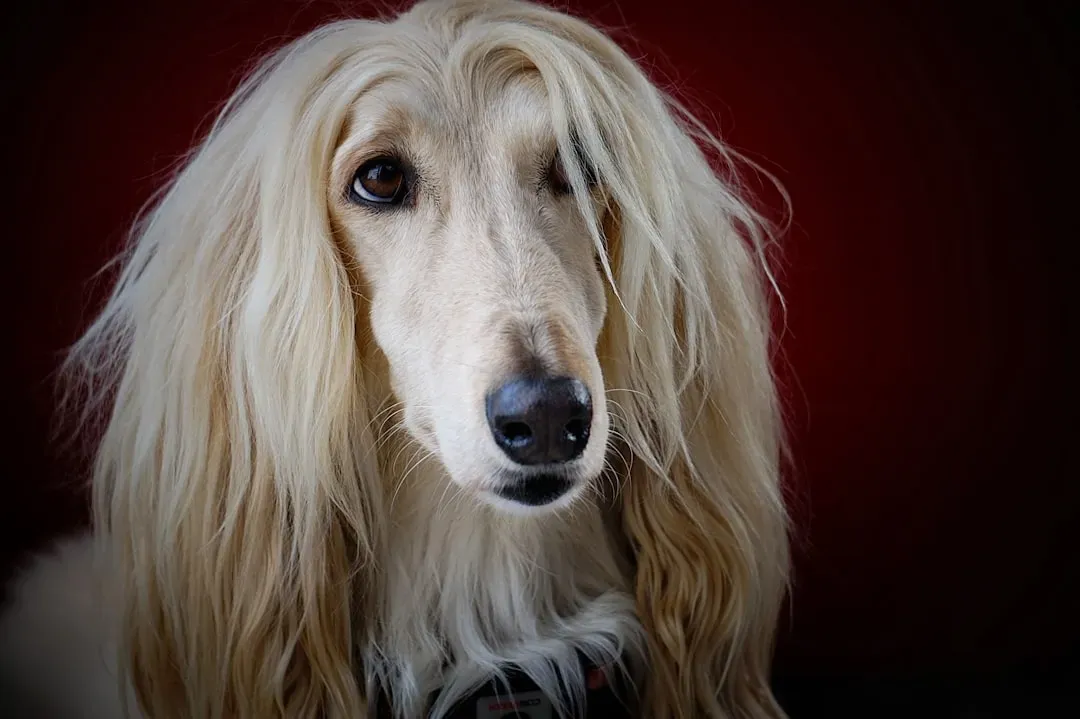
Afghan Hounds are highly intelligent but tend to think for themselves, often displaying selective hearing when given commands. They prefer doing things on their own terms, much like a cat, and will often ignore instructions if they aren’t in the mood. Picture calling your dog’s name five times while they gaze into the distance like they’re posing for a magazine cover. That’s an Afghan Hound on a Tuesday.
Afghan hounds are hunting dogs from the sighthound family, a group that hunts primarily through speed and keen vision rather than scent. For that reason, learning commands may never have been part of their genetic or evolutionary design. If you own one, lean heavily into patience and creative engagement. Short, positive sessions work best, and earning their trust matters far more than demanding their obedience.
2. Siberian Husky: The Beautiful Escape Artist
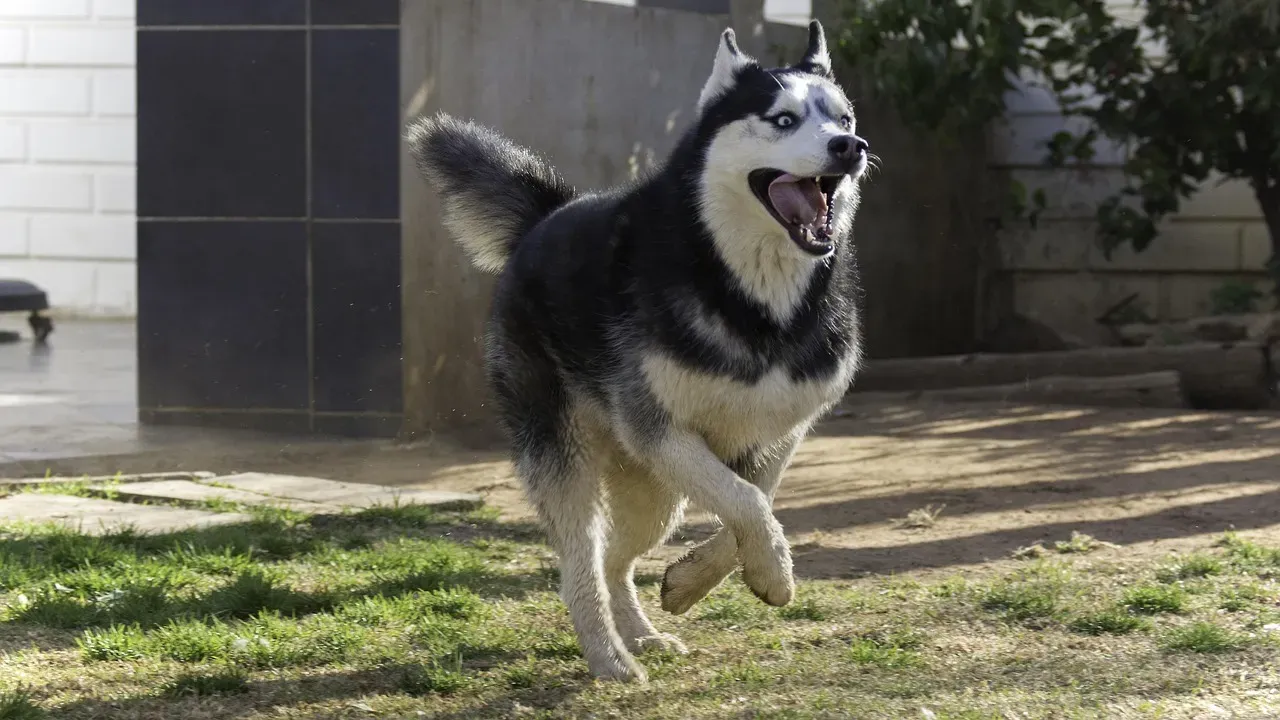
Known for their striking appearance, Siberian Huskies have extremely high stubbornness levels. They are also energetic and have very short attention spans, making it extremely challenging to train them. They are an independent breed and have the constant urge to escape the restricted territory, which makes them an ideal pet for experienced owners only. Think of living with a Husky as cohabiting with a drama queen who has the energy of a caffeinated toddler.
These dogs need a lot of exercise and mental stimulation to prevent boredom, which can lead to destructive behavior. Training a Husky requires patience, consistency, and a good understanding of how to channel their energy positively. Recall training is especially important early on. When raising a Husky, recall must be one of the first things to focus on because they have a heart of an explorer and the agility of a horse.
3. Shiba Inu: The Cat That Forgot It Was a Dog
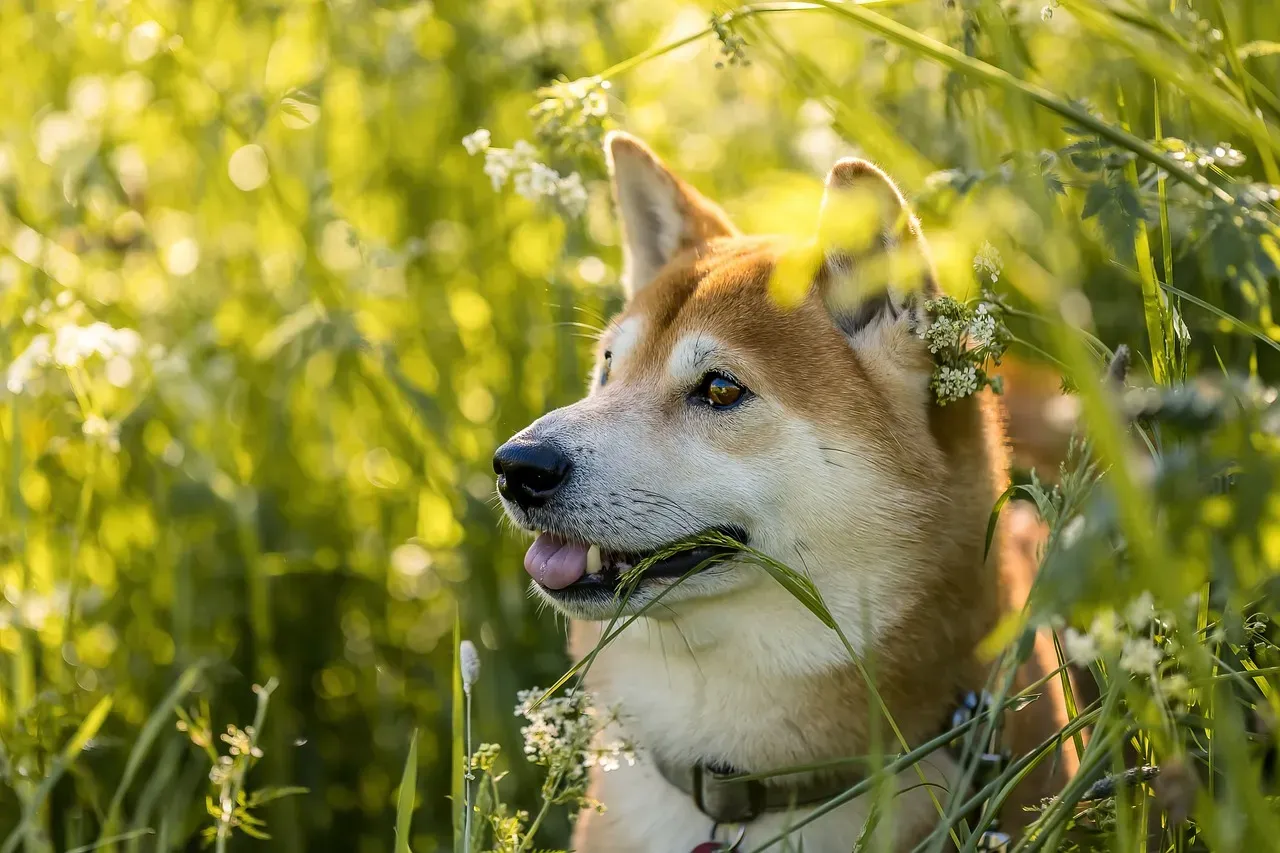
Many people believe that Shiba Inus are very feline-like. This perception is built around three of their strongest characteristics: independence, aloofness, and determination. They are very intelligent, highly alert, and attuned to their environs. They are quick to form perceptions about the world, which can be difficult to change.
Forget marathon training sessions. Your Shiba’s attention span is a sprint. Keep sessions short and sweet, around 5 to 10 minutes. Use playful lures, quick bursts of fetch, and a sprinkle of surprises to keep their clever minds from wandering. The key is making training feel like their idea. The moment they sense you need something from them, they lose all interest. Classic Shiba energy.
4. Basenji: The Barkless Dog With a Big Opinion
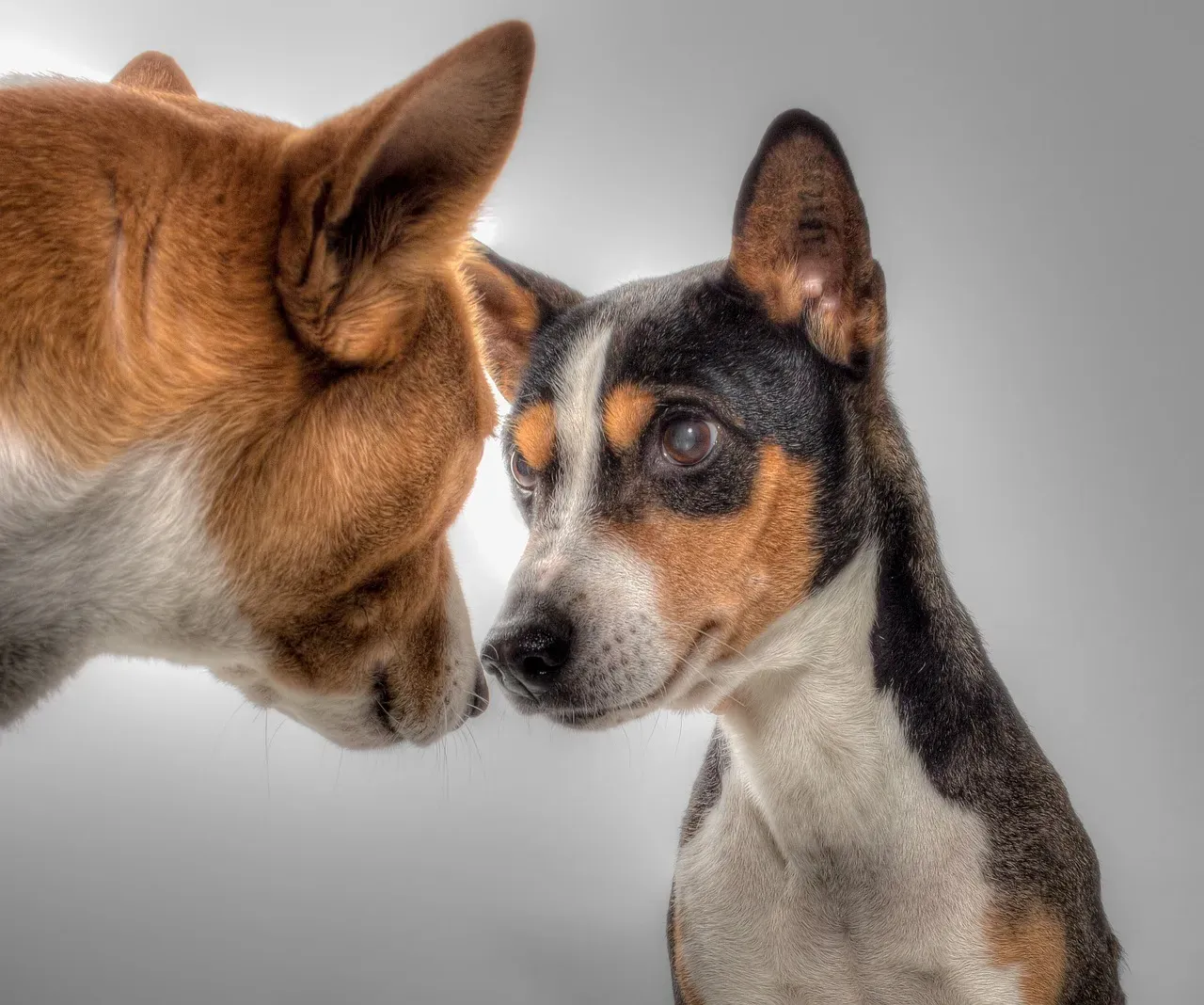
Although intelligent, Basenjis are exceptionally independent-minded. Their desire to please is nonexistent. While they can pick up tricks and commands in a breeze, they won’t be at your every beck and call. That sounds frustrating, I know. Here’s the thing though: once you understand what motivates them, you can actually get somewhere with these guys.
They thrive on mental stimulation, so traditional drills won’t cut it. Creative methods like puzzle games and scent challenges help keep their sharp minds engaged. Their high prey drive and curiosity can easily override recall, especially in busy or stimulating environments. Despite being a hound, the Basenji doesn’t bark. It produces a distinctive yodel-like sound known as a “baroo.” They’re endlessly entertaining, just not endlessly obedient.
5. Chow Chow: The Proud and Aloof Emperor
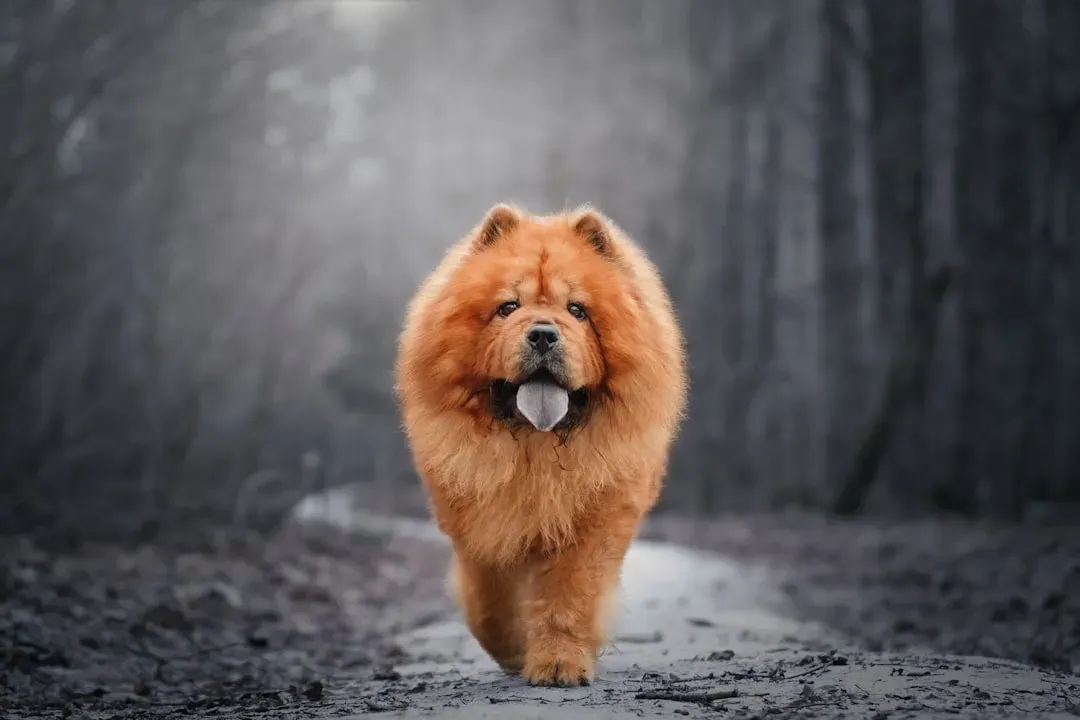
Chow Chows are not just distinctive in appearance but also in personality. They tend to be aloof and very independent, which can make training a challenge. Chow Chows are not naturally inclined to obedience. Instead, they’re independent thinkers who value autonomy. Trying to train a Chow Chow with traditional commands is a bit like trying to give a grumpy professor homework. Good luck with that.
Chow Chows have a reputation for being strong-willed and aloof. They can be wary of strangers and may require extensive socialization. Training a Chow Chow requires firmness, consistency, and reinforcement. Early socialization and obedience training are crucial for this breed. Without early socialization, their territorial nature can intensify. Start young, stay consistent, and respect their need for trust before compliance.
6. Beagle: The Nose on Four Legs
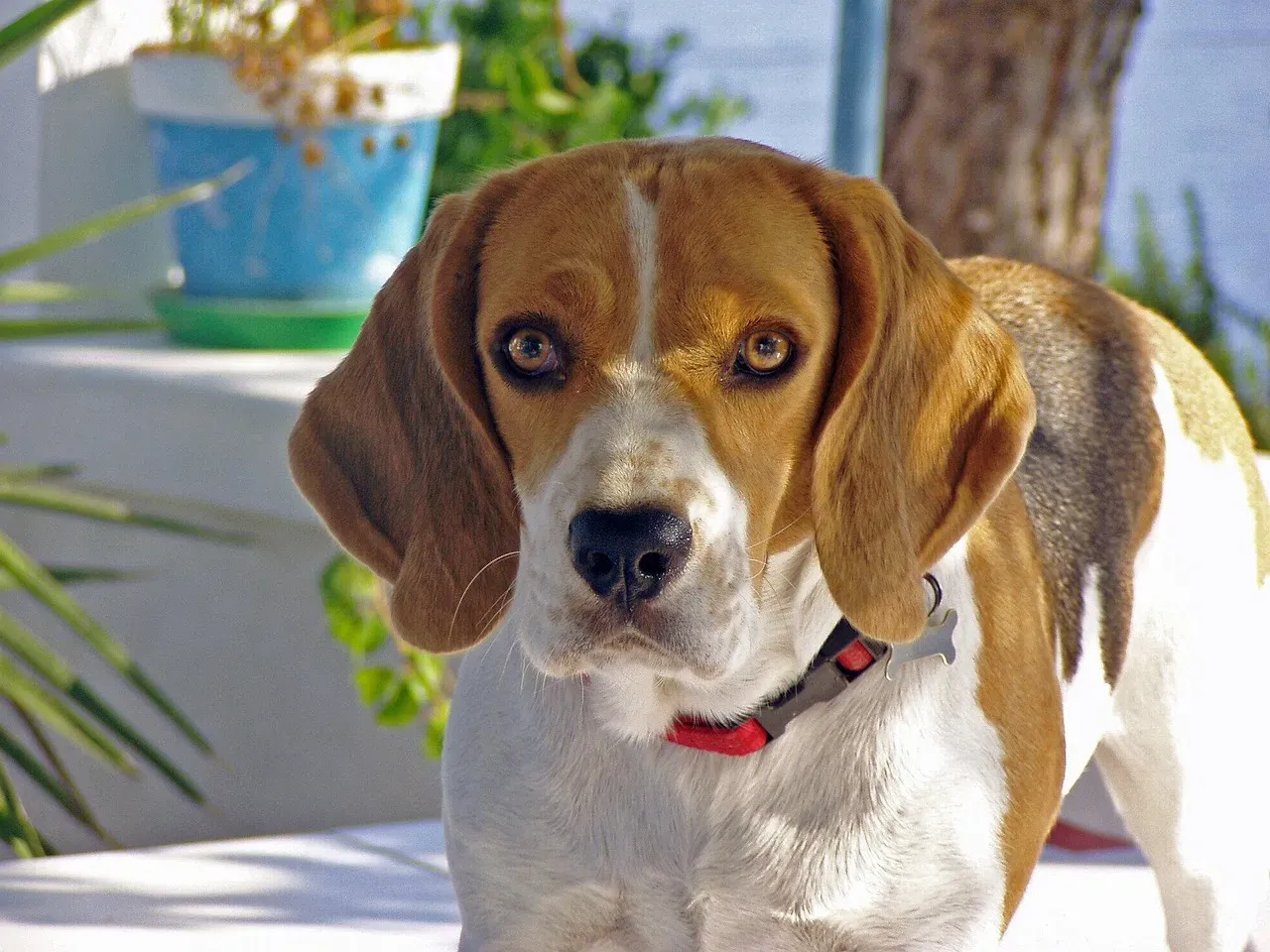
These hunting dogs have a very strong focus on the smells around them and a strong genetic inclination to follow scent trails. That’s what makes them one of the hardest dogs to train. Imagine asking your Beagle to “sit” while a squirrel trots by, and you’ll understand exactly why training sessions outdoors can feel completely pointless.
Beagles are highly food-motivated, which can be both a blessing and a curse. While treats can help them focus, their insatiable appetite may lead to sneaky snack thefts and struggles with weight management. Consistency, positive reinforcement, and scent-based exercises are key to harnessing their attention and curbing stubborn behavior. Pro tip: train indoors first, minimize distractions, and use high-value treats. Tiny wins matter enormously with this breed.
7. Jack Russell Terrier: Tiny Body, Enormous Defiance
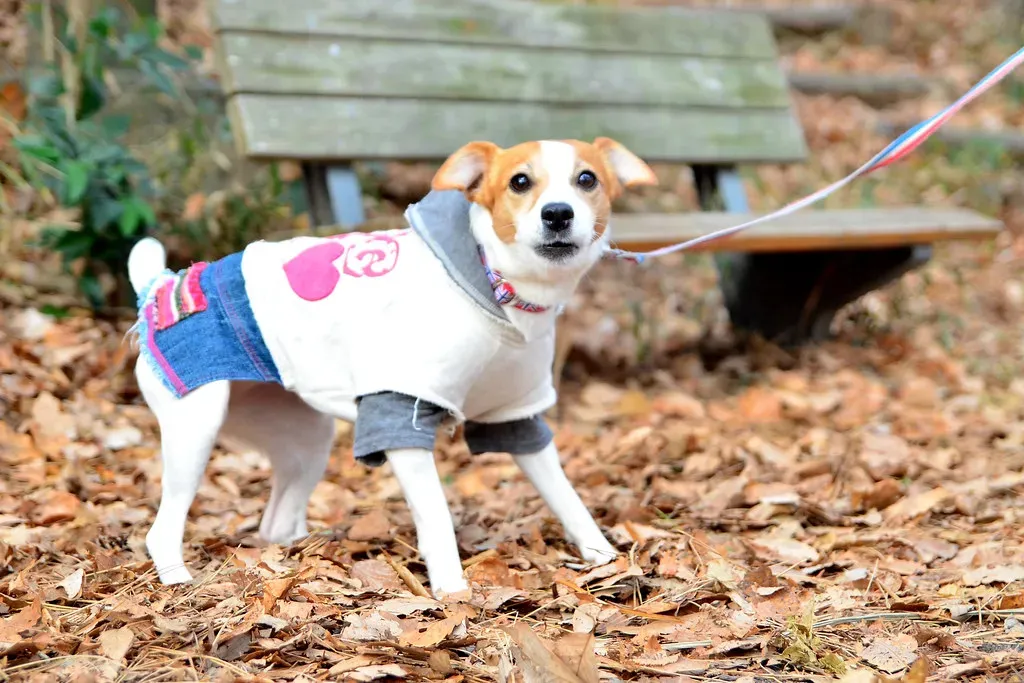
Jack Russell Terriers are small, powerful dogs that were bred to be used in fox hunting. They have a very high prey drive, which makes them one of the hardest dogs to train. Don’t let the cute size fool you. These little rockets are relentless, fast-thinking, and genuinely believe they’re running the household.
Jack Russell Terriers love to learn and play games but can get bored, which could lead to destructive behavior. It’s important to find good energy outlets for them and keep their mind engaged in learning through obedience training, tricks, and brain games. Their original breeding purpose has given them a strong prey drive and also ingrained behaviors like digging and excessive barking. Training these behaviors out of them can be difficult because they are baked into their instincts. Honestly, consistency and humor are your best tools here.
8. Chinese Shar-Pei: The Wrinkled Willful Guardian

When it comes to training, Shar-Peis can be a true test of patience. They are intelligent but highly self-directed, often deciding when or if they want to listen. This independent mindset can make obedience sessions challenging, especially for first-time dog owners. Think of them as a brilliant but opinionated coworker who only follows instructions when they personally agree with the logic.
Their protective instincts run deep. Shar-Peis form strong bonds with their families, but without proper socialization, they can become overly territorial or wary of strangers. A confident, calm leader helps them channel their guarding nature into positive behaviors. These dogs respond best to firm yet gentle guidance and plenty of positive reinforcement. Harsh corrections only heighten their stubbornness. Early socialization is non-negotiable with this breed. Start it on day one.
9. Pekingese: The Imperial Lap Dog That Bows to No One
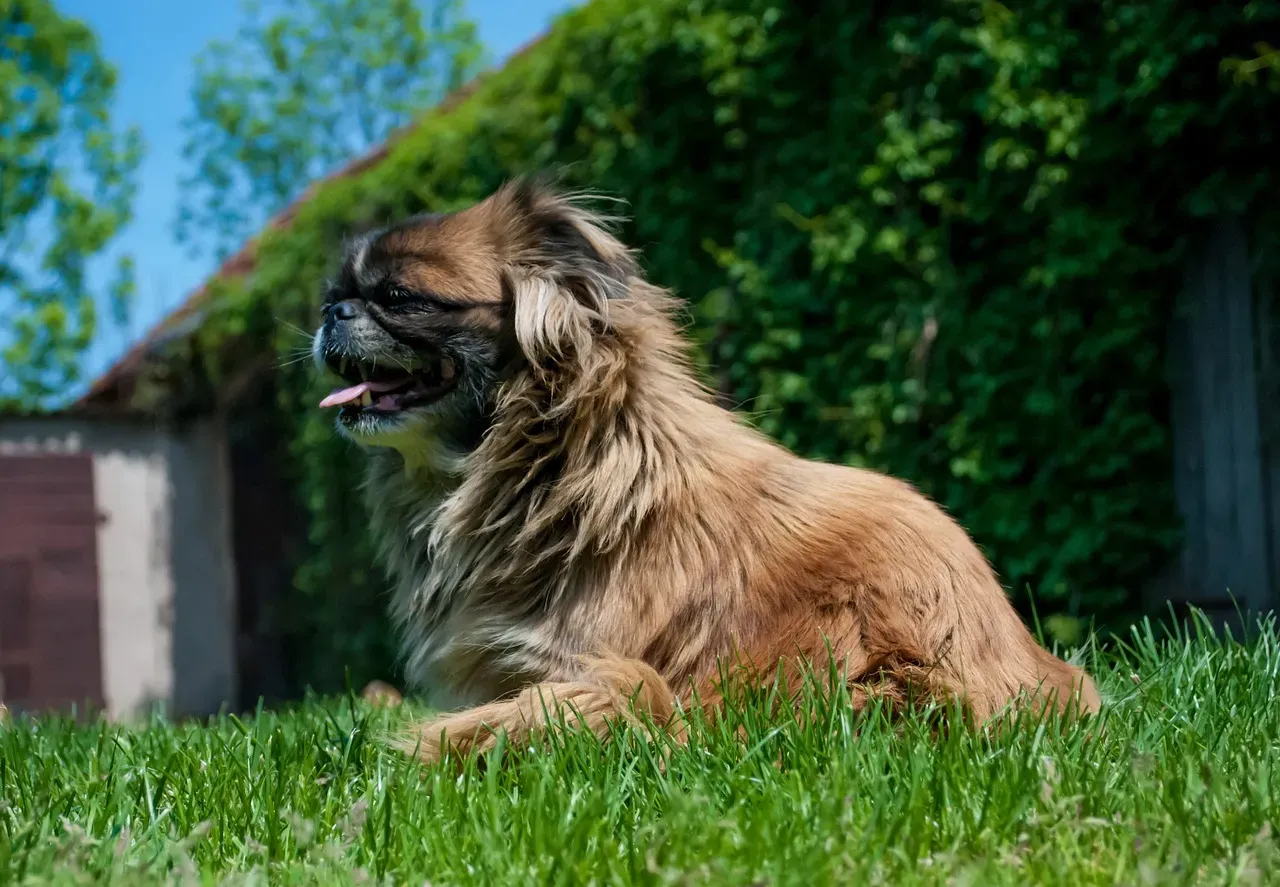
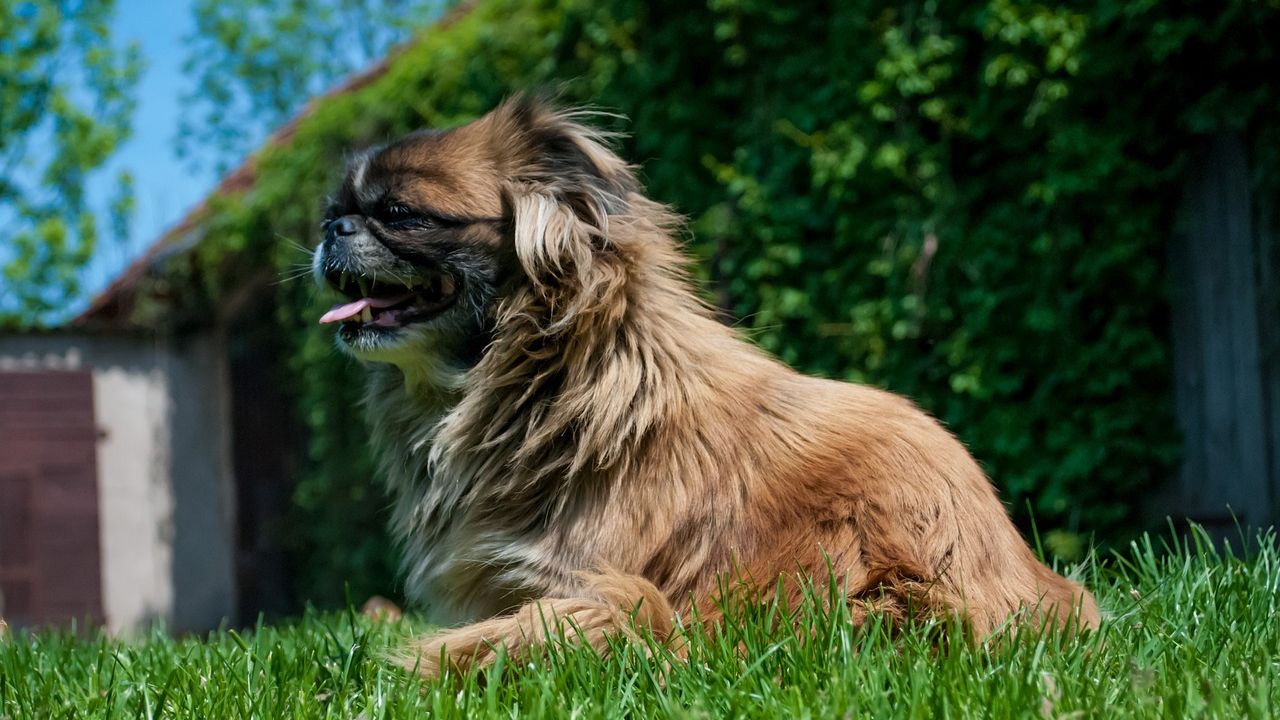
With the Pekingese, you’ll find yourself having a harder time. These pups may be affectionate, but they’re stubborn, have a tendency not to listen to their owners, and are incredibly independent. It may take them several times to hear a command before they decide it’s worth following. That last part really says it all, doesn’t it? “Before they decide it’s worth following.” Regal to the very core.
Without proper training, Pekingese can tend to get snappy and bitey, even with their own pet parent. They also prefer to be the focus of all your attention, so they prefer a house to themselves over sharing the space with other dogs or children. Keep training sessions short, positive, and generous with praise. They genuinely enjoy human attention, and that’s your biggest leverage point.
10. Dachshund: The Burrowing Badger Hunter With a Stubborn Streak

These little wiener dogs are loving, curious, spunky, friendly, playful, smart, independent, good with other dogs, and vigilant. The Dachshund makes a good watchdog. They were originally bred to dig into badger dens and flush out the badgers, so make sure they exercise, or they will be digging holes, chewing shoes, or chasing your other pets.
Some canines become bored with training because they are very intelligent and don’t like repetition. With a little ingenuity, you can make it more interesting. They need their owners to use varied training exercises. Deliciously motivating treats and making training sessions exciting games are important. A bored Dachshund is a destructive Dachshund. Keep sessions varied, reward generously, and never underestimate how much attitude fits inside a very small, long body.
Conclusion: Difficult Doesn’t Mean Impossible
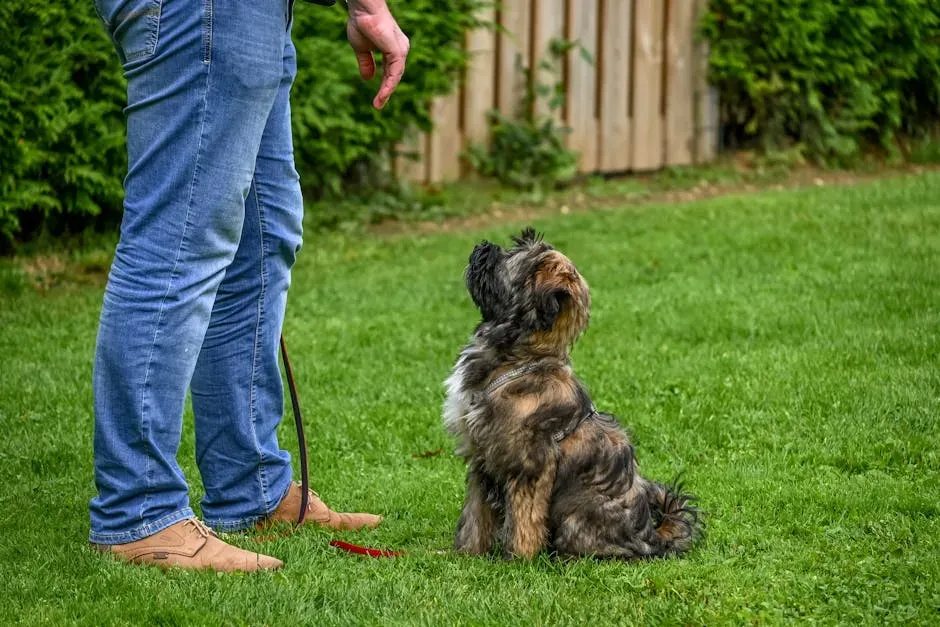
Here’s the most important thing to take away from all of this. A common misconception is that if a breed is considered difficult to train, it’s because they’re not smart. However, a lack of intelligence is rarely the cause behind their lack of trainability. In reality, it’s usually because they simply have a stubborn nature. These dogs aren’t failing you. They’re just wired differently.
These free-spirited thinkers often test boundaries, ignore recall cues, or challenge authority. Yet beneath their stubborn exterior lies sharp intelligence, strong instincts, and an independent drive shaped by their original purpose. That independence is exactly what makes them extraordinary companions once the bond is built.
Studies highlight how positive reinforcement techniques, instead of creating anxious or frustrated learners, activate a dog’s natural curiosity and intelligence. Dogs actively participate in the training process, experimenting and problem-solving to understand the desired behaviors. This not only leads to more effective training outcomes in the long run but also cultivates a more independent and confident canine companion. For breeds often labeled as “challenging,” positive reinforcement serves as a key to unlocking their true potential.
Every stubborn sit, every ignored recall, every chewed-up shoe is just part of the story of loving a dog who was built to think for themselves. The reward at the end? A dog whose loyalty you truly earned. And there’s nothing quite like that. Which of these breeds sounds most like yours? Drop a comment and let us know.


