
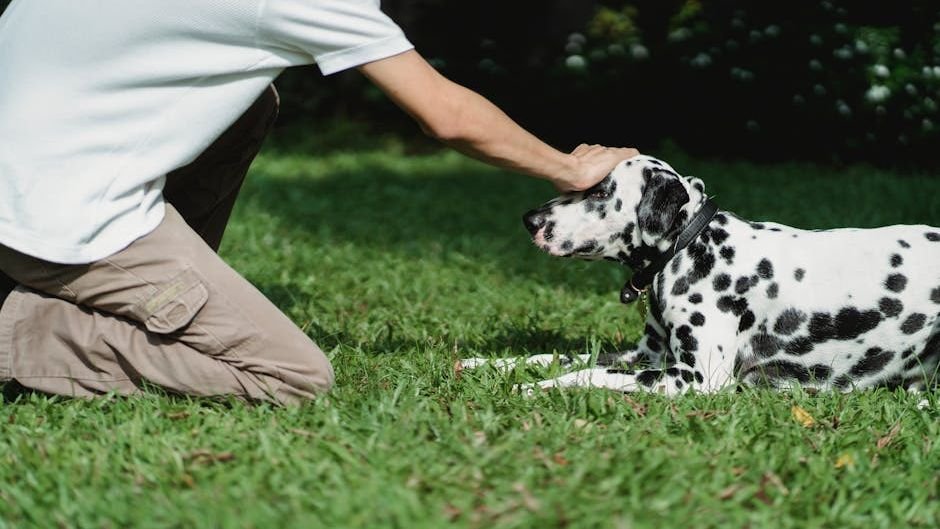
Your dog just walked past a perfectly friendly stranger without a second glance, then ran straight to the quiet kid sitting alone in the corner of the park. You didn’t see it coming. Your dog absolutely did.
It’s one of those moments that makes you stop and think – how on earth do they know? Dogs are often described as friendly, social, and eager to please everyone they meet. Honestly, that reputation isn’t entirely wrong. But the full picture is far more nuanced, and far more fascinating. Many people make the mistake of thinking that dogs give their love and trust to anyone, but this is simply not true. Dogs are quietly running a highly sophisticated internal assessment of every person they encounter, reading signals most of us would never consciously notice.
Trust, for a dog, isn’t just a feeling. It’s a calculated, instinct-driven process shaped by thousands of years of evolution alongside humans. The way your dog decides to trust you – or not – is a story told through science, behavior, and the quiet language of body and smell. Let’s dive in.
The Science Behind Canine Trust: It’s More Than Just Love
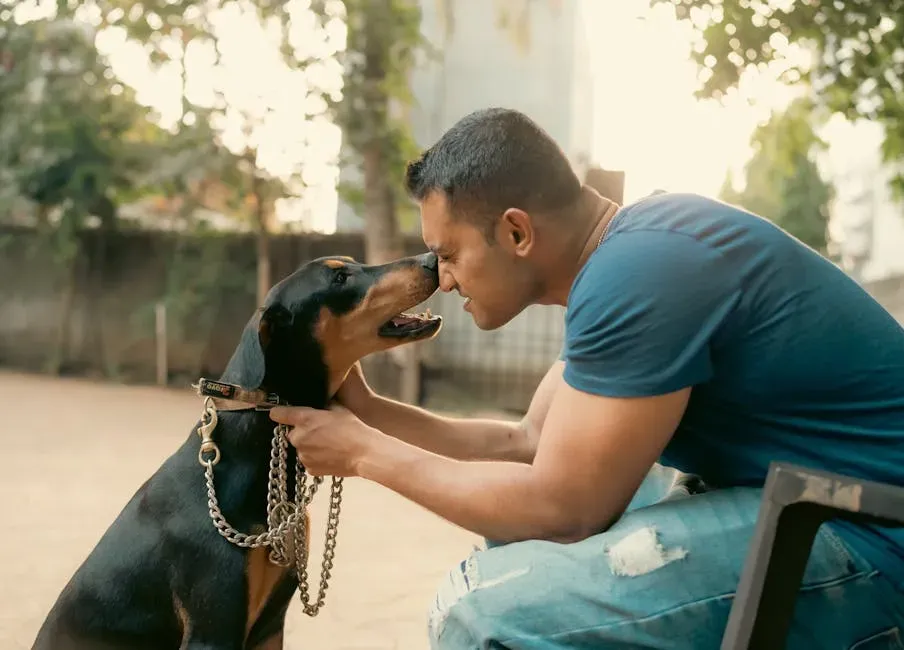
Here’s the thing – dogs didn’t accidentally become our closest animal companions. That bond was forged through millennia of co-evolution, and science is now beginning to reveal just how deep it goes. A study headed by animal expert Dr. Claudia Fugazza at Eötvös Loránd University in Budapest found that despite being separate species, puppies intuitively trust human companions in the same way they trust dogs – with a capacity for trust very similar to that of their own dog mother.
That’s extraordinary when you stop to think about it. Dogs that gazed at their owners longer showed increased oxytocin levels, and their owners’ oxytocin levels rose in response, creating what researchers described as a self-reinforcing loop of trust and attachment unique to the human-dog relationship – a behavior that wolves, even those hand-raised by humans, do not share, suggesting this capacity evolved specifically during thousands of years of dog domestication alongside humans.
Dogs are remarkable in their ability to perceive human emotions visually and auditorily, reading facial expressions, tone of voice, and body language to understand your feelings and adjust their behavior accordingly. Think of it this way: your dog is essentially reading you the way you’d read a weather forecast. Every signal tells them whether it’s safe to come closer or smarter to keep their distance.
Reading the Room: How Dogs Assess Humans They Meet
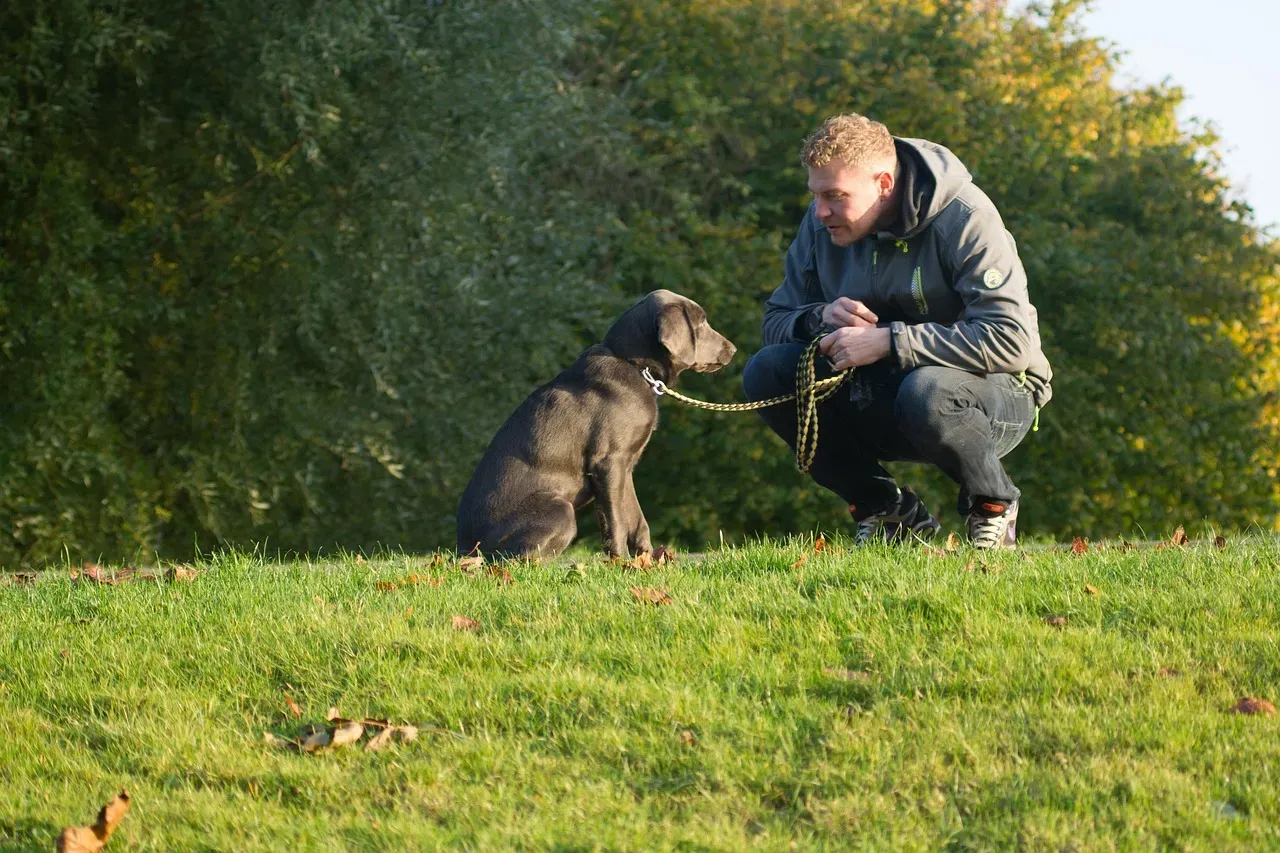
Dogs are not passive in social situations. They are active, careful observers who process information rapidly. Research shows that dogs read human social cues to decide who to cooperate with. In one study, dogs watched an experimenter interact with two other humans: a helper and a non-helper. When the experimenter reached for a clipboard just out of reach, the helper handed it over while the non-helper moved it further away. Dogs quickly developed a preference for the helper.
That’s not a small finding. It means dogs are watching how people treat others and forming judgments accordingly. A study from Brigham Young University suggests that dogs can read your emotions and are less likely to trust you when you’re in a bad mood. Researchers tracked how dogs reacted when they saw humans use positive or negative facial and vocal expressions, and when dogs saw the negative behaviors including frowning, a furrowed brow, and a harsh voice, they were less willing to interact.
A 2024 study also found that dogs can actually smell when humans are stressed. So even if you’re masking anxiety behind a smile, your dog already knows. They are, in the most literal sense, reading you from the inside out.
Body Language Cues: What Trust Looks Like in Motion
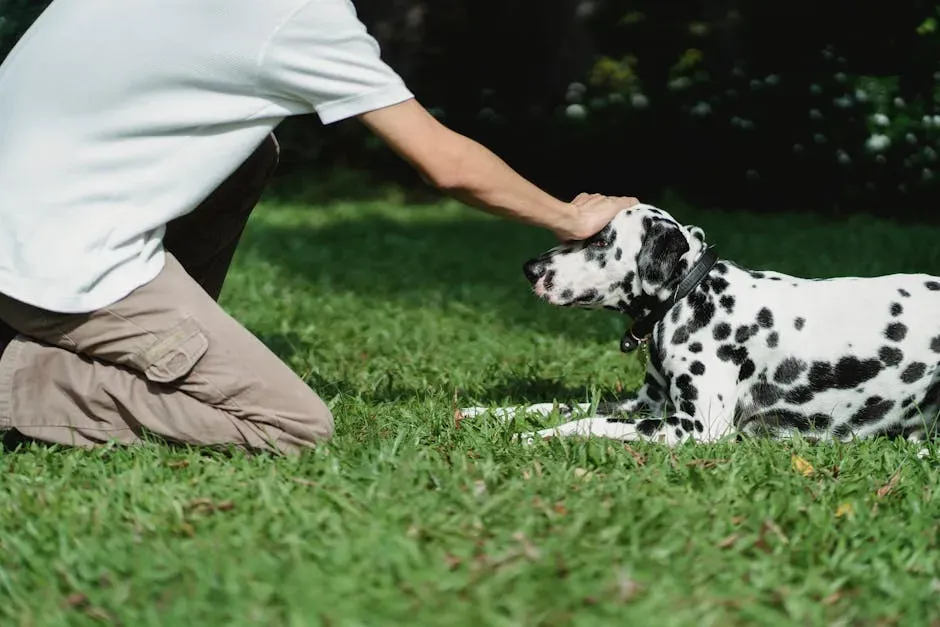
While we might express trust through words or long-term commitments, dogs communicate trust through their body language, behavior patterns, and willingness to follow your lead. Learning to recognize these signals is like learning a second language – once you understand it, conversations you’ve been having for years suddenly make complete sense.
A trusting dog will present with body language that shows their comfort level, with a relaxed face, soft eyes, and a wag that wiggles the entire hind end. A dog who’s unsure about a person might have stiff posture and gait, and duck away if the person reaches for them. The difference between these two states is unmistakable once you know what you’re looking at.
In contrast, a dog feeling uncomfortable might appear tense with pricked-up or pinned-back ears, wide eyes that show the whites, and engage in displacement behaviors like licking their lips or yawning. Their mouth might be tightly closed with corners pulled back, and their tail might be tucked between their legs or wagging high and rigid rather than loose and playful. These are not small signals. These are your dog asking you – or the person nearby – to back off. Respecting those cues matters enormously for rebuilding or maintaining trust.
The Belly Roll, the Gaze, and the Favorite Toy: Signals of Deep Trust
Some trust signals are so recognizable they’ve become cultural shorthand for the loving dog-human relationship. One of the most significant signs of trust is when your dog willingly shows their belly around you – a vulnerable position that demonstrates they feel completely safe in your presence. Let’s be real, though – not every belly-up moment is created equal.
Not all belly exposure means the same thing. Some dogs roll over as a conflict-avoidance behavior when they feel threatened, a kind of appeasement gesture. The key distinction lies in the overall body language: a trusting belly-up is loose, wiggly, and relaxed, often accompanied by a helicopter tail and soft face, while an appeasement belly-up is tense with stiff, flattened ears and a frozen posture.
When your dog brings you their absolute favorite toy – the one they guard fiercely from other dogs – they are doing something significant. They are voluntarily making themselves vulnerable by giving up their most valued possession to the person they trust most in the world. That gesture, small as it seems, is one of the most profound declarations of trust a dog can offer. Treasure it.
How to Build (and Accidentally Break) a Dog’s Trust
Trust between a dog and a human is not a switch you flip once and forget. It develops through consistent interactions, clear communication, and reliable care that shows your dog they are safe with you. Think of it like a savings account. Every calm walk, every reliable feeding time, every gentle touch is a deposit. Every yell, every broken routine, every confusing correction is a withdrawal.
Studies have found that if you lie to or deceive your dog, they will learn that you are unreliable and stop believing you. That might sound dramatic, but it’s backed by research. Dogs track consistency. They notice when your promises don’t match your actions. Making a habit of yelling at your dog will chip away at the trust between you, and if you find yourself frequently frustrated, it’s worth taking a step back to determine why – because dog problems usually have a human component.
If you’re just starting to build trust, the experts suggest sitting in the room without looking at the dog or interacting. Let them come to you. When they do approach, resist reaching or touching – let them set the pace and nature of physical contact. Patience isn’t passive. It’s one of the most active and powerful things you can offer a dog who’s still learning whether you’re safe.
Conclusion: Trust Is a Living Thing
Every dog lover reading this has probably had a moment – a quiet morning on the couch, a long evening walk, a spontaneous snuggle – where you wondered what your dog actually thinks of you. The truth is, they’re not thinking in the abstract. They are feeling, reading, and responding in the most honest way imaginable.
Dogs don’t have the language to tell us how they feel about us. What they have instead is a rich, consistent vocabulary of behavior and body language that, once you understand it, tells you everything you need to know about the state of your bond. That’s not a limitation. Honestly, I think it’s something beautiful – a relationship built entirely on actions, not words.
Understanding and recognizing the signs of trust in your dog not only helps strengthen your bond but also ensures you’re providing the secure, loving environment your pet needs to thrive. By paying attention to these signals and responding appropriately, you can continue to build and maintain a relationship based on mutual trust and respect.
Your dog is watching you right now – taking notes, reading your energy, deciding whether today is a good day to bring you their favorite toy. The real question is: are you paying close enough attention to notice?
What do you think – has your dog ever surprised you with a trust signal you didn’t expect? Share your story in the comments below.


