
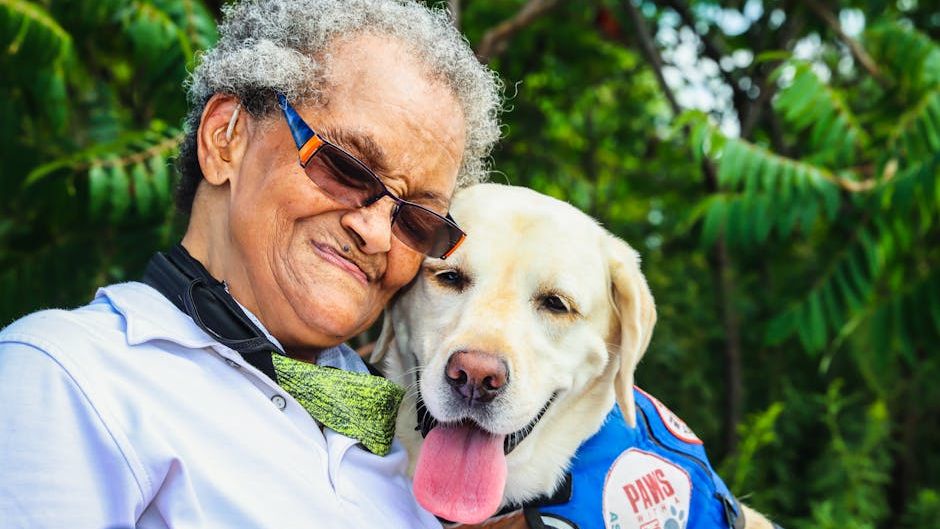
#1 – The Quiet Language of Stillness
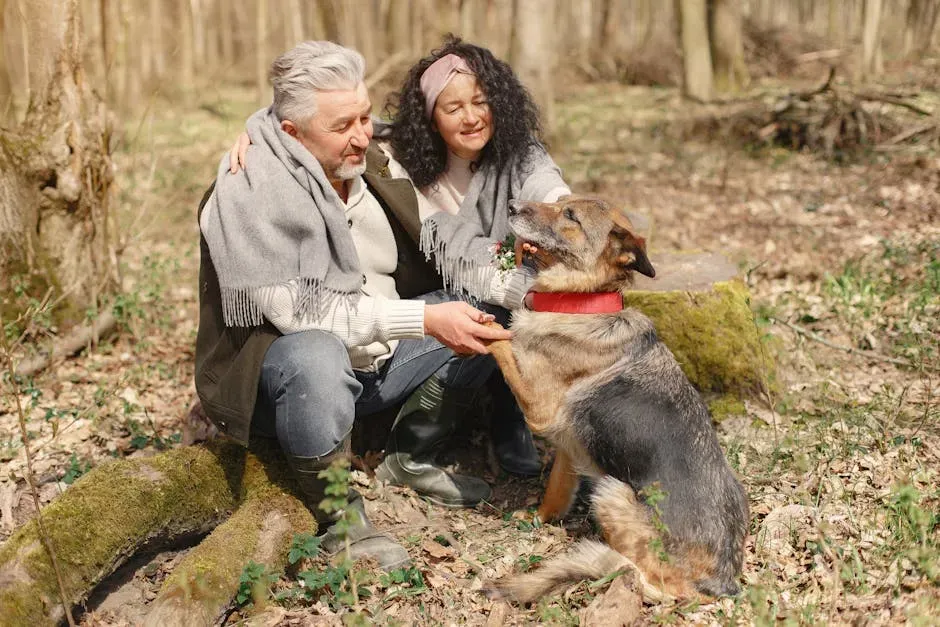
A puppy communicates in exclamation points. Everything they do is urgent, breathless, and just slightly too much. Senior dogs are generally calmer and more relaxed due to their older age, and that shift in tempo isn’t a loss of love. It’s a deepening of it. They’ve moved past the noise and settled into something quieter.
The way an older dog simply stays near you, not asking for anything, just choosing your company over an empty corner of the room, carries a weight that puppy enthusiasm can’t match. Quality time becomes especially valuable as dogs enter their senior years, and they seem to understand that instinctively. They stop wasting it.
#2 – Their Eyes Say What Words Never Could
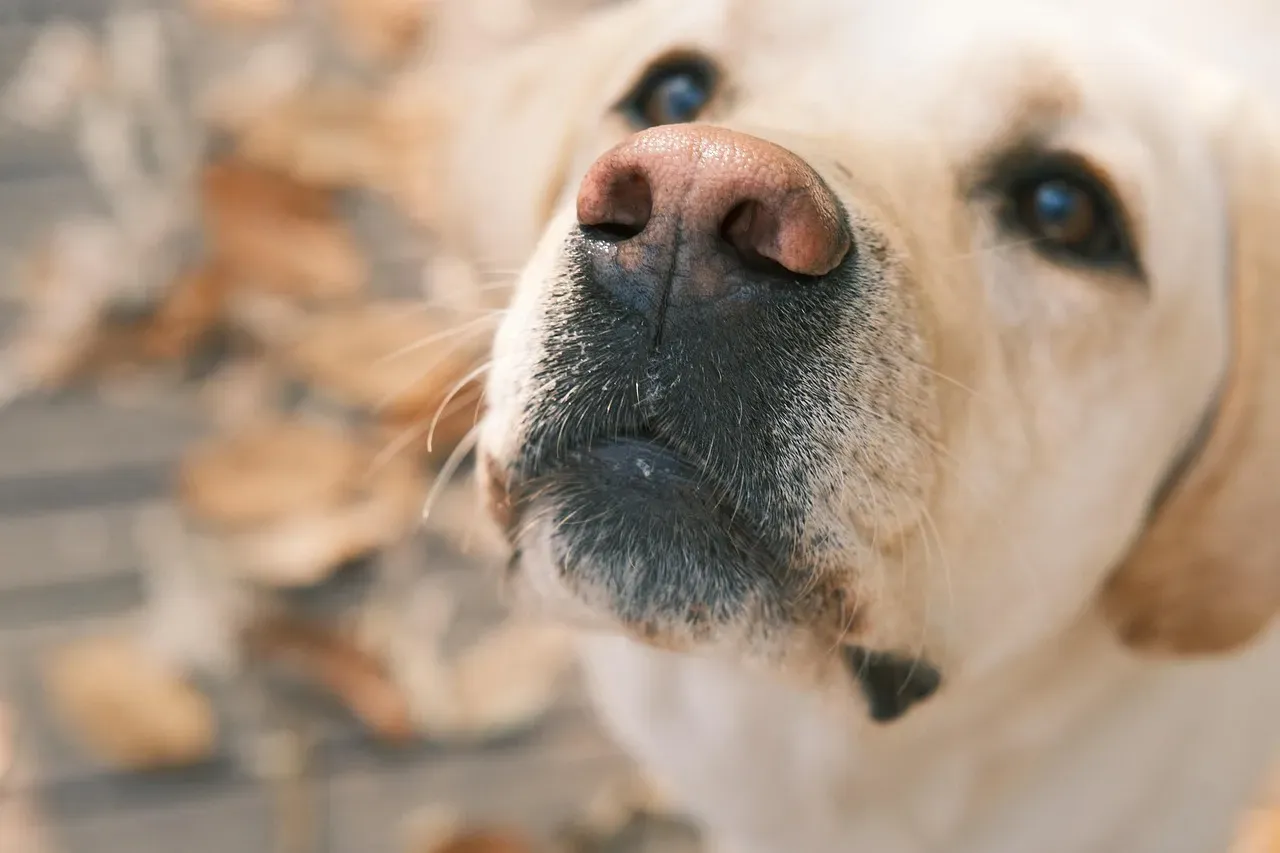
Direct eye contact is a very intimate act, one that shows your dog respects you, and research shows that oxytocin, the “love chemical,” goes up in both dogs and humans when they share a kind gaze. Puppies make eye contact too, but it’s usually paired with a demand, a “when are we playing?” kind of look. With an older dog, the gaze is different. It lingers. It’s reflective.
That long, soft look from a senior dog carries the accumulated memory of years. They’ve watched you at your worst and your best, and they’re still looking. When your dog looks at you with a relaxed posture, and a soulful, relaxed look in his eyes, he is telling you everything is good in his world because of you. Knowing that, knowing a creature has witnessed all your flaws and still feels that way, is the kind of thing that creeps up on you quietly and then breaks you open.
#3 – They’ve Learned to Read You Like a Book
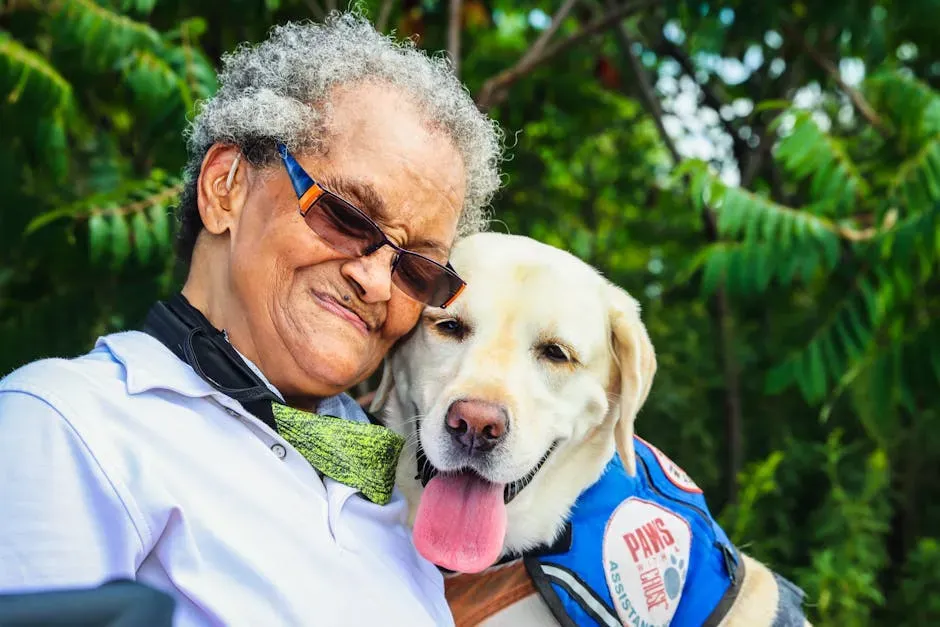
Studies show that dogs are particularly good at sensing their owner’s emotional state, and are ready to act in ways that bring a smile to their face. But senior dogs have an advantage that puppies simply don’t possess: time. Years of watching your habits, your moods, and your patterns have turned them into fluent readers of your entire emotional life.
They know what it means when you reach for your keys. They know which kind of silence is tired and which is sad. Changes in a dog’s memory, senses, and mobility can affect how they interact with their surroundings, yet even as their bodies slow, their attunement to the person they love remains remarkably intact. If anything, losing some sensory sharpness seems to sharpen their emotional radar. They feel you more than they hear or see you.
#4 – The Body That Leans Without Being Asked
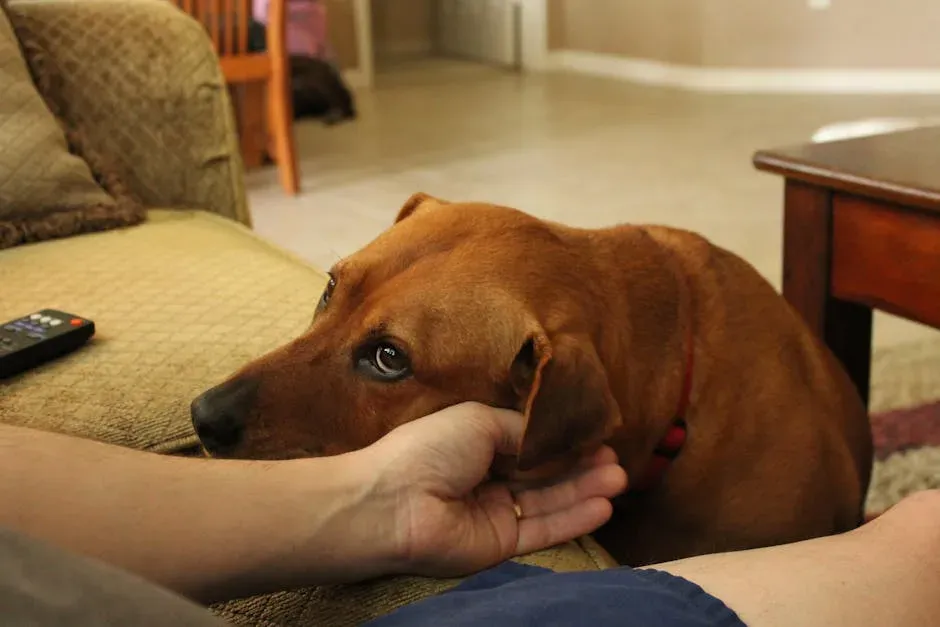
Senior dogs lean into you, and this is a posture of affection – your dog’s way of showing how comfortable they are with you. A full lean is like trying to give you a giant body hug. Puppies lean too, but mostly for balance. Older dogs lean because it’s the closest thing they have to saying something that doesn’t need words.
That physical closeness takes on new meaning as a dog ages. A close emotional bond with the owner appeared to decrease the arousal of the dogs, which means your presence is literally calming to them at a physiological level. They’re not leaning because they’re restless. They’re leaning because you are where they feel most safe in the world, and they want you to know it.
#5 – Gratitude That Feels Almost Human
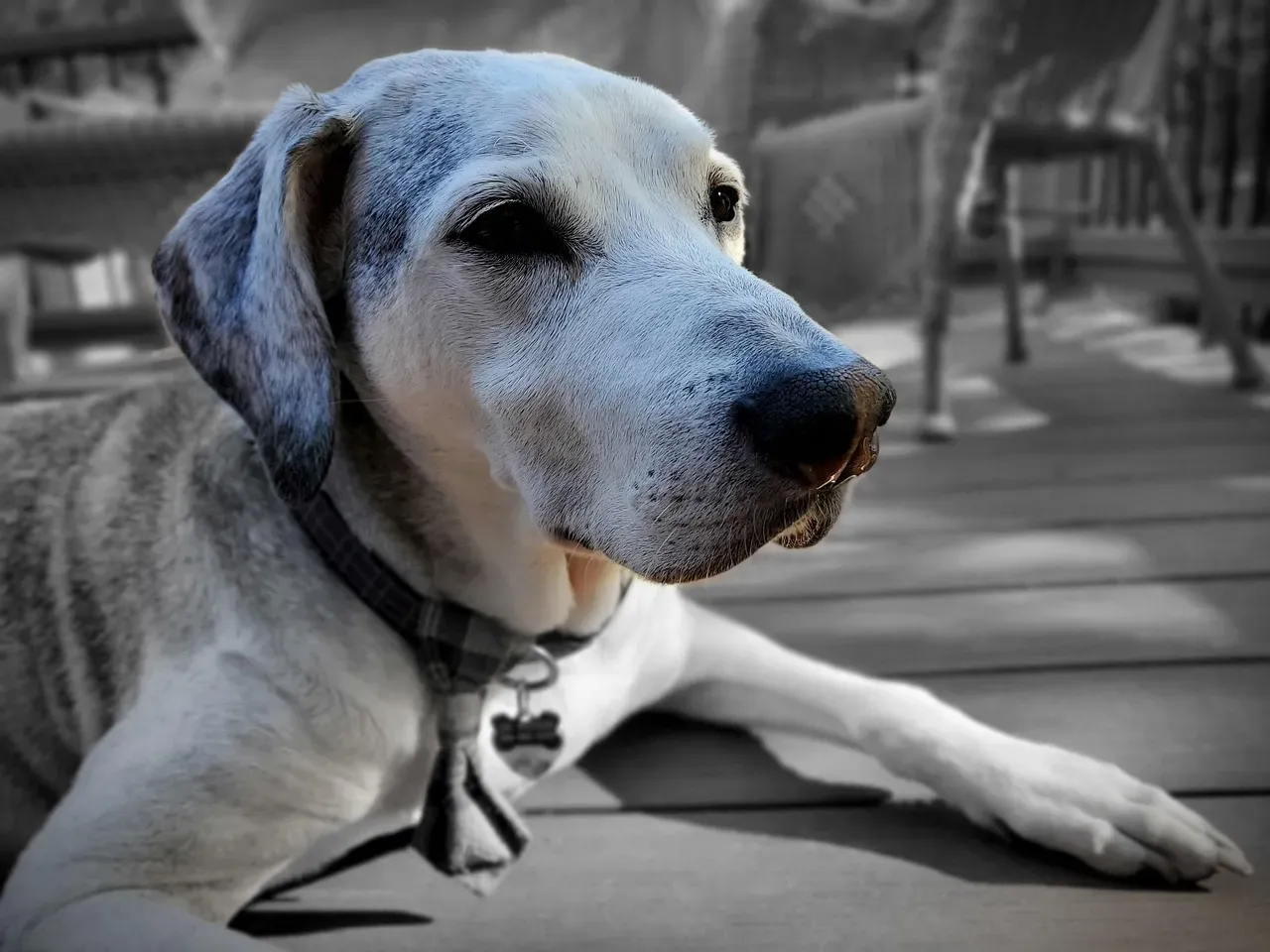
Senior dogs have so much love to give – and adopting one could change both your lives. There’s something about a dog in their later years that carries what can only be described as gratitude. Not the wild gratitude of a puppy who’s happy simply because they’re alive, but a settled, considered thankfulness. They’ve experienced enough of the world to understand what it means to be cared for.
The human-dog bond functions as a stable emotional anchor, promoting non-judgmental connection and emotional security – and this is felt most acutely with a dog who has lived alongside you long enough to truly know you. Every gentle scratch behind the ear, every slow walk together, every evening on the couch seems to register differently in an older dog. Like they’re filing it away. Like they know.
#6 – The Love That Makes You Ache and Cherish in Equal Measure
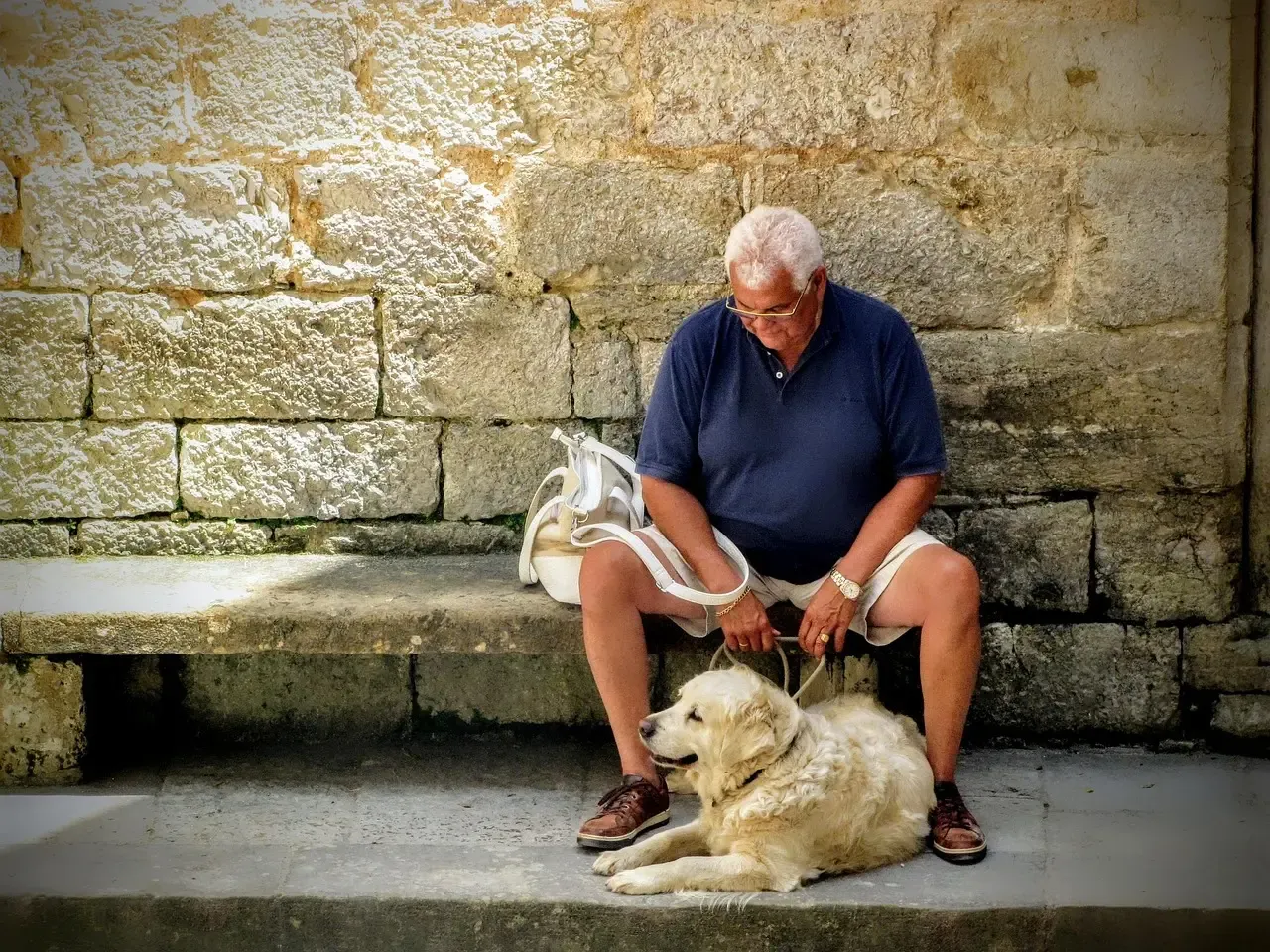
There’s a bittersweetness to loving a senior dog that puppy love doesn’t carry. Research from the University of Jyväskylä found that dogs and their owners share synchronized heart rate variability, reflecting a deep emotional connection, and that owners and dogs experience similar emotional states during resting periods. That synchronized calm is most pronounced in older dogs – those long, unhurried afternoons together become something almost meditative.
Quality time becomes especially valuable as dogs enter their senior years, and that awareness changes how you receive their affection. Every slow wag, every contented sigh, every time they choose the spot closest to you, all of it lands differently when you understand it’s a finite gift. There’s a deep emotional reward in knowing you’ve given a senior dog comfort and love in their golden years. The weight of that, giving and receiving in equal measure, is what makes this kind of love so hard to describe and impossible to forget.
A Final Thought Worth Sitting With
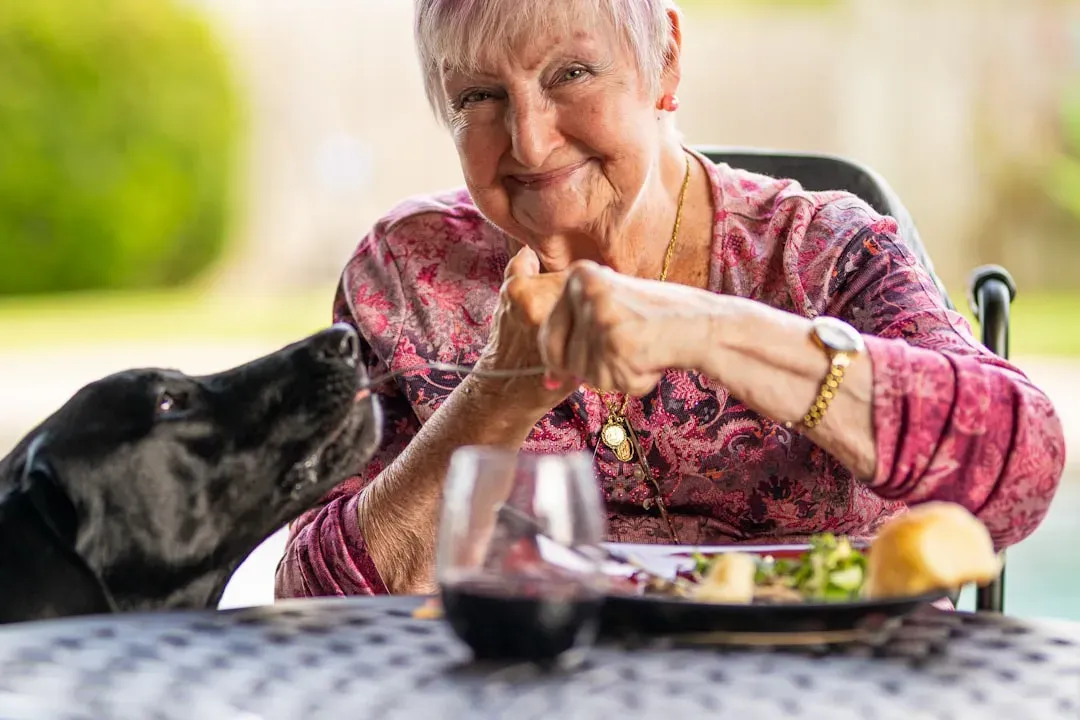
Puppies bring joy that’s loud and contagious. Senior dogs bring something harder to name – a love that’s been tested, settled, and distilled down to its purest form. It doesn’t race toward you. It just stays. Steadily, without drama, without expectation.
If you’re lucky enough to have an older dog in your life right now, pay attention to the small things. The way they follow you from room to room. The way they find your hand in the dark. The way they sigh and settle. That’s not just companionship. That’s a decade of choosing you, every single day, expressed in the quietest possible way.
Honestly, puppies are wonderful. But senior dogs? They love you like they mean it, because they’ve had the time to figure out exactly what that means.


