
13 Reasons Your Dog Follows You From Room to Room All Day Long
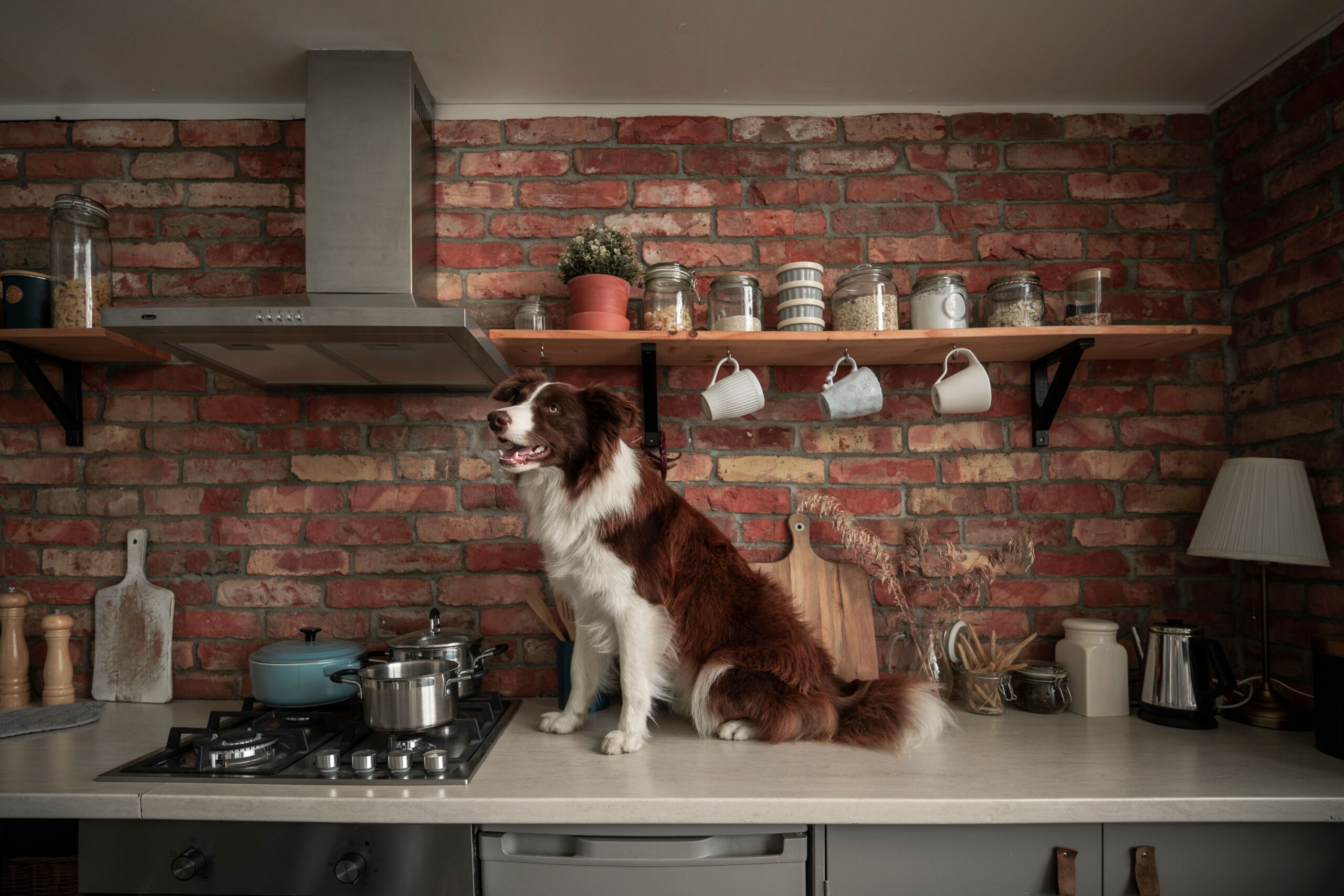
You get up for a glass of water and there he is, nose practically brushing the back of your knee like he’s been cleared for takeoff. You duck into the bathroom. He parks himself outside the door. You wander from the couch to the kitchen, and somehow he beats you there.
Most people wave this off as “he just loves me” or “she’s clingy,” and leave it at that. But dog behaviorists say that padding-behind-you routine is actually a coded message, and most owners are reading it completely wrong.
Some of the 13 reasons below are sweet. A few are a little uncomfortable. And at least one of them means your dog has quietly trained you, not the other way around. Here’s what’s really happening every time your dog trails you from room to room.
#13 – You’re Their Safe Place (Attachment, Not Obsession)
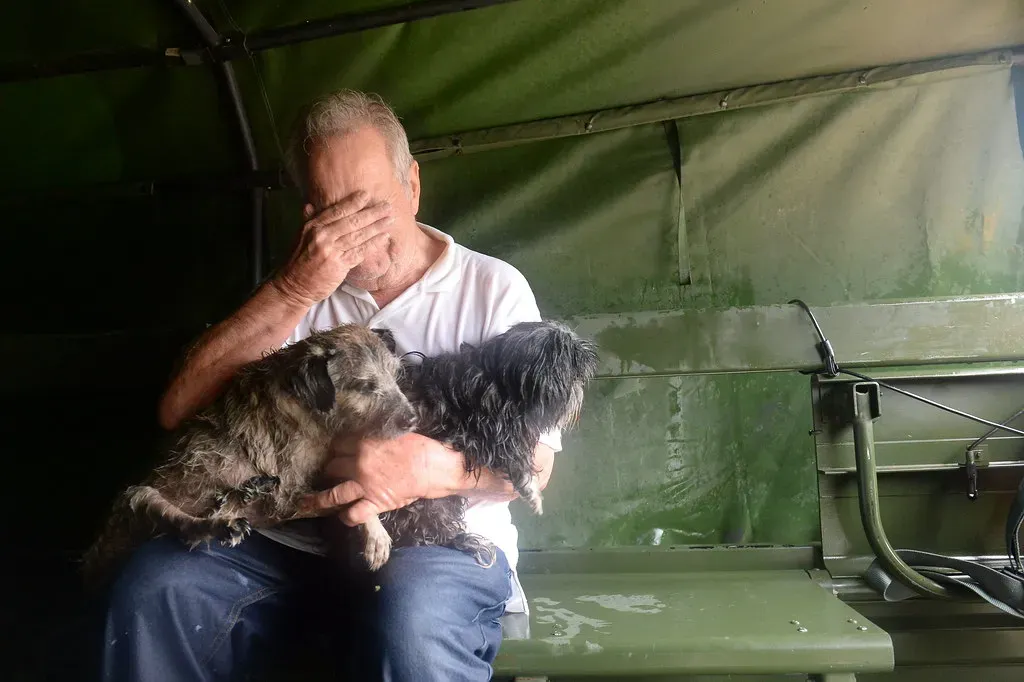
Your dog isn’t just “in love” with you. They’re biologically wired to treat you as their security blanket. Dogs have spent thousands of years evolving alongside humans, and somewhere in that process, staying close to their person became a built-in survival strategy.
When you move, their nervous system quietly says, “Follow the safe one.” That’s why they settle faster near you, especially in unfamiliar places or around strangers. It’s less romance and more risk management, even if it feels like devotion.
- Notice it most in unfamiliar environments
- Notice it most during storms or loud noises
If your dog collapses at your feet the second you sit down, that’s not random. That’s their nervous system exhaling in relief. Calling it “needy” misses the point entirely: you’re literally regulating their stress response just by existing nearby.
#12 – You Accidentally Trained Them to Be Your Shadow
No one loves hearing this, but a lot of “velcro dogs” are man-made. If you talk to your dog, pet them, or slip them a treat every time you move rooms, you’re rewarding the following behavior without even realizing it.
From your dog’s perspective, shadowing you is a jackpot strategy. Movement predicts attention, food, play, or a trip outside, so why would they ever stop moving with you?
- Do you almost always do something “fun” right after getting up?
- Does your dog get rewarded simply for being near you?
Over weeks and months, your dog builds a simple equation: human stands up equals something important. That’s why they’ll leap out of a dead sleep just to trail you to the bathroom. You call it loyalty. A trainer would call it reinforced behavior, and you’re the one who built the habit.
#11 – They’re Hardwired as a “Velcro” Breed
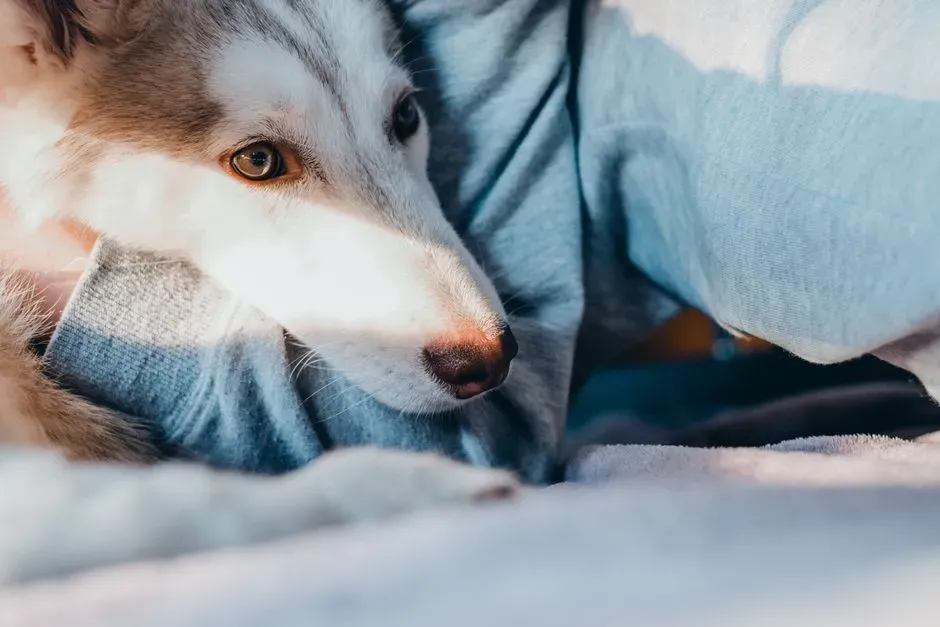
Some dogs follow everyone in the house. Others follow one person like it’s a full-time job with benefits. Herding breeds like Border Collies and Aussies, working breeds like German Shepherds and Dobermans, and companion breeds like Cavaliers and Maltese were quite literally shaped to stay close, read micro-cues, and anticipate their human’s next move.
For these dogs, being in a different room doesn’t feel neutral. It feels wrong, almost like clocking out early from a job they take seriously.
- A dog bred for herding, guarding, or companionship
- A dog that fixates on your slightest movement
Expecting a velcro breed to act like an aloof cat is a bit like adopting a Border Collie and being shocked it wants to work all day. You can manage this instinct with structure and enrichment, but you’re not going to erase it. It’s not a quirk. It’s the job description.
Quick Compare
- Herding breeds: track your movement like it’s livestock to manage
- Working/guard breeds: shadow you as part of a perceived duty
- Companion breeds: follow purely for closeness and comfort
- Independent breeds: check in occasionally instead of constant tailing
#10 – They Think Your Movement Predicts Something Big
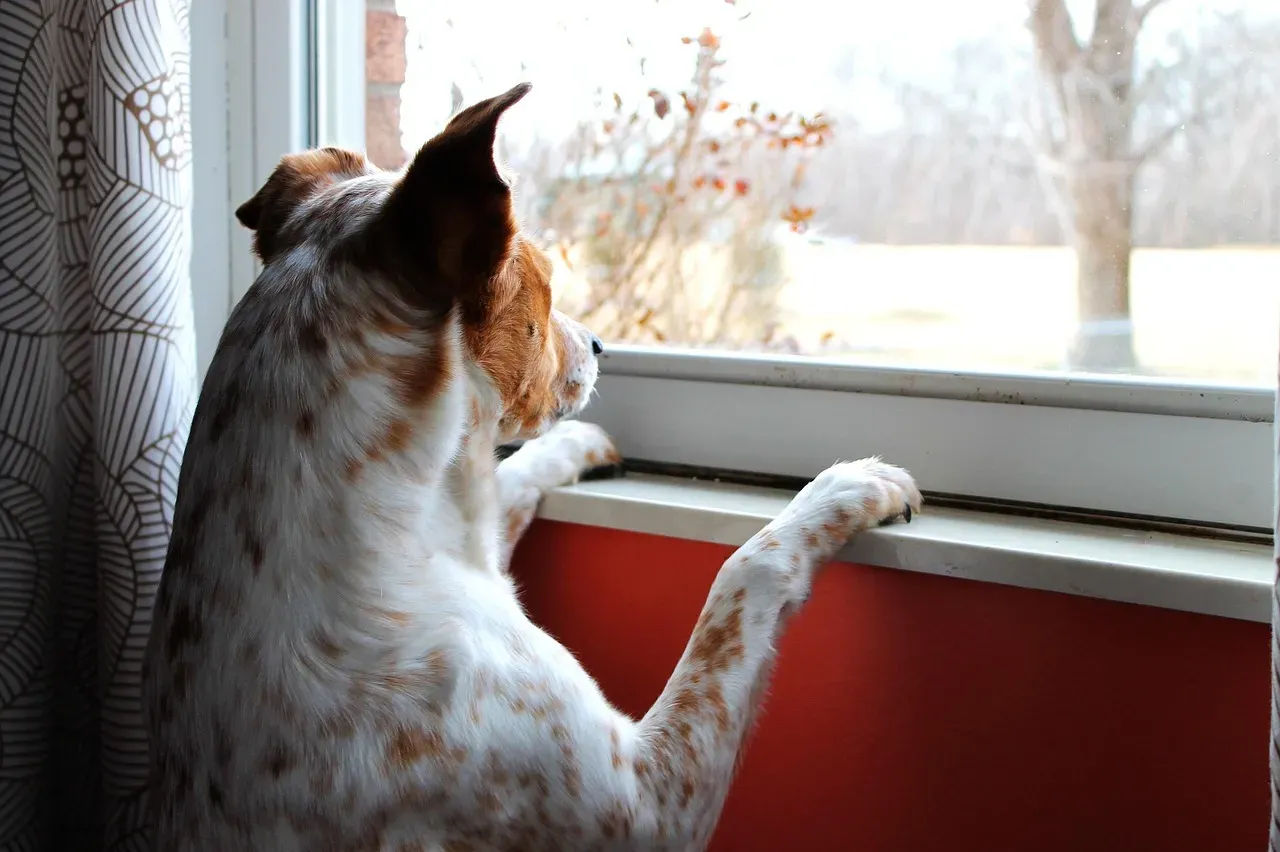
Dogs are prediction machines, and your smallest habits have become their breaking news alerts. You stand up, and that might mean food, a walk, a car ride, or a stranger at the door. You head toward the kitchen, and the odds of a snack just spiked in their mind.
They’re not following you out of boredom. They’re following you because your movement equals opportunity, and missing it might mean missing something good.
- Walking toward the front door
- Grabbing keys, shoes, or a specific bag
Over time your dog builds a mental map of your entire life, cross-referenced against every possible reward. If they miss a move, they might miss something important. So they stick like glue. Owners call it loyalty. Behaviorists often call it hyper-vigilance dressed up as affection.
#9 – They’re Monitoring You for Emotional Clues
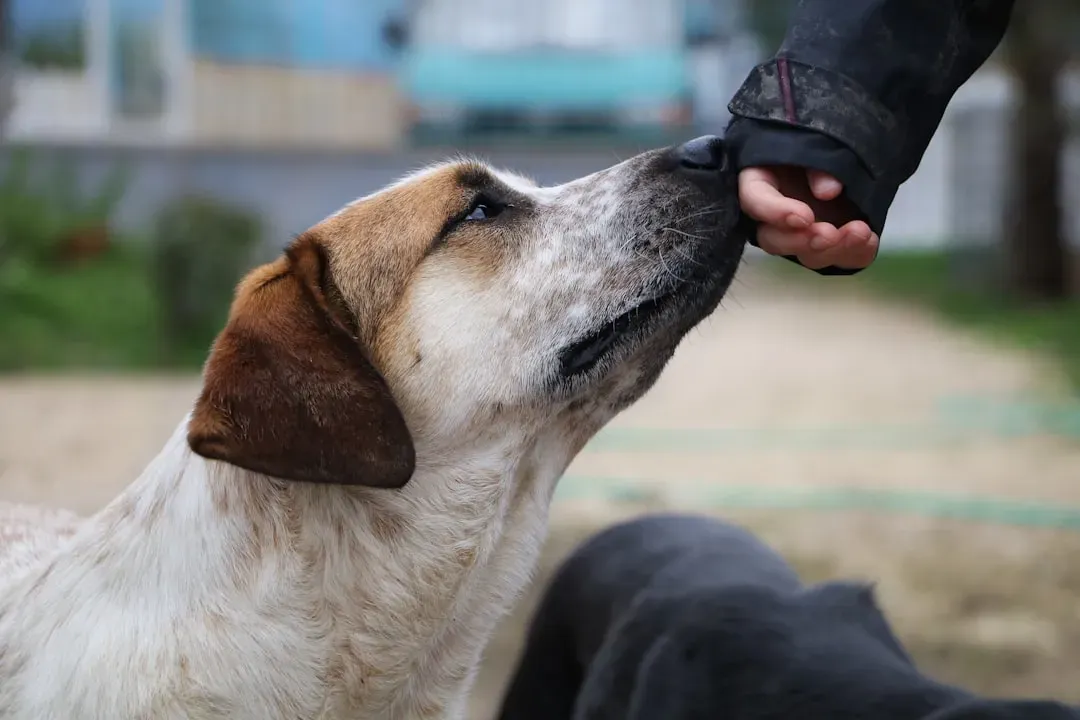
This one makes people uncomfortable: your dog is constantly scanning your mood, and it’s tied to survival instinct as much as empathy. Dogs read facial expressions, tone of voice, and body tension with startling accuracy.
When your mood shifts, their whole world shifts with it. An angry human feels less predictable. A sad human might mean less play and more cuddling. An anxious human can make the entire environment feel unsafe.
- They follow to watch your body language up close
- They follow to anticipate conflict, stress, or calm before it arrives
When you pace, sigh, or move restlessly, many dogs will tail you harder, not back off. They’re essentially asking, “Are we okay? Is something about to happen?” People love calling this emotional support, and sometimes it is. But often, your stress is quietly stressing them out too.
#8 – Separation Anxiety Is Quietly Driving It
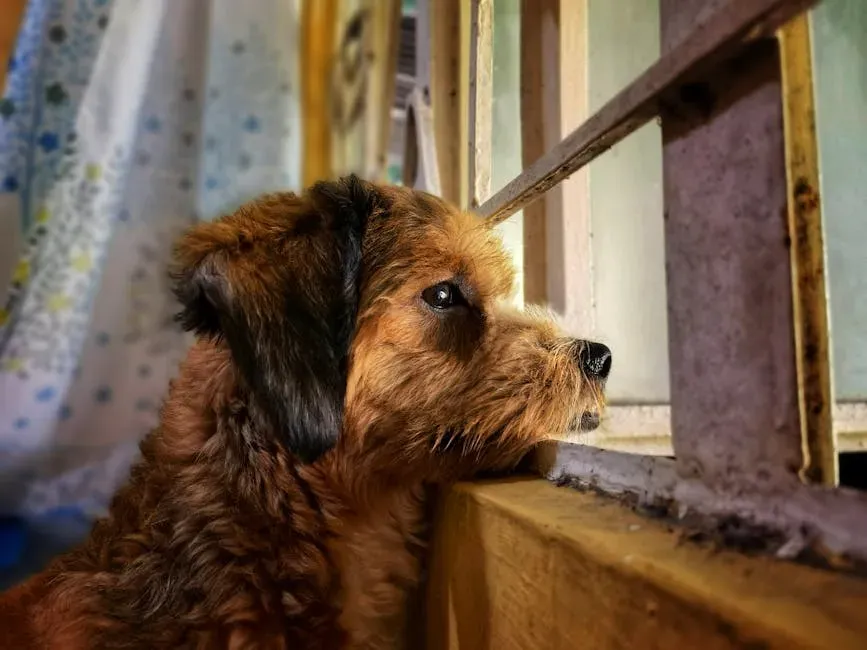
Not all following is cute, and this is the reason worth taking seriously. If your dog panics when you leave, that constant trailing beforehand is a warning sign, not a compliment.
Dogs with separation anxiety often cling hardest right before you go, shadowing you room to room as if proximity alone could stop your exit. Once you’re actually gone, the meltdown starts: barking, destruction, pacing, drooling, sometimes full-blown panic.
- They whine or pant when you even look like you might leave
- They can’t relax in another room, even when you’re still home
Many owners brush this off with “he just loves me so much,” but trainers see an animal in real distress. Attachment is healthy. Panic is not. If your dog physically cannot let you out of their sight, that’s a conversation for a vet or a behavior professional, not just a cute caption.
#7 – They’re Bored Out of Their Mind
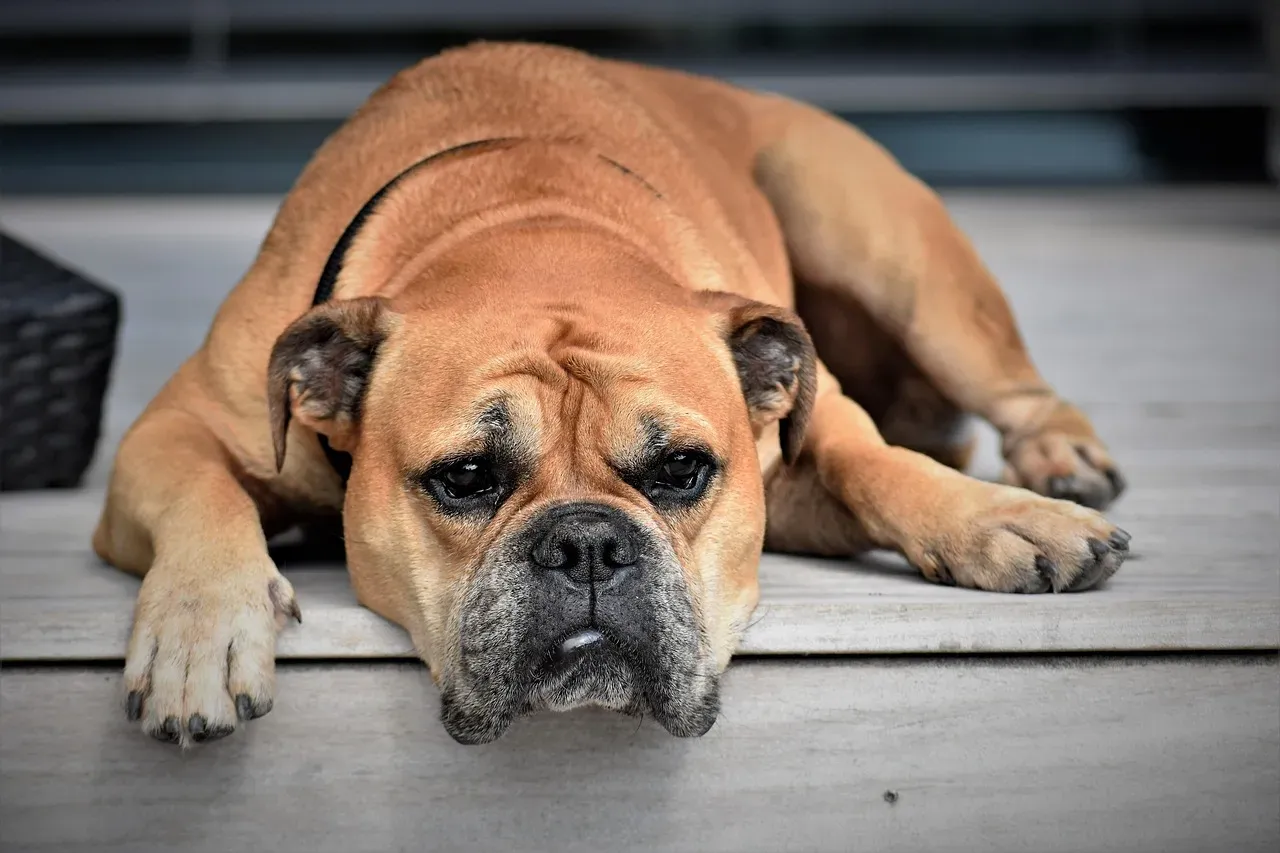
Here’s the part people don’t love hearing: a lot of dogs follow simply because nothing else in their life is interesting. No puzzle toys. No sniff walks. Same backyard, same four walls, same routine every single day.
So when their human moves, that becomes the single most exciting event on their calendar. You are Netflix, the gym, and social media all rolled into one very tired human.
- Springs up the second you stand
- Has no real “job” or enrichment in their day
That dog will attach to your heels just to feel like something is happening. That’s not devotion, that’s boredom with a wagging tail. Add mentally challenging activities and puzzle feeders, and the shadowing often softens fast. Most owners overestimate exercise and badly underestimate mental work.
Worth Knowing
- Puzzle feeders turn mealtime into mental work, not just calories
- Short “sniff walks” can tire a dog’s brain more than a brisk walk
- Rotating existing toys creates novelty without buying anything new
- Simple training games count as enrichment, not just obedience drills
#6 – Food, Treats, and Your “Snack Aura”
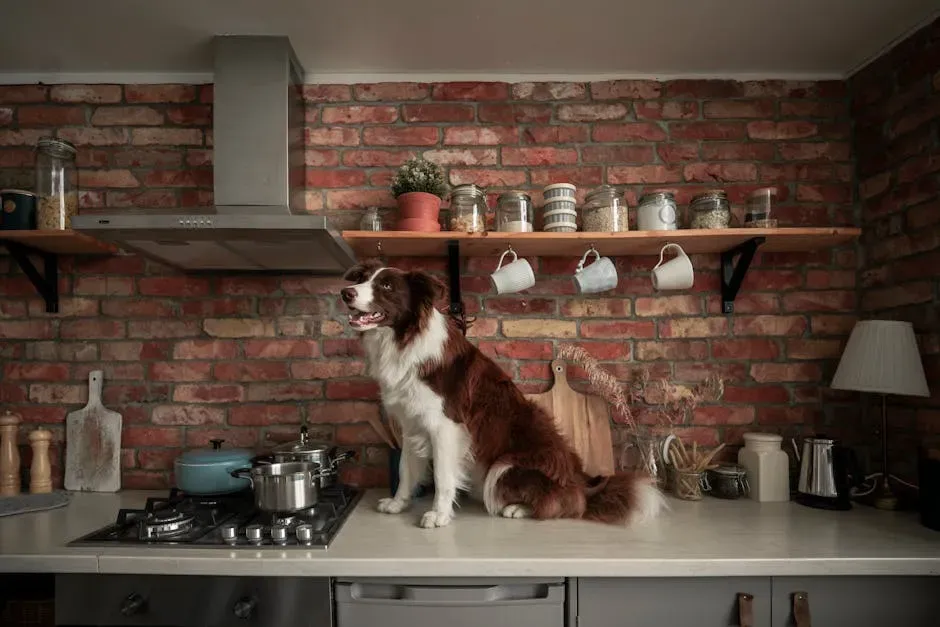
Let’s be blunt: some dogs follow you because you’re basically a walking vending machine. If you snack throughout the day, drop crumbs, or “just give a little bite” while cooking, your dog has made the most logical choice on earth. Stick close to the food source.
This isn’t emotional at all. It’s pure opportunism, and honestly, it’s hard to blame them.
- Intense following only in the kitchen or dining areas
- Laser-focused eyes when you open certain cabinets or appliances
If your dog’s follow-you game ramps up specifically around mealtimes, they’re not meditating on your soul. They’re running the numbers: proximity to human equals higher odds of food. Cut the random snacking and the shadowing around food zones often drops noticeably. It feels unromantic, but dogs are brutally practical creatures.
#5 – They’re Guarding You (Even in Your Own House)
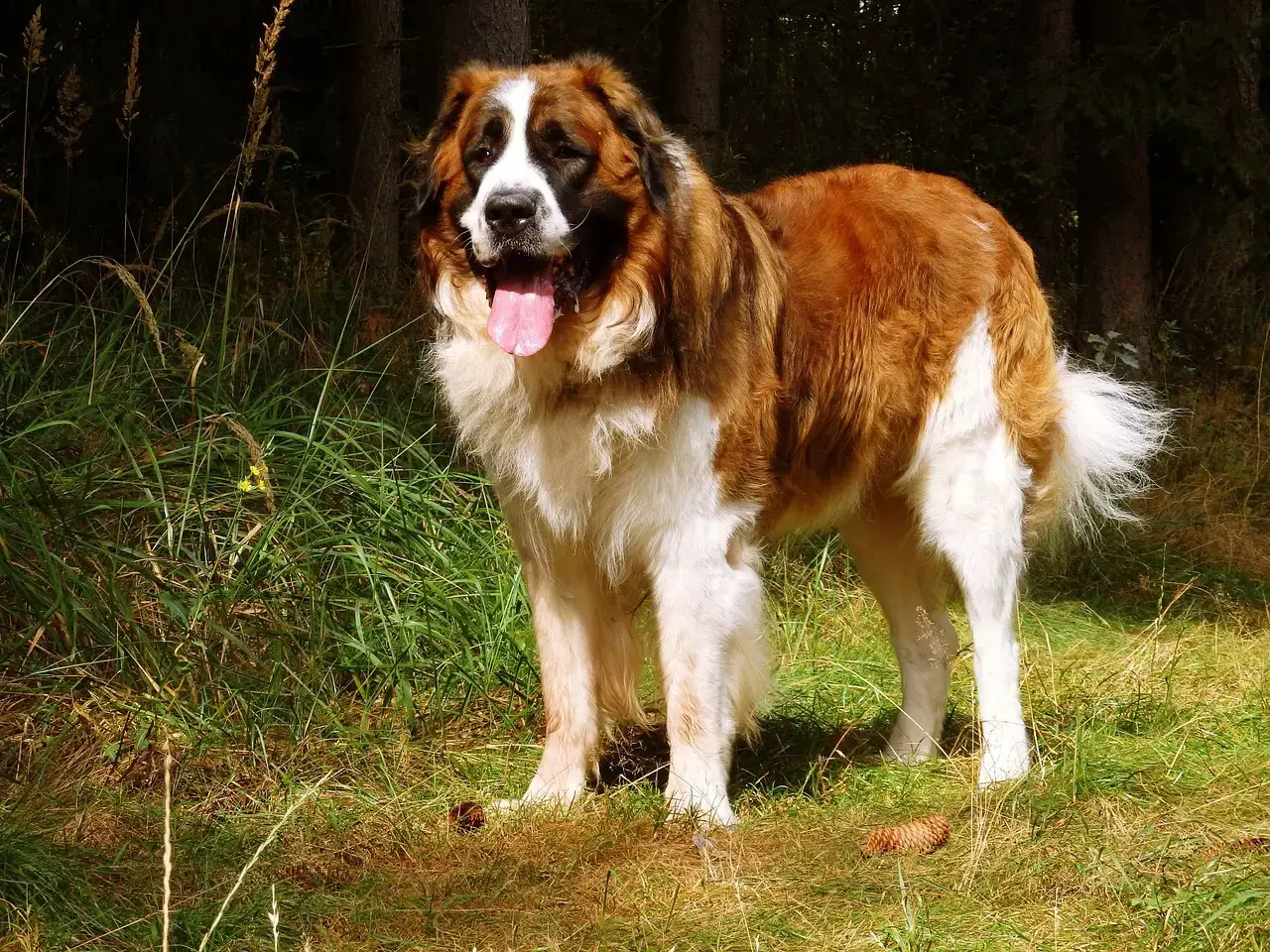
A lot of owners badly underestimate this one: many dogs genuinely see it as their job to monitor and protect you. When you move rooms, their post moves with you. Guarding breeds especially stay on high alert for sounds, smells, and strangers.
Being in a different room from their main person can feel like abandoning a responsibility they take seriously, even if no one ever assigned it to them.
- They position themselves between you and doors or hallways
- They stiffen or alert the moment someone approaches
To these dogs, following you isn’t clinginess. It’s strategy. They’re making sure nothing and no one gets near you without their knowledge first. Some trainers point out the irony here: we breed and choose family guardians, then act surprised when they’re always on duty. You can’t ask for protection and then be shocked by the surveillance that comes with it.
#4 – They’re Copying You Like a Toddler
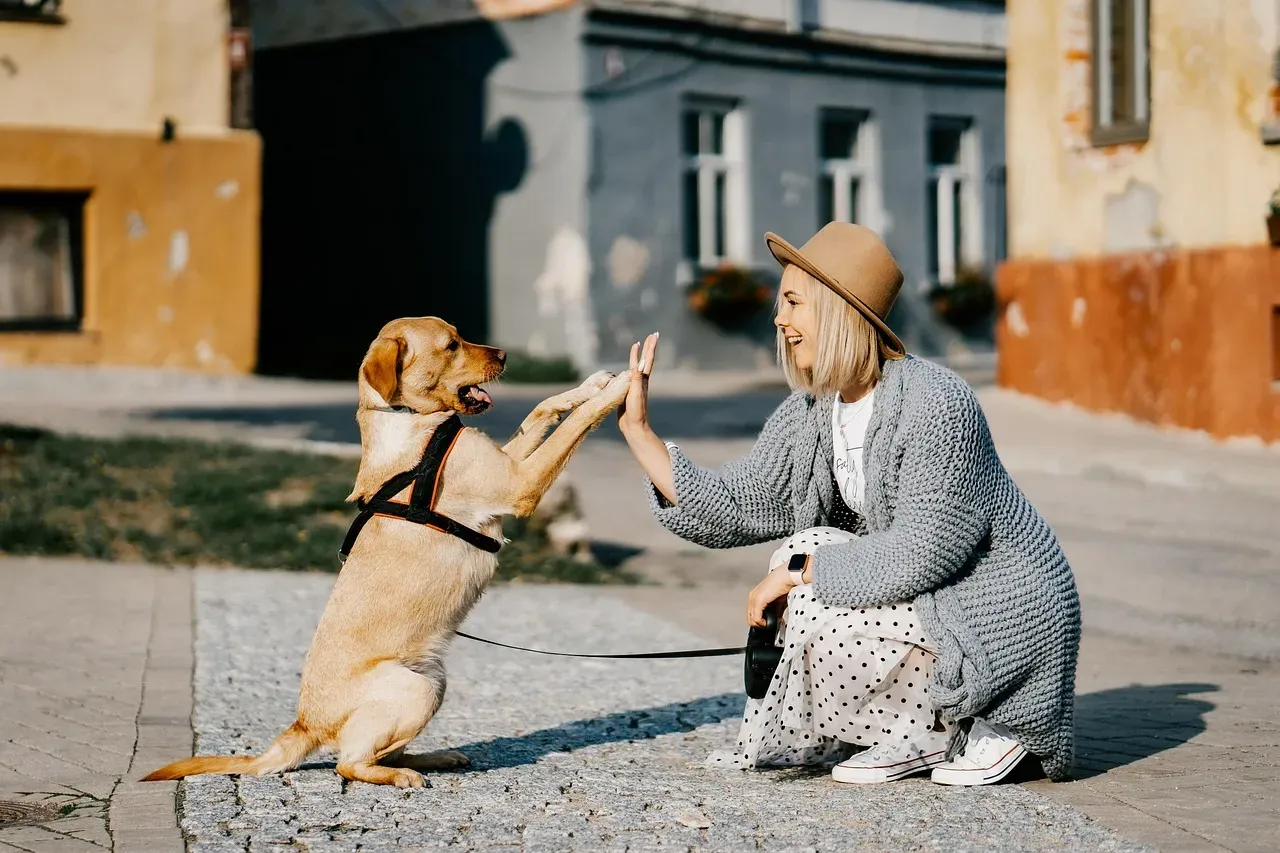
Believe it or not, dogs are social learners, not just command followers. They watch what you do and start mirroring it, almost unconsciously. When you move from task to task, they trail along like a kid copying a parent doing chores around the house.
It’s not always about reward. Sometimes it’s simply about being part of the action, because your life is the group activity and they hate missing out on it.
- They lie down where you linger, then move when you move
- They get restless if you close a door between you
This “follow the leader” instinct runs especially strong in dogs who live closely with their humans instead of outdoors or in kennels. They’re not just pets in these moments. They’re roommates shadowing the most influential roommate in the house. To them, your routine is the pack’s routine, full stop.
#3 – Age, Health, and Quiet Worry

This one gets ignored until it’s serious, and it’s the reason worth watching closest. Sudden clinginess can be a genuine health flag. Senior dogs, or dogs dealing with pain, vision loss, or cognitive decline, often follow more because the world around them has started feeling confusing.
Sticking near you becomes their way of navigating safely through a house that suddenly feels less familiar. They might bump into things more, startle easily, or seem quietly lost unless they’re right at your side.
- New clinginess appearing in an older dog
- Shadowing combined with pacing, staring, or nighttime restlessness
It’s easy to say, “aww, he just wants Mom,” but sometimes he’s actually scared or disoriented and doesn’t have another way to tell you. Pain, nausea, and even early canine dementia can all push a dog toward seeking more comfort and guidance. If the behavior is new or intense, a vet visit beats a cute video caption about your “clingy” senior dog.
At a Glance
- Normal aging: slower to rise, a little more sleep, mild stiffness
- Warning sign: sudden clinginess that wasn’t there before
- Warning sign: bumping into furniture or hesitating on stairs
- Warning sign: new pacing, staring at walls, or nighttime restlessness
#2 – They’re Afraid You’ll Leave Without Them
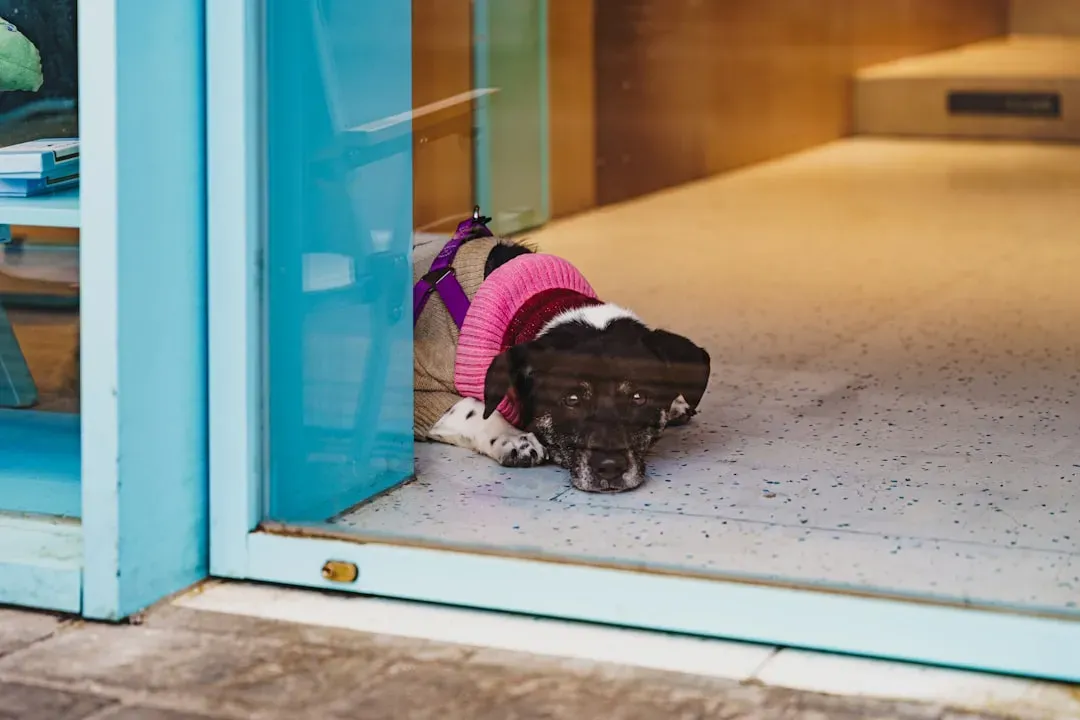
Some dogs turn into furry detectives the second you stand up, because they’re convinced every movement might mean you’re about to leave them behind. This is different from full-blown separation anxiety. It’s more like FOMO with a side of insecurity baked in.
They trail behind you, watch the doors, and perk up the instant you touch bags, coats, or keys, tracking you like a case they can’t afford to lose.
- Following intensifies when you start a “leaving” routine
- They hover near exits or try to squeeze through doors with you
These dogs have learned that your departures are unpredictable or unpleasant, whether that’s boredom while you’re gone or something scarier happening in your absence. So they stay glued to every pre-departure cue, hoping to jump in the car or block the exit entirely. It isn’t just love. It’s strategy and worry, tangled together into one very determined dog.
#1 – You’re Their Entire World (For Better or Worse)
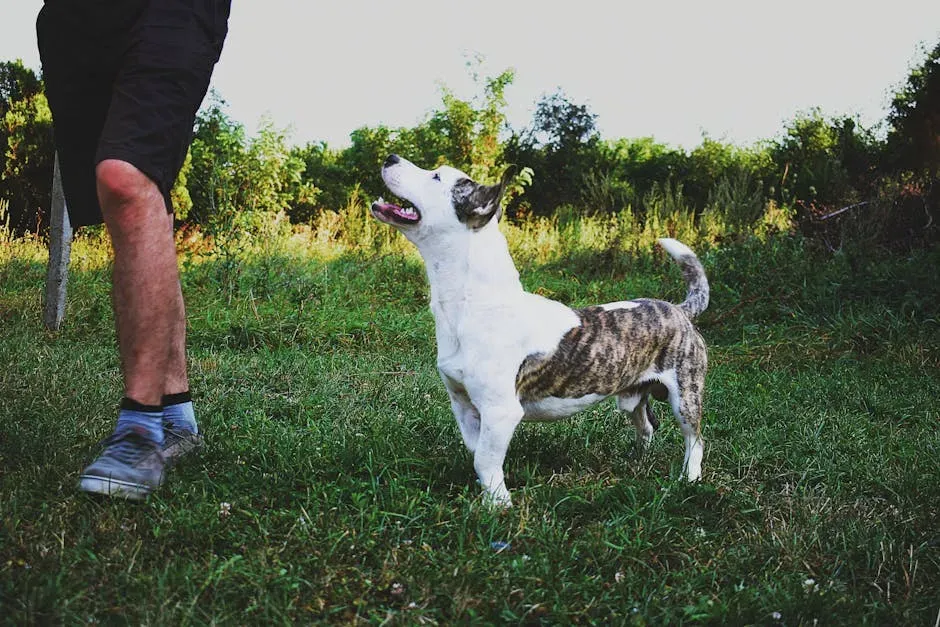
Strip everything else away and this is what’s left: your dog follows you because in their universe, you are the center of gravity. You control food, safety, routine, social life, and often their only real source of stimulation all day long.
In a very real sense, you are the sun their little planet orbits around, every single hour. That’s beautiful to think about, and a little uncomfortable once you sit with the responsibility behind it.
- Constant following can be a sign of deep trust and real bonding
- It can also expose how limited and human-dependent their world actually is
When your dog pads behind you all day, they’re not being dramatic. They’re doing the only thing that makes sense given the life we’ve built for them. The real question isn’t “why is my dog so obsessed with me?” It’s whether you’ve given them a world that exists beyond your footsteps.
The Bottom Line
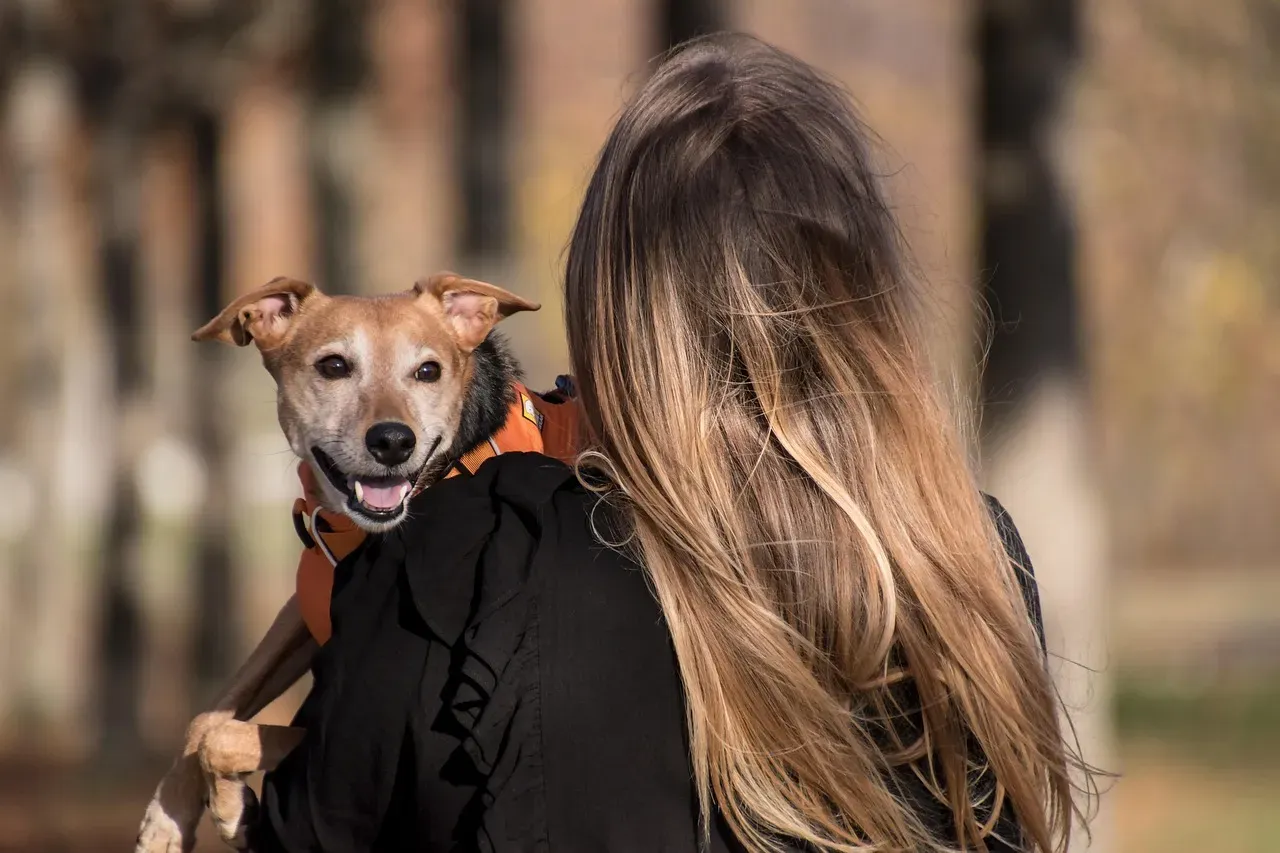
Your dog trailing you from room to room isn’t one simple thing. It’s a cocktail of biology, training, boredom, worry, and intense bonding that we quietly created and then romanticized on social media.
Sometimes it’s healthy attachment and breed instinct doing exactly what it evolved to do. Sometimes it’s quiet anxiety, or plain old boredom with nothing better to fill the hours. The uncomfortable truth is that our lifestyles often make us a dog’s entire universe, and then we laugh off the very signals that universe might be too small.
If your dog follows you everywhere, enjoy the connection. It’s real and it matters. But don’t stop there. Ask what it says about their mental health, their routine, and their independence. Have you raised a confident partner, or quietly built an anxious shadow? Either way, your dog is telling you something every time they get up to follow you. The least you can do is actually listen.