
10 Dog Breeds With Instincts So Strong They’re Hard to Train Away
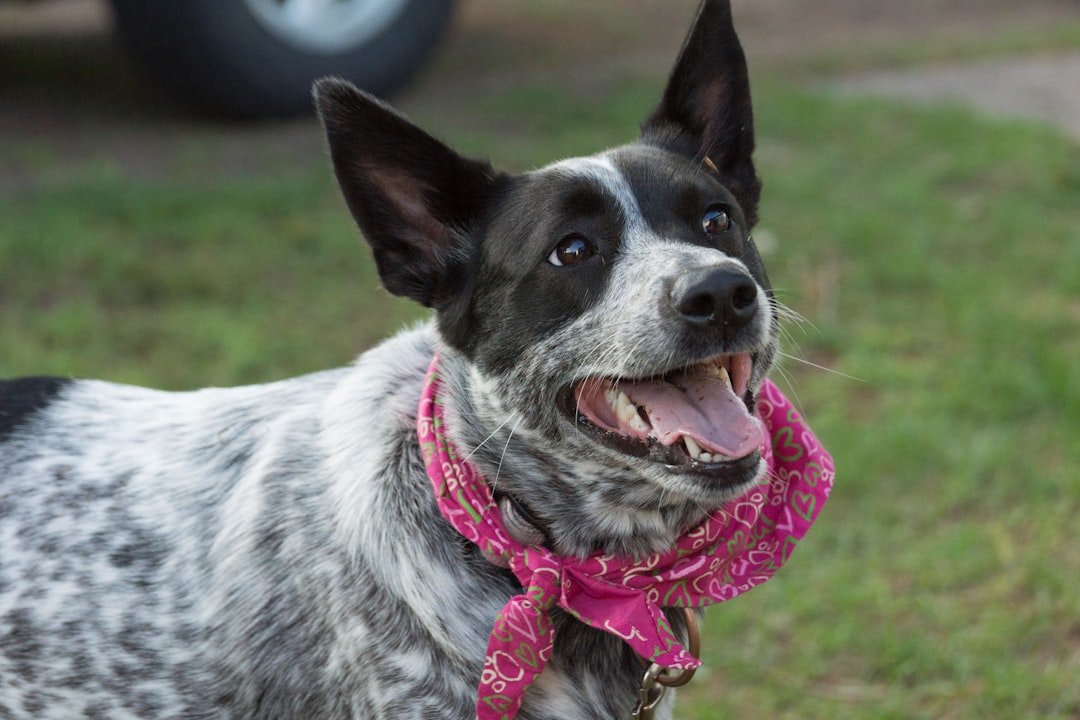
Some dogs walk into obedience class and act like they’ve spent years reading training manuals. Others walk in, take one look around, and decide they’ve got their own plans for the day. This article is about that second group: the dogs whose instincts are so powerful that training is less about “fixing” behavior and more about cleverly working with thousands of years of genetics.
If you’ve ever watched your dog ignore a hundred treats just to chase a squirrel, you already know what strong instinct feels like in real time. These breeds can be incredible companions, but they will challenge you, question you, and occasionally make you wonder who is actually running the household. Let’s dive into the ten breeds where those deep, old instincts never really clock out.
Siberian Husky: The Escape Artist With a Job to Do
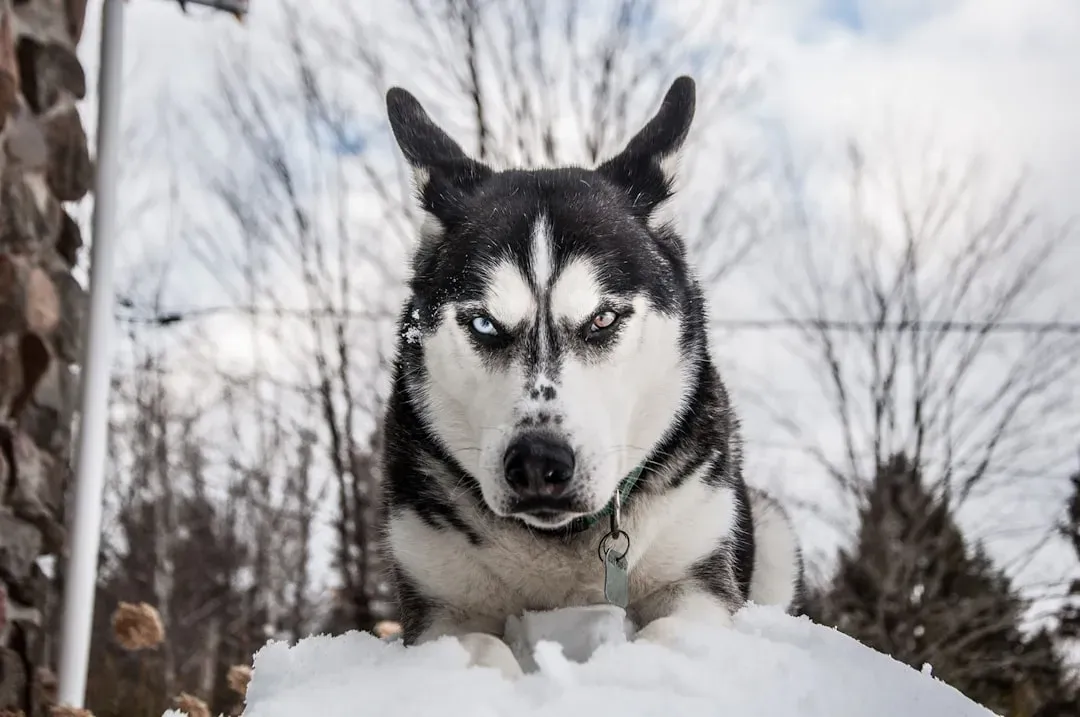
Siberian Huskies were bred to run long distances in brutal Arctic conditions, and that drive did not disappear just because they now sleep on memory foam beds. Their instinct says “move, pull, explore,” even when your plan was “Netflix and stay.” That is why so many Husky owners are stunned when their dog clears a fence, chews through a leash, or slips a harness like a furry magician.
Training a Husky is less about teaching “sit” and more about outsmarting an athlete whose entire brain is wired for motion and independence. You can absolutely teach them solid obedience, but if you try to train away the desire to run and roam, you’ll both end up frustrated. Channeling that instinct into activities like canicross, sledding, or long-distance hiking works far better than trying to squash it with basic commands.
Border Collie: The Genius Who Can’t Stop Working
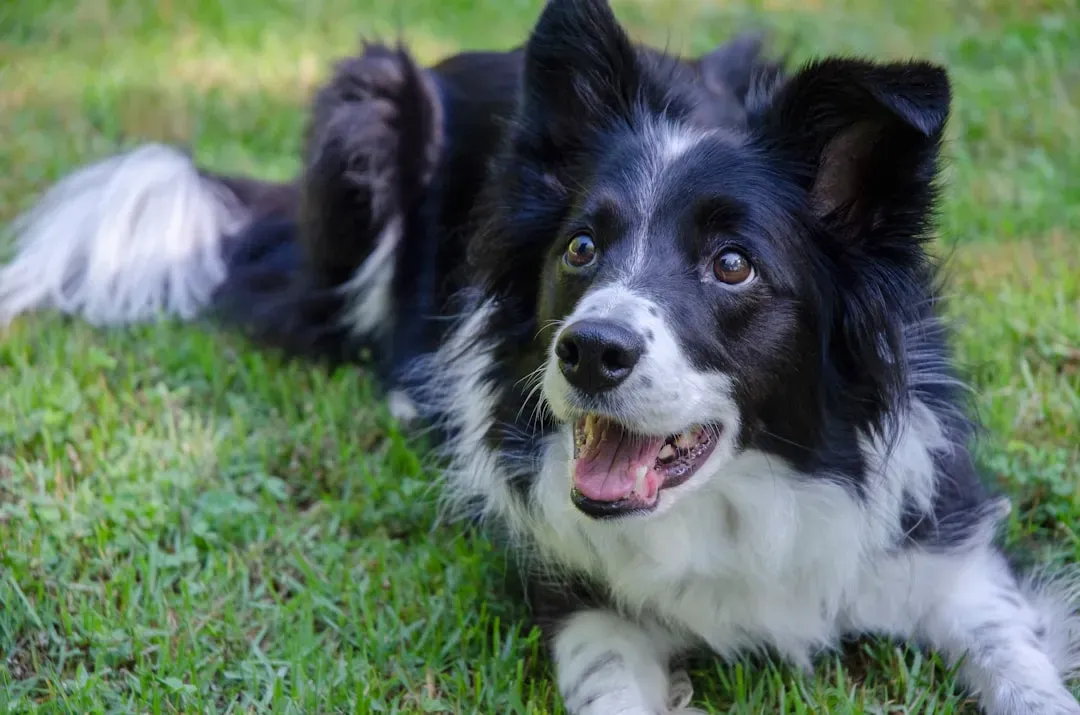
Border Collies often top the lists of the smartest dogs, but their intelligence is welded to an intense herding instinct that never truly shuts off. They were created to control sheep over large fields with just subtle cues and their own judgment, so of course they try to “organize” everything: kids, other pets, joggers, even bicycles. That classic stare and circling behavior are not bad manners; they’re the old farm code kicking in.
Trying to train a Border Collie not to herd at all is like telling a gifted musician to stop tapping out rhythms; you might reduce the obvious behaviors, but the urge is still buzzing under the surface. These dogs thrive when they have mental and physical work like agility, herding trials, high-level obedience, or puzzle-based games. Without an outlet, that strong instinct can turn into nipping, obsessive chasing, or neurotic habits that no amount of simple “no” will erase.
Beagle: A Nose on Legs That Doesn’t Take Requests
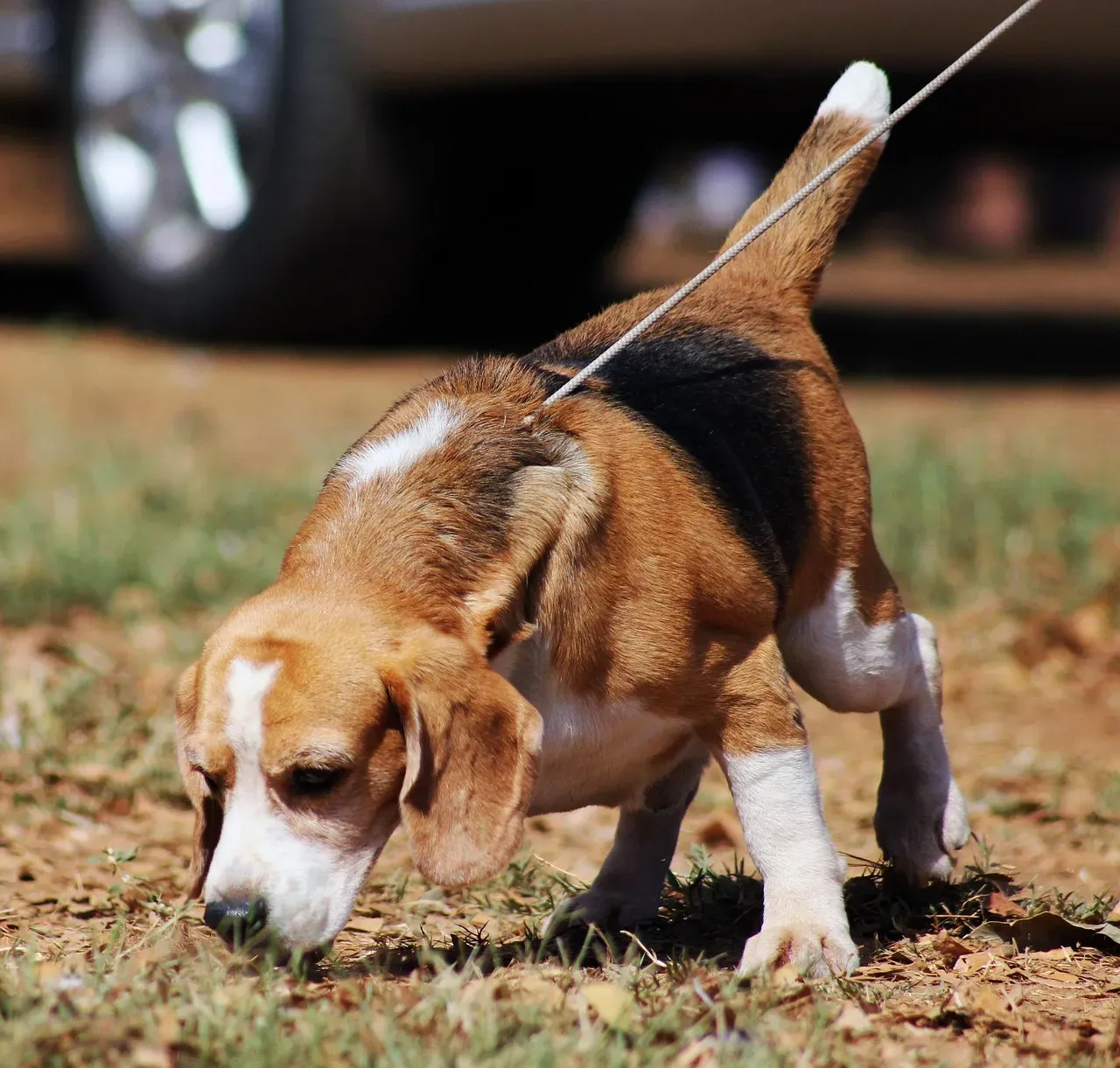
The Beagle’s entire worldview is built around scent, thanks to a long history as a scent hound trailing game over big distances. Once that nose locks onto something interesting, the rest of the world – including you calling their name – drops several spots on the priority list. Many Beagle owners describe it as watching their dog get “hijacked” by a smell, and that is not far from the truth biologically.
You can train good recall and leash manners, but expecting a Beagle to consistently ignore a fresh scent trail is unrealistic and unfair. Management tools like secure fencing, long lines, and structured sniff walks work better than trying to force them into a vision of perfect heel work. The happiest Beagles are the ones allowed to use that nose on purpose through scent games, tracking, or nosework instead of being scolded for doing exactly what they were bred to do.
Jack Russell Terrier: Small Body, Giant Hunt Drive
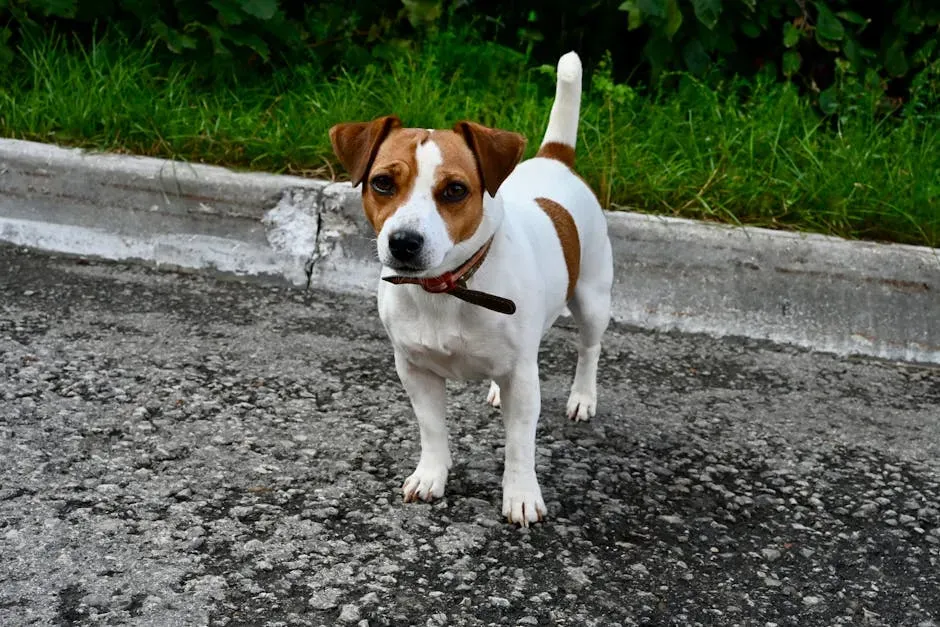
Jack Russell Terriers may be pint-sized, but their prey drive is anything but small. Originally bred to chase foxes out of dens, they are hardwired to pursue, dig, and investigate anything that moves or squeaks. That intensity can shock people who chose the breed for its size without realizing they were inviting a pocket rocket of hunting instinct into their lives.
Trying to train away a Jack Russell’s desire to chase small animals or obsess over critter holes is an uphill battle you will probably not win. Instead of arguing with their instincts, smart owners redirect them into things like earthdog trials, fetch, structured digging areas, or high-energy games that mimic the thrill of the hunt. When they have a productive outlet, they transform from “uncontrollable” to brilliantly engaged, but that core drive to seek and chase never really disappears.
Akita: The Independent Guardian With a Mind of Their Own
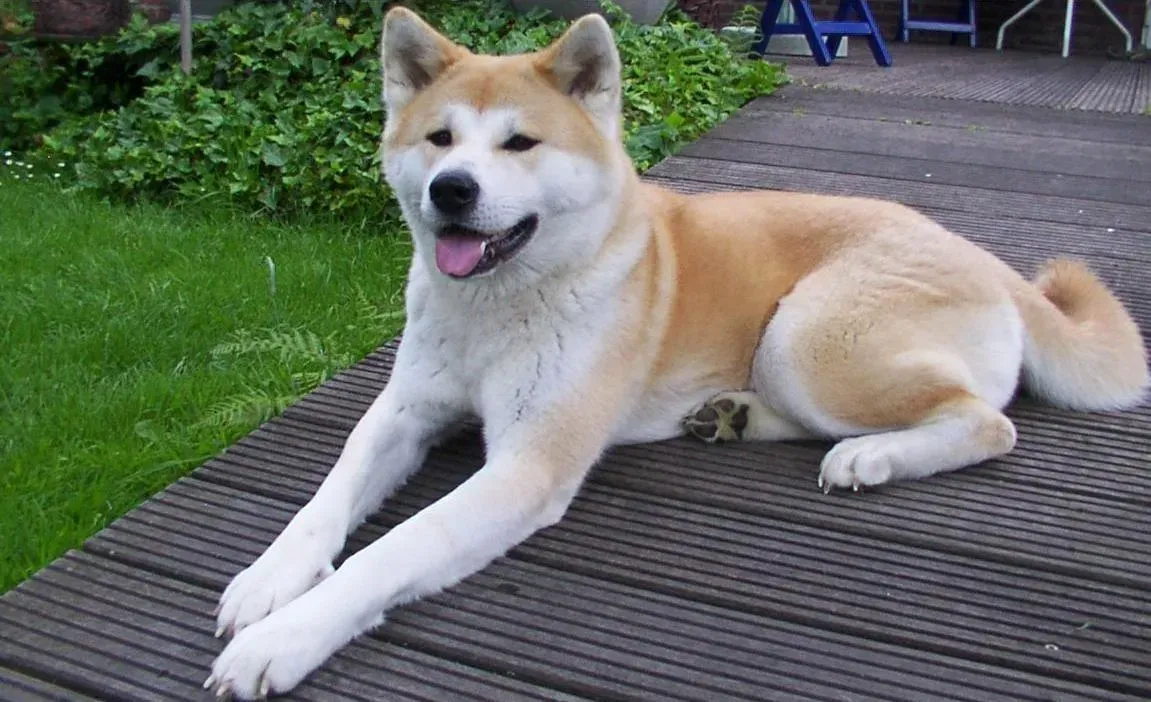
Akitas were developed as powerful hunters and guardians, and that combination makes for a dog that is both devoted and fiercely independent. Their instincts push them to assess threats on their own, rather than blindly waiting for instructions. That is one reason they are often described as cat-like; they decide whether your request makes sense before they comply.
Traditional obedience methods that rely on repetition and constant drills often fall flat with Akitas because their natural instinct is to conserve effort unless something really matters. They are protective by default, wary of strangers, and not always keen on other dogs, especially of the same sex. You can absolutely shape better manners and impulse control, but expecting them to act like an always-friendly, eager-to-please retriever is simply ignoring what they were bred to be.
Alaskan Malamute: The Powerhouse Built to Pull, Not Please
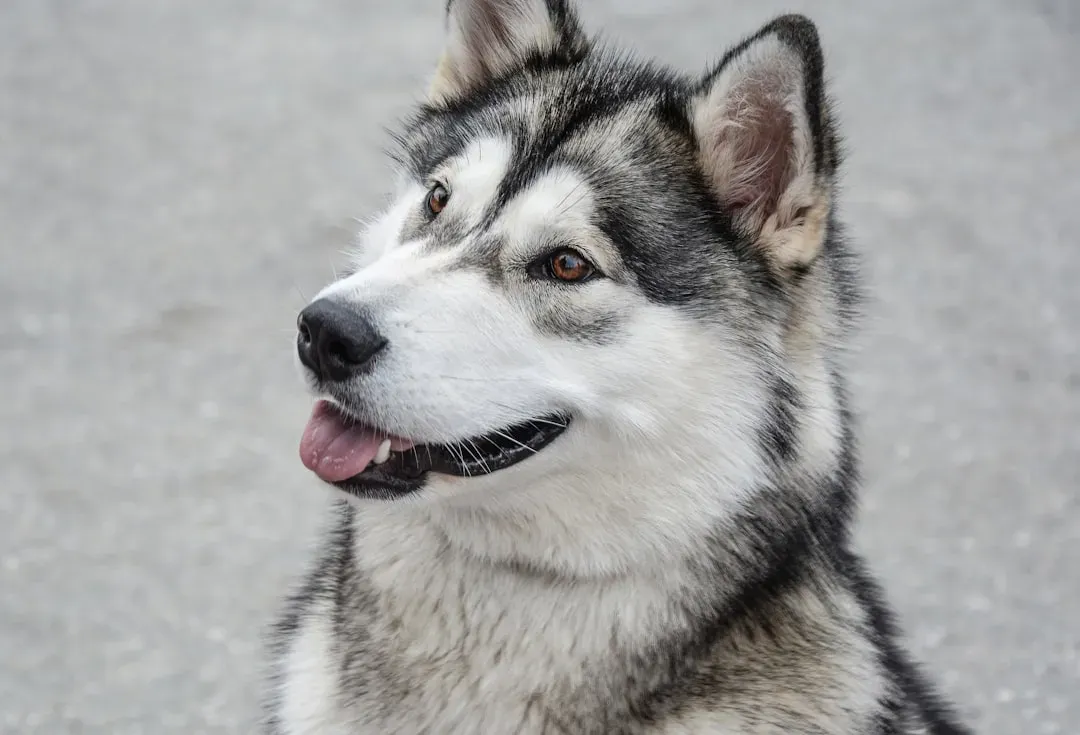
Alaskan Malamutes share some traits with Huskies, but with even more raw strength and a history pulling heavy sleds over long distances. Their instinct is to work as part of a team, but not necessarily to hang on every human word. Many Malamutes seem to treat commands as suggestions, weighing them against their own judgment in the moment.
Training a Malamute to walk politely on leash or resist pulling can feel like convincing a lifelong weightlifter to stop flexing. You can improve control, but expecting that deep urge to lean into a harness or drag weight to vanish is unrealistic. They flourish with structured outlets like weight-pull, sledding, skijoring, or backpacking where that powerful instinct to pull becomes an asset instead of a constant point of conflict.
Belgian Malinois: The Overachiever That Can Outrun Your Plans
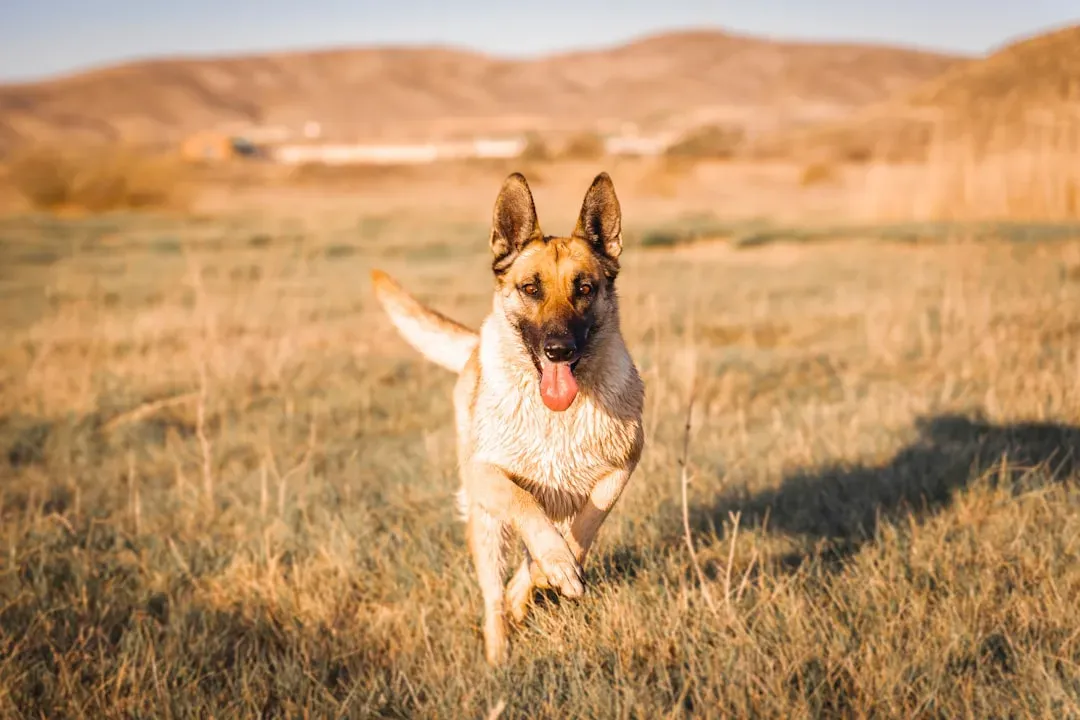
Belgian Malinois have become famous for their work in police and military roles, and that visibility sometimes tempts average owners who are not prepared for their intensity. These dogs are bred for nonstop drive, rapid response, and a willingness to push through stress and chaos to do a job. That means they come preloaded with instincts to chase, bite, search, and guard with very little off switch.
While you can train and shape those instincts with expertise and consistency, you cannot simply “turn them off” because you want a chill pet. Without serious structure and purposeful work like protection sports, advanced obedience, or search work, that raw instinct often boils over into destructive, frantic behavior. A bored Malinois is not just restless; it is a high-performance machine revving with nowhere to go, and no basic obedience class will erase that reality.
Australian Cattle Dog: The Bossy Worker That Hates Standing Still
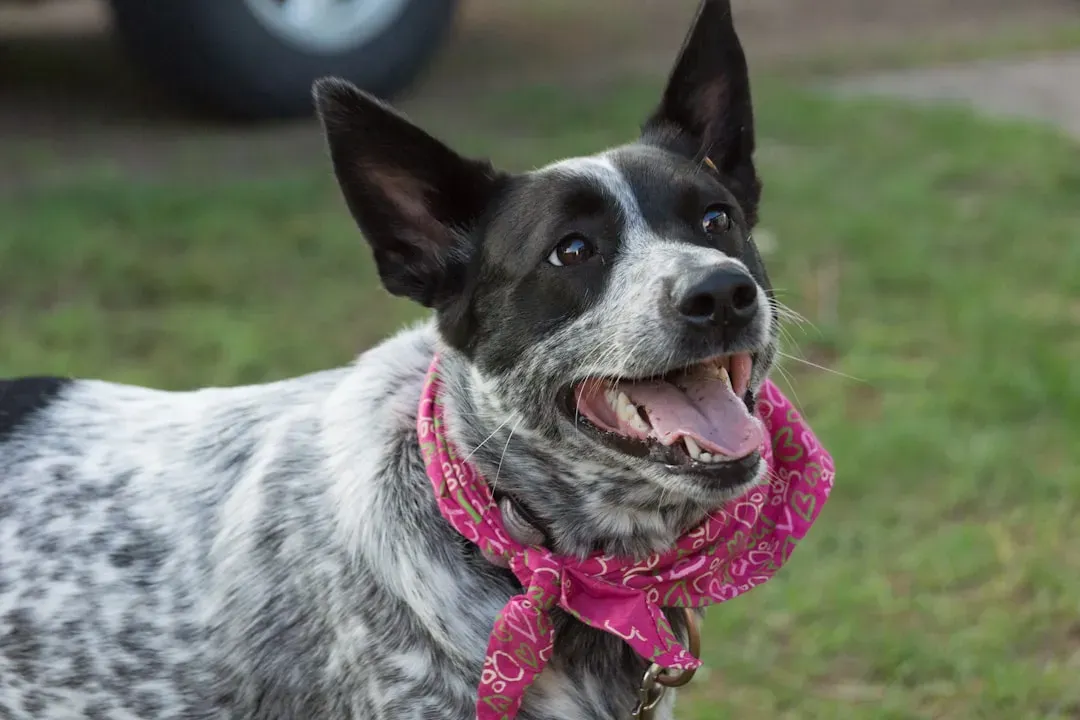
Australian Cattle Dogs were designed to drive cattle across harsh terrain by nipping at heels and making independent decisions far from human supervision. That hardwired toughness and persistence can show up as stubbornness or bossiness in a modern home. They do not just tolerate work; they seem to need it in the same way some people need movement to feel sane.
Trying to train out heel-nipping, herding behavior, or constant movement without giving them a real job is like trying to tone down a marathon runner by keeping them on the couch. They respond best to firm but fair guidance, clear boundaries, and seriously engaging activities like agility, herding, or trick training. You can soften the edges of their behavior, but that gritty, get-it-done instinct remains at the core of who they are.
Basenji: The Ancient Free Spirit That Plays by Its Own Rules
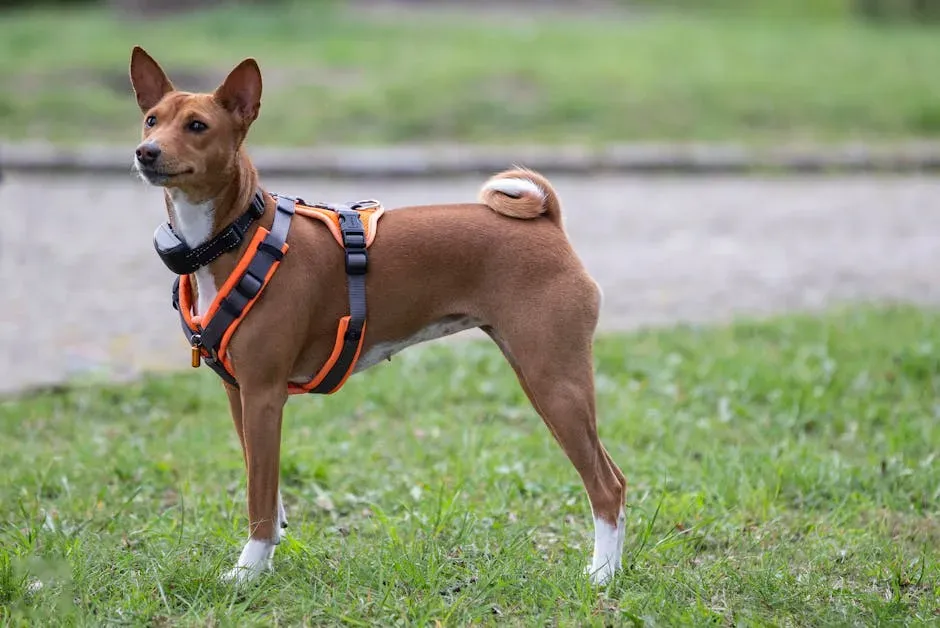
The Basenji is often called a barkless dog, but what truly defines them is their ancient, cat-like independence. Originating as hunting dogs in Africa, they were bred to think and act quickly without waiting for constant human input. That history shows up today as a dog who can be affectionate yet deeply self-directed, quick to follow an interesting scent or movement and slow to obey what feels pointless to them.
Training a Basenji can feel less like coaching a student and more like negotiating with a very opinionated roommate. Forceful methods tend to backfire, and even with positive training, their curiosity and independence never fully bow to human convenience. Instead of dreaming of a perfectly obedient Basenji who always comes when called, it is wiser to lean into secure environments, mental enrichment, and a sense of humor about their mischievous, ancient instincts.
Weimaraner: The Velcro Hunter That Can’t Turn Off the Chase
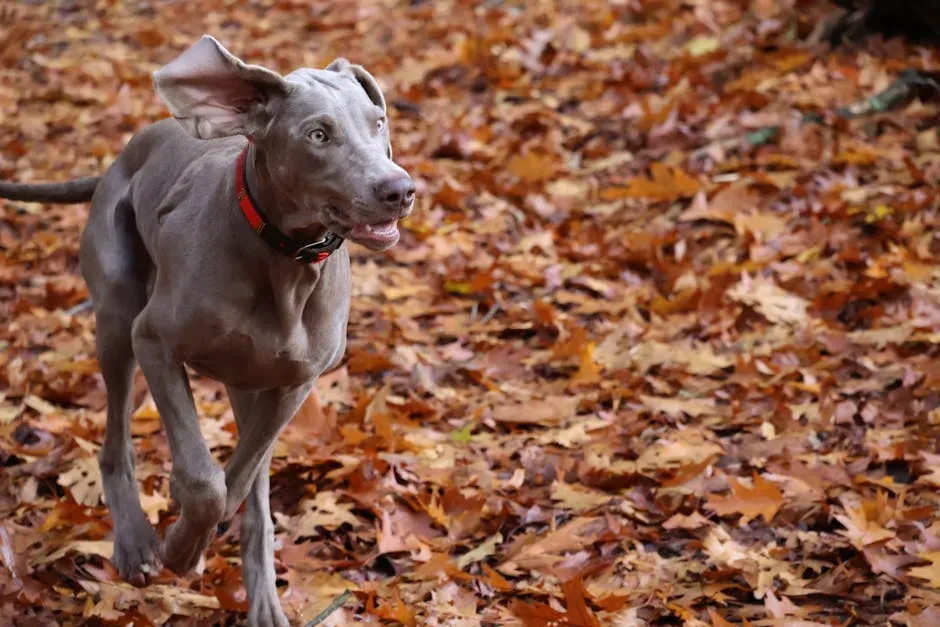
Weimaraners were created as versatile hunting dogs, capable of tracking, pointing, and retrieving game over long days in the field. That means they combine strong prey drive with a deep attachment to their people, resulting in a dog who both chases hard and shadows you around the house. Their instincts push them toward motion, exploration, and close contact, a mixture that can overwhelm unprepared owners.
It is possible to build decent recall and leash manners, but the desire to pursue birds, squirrels, or running wildlife is never fully erased. Without enough exercise and mental work, that same instinct can morph into anxiety, restlessness, and destructive behavior. When you give a Weimaraner structured outlets like field work, running, or advanced games, their challenging instincts transform into exactly what they were meant to be: intense but amazing partners.
Conclusion: You Don’t “Fix” Instinct, You Learn to Dance With It
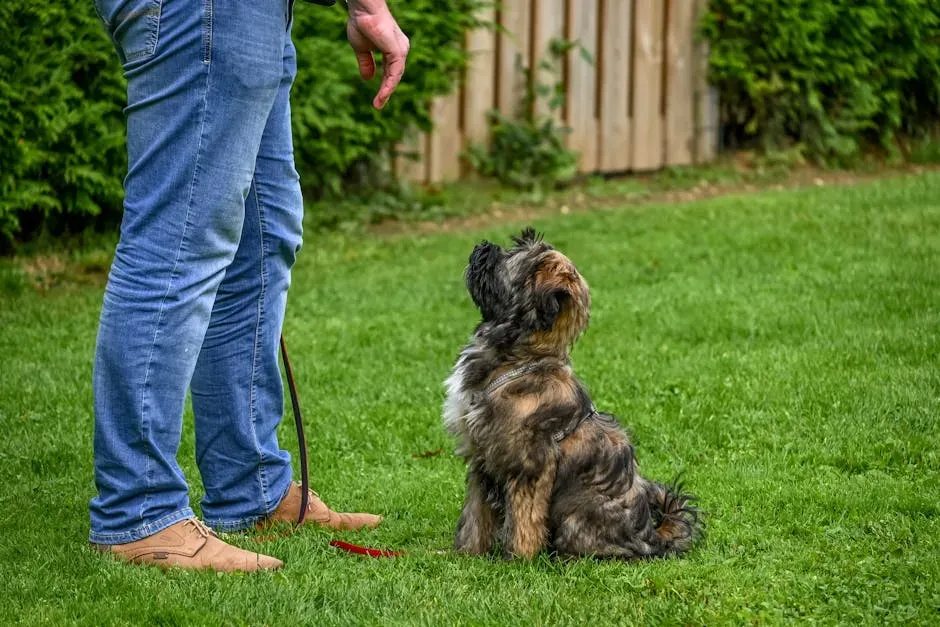
Living with a dog whose instincts are this strong is not about winning some obedience contest against their genetics. These breeds carry centuries of carefully shaped behavior inside them, and no clever training plan will completely erase a drive to run, chase, guard, herd, or hunt. In my experience, the people who enjoy these dogs the most are the ones who stop fighting the instincts and start asking how to meet them halfway.
If you crave an easy, low-effort companion, these may not be the breeds for you – and that is not an insult, just honesty. But if you are willing to adjust your expectations, build your life around outlets for their natural drives, and accept that perfection is less important than partnership, these instinct-heavy dogs can be unforgettable. At the end of the day, the question is simple: do you really want a dog who always obeys, or one whose wild roots you learn to live with and love?