
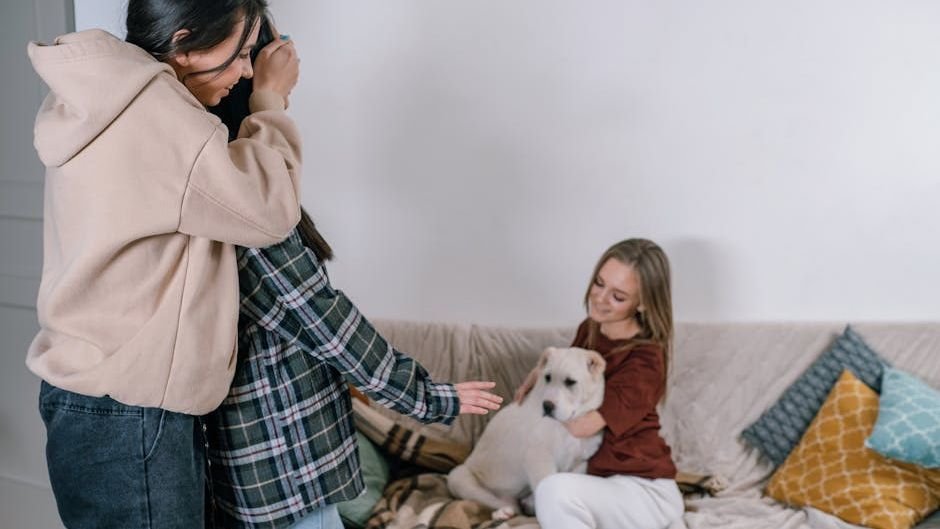
You know that moment when your dog gives you “the look”? Ears slightly drooped, eyes wide and soft, tail hesitant. You haven’t yelled. You haven’t done anything dramatic. Yet somehow, something shifted. Most dog owners love their pets deeply and genuinely want the best for them. Still, even the most devoted among us can unintentionally chip away at our dogs’ emotional wellbeing in ways that are easy to miss.
Dogs have emotional lives similar to those of human toddlers. That’s not a metaphor. Dog brains are similar to ours and have the same structures that, in people, correlate to emotions like fear and happiness. So when we dismiss their feelings as “just dog behavior,” we may be missing something important. This article is not about guilt. It’s about awareness. Once you see these patterns, you truly can’t unsee them, and your bond with your dog will be richer for it. Let’s dive in.
1. Ignoring Them When They Seek Attention
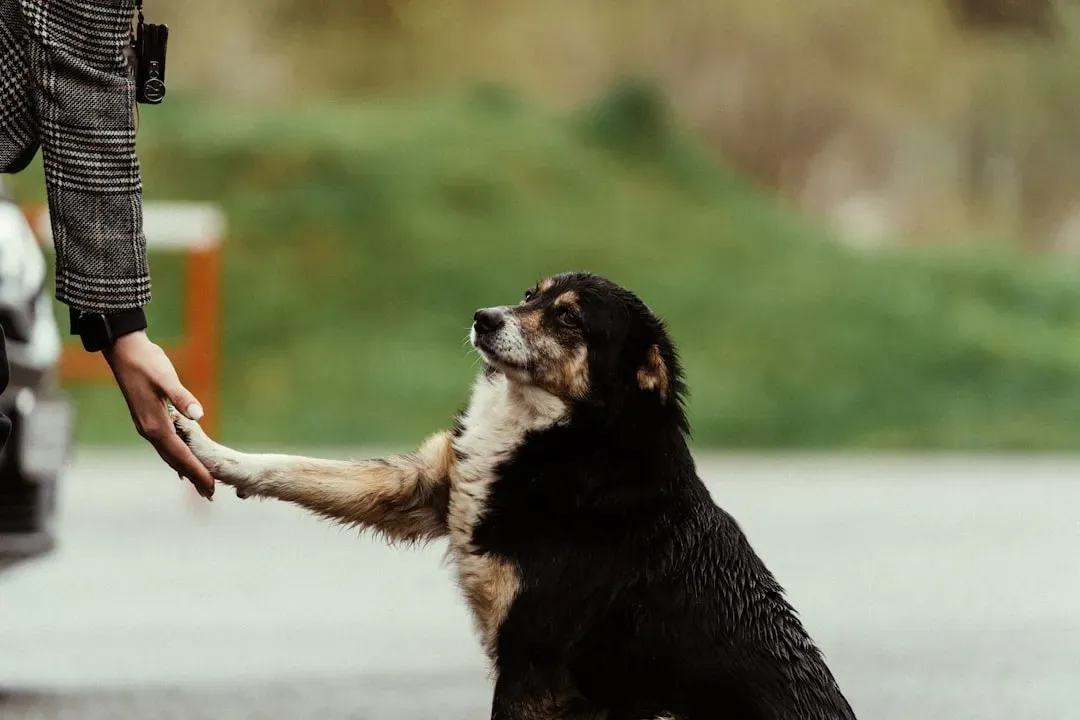
Here’s the thing: your dog isn’t being annoying when they nudge your hand or paw at your leg. They’re communicating. They’re essentially saying, “Hey, I love you and I need a moment with you.” We can’t give our dogs attention 24/7, but ignoring or pushing them away too often may hurt their feelings. If you reject your dog every time they seek your attention, it’s sure to put them in a bad mood.
Dogs who are ignored can engage in destructive behaviors, like grabbing an object they’re not allowed to have or chewing on furniture. Think of it this way: a child who keeps tugging at a parent’s sleeve isn’t misbehaving, they’re starving for connection. Dogs work the same way. Even a quick 30-second acknowledgment, a scratch behind the ears, a soft word, can make all the difference to a waiting heart.
2. Being Inconsistent with Rules

Letting your dog sleep on the bed when you’re feeling sick, then scolding them for jumping up the next morning, is genuinely confusing and emotionally frustrating for them. Dogs don’t have a lot of control over their lives, but they like to know what’s coming next. Mixed signals feel less like correction and more like betrayal from someone they fully trust.
It doesn’t matter whether you have one household rule for your dog or fifty. What does matter is remaining consistent. If sleeping on the furniture is a no-no, don’t decide to let your pup snuggle on the bed while you’re sick, then punish him the next day when he hops up for a nap. The same goes for leash-pulling, begging, and jumping up. Consistency isn’t about being rigid. It’s about being fair. Dogs are incredibly quick at reading patterns, and when those patterns keep changing, their emotional security crumbles.
3. Yelling at Them (Even When You’re Not Angry at Them)
Things that we might assume are harmless, like smacking a rolled-up magazine against a palm, yelling at the TV during a football game, or even the sound of an alarm clock, can be terrifying to a dog. Your dog doesn’t understand that you’re furious at a referee’s bad call. They just hear the raised voice and absorb it as emotional chaos in their safe space.
Yelling at, or worse, hitting, a scared dog just proves that they were right to have something to fear. Highly sensitive dogs tend to react strongly to emotional cues from their owners or other animals. They might mirror your stress or anxiety, or become distressed if there’s tension in the household. Prevention tip: if you feel frustration building, step away, breathe, and return to your dog in a calmer state. Your emotional regulation literally protects their emotional health.
4. Pushing Away Their Kisses and Affection
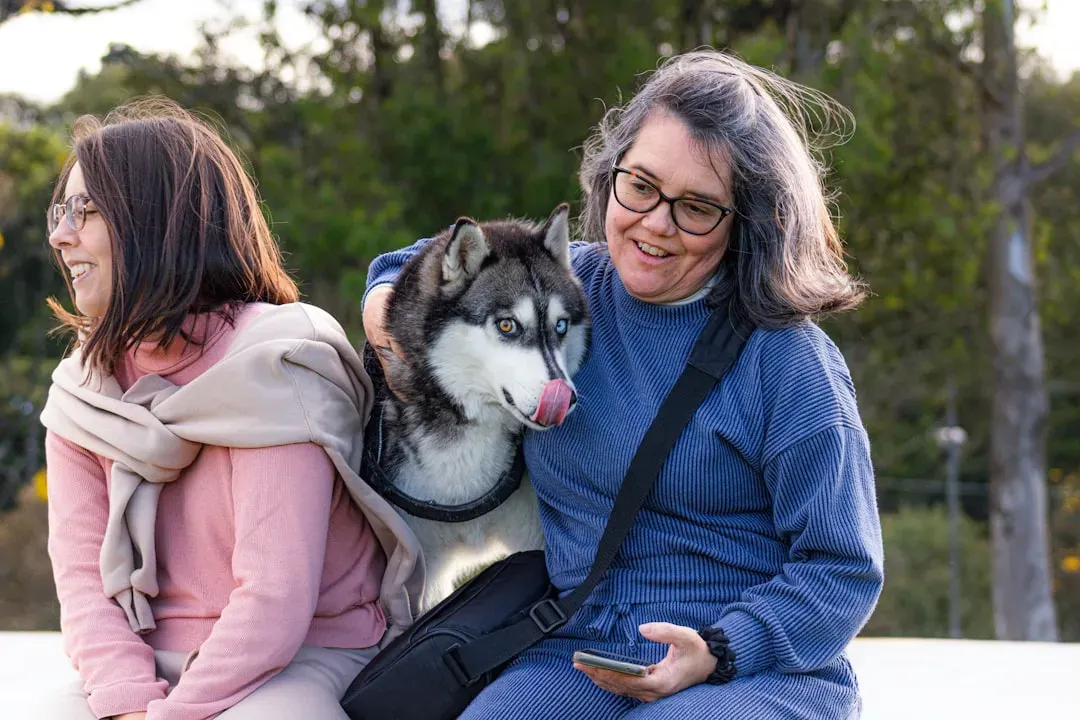
Honestly, this one surprised me the first time I really thought about it. We push our dogs away mid-lick as casually as swatting a fly. This is precisely how your dog feels when you shove them away while they are giving you kisses. While their tongues may be slobbery and messy, licking us is as close to kisses as they can get, but pushing them away is one of the common mistakes that hurt your dog’s feelings without you even realizing.
Pushing your dog away while they are licking you can feel like you are rejecting their love and cries for attention, ultimately hurting their feelings. Of course, there are times when a gentle redirection is needed. But if pushing them away is your default response, your dog starts registering a pattern of rejection. Over time, that pattern quietly erodes trust. A simple “not now, but come here” with a brief pat goes a long way.
5. Skipping Their Daily Routine
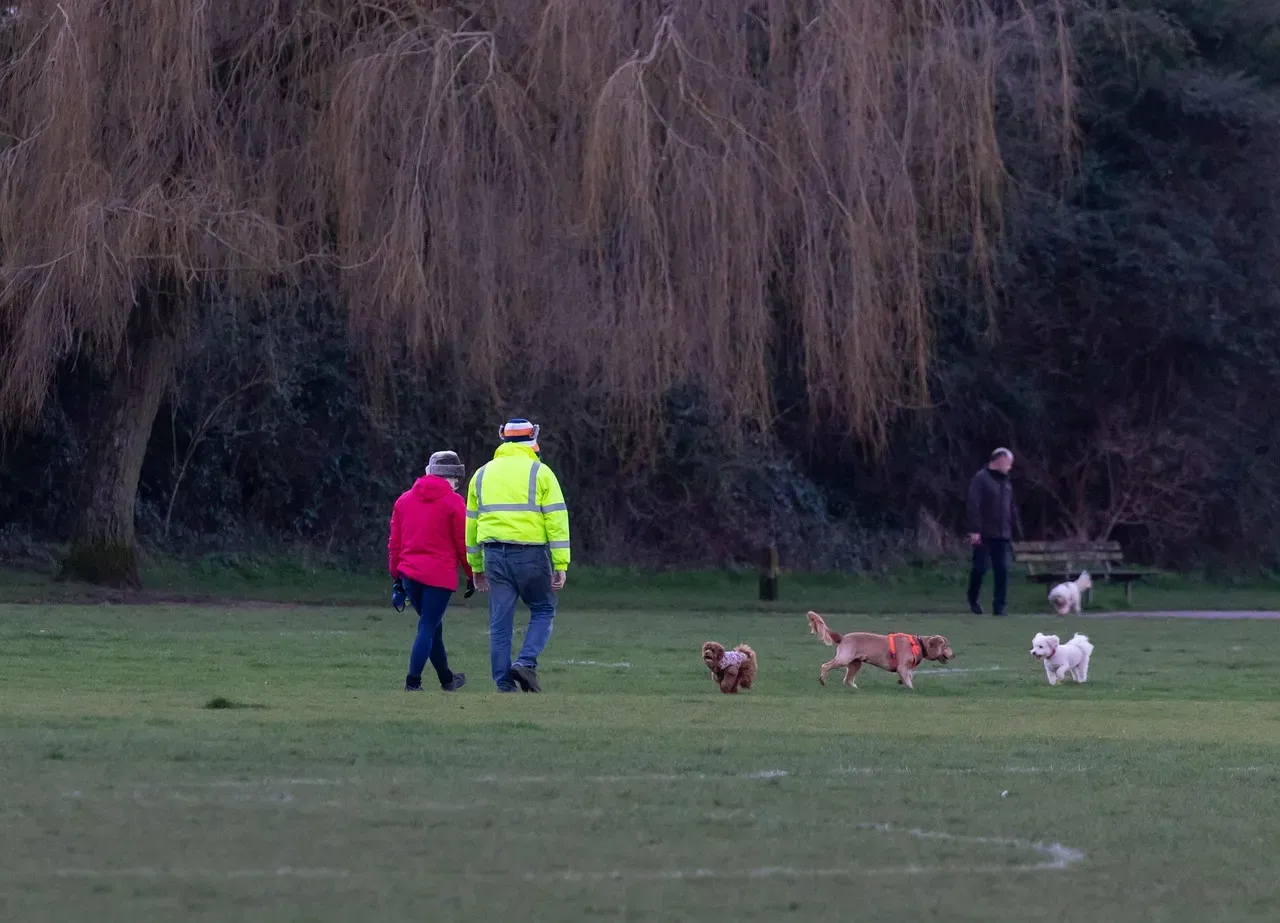
Dogs thrive on routine and consistency, which give them a sense of security and familiarity. That evening walk you take together isn’t just exercise. It’s a ritual. It’s a promise. If your dog is used to spending some quality time with you before bedtime, for example, skipping this nightly ritual may make them sad. These predictable moments are how dogs measure that their world is safe and stable.
Predictability not only reduces cognitive stress and anxiety but also prevents their feelings from being hurt, helping to build trust and strengthen your human-dog bond. Think about how unsettled you feel when someone constantly cancels plans last minute. That low-grade anxiety? Your dog feels a version of that when their beloved routines vanish without explanation. Try to anchor at least one daily ritual, even a short one, that belongs just to the two of you.
6. Invading Their Personal Space

Let’s be real: we’re obsessed with hugging our dogs. We grab their faces, squeeze their bodies, and drape ourselves over them because they’re irresistible. Whether it’s a hand in their face that someone wants them to sniff or a hug that catches them off-guard, invading your dog’s personal space can not only annoy them, but hurt their feelings as well. The problem is that most dogs simply tolerate hugs rather than enjoy them.
Dog trainer Dee Hoult explained that dogs will exhibit certain types of body language that indicate they don’t want to be touched. Some dogs are very clear, dodging your hands or backing away from you to avoid any type of contact, but other, more subtle dogs may have a separate approach in asking you to back off. Watch for the subtle cues: a slight body lean away, a lip lick, a tense stillness. Those are polite requests for space. Honor them, and your dog will trust you even more deeply.
7. Using the Crate as Punishment
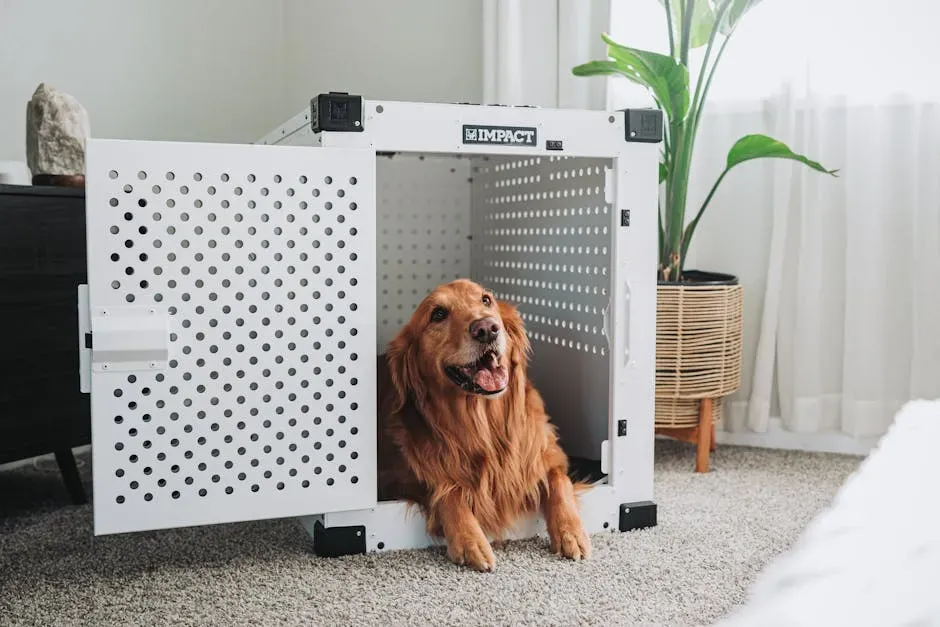
The crate should be your dog’s sanctuary, their personal den, their “off duty” zone. The moment you start sending them there as punishment, the whole thing collapses. Some families also put their dogs in the crate as a punishment, which contradicts the “safe space” mindset. Treating the crate as a punishment will only cause your dog to fear it instead of feeling comfortable.
According to a certified professional dog trainer with a Master of Science in animal behavior, it’s important to create as many positive associations with the crate as possible. Think about making the crate comfortable for them by adding toys, treats and bedding to it. You can even play games, like fetch, where you throw the ball into the crate or serve their meals in the crate. When the crate becomes a place of comfort rather than consequence, your dog will actually choose to go there on their own. That’s the goal.
8. Teasing or Playing Rough Without Consent
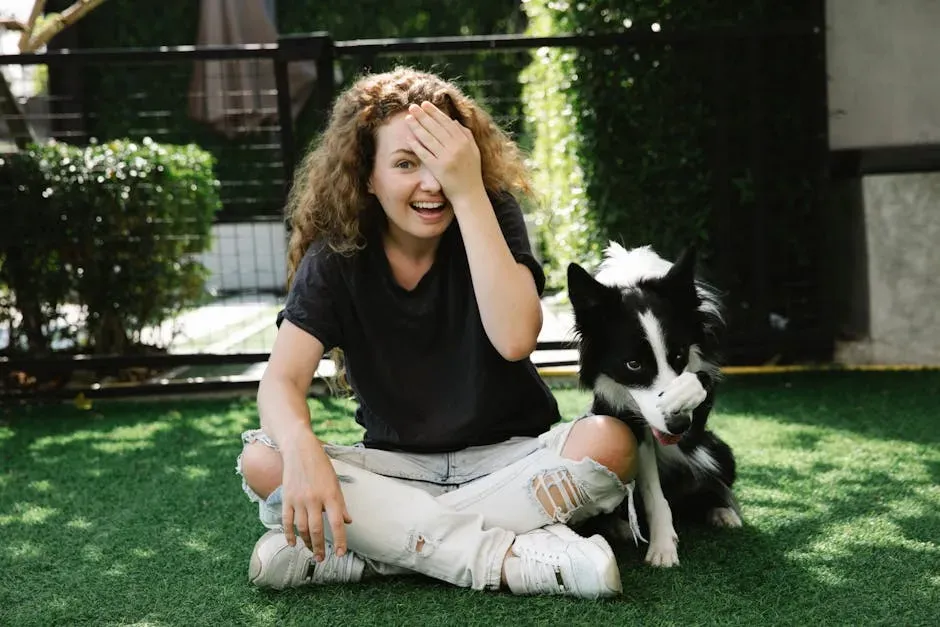
Blowing on your dog’s nose, poking them while they’re napping, pretending to throw the ball and laughing when they run. These all seem harmless and even funny in the moment. Blowing on their nose or poking them while they’re sleeping will only make them feel frustrated or confused. Teasing a dog may also lead to behavioral issues such as hypersensitivity, lack of manners, and aggression. Furthermore, consistent teasing can also damage your relationship with your dogs, causing them to distrust or feel threatened by you.
I know it sounds crazy, but even well-meaning roughhousing that your dog didn’t invite can register as a violation of trust. A dog’s feelings can also be hurt when they feel socially rejected, ignored, or experience inconsistent or unpredictable punishment. Harsh handling, teasing, or unmet needs can further damage your dog’s emotional well-being. Always read your dog’s body language before and during play. If they disengage, yawn, or move away, that’s the signal to stop, full stop.
9. Forcing Them into Uncomfortable Social Situations
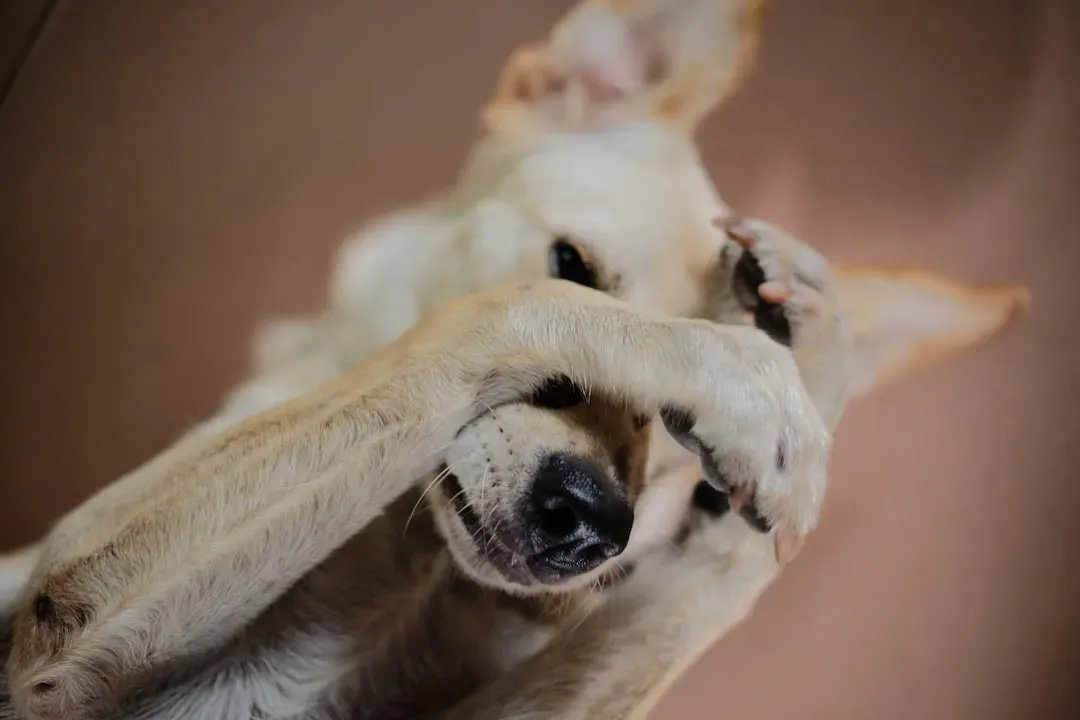
Not every dog is a social butterfly. Some dogs find the dog park overwhelming. Some dogs panic around children. Some dogs absolutely do not want to meet your neighbor’s energetic Labrador. Pushing dogs into interactions they’re not ready for, like with strangers or other dogs, can feel like a betrayal to them. When you force these situations, you’re essentially communicating that their fear doesn’t matter.
If your dog is scared around other pups, it’s your job as a pet parent to respect their boundaries and be their advocate. Avoid overwhelming your dog with too many new experiences at once. Crowded places, loud noises, and chaotic environments can be particularly distressing. Gradual, positive exposure done at your dog’s pace is the gold standard. Being their safe person in an uncertain world is one of the most meaningful things you can do.
10. Neglecting Mental and Physical Stimulation
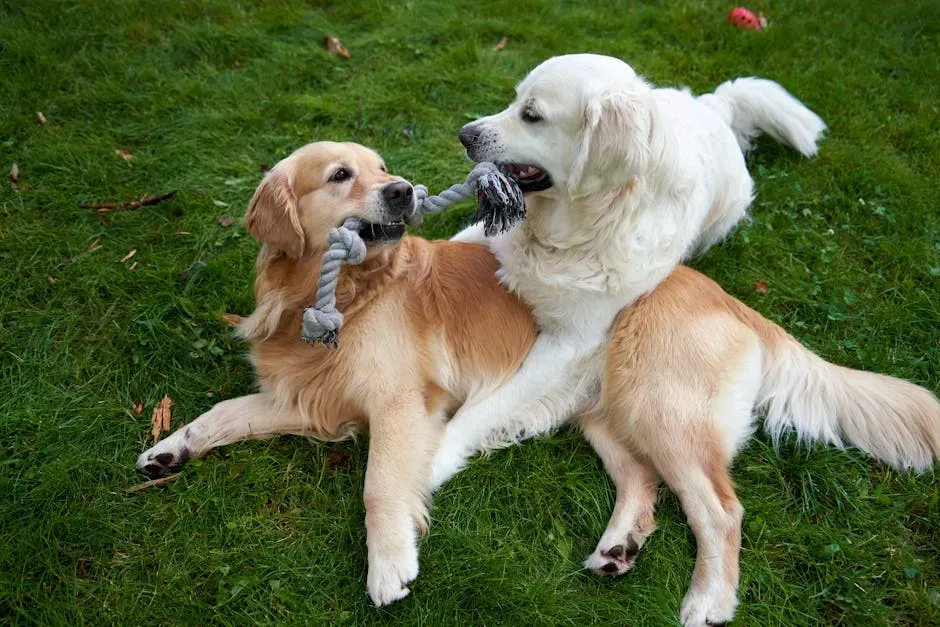
Dogs thrive on exercise and mental stimulation, in other words, playtime. If you don’t provide some quality playtime with your pooch, your dog’s feelings will be hurt, and they might resort to destructive behavior in an attempt to get their exercise. A bored dog isn’t a bad dog. They’re a frustrated dog with unspent energy and an unmet need for engagement.
Playtime doesn’t have to be a full-on Frisbee game in the park. Ten minutes of throwing a ball down your hallway or getting down on the floor for some serious tug of war is all it takes to keep your dog’s spirits up. Boredom can lead to anxiety and destructive behaviors. Think of mental stimulation like brain food for your dog. Puzzle feeders, sniff walks, training sessions, all of it counts. A tired, enriched dog is a genuinely happy one.
11. Punishing Fear-Based Behavior
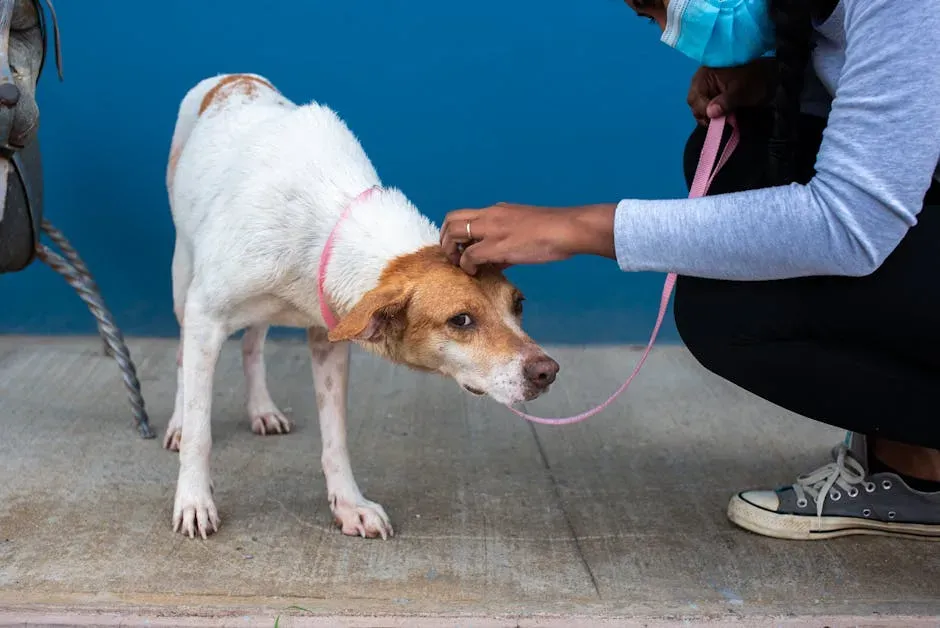
Disciplining your dog for fearful behavior won’t make them “snap out of it” or teach them the “right” way to respond to stressors. Chastisement creates added stress and makes your pup more timid, more afraid, even of you. This is one of the most heartbreaking patterns in dog ownership because it comes from frustration, not cruelty, yet the damage is real.
Punishing fear-based behaviors can also increase the risk of aggression, with other long-lasting consequences. They may react to fear by cowering, urinating, and shaking. Ears back, tail tucked, body low to the ground are all clear signs that your dog is afraid. The best thing you can do for a dog that’s afraid is remain calm and remove the dog from the area or situation. When your dog sees you as the calm in the storm, everything changes. You become safety.
12. Misreading Their Stress Signals

This one is sneaky because the signs are genuinely easy to overlook. Body language changes are another sign your dog’s feelings are hurt or that they are feeling sad and rejected. Your dog may carry their tail low, flatten their ears against their head, cower, or walk with a lowered posture, as if trying to make themselves small or invisible. These aren’t random quirks. They’re distress flags, waving quietly.
People will also commonly misinterpret repeated licking and rolling over as a dog being friendly, but these behaviors are actually signs of stress. Stress can manifest as behavioral or physical changes, and some signs may be subtle and easy to overlook. Prevention tip: spend five minutes each day simply watching your dog without distraction. Over time, you’ll build an intuitive understanding of their emotional baseline, and notice when something feels “off” before it escalates.
13. Not Noticing When They’re in Pain or Unwell

Dogs are stoic creatures. They don’t always whimper or limp dramatically. Pain or illness can also cause stress. Pets may not show obvious signs of pain, so behavioral changes may be the only clue. When we miss these changes, we’re not just missing a health concern, we’re missing our dog silently asking for help. That unmet call for care genuinely hurts them emotionally too.
If you ignore symptoms in your dog, they may view it as a lack of care for their well-being. This leaves them not only feeling hurt but can negatively affect their overall physical well-being. Withdrawal, excessive barking, changes in appetite, or avoidance may be signs of emotional distress or even pain. Don’t ignore these signs. If you notice ongoing signs of anxiety, fear, or behavioral issues, talk to your vet. You don’t have to be a veterinarian to notice your dog isn’t themselves. Trust that instinct. Act on it.
A Final Thought: Love Is a Language You Keep Learning
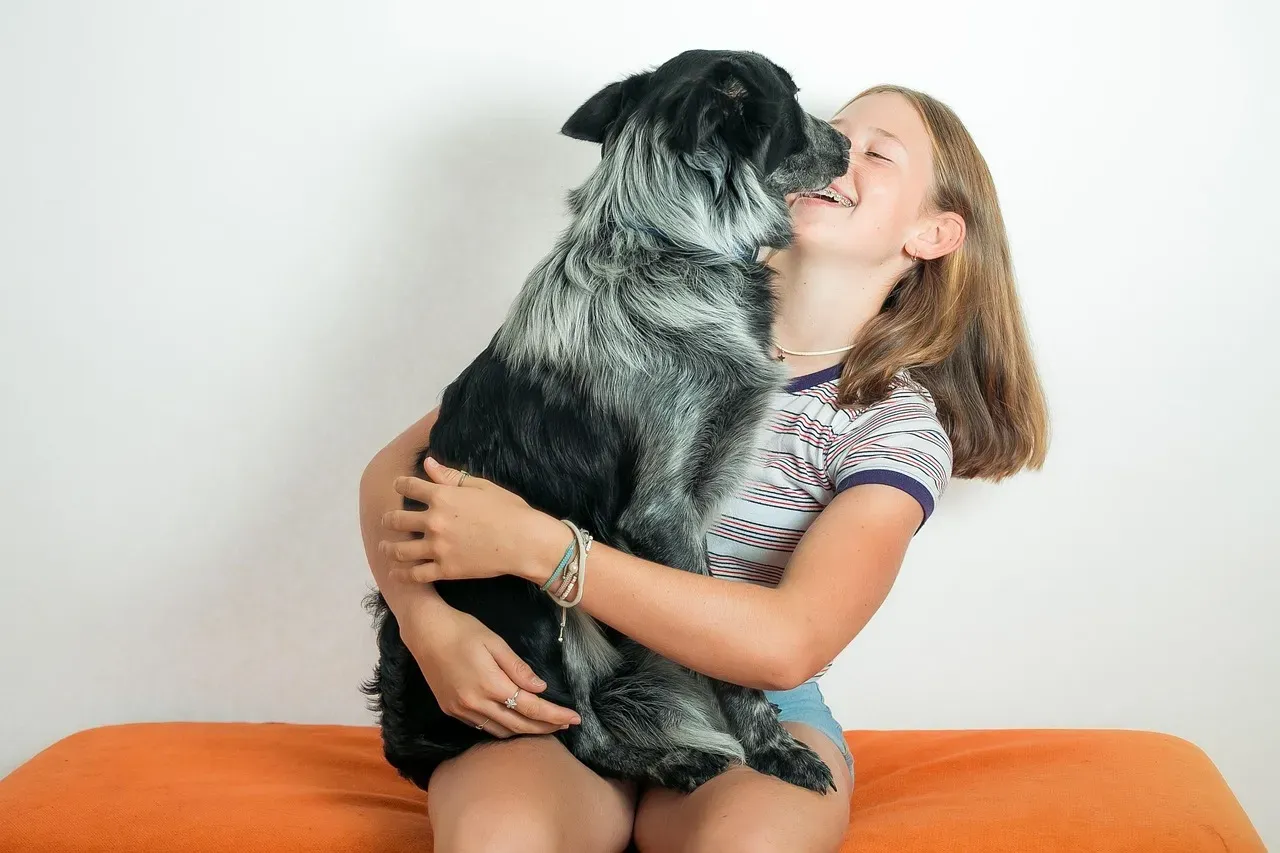
None of the habits on this list make you a bad dog owner. They make you human. The fact that you’re reading this at all says everything about the kind of relationship you want with your dog. If you put in the work to develop a strong bond with your dog, they’ll forgive you if you occasionally hurt their feelings. Dogs are remarkably forgiving. They love us through our worst moments and greet us like heroes every single time we walk through the door.
They accept us humans for who we are, flaws and all, without expecting anything in return. The least we can do for them is reciprocate what they give us, providing them with the unconditional love and support they deserve as cherished members of our family. So pay attention. Slow down. Watch them. Listen in the way they speak, through tail position, eye softness, the way they lean into you or quietly slip away. That’s where the real conversation lives.
Your dog is always telling you how they feel. The question is: are you listening? What small change will you make for your dog starting today? Tell us in the comments.


