
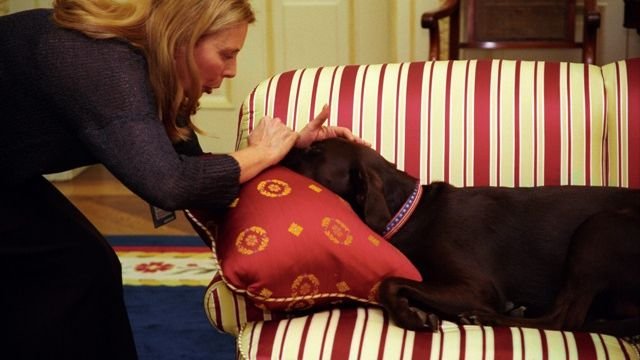
Picture this: you come home after a long day, and instead of a wagging tail and happy eyes at the door, your dog is cowering under the bed, trembling at the sound of a distant car horn. Your heart sinks. You’ve given them food, shelter, and all the love in the world – so what’s missing?
Here’s the thing most dog owners don’t realize: while domestication has made dogs capable of forming deep social attachments with humans, it didn’t immunize them from fear, anxiety, or uncertainty. A dog who lives in a loving home isn’t automatically emotionally secure. A dog’s sense of safety must be built, moment by moment, through a relationship grounded in trust. That’s both a sobering thought and an exciting opportunity. Because you, as their person, hold the power to change everything.
Whether you have a bouncy rescue with a complicated past or a puppy who startles at the sound of the vacuum cleaner, this guide will walk you through exactly how to help your dog feel genuinely safe and deeply secure. Let’s dive in.
Learn to Read What Your Dog Is Actually Telling You
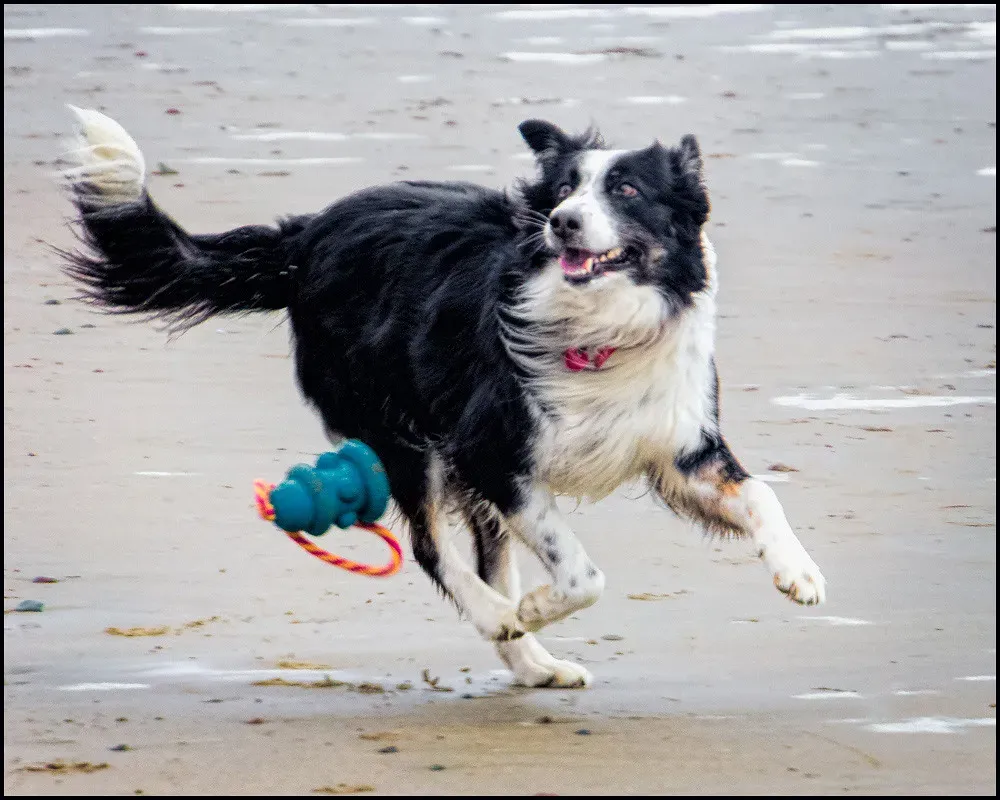
Most of us think a dog is “fine” as long as they’re not yelping or hiding behind the sofa. Honestly, that’s a bit like saying a person is fine because they’re not crying in public. Dogs speak in a language of subtle body signals, and once you learn to read it, everything changes.
Dogs express fear in different ways, from subtle body language cues to more obvious behavioral signs. Recognizing these signs is the first step in offering support. Watch out for skittishness, jumping at sudden movements, withdrawing from people, flinching when approached, or barking and growling when feeling threatened. Things like yawning, lip licking, or turning away often mean your dog is feeling overwhelmed. These aren’t bad behaviors. They’re distress signals.
The signs of anxiety in dogs are often subtle and can easily be misinterpreted unless the full context is understood. A dog shaking after a vet visit isn’t cold – they’re stressed. Other common triggers for fear include loud noises, unfamiliar scents, other animals, and even diagnosed medical issues. The moment you start seeing your dog’s behavior as communication rather than misbehavior, you become a far better advocate for their wellbeing. That shift in perspective alone can be transformative.
Create a Safe Physical Space They Can Call Their Own

Think about how much better you feel when you can retreat to your bedroom after a hectic day. Your dog needs that exact same thing. A dedicated, cozy corner of the world that belongs entirely to them.
A designated, cozy place for your dog is essential for their sense of security and well-being. Much like humans, dogs appreciate having a place in the house to call their own where they can retreat and relax when needed. Create a specific spot in your home where your dog can relax undisturbed. Whether it’s a corner of a room, a cozy crate, or a soft bed, having a designated area gives your dog a sense of belonging.
Crate training is known to make a dog feel more secure, and crates, when used correctly, have the potential to become your pup’s safe haven. Think of it as a den, not a cage. It should be big enough for your pet to stand up and turn around. Incorporate a safe training aid that will assist with positive reinforcement, and make their space as comfortable as possible by dressing the crate with a blanket or an orthopedic crate pad. Some dogs feel even safer when a blanket is draped over the sides of the crate, creating a cozy, dimly lit den-like feel. This space should be equipped with everything they need: food, water, cozy bedding, and toys. Safe spaces are best established in private areas of the home with low traffic and should be available to your dog at all times.
The Magic of Routine: Predictability Is a Love Language
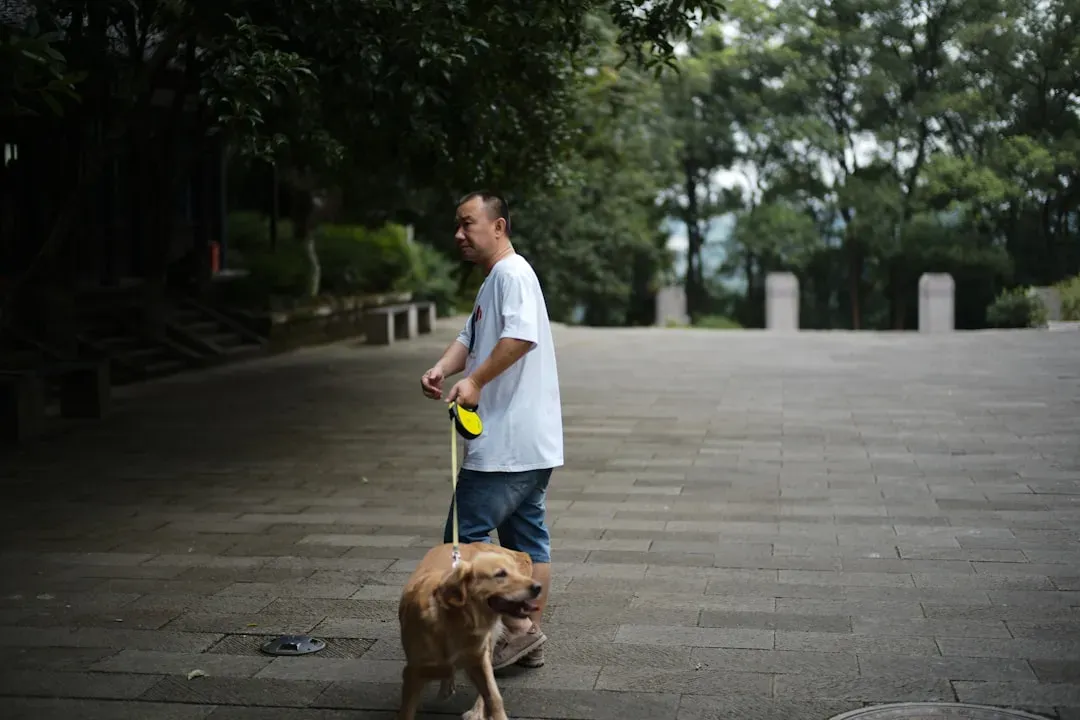
If your dog seems anxious for no apparent reason, take a hard look at their daily schedule. Or rather, the lack of one. Routine is not just a convenience for dog owners – it is genuinely one of the most powerful tools for building a dog’s sense of security.
Dogs thrive on routine. Predictable mealtimes, walks, play, and rest help your , especially if they’re new to your home. It’s almost like giving them a map of the day. When they know what to expect and when to expect it, the world feels far less threatening. When your pup feels safe and like they can count on you to follow through with their routine, it’ll be easier for them to trust you. A consistent schedule also reduces anxiety and can make it easier to train your dog, including potty training.
It’s essential to establish a routine for your dog so they feel comfortable and secure. Dogs are creatures of habit and thrive on predictability and structure. Even small changes can have a ripple effect. Stay consistent as much as possible so your dog doesn’t get confused or stressed. Small changes in a schedule can trigger stress. If your mornings are chaotic and mealtimes are random, your dog is essentially living in a state of low-level suspense every single day. Feed, walk, play, and rest at the same times. It sounds almost too simple, but it works wonders.
The Power of Positive Touch and a Calm Presence
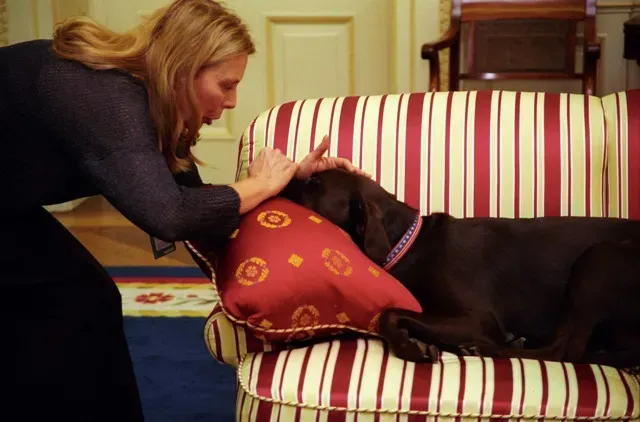
There’s a reason therapy dogs exist. Physical closeness and calm energy between a human and a dog have a genuinely measurable impact on emotional wellbeing – for both parties, honestly. The tricky part is doing it on the dog’s terms.
Good old physical contact is one of the best options for how to make a dog more comfortable. Pet your dog, sit beside their bed, and let them play off your calming presence. Just make sure you’re also calm and positive. Your dog is reading your body language constantly, even when you think you’re just sitting quietly. Sometimes your dog won’t want to be touched, but they still want to be around you. Even your close proximity can help your pet feel better about what’s distressing them. Only initiate physical contact if your dog comes to you.
Regular brushing, gentle petting, or massage not only keeps your dog healthy, but it also reinforces your bond. Touch builds trust and comfort, especially when it’s paired with positive experiences. Take time to learn how your dog likes to be handled. Some love belly rubs, while others prefer ear scratches or just being near you. Think of it less like cuddling and more like a negotiated agreement between two beings who deeply trust each other. Let the dog set the pace, and you’ll be amazed how quickly the walls come down.
Use Training and Socialization to Build Real Confidence
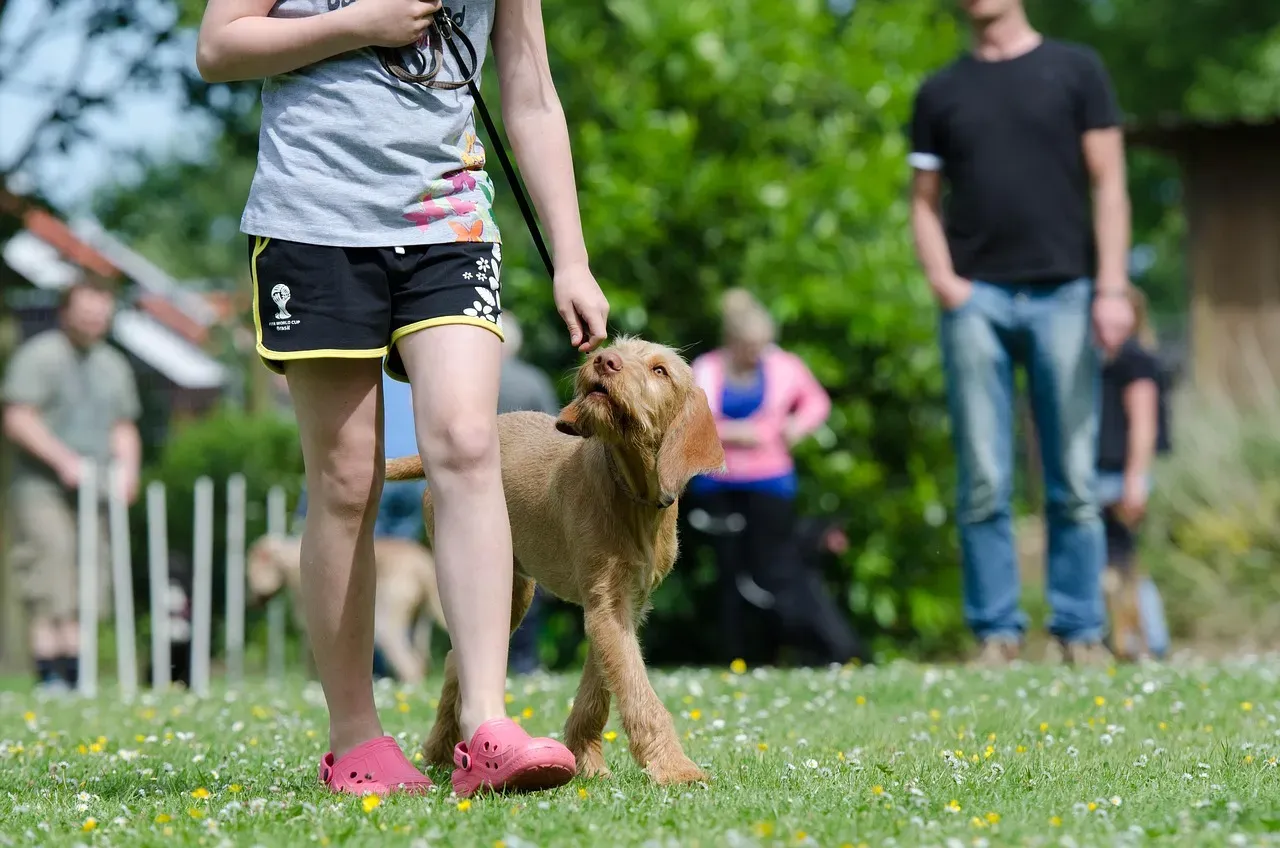
Let’s be real – a dog who doesn’t understand the world around them will always feel anxious in it. Training isn’t about making your dog obedient for your convenience. It’s about giving them the tools to navigate life without fear.
Training your dog using positive reinforcement is not only effective, but it’s also a relationship builder. Rewarding good behavior with treats, praise, or playtime reinforces your bond and creates a safe space for learning. Avoid punishment-based methods, which can damage trust and create confusion or fear. Instead, focus on consistency, patience, and celebrating progress. Imagine being scolded for being scared of something. That’s exactly what punishment-based training feels like to a dog.
One way to help a dog feel more confident is to use repeated exposure to the scary thing so that it becomes less novel and more routine – this is called desensitization. Pair that with counter-conditioning, where the scary trigger is linked with something delicious, and you’ve got a genuinely powerful combination. Proper socialization is crucial to ensuring your dog feels comfortable around different people, animals, and environments. A well-socialized dog is less likely to develop behavioral issues such as fear or aggression. From a young age, introduce your dog to a variety of situations, such as meeting new people, other dogs, or visiting different places. Early and ongoing exposure helps your dog develop confidence in unfamiliar environments. If your dog is older and behind on socialization, don’t panic. Dogs don’t stop learning. In fact, they continue to learn throughout their lives.
Know When to Seek Professional Help – and Don’t Wait Too Long
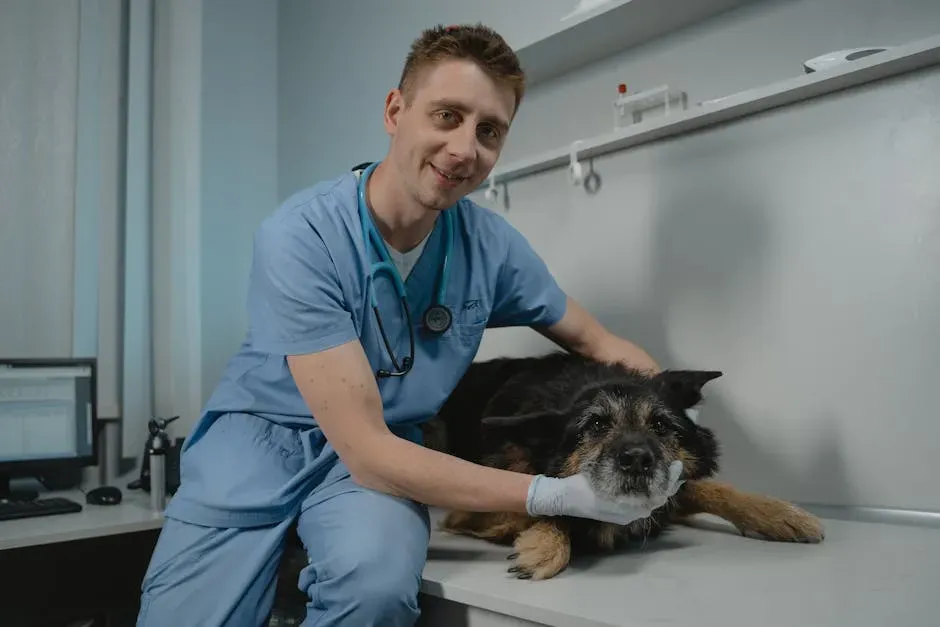
Here’s something I think many dog owners struggle with: the guilt of feeling like they should be able to “fix” their dog’s anxiety on their own. Sometimes love and routine and a cozy crate just aren’t enough. That’s not a failure. That’s just reality.
Canine anxiety is common, and it’s not a “bad dog” problem – it’s a nervous system and coping-skills problem. If your dog struggles with separation, noises, new places, or unpredictable triggers, an exam can rule out medical contributors and help build a behavior and treatment plan. The earlier you seek help, the better the outcomes tend to be. The best way to treat anxiety is to talk with your veterinarian. Your veterinarian can help you identify the type of anxiety your dog suffers from and the possible causes and triggers. They will also be able to help you determine if the anxiety is simply situational, or if it’s becoming an overwhelming issue for your dog. Additionally, veterinarians can also rule out any other medical conditions that could be causing your dog’s symptoms.
A qualified trainer will work with you to create a personalized training plan and show you how to help your dog build confidence through positive experiences. They can also help you correctly implement desensitization and counterconditioning techniques. For severe cases, you should reach out to a fear-free certified veterinarian or a veterinary behaviorist. These professionals are specially trained to help frightened dogs feel safe. They can determine whether medication is appropriate in conjunction with behavior modification and suggest management techniques. It’s hard to say for sure how quickly you’ll see progress, but with the right support, most dogs improve significantly.
Conclusion: Safety Is Something You Build Together
Making your isn’t a one-time gesture. It’s not a fancy dog bed or an expensive toy. It’s a daily practice built from small, consistent acts of understanding, patience, and love.
Dogs are remarkably resilient and forgiving. They can bounce back, and their secure attachment can be rebuilt with patience and empathy. Whether you’re starting fresh with a puppy, working through the quirks of a rescue dog, or simply trying to deepen your bond with a dog you’ve had for years, every single step you take toward understanding their needs matters.
Read the subtle signals. Respect their space. Stick to routines. Build trust through gentle, positive interactions. And never hesitate to ask for help when you need it. Your dog isn’t asking for perfection – they’re asking for a safe place to land. With the right approach, that safe place is you.
What is one thing you’ll do differently for your dog starting today? Tell us in the comments – your story might just inspire another dog lover to take that first step.


