
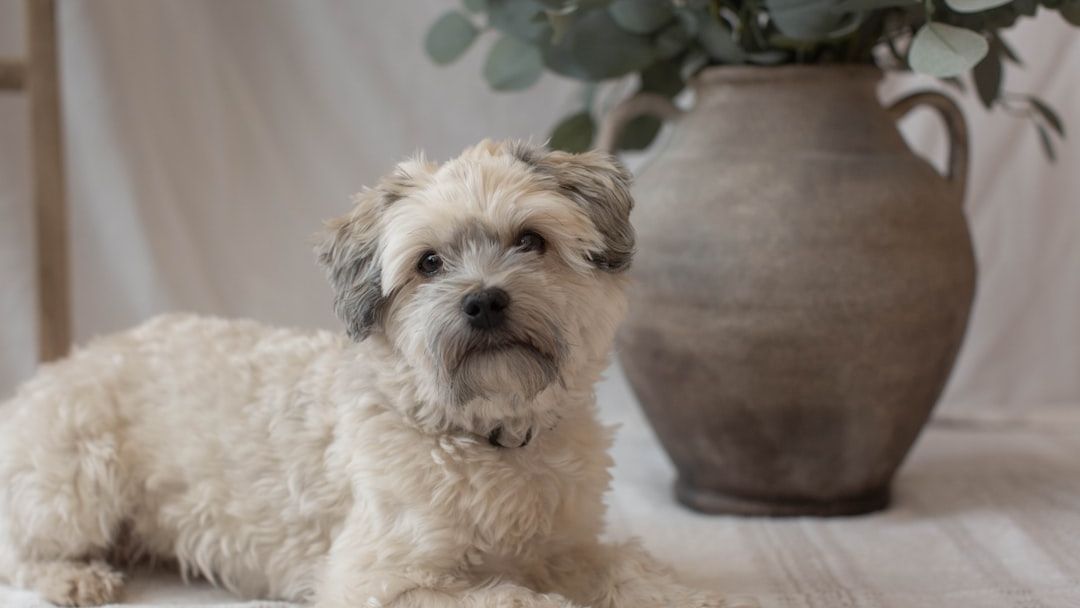
#1: Cavalier King Charles Spaniel
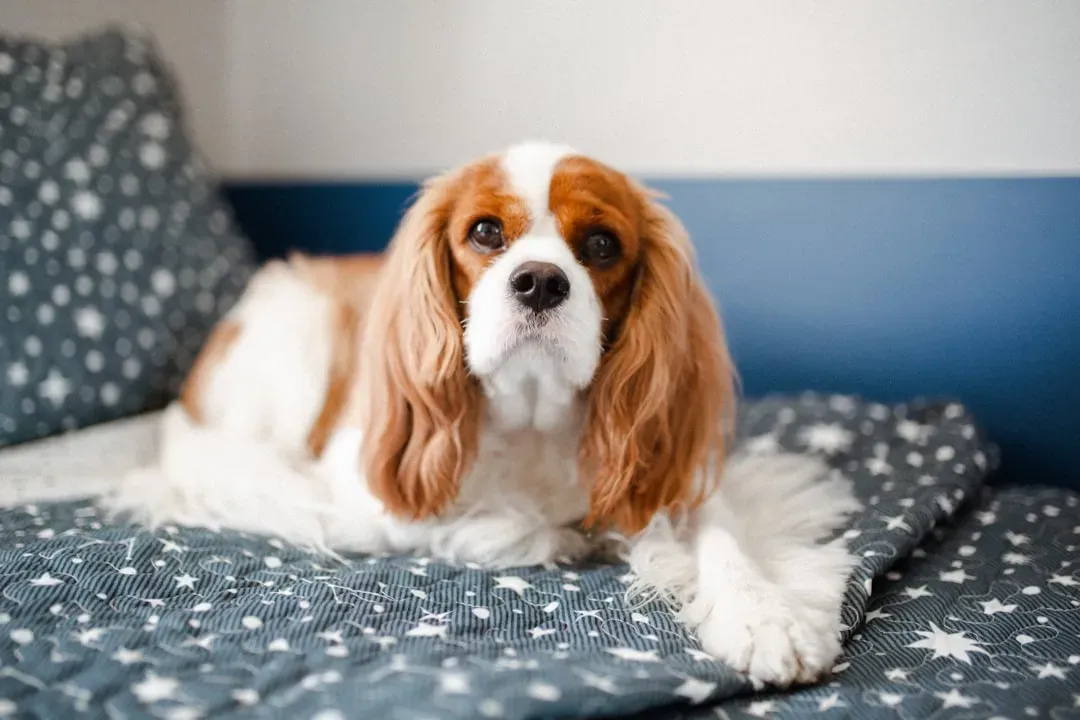
Cavaliers are a petite spaniel breed, typically weighing between twelve and eighteen pounds, with a medium-length, silky coat. Known for their sweet, gentle, and playful nature, they’ve earned the nickname “love sponge” due to their fondness for snuggling up with their owners. Few breeds manage to be this consistently gentle without seeming passive – the Cavalier is simply present in the best way possible.
The Cavalier King Charles Spaniel was bred to be a comforting, non-aggressive, and gentle pet. Their high intelligence makes them easy to train as they are eager to please, and they are excellent companion dogs perfectly suited for apartment living. If you want a dog that genuinely thrives in your company rather than merely tolerating it, this breed delivers every single day.
#2: Maltese
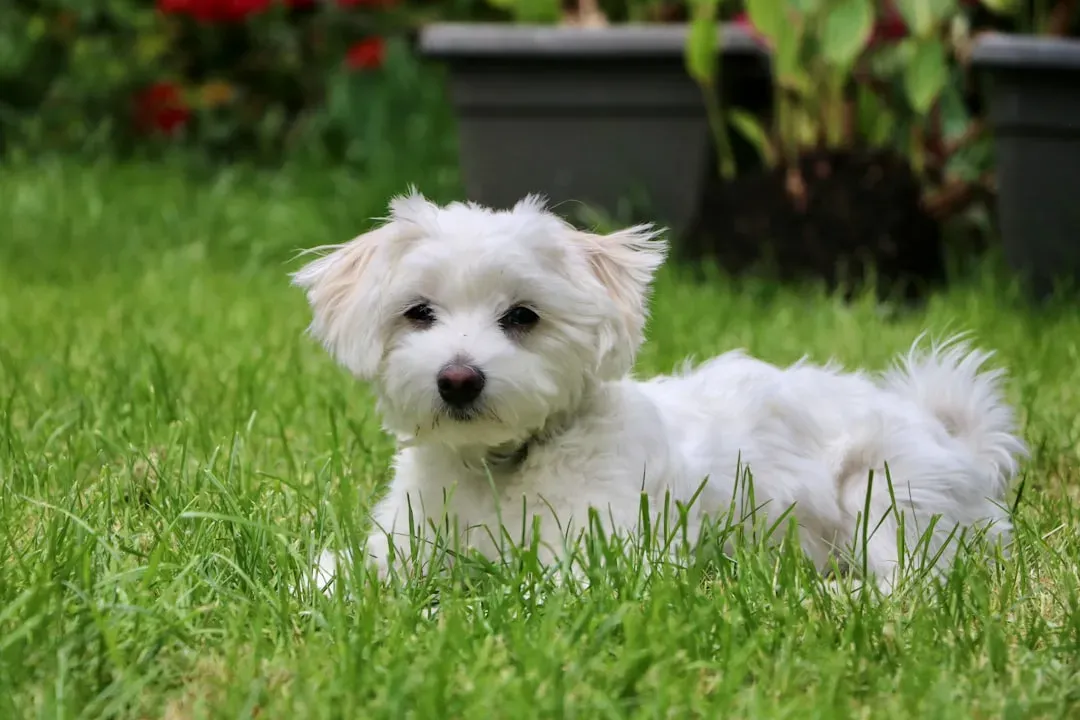
The Maltese is a sweet, gentle dog that is deeply devoted to its owner. Its small size makes it easy to manage, and it can thrive in smaller living spaces. Maltese dogs have a calm demeanor, which makes them excellent companions. They enjoy short walks but are also content spending quiet time at home. There’s a reason this breed has been treasured as a companion dog for centuries.
The Maltese has a silky white coat that doesn’t shed much but still needs a fair amount of combing and care. Keeping them shorn is an option, but these dogs love sitting in humans’ laps, so regular grooming could be a bonding activity. They are very adaptable to different environments, including as apartment dogs, making them a good choice for seniors in small living spaces. Grooming sessions become quiet rituals rather than chores – a lovely unexpected perk of this breed.
#3: Shih Tzu
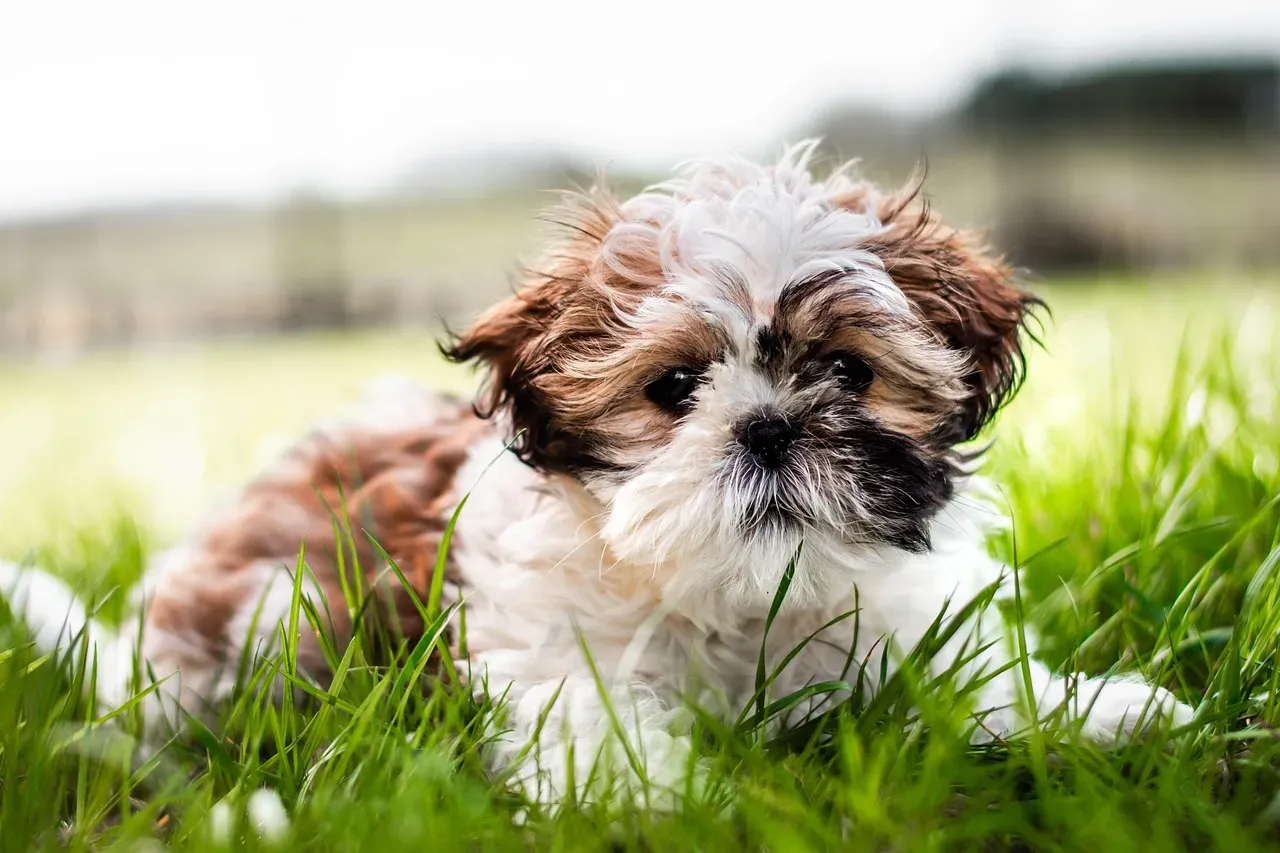
This breed lives for cuddles and attention. Shih Tzus are excellent lap dogs and take a welcoming attitude toward strange people and other pets. Playful but not overly active, these dogs get enough activity through short daily walks. They are highly adaptable and thrive equally well in a large suburban house or a small city condo. That kind of flexibility is genuinely hard to find in any breed.
A solid little dog weighing up to sixteen pounds, the Shih Tzu requires minimal exercise and is content living in apartments, so long as you’re there, too. Shih Tzu owners say the breed is “happy, even-tempered, and eager to please,” and they get along well with other dogs and with children. If the silky coat is kept long, it requires daily brushing. A groomer can also give the Shih Tzu a “puppy trim” that’s much easier to look after. Either way, this dog is simply a joy to have around.
#4: Pomeranian
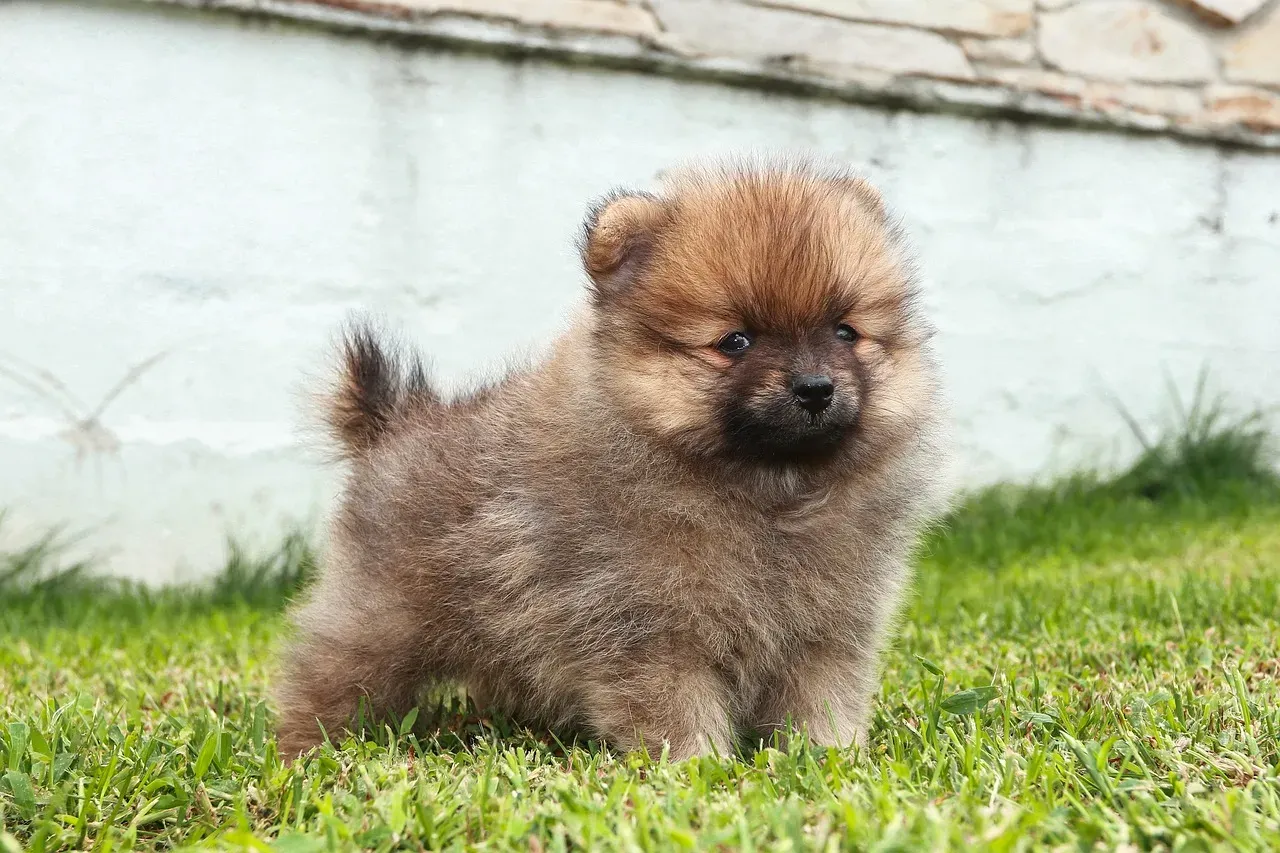
The tiny, vivacious Pomeranian with their wonderful-to-pet silky coats descend from Spitz dogs in the Arctic region of Iceland. Famous Pomeranian enthusiasts include Mozart, Chopin, and Michelangelo. Poms are smart and easy to train, and their playfulness is satisfied with indoor games or short outdoor walks. They also enjoy time to just hang out on your lap. A dog with that kind of artistic pedigree has clearly always understood good taste.
Pomeranians are small, soft, and furry dogs. They are very affectionate and love attention. They are great for older adults who can give them plenty of time and energy. Because they have a longer coat, they need to be brushed frequently to maintain a healthy shine. They stand six to seven inches tall, weigh between three and seven pounds, and come in different colors. Their life expectancy is twelve to sixteen years. That’s a lot of years of warmth and companionship sitting right in your lap.
#5: Havanese
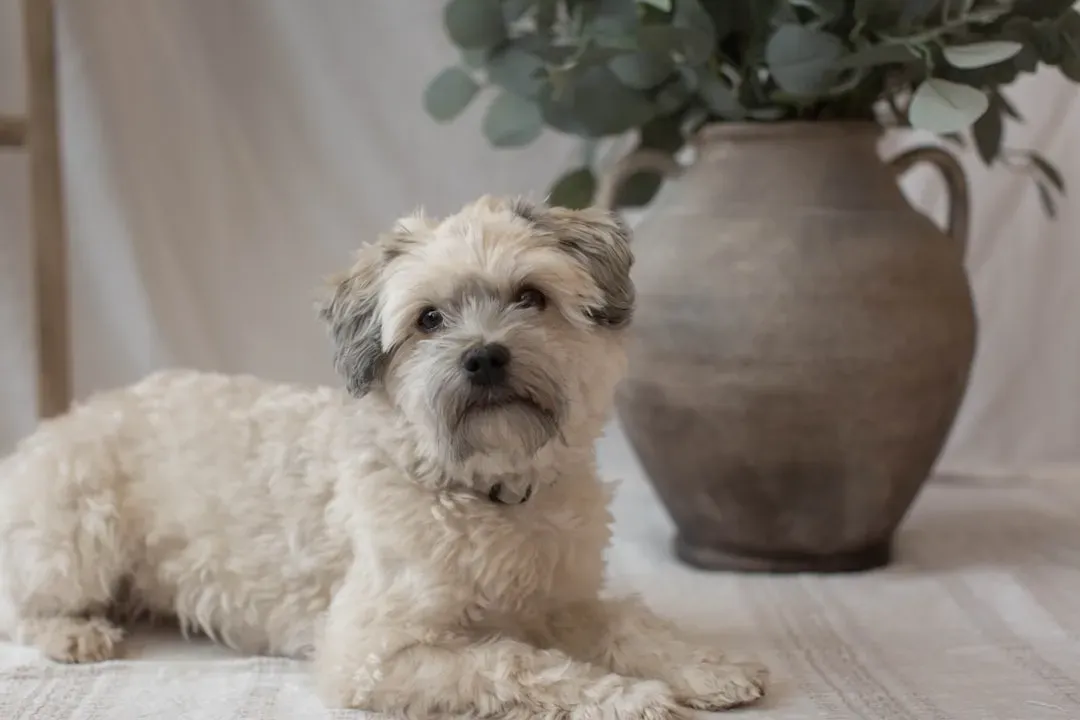
The only breed native to Cuba, the Havanese is a cheerful, quiet little dog described as “happy, loving, intelligent, social, and accommodating.” They’re content to stay inside and snuggle with their humans and will play patiently with children. Havanese don’t require much exercise but are happy to take occasional short walks. It’s a remarkably balanced temperament – lively enough to keep things fun, calm enough to fit a quieter lifestyle.
The Havanese is another friendly small lapdog breed and a wonderful choice for seniors. These dogs have big dark eyes and faces that will make you fall in love with them. Havanese are often trained as therapy pets because they adore human attention and are friendly, funny, and loving. They are smart animals that are easy to train, many work as therapy dogs. They have cheerful dispositions and adore being the center of attention. A walk each day will keep them satisfied.
#6: Toy Poodle
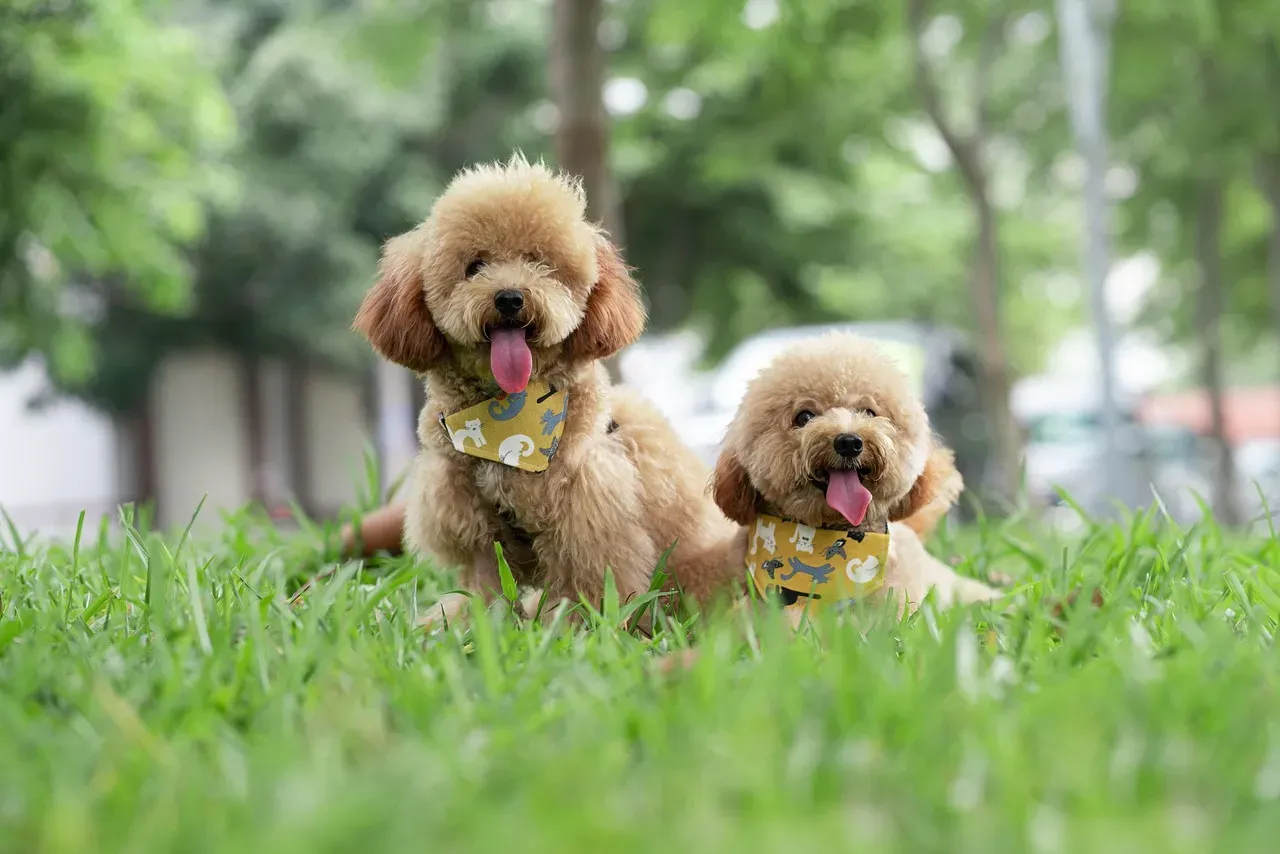
Poodles are very smart and easily trained. They form a strong bond with their owner and love to be in a family setting. They’re very gentle and sweet animals. They don’t need a lot of exercise other than a daily walk. They don’t shed, but do need to be groomed monthly. who are sensitive to pet hair or allergies, the Toy Poodle is a genuine blessing.
Poodles are good companion dogs thanks to their extraordinary intelligence and highly trainable nature. They form a strong bond with more than one member of their human families and are one of the best dogs for couples. They are sweet, gentle, and loving animals. Poodles need a daily walk but are otherwise content to play or just lie on the couch. Their small size, sharp mind, and low-shedding coat make them one of the most practical choices on this entire list.
#7: French Bulldog
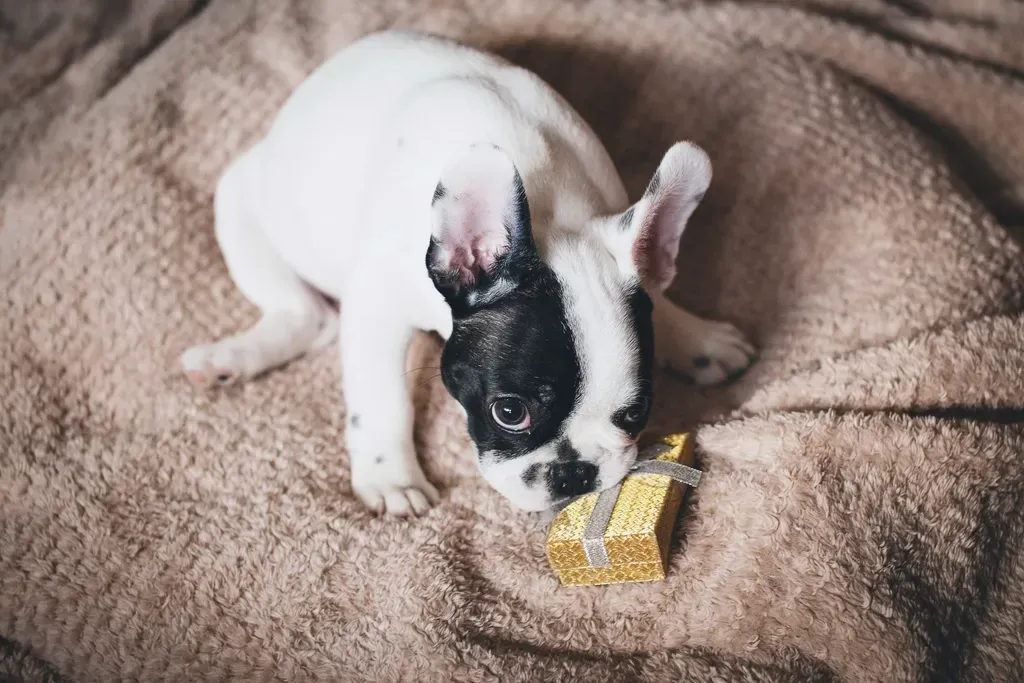
For older adults seeking a low-energy, low-maintenance dog, the French Bulldog is a perfect fit. These dogs are loyal and friendly, with a calm temperament that suits apartment living or smaller homes. French Bulldogs do not require extensive exercise. Additionally, they have minimal grooming needs, making them an easy breed to care for. If you want a dog that’s content to simply be near you, this is your breed.
For the past several years, the French Bulldog has scored as the most popular dog breed based on AKC registration statistics, and with good reason. With their big brown eyes and alert ears, they’re hard to resist. They don’t bark a lot, so they can be good apartment dwellers. However, they can get sick, so they need to see the vet often. That’s worth planning for financially, but for many women, the deep bond this breed forms more than offsets the extra care.
#8: Yorkshire Terrier
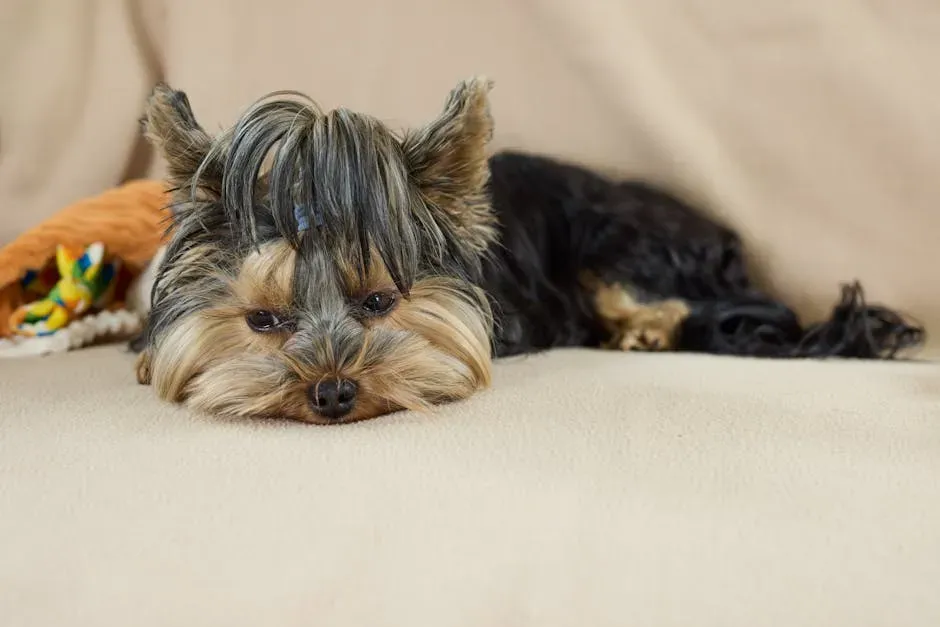
Yorkshire Terriers are highly suitable as lap dogs, measuring in at even a little bit smaller than pugs. They’re not big barkers, typically, and are otherwise relatively calm and quiet pets. Yorkies prefer to save their energy for walks with their owners and are generally well-behaved at the end of a leash and in the car when it’s time to go for a ride. That combination of quietness and loyalty makes them ideal for apartment living or shared housing.
The Yorkie’s personality is larger than its tiny frame suggests. These little dogs are spirited, devoted, and surprisingly confident – never clingy, always affectionate. Some lap dogs form strong emotional attachments, especially with one special person. The best dogs for women living solo or working from home are devoted companions and emotional supporters. They’re affectionate, loving, and often very tuned into their owner’s feelings. The Yorkie exemplifies this quality more than most.
#9: Bichon Frisé
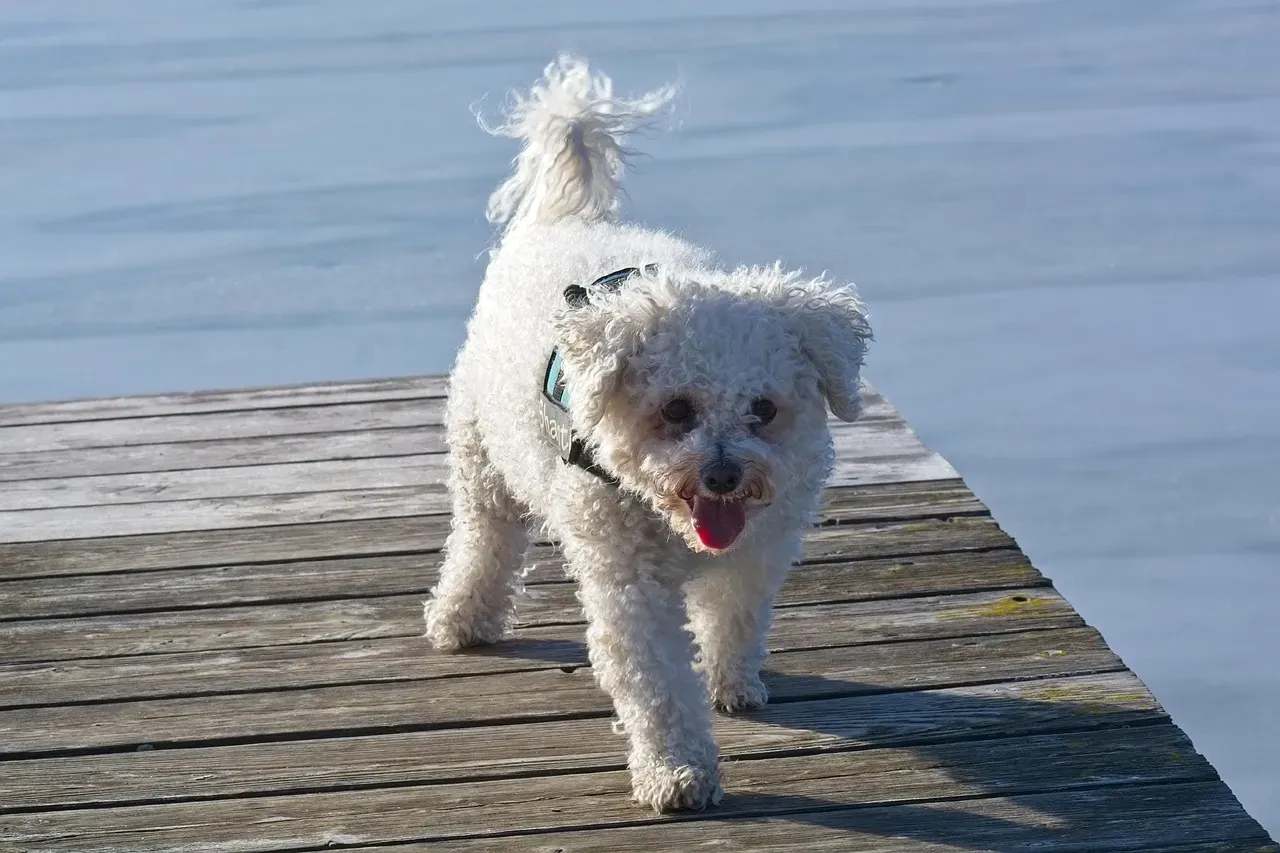
The Bichon Frisé is cheerful, adaptable, and hypoallergenic. Their playful demeanor keeps spirits high, while their small size makes them easy to manage. They look like a living stuffed animal – a fluffy white powder puff that happens to be full of warmth and personality. It’s almost impossible not to smile when one of these dogs trots into a room.
One of the best things about small lap dogs is that many live long, happy lives. These breeds can remain cuddly, playful companions into their late teen years, offering many joyful and loving moments by your side. The Bichon Frisé in particular is known for its longevity and consistent cheerfulness throughout its life. Small breeds adapt well to smaller living spaces, which are common among elderly individuals. They don’t need large yards and can comfortably live in confined spaces. Their ease of transport is another significant benefit, allowing seniors to take their small dog along when traveling or visiting family.
#10: Chihuahua
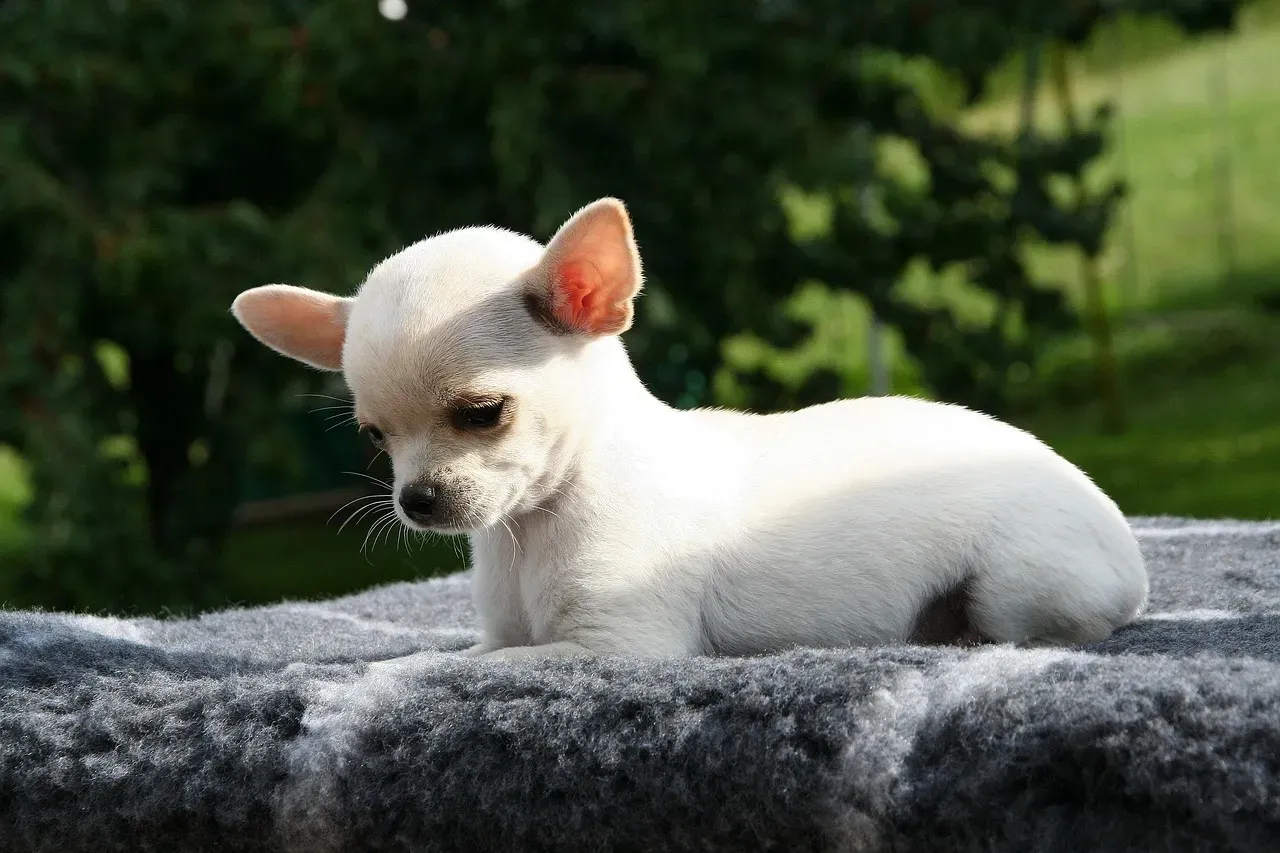
Chihuahuas are small and full of personality. These affectionate dogs form strong bonds with their owners and are fiercely loyal. They are ideal for individuals who prefer a lightweight dog. Don’t let the petite size fool you – a Chihuahua picks a person and loves them with an intensity that larger breeds often can’t match. That fierce devotion is something truly special for a woman living on her own.
A Chihuahua would be a breed to consider because they have a very long lifespan. Some even live to be close to twenty years old. An ultra-small dog with a big-dog personality, Chihuahuas are well suited for seniors seeking a low-maintenance companion. They need very little space, thrive on affection, and ask for nothing more than to be close to the person they love. For a senior woman who wants a companion that is truly, wholly hers, few breeds rival this one.
Final Thoughts: Choosing the Companion That Chooses You Back
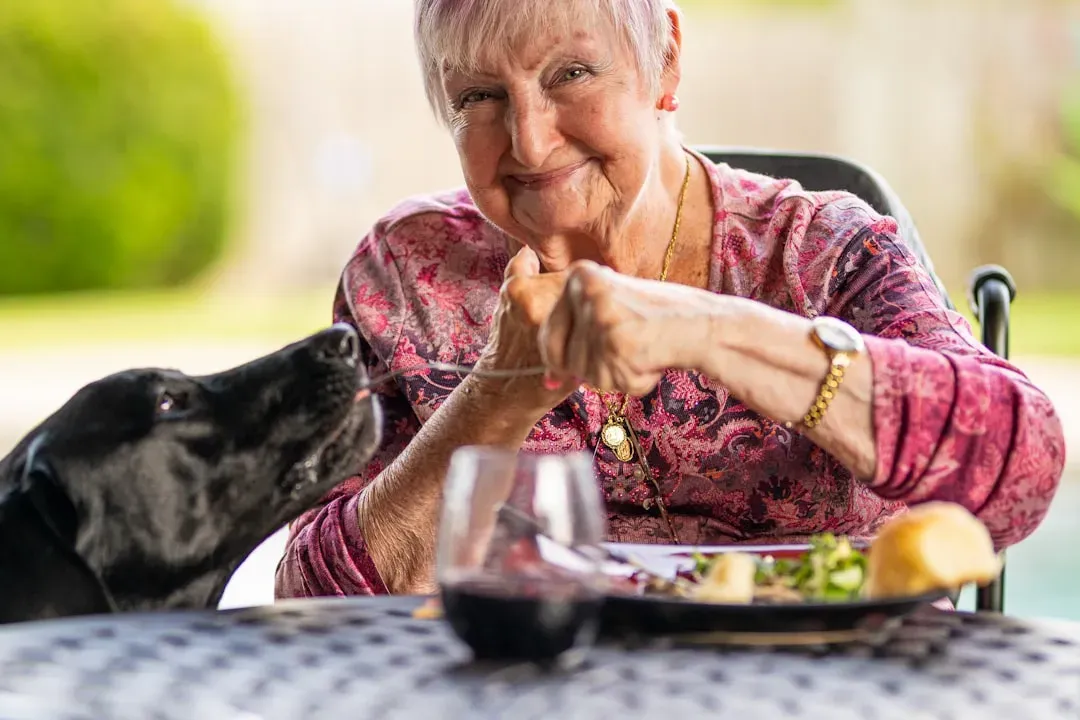
Every breed on this list has earned its place not through popularity alone, but through a proven track record of genuine, uncomplicated devotion. Dogs are drawn to calm, gentle, and consistent people. Seniors often provide affection, patience, and predictable routines, which dogs naturally respond to with trust and love. In other words, senior women don’t just benefit from dogs – they often bring out the very best in them.
Choosing the right dog breed goes beyond looks and popularity. Seniors need a pet that is affectionate, easy to train, and relatively low-maintenance. Additionally, factors such as exercise needs, grooming requirements, and temperament play an important role. By selecting the right breed, retirees can enjoy the benefits of pet ownership without overwhelming challenges.
Here’s the honest truth: the “best” lapdog isn’t necessarily the most beautiful one, or the trendiest breed on social media. It’s the one that fits your rhythm, settles into your home like it always belonged there, and reminds you – without a single word – that you’re not alone. That kind of companionship isn’t something you buy at a pet store. It finds you. You just have to be open to it.


