

#1 – Pit Bull-Type Dogs
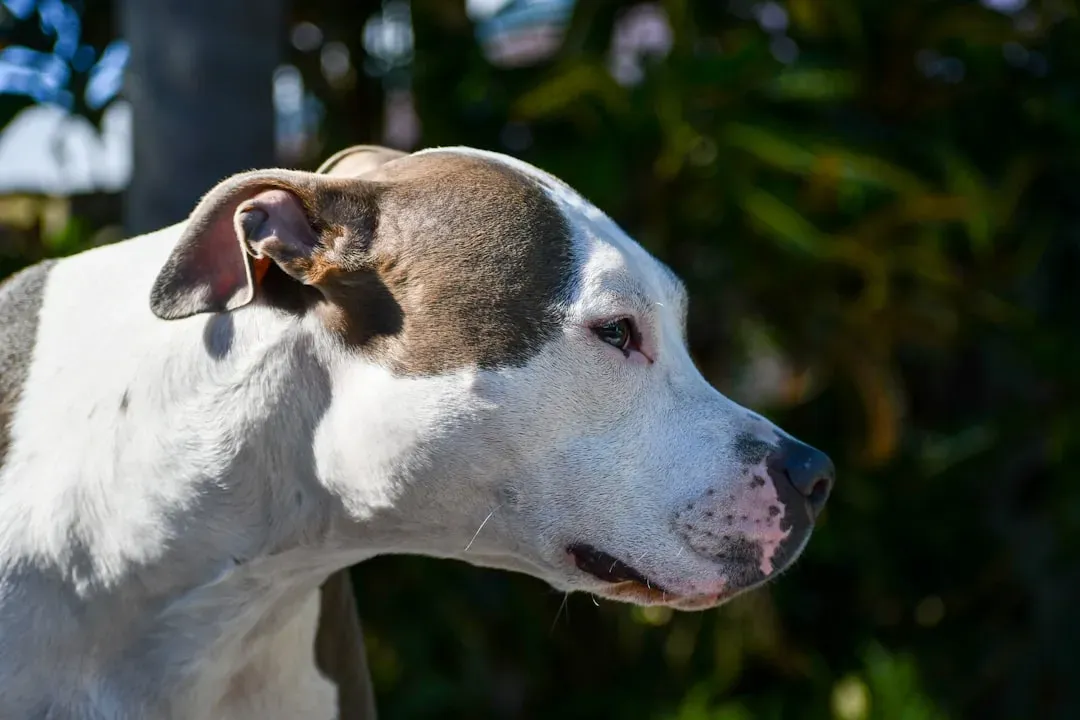
When it comes to severe and fatal bite incidents, no breed appears in the data more consistently than Pit Bull-type dogs. According to data shared by the American Veterinary Medical Association on dog-bite-related fatalities over a period of 20 years, Pit Bulls are responsible for the most fatal dog attacks. That kind of longitudinal consistency across decades of data is difficult to dismiss outright.
A report by Clinical Pediatrics found that half of bites requiring surgical intervention were from Pit Bull dogs, and they were 2.5 times more likely to bite in multiple locations. That pattern of repeated biting in a single incident is what makes a Pit Bull attack particularly dangerous. The American Veterinary Medical Association reviewed decades of data and concluded that no single breed is a reliable predictor of aggression, with factors like an owner’s behavior, training practices, the dog’s sex and neutering status, and the environment being far better indicators. So while the statistics are real, context around ownership matters enormously.
#2 – Rottweiler
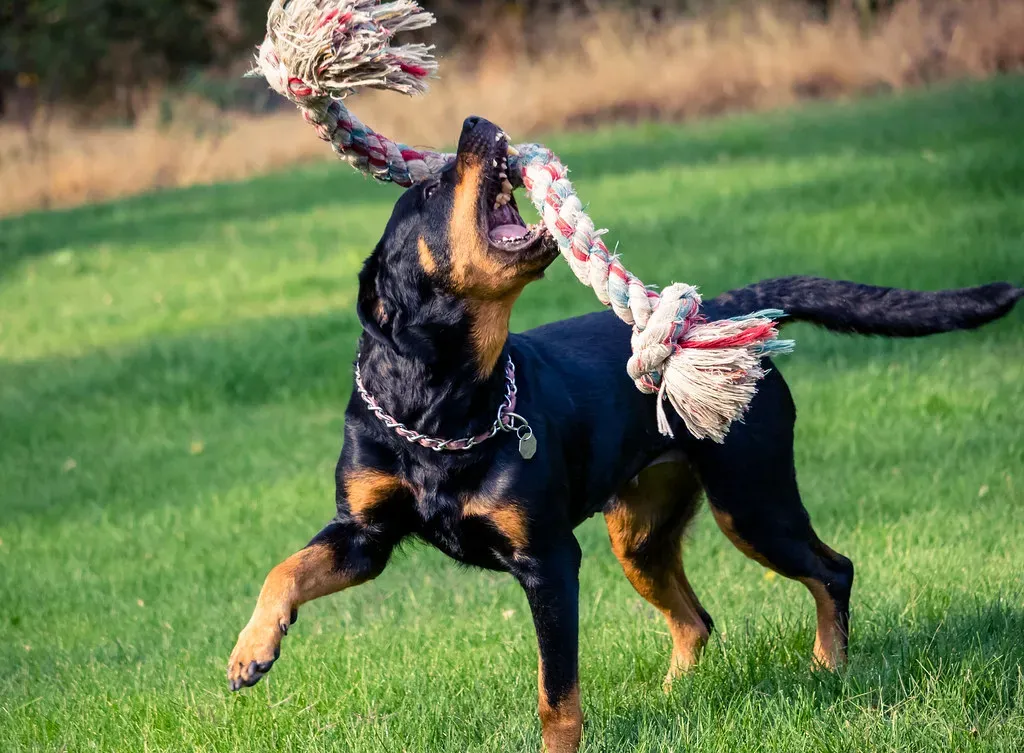
Rottweilers are powerful, loyal, and deeply protective dogs with a working heritage that traces back centuries. The Rottweiler is an ancient breed originally used for herding cattle to market. While often thought of as a dangerous breed, it has a much lower PSI than mastiffs, though the average dog from this breed has a pressure rating of 328 PSI. That bite force, combined with a muscular frame, means that when a Rottweiler does bite, the injuries tend to be severe.
Together, Pit Bulls and Rottweilers were involved in approximately 76% of all fatal dog attacks, with Rottweilers alone responsible for 51 deaths. Although Pit Bulls and Rottweilers make up only 6% of dogs in the U.S., they are responsible for most fatal attacks. In surveys of veterinarians, Rottweilers were rated among the breeds least appropriate for families with children, with only about 17% of vets considering them appropriate. Experienced handling, firm training from puppyhood, and proper socialization are non-negotiable with this breed.
#3 – Chow Chow

The Chow Chow carries a distinctive lion-like appearance and an equally distinct reputation in veterinary circles. In a peer-reviewed survey of small animal veterinarians, Chow Chows were perceived as posing the highest risk of serious bites, with 60.6% of participating vets rating them as high risk. That figure is striking because it reflects the professional opinion of the people who interact with these dogs on a clinical level, not just anecdote.
In surveys of veterinarians, Chow Chows were perceived as having the highest bite risk among common breeds. These dogs are naturally aloof with strangers and have strong territorial instincts. Chow Chows require extensive socialization from puppyhood and are generally not recommended for first-time dog owners. Their tendency toward one-person or one-family bonding means they may be less tolerant of strangers than more social breeds. That selective loyalty makes them rewarding for the right owner, but genuinely risky in unprepared hands.
#4 – German Shepherd
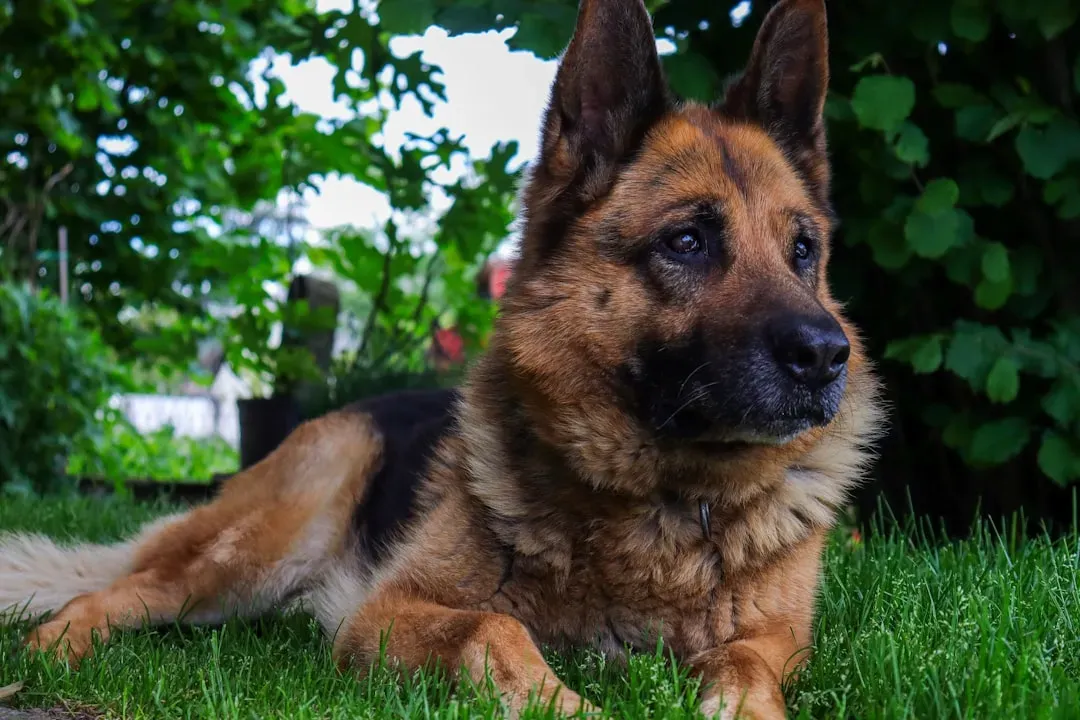
German Shepherds are trusted police partners, celebrated search-and-rescue dogs, and popular family pets. Their intelligence and versatility are genuinely impressive. The complication is that those same traits, particularly their guarding instinct and willingness to act on perceived threats, contribute to their frequent appearance in bite reports. In CDC bite-fatality data, German Shepherds ranked third, with 19 reported deaths between 1979 and 1996, and pediatric bite data also places them second only to Pit Bulls for child-related injuries.
A study on dog-specific risk factors found German Shepherds and Chow Chows were more likely to bite non-household members, particularly children under 12. German Shepherds used as military and police dogs have a bite force ranging from 238 to 305 PSI. That combination of protective instinct and physical capability is what places them on this list, even though millions of well-trained German Shepherds live peacefully alongside families every day.
#5 – Akita

Akitas are large, dignified dogs with deep roots in Japanese hunting and guarding traditions. They tend to inspire admiration from a distance. Up close, however, they demand a great deal of experience and respect. Akitas are large Japanese dogs originally bred for guarding and hunting. They have strong protective instincts and tend to be reserved with strangers. Like Chow Chows, Akitas are not naturally social with unfamiliar people or dogs. These dogs require experienced owners who understand their independent nature and can provide appropriate socialization while respecting their temperament.
In the same veterinary survey, Akitas were perceived as high bite risk by 41.8% of participating vets, placing them firmly in the upper tier of concern. Akitas were found to be the most aggressive toward other dogs, with 29.3% having earned the maximum aggression score in a structured study. Akitas are often not suitable for homes with small children or other pets, a recommendation that vets and animal behaviorists consistently reinforce.
#6 – Doberman Pinscher
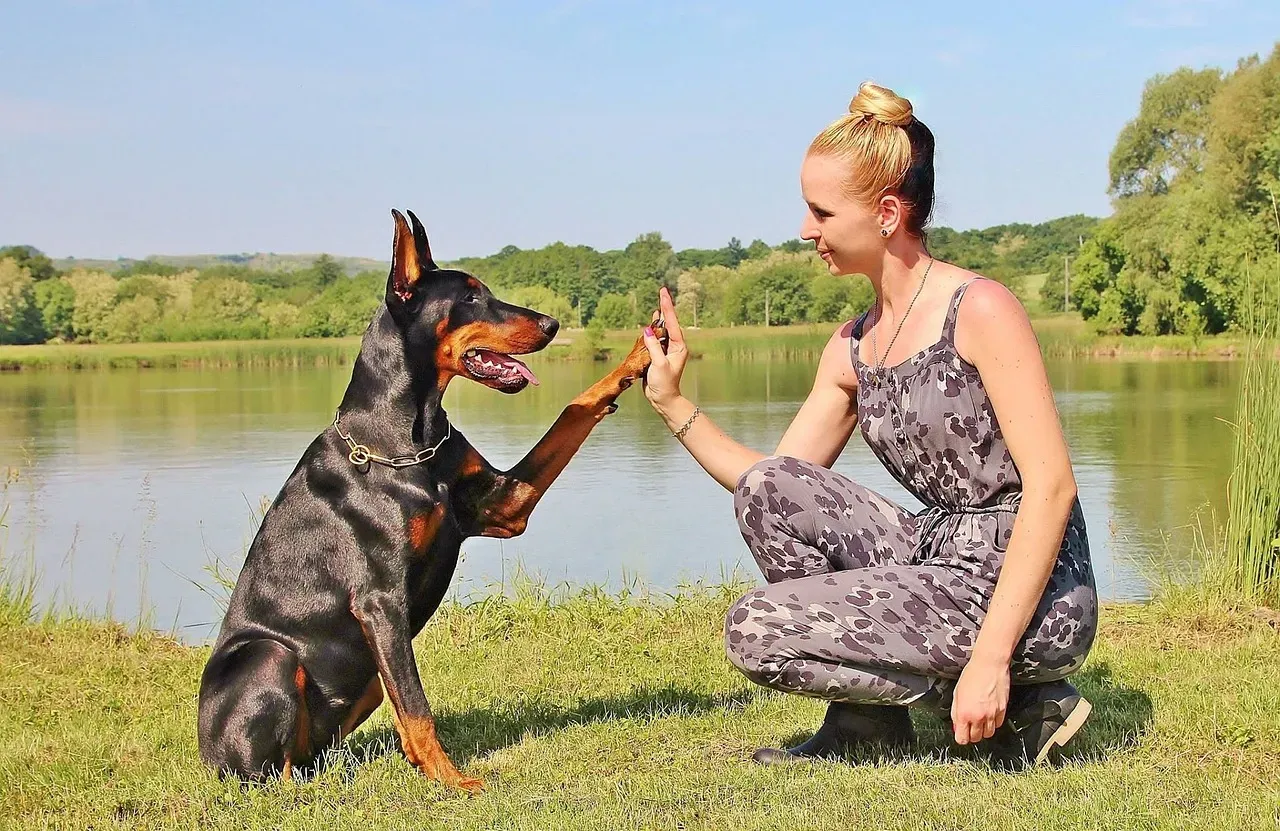
Few breeds carry as much cinematic menace as the Doberman, though the reality is more nuanced. Doberman Pinschers are sleek, powerful, and intelligent dogs often associated with protection. Their bite force is significant, and their history traces back to 19th-century Germany, where they were bred by a tax collector for personal protection. That original purpose still echoes through the breed’s behavioral tendencies today.
A Doberman’s temperament is typically intelligent, alert, and fiercely loyal to their family. They are courageous and can be highly protective. However, they can also be wary of strangers if not properly socialized from a young age. Dobermans need a strong leader and consistent training to channel their protective instincts positively. Properly socialized Dobermans from reputable breeders typically have stable temperaments, but those from questionable breeding operations or raised without adequate socialization may be more prone to fear-based or territorial aggression.
#7 – Siberian Husky
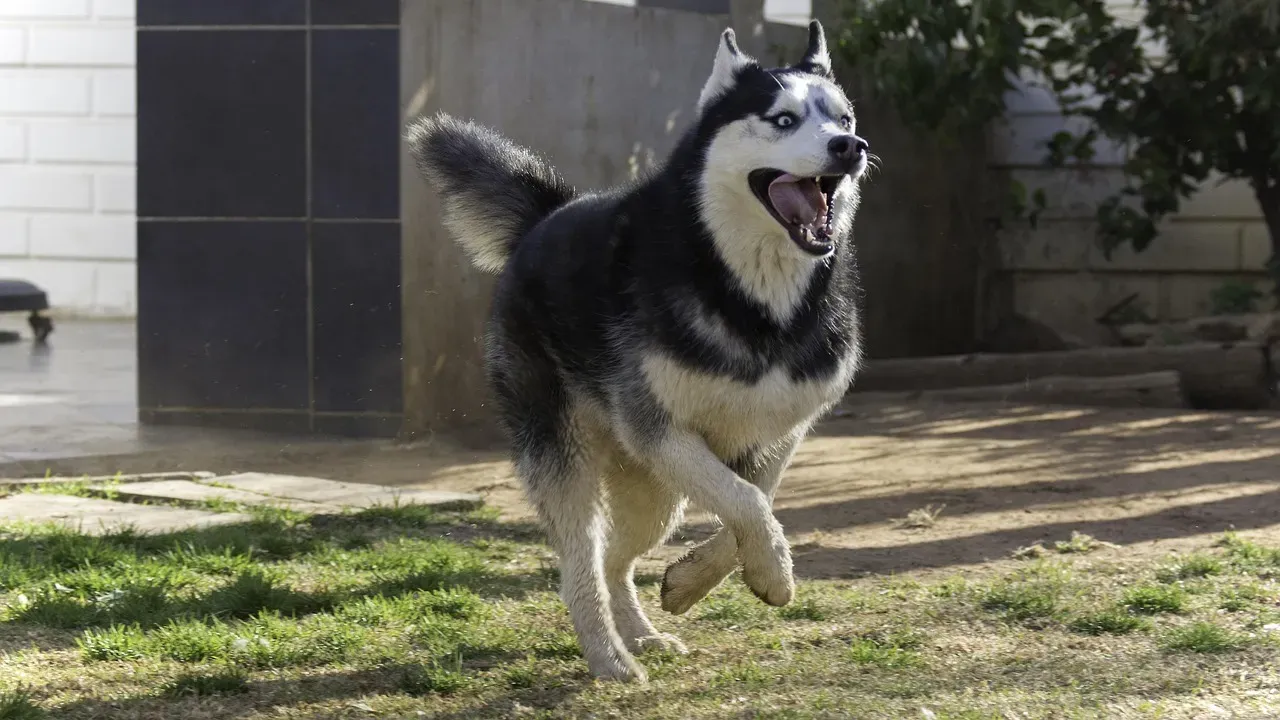
Siberian Huskies are beautiful, expressive dogs beloved for their wolf-like appearance and high energy. The mistake many owners make is underestimating just how demanding they are. The Siberian Husky is not a breed for a novice dog owner. They are intelligent and playful but can get belligerent, rowdy, and destructive, particularly if they don’t get the huge amount of exercise they need, and this problematic behavior can include biting.
Huskies are notorious escape artists, prone to digging under or jumping over fences. Once loose, their independence and prey drive can lead to dangerous situations. If not given sufficient daily exercise, they can develop significant behavioral issues, including aggression. Siberian Huskies were responsible for 26 deaths between 2014 and 2020, a figure that surprises many people given the breed’s friendly reputation. Their combination of size, strength, and under-stimulation is a genuinely risky cocktail.
#8 – Jack Russell Terrier
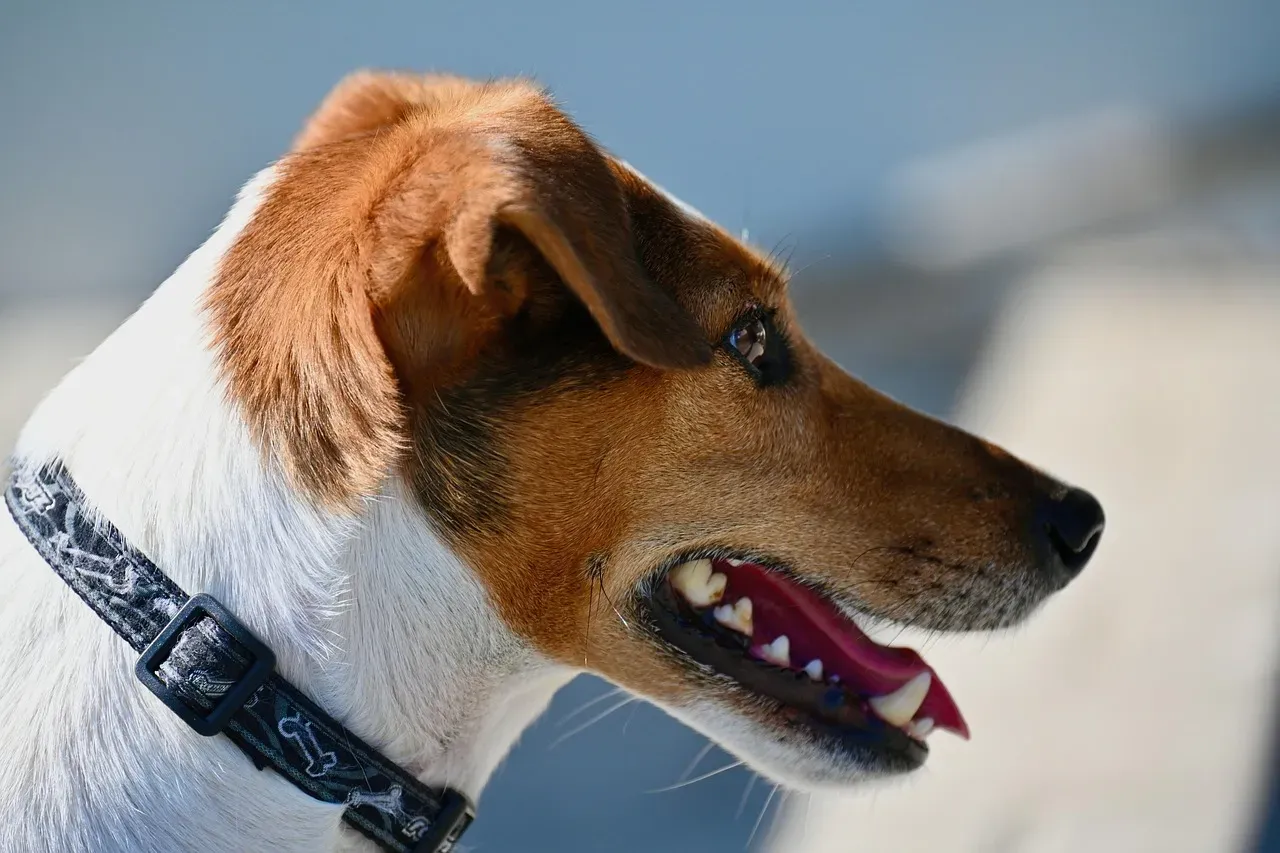
Here is where the list takes an unexpected turn. Jack Russell Terriers are small, bouncy, and full of personality. They’re also consistently ranked among the most bite-prone breeds, particularly toward their own owners. According to a journal article from Applied Animal Behavior Science, the three most aggressive breeds are the Dachshund, Chihuahua, and Jack Russell Terrier. Their size often causes owners to dismiss early warning signs that would be taken far more seriously in a larger dog.
The JRT is one of the most active and aggressive small dogs, but when able to work, the aggression is not a significant issue. JRTs were bred to dig down to dens to hunt foxes, badgers, and other small game, and aggression was a useful quality. Working dogs that have nothing to do become bored and destructive, and the JRT is no exception. Their hunting drive can lead to nipping without proper outlets. A bored, under-stimulated Jack Russell is genuinely a bite waiting to happen.
#9 – Chihuahua
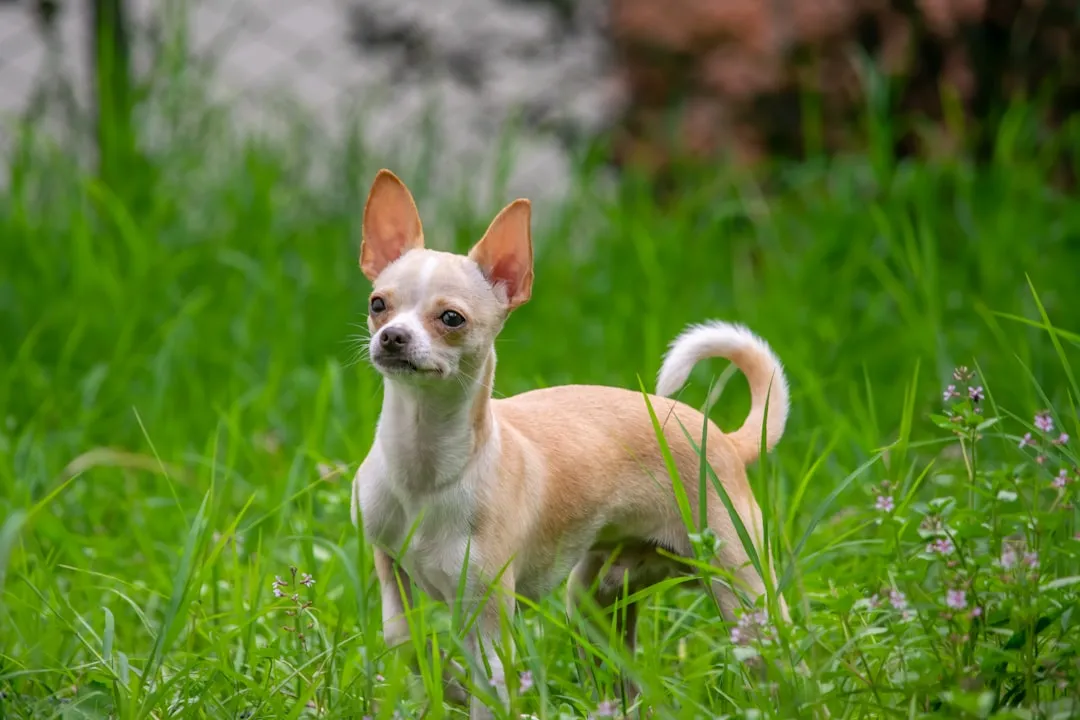
The Chihuahua is arguably the most misunderstood dog on this list. Because they’re small and their bites rarely require emergency care, their aggression is frequently brushed off or even found amusing. That permissive attitude is actually part of the problem. In the veterinary perception study, Chihuahuas were rated as high bite risk by 48.5% of surveyed vets, making them the second-highest ranked breed by that specific measure, just behind Chow Chows.
A study released by the Coalition for Living Safely with Dogs found that Chihuahuas are most likely to bite veterinarians of all breeds studied, which says a great deal about their willingness to bite even in calm, controlled settings. Some breeds may ignore a provocation and go lie down elsewhere, but a Chihuahua will get tired of the foolishness and bite. This dog is rated as one of the most aggressive and is one of the dogs most likely to bite and get away with it. Small size does not mean low risk.
#10 – Dachshund
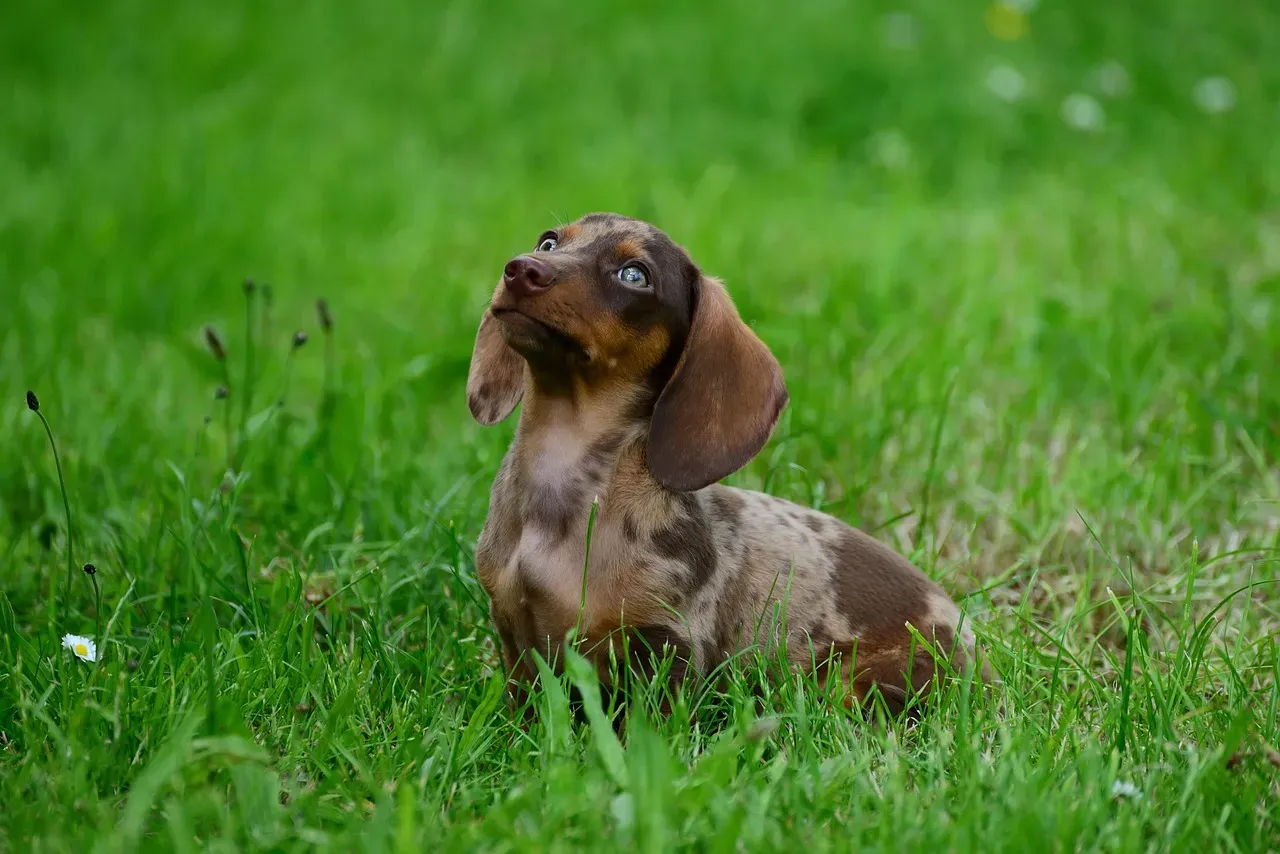
The Dachshund tops perhaps the most surprising category on this list: owner-directed aggression. Research has consistently shown that this breed scores unusually high for biting the very people who love and care for them. A 2008 study by animal behavioral scientists at the University of Pennsylvania, published in the Journal of Applied Animal Behavior Science, identified the Dachshund as the most aggressive breed toward strangers and the second-most aggressive breed toward their owners. Coming from a university study involving thousands of dogs, that finding carries real weight.
The study found that one in five Dachshunds have bitten or tried to bite strangers, and a similar number have attacked other dogs, while one in twelve have snapped at their owners. Though diminutive, Dachshunds were bred to tangle with one of nature’s most fierce fighters, the badger. In fact, “Dachshund” translates from German as “badger hound”; the dogs were bred to ferret badgers out of holes and kill them. That fierce, tenacious instinct does not simply disappear in a domestic setting when it goes unsupported by proper training.
What the Data Really Tells Us
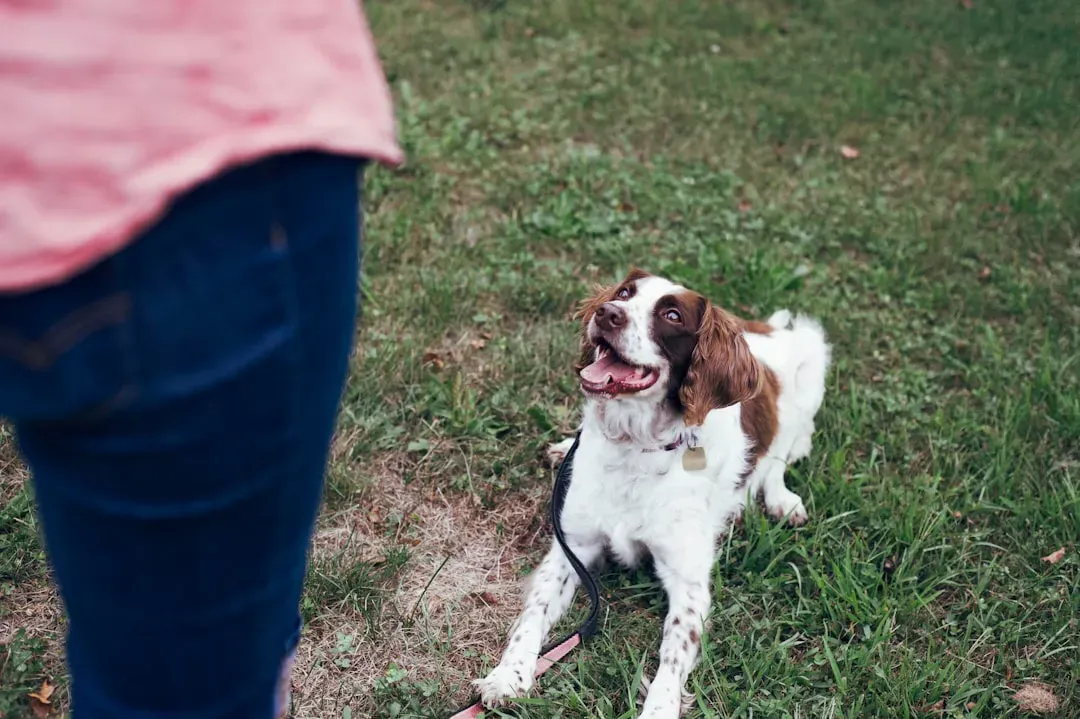
The breeds on this list are not beyond redemption or responsible ownership. Every single one of them has millions of well-adjusted, loving representatives living safely in homes around the world. The data reflects patterns tied to how these animals are bred, managed, and trained, not an inevitable outcome for any individual dog. Consensus among researchers is that breed alone does not determine aggression; owner behavior, training, and neglect are the leading factors in most severe and fatal attacks.
The numbers do carry a practical lesson, though. Studies show that 84.4% of fatal attacks involved intact dogs that had not been spayed or neutered, and unneutered male dogs are 2.6 times more likely to bite than neutered dogs. If a dog is showing signs of aggression, even minor ones like snapping or excessive guarding of food, consulting with a veterinarian or professional dog trainer early is critical. These issues can often be corrected or managed if caught early, and waiting for a bite to happen is never the right approach.
A Final, Honest Word
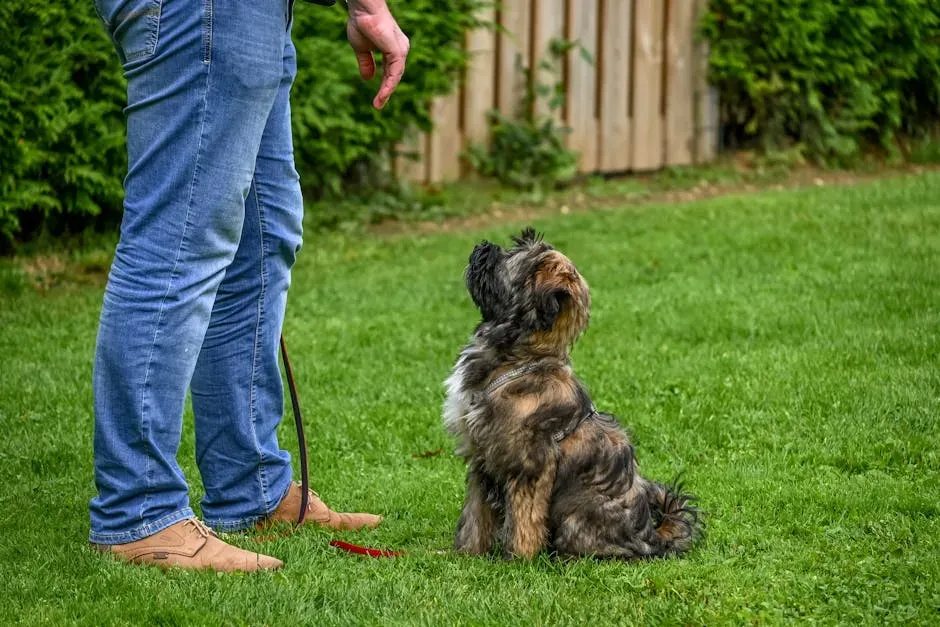
There is a real tension in writing about this topic. On one side, animals and their advocates deserve protection from unfair stigma. On the other, people deserve honest information before bringing a powerful, instinct-driven animal into a home with children, elderly family members, or limited experience. Both things can be true at once.
The opinion here is that breed-aware responsibility is not cruelty to animals; it is respect for them. Choosing a dog that matches your experience level, your environment, and your willingness to invest in training is not a sign of fear. It is the most honest form of care. Highlighting breeds with higher bite statistics does not mean every dog of that breed is dangerous. Often, the circumstances of a dog’s upbringing and environment play a bigger role than breed alone. Know the animal. Know yourself. That combination has always been the better predictor of safety than any breed label ever could be.


