
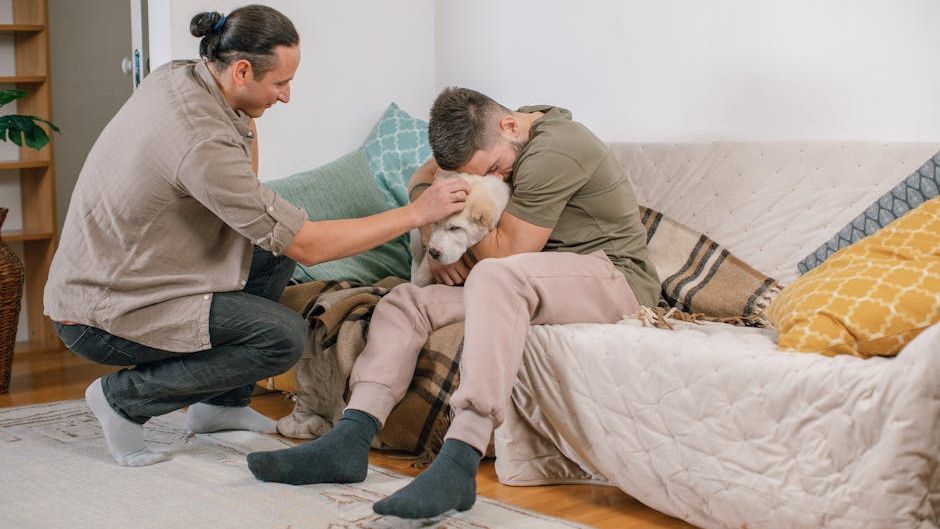
Most dog owners assume that a wagging tail tells the whole story. The truth is a little more layered than that. Dogs communicate in a near-constant stream of quiet signals, most of which pass right under our noses without us ever noticing. The reassurance your dog feels around you doesn’t always announce itself loudly.
What’s genuinely fascinating is how deeply physical these signals are. For a dog, trust means feeling secure enough to be truly vulnerable around you, believing that you won’t hurt them, will meet their needs, and will protect them when necessary. The ten signs below are the ones vets and canine behaviorists consistently point to, and some of them are so subtle you’ve probably overlooked them every single day.
#1. They Settle Into a Fully Relaxed Body Posture Near You
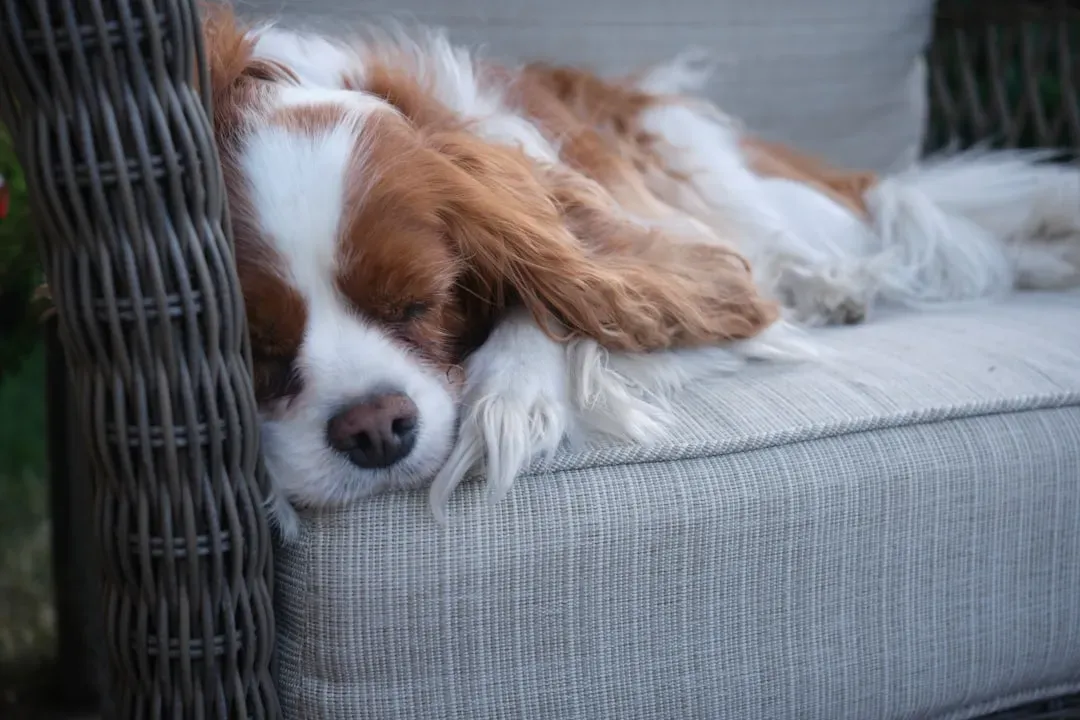
A relaxed body language, in general, is one of the clearest signs that a dog feels safe with you, according to veterinarian Liza Cahn, DVM, of Embrace Pet Insurance. It sounds simple, but the distinction between a dog who is near you and a dog who is truly relaxed near you is significant.
A relaxed body posture is one of the most reliable indicators that your dog trusts you. When your dog stands or sits near you with loose muscles, a slightly open mouth, and soft eyes, they’re showing they feel safe and comfortable. A dog who’s on alert will have vastly different posture than one who feels at ease. Your trusting dog will present with body language that shows their comfort level, including a relaxed face, soft eyes, and a wag that wiggles the entire hind end.
#2. They Sleep Deeply and in Exposed Positions Close to You
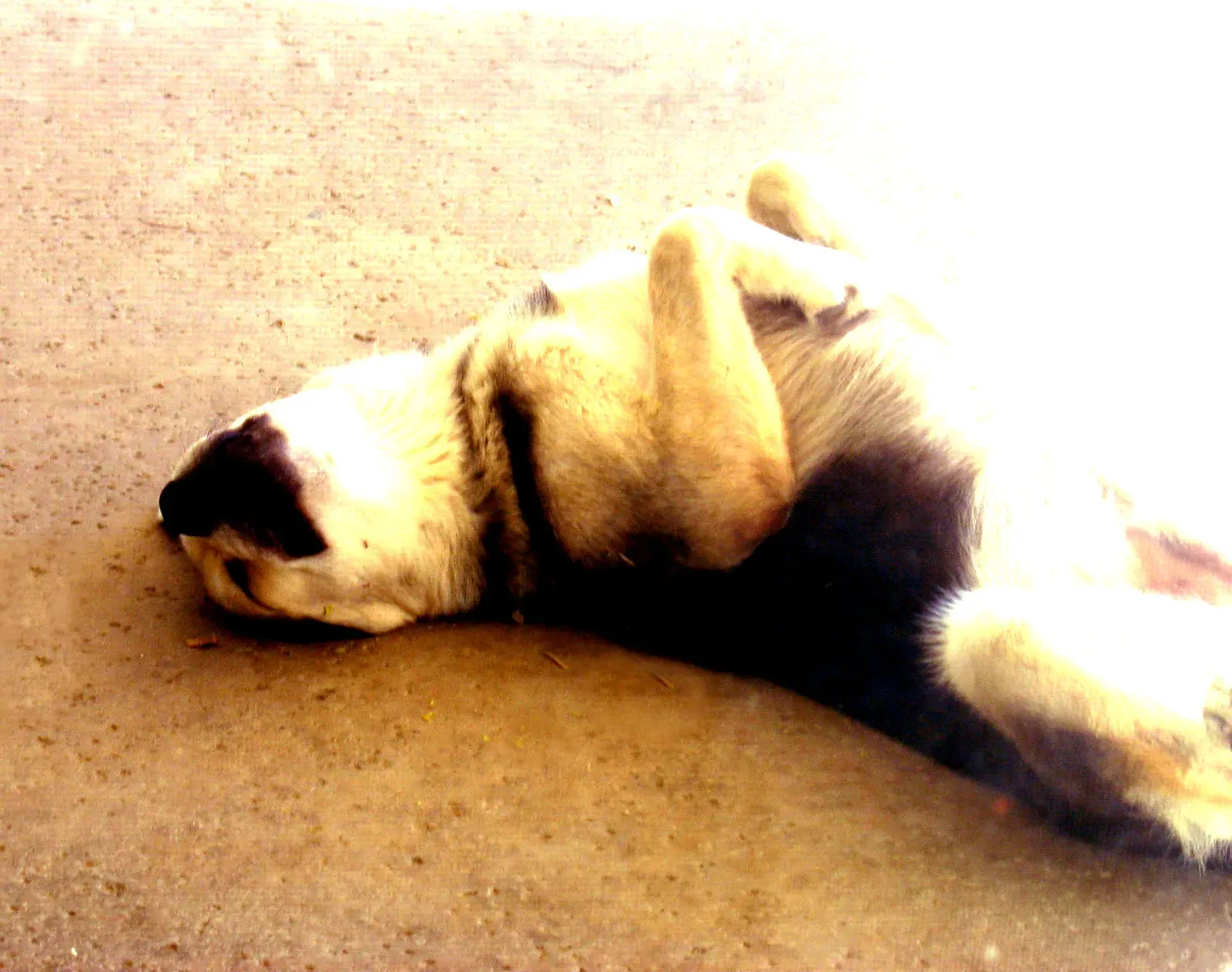
Just like humans, dogs need proper sleep to feel their best. A dog that feels safe and happy will sleep deeply and comfortably in their favorite spots, often stretching out or curling up in a cozy position. This is not trivial behavior. Sleep is when animals are at their most exposed, and where a dog chooses to rest says everything about who they trust.
Sleeping near you or even touching you while sleeping shows deep trust. Dogs are vulnerable when they sleep, so choosing to rest beside you means they believe you’ll keep them safe. If your dog falls asleep with their back to you, that’s even stronger trust because they’re confident you’ll watch out for threats. You might also catch your dog dreaming, as those adorable paw twitches or quiet yips are signs they’re in REM sleep, which means they feel secure enough to fully relax.
#3. They Make Soft, Unhurried Eye Contact With You
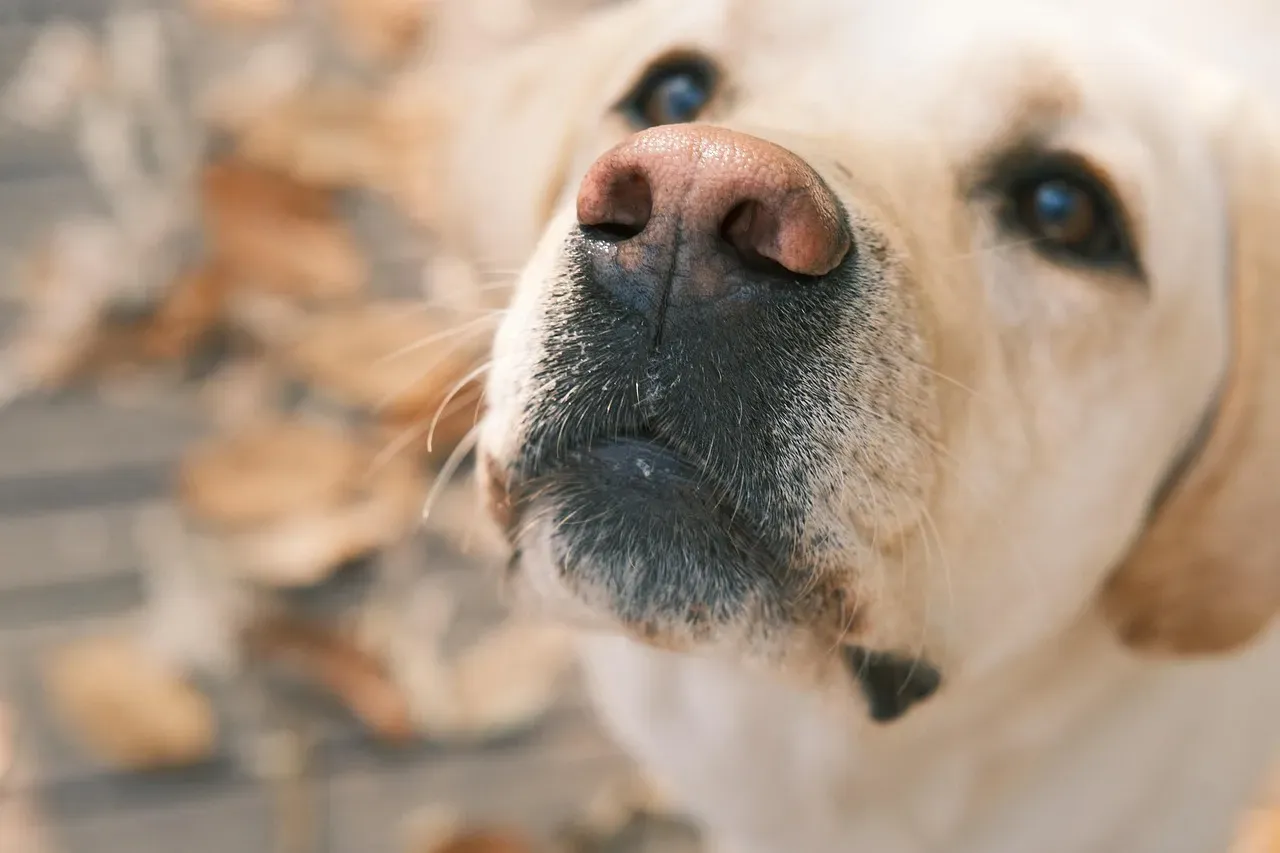
Eye contact between species is genuinely complex. In most parts of the animal kingdom, a direct stare signals threat or challenge. The fact that your dog holds your gaze quietly is worth paying attention to. While prolonged eye contact can feel threatening to some dogs, soft, gentle eye contact is a subtle and sweet sign that your dog feels safe and is quietly at ease with you.
Soft eye contact, unlike a hard stare, with almond-shaped eyes indicates comfort and affection. Dogs are more sensitive to eye contact than we are. If your pup looks at you lovingly for longer than a few seconds, it’s likely that they are experiencing a release of oxytocin in the brain, responsible for relationship-building and feelings of safety and trust. It’s one of the quietest signs on this list, but one of the most meaningful.
#4. They Lean Against You or Place a Paw on You
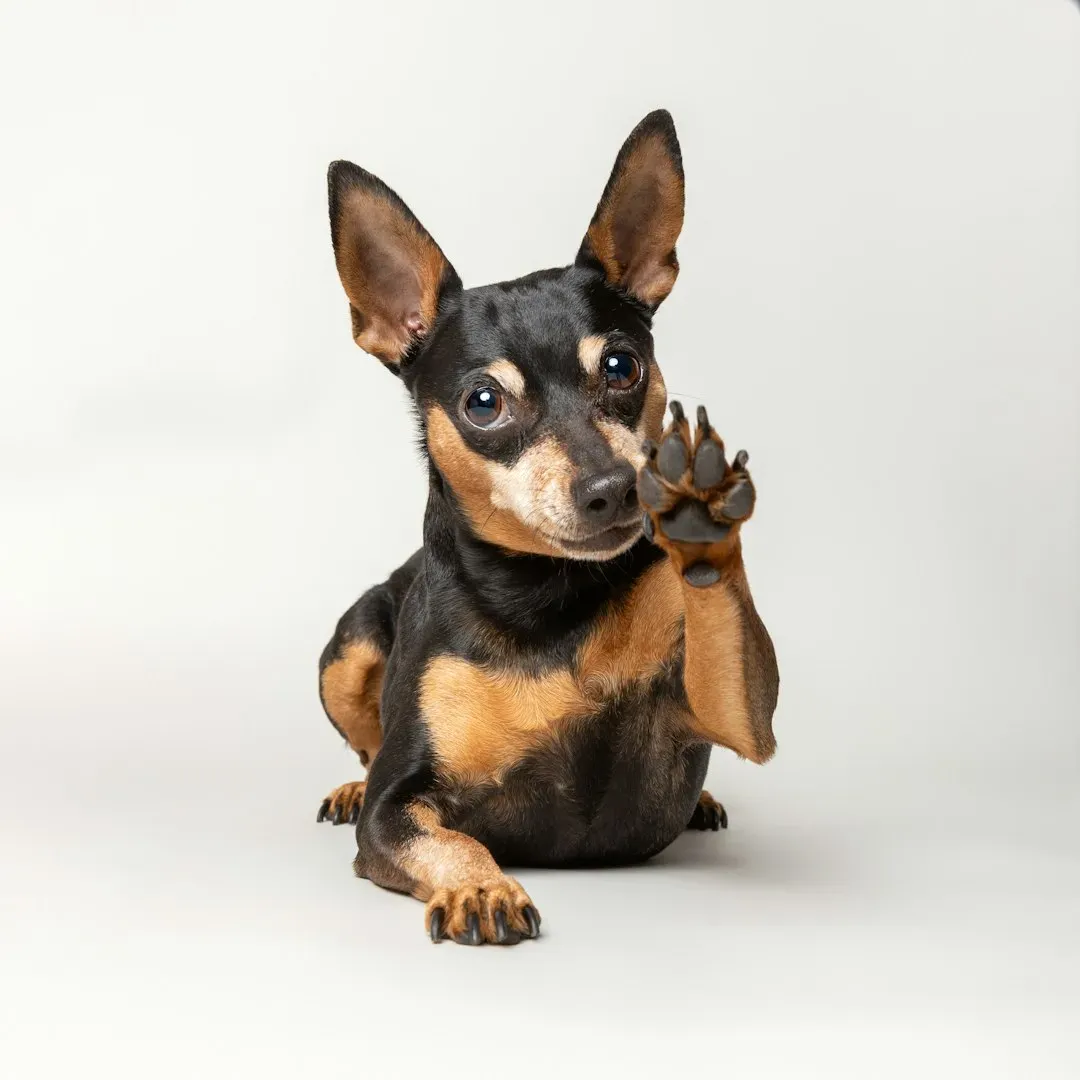
Physical contact is deeply intentional for dogs. They don’t lean into just anyone. A happy dog may seek attention from you by nudging you with their nose, pawing at you, or leaning against you. This is a sign that they feel safe and comfortable around you and want to be close to you.
One clear dog bonding behavior involves your pup’s paws. Using their paw to gently touch you is a sign your dog trusts you and feels safe with you. As a caring pet owner, you can respond by giving your pooch kind words and a gentle pet, reinforcing that sense of emotional security and strengthening the bond. That gentle weight against your leg isn’t clinginess. It’s your dog telling you, in the clearest way they know how, that you are their anchor.
#5. They Eat Calmly and Without Guarding in Your Presence
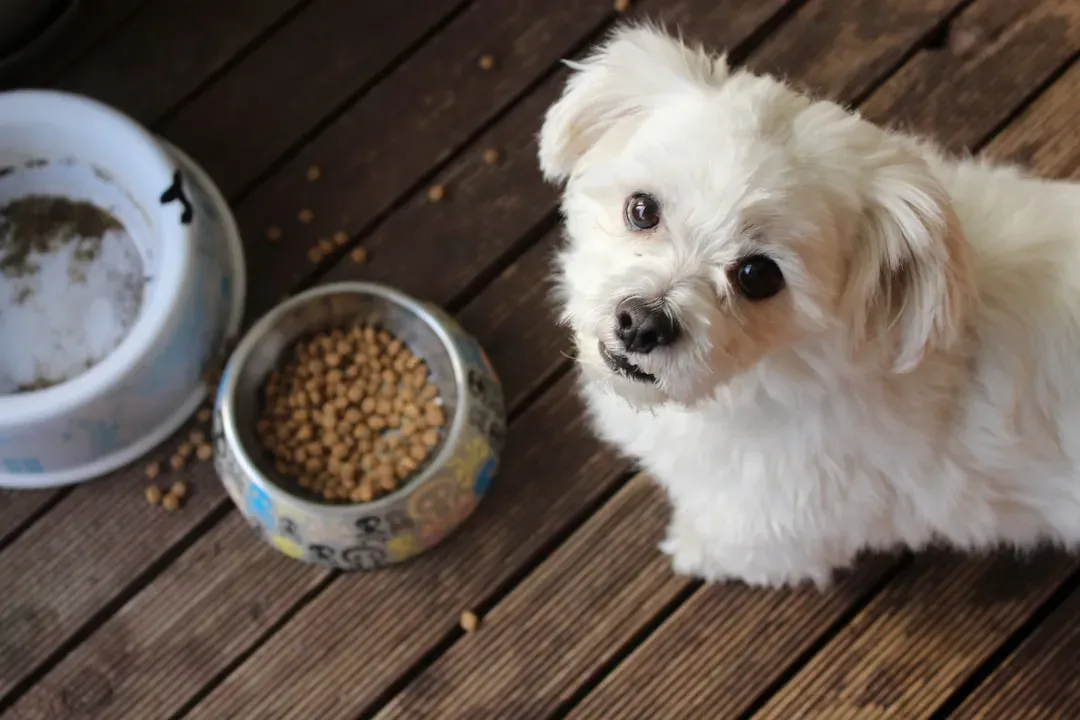
Mealtime can be a surprisingly revealing window into how secure a dog feels. Eating can be a time of high anxiety for dogs, especially if they have a history of competing with other pets over resources or have gone through periods of nutrition deficiency. So, if your dog can eat comfortably in your presence, that’s a great sign that they don’t see you as a threat.
Research published in Preventive Veterinary Medicine found that fearful dogs in multi-dog households were more likely to guard resources, eat rapidly, or show avoidance around meals. A dog that eats calmly, without anxiety or aggression, is a dog that trusts its environment. Dogs that feel safe will eat their meals without hesitation or anxiety. A relaxed mealtime indicates trust in the environment and assurance that their owners will provide for their needs.
#6. They Come to You for Comfort During Scary Moments
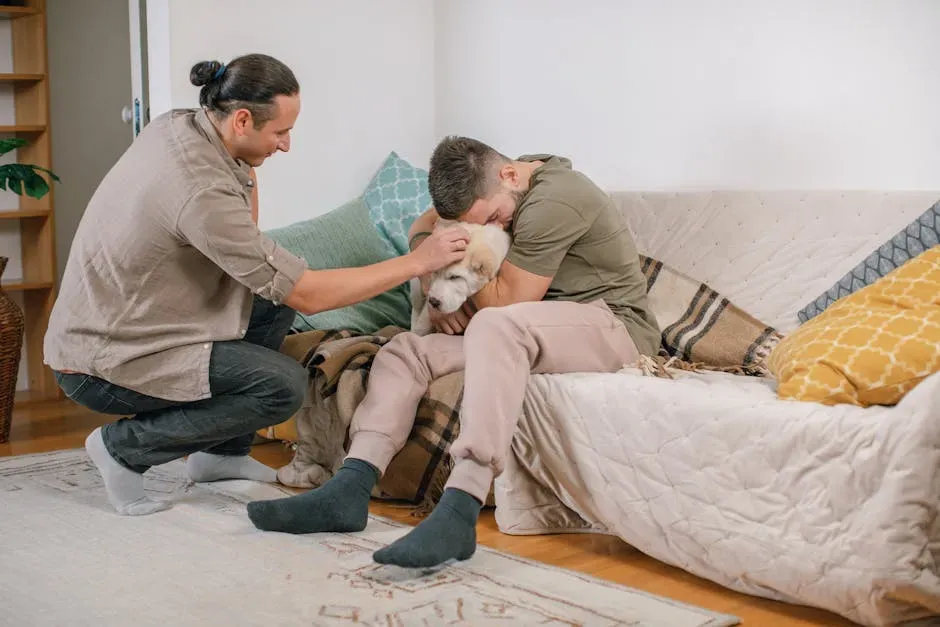
This one matters enormously. When something frightens your dog, whether it’s a thunderstorm, a loud vehicle, or an unfamiliar face, watch where they go. A dog that has not found its safe place will freeze, hide, or pace. A deeply reassured dog does something different. When life gets intense, a dog who trusts their person is going to turn to them for help when feeling overwhelmed. Whether it’s dealing with a pushy stranger or an unexpected sound, a dog who trusts you will look to you for direction. Thanks to the bond you’ve built, you become the security blanket, escape hatch, and translator all rolled into one.
Wanting to be close when afraid shows high emotional dependence. When dogs feel stress, hear loud sounds, or see something strange, they look for safe places. Looking for a human during these times confirms emotional attachment and trust. The direction your dog runs when scared is one of the most honest votes they’ll ever cast in your favor.
#7. They Expose Their Belly Without Hesitation
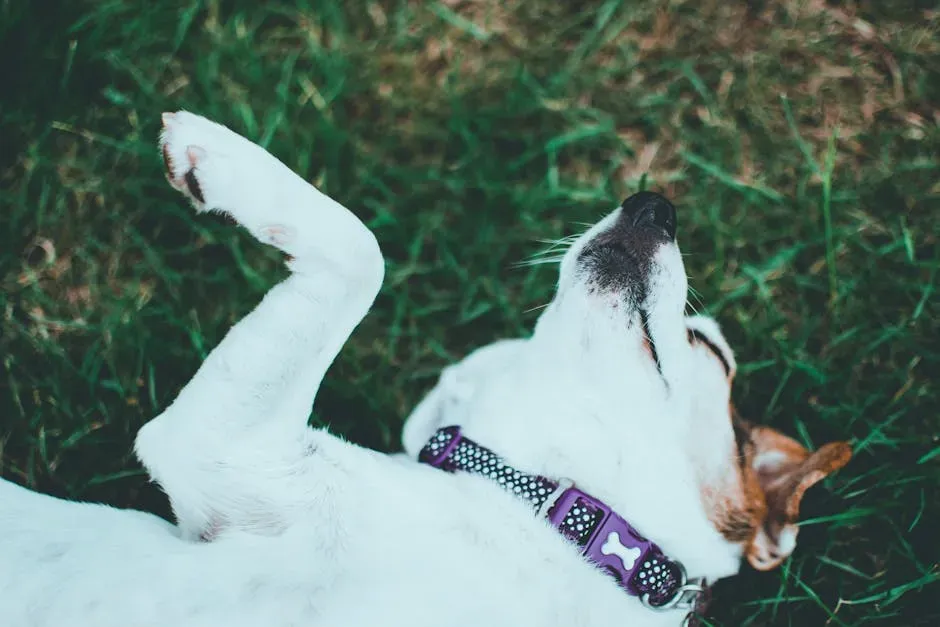
The belly is the most physically vulnerable part of a dog’s body, and exposing it is not a casual gesture. When your dog rolls over to show their belly, they’re displaying the most vulnerable part of their body. This isn’t always a request for belly rubs, as some dogs don’t enjoy them, but it’s always a sign of trust and submission.
A dog rolling on their back with their belly up can have multiple meanings. Rolling over generally means the dog is not a threat, and if the dog’s tail is gently wagging and their mouth is slightly open, the dog is probably comfortable. When this happens spontaneously in your presence, completely unprompted and relaxed, it’s one of the purest expressions of feeling deeply safe. Your dog has essentially decided there’s nothing in their world that requires them to stay guarded.
#8. They Check In With You During Walks and New Situations
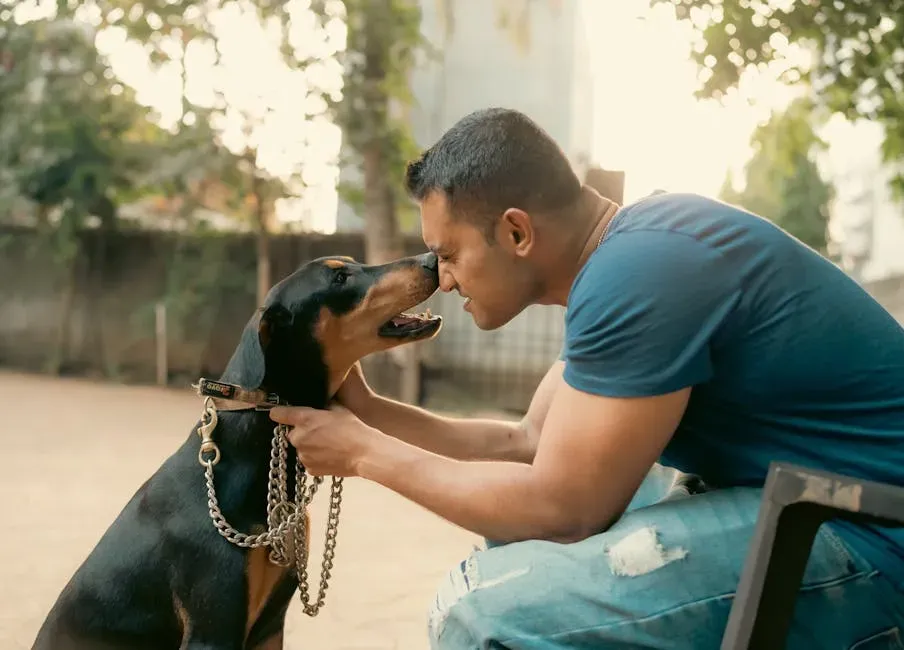
Pay attention on your next walk. Does your dog ever pause, look back at you, and then continue forward? That quick glance is not accidental. If your dog checks in with you during a walk, looks back at you while exploring, or stays nearby in new situations, it shows they trust your guidance and feel secure.
Some dogs naturally stay close to their owners, even in unfamiliar settings, a behavior that can be a clear sign your dog feels emotionally attached to you, and that’s a good thing. A trusting dog sees you as a dependable source of food, safety, comfort, and guidance. They don’t flinch when you reach toward them, they come when called even in distracting situations, and they look to you for direction when uncertain. That check-in glance is your dog confirming that you’re still there, still the reference point.
#9. They Initiate Playful Behavior Specifically Around You
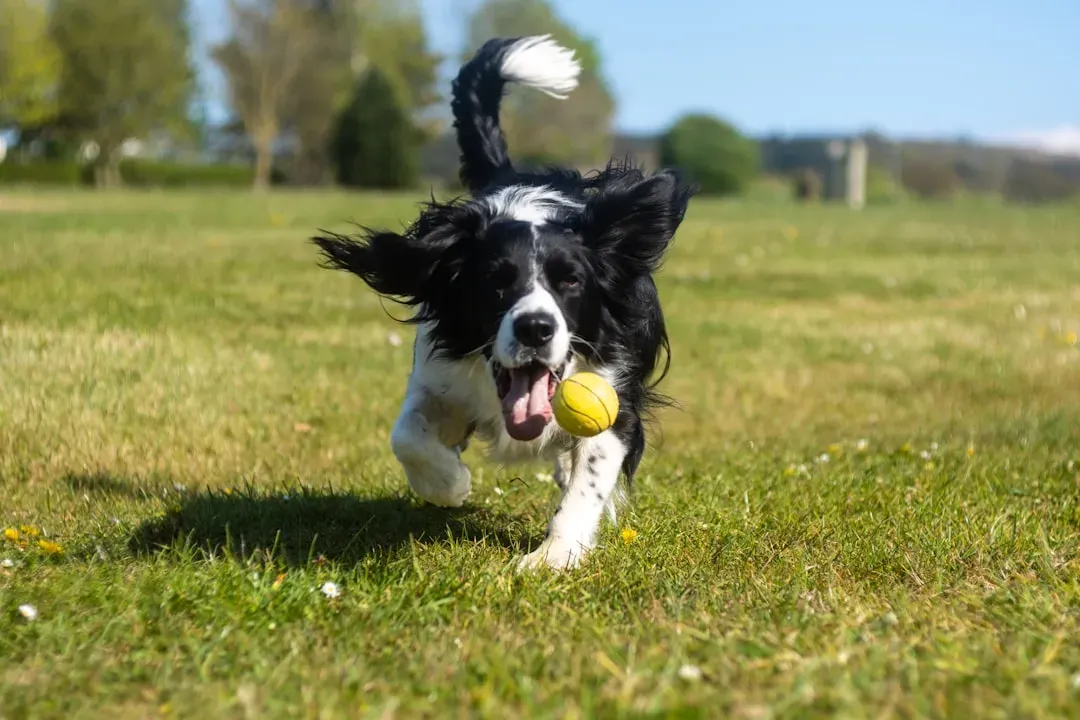
Play is not something a stressed or insecure dog offers freely. It requires a baseline level of confidence and ease, and a dog who launches into play specifically when you’re present is signaling something important. A dog that plays is a dog that’s not consumed by stress. A dog that acts curious and engages in play is not operating from a place of fear. Curiosity takes confidence. A dog still assessing its surroundings doesn’t have the bandwidth for it.
A dog that engages in playful behavior, such as bounding around, play-bowing, and bringing you toys, is demonstrating a sense of comfort and happiness in its owner’s presence. When your dog brings you a beloved toy, they’re sharing something valuable. This gesture shows they want to interact with you and include you in what makes them happy. It’s both a sign of affection and an invitation to bond. It’s their version of saying, “I feel good right now, and you’re part of that.”
#10. They Sniff You in a Calm, Deliberate Way
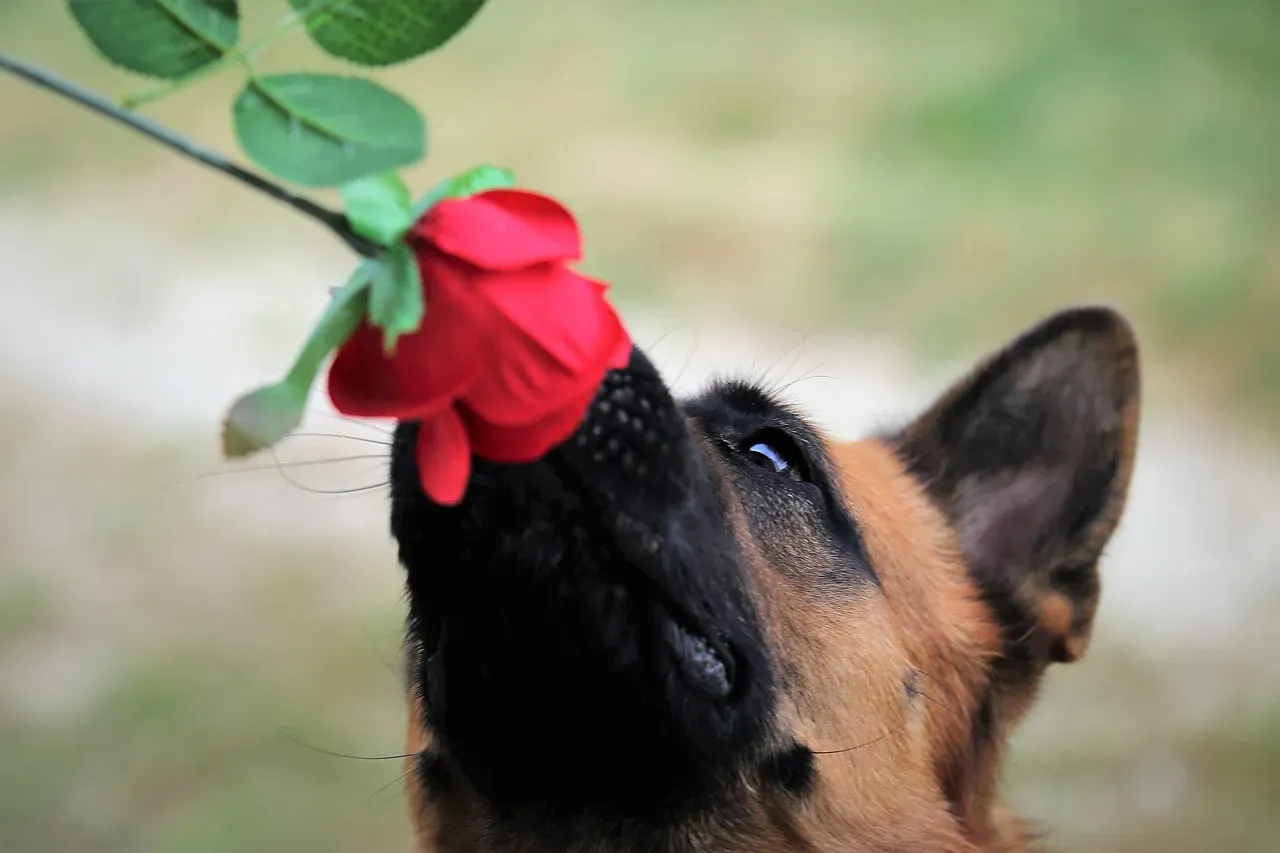
It might seem mundane, but the way a dog sniffs you tells a surprisingly detailed story about how they feel in your presence. A nervous dog will sniff frantically or not at all. A reassured dog takes their time. A relaxed sniff is actually a dog bonding behavior that shows your pup trusts you and feels comfortable around you. Dogs have an amazing sense of smell, thousands to tens of thousands of times more acute than ours, and it’s a major way they experience and navigate the world.
While it might be borderline hilarious when your dog seems intent on inhaling your pants, a relaxed sniff is actually a bonding behavior. Dogs have an amazing sense of smell, and when a dog sniffs you in a calm way, it often signals they feel safe enough to get close, check in, or find your familiar scent reassuring, which are all clear signs your dog thinks you’re their safe place. Your scent, in your dog’s world, is the smell of safety itself.
The Deeper Truth About What These Signs Tell Us
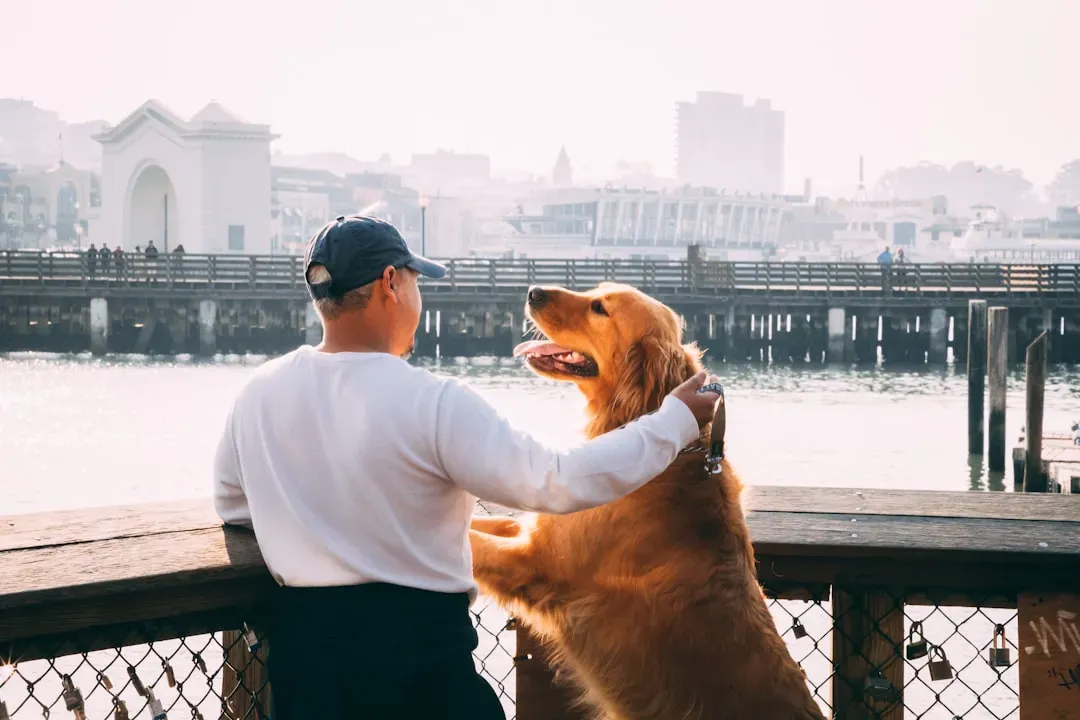
Here’s the thing that vets understand clearly, and that many dog owners only discover gradually: a dog’s emotional security is not a fixed state. This kind of trust builds slowly through hundreds of small, positive interactions. Every time you feed your dog on schedule, speak calmly during stressful moments, or play together, you’re making deposits in your trust account.
Studies shared by the American Veterinary Society of Animal Behavior show that dogs who grow up with kind and predictable human interactions tend to have lower stress hormones and better emotional regulation. The signs your dog shows you aren’t random. They’re the accumulated result of every calm moment, every consistent routine, and every time you showed up for them.
If your dog shows even a handful of these signals around you, that means something real. It means you’ve become, in the clearest possible way, the safest place in their world. That’s not a small thing. For a creature who cannot use words, whose entire emotional life is written in posture and breath and quiet proximity, choosing to rest beside you with a soft mouth and sleepy eyes is about as close to a declaration as they’ll ever make. Take it seriously. It was earned.


