
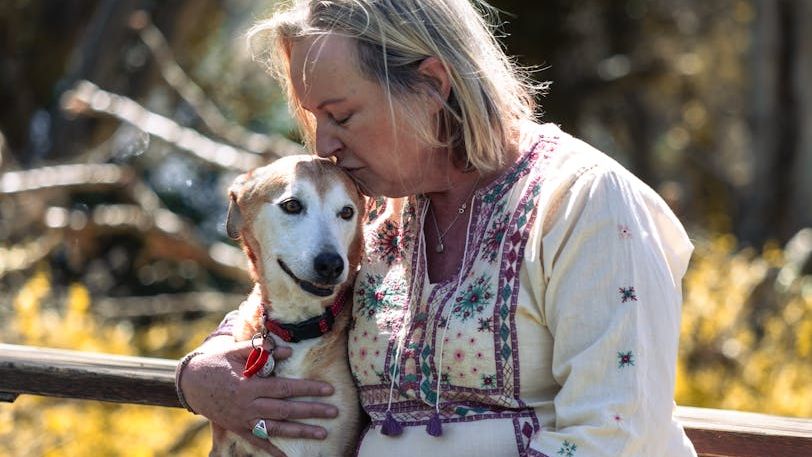
#1. The Emotional Memory System Hardwired Into Your Dog’s Brain

Dogs are particularly adept at remembering emotional experiences, and this comes down to the amygdala, the part of the brain that processes emotions, which is highly active in the canine brain. This isn’t just a minor neurological footnote. It means that any experience wrapped in strong feeling, whether joy or fear, gets encoded with unusual staying power.
The amygdala in canines functions similarly to that in humans, playing a crucial role in emotional processing and responses to environmental stimuli. Dogs can experience a range of emotions, including joy, fear, excitement, and anxiety, and the amygdala helps them respond appropriately to emotional cues in their environment. The architecture is similar enough to ours that conclusions drawn from studying canine emotional memory often carry implications for human psychology, too.
Cortisol, a stress hormone produced by an activated amygdala, readies the body for danger. When high levels of cortisol are released, the brain is overwhelmed and this resulting state interferes with rational thought. For a dog that has experienced a frightening or painful event, this biochemical cascade doesn’t just vanish once the danger does. The brain has already done its job of encoding the experience deeply.
Emotionally arousing and stressful experiences are generally well remembered, and such effective memory for stress-related information is considered to be adaptive. Evolution built this mechanism for survival. The problem is that it doesn’t distinguish between a genuine threat and a confusing moment of pain inflicted by a trusted owner.
#2. How Dogs Actually Store Painful Experiences

Unlike humans, who recall specific events with detail, dogs rely on associative memory. They don’t replay scenes in their minds; instead, they connect people, places, and experiences with the emotions those situations evoked. This distinction matters enormously. Your dog isn’t sitting there constructing a narrative about what you did. They’re simply holding a feeling, attached to a trigger.
Studies show dogs possess strong long-term memory; they can remember people and past experiences for several years, especially when tied to emotions like comfort or rewards. Instead of recalling precise details, dogs remember patterns and feelings attached to those moments. Think of it as emotional imprinting rather than storytelling. A harsh encounter doesn’t need to be remembered chronologically to leave a real mark.
Dogs remember trauma and fear just as strongly as love and excitement. That’s why positive reinforcement training is so effective and punishment-based methods can have lasting negative effects. A harsh tone or frightening event can stay with them, shaping how they react in the future. This is the part that tends to catch owners off guard. What felt like a brief, minor incident to you may have registered very differently for your dog.
Positive reinforcement during training can create strong, lasting memories. Unfortunately, negative experiences can have the same lasting effect, which is why gentle, reward-based training methods are essential. The same neurological mechanism that makes your dog remember “sit means treat” is the exact same one that makes them remember “that person’s raised hand means pain.”
#3. When Emotional Pain Becomes Something Closer to Trauma

Yes, dogs really can get PTSD. While this subject of PTSD in dogs is still being explored and understood, veterinary behaviorists and psychologists agree that dogs can suffer from symptoms much like humans with PTSD. This was once considered a fringe idea. Today, it’s recognized across veterinary and behavioral science communities as a legitimate and measurable condition.
Canine post-traumatic stress disorder, or C-PTSD, was first recognized by the military in dogs returning home from war. It is similar enough to human PTSD in behavior and responses to treatment that testing executed to help treat canine PTSD can often be converted into treatments for people as well. The parallels between human and canine trauma responses are striking enough that researchers in both fields now inform each other’s work.
The signs continued over time, without the presence of triggers, demonstrating the long-lasting, chronic influence of the trauma, long after exposure to the traumatic incident. That phrase is worth sitting with. The emotional pain doesn’t require a reminder to stay active. It persists on its own, reshaping a dog’s baseline behavior in ways that can look like stubbornness, aggression, or simple moodiness to an untrained eye.
One of the most significant effects of PTSD on dogs is the alteration of their stress response system. Traumatic experiences can cause a dysregulation in the dog’s cortisol levels, leading to chronic stress and anxiety. This can result in a constant state of hypervigilance, where the dog is always on high alert, expecting danger at any moment. A dog living in this state isn’t being difficult. They’re being shaped by something they genuinely can’t forget.
#4. The Signs Owners Frequently Miss or Misread

Symptoms of PTSD in dogs can include panic, panting, fearfulness, being timid and clinging to their owners, aggressive reactions in dogs that were never aggressive before, depression, and hypervigilance. Many of these symptoms get attributed to personality quirks, bad breeding, or a dog simply being “weird.” The emotional history that might explain them is rarely considered first.
A dog suffering from PTSD may become less trustful when around new people. She might become shy, preferring to hide instead of seeking human company. Such a dog may also be vigilant in an excessive manner, and any changes in her surroundings might make her raise her guard. These behavioral shifts tend to accumulate gradually, which is exactly why owners often don’t connect them to a specific earlier event.
Avoidance behavior encompasses many areas, such as dogs avoiding some locations, persons, or things reminiscent of a past trauma. For example, a dog that has experienced some traumatic experience in a particular room might refuse to enter the room. Owners often describe this as the dog being “strange” about certain spaces. In reality, the dog’s memory is functioning exactly as it was designed to.
The symptoms were similar to those in humans: high sensitivity to stress, reaction to triggers, avoidance and fears, uncertainty, sadness and depression, self-destructive behaviors, anxiety-driven actions, vigilance, reactivity, and aggression. The list is long, and it overlaps considerably with behaviors that owners tend to manage with punishment. That approach, of course, only compounds the original problem.
#5. What This Means for How We Treat Our Dogs Day to Day
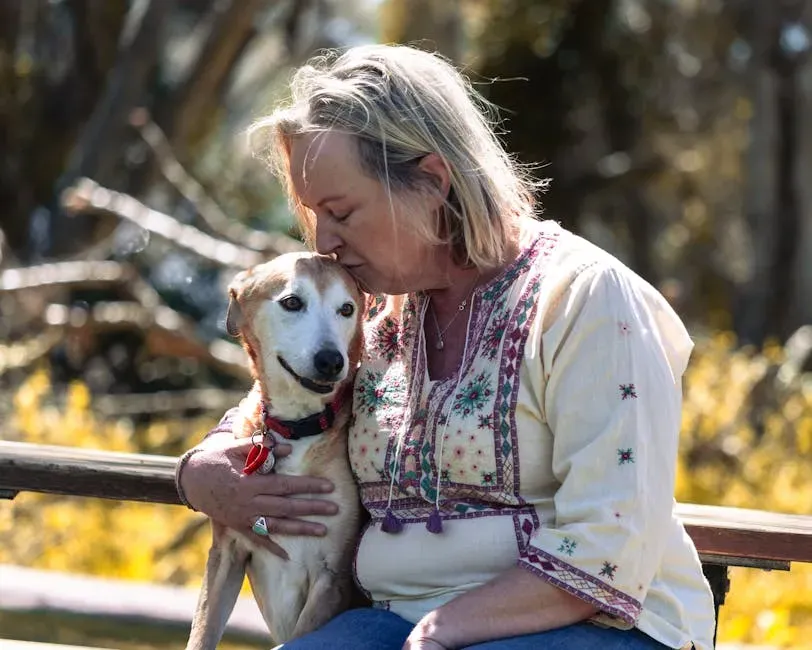
Dogs have coexisted with humans for more than 30,000 years and are woven into human society as partners bonding with humans. Dogs have acquired human-like communication skills and, likely as a result of the domestication process, the ability to read human emotions. That long shared history means dogs haven’t just adapted to live beside us. They’ve evolved to be emotionally attuned to us in ways that make our moods, our tones, and our actions land with real weight.
The long-term cortisol level of pet dogs mirrors that of their owners. This finding was unrelated to exertion or exercise, suggesting that the cortisol levels were a product of psychological, rather than physical, stress. A dog absorbs the emotional climate of its home. A chronically tense or volatile household doesn’t just feel uncomfortable to a dog. Over time, it registers in their stress hormones.
Through comparable mammalian mechanisms to those described in humans, it is plausible that adverse early experiences in dogs that result in toxic stress physiology can have similarly long-term negative impacts on health, behaviour, and resilience. Early life matters enormously. Puppies who experience fear, pain, or instability don’t simply grow out of it. They carry it forward, often for years, sometimes for life.
Dogs exhibit a multi-faceted memory system, integrating sensory input with emotional responses. This highlights their capability to not only remember but to also respond to past experiences in context, adapting their behavior accordingly. The practical implication for owners is straightforward, even if it requires a shift in perspective: every interaction is being filed away, weighted by emotion, and stored. That’s not a burden. It’s actually an invitation to do better.
Conclusion: We Owe Them a More Honest Understanding
The science on canine emotional memory isn’t fully settled, and researchers are careful to note that our understanding is still evolving. What is clear, though, is that the old notion of dogs as emotionally forgetful creatures who live only in the present isn’t something the evidence supports. Dogs carry their emotional histories. They feel the weight of past pain even when they can’t articulate it.
This isn’t meant to induce guilt in well-meaning owners. It’s meant to sharpen awareness. The dog that flinches unexpectedly, the one that refuses to walk through a certain door, the one whose personality seemed to shift after a difficult period in the household, these aren’t mysteries. They’re communications. The question is whether we’re paying close enough attention to listen.
There’s something quietly profound about recognizing that the animal curled at your feet has an emotional life complex enough to hold onto pain, and patient enough to still choose you. That kind of loyalty deserves a more informed kind of care in return.


