
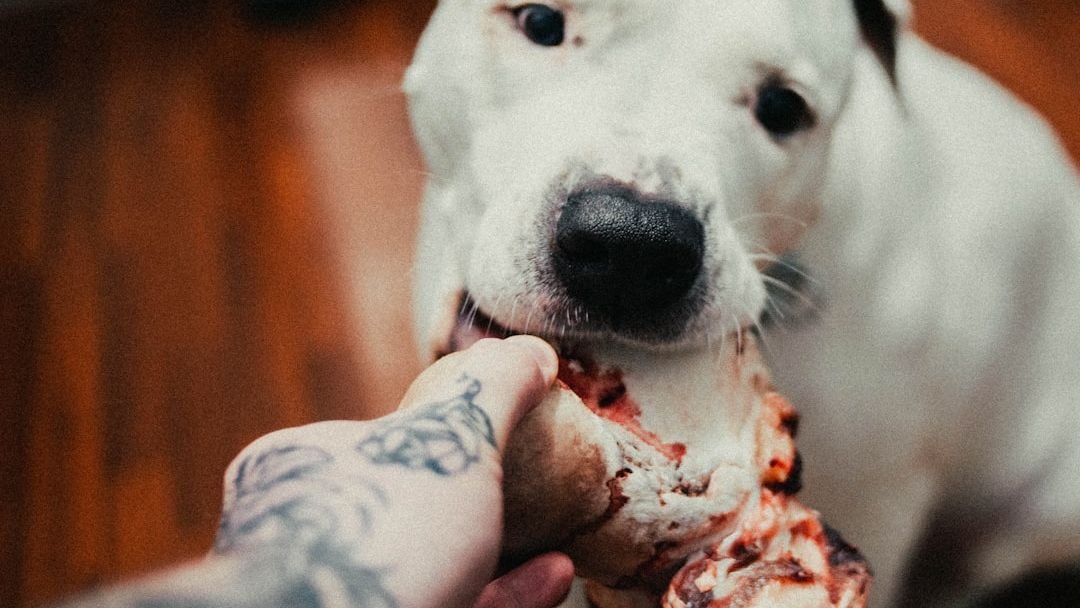
You set down the bowl. Your dog sniffs it, gives you a look that could only be described as deeply offended, and walks away. Sound familiar? Most dog parents have been there, and honestly, it’s easy to laugh it off and assume your pup is just being dramatic. But here is the thing – what looks like a food preference might actually be your dog’s quiet way of telling you something is not quite right. Picky eating in dogs is one of those issues that sits right at the crossroads of behavior, health, and the emotional bond between a dog and their person. It is worth paying close attention to, because sometimes a full bowl left behind means a whole lot more than “I don’t like this kibble.” Let’s dive in.
The Difference Between “Picky” and “Something Is Wrong”

Let’s be real – not every dog who turns up their nose at dinner is in crisis. If your dog has always been picky about their food but maintains a healthy weight and has a shiny coat and normal stool, it’s likely not cause for concern. That’s an important baseline. A dog who has been selective about food their whole life, with consistent energy and a healthy body, is probably just wired that way.
The alarm bells should ring when things change suddenly. If your dog has always been a picky eater, there is likely no need for concern. The main thing to consider is if their attitude toward food has changed. That shift, from a dog who used to eat enthusiastically to one who barely glances at the bowl, is a very different story. Most dogs don’t simply wake up one day and decide they’re tired of eating. While some dogs are naturally picky eaters, a sudden change in eating habits can be a sign of something more significant.
Think of it like this: if your best friend who always cleared their plate suddenly stopped eating, you would not just say “oh, they’re picky now.” You would want to know why. Your dog deserves the same curiosity and care from you. Changes in appetite could signal a greater health problem that should be addressed right away, particularly in young puppies, senior dogs, or pets with known underlying health conditions.
Hidden Health Issues That Masquerade as Fussiness

I think this is the section that surprises most dog owners, because the list of medical conditions that can cause a dog to stop eating is genuinely eye-opening. Before your dog is deemed “picky” for their attitude towards food, an important first step is ruling out an underlying medical cause, with the help of your veterinary care team. Examples of medical conditions that may impact your dog’s appetite include dental disease. Dental disease is sneaky. This condition can be painful and lead to a dog not wanting to eat. Dental disease can occur below the gums, which is not visible to our eyes. Even if your dog’s teeth look healthy, an oral exam is a good idea.
Beyond the mouth, there is a whole range of internal conditions to consider. Some medical conditions that could cause anorexia or hyporexia in dogs include gastrointestinal disease, obstruction of the gastrointestinal tract, and organ dysfunction and systemic illness including kidney failure, diabetic ketoacidosis, liver disease or hepatitis, or pancreatitis. That is a serious list. Elevations in kidney values, such as urea, can make your dog feel unwell and affect their appetite. Pain is another factor people often overlook. Even joint pain can make your dog reluctant to walk to his bowl to eat. So the next time your senior dog seems disinterested in food, ask yourself – is it the food, or is getting to the bowl simply too painful?
Dogs that are allergic to specific proteins or grains found in dog food and dog treats can resist eating those foods. Common signs of allergies include rashes and persistent scratching. They might have stopped eating to avoid the discomfort. Watch for these signs together. A dog who scratches constantly and also avoids their food could be telling you something very specific about what is in that bowl.
When Stress and Anxiety Are Stealing Your Dog’s Appetite
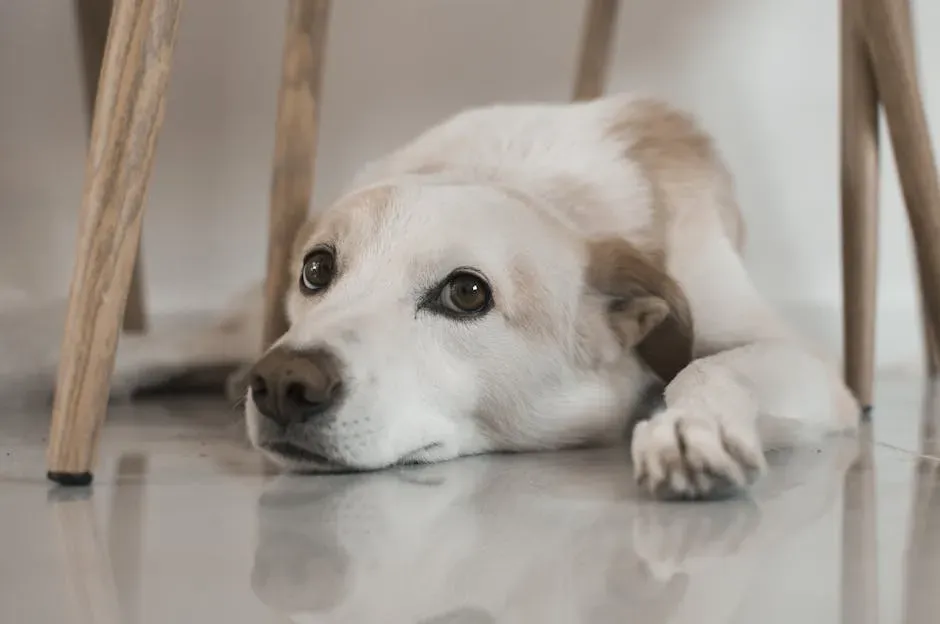
Here’s something that doesn’t get talked about nearly enough: dogs are emotional creatures, and their emotional state is directly tied to their appetite. Being nervous can zap your dog’s appetite. Just like people, dogs don’t eat as much if they’re anxious. This can happen thanks to things like loneliness, boredom, storms, fireworks, or separation anxiety. Think about your own worst stressful day. Did food sound appealing? Probably not. Your dog feels that too.
Stress can play a role in your dog’s reluctance to eat. Sometimes, if a dog’s anxiety level is high enough, all other drives including hunger are deprioritized to make sure they are ready to react to a perceived threat. That is the survival brain taking over. Just as a major life change like moving to a new city, changing jobs, or a breakup can affect your appetite, an upheaval in a dog’s life can cause anxiety and affect their hunger as well.
Some minor causes can be environmental or behavioral issues such as separation anxiety when left alone for extended periods of time. Even the absence of a family member or owner can result in a loss of appetite. That one hits differently. If your dog only refuses food when you are gone, it is not about the food at all. It is about you. Some dogs won’t touch their food while you’re out but will start eating as soon as you walk back in the door. Dogs are pack animals by nature and may feel more comfortable eating when you are home.
How You (Yes, You) Might Be Creating a Picky Eater
Honestly, this one is a little uncomfortable to talk about – but someone has to say it. Sometimes we are the reason our dogs become picky eaters. It’s unlikely that your dog was born a fussy eater. Instead their picky eating habits probably suggest that they’re a very smart dog. By holding out long enough, your dog has realised that if they ignore their average daily meals, they are more likely to get attention and, most importantly, more likely to be offered a better tasting alternative. Your dog basically figured out that refusing dinner leads to something tastier. That is not stubbornness – that is brilliance.
The more you keep offering table scraps, treats, gravy, cookies, etc., the more you’re risking creating a picky eater – and one that will become obese. It is easy to fall into this trap because offering food feels like love. It’s fine to reward your dog for good behavior, but too many treats can spoil their appetite at mealtime. And if you keep offering them to try to get them to eat, that can send the wrong message. You’re telling your dog they can hold out for something better. It is a cycle. One that starts with good intentions and ends with a dog who expects gourmet food at every meal.
You may have inadvertently created a picky eater by taking advantage of the huge variety of dog foods. There are different kibble flavors and sizes, different textures and flavors of canned foods, pouches of semi-moist food, and freshly packaged meals. For some dogs, too much of a good thing is not necessarily a good thing and it can lead to dogs learning to hold out for their favorites. Less variety, more consistency. That is a rule worth adopting.
Practical Tips to Help Your Dog Eat Better (and When to See the Vet)
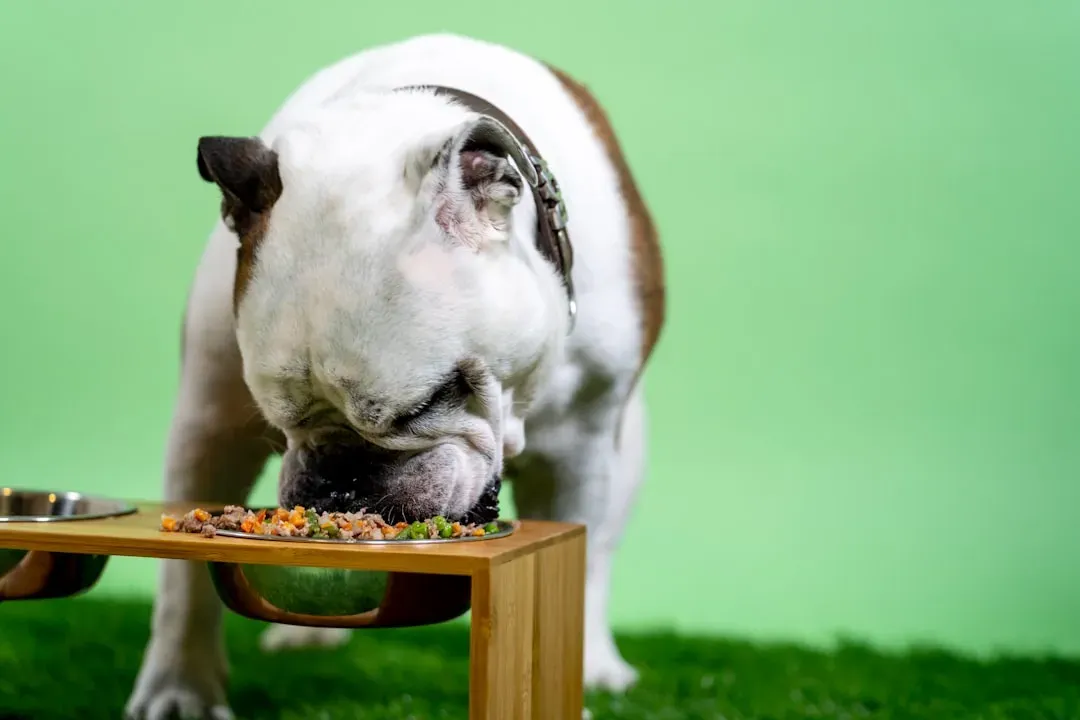
Once you have ruled out medical causes, there are genuinely effective strategies to encourage better eating habits. Put out his food for 30 minutes. What he doesn’t eat, pick up and take away. At the next scheduled feeding time, put out his food for 30 minutes. Pick up and take away anything he hasn’t eaten. This structure works because it communicates to your dog that food is not a negotiation. It comes and goes. That is it.
Feeding your pet on a regular schedule, usually at least twice a day, making mealtime a fun time for your pet such as by playing with a toy that dispenses food or rewarding your dog for doing a trick, and taking your dog for a walk before mealtime are all practical, low-cost ways to build a healthier mealtime rhythm. Exercise before eating is a genius move – a tired dog with a revved-up metabolism is far more likely to dig in. Is your dog getting enough exercise? Make time to get them outside and panting at least once daily.
Knowing when to call the vet is non-negotiable. There are a few situations where you should reach out to your vet sooner than your next appointment: young puppies six months or younger should see a vet immediately if they are reluctant to eat, and dogs who act hungry but won’t eat or only eat very soft foods – this can be a sign that something is wrong and should be looked into as soon as possible. Contact your vet if lethargy, diarrhea, other stomach issues, weight loss, or any other symptoms accompany pickiness. When in doubt, always reach out. You know your dog best.
Conclusion: Listen to the Bowl That Stays Full
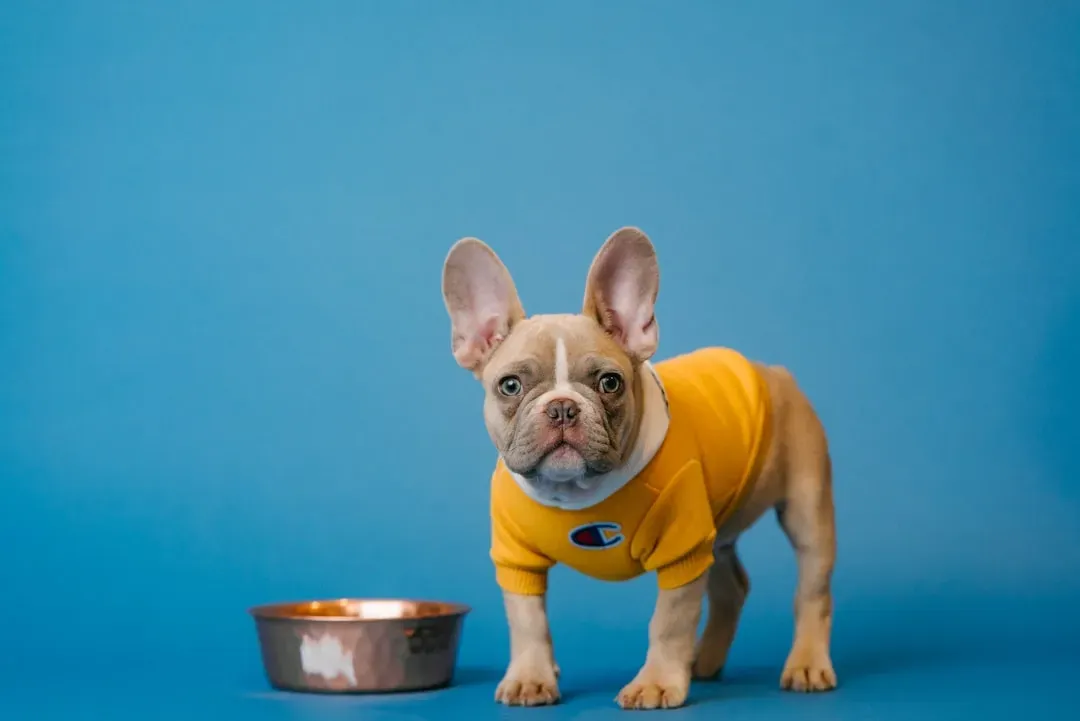
A dog who refuses food is communicating something – always. Sometimes it is boredom, sometimes it is a brilliantly manipulative plan to score table scraps, and sometimes it is a quiet signal that their body or mind is struggling. The key is knowing the difference, and that starts with truly paying attention. Track the pattern. Notice what else is going on in the household. Check their energy, weight, coat, and bathroom habits. These details are the language your dog uses when words are not an option.
The good news? Most cases of picky eating are manageable once you understand the root cause. A structured feeding routine, cutting back on treats, a vet check-up, and some patience go a very long way. Remember that you are your pet’s best advocate, so if you feel that something isn’t right, call in the pros. Trust your gut as much as you watch their bowl.
Your dog is counting on you to notice when something feels off. So the next time that bowl sits untouched, resist the urge to panic or to spoil – and instead, get curious. What do you think your dog’s eating habits might be telling you? Share your experience in the comments below.


