
There is a moment most dog owners know well. You come home after a long day, your dog is bouncing off the walls, barking at shadows, chewing through the third cushion this week, and you wonder – what am I doing wrong? Here is the thing: it is rarely about love. Most devoted dog owners love their dogs fiercely. What is often missing is something quieter, less dramatic, but far more powerful than any toy or treat. It is structure. A predictable daily rhythm paired with clear, consistent boundaries can transform a frantic, confused dog into a genuinely calm and confident companion. Sounds simple, right? The science behind it is surprisingly deep, and the real-world results are nothing short of remarkable. Let’s dive in.
Why Dogs Crave Predictability More Than You Think

Unlike humans, dogs do not tell time by the clock. They observe daily cues – like daylight changes, your body language, and household activity patterns – to anticipate what is coming next. This is a fascinating thing to sit with. Your dog is essentially reading your morning shuffle to the coffee maker as a signal that a walk is coming. Your reaching for your keys means something. Your tone of voice after dinner tells a story.
When those cues follow a consistent pattern, a dog learns to expect what happens when, which provides emotional stability and reduces reactivity. Think of it like a GPS for your dog’s nervous system. When the route is familiar, the ride is smooth. When the route keeps changing without warning, anxiety builds.
Modern households provide constant stimulation. Screens, movement, voices, and inconsistent schedules keep dogs in a heightened state of alertness. Without clear cues for rest, dogs remain on standby. It is honestly exhausting just thinking about it from a dog’s perspective. No wonder so many dogs seem wired and restless indoors.
The Hidden Cost of Mixed Signals at Home

Many behavior issues that owners struggle with are not caused by stubbornness, dominance, or genetic fear. More often, they stem from unclear expectations. If a dog receives mixed signals about what behavior is acceptable, confusion and anxiety quickly develop. This is one of those truths that stings a little, honestly. The jumping, the barking, the counter surfing – often, those behaviors were accidentally rewarded at some point.
If a dog jumps on people and sometimes gets attention, that behavior is being practiced. If a dog waits calmly at the door every single day before going outside, that calm behavior starts to become the pattern. It really is that simple, and that hard. Every interaction is a vote for a behavior. You are always teaching, whether you intend to or not.
Consistency in training means that all family members use the same consequences for specific behaviors. This uniformity helps reduce confusion and ensures that the dog clearly understands what is expected of them. If one person lets the dog jump on the couch while another scolds them for it, the dog does not learn that the couch is off-limits. The dog just learns that the rule depends on who is in the room. That is a recipe for a very confused pup.
How a Daily Routine Rewires Your Dog’s Behavior

Dogs relax when the day follows a pattern. Training, walks, meals, and rest should occur in consistent order. Predictability reduces anxiety and improves emotional regulation. Let’s be real, this is not just good advice for dogs. Humans thrive on predictable rhythms too. The difference is that dogs have no other mechanism to self-soothe. Routine is their anchor.
Scheduled meals influence a dog’s mindset and training responsiveness. Predictable feeding times stabilize energy levels, which improves attention during learning sessions. A dog that understands the daily rhythm of meals feels secure and behaves with greater composure. I think this is one of the most underrated pieces of advice in dog ownership. Feeding at random times is like skipping sleep unpredictably. Over time, the body never fully settles.
Dogs that do not get regular, scheduled activity are more likely to show signs of frustration, restlessness, and destructive behavior. On the other hand, those who know when their next walk or play session is coming are generally more relaxed and focused the rest of the day. A morning walk does more than burn energy. It signals to your dog that the day has begun properly, with them as a participant, not an afterthought.
Setting Boundaries Is an Act of Love, Not Punishment
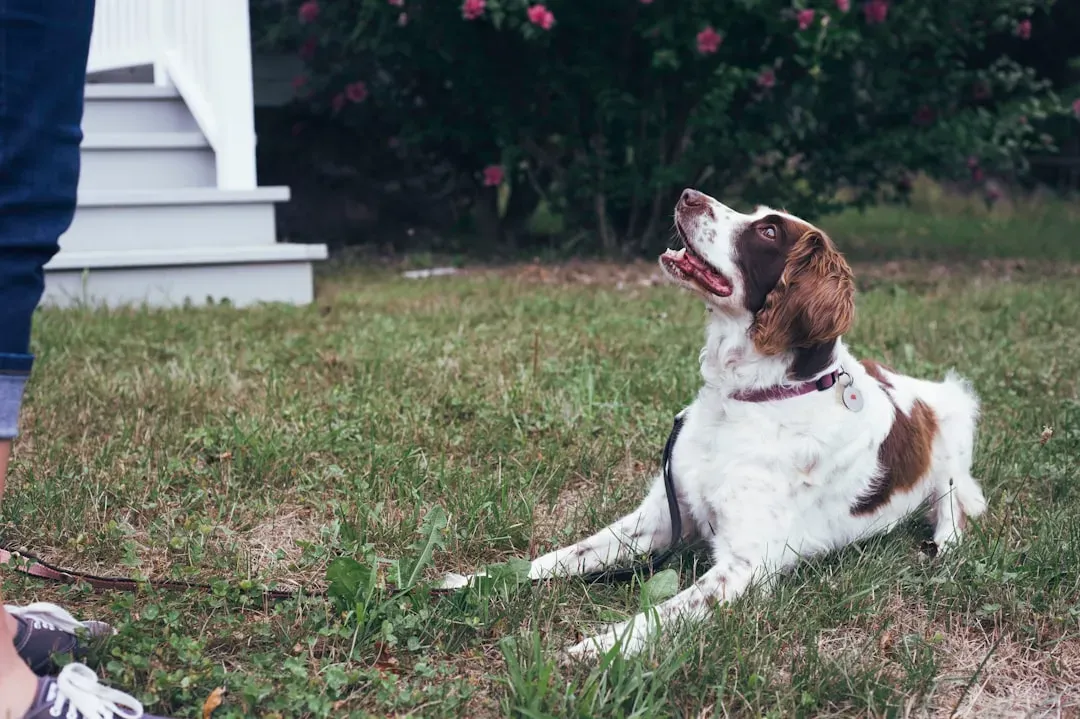
Healthy boundaries are not just about punishment or constant correction. They involve teaching the dog what behaviors work best. This distinction matters enormously. Boundaries are not walls. They are maps. They show your dog where the safe, rewarding paths are, and where the dead ends lie.
Clear boundaries reduce confusion and stress for dogs, enabling safer exploration and predictable responses. Boundaries establish expectations for space, furniture, and access to rooms or outdoor areas. Consistent rules prevent mixed signals, which often lead to leash pulling, jumping, or guarding behaviors. Picture it this way: boundaries are the grammar of your relationship with your dog. Without them, communication breaks down fast.
Over time, a dog learns that calm behavior leads to the outcome they want. This approach is a key part of modern behavior training and balanced dog training programs, where the focus remains on teaching and reinforcing correct choices. And here is the beautiful part: once a dog truly understands this, they become calmer not because they are forced to be, but because calmness actually works for them. It becomes their preferred strategy.
Reading the Behavioral Signs That Your Dog Needs More Structure

A dog that paces, vocalizes, or follows owners constantly is not stubborn. The dog lacks instruction on how to turn off. This landed differently for me the first time I read it. We often interpret these behaviors as personality traits, quirks, or just “how that dog is.” Sometimes that is true. Often, however, it is a direct cry for more structure.
True settling includes loose muscles, steady breathing, minimal scanning, and the ability to remain in place as activity continues nearby. Watch your dog the next time you have guests over. Is your dog stretched out softly, blinking slowly? Or are they tense, eyes darting, unable to find a comfortable place to land? That contrast tells you a lot. Chronic inability to relax may indicate anxiety, lack of impulse control, or insufficient boundaries.
Dogs can suffer from separation anxiety, noise phobias, or general anxiety. Managing anxiety involves creating a calm, stable environment and using tools to soothe your dog. When anxiety cues appear consistently, it is always worth a vet check too. Health and behavior are deeply linked, and ruling out physical causes first is smart, compassionate care.
Practical Steps to Build a Routine That Truly Works
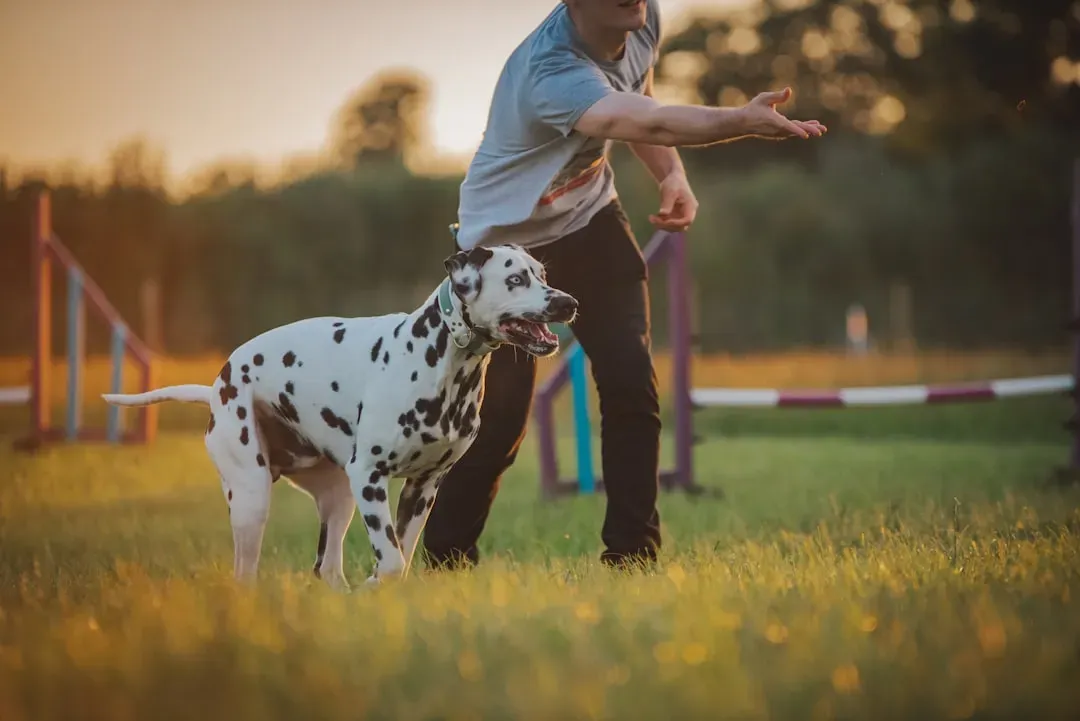
Your dog must have a daily routine that includes walk and play times, feeding, time playing alone, and sleeping times. Furthermore, your dog should know what behaviors earn a reward. This is the foundation. You do not need a complicated training program. You need a reliable daily rhythm your dog can count on, and clear, consistent feedback about what works and what does not.
Successful boundary training rests on three pillars: consistency, clear cues, and fair reinforcement. Consistency means the same rules apply across people, locations, and times. Clear cues help the dog understand which behaviors are allowed in specific zones. Fair reinforcement ensures the dog receives timely, meaningful rewards for compliant behavior and redirection when needed. If you live with others, get everyone on the same page. A boundary only works if it holds across all people in the household.
Dogs need both physical outlets and structured downtime. Exercise should be purposeful, not frantic. Calm follows meaningful work, not exhaustion. This is genuinely one of the most important shifts in thinking for high-energy dog owners. Burning your dog out with frantic play often creates a cycle of over-arousal and crash. A structured walk, a training session, a calm sniff around the yard – these are worth more than an hour of wild, unfocused running.
Conclusion: Calm Is Something You Build Together

The secret to a calm dog is not a magic treat, a special collar, or a viral training trick. It is the quiet, repeated gift of knowing what to expect. A dog who knows the daily flow of life often becomes calmer because they are no longer trying to control every moment. Clear routines around walks, crate time, feeding, training, and rest can help reduce frantic energy and improve focus.
The goal is not perfection – it is predictability. Even small, consistent efforts make a big difference in a dog’s confidence, behavior, and responsiveness. You do not need to overhaul your entire life. You just need to show up the same way, day after day, so your dog can finally exhale.
Every calm dog you have ever admired had someone behind the scenes being steady, clear, and consistent. That someone can be you. What one small routine shift will you try with your dog this week? Tell us in the comments – your experience might be exactly what another dog owner needs to hear.


