
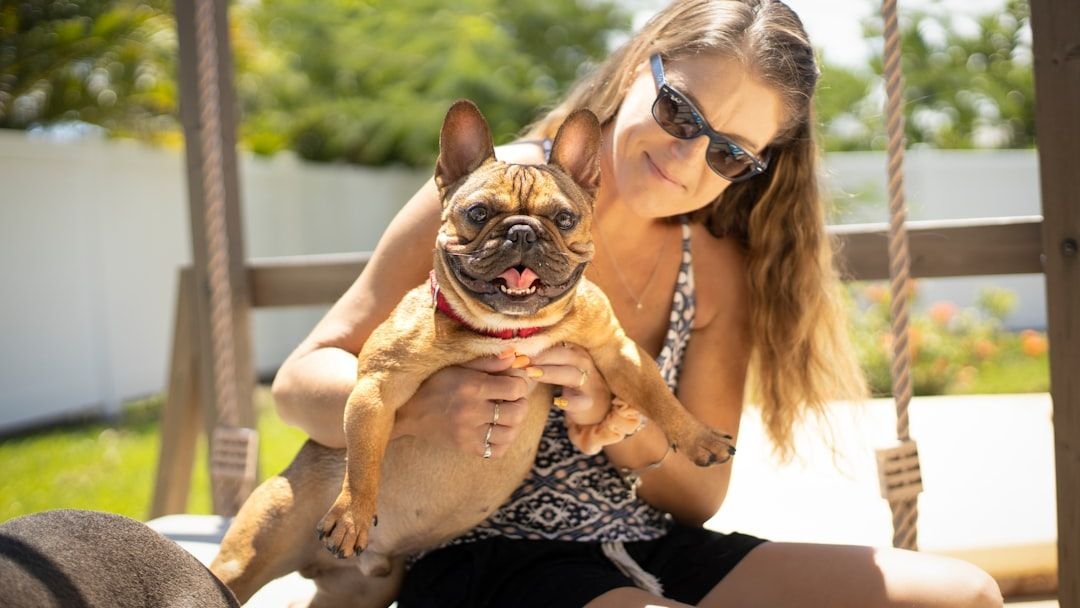
Your dog doesn’t just live in your home. They experience it, navigate it, trust it, and yes, occasionally destroy parts of it. Every corner holds a smell, every floor surface tells a story, and every quiet nook is a potential sanctuary. The question isn’t whether your home is beautiful. The real question is whether it’s built for them too.
Most dog owners make adjustments on the fly, reactive rather than intentional. A chewed-up sofa leg here, a slipped-on tile floor there, maybe a trash can disaster that you’d rather forget. The good news? Making your home genuinely dog-friendly doesn’t require a massive renovation budget or sacrificing your personal style. It takes thoughtfulness, a little empathy, and some surprisingly simple changes. Let’s dive in.
1. Choose the Right Flooring for Paws, Not Just Aesthetics
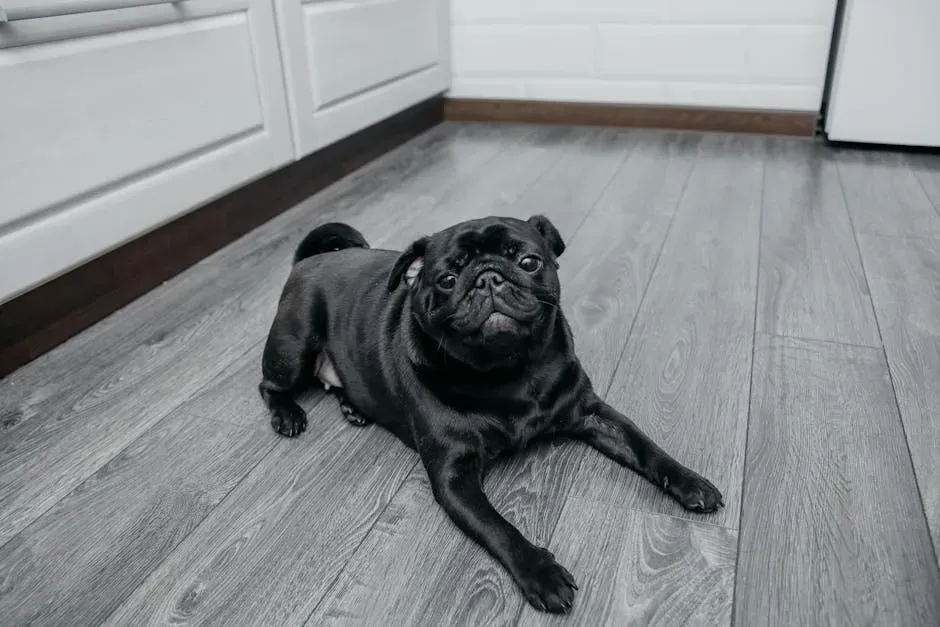
Here’s the thing about flooring: what looks gorgeous to you can be genuinely treacherous for your dog. The flooring you choose is crucial for your dog’s comfort and safety. While hard surfaces like tile, hardwood, or laminate are easy to clean, they can be slippery, and if your dog tends to slip, using rugs or carpets in areas where they usually walk is a smart fix. Imagine trying to sprint for the ball every single day on a surface that makes your legs slide out from under you. That’s what slick flooring feels like for dogs, and over time, it puts real stress on their joints.
If you have an aging pet, use non-slip area rugs or mats wherever your animal walks or rests most often to provide traction and insulation. Carpet can feel cozy underfoot, but it often traps hair, dander, and odors. Many pet owners prefer washable rugs instead, which provide the same warmth and softness while being much easier to clean or replace as needed. Low-pile washable rugs are honestly the unsung heroes of the dog-friendly home world. They’re soft, they protect joints, and they don’t become biohazards after a week of muddy paw traffic.
2. Create a Dedicated, Cozy Resting Space Just for Them
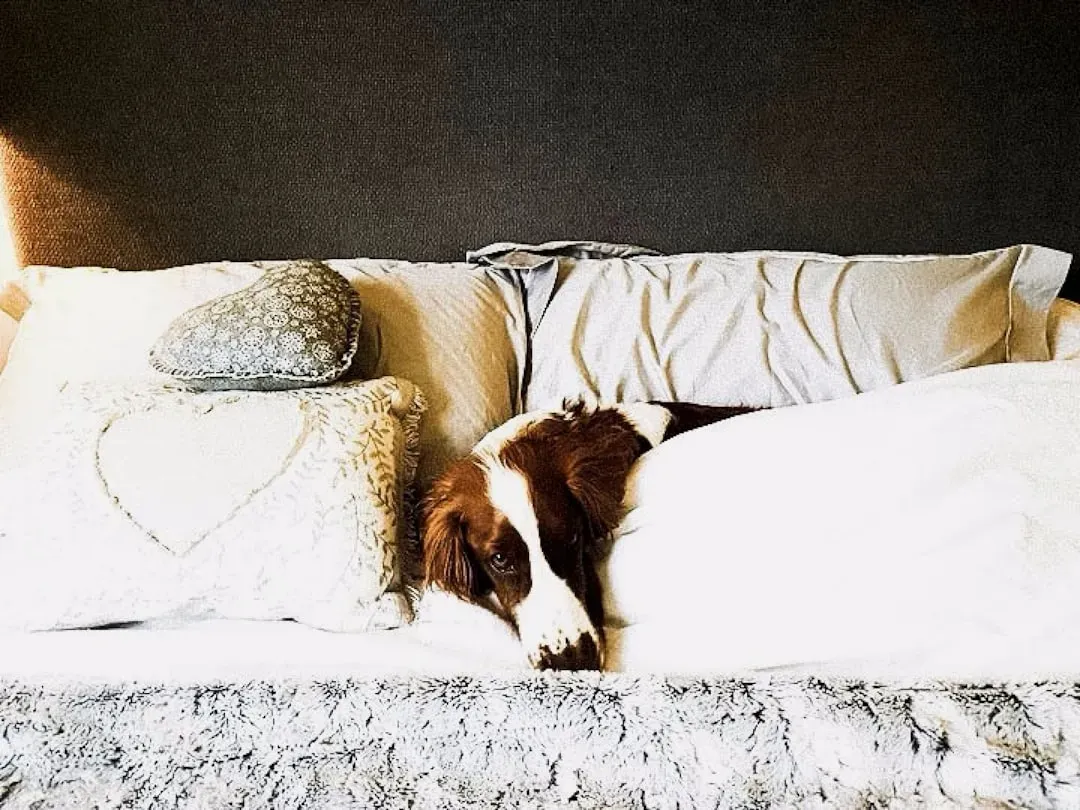
Creating a dedicated area, such as a cozy bed, crate, or designated room, helps establish a sense of security and comfort for your pet. It’s a safe haven where they can keep their toys and relax when they feel overwhelmed by household activities. Think of it like this: even the most social dog needs their own “off-duty” spot. A place that smells like them, feels familiar, and signals to their nervous system that everything is okay.
Place dog beds in low-traffic areas of your home to give your dog a peaceful place to rest, and consider orthopedic beds for older dogs that need extra support. Behavior clue to watch for: if your dog is constantly shifting positions, pacing before lying down, or choosing hard floors over their bed, their current bed may not be offering enough support. That’s your sign to upgrade. Consider the size of your pet and the color of their fur. You’ll want something slightly larger than their body that can be easily washed. Look for beds that either have removable, washable covers, or can be thrown directly into the washing machine.
3. Set Up a Smart, Dog-Friendly Feeding Station
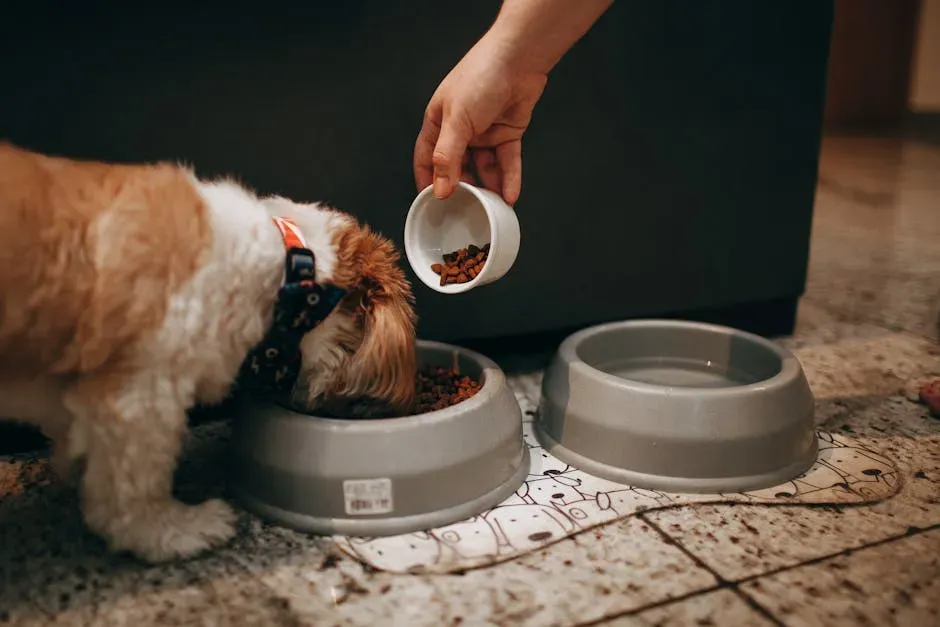
Scattered food and water bowls can be a tripping hazard and take up valuable space. A built-in feeding station keeps things tidy and stylish. These can be integrated into lower kitchen cabinetry, the end of an island, or a mudroom nook. For extra convenience, consider running a water line to the feeding station so you can easily refill the water bowl. You don’t need to go full custom renovation here. Even a simple raised bowl stand tucked into an underused corner of the kitchen is a massive upgrade from bowls sliding across the floor every meal.
Make sure their food bowls are in an area they can access easily, in a quiet area where they won’t be disturbed when eating, and that their water bowl is topped up with fresh water regularly. Honestly, this one is often overlooked. Dogs can feel anxious or protective around food if they’re eating in a high-traffic zone where kids are running past and the television is blasting. A calm, consistent feeding corner reduces mealtime stress and supports better digestion. Raised food and water bowls are especially beneficial for senior dogs and dogs with arthritis, helping them eat and drink more comfortably.
4. Remove Hidden Hazards Before They Become Emergencies
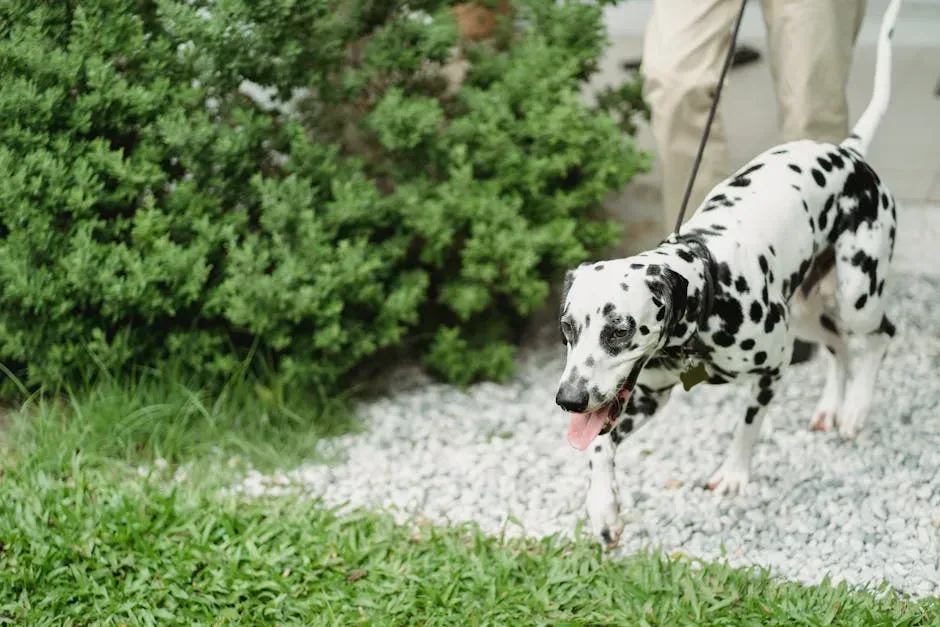
Dogs love to taste almost everything around them. Unfortunately, they seem to like the taste of many foods, plants, and chemicals that are poisonous to them, and they can ingest a dangerous or lethal amount in a short time. Let’s be real: your average dog has zero concept of what’s dangerous and what isn’t. To them, your ibuprofen looks just as interesting as a treat. That curiosity is adorable right up until it becomes a vet emergency.
The most common hazards to watch out for include foods like chocolate, grapes, raisins, onions, garlic, avocados, alcohol, and xylitol found in sugar-free products, as well as toxic plants like lilies, azaleas, philodendrons, aloe vera, and sago palms. Keep bleach, ammonia, and other household disinfectants out of reach of your pets, and be particularly cautious with pesticides and rodenticides, as any chemicals used to kill insects or rodents are extremely toxic to pets. Do a full home walkthrough from your dog’s perspective. Get down on all fours. You’ll be surprised what you spot.
5. Use Baby Gates and Barriers Strategically

Create a secure environment by installing safety gates in strategic locations. This prevents your dog from accessing areas with potential dangers, such as stairs or rooms containing fragile items. Safety gates are an effective way to limit their movement and ensure a safe living space. Gates aren’t just about restriction. They’re about protection. A puppy on a staircase unsupervised is a fall risk. A dog with access to the garage or laundry room is a cleaning-product risk. Smart gating is actually an act of love.
Setting up dog-friendly spaces using baby gates or closed doors is a great way to create safe zones, while protecting valuables by placing important items up high, such as bags, sunglasses, house plants, and chargers. The real trick is being intentional rather than reactive. Don’t wait until your dog has a bad experience in the wrong room to gate it off. Decide upfront which spaces are theirs freely, which require supervision, and which are off-limits entirely. Consistency here prevents confusion and builds trust.
6. Invest in Dog-Proof, Easy-to-Clean Furniture Choices

Look for easy-care materials like leather or ultrasuede that can be wiped clean. Crypton Super Fabric is a synthetic option designed specifically for pet owners, offering stain and germ resistance. The furniture battle is real. Every dog owner knows the emotional journey of watching a new sofa get claimed within forty-eight hours. Rather than fighting it constantly, choosing smarter materials from the start is genuinely life-changing.
Another way to make your furniture more pet-friendly is to choose couches, chairs, rugs, and other items that match your pet’s hair color. For example, if you have a golden retriever, selecting lighter-colored upholstery can help your home look cleaner, even if you haven’t had time to vacuum during a busy week. It sounds like a small thing. It absolutely is not. Investing in tough, chew-resistant furniture can save you time and trouble later. Pick furniture that allows your dog to join you comfortably, and a dog bed or blanket near your favourite chair can make your time together more enjoyable.
7. Keep Your Home Clean Without Losing Your Mind
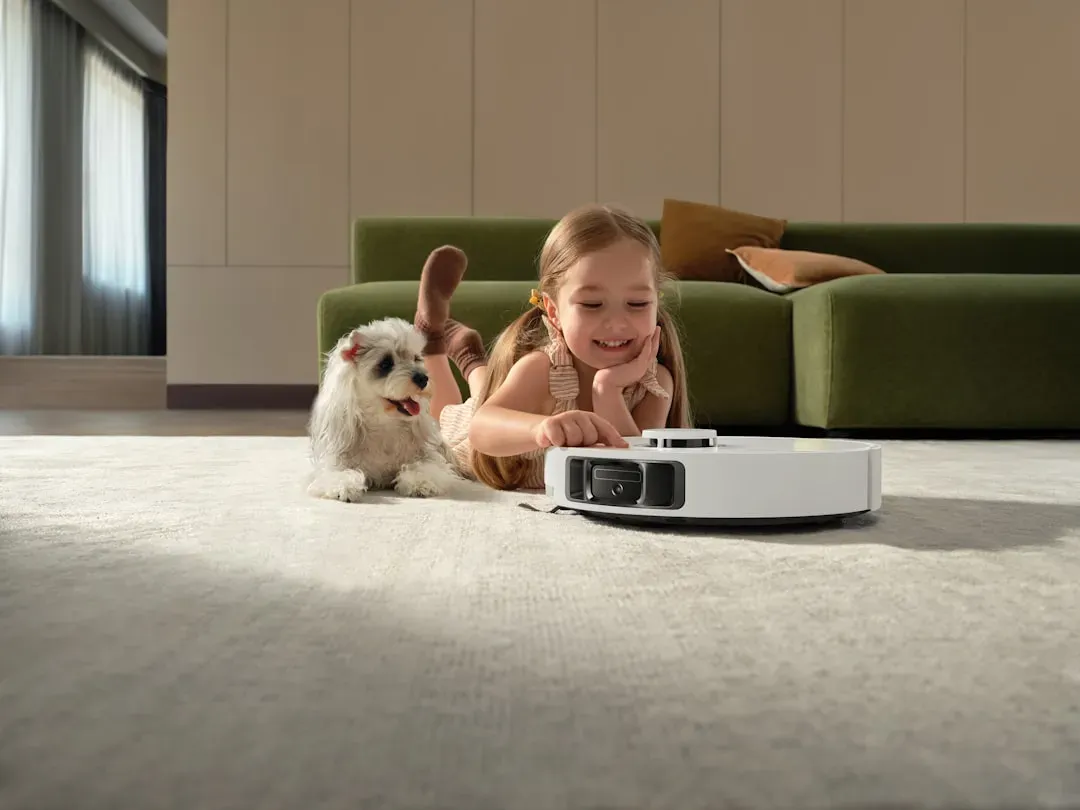
Maintaining a weekly vacuuming or sweeping schedule will help you avoid a buildup of pet hair, keeping your home clean, less prone to odors, and much more pleasant for visitors. Whether you opt for professional grooming services or prefer to do it yourself, regularly bathing and grooming your pet works wonders for their health, their self-esteem, and the cleanliness of your home. Think of grooming as a preventive cleaning strategy. The more hair you remove from your dog before it falls on your floors and furniture, the less time you spend wrestling a vacuum.
Regularly clean your dog’s bed, toys, and food and water bowls to prevent the accumulation of bacteria and unpleasant odors. This not only promotes a hygienic living space but also contributes to your dog’s overall health and comfort. A dog’s bowl, left uncleaned, can harbor bacteria faster than you’d expect. Consider using air purifiers with HEPA filters to reduce odors and allergens, and wash pet bedding and other furniture coverings regularly. These aren’t just comfort measures. They’re health measures, for your dog and for everyone in the household.
8. Give Them Mental Stimulation Every Single Day
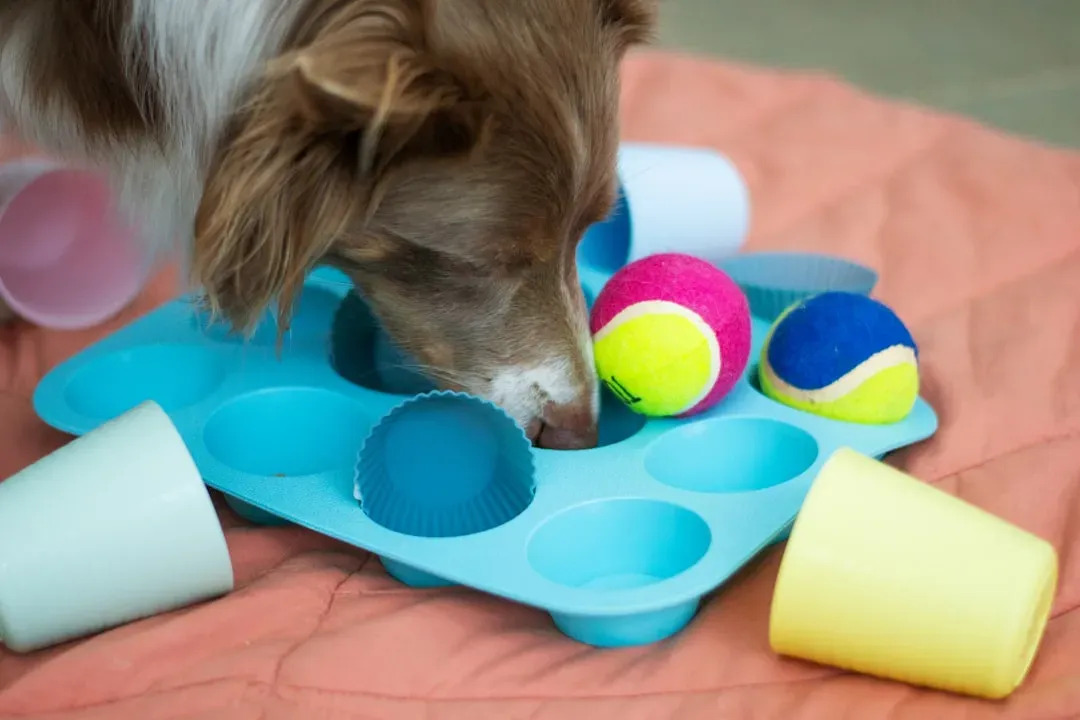
A dog-friendly home also includes opportunities for mental stimulation. Use treat-dispensing toys or snuffle mats to challenge your dog’s mind. Designate a small area for obedience training or learning new tricks, and rotate toys and activities to prevent boredom. Here’s something most people don’t realize: a bored dog is far more destructive than a tired dog. Mental fatigue is just as real as physical fatigue for our canine companions. A dog who has spent twenty minutes working on a puzzle feeder is genuinely calmer and more content afterward.
Keep them from being bored by providing puzzles and activity feeders or chews when you are not around. When at home, try a search-and-find game by hiding some of their favourite treats around the home. This is one of my favorite tips to share with new dog owners. The hide-and-treat game sounds almost too simple, but it engages your dog’s most powerful sense. Their nose goes to work, their brain engages, and by the time they’ve found four or five hidden treats, they’re ready for a long, satisfied nap. Make sure they always have water, a comfy dog bed, and a favorite toy to keep them occupied. For example, a Kong stuffed with peanut butter and frozen will keep them happy for hours.
9. Build a Dog-Friendly Outdoor Space
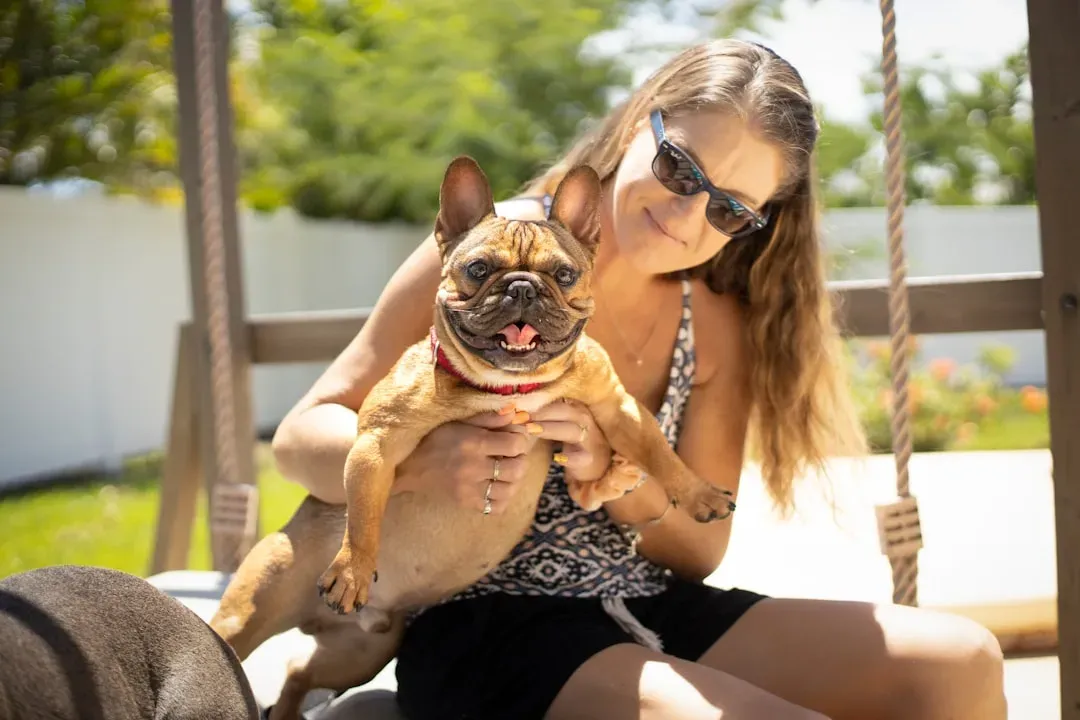
Make the most of your outdoor space by creating a secure area where your dog can run and play freely. A fenced yard is ideal, but even a smaller patio can be turned into a pet oasis with turf, shade, and a few of their favorite toys. Outdoor space matters enormously to a dog’s wellbeing. Even a modest backyard can become an enriching environment with a little thought. The goal is not square footage. It’s safety and stimulation.
If your yard has a fenced-in area, make sure the fence is high enough to contain your dog. Some dogs can leap surprisingly high, so research your breed’s capabilities. Also make sure the fence is flush to the ground to prevent diggers from escaping. Provide shaded areas for your dog to rest and cool off, especially in hot climates. Install a pet fountain or regularly refilled water bowl, and create designated spaces for play and exercise. Prevention tip: check your fence line seasonally. A gap that didn’t exist in spring can open up after winter frost or heavy rainfall.
10. Secure Electrical Cords, Trash, and Small Objects

One of the first steps in cultivating a pet-friendly environment is to check to make sure your house doesn’t have tantalizing things your dog might destroy within reach, such as open food on the counter or unattended laptop cords plugged into the wall. Electrical cords are genuinely one of the most overlooked hazards in a dog home. They’re chewy, they’re everywhere, and they’re potentially lethal. A curious pup who bites down on a live cord doesn’t get a second chance.
Reducing clutter around your home will lessen the chance that your dog will chew on items that can be hazardous to their health. Giving your dog a more enjoyable alternative to destructive chewing will help minimize the random chewing of items around the house by shifting their chewing desires to a durable chew toy. Use lids on trash bins or place bins in a cupboard to prevent scavenging. Dogs aren’t misbehaving when they raid the trash. They’re just being dogs. Lock it away, and you remove the temptation entirely. Simple as that.
11. Maintain a Consistent Daily Routine for Emotional Stability
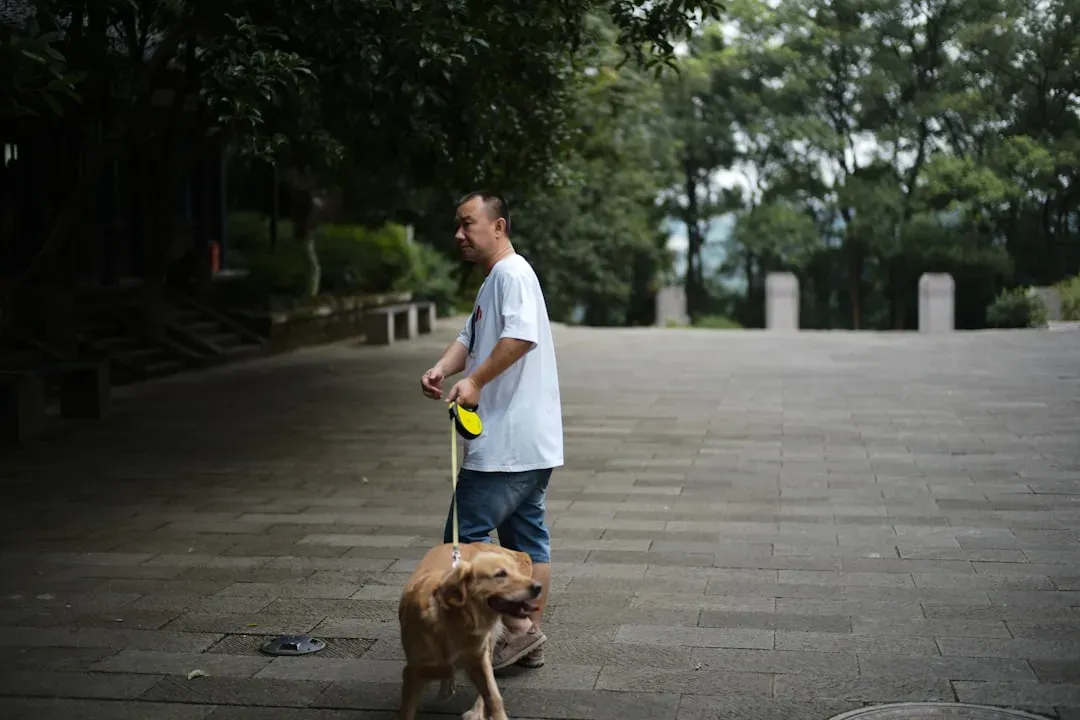
Dogs like routine. They look forward to their mealtimes, they know when to expect you to arrive home, when it’s time to go for a walk, and when it’s time for fun and games. I think this is the most underrated element of a dog-friendly home. The physical space matters, sure. However, the emotional environment matters just as much. Predictability is deeply comforting to dogs. Chaos and inconsistency, even loving chaos, can raise their stress levels significantly.
Long periods spent alone make your dog feel isolated and unloved. They may also trigger separation anxiety, especially in puppies. Separation anxiety is a widespread problem that pet parents have to deal with, and it stems from your dog feeling abandoned whenever you walk out the door. Feed, walk, and play at regular times to create stability, and spend quality time with your dog to strengthen your bond and provide emotional support. Even fifteen minutes of intentional play in the morning and evening can dramatically shift a dog’s emotional baseline for the better.
12. Make Special Accommodations for Senior or Special-Needs Dogs
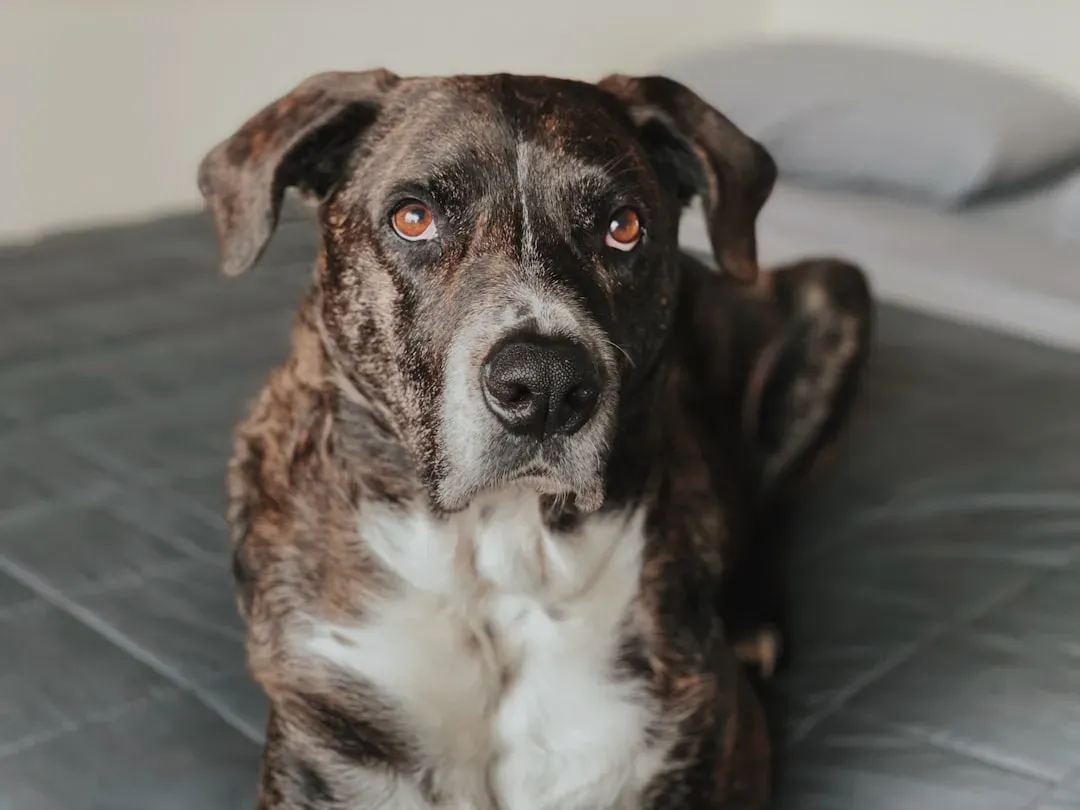
There are numerous ways to keep senior dogs and dogs with arthritis happy and comfortable, including raised food and water bowls, orthopedic dog beds, and even heated bed warmers. If your dog is having trouble getting up onto the couch or into your bed, there are dog stairs in various heights. If stairs are daunting, ramps are another option. Watching an older dog struggle to do things that once came easily is genuinely heartbreaking. The good news is that small adjustments can make an enormous difference in their daily quality of life.
Ensure easy access to essential areas for your senior dog. This includes positioning their food and water bowls at a comfortable height and making sure their designated bathroom area is easily reachable. Removing obstacles and creating a convenient environment supports their daily routines. Adapting your home to meet the specific needs of your aging canine companion enhances their quality of life and ensures a safe and comfortable living space. Watch for behavioral signs that your senior dog is struggling: reluctance to climb stairs, hesitation before lying down, reduced enthusiasm for play, or changes in bathroom habits. These are often the first indicators that their environment needs a compassionate upgrade.
Conclusion: Your Home Is Their World
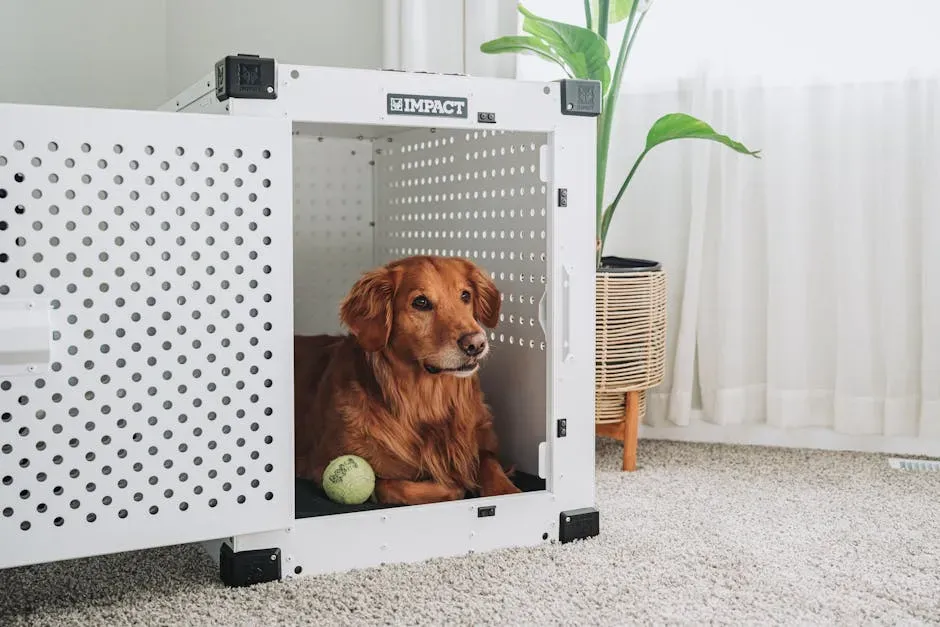
Your dog doesn’t have the luxury of escaping to a coffee shop when they’re stressed or choosing a new neighborhood when the environment doesn’t suit them. Your home is their entire world. Every room, every surface, every smell, every routine. That’s a profound responsibility, and honestly, a beautiful one.
Making your home dog-friendly involves more than just safety. It’s about comfort, enrichment, and a routine that meets your dog’s physical and mental needs. By creating secure spaces, encouraging play and exercise, protecting your home, and providing mental stimulation, you ensure your dog lives happily and safely, and a dog-friendly environment strengthens your bond and allows both you and your pet to enjoy life together.
None of these twelve changes require perfection. Start with one. Then another. Over time, you’ll find that a home built with your dog in mind doesn’t just serve them better. It brings you closer together. After all, the wagging tail when you walk through the door? That’s the best home review you’ll ever get. What change are you making first? Tell us in the comments!


